Travel Nurse Guide: Choosing A Nursing Specialty

Travel Nurse Guide: Choosing A Nursing Specialty surgical specialties
Nurses have always been in demand, but this is a great time to enter the field if you’re considering a career as a nurse. The nursing profession is currently set to experience significant growth over the next decade, and increased demand for care, burnout, and upcoming retirements — with over 500,000 nurses expected to retire by 2022. The stress and burnout caused by COVID-19 pandemic has only added to the need for more nurses.

The good news is that the growth in this field could provide a unique opportunity for registered nurses and nursing students. Experts expect that there will be a need for 1.1 million more nurses by 2022 in order to fill the nursing shortage. Travel nurses — especially those with a specialized nursing focus —  are in high demand to help hospitals alleviate the pressure of finding local permanent staff nurses.

According to Health Providers Choice, there are approximately 25,000 travel nurses in the nation, and the services they provide are sought after by medical facilities across the nation. Hospitals and recruiters are willing to offer RNs lucrative compensation packages to fill shortages, and travel nurses typically make between 15% and 20% more than regular RNs. Specialized RNs are typically in even higher demand — and compensated accordingly.

If you are considering a career in this field, or if you are an RN who wants to specialize in order to work as a travel nurse, you may be unsure of where to start. This guide can help. It outlines what specialties are available for nurses, which specialties are in high demand, and offers guidance on how you can decide the specialty that works best for you.


What Is a Travel Nurse?

A travel nurse is a registered nurse who typically works with an independent staffing agency to take on temporary assignments across the nation. While it’s common for travel nurses to fill in at hospitals or other high-need facilities, there is a wide range of opportunities that travel nurses can take advantage of. Travel nurses could opt to work for a private client or fill staffing shortages in a hospital or clinic. They may also receive assignments out of state or be asked to work internationally in some cases.

There is no specific data at this time from the Bureau of Labor Statistics on what a travel nurse earns as an average wage per year. That said, travel nurses typically earn between 15% and 20% more than the average RN, a role that had an average median wage of about $75,330 per year. When calculating in the 15% to 20% wage increase for travel nurses, you can expect to earn between $86,000 to $90,000 per year on average in this role — not including bonuses and possible housing stipends, both of which are common types of compensation for travel nurses.

In order to be successful as a travel nurse, you will need to be flexible and adaptable to fulfill the job role at hand. You are expected to enter settings and situations that are unfamiliar to you in this role and will have to adjust accordingly. A typical travel nurse assignment lasts between eight and 26 weeks, though assignments abroad could last from one to two years in some cases.

Why Should You Consider a Specialty in Travel Nursing?

There are almost no limits to where you can take assignments as a travel nurse — whether you want to experience life in a small town or work in the hustle and bustle of a major metro area. Nearly all areas in the country need nurses to fill vital roles in healthcare, which means that you can pick and choose the assignments you take.

This is especially true if you specialize in an area of nursing. As the travel nursing profession grows, having an area of focus — or a specialty — could help you edge out competitors and earn more. However, you may not know what you would like to focus on initially.

This is a common problem for many nursing students, who aren’t sure what to specialize in prior to entering nursing school. It’s important to keep in mind that whatever specialty you choose, you don’t need to remain in the field for the rest of your life. As a nurse, you can always seek a different specialty at a later point in your career.

That is what Marie Johnson, APRN, a travel nurse based in Seattle, did. Johnson was recruited while working as an RN in a Florida hospital.

“I pursued respiratory nursing and eventually went for my master’s degree in pediatric pulmonary care,” Johnson said.

High Demand Specialties

The following nursing specialties are some of the most sought after — especially when it comes to hiring travel nurses. These could be good specialization options for travel nurses who are looking to expand their work opportunities.

1. NICU and L&D (Labor and Delivery) Nursing

As long as babies are being born, labor and neonatal care travel nurses will be in high demand. Labor and delivery nurses work in delivery rooms, while neonatal nurses work with prematurely-born babies in the NICU who require a higher level of care.

Labor nurses assist in the delivery process as well as caring for the infants born. L&D and NICU travel nurses can expect to make between $44,190 and $95,130 per year on average, while specialized nurses with advanced degrees such as a master’s or doctoral degree will typically earn the highest wages. However, gaining experience while working as a staff nurse in a level III NICU or delivery room before applying for a graduate program might be the best route to take.

2. Psychiatric Nurse Practitioners

Psychiatric nurse practitioners are some of the most in-demand travel nurses. Projected growth over the next few years is about 45%, and this role has an average salary of about $2,300 per week.

Psychiatric nurse practitioners typically have great workplace flexibility. These types of nurses may work at a hospital mental health department, substance abuse center, private practice, domestic violence shelter, mental health center, school, social services center, correctional system or may even work remotely. Telehealth provides a good opportunity to work from home by providing mental health services online.

3. Telemetry Nurse

Technology is improving diagnostics and patient care and nurses capable of reading and operating state-of-the-art equipment will likely continue to be in demand. A telemetry nurse specializes in cardiac care for patients who are on equipment monitoring. Knowing how to read an electrocardiogram (ECG, EKG) machine is essential to work in this role.

Telemetry travel nurses typically earn between $2,700 and $3,100 per week. For RNs and travel nurses who are already certified in telemetry and want to specialize further, earning a CMC certification to care for cardiac patients who are critically ill could be the next step.

4. Emergency Department or ER Nursing

Emergency room nurses fall under the scope of registered nursing, a field with job growth of about 7% (faster than average) over the next few years. Working in an emergency room is not for everyone. It’s a fast-paced job with a high-stress load. However, some individuals enjoy the nature of the work.

Although many of the dangers of the coronavirus outbreak are starting to lessen, emergency rooms still have a shortage of medical support teams. Fastaff, a travel nursing staffing agency, has ongoing positions for an ER travel nurse, paying between $4,000 to $7,000 per week. Required qualifications include an RN degree and license, one year of ER experience and BLS, ACLS, and PALS certifications.

5. ICU Nurse

ICU (trauma intensive care unit) travel nurses are in high demand. Visit nearly any travel nurse staffing agency’s page and you will find a dozen or more job openings available for immediate hire. Aside from possible housing stipends and benefits, an ICU travel nurse position typically pays between $5,000 to $7.000 per week.

Registered nurses will need BLS and ACLS certifications to qualify for the work. In addition, most jobs require at least one year of experience in an ICU environment and two years working as an RN. For ICU nurses experiencing burnout, taking a shorter-term travel nursing position can be helpful to change up the high-stress routine with temporary placements.

6. Dialysis Nurse

A dialysis nurse works with patients who make regular trips to a center for treatment. If a patient’s kidneys can no longer filter waste effectively, dialysis filters the waste for them. Dialysis travel nurses typically earn up to $79,500 per year.

A dialysis nurse specialization can take three to six years to earn. A bachelor’s degree, followed by some experience working as a dialysis nurse, is a good route to take. If you want to further advance in the specialty, you can start by earning a master of science in nursing. The two-year graduate degree helps students qualify for Certified Nephrology Nurse-Nurse Practitioner (CNN-NP) credentials.

Which Specialty Is Right for You?

Determining what type of travel nursing specialty is right for you may take some homework. After all, you want to make sure that your personality and work preference matches the position you’re pursuing.

For example, ER and ICU positions are best suited for individuals who perform well under pressure. Acute and critical care travel nurses require a certain level of empathy and high communication skills as well.

Taking a personality test, such as the Meyers Brigg Type Indicator, can help you pinpoint how you respond and function in the world around you. There are 16 types of tests, which are broken into extroverts and introverts. The test won’t point out what type of travel nurse you would work best as, but it could at least provide you with insights into what may be a good fit.

Trusted Healthcare has a short list of travel nurse positions based on personality and preferences. A couple of the highlights include:

  • “L&D: Do you like a fast-paced never-know-what-will-roll-in environment balanced with an ‘It’s SO QUIET’ shift? Are you nurturing and directive at the same time? Do you want to work in tandem with the Obstetric (OB) team where it’s often all-hands-on-deck?‍”
  • “Critical Care: Do you like to know EVERYTHING about your patients, such as how much they peed in the last hour, what differential diagnosis could be presenting because they have a new symptom, and which meds are making the BP rise or fall?‍”

If you do not feel inclined toward any specialty yet, working for a while, which allows you to spend time floating around units, may give you a better idea of what specialty would be your best bet. Sometimes, the best way to decide on what specialty fits with your interests and goals is by learning what fields you do not like and then moving forward from there.

How to Become a Travel Nurse

If the idea of traveling for well-paid temporary assignments sounds like a dream to you, you can follow these steps to start on the journey to become a travel nurse.

1. Get to Work

Nearly all travel nursing positions require at least one year of work experience as a registered nurse before you can be considered for an assignment. For specialized nurses, most recruiters will also want to see an additional year of work in your specialty. The sooner you get working, the faster you will have earned the experience required.

2. Float Like a Pro

Floating requires you to be adaptable and open to working in other units. Many nurses dread having to float, but it’s often a necessary part of work. Take it in stride — travel nurses are the ultimate floaters, asked to work temporarily at hospitals and medical facilities to fill shortages. Besides, floating to another unit can be a good skill on your resume, showing you have competencies that make you a valuable team member.

3. Build a Travel Nurse Resume

Having the right skills and experience on your resume can help it land on the top of the stack. There are plenty of sample travel nurse resume templates and resources available online that help you emphasize the skills most likely to win a recruiter over.

Or you can hire someone to help you write a focused resume that highlights your best experience and skills. If you don’t feel comfortable writing your own, the small cost of letting a professional write one for you could pay back in new travel assignments.

4. Apply to a Recruiter

Travel nurse recruiters and staffing agents will be your best partner to keep you happily employed. They handle all the behind-the-scenes details, such as contracts, pay, and the hiring process.

Once you have enough work experience and a solid resume ready, reach out to a few reputable recruiters or apply for positions available on their website. Some of the best-known travel nurse recruiters include:

Preparing for Your New Career and Avoiding Burnout

Burnout is a real possibility in any career, but especially when you work as a nurse. This job is demanding and tends to come with high pressure, which can leave nurses with little downtime — especially during high-need events like the COVID-19 pandemic.

In fact, nearly one-third of nurses reported leaving their jobs because of burnout in 2018, according to a study published Feb. 4, 2021 in JAMA Network Open.

According to the study, 418,769 nurses reported leaving their jobs in the last year. Of those 418,000 nurses, about 31.5% identified burnout as a reason for their departure. Among nurses who said they considered leaving, 43.4 percent cited burnout as a contributing factor.

Other factors that contributed to nurses leaving their roles included: a stressful work environment, which accounted for 34.4%; inadequate staffing, which accounted for 30%; poor management, which accounted for 33.9%; and opportunities for better pay, which accounted for 26.5%.

The good news is that travel nurses may not suffer burnout as quickly as full-time nurses since they change locations and job roles more often. However, travel nurses still need to watch for stress overload.

Some resources that could help with burnout include:

  • Healthy Nurse, Healthy Nation: This resource includes programs and events that help nurses get healthy, fit, and improve their quality of life.
  • Compassionate Listening Circles: This national project is hosted by the American Holistic Nurse Association (AHNA) for all nurses who want to come together virtually in need of support. Virtual meetings are held every Wednesday at 8 p.m. EST.
  • The Inspiration Nurse: Donna Cardillo hosts seminars and retreats that empower nurses and motivate them to take charge of their lives.

Conclusion

If an ever-changing environment that provides you with challenges and opportunities for growth sounds like the ideal career track, travel nursing may be right for you. The field is expected to grow, with many opportunities for nurses to gain experience in varying environments.

Specializing in a certain area of focus could expand your options. You may have the opportunity to take on assignments in other states or even abroad, improving your professional and interpersonal skills in the process.

Cynthia Paez Bowman picture

Cynthia Paez Bowman

CONTRIBUTING WRITER

Cynthia Paez Bowman is a writer and teacher in Ohio who covers higher education, online graduate programs, college planning, and more for Grad School Hub. Her writing has also appeared in MSN, The Simple Dollar, and Bankrate.

Fact-checked by

Angelica Leicht picture

Angelica Leicht

Angelica Leicht is an editor for Grad School Hub. A proud University of Houston alum (go Cougs!), she previously served as an education reporter at Kearney Hub, and an editor at the Dallas Observer and Houston Press. Her writing has appeared in Affordable Colleges Online, Bankrate, The Simple Dollar, and elsewhere.


Credit: This article in its original page – copied here on permission (Original Document)

I really want to become a Doctor – Is there anything I can do straight away?

Check out the Foundation Medical Course on Apprentice Doctor Academy.

Also, explore the Future Doctors Apprentice Doctor Kit on Apprentice Doctor Kits.


Categories All

Lifestyle Trends And Fads to Leave Behind in 2020


Did you follow a new lifestyle trend last year? At the beginning of a new year, we tend to assess what we did last year and determine what we might do differently this year. Some people may decide to take an academic course. Others make a list of books they’d like to read. Some social media influencers suggest people to pick a word or phrase of the year to live by.

There are also new products, or “new and improved” products that promise to help you achieve a more balanced lifestyle. Others promise you can make healthy lifestyle changes almost magically. All most of them deliver is disappointment. Sometimes it’s because what’s being offered is unrealistic. Other times there’s not enough empirical evidence to know what the results will be, but the product is rushed to market anyway.

You don’t have to be a marketing genius to know that at the start of a new year diet and exercise-related advertising are prevalent. This is because many people’s thoughts turn to health and wellness. To diet or not. To exercise or not. To toss out the scale or not. Yet the smartest and least expensive move you can make to improve your health, and lifestyle balance is to make better choices. Even consistently making one better choice can make all the difference in the world. One woman I know decided to eliminate sugar during the week but allowed herself sweets on the weekends. She lost ten pounds, and it never came back. No dieting. No denial. No saying goodbye to cookies forever. Those are the kinds of small decisions that can have a lasting impact.

Nevertheless, as far as wellness and healthier lifestyles, none of us are immune to wanting an easy way to make positive changes. So, we research the newest suggestions. Sometimes we get lucky and find something that works for us. Other times we live in hope, spending a lot of money keeping it alive without experiencing any true results.

So, to help with any 2020 healthier lifestyle trend resolutions you may have made, let’s take a closer look at what was popular in 2019 and consider leaving them all behind.

CBD in everything

Shortly before the American Thanksgiving, I heard an ad for turkey gravy that included CBD. A few days after that, I saw an advertisement for CBD in beer.

lifestyle trends

CBD was on full display in 2019. I suspect almost everyone has heard of it in one form or another – pills, oils, and tinctures for people and pets. Lots of people, including medical professionals, claim CBD can reduce anxiety, pain, and inflammation. But remember, the compound is not federally regulated, which means no one knows for sure what’s in various CBD products. Because CBD isn’t regulated, we don’t know if people are experiencing short-term benefits but setting themselves up for long-term problems. Science doesn’t know enough to provide you with reliable information.

If you’re taking CBD, or considering it, bear in mind that it does interact with many medications, including blood thinners and anti-anxiety medications. Adding CBD may lead to unexpected side effects. So, if you want to try CBD, talk to your doctor. And maybe not chug a CBD beer.

IV drips for hydration

Destination cities for weddings, bachelor and bachelorette parties are prevalent. In some cases, they are so popular that you may see shops offering intravenous hydration and vitamin drips. The idea isn’t unique, but its appearance in the mainstream is. It’s not really a lifestyle trend because you don’t do it on a consistent basis. Its chief goal is to counter the effects alcohol consumption has on the body which it does by rehydrating your body by pumping fluids into your veins.

Many of us know after a night of binge drinking, ingesting water before going to bed can help ward off some after-party affects. So, in theory, an IV drip to reintroduce fluids makes sense. But like CBD, the practice is unregulated and often performed in non-medical settings. Since there is not much scientific evidence to support its claims of rehydration, all you may receive is a high-priced bill for a lot of water that ends up in the toilet.

Your best option is something you probably learned growing up, and oddly enough is written in small print on all alcohol-related products and advertising. Drink responsibly. That will save you time, money – and lots of headaches.

Celebrity-endorsed lifestyles

There is little doubt that people are fascinated with the lives of celebrities. Playing into that fascination, many celebrities have developed their own lifestyle trends. Most of the individuals offer advice to reach goals they claim can be achieved by everyone, although a closer look at what they do and what they can afford may be very different from what’s available to you.

Nevertheless, I’m not here to debunk their advice, nor am I here to support it. But all of you have been gifted with common sense, and I encourage you to use it. Most of these sites are types of affiliate or endorsement sites. The celebrities are getting paid for some of the products they support, and not all of them are good for you. A few may even trigger new habits that you’ll wish you hadn’t started.

If your goal is to improve your health or to develop a better lifestyle, you probably already know what’s right for you, or what isn’t. Before ingesting any new medication or supplement, check with your doctor.

Micro-dosing

Micro-dosing used to be known as self-medicating and included anything from drinking alcohol to smoking or injecting chemicals, many of which are illegal. These days micro-dosing means taking tiny doses of LSD, mushrooms, and other kinds of psychedelics to achieve subtle improvements in focus and mood.

Like other things discussed in this article, there is not a lot of scientific research outlining long-term health effects. And getting reliable data is difficult. Even if you have a connection to obtain these substances, dosage and availability are inconsistent.

Micro-dosing can be dangerous, so if you include it as part of your lifestyle, be aware of the risks. While there may be benefits to some people, like improved focus and a happier mood, others experience high levels of anxiety and discomfort. Regardless of any decision you make concerning this lifestyle path, do not replace your prescribed medications or treatments.

Overuse of wellness apps

lifestyle trends

We have become a nation of people who rely on apps for everything, from scheduling tasks and appointments to clocking our steps and calories. Now, we have health-related apps that individuals use in place of a doctor. Again, this is not a lifestyle trend as much as it is a method of measuring, or assessing good health and good health practices.

I cannot comment on the efficacy of one health-related app over another. Nor am I going to discuss the cost and availability of healthcare overall. But I will say that there are times when an app cannot and should not replace a face-to-face appointment with a qualified healthcare provider.

Essential oils

People sprinkle specific ones on their pillows to promote sleep. Others burn oils in a diffuser to maintain an atmosphere of balance throughout their house. Some people just like how they smell and use them as a sort of incense.

Essential oils are not new in the marketplace. People use them to heal burns, reduce stress, and minimize motion sickness.

As pleasant smelling as some of them are, do they have an enduring effect on your health? Probably not. So, while they cannot harm you, as a lifestyle trend with health benefits, they are not apt to help you long-term, either.

Vaping

Vaping started out as a fledgling lifestyle trend and quickly turned into a nationwide epidemic. There is substantial evidence that vaping can destroy your health, and may cause your lungs to give out. While there is sufficient evidence available documenting the short-term effects of vaping, it has not been around long enough to predict long-term effects. If you’ve never vaped, don’t start. It has no health benefit and can only hurt you.

Gemstone Water

lifestyle trends

You have probably heard of vitamin water, but gemstone water? Drinking gemstone infused water had been around for about ten years, but it is just now taking root in the mainstream. Its claim is that a gem, or combination of gems inserted into water will enliven and restructure it by the natural vibration of the gems.

You don’t drop gems directly into your water. You first buy a special water bottle complete with a pod in which you insert your selected combination of crystals. For example, if you want love in your life, the theory is you could put rose quartz, garnet, and clear quartz crystals into your pod. You insert the pod into your unique water bottle or glass and fill it with water. In theory your water will be infused with the vibration for love, which will enter your body when you drink the water.

There are crystal blends for anything from improved focus, calmness, better fitness, harmony, beauty, happiness, etc. There is even a diamond one that proposes to build strength and stability.

These gem combinations with the pods are not cheap. The diamond one could run you more than $300. Others run as low as $60. Plus, there are accessories you can purchase – gem decanters and droplets.

This health fad will not harm you in any way. If you believe it is helpful and you can afford it, then by all means incorporate this into your life. Plus, the gems inside of a clear water bottle are beautiful and generate interesting conversations. But if you have limited financial resources, I’d use them for something else.

It can be fun and even motivating to try something new to achieve a goal you have. But when it comes to your health, make decisions that benefit you. Fads and trends are exactly that – fads and trends. They come and go and don’t necessarily help anyone except the person or company manufacturing them. Your best lifestyle resolution is to make one small, healthy change that you implement consistently. You may find that’s all you need to be successful.

I really want to become a Doctor – Is there anything I can do straight away?

Check out the Human Behavior in Medicine: Foundations for Future Physicians on Apprentice Doctor Academy.


Categories All

Signs You have Too Much Inflammation In Your Body

Most of us associate inflammation with some kind of bodily injury or arthritis. But did you know that inflammation can also signal other health issues? If your body has excess inflammation, it will signal you in different ways, trying to notify you that something is amiss in your system.

While there may be times when you choose to tell your doctor about some of these symptoms, not all inflammation is harmful. Just like there are two kinds of cholesterol, there are two types of inflammation – acute and chronic.

Acute inflammation helps us heal. If you twist an ankle or sprain your wrist, the area becomes swollen. It may be red and hot to the touch. Those symptoms are your body’s response to injury and begin the healing process, not the least of which is signaling you to stay off the ankle or minimize the use of the wrist. The symptoms are temporary and will dissipate as the injury heals.

Chronic inflammation, however, is serious. If it is left untreated, it can start a chain of symptoms that adversely affect your health.

9 causes of chronic inflammation

Lots of factors contribute to chronic inflammation. Your genetic predisposition, diet, sleep patterns, and other habits are all possibilities. For example, unknown food allergies can cause inflammation in your intestine. But without testing, how can you tell if you have too much inflammation in your body or if everything is just fine?

inflammation, chronic inflammation, acute inflammation, joint pain

Here are nine symptoms that may signal you are suffering from chronic inflammation.

You’re tired all the time
Too little or too much sleep can create inflammation. If you are sleeping less than seven hours or more than nine, the cells in your body may respond to these irregular sleep patterns as if they are an illness.

So, even if you think you’re getting enough sleep, if you feel exhausted more often than not, it may be time to see your doctor. If there is an underlying condition, it can be treated.

You have aches and pains
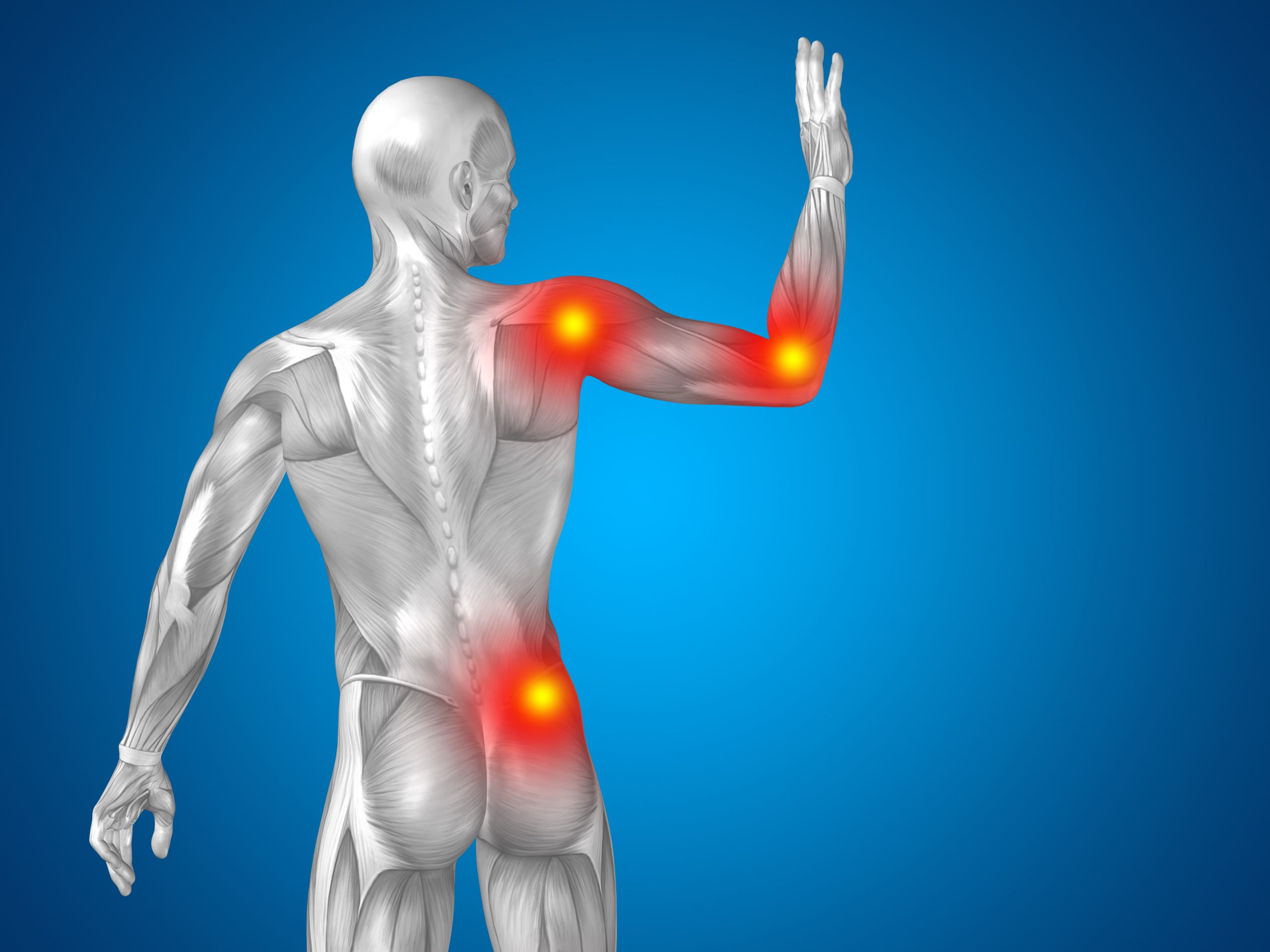
Experiencing pain regularly that is not attributable to an injury is an indicator of a lot of inflammation. If you notice pain at the end of your range of motion, you could have too much inflammation. It could also be a signal that you have developed arthritis. Rather than put it down to age, or dismiss it as no big deal, check it out with your doctor. If you don’t need to cope with it, you shouldn’t.

inflammation, chronic inflammation, acute inflammation, joint pain

You’re experiencing digestive issues
Ongoing symptoms like diarrhea or gassiness could be signs of chronic inflammation, especially in the gastrointestinal tract. Among other things, this kind of inflammation can cause bloating and cramping.

It is doubly important not to ignore these symptoms if they happen more often than not because they could signal a food allergy, irritable bowel syndrome (IBS), Crohn’s disease, or other issues that create inflammation that area.

Let your doctor know. You may have to undergo a series of tests before your doctor can give you a diagnosis, but it is worth the effort.

Your lymph nodes swell
Lymph nodes are located in your neck, under your armpits, and near the groin. Sometimes they will swell, serving as a warning that something may be off with your immune system. For example, if you have a cold or sore throat, you may notice swelling in your neck. That’s a signal that your immune system recognizes something is wrong, and it’s working toward getting rid of a bacterial or viral infection. Once your body fights off the infection, and you are well once again, the swelling dissipates.

But if your lymph nodes are always swollen, or hurt, let your doctor know. There could be a more serious issue in play.

Your nose is stuffy
The most common way the body lets you know something is wrong is through inflamed nasal cavities. At first, it may seem as if you have a stuffy nose and you assume it is seasonal allergies or a simple cold. But, since inflammation is the body’s way of fighting off foreign substances and protecting itself, a stuffy nose could be a sign of something else.

Your skin breaks out
Internal inflammation can sometimes reveal itself externally. If you develop a rash, acne, dry skin, or suffer from eczema, you may have some internal inflammation. If any of those conditions are chronic, see your doctor.

inflammation, chronic inflammation, acute inflammation, joint pain

You’re struggling with brain fog
As surprising as it is, inflammation can also affect you mentally. You may find you forget more frequently than usual. Or have trouble focusing. Sometimes it is severe where you forget what you’re saying in the middle of saying it. Or it could be subtle. You may notice something is off, or not quite right, but can’t put your finger on.

Many times once you treat chronic inflammation, mental clarity will reassert itself. You can help by making a few simple lifestyle changes. Making better food choices might be the most straightforward and most inexpensive change to make. Fast food, processed food, convenience, and restaurant foods can all lead to increased inflammation levels. If you eat a lot of these foods and also don’t include fruits and vegetables in your diet, nutrient deficiencies can result, which can lead to increased inflammation. Start by eliminating one fast-food or restaurant meal a week; or by eating a piece of fruit daily. Then improve on that each week. A gradual, almost dull approach to making those changes will improve your energy and overall health and could very well reduce other inflammation symptoms.

You have heartburn
In addition to digestive issues, heartburn is another symptom of too much inflammation in the body. Studies have shown that gastroesophageal reflux disease, also known as gastric reflux, may be more related to inflammation than to stomach acids traveling up the esophagus.

According to a study published by the Journal of the American Medical Association (JAMA), it could be the body’s natural inflammatory response that causes pain and damage to the esophagus. By knowing that, treatment may be improved.

inflammation, chronic inflammation, acute inflammation, joint pain

You keep getting headaches
No one knows the exact causes of migraines and ongoing headaches, but they could be affected by neurogenic inflammation, which is a type of inflammation in the brain. If you experience a recent onset of headaches or migraines or notice changes from previous headaches or migraines, you may benefit from a neurological exam. That can rule out any organic reasons for the symptoms, including inflammation.

Again, small changes may make a difference. Stress, tobacco, and alcohol use can all stimulate the body’s inflammatory response and lead to migraines and severe or frequent headaches. Relaxation techniques and more regular activity, such as walking around the block, can also decrease chronic stress, which can reduce chronic inflammation.

If you notice any of these nine symptoms, tell your doctor. If you can determine they are due to chronic inflammation, there are ways to treat the causes and get you back to feeling like yourself again.

I really want to become a Doctor – Is there anything I can do straight away?

Check out the Medical Microbiology: Hands-on Laboratory Techniques for Future Medical Professionals on Apprentice Doctor Academy.


Categories All

The Efficacy of Sleep Medications; The Dangers and Benefits

It’s no secret that many of us aren’t getting enough sleep and turn to sleep medications for help. Almost forty million Americans get insufficient sleep. They might have trouble falling asleep, staying asleep, or getting restful sleep. Lack of sleep can lead to poor health, including lack of focus, drowsiness during the day, and weight gain, even if you are making healthy food choices.

If you know you are not getting enough rest at night, and find yourself out of energy during the day, you may be tempted to try a sleep medication. Maybe you grab an over-the-counter supplement, or visit your doctor for a prescription. Whatever your choice, research warns of the potential risks of sleep aids.

Lack of Sleep

You’re staring at the ceiling. Perhaps you look at the clock every thirty seconds. Maybe you flip from side to side. You might even count sheep. These are typical behaviors of people who have insomnia.

Most people associate insomnia with not being able to fall asleep. But even if you fall asleep quickly, if you can’t stay asleep, you may also have insomnia. In fact, the inability to stay asleep this is more common symptom.

sleep medications; insomnia

America Insomnia Survey (AIS) completed a telephone survey involving 6,791 adults. Using the Brief Insomnia Questionnaire (BIQ), about 24 percent of participants had insomnia and indicated that while they could fall asleep, it was hard to stay asleep. Among people with insomnia:

  • 61 percent couldn’t stay asleep and woke up frequently during the night.
  • 52 percent of people with insomnia woke up too early in the morning.
  • 38 percent of individuals with insomnia reported difficulty falling asleep, taking as long as half an hour to drift off.
  • 25 percent woke up still feeling tired.
  • 50+ percent had two or more symptoms of insomnia.

The study also rated 21 medical conditions that could contribute to insomnia. 50 to 60 percent of people complained of some kind of chronic pain keeping them awake; most frequently citing back or neck pain. Seasonal allergies also were given as primary reasons for insomnia. Overall, people with insomnia rated their health lower than people without the condition.

Sleep Medications

sleep medications

In the past 30 years, people have increasingly turned to medications for assistance sleeping. Most people have heard of brand name pharmaceuticals like Ambien, Lunesta, or Sonata.

The primary visual of advertising for these remedies shows individuals in ambient, restful light, fast asleep, and full of energy the next day. But the ads rush the list of side effects, some of which can be severe.

Although experiencing serious side effects are rare, keep in mind they can happen the first time you take any of the medications. Even if you don’t experience an initial reaction, you can have one with any subsequent dose. Taking the lowest recommended dosage does not reduce risk.

Read all warnings related to these medications and ask questions if you don’t fully understand them. Also, avoid alcohol when taking any sleep aid.

Dietary Supplements

Some people believe taking supplements is a gentler way of helping them sleep. Although that may be true, data is inconclusive that they help in any meaningful way. Knowing the proper dosage that works best for you, and lack of high-quality research are two factors that contribute to ineffectiveness.

In its most recent clinical practice guidelines, the American Academy of Sleep Medicine took a closer look at a few popular supplement-based sleep aids, including Melatonin, L-tryptophan, and Valerian. Ultimately, it recommended against all three.

Many people believe Melatonin helps people fall asleep more quickly without any lingering symptoms. It may reduce the time it takes for you to fall asleep by five or six minutes, but there is insufficient research to confirm it provides anything but a type of placebo effect.

Early studies on L-tryptophan indicated it might be helpful, but some clinical trials reported mixed results. L-tryptophan is a precursor of serotonin and could cause some drug interaction, so check with your doctor before using it.

Valerian has also been studied, but only on a small population. The two largest clinical trials did not show significant efficacy.

Most people don’t have any trouble using other sleep supplements, including cannabidiol (CBD) and kava. They are well-tolerated, but their effectiveness varies from person to person.

You may use chamomile and lavender in a tea. These are considered safe, but don’t improve your sleep patterns. You may believe they are useful because you feel yourself unwinding when using them. But when you’re drinking the tea, you are not working or running around. You’re de-stressing from your day, which relaxes you. When you’re more relaxed, it’s easier to fall asleep.

Black Box Warnings

This past spring, the Food and Drug Administration (FDA) required sleep medications to carry “black-box” warnings. Visually, these warnings have black boxes around them, which indicates that an adverse reaction to the drug may lead to death or serious injury.

Sometimes a black box is added to a label at the time a new drug is approved. But more frequently, it is added after approval of the drug and when the FDA receives reports of side effects. When that happens, the FDA confirms the seriousness of the risk. Then, depending on the severity of an adverse event, a boxed warning is provided, but does so in collaboration with the pharmaceutical company.

A black box does not warn against using the medication. But it does alert you to potential risks so that you can make a fully informed decision about taking it.

When sleep medications were initially developed, no one worried about them. But over the past 26 years, 66 cases have been identified involving severe injury and death in individuals taking these medications. They occurred when people were sleepwalking, sleep-driving, or participating in other activities without being fully awake. Checking with your physician before ingesting any of them is always a good idea.

7 Tips for Taking Sleep Medications

The Sleep Education Center provides seven safety tips if you intend taking any sleep medication.

  • Before taking a sleep medication, discuss it with your doctor. Talk about other medicines you already take so you are confident there won’t be any drug interactions.
  • Educate yourself. Read the insert that comes with your medication. If you experience any side effects listed, contact your doctor right away.
  • Your doctor prescribes the dosage best for you. Do not over or under medicate yourself.
  • Never drink alcohol close to the time you’re scheduled to take a sleep aid.
  • Most prescription sleeping pills recommend planning for seven to eight hours of sleep. If your schedule doesn’t allow for that much time, don’t take the medication.
  • When you start taking a sleeping pill, you may experience a drowsy hangover the next morning. Begin using your medication when you don’t have to be anywhere the following morning.
  • Never drive a motor vehicle after taking a sleeping pill.

If you have trouble sleeping – either going to sleep or staying asleep, there are helpful treatments available. Although many people will self-medicate with over-the-counter supplements, your best option is to talk with your healthcare professional or a board-certified sleep specialist about available treatment options. If you have an ongoing problem with insomnia, consider contacting an AASM-accredited sleep disorder center.

I really want to become a Doctor – Is there anything I can do straight away?

Check out the Human Behavior in Medicine: Foundations for Future Physicians on Apprentice Doctor Academy.


6 Simple Steps to Improve Your Sleep

Sleep may seem like a luxury when you’re pulling long shifts and trying to keep up with your family’s schedule. However, it’s an absolute necessity for your emotional and physical health, not to mention your professional success. We’ve put together six steps that move you closer to that full seven to nine hours of sleep. Changes may not come all at once, but if you’re slowly and surely using good sleep habits, you’ll more consistently get the rest you need.

1.  Are you spending time outside?

The eyes have special photoreceptors that absorb the sun’s blue spectrum light and directly send messages to the circadian region of the brain. These signals cause the suppression of sleep hormones throughout the day. As light levels decrease, the body prepares to begin the sleep cycle. Increasing your exposure to natural light by taking a walk at lunch or time in the backyard after work can strengthen your circadian rhythms and regulate your sleep cycle. 

2.         Do you eat at regular intervals?

Meal timing is another factor that influences sleep, and consistency is key. The circadian rhythms are influenced by changes in your daily habits. Eating your meals at roughly the same time each day and spacing them at regular intervals creates a pattern the brain can predict. 

3.         Do you limit your caffeine intake?

Caffeine blocks sleep hormones, and it doesn’t affect everyone the same way. Depending on your size and tolerance for caffeine, it may stay in your system and keep you awake for five to seven hours. Stop ingesting it in any form several hours before bedtime. 

4.         How consistent is your nighttime routine?

The brain likes predictable patterns. A consistent nighttime routine prepares the body and gives the brain the “go” signal for the sleep cycle. Your routine is also a good way to address stress or tension before going to bed. Meditation, yoga, stretching, or simply reading a book can help bring down your heart rate in preparation for better sleep. Be sure to perform your routine in the same order every night. 

5.         Is your bed comfortable?

Your bedroom conditions can contribute to wakefulness. A good mattress should keep your spine aligned while you are in your preferred sleep position. If it’s lumpy, too firm, or too soft, it could be causing discomfort and restlessness. Light in the bedroom can be a problem too. Block out streetlight, moonlight, and light from car headlights. If you’ve got noisy neighbors consider, using a white noise app or machine. Try to create the ideal cool, dark, and quiet sleep conditions your body needs.  

6.         What time do you go to bed?

Try to keep the same bedtime (and wake-up time) on weekdays and weekends. If you’re going to bed at 10 pm on weekdays and 1 am on the weekends, you aren’t doing yourself any favors. The human body was designed to run on cyclical patterns that regularly repeat in a 24-hour period. Changing your pattern every few days leaves the brain guessing. It can throw off the timing of your sleep cycle, so you don’t feel tired at bedtime or leave you exhausted mid-day. 

Conclusion

Better sleep comes with a consistent pattern of behavior that supports your body’s sleep needs. As you build these habits into your daily routine, it can strengthen your response to sleep hormones. More importantly, it can help you get a full night’s rest every day. 

I really want to become a Doctor – Is there anything I can do straight away?

Check out the Human Behavior in Medicine: Foundations for Future Physicians on Apprentice Doctor Academy.


Common Signs of Stroke in Women

Did you know that strokes are more common in women compared to men? In fact, the Centers for Disease Control and Prevention (CDC) estimates that one in five women will have a stroke in her lifetime.

Unlike men, women don’t always get noticeable signs. As a result, they are not apt to seek medical help. And when they do, they may not be able to give their medical professional enough information about symptoms, so they may not receive a stroke diagnosis.

Common signs of a stroke

Part of appropriate treatment is knowing the range of signs. Some can be obvious, but many others are subtle and so, are not well known.

FAST is an acronym that helps people remember the most common stroke symptoms:

Face – One side of the face droops (facial paralysis).
Arms – Inability to raise one arm and keep it raised.
Speech – Slurred speech.
Time – Respond quickly to prevent condition from becoming more serious.

Uncommon signs of stroke

stroke

According to Healthline, “Women are about 1.5 times more likely [than men] to report at least one nontraditional stroke symptom.” Women tend to experience mild strokes, also known as transient ischemic attacks (TIAs) more than men as well. These rarely cause permanent damage to the brain but do put individuals at a higher risk of stroke or heart attack.

Symptoms women may experience while experiencing a stroke can include some or all mentioned in the following list. A brief description of is provided for your information.

  • Altered mental status – This is the most common sign in women. It can be experienced as drowsiness, unresponsiveness, disorientation, confusion, sudden behavioral change, agitation, and hallucination. Other symptoms may contribute to a person’s mental orientation.
  • Balance, walking or coordination problems – This can exhibit as difficulty walking, maintaining balance, or trouble sitting down without falling. You may even notice some stumbling. Dizziness can be a co-symptom because it can cause trouble with walking and balance.
  • Confusion or Lack of understanding – This presents as trouble understanding certain statements and commands. This symptom can be difficult to assess since it can also be attributed to other factors such as aging, stress, or simple distractions. Additionally, it may occur in the days leading up to a stroke, so cause and effect isn’t always present.
  • Difficulty reading – A stroke can affect one side of the body more than the other. According to Women’s Health, if a stroke occurs on the left side of the brain, which controls language, “It can affect how you speak, your ability to understand what someone is saying, or your reading or writing skills.”
  • Dizziness – This is closely associated with lack of balance since dizziness creates difficulty walking or standing. A person may report that the world is spinning, which can result in nausea and vomiting. This can be incorrectly diagnosed as vertigo, so it is important to contact a medical professional if this occurs without warning.
  • Facial paralysis – This is usually the most noticeable symptom of a stroke. One side of the face droops or goes completely numb causing the face to be asymmetrical. If you’re not sure, ask the person to smile. If the individual is unable to do so, consider it an emergency situation and call 911.
  • Headache – Individuals may experience a sudden severe, often debilitating headache prior to a stroke. It is so painful it can cause extreme nausea and even lead to a potential collapse.
  • Hiccups – Women are more likely than men to experience hiccups as a sign of a stroke. According to Dr. Diana Greene-Chandos, a neurologist and Director of Neuroscience Critical Care said, “[Women] actually can have hiccups with a little bit of chest pain with their stroke symptoms, sometimes sending them down the pathway of looking for either heart disease or indigestion.”
  • Impaired vision – There may be a period of time prior to stroke where the person complains of impaired vision. This can mean double or blurred vision, or a complete loss of sight. If you hold up a number of fingers and the person cannot tell you how many are showing, call 911 immediately.
  • Lack of reflex response – The American Stroke Association says that up to 65-percent of people who have a stroke can develop dysphagia, or difficulty swallowing. It is usually experienced after a stroke, but on occasion it happens prior or during one.
  • Loss of sensation – It’s common for a gradual and sometimes total loss of feeling on the skin. A person may also experience a loss of taste and smell.
  • Numbness – Numbness, which goes along with a loss of sensation, may be felt more on one side than the other because a stroke typically affects only one side of the body.
  • Trouble talking – Halting or slurred speech are also early warning signs. The person may be unable to speak or have trouble forming sentences that make sense. Confusion may accompany this symptom.
  • Weakness – You may notice a sudden loss of strength in the muscles of the face, arms, or legs. This could be temporary, or even occur after a stroke has occurred. Numbness may occur simultaneously.

Reducing your risk of stroke if you’re female

stroke

Women have a few unique risk factors that make them more likely than men to have a stroke. Women tend to live longer than men, and the risk of stroke increases with age. Some medications, including birth control, may also increase your risk of stroke. Other risk factors include:

  • Diabetes.
  • High blood pressure (hypertension).
  • Mental health issues, including stress.
  • Overweight.

Other ways you can help yourself

In spite of factors that you can’t control, there are steps you can take to lessen your chances of experiencing a stroke.

Since the number one cause of stroke is high blood pressure, have yours checked regularly, but at least once a year. If you are diagnosed with hypertension, monitor it routinely.

  • Stay healthy – Rather than focus on eating or avoiding a single micronutrient, vary your diet by eating fresh fruits and vegetables, whole grains and lean protein. Beware of labels claiming healthy choices when they may not be. For example, a whole grain muffin is still a muffin.
  • Limit alcohol intake – Alcohol can raise your blood pressure, so drink in moderation.
  • Stop using tobacco – Smoking of any kind, even light cigarettes, is not healthy and puts you at a greater risk for heart disease and developing a stroke.
  • Maintain a healthy weight – Instead of fad diets, talk to your doctor about a sensible approach to weight loss that suits your lifestyle. If you have weight to lose, do so slowly so that you can sustain a healthy weight.
  • Stay active – An active lifestyle helps your heart health, strengthens your bones and muscles and can reduce stress. Think of activity in terms of doing something you like. It doesn’t have to be a gym workout.

While these are only guidelines, if you are concerned about your risk of stroke, set an appointment with your primary care provider. Annual checkups are the best way to prevent anything from interfering with good health.

I really want to become a Doctor – Is there anything I can do straight away?

Check out the Cardiology: Unlock ECG Diagnostic Skills and Save Lives on Apprentice Doctor Academy.

Also, explore the ECG Card for Cardiology Course on Apprentice Doctor Kits.


Taking 10,000 Steps A Day – Is It Too Many or Too Few?

In today’s society we have an app for everything. You can download one to measure steps. Another helps set a schedule for newborns. You can use one for register rewards at hundreds of stores. There are even some to learn or translate foreign languages.

In this article I’m not talking about a specific app as much as I’m talking about the numbers measured by wearable fitness devices. They calculate all kinds of bodily functions like number of steps, breathing, heart rate, miles, calories burned, flights of stairs taken, and even REM sleep. Most of them will let you know with buzzing, bells, or firework displays when you’ve reached 10,000 steps within a 24-hour period of time. Many people strive to reach that goal daily and feel good about their fitness level if they hit it more days than not.

steps, 10,000, walking, tracker, exercise

Not long ago, the Journal of the American Medical Association (JAMA) published a paper based on a study conducted by the Women’s Health Study. It doesn’t fully answer the question, but does shed some light on it. It found that 4,400 steps per day were associated with lower mortality rates in women when compared to only 2,700 steps. That finding, by itself, isn’t particularly remarkable. Most people know that the more steps you take per day, the better your health.

But how did we determine the number of 10,000 as the appropriate number of daily steps? Regardless of the answer, many people benefit from it. But the number is a curiosity.

What you may not know is that the study suggested once you hit 7,500 steps a day, the benefit may level off. But not even that reveals much more information because the researchers only analyzed the most severe outcome that could result from taking fewer than 4400 steps a day – death. It did not take into consideration the other reasons people exercise such as enjoyment, better quality of life, pain reduction, etc. So, it’s reasonable to conclude other health and emotional benefits are achieved with increased steps.

Without minimizing the findings of this study, we can still ask if there is value in taking more than 7,500 steps. In the case of tracking devices, are 10,000 steps a day still helpful?

Yes. Even though 10,000 started out as an arbitrary number, there is still an advantage of reaching that goal. The equation is simple – the more steps you take each day, the less time you spend being sedentary. Inactivity contributes to metabolic disorders, cancer, and heart disease. If taking more steps every day can reduce these and other ailments, why not step out? It is an inexpensive form of exercise that doesn’t require a monthly gym fee, trainer, or special clothes.

The next question is about the tracker itself. Should you go to the expense? One of the advantages of a wearable fitness device is its external reward system. People look forward to the notification that they’ve hit the 10,000 step goal. One friend of mine enjoyed it so much that on Thanksgiving day he walked circles around my kitchen island until the fireworks display went off on his watch.

steps, 10,000, walking, tracker, exercise

This kind of external reward has the added benefit of not being food-related. Many people who embark on a diet will reward themselves with a “treat” if they hit a specific goal – even steps. An edible treat defeats the entire purpose of exercise because it adds far more calories than any number of steps burns off. But an electronic firework display is not only a type of bonus, it is a specific marker that you’ve achieved a quantifiable goal.

If you’ve been considering a walking exercise program but have been inactive, 10,000 steps a day may be too ambitious. On the other hand, it may represent a good starting point. When determining an initial goal, consider your weight, how your joints feel, and even the condition of your feet.* Regardless of the number you choose, it’s important to celebrate when you reach the goal. It becomes your definition of success and deserves recognition. Over time, if you want, you can increase the goal.

For people already engaged in a vigorous fitness routine, the 10,000 steps may be irrelevant. A good friend of mine participates in cardio-strength training three times a week with a trainer. She wears a tracker but only uses it to check her heart rate and number of calories burned. Regardless of the number of steps, which varies with her workout, if she elevates her heart rate for 40-60 minutes, she has achieved what she has established as her goal.

The JAMA study is not the final word on the steps/fitness topic. Measuring mortality against a daily number of steps isn’t much information about the benefits of increased activity in your life. You don’t need a tracker to know more exercise is better than less. If you use a tracker, remember you are more than a set of numbers. It’s tempting to view yourself that way when you start tracking foods, calories, carbs, steps, etc.

Adopting a healthier, active lifestyle isn’t about being perfect or hitting numbers. But if some tracking is helpful to you, then, by all means, do it. But if it makes you more stressed than not, let go of the tracking and make smarter choices in your lifestyle, including taking a daily walk around the block. You don’t need a tracker to do that.

If you are considering dieting along with exercise, you may be interested in reading this.

*Consult a doctor before beginning any exercise program.

I really want to become a Doctor – Is there anything I can do straight away?

Check out the Foundation Medical Course on Apprentice Doctor Academy.


Measles Vaccinations – Update

Back in May 2019 we published an article on vaccinations. With the increase in the outbreak of the measles, it seems prudent to update our readers on the specifics of your risks of exposure. This is information provided by the CDC and in no way suggests you should or should not get the vaccine for yourself or your children. It merely answers some questions you may have.

Are you immune?

If you were vaccinated or had measles as a child, you are probably immune. However, there may be times when you are asked for evidence of immunity and aren’t sure how to obtain it.

What serves as evidence of immunity?

The easiest evidence of immunity is your vaccination records. But getting your hands on them may be easier said than done. For example, a friend of mine has a son who is 35. She has his records should he need them, but she is exceptionally organized. You may not have yours or have any access to them.

If you were born before 1957 chances are good that you contracted the measles, mumps and chicken pox because no vaccine was available. If that’s the case, it means you were infected naturally and are probably immune. But you wouldn’t have documentation of that. You can solve this problem by having a titer test. This is a simple blood test that can verify your immunity, or lack of it. If you are not immune and choose to get vaccinated, your primary care physician can take care of it for you.

What about boosters?

If you are healthcare worker born before 1957, a booster may be a good idea. The best way to find out if a booster is necessary is to contact your primary care physician for advice. She, or he may suggest getting a titer test to determine your level of immunity. From there you’ll be advised on what you should do.

What is the anti-vaccine movement and how did start?

There are lots of reasons parents are concerned about the MMR vaccine for their children. But the main fear is that the vaccine causes autism. This fear popped up in 1998 due to a study in The Lancet, a well-respected British journal. Because it was a very credible journal, people believed the study represented factual information. Unfortunately this was not the case. It incorrectly linked the MMR vaccine with autism.

Twelve years later The Lancet retracted the study having concluded the research contributing to the findings was fraudulent. Although the lead author had his medical license revoked, it was too late. A dozen years of working with poor information is a long time for it to take root.

Much research has been conducted trying to find a cause for autism, but there is still no definitive answer. What we do know is about 100 genes are somehow liked to the disorder, none of which are connected to the MMR vaccine.

Having said that, a parent’s fear of their child becoming autistic is very real. One in 59 children develop it, so discovering the cause is vital. In the end a definite cause may be the only way to disconnect the MMR vaccine as the cause of the disorder.

I’m not making a case for vaccination one way or another. You want to make the best decisions for your child, so all we can do is provide you with accurate information so that you can make a fully informed decision for yourself and members of your family.

I hope this update has helped a little.For more information see Centers for Disease Control.

I really want to become a Doctor – Is there anything I can do straight away?

Check out the Medical Microbiology: Hands-on Laboratory Techniques for Future Medical Professionals on Apprentice Doctor Academy.


Should I Become a Physician Assistant Or Nurse Practitioner?

There are individuals in the healthcare profession who reach a crossroad where they wonder if they should become a nurse practitioner or a physician assistant. But how do you decide? You want to make an informed decision and to do that you want to understand the difference between the two positions.

Neither a nurse practitioner nor a physician assistant are doctors. But they are both mid-level healthcare professionals who take on some of the responsibilities of a doctor such as making diagnoses, creating treatment plans and writing prescriptions. In a healthcare system that is complex, multilayered and expensive, providers serving in these positions are often exactly who you need to see, making your personal care more cost-effective for you.

Although PAs and NPs may compete for the same positions, they build on different education and training. While you are a student, you’ll make a choice based on one of two healthcare philosophies and approaches.

An NP education is built upon more of a nursing tradition. More often than not it means you are interacting with patients as whole people, focusing on health and wellness. PAs, like doctors, approach your healthcare from a more reactive standpoint. You come in with a problem then are told your diagnosis and recommended treatment. Most of the time there is not a lot of conversation about anything else that’s going on in your life. Nevertheless, both provide excellent treatment; it’s more about what style of interaction you prefer.

What does a PA do?

As the title suggests, PAs help doctors, surgeons, and a variety of medical professions with multiple tasks that help hospitals and clinics function efficiently. Responsibilities include. . .

  • Reviewing patient records.
  • Conducting examinations.
  • Providing treatment.
  • Educating and counseling patients.

In some practices, you may have a choice of having your primary care provider be a medical doctor or a physician assistant. In others, a physician may be your primary doctor, but you’ll see a PA who updates your doctor as needed.

Characteristics of a PA

In addition to your medical skills, a successful PA must also possess certain characteristics.

Emotionally calm and stable – The emotional and busy work environment of a PA is stressful so remaining calm will help reduce any anxiety the patients may feel.

Detail oriented – Many PAs enter their own notes on a computer while they talk with patients. Records and treatment plans must be detailed so that upon any return visits, the medical history of a patient is on file.

Works well with minimal supervision – Much of a PA’s job is autonomous, so you must be able to take initiative and be confident in your skills.

Collaborative – You will be working with doctors, nurses, patients, patients’ families, surgeons, and medical professionals of all types. So you must be able to communicate effectively with a sense of partnership.

Compassionate – Each person’s problem is unique to them. So displaying compassion for their perspective and emotional state is crucial to the therapeutic relationship.

Problem-solving – As a PA you will be diagnosing and treating patients, which sometimes involves a little detective work. You must able to problem solve and do so quickly.

Listening – Genuine kindness comes across with patients and garners trust. This is one of the best soft skills you have in your toolbox for diagnosing and treating patients. Without trust, you may not get all the information you need to assess your patient’s situation correctly.

Physician assistant education

The educational path for a physician assistant does not take as long as becoming a medical doctor, but the journey is equally rigorous.
 
Step 1: Four-Year Science or Medical Degree
When enrolling in an undergraduate program, it is a good idea to major in a science. PA programs look favorably on degrees in the following areas:

  • Biology.
  • Chemistry.
  • Nutrition.
  • Psychology.
  • Sociology.

Your grades are vital when applying to a PA program. Most accredited PA programs require a minimum cumulative grade point average of 3.0 on a 4.0 scale. Admissions committees will look closely at your transcript and expect to see sufficient pre-requisite courses they are necessary for you to be successful in a rigorous medical program. Your electives should include courses like:

  • Organic Chemistry.
  • Anatomy and Physiology.
  • Physiology.
  • General Biology with lab.
  • Biochemistry.
  • Microbiology.

Supportive courses that lead to critical and analytical thinking are:

  • College Algebra or Statistics.
  • Psychology.
  • Developmental Psychology.
  • Anthropology or Sociology.
  • Medical Terminology.

Step 2: Enroll in a Physician Assistant Program
Most PA programs will take 2-3 years to complete. Before enrolling make sure the program is accredited by the Accreditation Review Commission on Education for the Physician Assistant (ARC-PA).

In addition to the appropriate undergraduate courses, other admissions requirements may include:

  • Some kind of previous medical experience. This can include patient care as a volunteer or as a paid healthcare professional.
  • Shadowing a physician assistant.
  • Demonstrating an interest in your community as a volunteer.
  • Graduate Record Exam (GRE) scores – prepare thoroughly for this exam by taking a review course.
  • Admission essay.
  • In-person interview.
  • Letter(s) of recommendation from previous instructors or medical professionals.
  • Life support certification – they may accept you earning this as a condition of full acceptance.
  • Background check.
  • Drug screening.

Initially your first year focuses on topics such as health, medication, anatomy, and the health care industry as a whole. You will also get a taste of clinical experience. Additional content could include pharmacology, pathology, and diagnosis techniques.

In your second year, the focus advances into more complex topics like general surgery, gynecology, and behavioral medicine.

One of the most convenient options for obtaining a PA degree, and eventually your license, is an online program. This allows you to work your program schedule around work and family obligations.

Licensing

Once you have your PA degree from an accredited program, you become eligible to sit for the Physician Assistant National Certifying Examination, also called PANCE, which is administered by the National Commission on Certification of Physician Assistants. Upon passing, you can add the designation Physician Assistant-Certified, or “PA-C” for short.

It is always best to take the PANCE and pass it as soon as possible after graduation. But should you run into difficulties, the organization allows you six attempts to take it as long as you do so within six years of program completion. If you exhaust the total number of retakes, or six years passes, you lose your eligibility and have to re-establish it by completing another accredited PA program start to finish.

It doesn’t matter where you live in the United States. If you want to work legally as a PA you will have to acquire licensing. State requirements vary slightly, so check your region for any additional licensing criteria.
In addition to your license, state law also requires you to hold an agreement with a supervising physician. This agreement establishes a formal collaborate between the PA and the physician even if the physician doesn’t work on site.

Continuing education

Without exception, professionals working in a healthcare setting must engage in continuing education. This ensures you stay current on changes in medicine, diagnosis and treatment techniques, and medical technology. To maintain your certification, you must complete 100 credits every two years across different categories. You can stay updated on re-certification requirements by checking the NCCPA site. It is your responsibility to complete these credits promptly.

Physician assistant salary & job outlook

As you are considering a career as a physician assistant, you want to think about the return on your time and financial investment.

physician assistant; PA

According to information from the Bureau of Labor Statistics, as of 2018 physician assistants made a median income of $108,610 per year. But the best news for PAs is that through 2026 the excepted job growth is 36%, which is much faster than average. As a PA, you can make a very nice living and expect stability in your job.

A physician assistant has an opportunity to work in all kinds of disciplines. You may decide to focus on primary care, which is general in nature. Or you could specialize in psychiatry or geriatrics. The field is wide enough for you to spend your time in an area of medicine that interests you the most. However, each job, state and region has specific regulations, so the hours you work and the amount of physician oversight required will vary.

I really want to become a Doctor – Is there anything I can do straight away?

Check out the Decoding Medicine: Mastering the Language of Healthcare on Apprentice Doctor Academy.

Also, explore the Medical Assistant Practice Kit on Apprentice Doctor Kits.


Good Oral Health – Nature or Nurture?

“You have great teeth like your grandpa,” my mother said to me one day after one of my visits to the pediatric dentist. “But your sister is another story.”

Back then I didn’t overthink what she said. I was only eleven, and all I wanted to hear after going to the dentist was, “No cavities.” And that’s all I ever heard until I was in mid-twenties when I had my first cavity. Now I’m over sixty, and I don’t think I’ve had more than four cavities in total; no root canals or any other horror I always imagined could happen to my teeth. My grandfather was the same, although he probably didn’t have quite the same imagination. On the other hand, my sister has had more cavities than I can count.

That got me to wondering if we can inherit bad teeth from our families. My sister and I are different in coloring, bone structure and a lot of other things. So it might not be so far fetched to believe some genetic marker gave her problematic teeth and spared me.


To answer my own question, I did a little research on what elements of oral health are heredity and which are due to how I care for my teeth. It’s a different type of nature versus nurture.

Four Inherited Reasons for Problematic Teeth

Facial structure

Along with specific physical characteristics like hair and eye color, the shape of your teeth and the structure of your jaw are hereditary. These two facial structures can create teeth that are overcrowded or misshaped. Without orthodontic correction, it can be hard to reach some surfaces of your teeth with your toothbrush. So while you may take great care of your teeth, you may have the potential for more cavities.

Enamel thickness

Enamel covers the crown, which is the part of the tooth above the gum. Its purpose is to protect your teeth from decay. Genetics play a role in its thickness and strength. If the enamel is thin, your teeth will be more prone to cavities and other oral health problems.

Taste preferences

It may be difficult to believe, but genetics play a part in your tastebuds. You may love bananas, but your mother may think they taste like cough syrup. Genetics can determine that. A difference like that may not cross your path too much, but when people say they have a sweet tooth, it may have a basis in genetics. Individuals who gravitate toward sugary foods will increase their chances of developing cavities.

Oral cancer

Many factors contribute to the development of oral cancer, but evidence suggests genetics can play a role.

But can you blame all your oral health on your genes? No.

Even with these factors, you may not want to send your parents your dental bills just yet. Also if your teeth have been influenced by genetics, good oral health care can minimize any developing risk.

According to the American Dental Association, “Many common diseases are not inherited as a single gene defect but instead result from gene-environment interactions.” More simply stated, your dental hygiene, your environment, your habits and other factors can also help or hurt your oral health.

Four environmental causes

In addition to genetic factors, the environment also contributes to your oral health.

Attrition – When you clench or grind your teeth, which is often involuntary during sleep, this causes enamel erosion making your teeth more susceptible to tooth decay.

Abrasion – When you brush your teeth too hard, don’t floss correctly or bite your fingernails, pens or other hard surfaces, you can wear away your enamel, increasing your risk of decay.

Abfraction – Flexing or bending a tooth can result in stress fractions, which are slight cracks in your teeth. Bacteria can enter these cracks and brushing, or flossing can reach inside.

Corrosion – This condition occurs when acidic food or liquid hits the tooth’s surface. Certain medications, vitamins, and food are highly acidic and can wear down tooth enamel. Frequent vomiting from bulimia and even alcoholism can also contribute to corrosion.

Three signs of enamel erosion

If you are concerned about enamel erosion, watch for the following symptoms.

Sensitivity – In the early stages of enamel decay, some foods, especially sweets, and extreme temperatures may cause twinges of pain in your teeth. In later stages of erosion, this sensitive will become extreme and at times make you jump or take a sharp inhale of breath.

Discoloration – When enamel erodes, more dentin (the layer of the tooth beneath the enamel) is exposed. As a result, teeth may yellow.

Cracks and chips – You can generally feel cracks and chips in your teeth with your tongue. When enamel wears away, the edges of your teeth become aren’t smooth Cupping, which are indentations on the surface of the teeth, can also occur.

A dozen ways to nurture your teeth

Most of us know the basics of oral hygiene. But as a reminder, here are some things you can do to minimize tooth decay and gum disease.

oral health; dental hygiene
  1. Eliminate highly acidic foods and drinks – Carbonated sodas and citrus fruits and juices are acidic. After ingesting any of these, rinse your mouth with clear water. Using a straw when you drink acidic drinks pushes the beverage to the back of your mouth, mostly bypassing your teeth. Sports drinks are also high in acid which will eat away tooth enamel. They can also trigger acid reflux, which drives acid back into the mouth and onto the teeth.
  2. Monitor snacks – When you snack throughout the day, you increase your risk of tooth decay, especially if those snacks of high in sugar and starches. It’s best to rinse your mouth and brush teeth after snacking or having a full meal.
  3. Chew sugar-free gum – Chewing sugar-free gum between meals boosts saliva production which helps strengthen teeth with essential minerals.
  4. Drink more water – As a general health advantage, drinking water is a good idea. But if you have low saliva volume or dry mouth, drinking more water can help increase your production of saliva, which helps your teeth.
  5. Teeth as tools – When opening boxes, packages, or breaking strings, etc., use a proper tool like scissors or box cutters. Leave your teeth for chewing.
  6. Grinding Your Teeth – If you grind your teeth, you will probably experience bone loss over time. Your dentist will normally check this during your cleaning appointments. If you grind your teeth at night, special mouthguards can be prescribed by your dentist to wear at night to prevent tooth and gum damage.
  7. Oral Piercings – Although popular, tongue and lip piercings can harbor bacteria and may also wound the inside of your mouth. Piercings near the gumline could erode the gums or even nearby tooth enamel which protect nerve exposure. Piercings can also chip your teeth. Before getting a mouth piercing, talk to your dentist about the oral healthcare risks.
  8. Mouthguards – Avoid broken, chipped and loss of teeth by protecting your teeth with a mouthguard if you are involved in contact sports.
  9. Teeth whitening – Teeth whiteners, and whitening procedures are popular these days. But if you experience gum and tooth sensitivity, discuss your options with your dentist.
  10. Flossing – If you’ve been to even one dental cleaning, you know flossing can improve your overall oral hygiene by minimizing plaque in your mouth, a sticky substance that can find every crack and crevice in your teeth. When it remains, bacteria develops causing tooth decay and other dental conditions. This is a hard habit to improve, but one of the most straightforward prevention measures available.
  11. The right toothpaste – Using a fluoride toothpaste can strengthen teeth. But using a toothpaste that is too abrasive can weaken them. The U.S. Food and Drug Administration ranks the abrasiveness of toothpastes. Anything above 100 is they have determined as harsh. A rank of 200 is highly abrasive, and any toothpaste above 200 is one to avoid. Consult a comprehensive list.
  12. Sealants – Sealants may help prevent enamel erosion and minimize tooth decay. Ask your dentist if you are a good candidate for this treatment.

Even if genetics play a role in how strong, or weak your teeth are, your daily choices about oral hygiene will go a long way to keeping your mouth and teeth healthy. In addition to brushing and flossing, if you follow other prevention measures, you can be confident you’re doing the best you can to keep your teeth in great shape for life.

If you’re interested in helping people care for their teeth, learn about becoming a dental hygienist, dental assistant or dental technician.

I really want to become a Doctor – Is there anything I can do straight away?

Check out the Foundation Medical Course on Apprentice Doctor Academy.


IMPORTANT! A major website update has been made. Any issues, notify us instantly by pressing the "Quick Help" button and leaving a short description of what you experienced.