Is a Foreign Degree Accepted by US Medical Schools?

It is difficult for anyone to get into medical school, regardless of the school from which an under-graduate degree is conferred. But if you are a student who has received a foreign degree, your chances of acceptance into a US medical school drop dramatically. If you’re looking to transfer in a foreign degree, be prepared to do a lot of research and to take many extra steps to set yourself up as well as possible for admissions success. Asking questions and doing research on the topic is always your first and most important step. This article will answer many of your questions, but will pose many more as you navigate the process of entering medical school. Nothing can replace calling the schools which interest you and having conversations with their representatives to get the details. And be prepared emotionally, and financially, to make application to as many as 25 different schools. Even applications from U.S. university graduates will apply to 10 or 15.

Part I – Initial Steps

US medical schoolsWhat type of non-U.S. bachelor degree do you need?

Although there are many possible degree programs in the United States and abroad, when applying to US medical schools most admissions committees are looking for programs heavy in the sciences that pertain to medicine and the psychological and social nature of humans. This means that your undergraduate degree will have a complement of knowledge across biology, chemistry, mathematics and physics. Incorporated into these broad categories are computer literacy and statistics. Without these types of courses in your undergraduate degree program, your application to medical school is not likely to be accepted.

In addition to the science and math portions required in your curriculum, it must also  demonstrate you have an adequate knowledge base in social sciences, including cultural and behavioral facets of people.

Softer skills such as analytical and critical thinking, problem-solving skills, effective learning capabilities and strong verbal and written communication skills must also be threaded throughout your program.

The program and major you select in your undergraduate degree will have to demonstrate high rigor. Most students matriculating into medical school majored in a discipline dealing with biological, physical or social sciences. Organic chemistry, molecular biology, biochemistry, and microbiology are some examples. It’s not unusual for schools to offer a course of study called pre-medical.

However, if you’re undecided about which area of science to enter, take a look at the following type of curriculum components. Most US medical schools reviewing your academic credential are looking for programs that largely reflect the following type of courses:

Courses Specifics within Courses
Biology

Course should include elements of the following types of content: genetics and cell biology, molecular biology, cellular metabolic function, energy transfer, etc. The emphasis should be on human biology and the system principles of biology.

At least one year, including some lab experiences.

Cellular and molecular components must be present.

Note: Advanced placement credits are generally not permitted.

Chemistry or Biochemistry

Courses should include elements of the following types of content: general chemistry, organic chemistry, inorganic chemistry and biochemistry.

Two years. This usually means four courses.

Lab experience is required.

Note: In some schools advanced placement credits may replace one course, but generally no more than that.

Physics

Courses should include elements of the following types of content: biologically relevant areas of electricity and magnetism, optics, quantum theory, kinetics, mechanics, etc.

At least year is required.

Lab experience preferred.

Note: In some schools advanced placement credits may replace one course, but generally no more than that.

Math

Courses should include elements of content that familiarize students for quantitative reasoning and  analytical perspectives. Statistics is necessary so students in any medical program can understand the literature of science and medicine. Development of skills relating specifically to biology should be a main focus.

At least one year, including calculus and statistics.

Biostatistics is preferred.

Note: In some schools advanced placement credits may replace one calculus course, but only with a specific score.

Writing

Expository writing should be a focus. This experience can be obtained through most courses in the social sciences or humanities where substantial essay writing is required.

At least one year.

Writing intensive courses are preferred.

Note: Advanced placement credits are not permitted.

If all of these elements are contained in your program, and can be documented in your official transcript(s), then you have taken an initial step toward the potential transfer into a U.S. medical school with a foreign degree. But keep in mind this is just the first step in many more.

Are there advantages of transferring into a U.S. medical school?

  • The most important advantage of transferring into a U.S. medical school may be improved residency opportunities. Although students with a foreign degree in medicine can fit the criteria outlined in U.S. residency programs, there is a much higher percentage of matches by U.S. medical program graduates. A U.S. medical degree improves your chances of residency placement dramatically.
  • Licensing is easier for student from US medical schools. Non-U.S. medical graduates have to take some additional steps before applying. The first of these is becoming certified by the Educational Commission for Foreign Medical Graduates (ECFMG). These students may also have to complete additional U.S. practical rotations to be eligible for licensure, and their applications often take much longer to process. Delays in processing these applications result in foreign medical graduates being asked to leave training programs after their second or third years.

Are there challenges to consider?

  • For students with a foreign degree, there exists a low likelihood of acceptance into medical school. Transferring between schools is difficult even for U.S.-degreed students. Medical licensure pass rates and other evaluation measures are normally tied to the school offering the program, so they are strict with the knowledge base students have acquired. US medical schools lose a certain of confidence in the material an undergraduate student may know, or not know, coming into a medical school program. This can make the program difficult for the school, and for the student. This playing field can sometimes be balanced by mandating international transfer applications possess higher grade point averages than their counterparts from a U.S. premed or medical program.
  • Training time for international students may be extended. Even if the transfer of a degree is permitted, education or training time when transferring from an international to an American medical school may be lengthened. Again, this has to do with a school’s confidence in the curriculum being transferred in. Even between U.S. schools, curriculum differs. These differences are wider when considering international curriculum. Repeating certain classes, or practical training experiences is often the result of any kind of transfer . This is very time-consuming for students, and it can become very expensive, especially for non-U.S. citizens who are not eligible for Federal financial assistance.

Are there U.S. medical schools that will accept an international undergraduate science degree?

There may be a few you’d like to consider investigating. But first it’s important to note that the medical school system in the United States is fairly rigid and it has to do with accreditation. Reputable colleges are always accredited by an outside organization. In addition to institutional accreditation, there are also agencies that accredit programs within those institutions.

Medical education in the United States is accredited by an organization called The Liaison Committee on Medical Education (LCME©) and is recognized by the U.S. Department of Education. The purpose of the LCME is narrow. They provide quality assurance and accreditation for medical education that leads to one thing – a medical degree in the United States. Their scope is also very precise since they only do this for schools geographically located in the United States and Canada. Almost all medical schools in America require that your undergraduate degree be from schools with medical education programs accredited by the LCME. Unfortunately, they do not accredit any international schools.

If your hope is to avoid taking any U.S.-based prerequisite courses and go straight into a U.S. medical school with your foreign degree (assuming it’s one based in the sciences), then your very best option is to take a look at the Bachelor of Medicine/Bachelor of Surgery (MBBS) degree offered by the University of Queensland School of Medicine. They have a cooperative relationship with Louisiana’s Ochsner Health System and operate the Oshsner Clinical School in New Orleans. Your first two years of schooling are spent in pre-clinical work at the University of Queensland in Brisbane, Australia. The second two years, which are clinical, are spent at the Ochsner Clinical School stateside. One of the chief benefits is you’ll get is clinical experience in both countries.

If you’d like to attend a pre-medical program in Canada, as of the date of this article, you can take a look at the following schools, all of which are accredited by the LCME.

University of Alberta, Alberta University of Ottawa, Ontario
Cumming School of Medicine, Alberta University of Toronto, Ontario
University of British Columbia, British Columbia University of Western Ontario, Ontario
Max Rady College of Medicine, Manitoba Laval University, Quebec
Memorial University of Newfoundland, Newfoundland McGill University, Quebec
Dalhousie University, Nova Scotia University of Montreal, Quebec
McMaster University, Ontario University of Sherbrooke, Quebec
Northern Ontario School of Medicine, Ontario University of Saskatchewan, Saskatchewan
Queen’s University, Ontario


If you find yourself in the unhappy position of not being accepted into a U.S. medical school with your foreign science degree, the following Canadian universities may consider your medical school application:

Laval University, Quebec University of Montreal, Quebec
McGill University, Quebec University of Sherbrooke, Quebec
McMaster University, Ontario University of Toronto, Ontario
Queen’s University, Ontario


Even though Puerto Rico is closely connected to the United States, the LCME does not accredit any of their medical programs.

The bottom line is, there is no shortcut to taking all the steps required if your degree comes from outside the United States.

What if your science degree is from a country other than the U.S. or Canada?

If you’ve decided you’d like to attempt the process, there is an existing database of U.S. medical schools that may consider applicants with foreign degrees. It’s kept by the Association of American Medical Colleges (AAMC). This database provides the school’s location, their Medical College Admission Test (MCAT) score requirements, ranking, and even the percentage of students with non-U.S. undergraduate degrees who applied and were accepted. As an added bonus, this database also provides each school’s current transfer of credit policies. This is a terrific place for you to start, but as always, it’s best to confirm with the individual school for the most current information.

Although these US medical schools will consider a foreign science degree, they may have additional criteria you must meet. Nevertheless, this is a list to start with.

Albert Einstein, New York Baylor, Texas
Boston University, Massachusetts Case Western Reserve University, Ohio
Central Michigan University, Michigan Chicago Franklin University, Illinois
Columbus University College of P&S, New York David Geffen UCLA, California
Duke University, North Carolina Emory University, Georgia
George Washington University, District of Columbia Harvard, Massachusetts
Howard University, District of Columbia Icahn Mt. Sinai, New York
Johns Hopkins University, Maryland Keck USC, California
Loma Linda University, California Louisiana State University, Louisiana
Mayo, Minnesota Meharry, Tennessee
Michigan State University, Michigan New York University, New York
Northwestern University Feinberg, Illinois Penn State Hershey, Pennsylvania
Oakland University W. Beaumont, Michigan Rutgers New Jersey, New Jersey
Perelman UPenn, Pennsylvania St. Louis University, Missouri
Rutgers Robert W. Johnson, New Jersey Stony Brook University, New York
Stanford, California T. Jefferson University S. Kimmel, Pennsylvania
SUNY Upstate, New York Tulane University, Louisiana
Tufts University, Massachusetts University of Hawaii John A. Burns, Hawaii
University of Chicago Pritzker, Illinois University of Louisville, Kentucky
University of Kentucky, Kentucky University of Pittsburgh, Pennsylvania
University of Maryland, Maryland University of Utah, Utah
University of Texas Houston, Texas UConn, Connecticut
University of California Davis, California University of North Carolina Chapel Hill, North Carolina
University of California San Francisco, California Vanderbilt University, Tennessee
University of Virginia, Virginia Warren Alpert Brown University, Rhode Island
Virginia Commonwealth University, Virginia Wayne State University, Michigan
Washington University St. Louis, Missouri West Virginia University, West Virginia
Weill Cornell, New York Yale, Connecticut
Wisconsin, Wisconsin

Source: MSAR 2014/2015, 2015 U.S.News Best Medical Schools Rankings, and websites of respective universities

Bridgework – additional course requirements for students with a non-U.S. science degree

It’s common for medical schools to have different course requirements for those who have not attended a U.S. college. These requirements may be in addition to the degree you already have

If you are transferring into a US medical school, you may have to meet at least one of the following requirements if you do not have a U.S. bachelor’s degree. Bear in mind that no other type of academic bridge will get you where you want to go.

  • Possess an advanced degree in the U.S., such as a master’s or PhD.; or
  • Possess 30, 60, or 90 semester hours in the U.S., (or one or two years of post-secondary education). Depending upon the school, these can be all undergraduate courses. It’s possible they may also accept higher level courses; or
  • Take prerequisite courses in the U.S. Individual schools have different requirements, so call for specifics; and
  • Be a U.S. citizen or have an appropriate visa.

To be sure you accurately and appropriately meet one or more of these basic requirements, or even additional ones, spend time talking to individuals in your school of choice. Since criteria is always changing, make sure the information you have on hand is very current.
Although it is rare, some non-U.S. degrees or credits are acceptable. Each school is different, so your best option is to call all the U.S. schools that interest you. There may be some commonality among guidelines, but there will also be some unique criteria.

Even if you have a U.S. degree, some medical schools won’t transfer in some credits. Age of the degree/credits, types of courses, and even grades received can block a transfer. Since it is always up to the receiving institution about what transfers in, or not, checking with the receiving medical school is always the first step before attempting any transfer process.

The good news is that with some effort, if you completed enough coursework in the U.S., you may be able to transfer into a US medical school with your non-U.S. undergraduate degree. But it’s preferable if you have an advanced degree in the United States.

Part II – Next Steps

Once you have established your non-U.S. science degree may be acceptable, and/or you’ve met other bridging eligibility requirements, there is more work to do. What follows is a general information guide on how to go about it.

Where to apply

The next strategic initiative is making a list of the schools you’d like to attend. Research their requirements to narrow it down to the ones where you meet the eligibility requirements. You can prioritize this list in one of several ways.

  • List the ones with a higher percentage of accepting your foreign degree.
  • List the ones you’d most like to attend to the ones you’d least like to attend.
  • List the least expensive to the most expensive.
  • List the ones where the programs take less time (if you’d like to be expedient and get into practice quickly).
  • List the ones that have a higher percentage of residency placement.

After making your initial list, consider other factors that can make a difference in your final decision. What you’re looking for is the best fit in a medical school for you. Factors you can include are:

  • Overall quality of the medical school –  The best information you can get is from students who have gone to these schools. This is readily available in student forums.
  • Rankings – Among all the other factors you can include the ranking of the school in comparison to others. As a caution, do not consider ranking alone. This one factor is insufficient upon which to make a decision.
  • Academic match – What is your desired medical specialty, or area of study? Some schools are better at pediatrics while others are well-known for cardiovascular surgery. Find the ones that will cover the area(s) you’re most interested in studying.
  • Academic faculty – Are there faculty members or medical experts associated with some schools, but not others (or even associated with some hospitals, but not others)? This may be important to you. If so, take a second look at those schools.
  • Test scores – Tests scores (MCAT) vary from person to person. So do test scores medical schools require. Do your test scores fit within the ranges your desired school accepts? If not, unfortunately those medical schools should be eliminated from your list.
  • Geographic Location – Maybe you like year-round sun. Maybe cold weather is something you enjoy. Do you want to remain in the same area where you attend medical school? On a long-term basis, location may become very important to you.
  • Financial assistance – Medical school is expensive. It’s not unusual for a medical student to be unable to pay the full cost of tuition and other education expenses. The burden for foreign students is heavier since Federal assistance is an unlikely option. Private loans are costly, and applying for one is a complicated process all by itself. With detailed research, you can learn if any school you’re considering offers financial support for international students.

Characteristics of successful medical school applicants

Just like U.S. applicants, an applicant with a foreign science degree needs to demonstrate a certain amount of well-roundedness. This helps admissions committees determine your readiness to enter medical school.

There are three major categories they consider.

  • Academic record – This includes your grades as well as your grade trends. They also take into account your MCAT scores, your leadership experiences, honors courses, independent studies and even your involvement in research.
  • Personal growth and development – This category encompasses your level of maturity, leadership abilities, interpersonal skills (which are also demonstrated in any admissions interview you may be invited to), community involvement, cultural diversity, tolerance for differences, sensitivity, critical thinking and communication. Take a look at your co-curricular transcript to see if you have any kind of sports, volunteer, cultural or community activities. Are you a member of any clubs at your school or hold an office in any of them? Have you received any honors or awards? Include any presentations you’ve given at conferences, even if they are poster presentations. They all count.
  • Professional development – This one is critically important for a student wishing to enter a U.S. medical school with a non-U.S. degree. Medical schools want to see that you have experience in healthcare settings. This provides them with confidence that you understand contemporary issues of healthcare and many of the scientific and ethical dilemmas facing the medical community. It also gives them some idea of how you’ll perform under the pressures (internal and external) of medical school and a medical career, including your coping skills. Since past performance indicates future behavior, committees take a serious look at this.

As a student with a foreign degree seeking admission into a United States medical school, familiarity with the U.S. healthcare system is something you want to prove. You can obtain clinical/practical training exposure in the U.S. Even if you have done some work overseas, adding volunteer clerkships or shadowing in a U.S. healthcare setting enhances your professional development attributes. If you can do this, your chances of being accepted may improve.

Medical College Admission Test (MCAT©)

As with most medical training programs, including medical school, you will have to take a standardized admissions test administered by a third party. The Medical College Admission Test (MCAT) is the one almost all medical schools require. When taking it, you will have to meet a minimum score to be considered a viable applicant. This applies to everyone.

The eligibility requirements to take the MCAT are relatively few. They are:

  • You plan on applying to a health professions school (includes allopathic, osteopathic, pediatric and veterinary medicine).
  • Through a personal, written statement, you verify your intention to apply to a health professions school.

Students with foreign degrees are eligible to sit for the MCAT as long as they meet these two requirements. You do not need any additional coursework to sit for MCAT. If you have followed the undergraduate curriculum recommended by medical schools, you will find much of the content on the MCAT to be similar.

Other things to keep in mind when registering for your MCAT:

  • Take the MCAT a full year prior to when you plan entering medical school. For example, if you apply in 2018 for entrance to medical school in 2019, take the MCAT in 2018.
  • Although your undergraduate curriculum goes a long way toward helping you pass the MCAT, there are review courses and books that can help you even more. Many even cover how questions are asked and how to approach them. Test taking strategies can go a long way keeping your relaxed throughout the exam.
  • If you are uncertain if you’ll pass the MCAT in your first attempt, plan to take it early in the year so you’ll still have another opportunity to retake it and still meet your intended timeline.
  • Scoring of the MCAT takes anywhere from 30-45 days. You’ll need to allow for this time when pulling together all the documents you need for medical school application.

Fees

There are many fees associated with the process of making application to medical school. They are largely the same for graduates with U.S. degrees or foreign degrees.

Fees to prepare for are:

  • Primary application fee – Since most schools use the American Medical College Application Service for the common application, prepare to set aside money for this. The 2018 AMCAS fee is $160 for the first school you want to them to send it to. For each additional school, the cost is $39. Since not every school accepts this common application, double check the requirements for each school you’re applying to.
  • Secondary application fee – If your primary application moves forward to the next step, you may need to make a secondary application. There is a fee for this and it ranges anywhere from $0 to $150 each.
  • College service fees – Occasionally there will be a fee for your undergraduate institution to send official transcripts to the medical schools you’re interested in. And, if you’re requesting a letter of recommendation, there may be a small charge for them to send it. But the largest college fee you’ll encounter is the one to take your MCAT test. The basic registration charge of $310 covers the cost of the exam and distribution of scores. Other fees could come into play, including testing at international sites.
  • Additional expenses – If you are fortunate enough to be invited for an in-person medical school interview, there will be travel and hotel costs. You may also want to purchase MCAT preparation materials.

All of these are out-of-pocket expenses, so if your long-term plan is to transfer from a school abroad to one in the United States, it’s best to set money aside in the early planning stages of your strategy.

American Medical College Application Service (AMCAS®)

Since you’ll be applying to more than one medical school, you’ll be glad to learn that for the most part, you’ll only have to fill out one common application. The American Medical College Application Service (AMCAS) supplies that for you. Once you fill it out according to their guidelines, they will send it to the medical schools you indicate on the application. The AMCAS is run by the Association of American Medical Colleges.

It’s possible foreign coursework will not be verified by the AMCAS. You will have to call the medical schools you’re interested in to confirm if the AMCAS common application is what they accept. Since it may required, what follows are tips to filling out this application that may make it easier for you to complete the paperwork.

Things to Watch for When Using the AMCAS

Like many applications, it’s tempting to just glance at the fields you have to fill out. As a result you may find yourself rushing which results in making mistakes. Every mistake can cause delays in the verification process. Since verification is your objective, take your time. But here are some tips designed to help you avoid errors and make your verification run a little smoother.

Take detailed care filling out the coursework section

It’s not unusual for applicants to enter as many as 62 or more different courses in this section. They can all come from one school, or from two or three different ones. Use your official transcript(s) as a reference. Using it to accurately fill out all your courses, as they are named, will help you avoid common errors. Remember, omissions or coursework data entered incorrectly will delay the verification process.

Other things to keep in mind while working this section:

  • Include all coursework taken from all post-secondary institutions – Even if you didn’t receive credit, took it as a Pass/No Pass option, or even withdrew, it must be included. Be sure to remember any college-level courses you took in high school.
  • Repeated courses – Many colleges have what is known as a “repeat methodology.” This means if you unsuccessfully completed a course, you have the opportunity to retake it. If this applies to you, enter all your attempts, and their corresponding grades. It doesn’t matter if the lower grades are forgiven. They still need to be on there.
  • Transcript order – Transcripts follow a very logical sequence. Post the data in the application in the exact order it appears on your official transcript(s). Then double check to make sure it’s all there. Taking the time to do this will help you avoid unintentional errors and omissions.
  • Show coursework once – Coursework does not need to be shown more than once. If any coursework was transferred into another school during your undergraduate tenure, do not list the transferred credits. List the coursework under the school where you first attempted and earned the credits.
  • Combining lecture and lab hours – It’s acceptable to combine lecture and lab hours if you received the same grade for both. However, if your lab grade is Pass and it also is assigned zero credit hours, simply list the lecture and its corresponding grade.
  • AMCAS corrections – Be prepared for the AMCAS to make corrections on your application if they feel it’s necessary. If your application contains 10 or more omissions, which can include missing grades and/or credit hours, AMCAS is required to kick the application back to you. Needless delays ensue and could very well cause you to miss other deadlines further along in your medical school application process.
  • Joint Service Transcript – For U.S. citizens seeking to transfer a non-U.S. bachelor degree into a United States medical school, a Joint Service Transcript (JST) needs to be submitted along with any other official transcripts. This is only If you took courses while serving in the military.
  • Current/Future section – You will note an option entitled, “Current/Future.” List only those courses you’re currently enrolled in or plan on taking.
  • English – Bare in mind all coursework must be entered in English. If your non-U.S. Institution(s) can prepare your official transcript(s) in English, have them do so.
  • Transcript legend – Your official transcript(s) will contain a legend that explains what each alpha or numerical grade means. It will also define each symbol that may appear on your transcript. Just like with your coursework, enter this legend exactly as it appears on your transcript(s). Such diligence to detail will allow the AMCAS verification staff to more easily review the information and convert it accordingly.

Understanding the transcript request process

Availability of official transcripts only helps you. Lack of them will cause delays in processing and verification. You are required to send transcripts from every post-secondary institution at which you were enrolled.

When making transcript requests, pay attention to the following guidelines:

  • Instruction manual – The AMCAS provides an instruction manual so you know to obtain transcripts. It also supplies an official AMCAS transcript request form, guidance on which schools you will need to provide transcripts from, and what measures to take if a school no longer has your transcript available.
  • e-transcripts – AMCAS does accept certain e-transcripts if a school provides them. Call your school’s record office or check their website. An e-transcript can simplify the transcript request process, but only if you follow the criteria set by AMCAS.
  • Transcript identification – As you are probably aware, transcripts contain specific ID codes, numbers or some other unique identifying feature that connects a transcript to you. Make sure you have the right identifier when making a transcript request. Mix-ups in names, or even transposing of numbers can create delays in the process.
  • Submitting transcript(s) – Before sending any transcripts to AMCAS, initiate your application process.

Submitting the AMCAS application

When you have completed all the sections of the AMCAS application, and you are sure there are no errors in it, you can submit it. Part of the submission process is agreeing to the certification statements within the application and paying all the necessary fees.

Your application is not considered as “submitted” until all of this is done.

  • Submission Deadlines – The AMCAS application is due no later than 11:59 p.m. ET United States on the date of the specified deadline for that cycle. The verification process comes after submission; so don’t worry if you have not been verified by that date.
  • Submission Extensions – Although individual schools may grant deadline extensions, AMCAS does not. They don’t make any exceptions to this rule. If the school in question will grant you an extension, they will notify AMCAS. It’s in your best interests, however, to view every single deadline in this process as non-negotiable.
  • Handling Post-Submission Errors – Once you personally certify that the information you entered on your application is correct and hit the submit button, your opportunity to make corrections is severely curtailed. If you notice an error on your application after you submit it, check the AMCAS Certifying and Submitting your Application section in the instruction manual for allowable changes.

From time to time you may discover discrepancies on your verified application. In that instance, you can submit an Academic Change Request (ACR). See the AMCAS instruction manual for more information.

Reapplication (current applicants who applied and submitted an AMCAS application in a previous cycle)

Much of the information you entered in the previous cycle’s application will roll over. After making any necessary updates to your reapplication, once again check everything for accuracy before submitting. If your previous application was verified, please retain all changes the AMCAS verification team made to any part of your application.

Other notable transcript information

Even if the AMCAS verifies your non-U.S. institution’s coursework, your grade point average in the AMCAS will be calculated from only your U.S. coursework.

If you need to submit transcripts from non-U.S. colleges, you’ll have to have them officially evaluated. The reason for this special evaluation is to determine how comparable that program is to a U.S. degree program. There are many well-respected evaluation firms that can do this for you. If you go with a firm that is not acceptable to your receiving institution, they will not accept the evaluation. So, as with nearly every step in this process, double check.

Typical steps in a third-party source evaluation are:

  • Follow the specific steps required by the country to have your transcript delivered to your chosen evaluation firm.
  • The organization evaluates your academic records and prepares an official credential evaluation report.
  • This report is then delivered to any academic institution now, or in the future, that you desire.

If you are asked by a US medical school to have your degree evaluated, be prepared to pay for this yourself. Transcript evaluations are quite expensive and fees are required up front. It may take as little as seven days for a full evaluation, or it could take as long as six weeks. You’ll have to know this time frame in order to meet other medical school application deadlines.

Research and mentorship – your guides on the side

When establishing your strategy, do all your research first. This makes planning much easier for you and will help you avoid needless frustration and delays. While this primer is a good start, it does not give you individual details about your specific schools. Plus, things are fluid in the medical school application process, so you want to ensure you have the most current information.

In this phase, it is also necessary to be in touch with a pre-medical advisor at your undergraduate institution. This resource is indispensable and in many respects a necessary one. You can also gain more specific information about different schools or pose individual questions on various forums that are out there by and for other people like you.

Two popular forums are:

  • org – a rich information database site for both undergraduate and graduate education in the U.S. Although it’s general, it does contain very specific topics for pre-meds as well
  • StudentDoctor – a forum focused on medical education

Caution: Note the dates of any threaded discussions in these forums. You don’t want to follow information that is outdated and wind up disappointed later.

Plan your work and work your plan precisely

You want your medical school application strategy to give you the best chance of success. The path you take is the one that works best for you. It must include what you may already have accomplished, the remaining time you have available to hit your planned enrollment date, and the financial resources at your disposal.

Remember, for students seeking to transfer into a United States medical school with a foreign country’s degree, there are many steps in the application process. Creating a timeline of what needs to be done by when is the best place to start once you have decided on your top schools.

Start with with the application deadline of your medical schools and work backwards. Since you’ll be applying to more than one, you may have subsections within your timeline that apply to each school’s individual deadlines. Regardless, a timeline that you have visible to you on a daily basis tells you where you are at any given time. It also ensures you won’t miss any deadline you’ve established. Start working by knowing exactly how much time you need to get through the process. Keep in mind things may not go exactly according to plan, so include buffer times.

Below is a sample of a what a typical timeline looks like if you are attempting to transfer in from a non-U.S. medical education school. The entire process takes over a year without any additional steps you may have to take due to your international undergraduate degree. If you have to take any U.S.-based courses, add at least a year to the beginning of your timeline.

The following general timeline ends with a medical school enrollment date of Fall 2020. Deadlines may vary slightly, but this represents a fairly typical task/deadline table. Adjust the dates according to your own personal schedule.

TASK TIME RANGE/DEADLINES
Medical School, Eligibility Criteria Research August-September 30, 2017
Complete any required U.S.-based coursework October 2017-September 2018
Start studying for MCAT – allow for 3-4 months October 2018-June 2019 (allows for multiple test dates; see their website)
Prepare list of co-curricular activities End of November 2018
Complete draft of application essay End of December 2018
Take MCAT January 1-September 30, 2019
Finalize list of medical schools to apply to End of March 2019
AMCAS resources released (check their website) April 1, 2019
Request letters of recommendation End of April 2019
Send letters of recommendation June 1, 2019
AMCAS application opens (see their website) May 1, 2019
Open AMCAS account End of May 1, 2019
AMCAS application submission opens June 4, 2019
Submit primary AMCAS application

Note: Don’t be too eager. Avoid sending it on the first day simply to avoid connection problems due to so many submissions at the same time

June 10, 2019

Application includes list of schools you’re interested in, list of extracurricular activities, grades, transcript request and your essay.

Start sending secondary applications June 2019
Secondary application “open” period

This is when medical schools will begin opening any requests they have for submission. Check individual websites to see if any of your schools have done so. (Check websites for specific processes.)

June 1-July 31, 2019

Note: Do not take more than 2 weeks to submit yours. Remember, you’re showing your interest.

Primary applications deadlines for medical schools September 1-December 20, 2019
Early decision deadline

Note: Not everyone will want an early decision, but those that do will have to meet this deadline.

August 1, 2019
Schools send out invitations for interviews August 1, 2019-January 31, 2020
AMCAS regular decision deadlines

Note: Dates are specific by school.

September 1-December 20, 2019
Admissions decisions are released Beginning March 1, 2020

Note: If you are waitlisted, that’s a step in the right direction. You may be admitted later, even as late the very beginning of the school year.


Conclusion

One of the most difficult and lengthy admissions processes that exist in higher education is the transferring into an American medical institute with a non-U.S. undergraduate degree. Because of this, study the academic criteria of the medical schools you are most interested in. Then do an honest assessment of your academic record and future objectives. Being candid with yourself is important. Due to the rigor of the application process of medical schools, your academic credentials may fall within the top percentages of candidates. But they may not.

If your ultimate objective is to attend medical school in the United States, you may want to reconsider obtaining an undergraduate degree from abroad. It’s best to know your risks and likelihood of success beforehand. You don’t want to be halfway through a process that ends up providing no acceptable outcomes.

As you consider this criteria, also consider if there are alternatives to medical school that may better fit your needs, talents and interests. Talk with a higher education professional about your grades and other factors that can impact your future. It could be that something else is equally compelling for you, but is a better match for who you are.

Resources available to interested U.S. medical school applicants

National Advisory of Advisors for the Health Professions, Inc.

Liaison Committee on Medical Education

American Association of American Medical Colleges

I really want to become a Doctor – Is there anything I can do straight away?

Check out the Foundation Medical Course on Apprentice Doctor Academy.

Is Your High School Curriculum Preparing You for a Medical Career?

You know you want a medical career, but aren’t confident your high school curriculum is preparing you for it. You may even be unsure what type of healthcare career you want, so the curriculum question is more confusing.

You get bombarded with options – far too many to name. You may feel pressure and stress about making decisions right now. How can you without more information?

This article will help you make informed decisions about your medical career opportunities and what curriculum in high school best prepares you for any career in the health sciences. It will also outline curriculum you can expect to see in college-level healthcare programs.

medical careerIs There a Future in Healthcare?

You’ve probably heard how Generation Baby Boomer is in need of health care. Pharmaceutical ads on television are as prevalent as car ads. But anecdotal evidence may not be enough to convince you of the ongoing, and increasing need for all kinds of medical professionals.

Going to the Bureau of Labor Statistics provides data that supports all the stories and theories about the future of medicine. Under the heading of “Healthcare Options,” the site states, “Employment of healthcare occupations is projected to grow 18 percent from 2016 to 2026, much faster than the average for all occupations, adding about 2.4 million new jobs. Healthcare occupations will add more jobs than any other group of occupations. This growth is expected due to an aging population and because federal health insurance reform should increase the number of individuals who have access to health insurance.”

So, if you’re thinking about healthcare as a profession, you can be confident it’s good direction for your future.

Can You Prepare for a Medical Career While You’re Still in High School?

Most medical fields require education beyond high school. Nevertheless, high school can provide a good foundation for any health science career.

If your high school offers a curriculum that prepares you to enter college, or even allows for advanced placement that can also provide college credit, that’s the curriculum path to take. Some preparatory courses may not appear to be directly related to the medical field. However, they are because they give you the foundation you need to be successful in college, and in your career.

Although each high school is different, most will offer the kind of curriculum you need. A sample of categories is below:

  • English (basic, practical and written communication) – all four years. This includes composition and literature. These kinds of courses improve your communication methods as well as allow you practice critical and analytical thinking. You must have these skills when going into a medical field.
  • Math (algebra, trigonometry, calculus, statistics, and geometry) – all four years. Math courses follow a linear pattern. Most medical fields require you to use math. This can include counting pills as a pharmacy technician to writing code for medical health record databases. You don’t have to love math. You simply have to know it.
  • Science (biology, microbiology, physiology, anatomy, physics, chemistry) – all four years. All medical fields require you to know anatomy and physiology and a certain amount of biology. To provide direct care to patients, or even know how to fix machines that test patients, you have to understand how the body works. Then, depending upon your entry-level position, or advancement beyond that, chemistry and microbiology come into play.
  • Spanish – two to four years. While your high school may offer other foreign language options, if you are serious about healthcare, being able to communicate in Spanish gives you an advantage over English-only speaking candidates. It’s far easier for some whose native language is Spanish to tell you what’s wrong with them in their own language. Since you want as much detail from them as possible, knowing their language makes you a better employee.
  • Advanced Courses – Not every high school offers advanced placement. But if your does, take one or more classes at an advanced, or college level. English, math and natural sciences courses best prepare you for a medical field.

Mapped out over four years, your high school curriculum may look like this:

Freshman (Year One) Sophomore (Year Two) Junior (Year Three) Senior (Year Four)
Literature Literature Literature Literature
Composition I Composition II Writing (could be business writing, creative, fiction, non-fiction, etc.) Writing (could be business writing, creative, fiction, non-fiction, etc.)
Algebra Geometry Algebra II/Trigonometry Calculus/Physics
Physical Science Biology Chemistry Microbiology
Spanish I Spanish II Spanish III Spanish IV
Health/Physical Education Health/Physical Education Elective Elective
Elective Elective Elective Elective


If your high school offers electives, take some soft science courses like psychology or sociology. In the alternative, take some business courses like accounting, marketing, or organizational leadership. All of those support the courses leading to healthcare careers. You will see them again at the college level. When in doubt go with a STEM course. STEM stands for science, technology, engineering, and math. Every one of those disciplines are found in the medical field.

Medical Career Specialties – College or Not?

Imagine you are in your junior year in high school and looking at colleges. You know you want to go into healthcare, but aren’t sure what kind of job you want. Your options are limitless. The first thing you want to ask yourself is how quickly do you want to get to work? If you ‘re going to be a doctor, dentist, chiropractor, pharmacist, or other highly trained professional in a very specialized field, it could be eight or ten years before you’re practicing. These careers are very rewarding, but take a lot of time.

If you prefer to get into your field of choice sooner, don’t worry, there are plenty of other careers available in healthcare support occupations. Even if you don’t want to provide direct patient care, or hate needles and blood, there’s plenty of room for administrative and computer specialists.

Although you can enter some health science careers with a high school education, most require an associate degree or higher. Here are just a few you can consider:

  • Dental and medical assistants
  • Healthcare and nursing home administrators
  • Health information systems technicians
  • Occupational and physical therapy assistants
  • Diagnostic medical sonographers
  • Home health aides
  • Medical transcriptionists
  • Surgical technologists
  • Biomedical equipment technologists
  • Insurance, coding and billing specialists


If you’ve taken the recommended high school preparatory curriculum, you’ll have a firm foundation entering the next level of education required to secure your dream job. The only limiting factor you face is knowing your options and picking one.

Research becomes your best friend at this point. The Bureau of Labor Statistics site becomes your second best friend. It gives you an overview of what each occupation does and the type of education necessary. Regardless of what you end up selecting, many of these professions have basic courses required for a program’s curriculum. Here is a list of some of the common ones:

What Courses Are Common to Most Entry-Level Medical Careers?

Once you’re in college, you may wonder what you need now. Registration for college classes can be done for you once you pick field or job to concentrate on. If you’re still unsure what kind of job you want in healthcare, you can always select beginning curriculum common to many medical positions.

  • Anatomy and Physiology – In the case of dental and medical assistants, this will be a single semester course giving you an overview of bodily functions. In the case of professions like nursing and surgical technology, this area may be split into two or three courses which you’ll take over the course of a year. If you elect to go into physical or occupational therapy, the anatomy and physiology courses will be functional in nature. In other words, you will spend more time on how the body works and how it can adapt if certain parts of the body don’t.
  • Medical Terminology – For many students, medical terms, especially pharmaceuticals, are new. Spelling them correctly and knowing their abbreviations are crucial, so a particular course within the curriculum is required.
  • Medical Ethics – Decades ago Einstein said that our ethics have not yet caught up with our technological advances. That’s still true today. While his quote doesn’t cover all the elements of ethics, knowing the most ethical choices to make in the medical field is an important part of your education. Generally speaking, you’ll be given a story of something that happens in the medical field. Once you’re familiar with the scenario, you’ll be asked questions about how you would handle it. Then you’ll talk about the choices people have made in the past, and could make in the future. It’s easy to make the wrong call when you’re starting out, but far easier to review options in the safe environment of a college than in a real-world situation.
  • Biology/Microbiology – There is no getting around the need for one or both of these courses in a medical curriculum. If you’re wondering if dissection is involved, sometimes it is. More often you’ll study pre-made slides. You’ll see how blood looks under the microscope, how diseased cells cause abnormalities and even how medicines may correct chronic conditions.
  • Medical Administrative Practices – Although doctors’ offices, clinics and hospitals have their own way of doing things, there are some standard practices similar from place-to-place. Curriculum courses of this type give you introductory information on about typical practices so your first day on the job won’t feel so alien to you.
  • Medical Math and Calculations – Here is math, again. That’s why it’s important to have as much math as possible while you’re in high school. Medical math courses teach you math unique to the medical field. If you are dispensing medications as a registered nurse or a pharmacy technician, you’ll have to know how to calculate and measure dosages of pharmaceuticals. You will have to know how read the injection measures on a syringe. You may also have to know how much saline solution, or other life-saving drug a patient needs during a hospital stay. In this case, if a doctor has written it on a patient chart, you’ll have to know what the measurement means and how to dispense it.
  • Phlebotomy & Hematology – These courses are not across the board, but are common in medical assisting jobs which are prevalent in the health industry. If you particularly like this kind of curriculum content, you may choose to branch off into phlebotomy. Patients always appreciate a kind, compassionate, and fantastic phlebotomist.
  • Clinicals – Clinical, fieldwork, or externship courses are a necessary component of all medical curriculums. Some professions, like nursing, surgical technology, occupational therapy, or even health information system technicians have required numbers of hours you must work in the field in order to graduate and take licensing exams. Those hours range anywhere from 500-1200 or more. Your college may help you find these placements and they replace or may be in addition to classroom hours. These courses allow you the opportunity to practice everything you’ve learned in your degree program while still under the guidance of the school system and specialized mentors. In the case of nursing, occupational and physical therapy and surgical technology, you’ll have certain rotations you have go through, just like doctors. You may experience a pediatric rotation, an older adult rotation, or a cardiovascular rotation. The advantage of so many hours in so many different departments is you can get a taste of different options available to you within the field. If you like to work with kids, you’ll know that at the end of a pediatric rotation. If you don’t like to work with children, you’ll know that, too.

What Are Some Examples of Courses/Curriculum for Specialized Fields?

Once you have taken courses common to many medical fields, the concentration of curriculum varies depending on your specialization. Here are just a few examples:

  • Surgical Technologist – This specialization delves into surgical techniques, surgical procedures, pharmacy for surgical technologists, and even advanced surgical techniques. Many of these are performed in college labs designed to look like the actual operating rooms you’ll be working in.
  • Occupational Therapy Assistant – In this professional curriculum, you’ll be introduced to practices in therapeutic media, intervention in pediatrics and adolescents, intervention in neurological rehabilitation and intervention in geriatrics.

These are only two examples. Ever medical degree program has specialized courses unique to those practices. All of them will be in your “major,” which is the program you’re in leading to the job you want.

What About General Education Courses?

Like it or not, general education courses are required in college like they are in high school. They are important to being a well-rounded, thought-provoking medical professional. Each one in your college curriculum supports the courses and future practices existing in your major, or field of concentration. Some, like composition, literature, psychology, and algebra are in almost all medical programs. But others, like statistics, physics, business communications, or even database applications are included in programs where they best support the vocation. For example, physics is not a good supporting course for a medical assisting curriculum. But it is a great supporting course for biomedical equipment technology, which is a computer/electronics medical field.

Can You Get a Degree in One Program and Then Use it to Move into Another?

While taking the courses common to many medical degrees, you may draw the conclusion that you can get a degree in one medical discipline and then transfer your courses into a different medical program. For example, college freshmen may believe they can obtain a degree in medical assisting, or surgical technology, and then transfer those courses into a nursing degree. Sadly, this is not the case.

Today’s world of science and medicine are highly specialized. It is rare for the curriculum in one specialized program to transfer into the curriculum of another one. More often than not you’ll find yourself taking many additional medical courses. Let’s use medical assisting and nursing as an example of what this kind of mistake could look like.

Nursing programs don’t have much overlap into any other medical curriculum. With the possible exception of a psychology course, medical assisting courses do not transfer into nursing degrees. You end up doubling your time in school and maybe tripling your tuition expenses. If nursing is a career you are serious about, don’t stair-step into it. Go straight into a nursing program. The same is true for dental assisting, surgical technology, occupational therapy assistant, or even medical administrative programs. Research what you want to do, then go for it.

What Medical Careers Involve Computers and Technology?

What if you don’t want direct patient care? What if blood, needles, or other medical situations make you feel faint? Are there still healthcare jobs for you? Absolutely.

One ever-growing field is biomedical equipment technology. This is actually an electronics program that allows you to work with machines in the medical field. Since medical equipment is far too expensive to replace, hospitals require people on staff, or even outside specialists, to fix the machines that break down, need to be cleaned and/or routinely maintained.

Initially, you will take some standard medical curriculum like medical terminology and anatomy and physiology. Beyond that, you’ll take electronic and computer courses such as fundamentals of electronics, solid state electronics, and biomedical technology and instrumentation.

General education courses are in this curriculum, too. One important characteristic of an individual going into this field is the ability to communicate with all kinds of employees. Many general education courses give you the skills to do this. You have to be able to tell upper management what’s wrong with the machine, how long it will take to fix, and the cost of parts and labor. You may also have to show employees how to use new machines that you’ll install and maintain.

If you don’t want to involve yourself in equipment repair, there are health information technicians. These are individuals who maintain electronic medical records. You may even want a career in the computer network security department, or medical billing and coding. There are also medical transcriptionists and insurance specialists.

The curriculum for these programs are all mainly computer-based and technical in nature. Individuals in these positions provide vital support to direct-care professionals in hospitals, offices, and clinics.

What Medical Careers are in Business Administration and Management?

If you are a person interested in managing a medical department, a skilled or assisting nursing center, or even running a home healthcare business, there are multiple opportunities for you. Any position existing in the business world can also be found in the medical world. The difference in curriculum is that instead of general business courses, the business courses will be specific to the medical industry.

Curriculum for these vocations can be found on-ground, or on-line, and rarely, if ever, include direct patient care. While there are associate degree programs in healthcare administration, gerontology, and medical executive assisting, if you want to go into mid- to higher-level management, you’re probably looking at a four-program.

In a four-year program, the first two years will consist of basic medical courses such as medical terminology, medical ethics, and some classes about human diseases. You will also take many, if not all of the general education curriculum common to most associate degrees.

Once you get into the last two years of a four-year degree, the curriculum gets right into the heart of healthcare management. You’ll learn about the many healthcare delivery systems, issues in public healthcare, the economics of healthcare, and even healthcare marketing. You’ll learn about finance as it applies to medical care. Added to this will be human resources and payroll. Risk management, a form of insurance, is something else you’ll be introduced to. By the end of a medical business program like this, you’ll have encountered most of the practices and information you’ll see on the job as an entry-level manager in healthcare.

If you want to go into business for yourself (such as running a home healthcare agency), you may want to take a few additional courses such as entrepreneurship, marketing, advertising, and labor relations law. There are more basic courses, too, such as setting up a website and establishing yourself as a sole proprietor. Curriculum in these areas is available at many colleges.

What About Foreign Language?

For all medical professions, the ability to speak Spanish will put you ahead of your competition when looking for a job. Understanding basic Spanish or even enough to understand if someone’s arm, or leg, or throat hurts provides you with intrinsic value workers who only speak English won’t have. In high school take your Spanish courses seriously and take all that are available.

Can I Become a Doctor, Physician’s Assistant or Nurse Practitioner?

The answer is YES. But becoming any of these, or a neurologist, or surgeon or other type of professional in these areas takes many, many years. In some cases, you’ll have to take qualifying exams in order to get into the various post-graduate schools. Curriculum in these programs is rigorous and intense. Like with entry-level medical professions, do your research first. Determine if you have the time, and finances, to pursue any of these careers. If you can’t do it immediately, start out smaller. If you want to be a nurse practitioner, go into nursing. If you want to be a dentist, become a dental assistant. If you want to become a pharmacist, become a pharmacy technician. Double-check that the curriculum flows from one into the other so that you are not taking unrelated courses. However, transferring in credits from one of these programs to another may not be possible. That’s why research is so important.

What if You Want to Work with Animals?

Working as a veterinary technician is a very popular entry-level vocation. In some cases you can even start out with a high school diploma. Nevertheless, while many veterinary practices will hire veterinary technicians with a high school degree, you’ll have more value as an employee if you get an associate’s degree in veterinary technology. An associate degree may enable you to take a national exam. Passing it gives you the edge over someone with only a high school degree.

College-preparatory curriculum for working with animals is no different than what you need to work with people. Biology, anatomy and physiology, pharmacology, algebra (or other math courses), and general education courses are the same ones as for all the other medical professions. When you get to college, curriculum requirements change. The courses you need are geared toward animals. You’ll learn the anatomy and physiology of animals, and what types of pharmaceuticals to use with them. You’ll even help with surgeries on animals just like a surgical technologist does for people.

How Do You Know if a Medical Career is for You?

There are certain characteristics you need to possess if you are going into a medical career. There are some you need if you expect to provide direct care to patients. Others are required if you don’t expect to interact with patients very much. There are also some common to either type of position. The chart below helps you know which category of healthcare works best your personality and preferences.

Characteristics of People Going into Direct Patient Care Characteristics of People Going into Indirect Patient Care Characteristics of People Going into either Direct or Indirect Patient Care
Empathy – The ability to understand the point of view of the patient, or the patient’s family. Technical knowledge and skills – There is some technology all people in the health sciences have to use. However, individuals providing indirect care have to know how to use computers, medical equipment and all kinds of software. Excellent communication skills – Communicating both verbally and on paper to patients, colleagues, upper management or other types of employees is vital in health care settings.
Offering support for decisions made by patients or their family – There are reasons people refuse medical care. When they do, you don’t have to understand it to support it; and you’ll be expected to provide it. Good management skills – A health care professional must be self-motivated and require minimal supervision. You have to manage yourself, and sometimes you’ll have to manage other people. Detail-oriented – Writing details in a patient chart, or reviewing dollars and cents in a financial spreadsheet, or fixing a piece of medical equipment requires attention to detail. This skill will be used daily.
Engage in continuing education – Almost all medical professionals dealing directly with patients must be involved in continuing education. You must be willing to learn new things in your field all the time. Focused on results – Whether it is reaching a financial goal, a compliance goal, or computer deadline, most medical jobs are about results and your performance will be measured by them. Ability to work with teams – Many people are involved in running medical organizations. You have to work with all of them in many roles. They’ll possess all kinds of personality traits and opinions. High tolerance of differences is necessary to people in medical careers.
Giving freely of your time – No patient wants to feel rushed or brushed off.  Even if you feel stress and pressure, you must be able to give as much time to a patient as he or she needs. Ability to handle conflict – In positions that provide indirect medical care, you are apt to hear complaints. You must be able to address them without becoming frustrated or angry. Excellent follow through – Do what you say you’ll do.
Good coping skills – Some patients may discover they have an illness from which they can’t recover. From time to time you’ll face these uncomfortable situations. They are stressful, and you’ll have to find ways to cope with it within your own support system without expecting the patients, or their families, to help you. Initiative – When you see something needs doing, and you can do it, then take action. Don’t wait to be told.
Patient care – You must be able to physically interact with people. You may be asked to give a shot, draw blood, or even work with blood in an operating room (e.g. a surgical technologist).  If these situations make you uncomfortable, you will find direct patient challenging. Sharp problem-solving skills – The medical industry is all about solving problems. You have to be able to provide solutions to problems whenever possible.
Ethical behavior – You are dealing with people and accrediting and compliance regulators. You must always behave with the highest standard of ethics.
Flexible and adaptable – The medical industry is always changing. You have to be willing to adjust to changes and minimize your resistance to it.


What Are Your Next Steps?

There is no doubt that healthcare is an ever-growing field that you can go into regardless of your interests. While you never to have to stick with anything forever, having a solid idea of where you want to start sets you on a path to success much sooner.

Here are basic steps you can follow to prepare yourself for a career in the medical field:

  1. Determine if you have a set of characteristics that allow you to be successful in the healthcare field.
  2. Take college preparatory courses in high school. When choosing electives, place your emphasis on science, math, and other STEM courses.
  3. Talk to different medical professionals and ask them what they like about their jobs. Plus, ask what they would have done differently early on when choosing their field.
  4. Talk to your guidance counselor or other trusted mentor. Find out what you need to do now to prepare for later. If you weren’t planning on college, remember that college admissions boards look at later trends in your high school career; not what happened when you first started high school. It’s never too late to go in a different direction.
  5. Join professional medical associations open to students. Members of these groups (or forums) are very helpful. Networking is a valuable tool to learn now. It will serve you well when looking for a job later.
  6. Research, research, research. This means research the field, the job, potential salaries and career trajectories. Take and keep notes. Make your decision with as much information as possible.
  7. Carefully consider various college options. If you are going into direct patient care, you will need to attend an on-ground college. If you are going into computers or administration, you may be able to find an online college.
  8. Try to select a college that provides career services when you’re nearing your graduation point. Employees working in career assistance departments know more people than you. Their help will lower your frustration levels when looking for your first job in your field.
  9. Find out about financial aid that may be available to you in college. Apply for grants and scholarships. Follow through immediately on tasks given to you by employees in this campus department.
  10. Establish a support system for yourself, including how to get to and from a college campus. Not having a support system may delay entry into your field.
  11. Follow your dream and dedicate yourself to it.

If you have done all your homework preparing yourself for securing your dream, you’ll find yourself achieving it much sooner. Things won’t always be easy, but it will always be worth it.

I really want to become a Doctor – Is there anything I can do straight away?

Check out the Foundation Medical Course on Apprentice Doctor Academy.

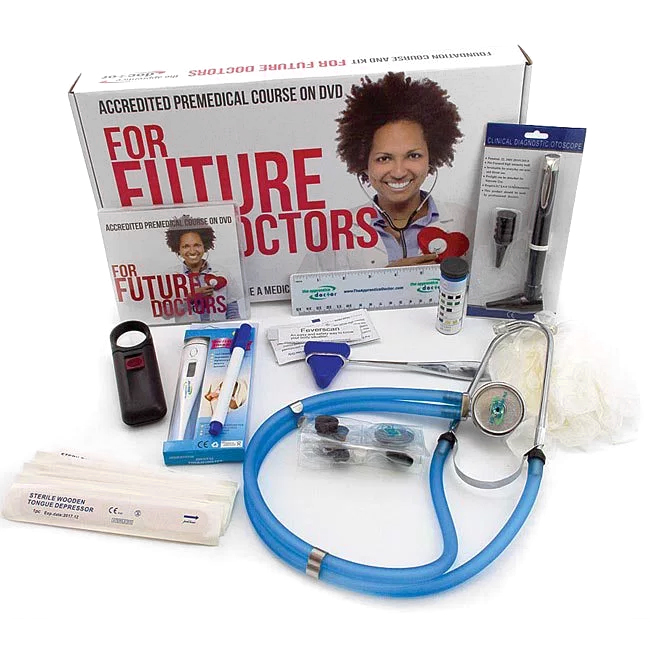
Also, explore the Future Doctors Kit on Apprentice Doctor Kits.


Ebola Hemorrhagic Fever

Ebola hemorrhagic fever is a highly contagious viral infection with a high mortality – and the recent outbreak in West Africa with sporadic cases in other parts of the world is by far the largest epidemic of this disease in recent human history.

The Ebola Virus was first identified in Sudan in 1976.  The second outbreak occurred in an epidemic in Zaire in 1995.  The current outbreak in West Africa has claimed the lives of well-over 5,000 people, with more than 10,000 additional people who are infected with the virus.

The spread of Ebola is ongoing in those areas at an alarming rate despite all the measures taken by the WHO, CD and various non-profit organizations like doctors without borders.

Ebola – The Apprentice Doctor® Venipuncture Course and Kit

Read more about The Apprentice Doctor® Venipuncture Course and Kit


Needle Stick Injury & Reflex-Safe

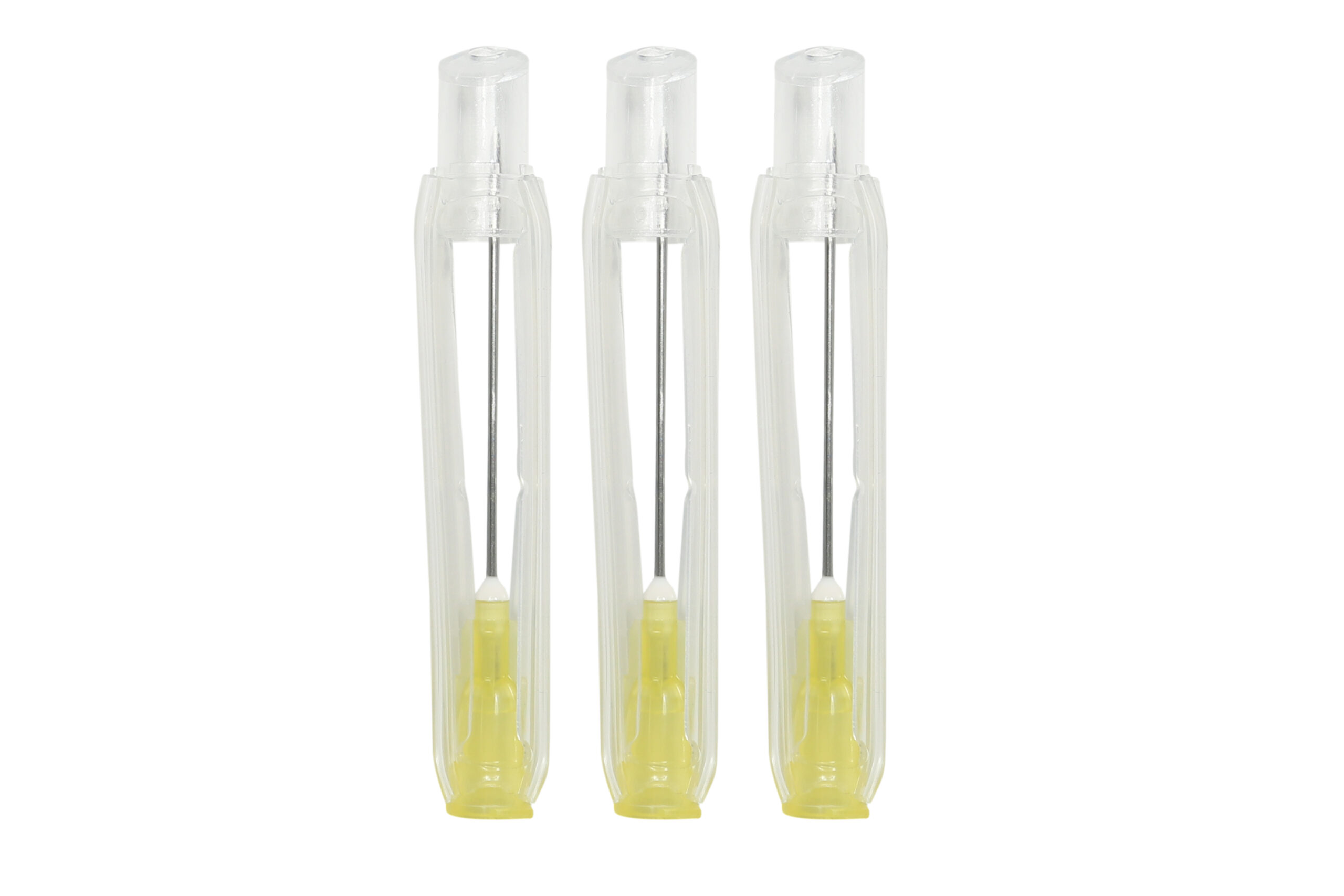
The use of a PASSIVELY ACTIVATED Safety Needle like Reflex-Safe® Passive Safety Needles – is absolutely essential when treating EBOLA patients!

For many years Ebola and other Hemorrhagic Fevers, have been a major health concern for mankind to contain the spread of these viral infections and preventing from becoming rampant and uncontrollable.  In 1995 the Ebola virus killed about 200 people in Zaire and a South African nurse died at the Morningside Private Hospital in Johannesburg that was infected when treating a medical Doctor from Uganda who had contracted Ebola.

During a clinical procedure, she accidentally stuck herself with an infected needle, the Doctor survived the Ebola virus, however, she did not survive and died ten days later.  At that time statistics available indicated that there was a survival rate of about 20% (depending on the strain of virus) that had been infected with the Ebola Virus.   It is believed that there are about five (5) strains of Ebola.

The risk factors for healthcare workers are exceptionally high when giving an intramuscular injection and drawing blood samples from veins or injecting into veins of an Ebola patient.  Due to the high fever of a patient – there may be a lot of unstable patient movement which may result in a needle stick injury to the health worker, with possibly fatal results.

This is where REFLEX-SAFE comes into its own by providing continuous automatic passive protection during the entire injection procedure affording maximum protection to the health worker against accidental needle stick injuries.

At Least 50% of All Injuries Occur During the Procedure

By far the majority of Safety Devices that are available are manually activated after a clinical procedure has been completed.  This leaves behind + 70% of all risk factors during use and thereby leaving considerable needle tip exposure time before the safety mechanism has been activated.

Statistically, 50% or more of all needlestick injuries occur during the procedure – and any Safety Device requiring an activation step at the end of the procedure leaves an open risk of  >50% for these injuries during the procedure (e.g. patient jerking away during a phlebotomy procedure).

I really want to become a Doctor – Is there anything I can do straight away?

Check out the Medical Microbiology on Apprentice Doctor Academy.


How to Become a Surgeon

So you want to become a specialist surgeon?

A specialist surgeon is someone who focuses on a particular field of medicine such as cardiology, neurology, or another specific medical field. All specialist doctors have many years of education and training in their chosen areas. But before you learn how to become a surgeon who specializes in a single discipline, there are preliminary steps you need to take.

First, you will need to become a medical doctor. Becoming a medical doctor requires, depending on the state/country you live in, that you obtain a premedical science degree and follow it up with a medical degree. More often than not, your undergraduate degree will take about four years, and medical school will require another four.

Second, it is beneficial to gain real-world experience for several years as a general practitioner before going into a specific branch of medicine.

Third, you’ll have to apply for admission as a candidate to the training program of the surgical department of a medical school. The admission criteria for a trainee as a general surgeon are strict, and competition is usually fierce. This training could last from five to eight years. At that point, you can become certified in that field of surgery.

What are the attributes that I need to become a surgeon?

Successful surgeons possess specific characteristics and outlooks that contribute to fulfilling careers. Although a strong desire to become a surgeon is paramount, and the tenacity to persevere through ten or more years of formal training is essential, you must possess other attributes as well. Without them, a career in surgery may prove challenging and unrewarding.

In addition to the ability to think on your feet, problem-solve and work well under high levels of stress, you must also be able to manage:

  • Crises and emergency situations.
  • Long and grueling hours.
  • Extended periods of absolute concentration without breaks.
  • Working with your mind and your hands.

You must also possess:

  • Physical dexterity. Although you can acquire a certain amount of dexterity through practice, some of it is an innate ability. If you have had difficulty with dexterity throughout your life, surgery may prove difficult for you.
  • Respect for the human body and human life. Although the field of surgery may provide you with a very comfortable lifestyle, to be successful, your primary motivation must be a love of and respect for the human body and human life. Without it, patients may see you as less than genuine and not trust you.
  • Love of anatomy. A thorough knowledge of anatomy is the foundation of surgery.
  • Intelligence. If you struggle with your studies despite putting in effort daily, you may benefit from submitting yourself for psychological assessment to ascertain if you have the intellectual capacity to become a doctor or a surgeon.

Basic Principles Applied in Surgery

Regardless of the surgical specialty, or type of surgery performed, every surgeon applies fundamental principles in the operating room. Because it contains innate properties, human tissue reacts to injuries in predictable ways. So, over time a set of guidelines evolved to promote optimal healing. Commonly referred to as the basic principles of surgery, every surgeon, regardless of specialty or type of surgery performed, follows them in the operating room.

  • Diagnosis and preoperative assessment. An incorrect diagnosis may result in inappropriate, ineffective and possibly unnecessary treatment.
  • The consideration of alternative non-surgical treatment modalities. Because most surgery is invasive, it should be the last resort.
  • Proper treatment planning. It is said that good surgeons always operate twice. They visualize and plan the operation mentally before doing the actual surgery. Assisting the surgeon in this planning process are tracings, computer assisted simulations, model surgery, etc.
  • Minimum invasion. When possible, consider alternatives to open surgery.
    • Scope-assisted surgery versus an open surgical procedure.
    • Interventive radiology/angiography.
    • Surgical procedures to the heart requiring the opening of the chest are being replaced in some instances by minimally invasive procedures performed by accessing the inside of an artery and performing the relevant procedure with radiographic (X-ray) assistance.
    • Good visual conditions. Surgeons must be able to clearly see the area they’re working on.
    • Exposure of the surgical site. This takes place when the surgical incision is made, and dissection is performed to reach the intended surgical site.
    • Retraction is the “pulling” away of tissue to offer the surgeon maximum exposure to the surgical site.
    • Surgical assistants and nursing staff have noted that successful surgeons always seem to complain about the light.
    • Suctioning and sponging. This is necessary to remove excess blood which may obscure the operative field.
    • Some noted physicians in history were handicapped by blindness, but not so with surgeons.
    • Handle tissue gently causing as little injury as possible. This amounts to having respect for the human body as well as an understanding of the processes involved in the repair and healing of wounds.
    • Proper control of bleeding within the limits of:
    • Minimal electrocautery.
    • Minimal suturing.
    • Minimal sponging.
    • Every action must be purposeful. For safety and economic reasons, in the operating theater, time is of the essence. Do not waste time in the OT.
    • Sterility and asepsis. All surgical instruments must be sterile (the complete absence of microorganisms), and the operative field must be as aseptic (minimizing and weakening microorganisms) as possible.

Other principles applied are not surgical in nature, but are still critical to patient comfort, trust and confidence.

  • Anatomical considerations. A surgeon needs to have a detailed knowledge of the structure of the human body.
  • Physiological considerations. A surgeon must have a comprehensive understanding of how the human body functions.
  • Patient considerations. It’s critical for surgeons and members of the surgical team to take into account the fears and preconceived ideas of the patient about surgery and its outcomes.
  • Social. Certain diseases are more prevalent in specific socioeconomic groups than in others.
  • Religious. The transfusion of blood or transplantation of organs is a taboo in some religious groups.
  • Financial. What are the economic implications of the proposed operation to the patient/healthcare organization?
  • Expectations. What is the expected outcome and success of the procedure?
  • Communication. It is essential the patient understands the parameters, risks, and limitations of surgery and anesthesia. Providing information on scars and other conditions that may be present after surgery is necessary so that the patient is as prepared as possible for the operation and what may transpire when it is finished.
  • Information. This includes data about the proposed procedure and any alternatives. The patient must also be informed about any potential pain or discomfort that may be experienced, as well given pre- and postoperative instructions.
  • Implications. Will the patient be able to continue with normal activities e.g., studies/work/sport/hobbies? If not, will the condition be temporary or permanent? Does the patient need a medical certificate?
  • Complications. What can go wrong during and after the operation?
  • Prognosis. What is the success rate of the surgical procedure, and for how long will the benefits of the operation last?

Various Disciplines in the Field of Surgery

The American College of Surgeons recognizes multiple surgical specialties [1]. As you consider the type of specialty that is best for you, it’s helpful to review your available options.

  • General surgery is performed by surgeons trained to manage surgical procedures covering almost any area of the body. Within general surgery are subspecialties that include the following:
  • Colon and Rectal Surgery is also known as proctology. The focus is on the diagnosis and treatment of disorders such as inflammatory bowel disease, pelvic floor dysfunction and colorectal cancer.
  • Ear, nose and throat surgery, also known as otolaryngology – diseases and disorders affecting the ears and structures within the respiratory system.
  • Maxillofacial and Oral surgery also includes dental surgery – treatment for patients with face, facial skeleton, mouth and related organs injuries, diseases and disorders.
  • Neurosurgery – disorders involving the brain and spinal cord. Read the Path to Becoming a Neurologist or Neurosurgeon.
  • Obstetrics and gynecology – medical and surgical care for pregnant patients, including the development of the fetus and disorders of female reproductive organs.
  • Ophthalmic surgery – diseases and disorders of the eye, vision, and contents of the eye socket.
  • Orthopedic surgery – anything having to do with the musculoskeletal system including bones, muscles, and joints. Subspecialties of orthopedics are:
    • Foot and ankle
    • Hand – includes upper extremities.
    • Joint replacement – mostly the hips and knees, but can include the ankles and shoulders.
    • Oncology – treatment for benign and malignant tumors of the musculoskeletal system.
    • Pediatrics – orthopedic conditions in children.
    • Spine – manages the care and treatment of back problems.
    • Sports – focuses on patients who are athletes and individuals suffering from athletic injuries.
    • Trauma orthopedics is a growing field. Patients are individuals with critical or multiple injuries to the musculoskeletal system.
  • Pediatric surgery – disorders for individuals still considered children, including teenagers. There are multiple subspecialties within this area.
    • Neonatal – newborn care.
    • Prenatal – fetal care.
    • Trauma – Because children take lots of risks and end up hurting themselves, pediatric surgeons frequently face situations involving traumatic injuries sustained by children.
    • Oncology – malignant tumors and benign growths.
  • Plastic and maxillofacial surgery – cosmetic procedures and the repair of body parts after the loss of tissue such as an ear. Thorough knowledge of the musculoskeletal system is critical.
  • Thoracic surgery – anything in the chest area, but primarily the heart and lungs.
  • Urology – manages benign and malignant medical and surgical disorders of the adrenal gland and the genitourinary system for both males and females.
  • Vascular surgery – treats diseases impacting the arteries and veins throughout the body. Hardening of the arteries may be the most common problem that vascular surgeons treat.

Types of Surgery

Once you become a surgeon, you may be called upon to perform one or all of the following types of procedures.

  • Open surgery is when a surgeon makes an incision with a scalpel, inserts instruments into the opening and performs surgery. An example of open surgery is a surgeon making an incision with a steel scalpel in the abdominal skin to perform a gastric operation.
  • Aspirationis a type of biopsy procedure where fluid and diseased tissue are removed by a needle for laboratory examination. An example of this is a breast biopsy where the tissue removed is sent to a lab to determine if it is cancerous.
  • Cryosurgery is a minimally invasive treatment where diseased tissue is destroyed by freezing it. Skin tumors, skin tags, and even freckles can be removed by this method of surgery.
  • Electrosurgery uses electrical instruments operating on high-frequency electric currents. Electric currents can harden tissue, or destroy it. In essence, a surgeon “burns” away diseased tissue, or growths, or make surgical incisions while the electric current seals off blood vessels at the same time, thus minimizing bleeding.
  • Laser surgery utilizes a laser beam to make bloodless cuts in tissue or to remove surface lesions. Lasers can be used for eye surgery, removal of skin marks and small tumors.
  • Scope surgery is minimally invasive since it does not involve slitting open the body as a surgeon does in open surgery. Some common scope surgeries include laparoscopy, endoscopy, and colonoscopy.
  • Shockwaves is a noninvasive surgical technique where soundwaves are used to break apart kidney stones. However, the sound, or shockwaves come from outside the body. Currently it is considered the surgery of choice to break apart large kidney stones.
  • Ultrasonic scalpels use soundwaves to make surgical incisions that minimize This type of surgery is used when extreme precision is needed to remove small and delicate tissues, but can also be used for large tissue removal.

Post-surgical Discomforts and Complications

No matter how minor the surgery, almost all patients experience a period of discomfort during the healing process. Although every patient heals differently, most discomfort improves daily and ultimately disappears. Some of the most common discomforts include:

  • Constipation and gas (flatulence).
  • Nausea and vomiting from general anesthesia.
  • Restlessness and sleeplessness.
  • Soreness, pain, and swelling around the incision site.
  • Sore throat (caused by the tube placed in the windpipe for breathing during surgery).
  • Thirst.

No operation is routine. All surgeries carry with them some inherent risk because most surgeries invade the body. Risk can result in complications. Complications common to all surgeries are excessive bleeding during or after an operation and infection of surgical wounds. Others are:

  • Delayed healing and non-healing wounds. An example of this is a broken bone taking a very long time to heal, or perhaps it will not grow together at all.
  • A hemorrhage occurs when there is rapid blood loss from the site of surgery. This may lead to shock, so it must be treated quickly.
  • Loss of function. Sometimes a patient will be unable to perform one or more tasks or activities after the operation that were possible before the surgery.
  • Lung (pulmonary) complications. This complication is monitored for the first 48 hours after surgery. Sometimes deep breathing and coughing exercises are mandated for the patient to minimize the risk. The most common symptoms include wheezing, chest pain, fever, and cough.
  • Neurological complications.These may manifest as the loss of individual senses such as vision, feeling in a specific area, or control of a voluntary muscle.
  • Reaction to anesthesia. Although rare, patients can experience mild to severe allergic reactions to anesthetics.
  • Rejection. An example of this is the rejection of a transplanted organ such as a kidney.
  • Shock. Shock is created by excessive bleeding, wound infection, brain injury or metabolic problem. Immediate treatment is required.
  • Sinuses and fistulas. These are small canals and holes which can result from surgery.
  • Urinary retention. Temporary urine retention, or the inability to empty the bladder, may occur after surgery due to anesthesia.
  • Wound infection. When bacteria enter the site of surgery, an infection can result that delays healing. In some cases, wound infections can spread to nearby organs or tissue, or to distant areas through the bloodstream.

Other complications are more external. They may not impair function, present life-threatening situations or interfere with activities of daily living. But they can lower self-esteem and self-confidence because they can be obvious and mar external aesthetics. For a patient these conditions can be all-consuming and surgeons must be prepared to manage the emotional implications. External complications include:

  • Over exuberant healing
    • Keloid – a growth-like scar of a surgical wound.
    • Scarring – usually harder than the adjacent tissue and often cosmetically not pleasing.
  • Pigmentation and loss of normal pigmentation – discoloration or loss of normal coloring to the area.

Frontiers of Surgery

Medical science is always evolving. Doctors and researchers are continually looking for ways to minimize risk, pain, infection and healing time to patients. There are two types of surgery on the leading edge of medicine.

  • Robotic surgery. With the use of a camera and mechanical arms with surgical instruments attached to them, a surgeon can operate by sitting at a computer console. The console provides the surgeon with a magnified, three-dimensional view of the surgical site from which she or he controls the movement of the mechanical arms. The advantages of this technology include fewer complications, quicker recovery and smaller, perhaps less visible scars. As robotic surgery is refined, it’s possible that surgery can be performed on a patient who is a long distance away, including operations on astronauts in space or soldiers in the battlefield.

Healthcare Informatics, formerly known as The Institute for Health Technology Transformation (iHT2) commissioned a video featuring Intuitive Surgical’s da Vinci Arm device. Dr. David Samadi of Mount Sinai School of Medicine explains the arm and gives his thoughts on the future of robotic surgery.

  • Tissue engineering/regenerative medicine. Although regenerative medicine does not yet play a significant role in treatment, it has the potential of transforming how surgery is approached. According to the National Institute of Biomedical Imaging and Bioengineering, the goal of tissue engineering is to develop,“biological substitutes that restore, maintain, or improve tissue function.” [2]. They developed a two-minute video on tissue engineering which you can see here:


Medical scientists can already grow specific types of tissue from the patient’s own cells, thereby avoiding the risk of rejection. The FDA has approved the use of artificial skin and cartilage, although their use in patients is still limited. The growing of an organ, such as a kidney from the patient’s own cells, appears to be just around the corner.

surgeon
A mini bio-engineered human liver that can be implanted into mice. (Source: Sangeeta Bhatia, MIT)


The History of Surgery

The Egyptians practiced surgery as early as 1600 B.C. Papyrus scrolls vividly describe the splinting of fractures, the care of wounds, the drainage of abscesses, etc.

Hippocrates (400 B.C.), commonly described as “the father of medicine,” wrote books on surgery, including the treatment of head injuries. The Hippocratic Oath is a pledge some medical students make when they become doctors and is commonly believed to include the phrase, “first, do no harm.”

As surprising as it sounds, during the Middle Ages, surgery was mainly performed by barbers as part of their duties. They aided monks, who, at that time were considered the primary practitioners of medicine. But a Papal decree forbade monks to spill blood on themselves, so surgery was performed by the barbers instead. Over time surgery was claimed by scientific medicine in the 16th to 18th centuries.

John Hunter, a Scottish surgeon (1728-1793), applied experimental methods in surgery. He taught his students that a surgical operation was the last resort and an admission that other methods had failed.

Two seemingly impossible situations presented stumbling blocks in the field of surgery. One was the excruciating pain associated with surgical interventions. The other was the almost inevitable wound infections occurring after surgery, especially surgery to the abdomen, chest, and skull. Most of these were fatal.

In the 1840’s, English surgeon Joseph Lister overcame the problem of intense pain through the use of anesthesia. In the 1860s, he introduced principles of surgery which significantly reduced infection.

The 20th century saw a rapid expansion and refinement in anesthetic technique, anesthetic agents and machines, sterility and asepsis, and the discovery of antibiotics. Each advancement allowed surgery to expand into many sub-surgical disciplines. With them came new, safer and less invasive surgical techniques which have become the standard surgical practices and procedures of today.

The development of the heart-lung machine made safe surgery to the heart possible – culminating in the first successful human heart transplant in 1967 by Professor Christiaan Barnard, a South African heart surgeon.

Since 1967, there have been many additional contributions in surgical history, particularly ones that lead to its newest frontiers.

References:

[1] A Guide to Surgical Specialists, American College of Surgeons, https://www.facs.org/education/patient-education/patient-resources/specialists.

[2] Tissue Engineering and Regenerative Medicine, National Institute of Biomedical Imagining and Bioengineering, https://www.nibib.nih.gov/science-education/science-topics/tissue-engineering-and-regenerative-medicine.


I really want to become a Doctor – Is there anything I can do straight away?

Check out the How to Suture Wounds on Apprentice Doctor Academy.

Also, explore the Deluxe Suture Kit on Apprentice Doctor Kits.


Surgical Suturing Techniques Mastery Guide

If you need a suture kit go here.

Introduction to Suturing

The primary goal of suturing is to approximate (bring together the wound margins) and to eliminate dead space between wound walls and edges so that underlying tissues are held together. Healing can only occur properly if the two severed areas of tissue align and remain intact. If dead space is not eliminated blood may pool in the wound leading to hematoma and consequently wound strength will be compromised, increasing the risk of infection.

The secondary goal of suturing is minimizing scar tissue formation. Both proper healing and minimal scarring are achieved by accomplishing two main objectives.

The first is ensuring that wound edges are not inverted during closure. Inversion occurs when the epidermis on either side of the wound curls inwards and touches the epidermis on the opposite side. Inversion will delay and/or compromise the healing process and leave an unsightly scar. Therefore, it is vital to proper wound healing and scar reduction to suture wounds so that edges are everted, or slightly lifted outwards.

The second objective is to achieve the best wound edge approximation. This is the process of ensuring that edges are brought together as evenly as possible during suturing. Eliminating dead space and achieving wound edge eversion and approximation are key elements for the proper healing and minimal scarring of a sutured wound.

The suture needles, materials, and techniques selected are at the discretion of the surgeon or medical professional assessing the wound. The medical professional will select the appropriate needle, suture material, and suture technique depending on whether or not they want to achieve deep tissue dead space closure, lesser or greater wound tensile strength, less scarring, ease of application or care, etc.

Keep in mind that new non-suturing closure methods are being developed that may be used as alternatives to suturing closure methods. In some situations non-suturing methods are better options than traditional suturing approaches. New methods include absorbable staples, sterile strips, and topical adhesives which can be used in combination with applied suture techniques or alone. Again, the type of suture technique or method must be determined by the treating physician or medical professional with the goal of achieving optimal wound healing and minimal scarring.

Although the use of ‘Steri-Strips’ and ‘suturing glue’ is tempting, it can only be used in very superficial wounds. Otherwise one gets a void below the surface along with associated problems like wound inversion, hematoma formation, wound infection, and wound dehiscence. It is tempting to use these shortcuts in the pediatric trauma patient, especially under the pressure that exists treating a child in the emergency room. If in doubt, suture properly under anesthetic for improved healing and an aesthetically pleasing result.

Choosing the correct suturing technique

The main driver of choice of technique in suturing is the operator’s/surgeon’s personal choice in a specific situation. He/she may gravitate to a specific technique, or combination of techniques, based on his/her knowledge, suturing proficiency, availability of specific suturing materials like suturing thread and needles, and experience gathered over the years. The medical professional will also take into account what works best in his/her hands.

No specific technique fulfills the exact requirements of a specific would closure.

Suturing Techniques – Guide (Infographic)

suturing techniques

Suturing Techniques – Indications and Contra-indications

Here are some guidelines for the inexperienced to help you decide on which suturing technique to use.

Simple Sutures

Interrupted sutures

Interrupted sutures are sutures that are placed and tied individually. For the inexperienced this is the preferred technique due to its ability to close a wound cleanly and securely. If infection occurs in one part of the wound only a few interrupted sutures need be removed to treat the wound leaving other sutures intact. The downside is that interrupted sutures take considerably more time to place than continuous sutures.

Individual interrupted sutures also bring a limited quantity of tissue towards the closure margin – and thus in friable tissue it has a higher tendency to “pull through” when tying the knot.
It is usually not the end of the world if one interrupted suture should loosen or dehisce as the remainder of the interrupted sutures will keep the wound closed. One would not even have to replace a single interrupted suture if it loosens up so long as the resulting dehiscence is minimal and not in a critical area.

Interrupted sutures will also give a good result in curved and non-linear wounds/incisions. Unlike running sutures it will not distort the form of the wound.

Interrupted sutures offer the highest level of control over wound closure and the result. If you perceive that a specific suture is not ideally placed you can remove it and place it in a better position, unlike the running/continuous sutures where you may need to redo the entire running suture. With the interrupted suture you have excellent control over the level of wound eversion.

An unfortunate downside of using an interrupted suture is that the operator has to push the needle through healthy skin adjacent to the wound margins. This brings with it the possibility of leaving needle marks in the form of a visible row of small scars on either side (cross hatching suture marks) next to the wound margin. In esthetically sensitive areas, like the face, a surgeon will remove stitches/sutures by day 4 or 5 and secure the wound with Steri-Strips for another couple of days in an effort to avoid cross hatching scars. Do not leave interrupted facial sutures in for longer than 7 days.

Interrupted sutures with buried knots

In sensitive areas, like a tongue laceration, use the interrupted sutures with buried knots. This technique will avoid irritating the area with the 2 free ends left by a normal interrupted suture. Keep in mind that the knots may take a bit longer to resorb due to the increased amount of suture material left inside the wound. Always use absorbable sutures when using this technique.

Subcutaneous sutures

The subcutaneous suture is similar to the interrupted sutures with buried knots, but it is placed in the depth of the tissue in a surgical or traumatic wound. This suturing technique is primarily used to eliminate dead space in the depth of a wound. By default, always use absorbable sutures when using this technique

Figure-of-8 sutures

The (vertical) ‘Figure of 8 suture’ is a combination of a subcutaneous and a surface skin suture. Use this suture to save a bit of time when closing a long incision. In essence, it is a “combo-interrupted subcutaneous and skin closure suture.”

Step-by-step guide to placing simple sutures

Interrupted_sutures_suture_technique
How to Place an Interrupted Suture
Interrupted_sutures_with_buried_knots_suture_technique
How to Place an Interrupted Suture with Buried Knots
Subcutaneous_sutures_suturing-techniques
How to Place a Subcutaneous Suture
Figure_8_suture_technique
How to Place a Figure-of-8 Suture


Running (continuous) sutures

A running suture, also known as a continuous suture, consists of one strand of suture material that runs for a lengthy distance along a wound, normally in a zigzag pattern, which is tied at either end. This suture resembles those used on baseballs, and so, they are sometimes called baseball sutures. Running (continuous) sutures provide an adequate closure with even tension distribution as well as saving both time and suture material. This technique is commonly used when the wound is actively bleeding and saving time is critical, such as a scalp laceration. The disadvantage is that suture breaks can cause wound gaps to occur.

Use running sutures when esthetics are not important and when you want to save time. Running sutures tend to bunch-up the tissue and shorten the wound length due to the tension needed to keep the wound margins together. Use the running suture on an actively bleeding scalp wound when fast action is important to minimize blood loss. Since a wound of this nature is in the hairline, in most cases the cosmetic result is usually not critical.

Running sutures spread the suture tension evenly throughout the wound – and this may be important when working with tissue that has a soft consistency.

If the suture material breaks in a running suture, the whole wound will break down so be sure to secure the knots on the 2 sides and consider adding a couple of strategically placed interrupted sutures in addition to the running suture.

Continuous interlocking sutures

This suture technique is accomplished by passing the needle through the loop created by the previous suture, locking it into place. Continuous locking sutures are commonly used for breast reconstructions, intestinal surgeries, and hernias, where soft tissue requires secure stitching. The downside is when used externally on the skin permanent hatch marks may remain.

There is very little difference between regular running and interlocking running sutures. The latter tends to seal the wound margins better, which may be important in closing a wound between two cavities, e.g. closing the incision between the oral and nasal cavities following a Le Fort 1 osteotomy.

Subcuticular sutures

Apposition of the wound edge is easily achieved using the subcuticular continuous suture. Minimal scarring occurs because external sutures are not used. Rather, the subcuticular suture is applied under the epidermis using either an absorbable suture or a non-absorbable suture leaving external knots at the far ends of the laceration or incision so that the suture can be removed easily. When applied correctly, subcuticular continuous sutures provide the best outcome for cosmetic results. The drawback is that the procedure is extremely time-consuming. However, ,the sutures are easily removed, making it a common technique to use on children.

The subcuticular suture will allow for a very pleasing esthetic result in most cases, but it offers very little wound eversion by itself. Surgeons will have to get wound eversion by properly placing the subcutaneous sutures if they intend closing the surface with subcuticular sutures. One can either use absorbable or non-absorbable sutures when placing subcuticular sutures. If the choice is a thin Nylon suture remember to remove the suture within 5 days to avoid having to dissect out fragments of suture material from the semi-healed wound margin. When closing, strengthen the wound margins with Steri-Strips if needed.

Purse-string sutures

The purse-sting suture is a running suture used to close round defect wounds or openings. Predictably, the purse-string suture will not give a good cosmetic result because it will bunch-up the tissue. Purse-string sutures are typically used to close circular objects such as an areola or to close the opening after removing a chest drain (instruct the patient to take a deep breath and forcibly exhale against closed nose and lips). The suture material is passed in and out of the tissue as a running stitch and then drawn closed like closing a purse or a bag.

Step-by-step guide to placing running (continuous) sutures

Continuous (Running) Suture Suturing technique
How to Place Continuous (Running) Sutures
Continuous Interlocking Suture Suturing Technique
How to Place a Continuous Interlocking Suture
Subcuticular Suture Technique
How to Place a Subcuticular Suture

Mattress Sutures

The 3 main reasons for using mattress sutures:

To increase the interphase or contact between the raw surface areas of two opposing wound sides.
This reason is especially important when you want to optimize the time it takes for a wound to heal, especially when one closes a fistula, such as closing an oroantral fistula (an opening between the oral and maxillary sinus cavities).

To enhance eversion.
The mattress suture provides more eversion up to the point where you may get opening of the wound edges. You may consider using the far-near suturing technique which is a variation of the vertical mattress suture.

To bring more volume or quantity of tissue to the closure area.
With a mattress suture, the chances of dehiscence are significantly reduced. However, take care not to tie mattress sutures too tightly as doing so may cause tissue strangulation and result in necrosis of the tissue on the suture-tissue contact areas.

Horizontal mattress sutures

This suturing technique is used to create moderate tension to prevent hemostasis and to improve wound tension strength for better healing. The horizontal mattress is also effective at everting wound edges and provides fair approximation. However, care must be taken to not tighten excessively or tissue ischemia can result.

Vertical mattress sutures

The vertical mattress technique is an excellent choice for achieving wound edge eversion and approximation. The technique can be used on either thin or thick skin and utilizes two bites. The first bite approximates the wound edges and the second reduces edge tension. The downside is that vertical mattress sutures can only remain in place for 5-7 days or risk is high for permanent crosshatch marks.

Near and far sutures

Also called the far-near-near-far suture or the pulley suture, this is a variation of the vertical mattress suture favored by some surgeons.

The far-and-near suture is a modified vertical mattress stitch that uses the tension created by a pulley action to close wound tissue. Because the pulley stitch reduces the surface area of large wounds in which closure cannot be accomplished completely by traditional side-to-side sutures, it is an excellent technique for areas such as the legs and scalp. Pulley sutures can be used as temporary assisting stitches, such as lessening tension for buried sutures, or they can be left in for later removal. If pulley stitches are used they must be removed promptly in order to avoid crosshatch scarring.

Step-by-step guide to placing mattress sutures

Horizontal_mattress_suture_technique
How to Place a Horizontal Mattress Suture
vertical_mattress_suture_technique
How to Place a Vertical Mattress Suture
far_and_near_suture_technique
How to Place Far and Near Sutures

Other suturing techniques

Ligature Sutures

This technique is used to suture tubular structures such as blood vessels in order to stop bleeding or reestablish blood flow.

Horizontal Continuous Mattress Sutures

Certain anatomical areas like the retroauricular skin, are prone to wound inversion, and this is an indication for placing horizontal continuous mattress sutures.

Horizontal Half Buried Mattress or 3-Corner Sutures

The horizontal half-buried mattress, or 3-corner suture, is used to close flapped or V-shaped wound edges. This technique is also used to better approximate edges of skin of varying texture or thickness. Also, tissue ischemia is reduced by using the 3-corner suture.

Relaxation Sutures

This suture technique is used when a wound is expected to create excessive tension. A relaxation suture allows for loosening in order to relieve such tension.

Quilting Sutures

This technique is effective at reducing the formation of seroma (swelling or lump in the underlying tissue due to serum accumulation in a localized area). A flap of skin is sutured using multiple stitches to the underlying tendinous expansion sheet (aponeurosis) that normally connects muscle tissue with its movable parts.

Retention Sutures

This technique is used to provide strong reinforcement of deep muscle and fasciae in the wall of the abdomen. Retention sutures lessen tension on the primary suture so that wound disruption is limited. The downside is that retention sutures often cause pain and severe discomfort to patients. According to one study, up to 50 percent of patients receiving retention sutures require premature removal due to complaints of pain.

Frost Sutures

This suturing technique is used during surgeries of the eyelid. Frost sutures prevent the eyelid (mainly the lower eyelid) from turning outward, known as ectropion.

Double-arm Sutures or Cobbler’s Sutures

This technique is preferred by some eye surgeons that desire to vertically or horizontally resect the rectus muscles. The double-arm suture is achieved by using a suture containing a needle at each end.

Gély’s Sutures

Similar to the double-arm suture, Gély’s suture uses suture material with a needle at both ends to close intestinal wounds. It is performed using a continuous stitch.

Czerny’s Sutures

There are two uses for Czerny’s sutures. The first involves suturing only the mucous membrane of the intestines. The second splits ruptured tendon ends and sutures the other end into the created slit much like a male/female coupling design.

Lembert Sutures

The Lembert suture is another technique used in gastrointestinal surgeries. It can be applied as either an interrupted or continuous suture that repairs the collagenous submucosal layer without disturbing the lumen.

Master Suturing Techniques Through The Apprentice Doctor!

There is no need to wait on getting practice with suturing. Before you step into any situation requiring suturing, even an emergency in your own home, you can perfect your suturing skills. The Apprentice Doctor® Deluxe Suture Kit & Online Training Course teaches you how to confidently close wounds. Begin training today!


Surgical Suturing Techniques Mastery Guide (Article written by Dr Anton Scheepers who is a Maxillofacial and Oral Surgeon and founder of The Apprentice Doctor)


I really want to become a Doctor – Is there anything I can do straight away?

Check out the How to Suture Wounds on Apprentice Doctor Academy.

Also, explore the Deluxe Suture Kit on Apprentice Doctor Kits.

Safety Needles vs. Traditional Needles

Medical treatments aim at saving lives and improving health and prevent the spread of infections associated with healthcare provision. Safe injection practices and proper infection control protect patients and healthcare workers. Unsafe injection practices are recognized as a main source of infection in transmitting blood-borne diseases like Hepatitis B, D and C, and HIV. This spurs on the need for safety syringes.

How retractable needles work

The safety or retractable syringe action is similar to a traditional needle except in one aspect. Once you inject the required amount of fluid, the needle retracts protecting from accidental injuries due to needle sticks. Similarly, when you draw blood, you cover the exposed needle with a safety barrel to protect the user from injury.

Need for safety needles

  • An estimated 5.6 million U.S healthcare workers have a risk of exposure to blood-borne diseases through needlestick injuries and other sharp object injuries.
  • Healthcare personnel in a hospital setup sustain the number of injuries due to needle stick numbers over 385,000. Nearly 40% of the injuries occur after use and before the sharp devices are disposed of. 41% of the injuries occur while sharp devices are used and 15% of injuries during disposal or after it.
  • The testing and consequent follow up costs after needle stick injury can go up to $5,000 based on the type of treatment provided.
  • There is the emotional risk of anxiety and fear faced by healthcare personnel about the consequences like drug toxicity, loss of work time and social implication.
  • American Hospital Association maintains that a single case of serious infection due to lack of safety needle use can add up to $1 million and more costs related to tests, follow-up, disability payment and lost time.

Saving expenditure

Every product that is introduced to the market at present is more expensive than the conventional or existing products used. This is also the situation in case of safety needles. However, when the product use becomes prevalent and machine cost compensation occurs, the price naturally comes down. Manufacturers generally charge more for safety products, when compared to traditional models and attribute the expense to cost of startup, low volume production, and more parts but this tends to decline with an increase in demand.

Usability of safety needles

While safety needles help in preventing infection and costs, you should account for the convenience and practicality of its use. Convenience is an important criterion. In a survey conducted on the available safety syringe models, the NMT type of safety syringes retracts automatically into the syringe after you empty the chamber, rates at 7.10 on a scale of 10. Single-handed application of the safety mechanism was easy to activate in all models of safety syringes, factors like operation time, accuracy, and prompt use design were favorable, and health care workers preferred the new devices when compared to conventional devices.

Now hospitals are waking up to the advantages present in retractable safety needles and over 20 states in the US have laws and regulations for use of safety devices. While it is important to protect patients, the health care workers should also get adequate protection. The safety syringes bring down the incidences of iatrogenic infection and give cost savings to.


What do you think? Leave us a comment below.

I really want to become a Doctor – Is there anything I can do straight away?

Check out the Venipuncture & Phlebotomy on Apprentice Doctor Academy.

Also, explore the Venipuncture – IV & Phlebotomy Practice Kit on Apprentice Doctor Kits.


How Do You Tell If a Patient Is Dehydrated

Today we’ll discuss how to recognize the signs and symptoms of dehydration – a potentially life threatening condition.

What exactly is dehydration?

Dehydration is the term used to describe the loss of water from the body or a reduction in the body’s water content. It may be due to:

  • The inadequate intake of water e.g. lost in a desert, shipwrecked at sea without fresh water and painful oral and throat infections causing reduced fluid intake.
  • The excessive loss of water due to excessive urine output e.g. uncontrolled diabetes.
  • The excessive loss of electrolytes. Common causes include: severe vomiting, diarrhea, and excessive sweating due to long periods of physical exercise or fever).


Symptoms may include one or more of the following:

  • Intense thirst.
  • Excessive vomiting, diarrhea, sweating and urinating.
  • Dryness of the mouth and other mucous membranes.
  • Reduced (or absent) urine production.
  • Sunken eyes.
  • Concave ‘sunken’ fontanelles (soft areas on a baby’s skull).
  • Loss of the skins normal elasticity. This project will describe a technique to test the elasticity of the skin.


SETTING

A well-lit area.

REQUIREMENTS

Examination gloves (optional for self examination). The necessary instruments are included in The Apprentice Doctor package. Important note: An intense thirst is usually the result of the loss of water from the body. The loss of large amounts of electrolytes may not cause a thirst at all!

  • STEP 1 Take a thorough medical history. Use the medical file in the Foundation Kit for this purpose.
  • STEP 2 Wash your hands and put on gloves.
  • STEP 3 Place your hand or a test subject’s hand open on a flat surface e.g. a table.
  • STEP 4 Pinch the skin over the upper part of the hand firmly for about 5 seconds, and then release the skin promptly.
  • STEP 5 Observe the skin sagging back into position. This should happen straight away as you release the skin. Skin sagging back slowly (taking more than half a second) is a sign of dehydration.
  • STEP 6 Check the test person’s blood pressure (Project 31) and heart rate (Project 24). Dehydration may cause a reduction in the patient’s blood pressure as well as an increase in the heart rate.
  • STEP 7 Examine the test subject’s nail bed (Project 18) and assess the speed of capillary refill (blanching). In dehydration the capillary refill after pressure may be slow (more than half a second).
  • STEP 8 Check for diabetes and kidney disease (see Project 40).

Please note:

A thorough understanding of human physiology and of pathology (the branch of medical science that studies the cause, nature and effects of diseases) is required to assess dehydration professionally.

Warning:

Dehydration is a potentially life threatening condition. Consult a physician or report to the emergency unit of your local hospital if you suspect dehydration. It is especially dangerous in babies and young children as they have a relatively small H2O volume!

Points of interest

  • Elderly people often show some loss of skin elasticity. A reduction in the water content of the body with ageing is normal. Elderly people should be encouraged to take in enough liquids.
  • A previous burn injury may reduce the skin’s normal elasticity as will ultraviolet damage due to excessive exposure to the sun over many years. Make a habit of protecting your skin against the UV-rays of the sun by using suitable protective clothing as well as protective sun lotions/creams.
  • Encourage the intake of sufficient amounts of fluids during illnesses especially if it is associated with vomiting, diarrhea and fever. Water, diluted fruit juices and special solutions with electrolytes (consult your pharmacist) should be available for these patients.
  • Drinking seawater or even urine in an emergency situation may temporary alleviate thirst but will eventually aggravate the seriousness of the dehydration!

The Apprentice Doctor Foundation Course & Kit

This project has given you a glimpse into what you can expect from The Apprentice Doctor Foundation Course & Kit. Purchase a kit for yourself if you’re a student, or if you’re a parent why not purchase one for your son or daughter.   The interactive CD-ROM contains over 45 projects just like this, with added features such as pictures, detailed video explanations, sound clips to explain the topic more completely, not to mention the medical instruments, such as a real stethoscope, thermometer, otoscope, masks, swabs etc. are included in the package.   Dr. Anton

I really want to become a Doctor – Is there anything I can do straight away?

Check out the Foundation Medical Course on Apprentice Doctor Academy.


IMPORTANT! A major website update has been made. Any issues, notify us instantly by pressing the "Quick Help" button and leaving a short description of what you experienced.