The Contribution Of Certified Medical Assistants In Improving Healthcare Outcomes

A healthcare worker conducting a medical examination
Image by Fernando Zhiminaicela from Pixabay


The Role of a Certified Medical Assistant

Certified Medical Assistants (CMAs) are vital to a healthcare team, bridging the gap between patients and providers with a blend of clinical and administrative skills. By examining the diverse contributions of CMAs, this article will highlight their indispensable role that ultimately improves the health outcomes of patients.

Enhancing Patient Care and Safety

The direct interaction with patients positions a CMA as a key contributor to patient satisfaction and safety. A CMA ensures that each patient receives attentive and personalized care by performing routine tasks such as taking vital signs, drawing blood, administering medications, and preparing patients for examinations.

This hands-on involvement allows CMAs to monitor patients closely for any changes in condition, promptly alerting physicians to potential concerns, thereby preventing complications and improving patient outcomes.

Moreover, the CMA contributes significantly to patient education, a critical aspect of patient care and safety. They provide patients with clear instructions on medication management, post-procedure care, and lifestyle adjustments for managing chronic conditions. This educational role empowers patients to be active in their healthcare, leading to better compliance with treatment plans and lower hospital readmissions.

Additionally, a CMA adheres strictly to care and safety protocols, including best practices in infection control, medication administration, and patient confidentiality. Their diligence in following these guidelines helps minimize the risk of healthcare-associated infections, medication errors, and patient privacy breaches.

Improves Clinical Efficiency

This professional improves clinical efficiency through their dual role in administrative support and operational efficiency within healthcare settings.

Administrative Support

The administrative tasks managed by a CMA are vital for the smooth operation of healthcare facilities, and this is one of the areas covered when training to become an NHA medical assistant.

By scheduling appointments, a CMA ensures that the patient flow is consistent and manageable, preventing overbooking and minimizing waiting times. This scheduling efficiency directly contributes to a more organized and stress-free environment for patients and healthcare providers.

Additionally, a CMA’s role in managing patient records is crucial. They ensure that all patient information is accurately recorded and easily accessible, facilitating informed decision-making by healthcare providers.

This accuracy and accessibility of information speed up the consultation process, enhancing the overall efficiency of medical care. Moreover, by handling insurance claims and billing, CMAs relieve healthcare providers of time-consuming paperwork, allowing them to focus more on patient care rather than administrative tasks.

Operational Efficiency

The impact of a CMA on operational efficiency is profound. By taking on roles that include preparing examination rooms, sterilizing medical equipment, and assisting during procedures, CMAs significantly reduce the turnaround time between patient consultations. This efficiency in clinical workflows means that healthcare providers can see more patients without compromising the quality of care.

Furthermore, reducing wait times enhances patient satisfaction and contributes to a more positive healthcare experience. Their presence ensures that healthcare providers can dedicate their time and attention to direct patient care, supported by a well-organized clinical environment.

Supports Chronic Disease Management

A medical assistant takes on this responsibility by regularly checking vital signs, conducting basic diagnostic tests, and recording symptoms, providing healthcare providers with up-to-date information on the patient’s health status. This continuous monitoring allows for timely adjustments to treatment plans based on the patient’s current needs and responses to therapy.

Furthermore, medical assistants are instrumental in facilitating follow-up appointments. They ensure that patients are scheduled for regular check-ups, reminding them of upcoming visits and preparing them for what to expect during these appointments.

On top of that, a medical assistant acts as a crucial liaison in the multidisciplinary team, ensuring seamless communication between various healthcare providers and the patient. CMAs gather and share vital health information, test results, and treatment recommendations among the healthcare team.

Community Health and Outreach

A medical assistant can play a significant role in community health and outreach. Here’s how they can contribute:

Health Education and Promotion

  • Conducting Workshops and Seminars: MAs can lead or assist in workshops and seminars on important health topics such as nutrition, physical activity, smoking cessation, and mental health. By providing valuable information in an accessible manner, they help individuals make informed decisions about their health.
  • Distributing Educational Materials: They can also be involved in creating and distributing educational materials like brochures, flyers, and newsletters that address common health concerns, preventive measures, and healthy lifestyle choices.

Preventive Healthcare Services

  • Health Screenings and Immunization Drives: Participating in health screenings (for blood pressure, glucose levels, cholesterol, etc.) and immunization drives is another vital area where MAs contribute. These activities help in the early detection of diseases and prevention of vaccine-preventable diseases.
  • Supporting Mobile Health Clinics: MAs can assist in mobile health clinics that travel to underserved areas, providing basic healthcare services, preventive care, and health education. Their patient care and administration skills ensure these clinics operate efficiently and effectively.

Community Engagement and Support

  • Building Partnerships with Community Organizations: MAs can help build partnerships with local organizations, schools, and businesses to promote health and wellness programs. These collaborations can amplify the reach and impact of health initiatives.
  • Volunteering in Health Campaigns: They can volunteer in public health campaigns focused on specific issues like heart health, diabetes awareness, or mental health, helping to raise awareness and change behaviors at the community level.

Assists in Adoption of Technology and Innovation

As healthcare continues to evolve, incorporating more advanced technological solutions, medical assistants are often at the forefront of this transformation. They assist in implementing electronic health records (EHRs), ensuring accurate and efficient documentation of patient information. It improves patient care by providing immediate access to patient histories, medications, and test results.

Furthermore, medical assistants are instrumental in managing telehealth services, which have become increasingly important in extending care to remote or underserved populations.

By facilitating virtual consultations, they help patients access medical advice without the need to travel, making healthcare more accessible and reducing the strain on healthcare facilities. Medical assistants also contribute to patient education through technology, using apps and online platforms to provide patients with resources on managing their health, thus empowering patients and encouraging active participation in their healthcare.

I really want to become a Doctor – Is there anything I can do straight away?

Check out the Medical Terminology: Decoding the Language of Healthcare on Apprentice Doctor Academy.

Also, explore the Medical Assistant Practice Kit on Apprentice Doctor Kits.


Healing the Hurt: Career Paths for Treating Chronic Pain in Healthcare

Ways to Define Yourself as a Doctor in Pain Management

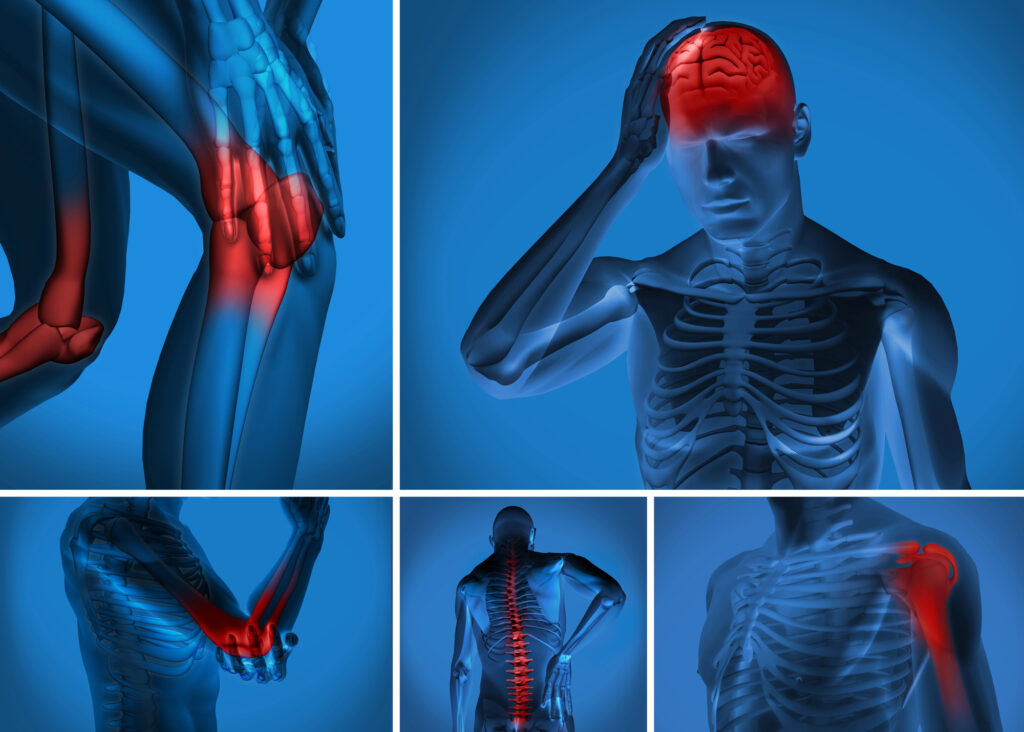
Chronic pain can come in many forms, and unless we somehow find a cure-all for human ailments, pain is likely to remain a part of our everyday lives. While most people are fortunate enough to not have to suffer from pain persisting longer than a few months, there are others who are expecting to deal with chronic pain for the rest of their lives. That is why, now more than ever, we need healthcare professionals who are experienced in treating and managing pain, no matter what form it takes.


What is Chronic Pain?

Chronic pain is defined as pain that persists longer than three months. This can come from any condition or injury that adversely affects one or multiple of the fourteen systems of the human body. Simply put, it is pain that has become a part of daily life.

Thankfully, for as many conditions there are that can lead to chronic pain, there are just as many specialties in healthcare that help to treat and manage chronic pain. From interventionalists to surgeons to therapists, it takes dedicated providers who are compassionate about their patients to help them achieve a better quality of life. Here are the most prominent specialties in medicine that help treat and manage chronic pain.


Primary Care

A Primary Care Doctor will often be the first doctor someone sees when they are experiencing consistent pain that is not going away. Primary Care is an extensive field that focuses on generalized care and preventative screening for a myriad of patients of different demographics. Primary Care Doctors also do not need additional board training or certifications that would be required to run a specialty office, so it is the quickest field to get started in and establish yourself.

As a Primary Care Doctor, you would likely be the one to order radiology, bloodwork, and various other tests to help identify and diagnose the source of a patient’s pain symptoms. For complex cases, you would also help a patient find a specialist clinic that can best treat their source of chronic pain.


Neurology & Neurosurgery

There are over seven trillion nerves in the human body, all categorized by one of four functions: motor, sensory, autonomic, and cranial. Each individual nerve serves a different function that allows you to live, feel, and interact with the world around you. So what happens when someone experiences an injury or illness that can damage these nerves?

Neurologists and neurosurgeons focus on diagnosing and treating these damaged nerves, most often by examining either the brain or spine, where the central nervous system is housed in our bodies. They also diagnose and treat issues associated with the muscles and peripheral nerves (nerves that stem into your arms and legs). Neurosurgeons can specialize in specific parts of the body to treat pain etiology through surgery, and can perform procedures including spinal disc decompression and spinal fusions. They also have access to different implants designed to help treat pain, such as spinal cord stimulators.


Orthopedics

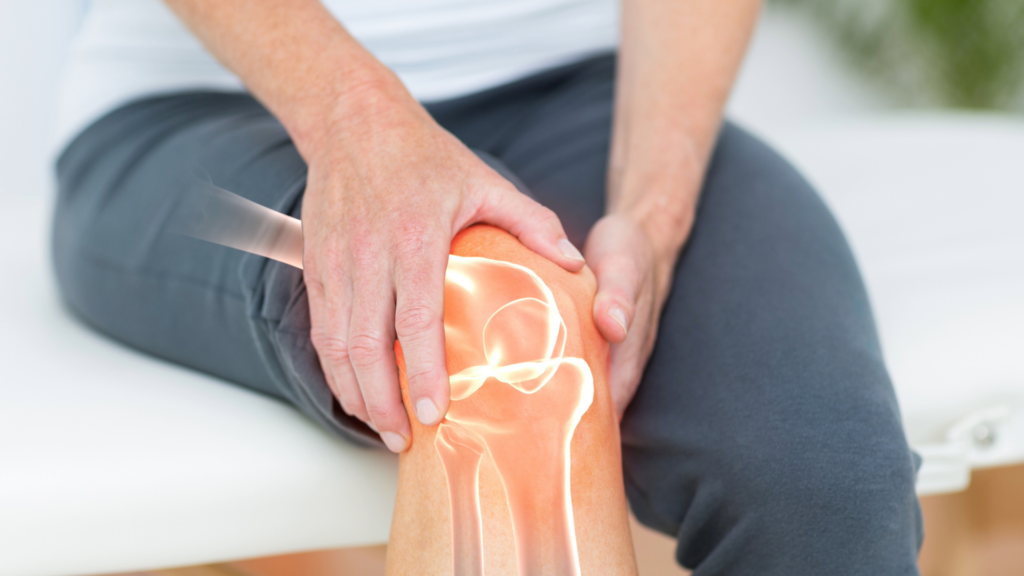
Of course, there is also the possibility that the source of someone’s chronic pain can come from bones and joints. Roughly 1 out of 4 adults in the United States have arthritis – a disease that is characterized by swelling and inflammation in the joints (just to name statistics of one of the many diseases out there that can affect your joints). Orthopedic injuries and diseases are common sources of pain for many patients.

Like Neurosurgeons, Orthopedic Surgeons can also perform a multitude of procedures to help treat pain that stems from various joints, including the knee, shoulder, and hips. It is common practice for Orthopedic Doctors to specialize in one or two joints, so that they may focus, diagnose, and treat their chosen joints with their full knowledge and attention. Orthopedics can also broaden their purview by studying chiropractic care, osteopathic manipulation, and orthobiologics.


Pain Medicine and Anesthesiology

There are some health conditions that are likely to affect someone for the rest of their life, including Fibromyalgia, Complex Regional Pain Syndrome, and Post-laminectomy (post-surgical) Syndrome. For these conditions, where conservative and surgical intervention may not be an option for helping someone fix their pain, they may be referred to Pain Management.

Pain Management Providers can include Interventionalists, Internal Medicine Doctors, Physical Medicine and Rehabilitation Doctors, and Anesthesiologists. Pain Management Doctors often see patients who need help to manage pain symptoms that have become chronic or otherwise incurable through normal means.

They’ll often use injection therapy, targeted drug management therapy, and highly technical care plans in order to help patients regain and maintain a good quality of life, helping them learn to live with their pain symptoms while reducing dependency on opioid medications as much as possible. Some Pain Management Providers also get additional training to perform low-risk surgical procedures that would normally be reserved for Orthopedics and Neurology.


Oncology

Cancer is a category of diseases that is caused by uncontrolled cell division in one or multiple parts of the body, causing abnormal growths to occur and body function to shut down. Cancer contributes massively to the overall burden on our healthcare system, and to the burden on families. Oncologists are doctors who treat and manage these diseases.

Like Pain Management, Oncologists use targeted drug management therapy and technical care plans to help treat patients suffering from cancer and cancer-related pain. They’ll also use nuclear medicine, radiology, and surgery in collective efforts to help eliminate and remove the source of their patient’s cancer. Oncology is overall a very difficult but highly rewarding field for students looking to make a major difference in not just their patients’ lives, but the lives of their family.


How Will You Help Others in Pain?

Pain Management is growing to be a massive field in medicine, as comorbidities are becoming more prevalent and as patients are recognizing signs and symptoms of atypical pain. For as many sources of pain as there are, there are just as many specialties and subspecialties in medicine designed to help combat chronic pain. The different tools and methods are improving as well, with new techniques and tech being developed every day; men and women are pioneering new ways to help their patients obtain a better quality of life.

Have questions about where to start? Be sure to explore our resources on how to diversify and define yourself as a physician in a growing field of medicine.

I really want to become a Doctor – Is there anything I can do straight away?

Explore more learning opportunities on Apprentice Doctor Academy and Apprentice Doctor Kits.


Healthcare Professionals vs Certified Nurse Assistants

Photo by RDNE Stock Project from Pexels


In the diverse world of healthcare, every role holds its significance. Healthcare professionals and certified nurse assistants (CNAs) are two fundamental pillars of this sector. Their roles, while distinct, are essential to the smooth operation of healthcare systems. These professionals bring unique skills and perspectives, vital to patient care and medical outcomes.

Understanding the differences between these roles is crucial. It allows us to see the bigger picture of healthcare teamwork and efficiency. This article delves into the contrasting yet complementary nature of healthcare professionals and CNAs. By exploring their roles, we highlight how each group uniquely contributes to healthcare, forming a cohesive and effective care environment.

Role and Responsibilities

Healthcare professionals encompass a broad range of job titles, including medical doctors, nurses, and therapists. Each has specialized training for specific patient care needs. Doctors diagnose and treat illnesses, nurses provide ongoing care, and therapists help with rehabilitation. Their work is diverse, covering everything from emergency response to long-term treatment planning.

On the other hand, certified nurse assistants play a more direct, hands-on role in daily patient care. CNAs assist with basic needs like bathing, feeding, and moving patients. They also monitor vital signs and report changes to nurses or doctors. This role is crucial in maintaining patient comfort and well-being.

Education and Training Requirements

The path to becoming a healthcare professional is often long and rigorous. It typically involves obtaining a degree in a specific medical field, such as medicine, nursing, or therapy. After earning their degree, they must pass licensing exams. Continuous education is also a key part of their career, keeping them updated on the latest medical advancements and techniques.

For those considering a healthcare career, becoming a certified nurse assistant can be a great way to start your medical career. The journey to becoming a CNA is more streamlined compared to other healthcare roles. CNAs usually complete a shorter training program, which includes both classroom learning and practical, hands-on experience. After completing their training, they must pass a competency exam to earn their certification. This path, while less extensive than for healthcare professionals, equips CNAs with essential patient care skills and offers a valuable entry point into the healthcare field.

Workplace Environments and Challenges

Healthcare professionals often find themselves in a variety of settings, such as hospitals, clinics, and private practices. In hospitals, they may deal with high-stress situations and a fast-paced work environment. Clinics often require managing a steady flow of patients, while private practices might involve more personalized patient care. Adapting to these diverse settings is a key part of a healthcare professional’s job.

Certified nurse assistants typically work in settings like nursing homes, home care, and hospitals. In nursing homes, they play a vital role in the daily lives of elderly patients, providing essential care and companionship. Home care CNAs offer support to patients in their homes, balancing the need for medical care with respect for the patient’s independence. When working in hospitals, CNAs support both the medical staff and the patients, often acting as a critical link between the two.

Photo by Cottonbro Studio from Pexels

Career Advancement and Opportunities

For healthcare professionals, the career advancement possibilities are vast. They can choose to specialize in a particular medical field, pursue research, or move into administrative roles. Specialization often requires additional training and certification, but it can lead to higher positions in their field. Some may also take on teaching roles, sharing their knowledge with the next generation of healthcare workers.

Certified nurse assistants have different advancement opportunities. With experience and further education, CNAs can pursue more advanced nursing careers like licensed practical nurses (LPNs) or registered nurses (RNs). These advancements require additional training and certification but open up new avenues in patient care and healthcare management. The role of a CNA can be a stepping stone to more advanced positions in the nursing field.

Wrapping Up

Healthcare professionals and certified nurse assistants play crucial yet distinct roles in patient care. This analysis underscores their unique contributions to the healthcare system. While professionals handle complex medical tasks, CNAs provide indispensable daily care. Together, they form the backbone of effective patient care, demonstrating the strength

I really want to become a Doctor – Is there anything I can do straight away?

Check out the Medical Terminology: Decoding the Language of Healthcare on Apprentice Doctor Academy.

Also, explore the Medical Assistant Practice Kit on Apprentice Doctor Kits.


Beyond Borders: My Journey to Becoming a Doctor

My name is Raman Preet Kaur, and I am currently a 6th-year medical student at the Medical University of Sofia. My journey to medical school and my aspirations to become a doctor have been a unique and culturally enriching experience filled with both challenges and triumphs. I would like to share my journey, one where determination and dreams play a pivotal role.

I was born in India, and my life took a significant turn when I moved to Germany at the age of 13. The cultural shock was profound, transitioning from a small Indian town to a new and unfamiliar environment. However, I adapted, learned the language, and found friends who helped me integrate into German society.

Ever since I was a child, I dreamt of becoming a doctor. Little did I know that this dream would take me on a path filled with challenges and adventures.

After completing my A-Levels, I set my sights on fulfilling my dream of attending medical school in Germany. However, there was a long waiting list, so I decided to pursue a career in nursing. Although I acquired valuable experience, my unwavering passion for becoming a doctor remained. I wanted more from my career. So, I reapplied to medical schools in Germany multiple times but had no success.

As another year passed without acceptance into medical school, I broadened my horizons beyond Germany. I also applied in Austria, but the waiting list was another year long, so I had to find another alternative. At that time, I was facing personal hardships, which made the whole process of rejection more frustrating and challenging. Nevertheless, I remained determined to find a way to achieve my dream.

It was during this challenging time that a friend studying dentistry in Sofia, Bulgaria, introduced me to the Medical University of Sofia. The university offered medical degrees in English, which was a game-changer for me. This opportunity meant that I could study in a language that opened doors internationally. After conducting my research, I applied and, to my delight, got accepted.

**A Fresh Start in Bulgaria:**

Moving to Bulgaria was a major step, but it was one I needed to take to pursue my dream career. Leaving behind my family and hometown was difficult, but it allowed me to grow as a person and expand my horizons.

Bulgaria surprised me with its rich history and diverse culture. One aspect I truly cherished was the multicultural environment at the university, where I met people from all corners of the world. The convenience of direct flights from my home city made the transition smoother, and affordable taxis were a pleasant surprise. The availability of Indian restaurants and vegetarian-friendly options brought a taste of home to Sofia. The city’s numerous shopping malls and book cafés became some of my favorite spots.

**Giving Back Through Volunteering:**

Throughout my medical journey, I had a strong desire to engage in volunteer work within the medical field. I joined Medipath International, a remarkable non-profit organization dedicated to supporting medical students in their educational and professional endeavours. Medipath International regularly organizes symposiums, lectures, and workshops, all designed to enhance our practical skills and expand our medical knowledge. These events bring together experts from various medical fields, creating a platform where students can learn from the best and stay updated with the latest developments in healthcare.

**An Unforgettable Experience:**

Through Medipath, I had the honour of participating in one of The Apprentice Doctor’s teaching programs at Johns Hopkins University in Baltimore. During my time there, I had the privilege of working alongside renowned maxillofacial surgeon Dr. Anton Scheepers. The experience was unparalleled, providing me with insights into advanced medical practices and the opportunity to collaborate with exceptional doctors and aspiring medical professionals. Sharing my experiences and knowledge with future medical professionals was truly fulfilling.

This experience has left an indelible mark on my medical journey. It has broadened my horizons, exposed me to cutting-edge medical techniques, and connected me to a network of passionate medical professionals. The knowledge and inspiration gained from this opportunity have undoubtedly propelled me forward in my pursuit of becoming a doctor.

**In Conclusion: What I Want You to Know**

As I look back on my journey from India to Germany and now to Sofia, I am grateful for the diverse experiences that have shaped me as an individual and as a future healthcare provider. For aspiring medical professionals, pursuing a medical career is no easy feat, and many students face hurdles to gain admission to medical schools. I want to emphasize that the path to achieving your dreams is not always straightforward. My journey involved unexpected twists and turns, but each experience has contributed to my growth and determination. It has been an incredible journey, and I’m ready to embrace the next chapter as a doctor.

**My advice to you is simple:** Never limit yourself. Sometimes, stepping out of your comfort zone is necessary to achieve your dreams. In the words from my favorite quote by Paulo Coelho, “If you want something, the whole universe conspires to achieve it.” So, don’t give up on your dreams. Seize every opportunity that comes your way and go after your goals with unwavering determination. You can have it all.

Thank you for joining me on my journey, and I hope my story inspires you to passionately pursue your own dreams.

I really want to become a Doctor – Is there anything I can do straight away?

Check out the Foundation Medical Course on Apprentice Doctor Academy.

Also, explore the Future Doctors Kit on Apprentice Doctor Kits.


The Apprentice Doctor® Student Grant/Bursary

The Apprentice Doctor® awards a yearly grant of $2000 to students who are passionate about medicine!

Next Grant/Award Selection: 31 August  2026

At The Apprentice Doctor®, we are passionate about assisting you in reaching your goals and dreams. In this spirit, we award an annual grant —a token of our commitment to you as a future medical professional.

The bursary is OPEN to all aspiring medical professionals who have attended an Apprentice Doctor training event or are current subscribers of Apprentice Doctor Online Academy.

Also, if you don’t have an Apprentice Doctor® Simulation Kit, consider investing in one [Click Here].


Last Winner:

Name: Rachael De Klerk

University: Liberty University in VA, USA

Major: Biomedical Sciences (Premed)

Goal: To qualify and practice as a physician

About Rachael:

Rachael De Klerk completed her A-level matric in South Africa in 2021 and was accepted to study Biomedical Sciences (Premed) at Liberty University in VA, USA, in August 2022.

As a young girl growing up in South Africa, Rachael had always dreamed of qualifying as a doctor and pouring her skills back into this country to help the disadvantaged and underprivileged. From a very young age, Rachael was always helping others. She frequently visited the sick and neglected in the poorer areas of Thokoza and Katlehong, in collaboration with the NPO Kwenele, Place of New Hope.  She also got involved with organizations like Rainbows and Smiles (which helps children with cancer) and Stepping Stone Hospice. She is an outstanding young lady with vision, compassion, and determination to make a difference.

In her grade 11 year at school, Rachael attended an Apprentice Doctor course in Johannesburg at the Sci-Bono Discovery Science Center, hosted by Dr. Anton Scheepers. She loved the course and got so much first-hand experience, which cemented her desire to become a doctor.

The Apprentice Corporation wishes you the best with your studies!

Best wishes,

Dr Anton Scheepers
Founder of The Apprentice Corporation


Terms and Conditions:

You must grant us permission to publicly identify you by name and post a picture of you on our website and social media platforms (which you must supply).

Your contact details, e.g., email and phone number, will be securely stored. In the unlikely event of a security breach, the Apprentice Corporation will inform you regarding such a breach.

The winners will be notified by email. An “I accept” email response is required within 14 days ; if there is no response within this time frame, the offer will be withdrawn.

The decision of the Apprentice Doctor Grant committee is final; there will be no discussion regarding the process and related procedures.

The winner will be announced on the website and social media; if you don’t want your photo and your name to be published, then kindly refrain from entering.

Any requests to remove your photo, name, or any other relevant information from the Apprentice Doctor website, Facebook page, or other social media or online publications – after receiving the grant funds – will result in immediate disqualification on the basis of these Terms and Conditions. In such an instance, the Apprentice Corporation will require you to refund the bursary. The bursary will then be offered to another person.

The Apprentice Corporation will transfer the funds directly to your university or college as part of your yearly academic fees. 

The grant is audited by an suitably qualified Chartered Accountant.


FAQ:

Q. I don’t live in the USA – may I apply for the grant?

A. Yes, this is an international grant. Funds will be transferred into a bone fide bank account at the current exchange rates.

Q. Is the grant transferable – may I offer the grant to a special needs student in my class?

A. Yes, you may.


I really want to become a Doctor – Is there anything I can do straight away?

Check out the Foundation Medical Course on Apprentice Doctor Academy.

Also, explore the Future Doctors Kit on Apprentice Doctor Kits.


Categories All

The Deluxe Suture Kit | The Apprentice Doctor

Why  Suture Practice Kits Were Made

Suture kits were designed and made for students as a way to help them learn suturing techniques. By practicing on a kit like this, students can improve their skills and techniques before working on real patients. The suture kit includes everything you need to get started and comes with a course that will help you get the most out of your practice suture kit.

The suture kit is the perfect tool for medical professional students like,  medical students, dental students, nurses, veterinary students, EMTs, and Emergency Response Personnel. It includes everything you need to practice suturing techniques, comes with a course to help you get the most out of your practice suture kit, and makes it easier than ever to learn how to suture properly.


Problems That Students Have Before Purchasing the Suture Kit and Online Course

Students have a variety of problems before buying a suturing practice kit.  These include the following:

  • Learning the relevant surgical knot tying techniques
  • Learning suturing techniques
  • Getting started with suturing
  • Finding the right suture kit


Ways The Suture Kit And Course Helps Students

  1. The suture kit is a great way for students to practice their suturing skills. The kit includes a variety of suture types, so students can practice their suturing skills on a unique and professionally designed simulation skin pad.
  2. Online courses are also a great way for students to learn suturing techniques. These certified courses offer step-by-step instructions, as well as video tutorials, so students can learn the techniques properly. Students can work at their own pace and at the end of the course they will have to pass a theoretical and practical assessment.
  3. The combination of the suture kit and online courses helps students to become proficient in suturing skills. The kit allows them to practice their skills, while the courses teach them the proper technique.


Get More Out Of Your Suture Kit With These Tips

Suture kits can be extremely helpful when it comes to practicing suturing techniques. However, there are a few ways to get even more out of your suture kit. Here are a few tips:

  1. Make sure you have a good quality kit. There are many different suture kits on the market, and not all of them are created equal. Make sure you select a kit that is made from high-quality materials and that has been tested for accuracy and reliability. The instruments must be of a high professional grade quality and all items (skin pads and suture material) must be available for reorder at a reasonable price.
  2. Practice your suturing skills regularly. It’s important to use your suture kit on a regular basis if you want to improve your skills. Try suturing different types of tissue and using different suture techniques. This will help you become more proficient with the kit.
  3. Ensure that the suture kit that you choose is associated with a certified suturing course.. The Future Doctors Academy Surgical Knot Tying and Suturing Course will take your suturing skills to the next level, by teaching you how to suture correctly. These courses can be found online, while we also offer virtual and in person suturing workshops.  The suturing course will teach you everything you need to know about suturing effectively.
  4. Does your suture kit come available in a dedicated kit for right and left handed persons? The Apprentice Doctor Suture Kits do.

The suture kit just got even better!


Here’s What’s New With Our Deluxe Suture Kit:

The suture kit solves a variety of problems for medical students, dental students, nurses, veterinary students, EMTs, and Emergency Response Personnel. It helps them learn suturing techniques faster and more effectively, and makes it easier than ever to get started with suturing.

  • The suture kit now includes a course to help you get the most out of your practice suture kit.
  • The suture kit is now easier than ever to use, making it perfect for medical students, dental students, nurses, veterinary students, EMTs, and Emergency Response Personnel.
  • We also have bi-yearly virtual events you can attend and practice live, online, with other students from the comfort of your home.

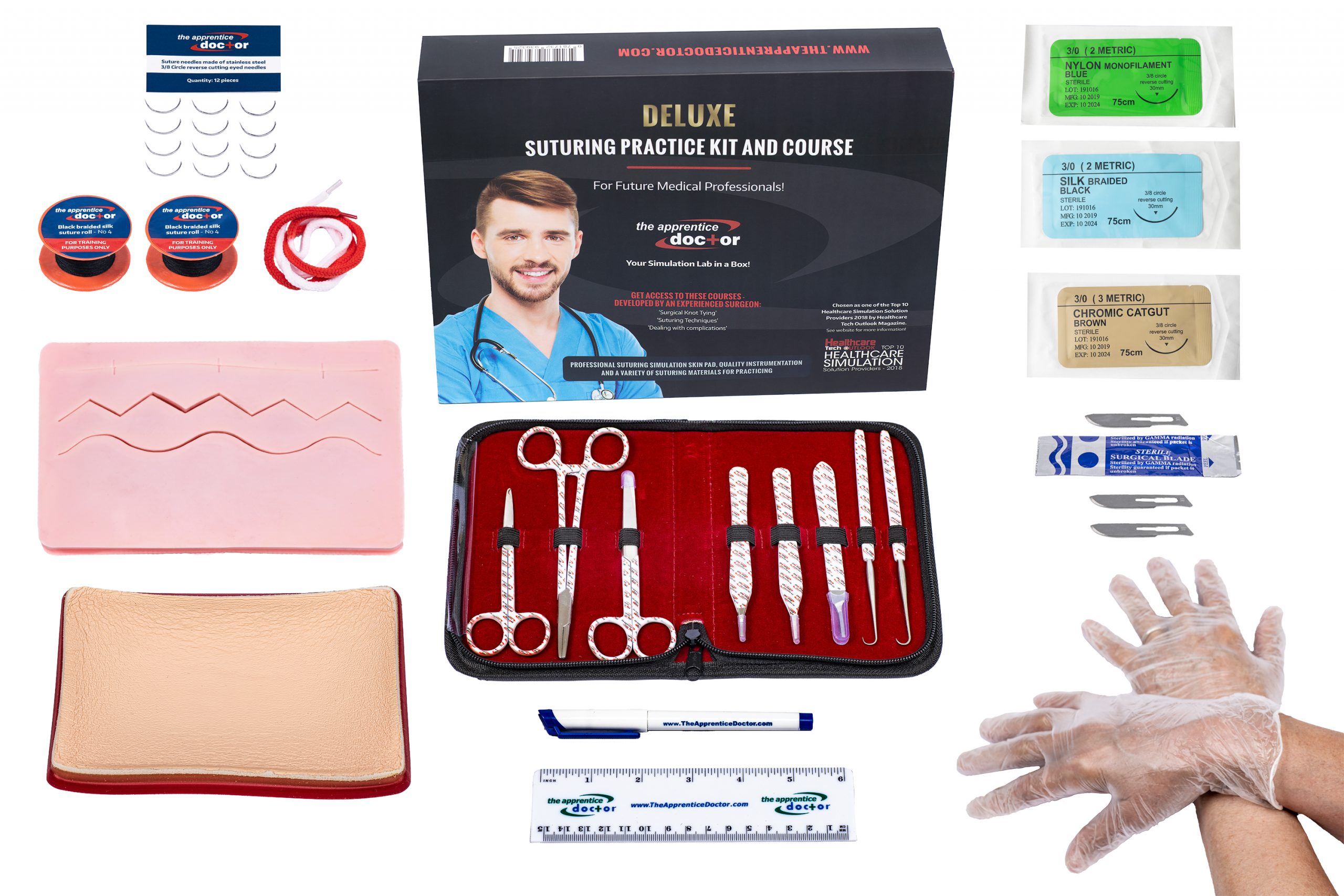
The Apprentice Doctor® Deluxe Suture Kit has two types of simulation skin. The 3-layered skin will allow you to practice flap surgery and Z-plasties for instance!


We would love to hear your feedback on improving the suture Kit and Course

If you have the Suture kit and online course, we would love to hear your thoughts! Please leave a review on our website or Facebook page. If you haven’t purchased the kit yet, you can learn more about it on our website. (https://www.wwwclone.theapprenticedoctor.com/deluxe-suture-kit-suturing-course/)

Thanks for considering our suture kit!


The Product Summary

The suture kit is ideal for medical students, dental students, nurses, veterinary students, EMTs, emergency response personnel, and even for survivalists. The suture kit includes sutures, suture needles, forceps, scissors, hemostats, and a carrying case – absolutely all the instruments and items that you will need to learn surgical knot tying and suturing. The suture kit is for use in the classroom or on the go. The suture kit is easy to use and comes with a course that teaches you how to suture.

If you are a medical student, dental student, nurse, veterinary student, EMT, or emergency response personnel, you need a suture kit.  The Apprentice Doctor suture kit comes with everything you need to suture: sutures, suture needles, forceps, scissors, hemostats, and a carrying case. The suture kit is for use in the classroom or on the go. The suture kit is easy to use and the associated suturing course teaches you how to suture wounds – step-by-step. This course compiled by an experienced surgeon – comes as an absolutely free value add to the suture kit.

I really want to become a Doctor – Is there anything I can do straight away?

Check out the How to Suture Wounds Course on Apprentice Doctor Academy.

Also, explore the Deluxe Suture Kit on Apprentice Doctor Kits.


Become a Medical Doctor | How-To Guide

Introduction:

If you are interested in a career in medicine, becoming a doctor is a rewarding but challenging process. It is important to be aware of the challenges involved and how to overcome them. 

The biggest challenge facing aspiring doctors is the rigorous academic process. In order to become a doctor, you must first complete high school, then attend college and medical school, and finally complete a residency. This process can take many years, and it is important to be prepared for the challenges involved.

Why Being A Doctor Is Important In The World Today

Becoming a doctor is important in the world today because they play a critical role in society. They are responsible for caring for patients and helping to maintain the health of the population. Additionally, doctors are often at the forefront of research, working to find new treatments and cures for diseases. Doctors are essential to the well-being of society and deserve our respect and admiration.

The process of becoming a doctor is not an easy one. It requires years of schooling and training. However, it is a rewarding career that offers many opportunities to help others.

 If you are considering a career in medicine, here are the steps you need to take to become a doctor.

  1. Get a bachelor’s degree: In order to become a doctor, you must first obtain a bachelor’s degree from an accredited university. During your undergraduate years, you will take courses in biology, chemistry, physics, and math. These courses will prepare you for the rigors of medical school.
  2. Take the MCAT: The Medical College Admission Test (MCAT) is a standardized test that all prospective medical students must take. The MCAT measures your knowledge of the sciences and helps to ensure that you are prepared for the challenges of medical school.
  3. Attend medical school: After you have completed your undergraduate degree and taken the MCAT, you will need to attend an accredited medical school. During your time in medical school, you will take classes such as anatomy, physiology, and pharmacology. You will also complete clinical rotations, which will give you hands-on experience in the field.
  4. Obtain a medical license: In order to practice medicine, you must obtain a medical license from your state’s Board of Medicine. To be eligible for a medical license, you must pass the United States Medical Licensing Examination (USMLE).
  5. Complete a residency: Once you have obtained your medical license, you will need to complete a residency. A residency is a postgraduate training program that lasts for three to seven years. During your residency, you will receive training in a specific medical specialty.
  6. Pass board exams: After you have completed your residency, you will need to take and pass board exams in order to become certified in your specialty.

These exams are administered by the American Board of Medical Specialties (ABMS).

  1. Start practicing medicine: Once you have completed all of the steps above, you will be ready to start practicing medicine. You can choose to work in a private practice, hospital, or clinic. 

Top 10 Reasons to Become a Doctor

Becoming a doctor is a very rewarding experience that comes with many benefits. Here are the top 10 reasons to become a doctor:

  1. The Medical Field is Exciting. There are always new things to learn in the medical field. The body is a complex machine, and there are infinite ways to help people heal and feel better.
  2. Helping people in a meaningful and significant way. Doctors are some of the most highly respected and trusted members of society. People rely on them to make life-or-death decisions and to help them through difficult times.
  3. Have a sense of trust and honor in your community. A career in medicine is a calling, and those who choose it do so out of a sense of duty and service to others. It is an incredibly rewarding profession.
  4. Become a person of influence and respect. Doctors have a tremendous amount of influence over the lives of their patients. They are able to help people when they are at their lowest point and make a real difference in their lives.
  5. Opens the door for other exciting opportunities. A career in medicine provides many opportunities for specialization, which can lead to interesting and varied work paths.
  6. You get to build meaningful relationships with patients. One of the most rewarding aspects of being a doctor is the relationships you build with your patients. You get to know them on a personal level and help them through some of the most difficult times in their lives.
  7. Better Job stability. The medical field is one of the most stable industries, which provides a great deal of job security.
  8. Higher compensation compared to other professions. Doctors are among the highest-paid professionals in the world.
  9. Requires analytical thinking and other skills. Medicine is a demanding profession that requires both intellectual rigor and practical skills. It is constantly evolving, which keeps doctors on their toes and allows them to use their creativity to solve problems.

The Biggest Trends in 2022 for Becoming a Doctor

The world of medicine is ever-changing, and in order to stay ahead of the curve, aspiring doctors need to be aware of the latest trends. 

Here are some of the biggest trends that will be seen in 2022:

  1. Increased focus on preventative care.

Preventative care has been gaining traction in recent years, and this trend is only going to continue in 2022. Doctors will increasingly focus on helping patients maintain their health rather than just treating them once they become ill. This means that aspiring doctors will need to be knowledgeable about how to promote good health habits and how to identify risk factors for illness.

  1. Increased use of technology.

Technology has already had a significant impact on the medical field, and this trend is only going to continue in the coming years. From virtual reality simulations to diagnostic tools, technology is being used more and more in doctors’ offices and hospitals. Aspiring doctors will need to be comfortable with using technology in order to keep up with the latest advancements.

  1. A focus on holistic care.

Patients are becoming increasingly interested in holistic care, which focuses on treating the whole person rather than just their symptoms. In 2022, doctors will place more emphasis on providing comprehensive care that takes into account a patient’s physical, mental, and emotional well-being. Aspiring doctors will need to be familiar with various holistic treatment modalities in order to meet the demands of patients.

  1. A move towards personalized medicine.

With the advent of new technologies, personalized medicine is becoming more and more possible. In 2022, doctors will increasingly tailor treatments to each individual patient based on their unique genetic makeup. Aspiring doctors will need to be comfortable with using new technologies in order to provide the most effective care possible.

  1. An emphasis on global health.

In recent years, there has been a greater focus on global health issues such as pandemics and epidemics. In 2022, this trend will continue as doctors increasingly work to address health concerns that span the globe. Aspiring doctors will need to be knowledgeable about global health issues in order to be prepared for this type of work.

  1. An increase in telemedicine.

With advances in technology, telemedicine is becoming more and more common. In 2022, doctors will increasingly use video conferencing and other remote technologies to consult with patients. Aspiring doctors will need to be comfortable with using these technologies in order to provide care to patients who are not able to come into the office.

  1. A focus on population health.

As the world population continues to grow, there is an increasing focus on population health. In 2022, doctors will work to improve the health of populations by addressing factors such as poverty, access to healthcare, and environmental issues. Aspiring doctors will need to be familiar with these issues in order to be prepared for this type of work.

Becoming a doctor is a demanding process, but it can be immensely rewarding. By keeping up with the latest trends, aspiring doctors can position themselves for success in this ever-changing field.

The Biggest Fears About Becoming a Doctor

There are many fears that students have about becoming doctors. One of the biggest fears is that they will not be able to handle the stress of the job. Another fear is that they will not be able to complete the schooling required to become a doctor. Some students are also worried about how much money they will need to borrow in order to pay for medical school. And finally, some students are concerned that they will not be able to find a job after they graduate from medical school.

Fortunately, there are steps that students can take to ease their fears about becoming doctors. One of the best ways to handle the stress of medical school is to develop a support system of friends and family members who can help you through tough times. Additionally, it is important to remember that medical school is not impossible to complete – thousands of students do it every year. And while the cost of medical school can be daunting, there are many financial aid options available to help students pay for their education. Finally, job prospects for doctors are good – in fact, the demand for doctors is expected to continue to grow in the coming years.

So if you’re interested in becoming a doctor, don’t let your fears hold you back. Take the first step today and begin exploring what it takes to make your dream a reality.

How to Cope and Overcome Fear of Being a Doctor

The fear of being a doctor is common, but it’s important to remember that it’s natural to feel this way. After all, you’re about to embark on one of the most challenging and rewarding careers imaginable. However, with the proper preparation and mindset, you can overcome any fear you may have and thrive in your chosen field.

Here are a few tips for coping with and overcoming the fear of being a doctor:

  1. Make a plan: It’s important to have a clear plan of action before entering into any new experience. This will help to ease your mind and give you a roadmap to follow. When it comes to becoming a doctor, make sure to research the process thoroughly and map out how you will complete each step.
  2. Talk to others who have been through it: One of the best ways to cope with fear is by talking to those who have been through it before. Ask them about their experience and find out what challenges they faced along the way. This can be an invaluable source of information and support.
  3. Prepare for challenges: Becoming a doctor is not easy – there will be challenges along the way. However, if you’re prepared for them, they won’t seem so daunting. Make sure to study hard and know what to expect before taking on any new challenges.
  4. Seek support: If you’re feeling overwhelmed, seek out support from family, friends, or a professional counselor. Talking to someone who understands what you’re going through can be incredibly helpful.
  5. Take things one step at a time: Don’t try to do everything all at once – it’s important to take things slowly and steady yourself as you go. This will help you avoid getting overwhelmed and stressed out.
  6. Believe in yourself: Perhaps the most important thing of all is to believe in yourself. You can overcome any obstacle if you have the confidence and determination to do so. Remember that you are capable of anything you set your mind to.
  7. Seek professional help: If you find that you’re struggling to cope with the fear of becoming a doctor, don’t hesitate to seek professional help. A therapist or counselor can provide you with the tools and support you need to overcome your fears and succeed in your chosen career.

3 Biggest Mistakes Students Make When Trying to Become a Doctor

The biggest mistake students make when trying to become a doctor is not doing enough research.

They may not know what steps they need to take, or how long the process will actually take.

Students also often fail to plan ahead and don’t think about how they will finance their education.

Without a clear plan, it can be easy to get sidetracked and give up on your dream of becoming a doctor.

If you’re interested in becoming a doctor, the best thing you can do is research the steps you need to take and make a plan. Start by talking to your guidance counselor or researching online.

You should also reach out to doctors in your community and shadow them to get a better sense of what the job entails. 

Here are 3 mistakes to make sure you avoid:

Not doing enough research

Becoming a doctor is a long and challenging process that requires a lot of time and effort. Unfortunately, some students do not do enough research and end up dropping out or failing to complete the process. Here are some tips to avoid this from happening to you.

First, make sure you are really interested in becoming a doctor. This is a long and difficult journey, and it’s important that you are motivated the entire way through. If you’re only doing it because you think it’s the “right” thing to do, you’re going to struggle.

Second, make sure you know what the process of becoming a doctor entails. There are many steps involved, and it’s important that you are aware of them all before starting down this path. You don’t want to get overwhelmed or discouraged halfway through.

Finally, make sure you are willing to put in the hard work. Becoming a doctor is not easy; it takes dedication, passion, and perseverance. If you’re not willing to put in the effort, then this may not be the right career for you.

Not taking the necessary steps

It is vitally important to take the necessary steps to become a doctor. Failure to do so could result in a suboptimal outcome for the aspiring doctor. The following are some of the most important steps to becoming a doctor:

1) Get good grades in high school and college. This is especially important if you want to get into a good medical school.

2) Become familiar with the MCAT. This is the test that all aspiring doctors must take before they can be accepted into medical school.

3) Shadow a doctor. This will give you a good idea of what it’s like to be a doctor and whether or not this is the right career for you.

4) Get involved in research. This will show medical schools that you are serious about becoming a doctor and that you have the potential to be successful in this field.

5) Join a pre-med club or society. This will give you access to resources and networking opportunities that will be invaluable as you pursue a career in medicine.

6) Volunteer at a hospital or clinic. This will allow you to gain experience in the medical field and may help you land your dream job after graduation.

7) Be prepared for a long and challenging journey. Becoming a doctor is not easy. It takes many years of hard work and dedication. But, if you are willing to put in the effort, it can be an incredibly rewarding career.

Failing to plan ahead

It is important for students interested in a career in medicine to plan ahead and make sure they are taking the right steps to become a doctor. However, even with careful planning, there can be bumps in the road. 

One common mistake students make is not anticipating how long the process of becoming a doctor will take. For example, many students assume they can complete their pre-med requirements in just two years when in reality it often takes four or five years. Additionally, there are many other steps along the way, such as taking the MCAT and applying to medical school, that also require time and planning.

Students who start planning early and take all the necessary steps are much more likely to become doctors. However, even if someone falls behind or makes a mistake along the way, it is not impossible to still achieve their goal. The most important thing is to never give up and to keep working towards their dream.

There are 7 common steps to becoming a doctor:

  1. Get a bachelor’s degree: In order to become a doctor, you will need to first earn a bachelor’s degree from an accredited university. While you can technically major in any subject, it is recommended that you choose a pre-med track or something similar that will help prepare you for medical school. Additionally, most medical schools require students to have completed certain prerequisite courses, such as biology, chemistry, and physics.
  2. Take the MCAT: The next step is to take the Medical College Admissions Test (MCAT). This exam is required for admission into nearly all medical schools in the United States. It covers topics such as biology, chemistry, physics, and psychology.
  3. Apply to medical school: Once you have completed your undergraduate degree and taken the MCAT, you can begin applying to medical schools. The admissions process is competitive, so it is important to put your best foot forward. Make sure to research each school you are interested in and tailor your application accordingly.
  4. Complete medical school: After being accepted into medical school, you will need to complete four years of training. During this time, you will take classes and rotate through different hospitals or clinics, gaining hands-on experience in a variety of medical fields.
  5. Pass the United States Medical Licensing Examination (USMLE): In order to practice medicine in the United States, you must pass the USMLE. This three-part exam tests your knowledge of medical science and clinical skills.
  6. Complete a residency: Once you have passed the USMLE, you will need to complete a residency in order to specialize in a particular area of medicine. Residencies typically last four years, although some may be longer or shorter depending on the specialty.
  7. Get licensed: The final step is to obtain a license to practice medicine in your state. In most states, this requires passing another exam, called the state medical licensing examination (MLE). Once you have passed the MLE, you will be able to officially start practicing medicine!

Becoming a doctor is a long and difficult process, but it is one that can be immensely rewarding. If you have a passion for helping others and want to make a difference in the world, then medicine may be the perfect career for you. Just remember to take your time, plan ahead, and never give up on your dreams.

Once you have a good understanding of what it takes to become a doctor, you can start taking the necessary steps to make your dream a reality.

The process of becoming a doctor can seem daunting, but if you’re willing to put in the work, it can be an incredibly rewarding career

The 5 Steps to Becoming a Doctor from High School to Finishing Your Residency

Step 1: What to do in High School

If you’re interested in a career in medicine, pursuing a pre-med major in college is the first step. However, to become a doctor, you need to start preparing in high school. Here are the seven steps you need to take:

  1. Take the right courses. In order to pursue a pre-med major, you need to take the right courses in high school. This includes the sciences, such as physics and chemistry; math, including calculus and statistics; and even English. You should also aim to take rigorous AP, Honors or IB courses.
  2. Get good grades. To be accepted into a good medical school, you need excellent grades. So make sure you study hard and get the best grades possible.
  3. Get experience in the sciences. To be a successful doctor, you need experience in the sciences. Make sure to do plenty of experiments and labs in high school so that you have a strong foundation in these subjects.

Step 2: How to Prepare in College for Medical School

If you are interested in a career in medicine, one of the best things you can do is start preparing for medical school while you are still in college. Here are some tips on how to make the most of your time and set yourself up for success:

  1. Be aware of what classes to take. Most medical schools require certain core classes, such as biology, chemistry, and physics. Make sure you are taking the appropriate courses to prepare you for medical school.
  2. Practice good study habits. It is important to develop good study habits early on so that you can be successful in medical school. Make a study schedule and stick to it, get plenty of rest, and take breaks when needed.
  3. Plan for studying and taking the MCAT seriously. The MCAT is one of the most important exams you will take as a pre-med student. Make sure you are well-prepared for it and that you have enough time to study for it.
  4. Gather as much relevant and useful experience as you can. This can include doing volunteer work at a hospital or clinic, working as a lab assistant, or participating in research studies. Any experience you can gain in the medical field will be beneficial.
  5. Stay healthy and fit. One of the best things you can do for your future career is to take care of your health now. Eat a healthy diet, exercise regularly, and get enough rest.
  6. Get involved in extracurricular activities. In addition to your academic work, get involved in extracurricular activities that interest you. This can help you develop leadership skills and make connections with others who are interested in medicine.
  7. Be prepared for the application process. The process of applying to medical school can be competitive and time-consuming. Start gathering the materials you need (transcripts, letters of recommendation, etc.) well in advance so that you can put your best foot forward.

Following these tips will help you prepare for medical school and set you up for success.

Step 3: Medical School

  1. Understand the purpose of clinical rotations. Clinical rotations are an important part of medical school, and you should take them seriously. They provide you with the opportunity to experience different areas of medicine, as well as to learn from experienced doctors.
  2. Commit to each rotation. It is important to be focused and committed during each clinical rotation. This is your chance to learn as much as possible and to get the most out of the experience.
  3. Keep an open mind. Be open to new experiences and new ways of doing things. You never know what you might learn during a clinical rotation.
  4. Focus on each patient first, the preparations second. It is important to remember that you are working with real patients during clinical rotations. The focus should always be on providing the best possible care for each patient.
  5. Be professional. Always remember to act and dress in a professional manner. This is a crucial part of being a doctor.
  6. Be prepared. Make sure you are well prepared for each clinical rotation. This includes being familiar with the patients you will be seeing and the procedures you will be performing.
  7. Take advantage of the resources available to you. During clinical rotations, you will have access to a variety of resources. Use them to your advantage and learn as much as you can.

Step 4: Clinicals

If you’re interested in becoming a doctor, there are certain steps you need to take to make your dream a reality. Pursuing a career in medicine is a demanding process, but if you’re passionate about helping others and saving lives, it will all be worth it in the end.

To help you on your journey, we’ve put together a guide with the 7 essential steps you need to take to become a doctor. So if you’re ready to start your medical career, read on!

  1. Arrive on time and be prepared: When you’re shadowing or working in a clinic, punctuality is important. You should also come prepared with any questions you might have, so that you can make the most of your time there.
  2. Dress professionally: First impressions are everything, so it’s important to dress in a way that shows you’re serious about becoming a doctor. Wear clothes that are clean and wrinkle-free, and avoid wearing anything too casual or revealing.
  3. Be familiar with the clinic’s policies and procedures: Before you start shadowing or working in a clinic, take some time to familiarize yourself with their policies and procedures. This way, you won’t be caught off guard if something comes up during your shift.
  4. Take notes during the clinic: One of the best ways to learn while you’re shadowing or working in a clinic is to take notes. This way, you can refer back to them later when you have questions or want to review what you’ve learned.
  5. Ask questions when you don’t understand something: It’s okay to not know everything – that’s why you’re shadowing or working in a clinic in the first place! If there’s something you don’t understand, don’t be afraid to ask questions. The staff and doctors will appreciate your curiosity and willingness to learn.
  6. Stay focused during the clinic: It can be easy to get distracted when you’re shadowing or working in a clinic, but it’s important to stay focused on what you’re doing. This is a great opportunity to learn, so make sure you’re paying attention and absorbing as much information as you can.
  7. Thank the staff and doctors for their time: Last but not least, don’t forget to thank the staff and doctors for their time when you’re finished shadowing or working in the clinic. A simple “thank you” goes a long way, and it shows that you appreciate their help in your journey to becoming a doctor.

Following these steps will put you on the right track to becoming a doctor. Just remember to stay dedicated and never give up on your dream, no matter how challenging the process may be. With hard work and determination, you can make your dream of becoming a doctor a reality.

Step 5: Residency

  1. First, it is important to understand what a residency is. A residency is a three- to seven-year training program in the United States that follows medical school. It is required in order to become a licensed doctor. There are many different specialties you can choose from during residencies, such as family medicine, pediatrics, surgery, or psychiatry.
  2. The next step is to choose a successful residency program. When you are looking at programs, it is important to look at the pass rates of the residents, how many residents go on to do fellowships, and what the job placement rates are after graduation.
  3. Once you have found a few programs you are interested in, the next step is to maximize your chances of getting accepted. This means having a strong GPA, MCAT score, and letters of recommendation.
  4. The fourth step is to complete your residency and do very well. This means working hard and being dedicated to your patients and learning as much as you can.
  5. The fifth step is to finish strong. This means completing your residency on time and passing all of your exams.
  6. The sixth step is to get a job. This means finding a job that you love and are passionate about.
  7. The seventh and final step is to be a successful doctor. This means being a great doctor and helping your patients.

The Secret to Becoming a Successful Doctor and Practicing Medicine

Doctors are some of the most highly trained professionals in the world. They undergo years of schooling and training in order to be able to diagnose and treat medical conditions. But what is the process of becoming a doctor? And how can students interested in a career in medicine make sure they complete medical school on time and by following a plan?

The process of becoming a doctor is both long and competitive. It typically takes around 11 years to complete, including four years of undergraduate study, four years of medical school, and three years of residency training. In order to be accepted into medical school, students must first complete a rigorous undergraduate program and take the Medical College Admission Test (MCAT).

Once in medical school, students will spend their first two years completing coursework and taking exams. They will then enter into clinical rotations, where they will gain hands-on experience treating patients in various medical settings. After completing medical school, graduates must then complete a three-year residency program in order to be licensed to practice medicine.

How to Finish Your Journey to Becoming a Doctor Strong and Find a Branch of Medicine you can Grow and Thrive in.

Becoming a doctor is no easy task. It takes years of hard work and dedication to finish the journey and become a licensed physician. But once you reach that point, the real journey begins. You must find a branch of medicine that interests you and one in which you can see yourself thriving. There are many different branches of medicine to choose from, each with their own unique set of challenges and rewards. 

The most important thing is to find one that you can see yourself growing in and becoming the best doctor you can be. So if you’re finishing up your journey to becoming a doctor, make sure to choose wisely and thrive as a Doctor!

RECAP: Here are the 7 steps to becoming a doctor:

  1. Get a Bachelor’s Degree
  2. Attend Medical School
  3. Complete Your Residency
  4. Get Board Certified
  5. Find a Branch of Medicine You’re Interested In
  6. Thrive in Your New Career
  7. Never Stop Learning

Becoming a doctor is a long and difficult journey, but it is one that is well worth it in the end. These seven steps will help you finish strong and find a branch of medicine in which you can thrive and grow as a physician. So if you’re interested in becoming a doctor, make sure to follow these steps and never stop learning. You’ll be glad you did!

We would like to hear from you!

If you’re looking to become a doctor, we hope you found our Guide helpful! This is just the beginning of your journey, and we want to encourage you to pursue your dream. We would love to hear from you – let us know what you think about our Guide, ask us questions, and share your success stories.

Thank you for choosing to pursue a career in medicine – we know you will make a difference in the lives of many patients. We are here to support you every step of the way. Contact us anytime if you need help getting from where you are to where you want to be. becoming a doctor.

Not Sure How To Get Started?

  • Visit our Shop for Kits, Products, and Courses
  • Take Our Quiz, to see Your Biggest Challenges to becoming a doctor and get Your Free Report, “Which Branch Of Medicine Should I Choose?”
  • Sign Up for One of Our Virtual Programs: Jumpstart | Dream | Prestige (Take the quiz)
  • Visit an In-Person event

Resources:

Quotes from Famous Doctors.

https://www.thequint.com/lifestyle/20-quotes-on-national-doctors-day-to-honor-physicians

https://www.hcplive.com/view/15-great-quotes-by-physicians

https://kidadl.com/quotes/best-doctor-quotes-for-budding-physicians

https://www.quote.cc/medical-quotes/

https://www.mdlinx.com/article/10-quotes-every-enlightened-physician-should-live-by/lfc-3587

The Importance of Doctors in Society- Research:

https://work.chron.com/importance-doctors-society-19333.html

https://ilshospitals.com/blog/importance-role-doctor-society/

https://www.publichealth.com.ng/10-importance-of-a-doctor-in-a-society/

https://www.prospectivedoctor.com/reasons-to-be-a-doctor/

https://scopeblog.stanford.edu/2010/05/06/why_become_a_doctor/?gclid=CjwKCAjwt7SWBhAnEiwAx8ZLan1dQNvZ5muWmmlKM9t8_lWbVlJixTSI-DqKBEe7ttqeiWK1QBgVxRoCt74QAvD_BwE

https://www.sgu.edu/blog/medical/why-become-a-doctor/

https://www.indeed.com/career-advice/finding-a-job/reasons-to-become-doctor

https://bestaccreditedcolleges.org/articles/how-to-become-a-doctor.html

https://www.indeed.com/career-advice/career-development/how-to-become-a-doctor

https://blog.prepscholar.com/how-to-become-a-doctor

https://www.usnews.com/education/best-graduate-schools/top-medical-schools/articles/how-to-become-a-doctor-a-step-by-step-guide

https://jobs.lovetoknow.com/career-fields/steps-become-doctor

How to get into Med School.

https://www.shemmassianconsulting.com/blog/how-to-get-into-medical-school

https://uofuhealth.utah.edu/innovation/blog/aamc/2013/aamc2013marissaweber.php

https://aspiringdocsdiaries.org/fears-about-medical-school/

https://bmcmededuc.biomedcentral.com/articles/10.1186/s12909-021-03032-9

Research: Challenges to becoming a doctor:

https://www.mdlinx.com/article/the-7-greatest-challenges-of-being-a-doctor-today/lfc-4972

https://www.theclassroom.com/hard-become-doctor-7386970.html

https://www.laumed.org/3-challenges-faced-by-the-budding-doctors

https://www.laumed.org/3-challenges-faced-by-the-budding-doctors

Challenges in Med School.

https://www.healthactioncampaign.org.uk/mental-health/challenges-for-medical-student/

https://canadiem.org/3-biggest-challenges-medical-school-overcome/

https://www.teenlife.com/blog/pre-med-high-school-how-prepare-medical-career/#:~:text=To%20prepare%20for%20a%20pre,for%20the%20highest%20grades%20possible.

https://www.thebalancecareers.com/tips-for-high-school-students-who-want-to-be-a-doctor-2059733

https://www.unr.edu/admissions/blog/how-to-become-a-doctor

https://www.sgu.edu/blog/medical/preparing-for-medical-school-in-college/

https://www.amsa.org/10-cardinal-rules-surviving-first-year/

https://acoep-rso.org/the-fast-track/how-to-survive-the-first-two-years-of-medical-school/

https://students-residents.aamc.org/medical-school-survival-tips/tips-surviving-medical-school

https://www.practicematch.com/physicians/articles/5-tips-to-help-you-survive-the-stress-of-medical-school.cfm

https://opmed.doximity.com/articles/a-graduating-med-student-gives-advice-on-thriving-in-med-school

https://www.ama-assn.org/residents-students/residency/10-keys-m4s-should-follow-succeed-during-medical-residency

https://www.sgu.edu/blog/medical/doctor-advice-for-clinical-rotations/

https://medical.rossu.edu/about/blog/tips-for-med-school-clinical-experience

https://www.centrastatejobs.com/how-to-survive-clinical-rotations/

https://www.ama-assn.org/medical-students/preparing-residency/4-tricks-successful-residency-program-search

https://www.statpearls.com/ExamPrep/medical-student-resources/how-do-i-maximize-my-chances-of-getting-into-a-residency-program-of-choice

https://www.linkedin.com/pulse/10-tips-having-successful-residency-application-jowhar-phd-m-d/?trk=articles_directory

https://www.aafp.org/students-residents/medical-students/begin-your-medical-education/Succeed-in-Medical-School-Webinar.html

https://www.ama-assn.org/medical-students/preparing-residency/4-tricks-successful-residency-program-search

https://www.linkedin.com/pulse/10-tips-having-successful-residency-application-jowhar-phd-m-d/?trk=articles_directory

https://www.sgu.edu/blog/medical/residency-interview-preparation-tips/

I really want to become a Doctor – Is there anything I can do straight away?

Check out the How to Suture Wounds Course and the Foundation Medical Course on Apprentice Doctor Academy.

Also, explore the Future Doctors Kit on Apprentice Doctor Kits.


How to Become a Family Nurse Practitioner

If you are interested in becoming a Family Nurse Practitioner, knowing the specifics of the job, what to expect, and the most effective ways of reaching that goal will aid you tremendously in securing your FNP status and thriving in the field.

The Role of a Family Nurse Practitioner

Pursuing a job in family nursing can prove a unique and highly fulfilling career pathway. The role of a Family Nurse Practitioner (FNP) looks a bit different than that of a Registered Nurse (RN) or Nurse Practitioner (NP). An FNP often delivers both primary and specialty care, performing routine or regular care provision and also occasionally supporting another medical staff member, physician, or surgeon.

FNP’s often work with their patients over a long period of time, and might work with multiple or all members of a household. FNP’s often focus on facilitating patients’ long-term health and preventive care.

Who Should Become an FNP?

The FNP role isn’t for everyone. It’s important to gauge your natural aptitudes, interests, and career goals to make sure pursuing a role as an FNP would make a fit.

FNP’s usually work with their patients or caseload for an extended period of time – up to many years or even for the duration of some patients’ lives. This is a different working experience than that of other types of nursing roles, which might see many different patients each week and may only work with a patient for one visit or for their single stay in the hospital. People who enjoy building long-term relationships with their patients often thrive as an FNP.

Additionally, FNP’s are often fully responsible for most care decisions and provision. FNP’s complete a master’s degree and are thus equipped to provide many types of healthcare themselves without referring to a different medical professional or physician. They operate as an Advanced Practice Registered Nurse (APRN) which allows them to perform functions such as prescribing medications, performing physical exams, and treating a wide variety of health needs. People who make strong FNP’s enjoy working autonomously without extensive oversight. They may not find themselves in the team-oriented settings that are more common for other types of nursing positions.

Finally, a big part of an FNP’s role includes informing and supporting patients while they make their own lifestyle and health changes over time. FNP’s usually work with patients who have strong operative capabilities and agency over their lives, habits, and healthy (or unhealthy) patterns. A good FNP is a natural coach, teacher, and motivator. They help people learn to change in ways that will benefit their health in the long term.

How to Pursue a Position as a Family Nurse Practitioner

Different pathways exist to pursue an FNP license. Depending on your current career status, becoming an FNP will require you to complete a few preliminary steps and complete a Master of Science in Nursing – Family Nurse Practitioner (MSN-FNP) degree.

Educational Pathway

Though there are a few different routes to entering the field of nursing and obtaining a Registered Nurse (RN) license, many MSN-FNP degree programs will require a bachelor’s degree from a National League for Nursing (NLN) or Commission on Collegiate Nursing Education (CCNE)-accredited undergraduate program. Some programs will also have certain undergraduate GPA requirements that are important to be aware of. They will also require you to hold a current RN license.

Once you’ve decided to pursue becoming an FNP, choosing an appropriate MSN-FNP degree program is an important decision. Licenses are issued by state so make sure you choose a degree program that will license you for the state in which you want to practice after completing the program. Cost, resource, time, and energy considerations are also important as you decide which degree program you’ll pursue. One significant advantage of online FNP programs is that you’d be able to continue your current nursing career with little or no interruption, lessening the financial burden and lifestyle change required to pursue the degree.

 Applying to Positions

Before taking on an FNP program, it’s strategic to look at open FNP positions in the area or field you’d like to practice and take a look at any other requirements you might run into. For instance, some FNP positions can require a certain number of years experience practicing as an RN in a different capacity to be eligible.

Some may require certain types of FNP degree programs or value certain types of residencies or clinical experience. Knowing common requirements for FNP job positions in your area can help you prepare and make you a standout candidate when the time comes to start applying to FNP jobs.

Advancing Your Career as an FNP

Once you enter the field as an FNP, the trail doesn’t end there. As with many types of nursing specialty areas, there are further specializations and studies within the practice of family nursing you can pursue by obtaining additional schooling or certifications.

If there are specific areas of care provision or focus points within your general practice areas you particularly enjoy, you can consider specializing further. For instance, some FNP’s go on to earn additional certifications in areas such as diabetes, senior health, or pain management. Earning these types of certifications can increase your earning power and help you focus your work on the areas that most interest you.

Pursuing a career as an FNP can be significantly aided by understanding the specifics of the role and what will be required of you in order to practice in this area. Determining that your career goals and interests align with an FNP role is a first step to helping you enter a long-lasting and rewarding nursing career.

I really want to become a Doctor – Is there anything I can do straight away?

Check out the Medical Terminology: Decoding the Language of Healthcare and the Human Behavior in Medicine Course on Apprentice Doctor Academy.

Also, explore the Medical Assistant Practice Kit on Apprentice Doctor Kits.


Categories All

2022 Family Nurse Practitioner Career Outlook

Choosing a career path is never easy, especially in the medical field. There are so many different options and the amount of education you’ll need for each role varies widely. But for those who want to gain autonomy, good earning potential, and the opportunity to really help patients, becoming a family nurse practitioner (FNP) could be an excellent choice.

The demand for FNPs is growing quickly, with a 45% increase projected between 2020 and 2030, according to the U.S. Bureau of Labor Statistics. With many primary care physicians booking out far in advance due to large patient rosters, these skilled and trained medical professionals help ease the burden on doctors and help patients get the help they need quickly.

Career Opportunities and Salary Information

Choosing to become an FNP in 2022 is a smart career move. Everyone needs healthcare and the strains placed on MDs specializing in internal medicine are growing. Nurse practitioners are quickly stepping up to help patients with their general health needs.

There are more opportunities than ever for those who become nurse practitioners. Many NPs work in group practices and hospital outpatient clinics, allowing for choices in which populations they want to serve the most.

Salaries are attractive for NPs, especially those with extensive experience. The median pay for nurse practitioners in 2020 was around $117,000 per year. RNs who want to increase their earning potential may want to consider becoming an FNP.

Transitioning from an RN to an FNP Career

Many nurses choose to advance their education after working as an RN for several years and gaining experience. Others want to pursue an advanced career path right away. An RN to FNP program will prepare you for a job as a family nurse practitioner, whether you’ve been a nurse for years or you just earned your licensure.

It’s common for nurses to find the idea of applying for an FNP program intimidating, as it means more studying, clinical practice, and licensure exams. But most RNs who transition to an FNP career find that their new role is well worth the effort. Becoming a nurse practitioner in 2022 offers many benefits, including career freedom, job security, increased earnings, and the opportunity to help patients take control of their health.

What is the Role of a Family Nurse Practitioner?

A family nurse practitioner is responsible for many of the same duties as a family doctor. They can perform exams and order diagnostic testing. They can also make diagnoses and provide treatment without the patient needing to see an MD.

Some states require nurse practitioners to prescribe medication only under the supervision of a physician. However, others allow NPs to prescribe with more autonomy.

Overall, being an FNP is very similar to being a doctor. FNPs are considered to be advanced practice registered nurses (APRN) who can provide general healthcare services and earn further certifications in specific practice areas if they wish.

Benefits of Becoming an FNP

One of the benefits of pursuing an FNP over becoming a doctor is the difference in educational requirements. NPs do not have to go through the grueling process of medical school, although they still face rigorous training.

FNPs can earn an attractive salary as they gain experience, far higher than average nursing salaries. But for many FNPs, the biggest benefit of becoming an APRN is the chance to positively impact the lives of their patients. NPs can involve patients in their own health and provide direct advice to help people live healthier lives. Most NPs find great fulfillment in helping people improve their overall health and enjoy the autonomy that comes with the role.

Education & Certifications Required For FNPs

In the medical field, safety must always be the top priority. Medical doctors (MD) typically attend 4 years of medical school after earning their undergraduate degree. Once they have completed medical school and passed their licensure boards, new doctors must complete a residency, which usually lasts for about three years.

While this process ensures that doctors are well-prepared for the demands of the field, it is a path that not everyone wants to follow, even if they have the potential to be excellent healthcare providers. Although the path to becoming an NP is challenging, it is less demanding than the academic requirements for doctors.

Nurse practitioners must start as registered nurses. After passing the licensure exams, RNs can apply for a graduate program designed for FNPs. These programs will include both a classroom component and practical learning in a clinical setting. Most FNP programs can be completed in two years, making this a much quicker path to helping patients than becoming an MD.

After graduation, new NPs must pass licensure exams, to ensure that they are prepared to offer safe, quality care to patients. The standards for NPs are high as they are providing many of the same services as doctors and must have impeccable skills, knowledge, and ethics.

I really want to become a Doctor – Is there anything I can do straight away?

Check out the Medical Terminology: Decoding the Language of Healthcare and the Human Behavior in Medicine Course on Apprentice Doctor Academy.

Also, explore the Medical Assistant Practice Kit on Apprentice Doctor Kits.


Categories All

Advance in Your Medical Profession With A Doctorate

It takes a lot of work to get into the medical industry. School, clinicals, exams, and the work hardly stops after graduation. Most registered nurses are filtered out of the classroom and into a life of arduous twelve shifts, some of which take place at night.

It’s hard to imagine any nurse chomping at the bit to complicate their lives even further. And yet a very compelling case can be made for why nurses should consider continuing their education to advance their careers.

DNP Online Programs

DNP online programs are an accessible way for nurses to grow in their understanding of their profession while still maintaining a professional schedule. Online classes typically benefit from an enhanced level of flexibility, making it easier to manage coursework even during a nurse’s infamously arduous twelve-hour shift schedules.

Online DNP courses are just as educational as their brick-and-mortar counterparts, giving students access to a high-caliber education that can boost their financial prospects while also allowing them to grow in their profession.

A DNP course-load can be completed in its entirety over five semesters and can be made available in flexible 8 or 16-week increments making the classes as accessible as possible to busy professionals.

Career Mobility

Career mobility isn’t quite the same in medicine as it is in other professions. Typically, there is no corporate ladder to climb. Advancement opportunities are rare and quite gradual.

DNPs have more opportunities available to them. In addition to being able to take on more responsibilities and leadership positions within hospitals, DNPs may also be able to perform more responsibilities with patients than their RN counterparts, giving them more options in what direction to take their careers.

More Money

As with most continuing education endeavors, A DNP rewards its recipients with a higher salary. Actual numbers will vary depending on a DNPs placement, as well as what stage of their career they are in. However, it is not uncommon for DNPs to earn almost five figures more than nurses who only have a master’s degree.

Incorporate the fact that nurses have been experiencing a steady increase in income thanks to shortages and a general rising demand for healthcare workers, and it becomes clear that a DNP has the potential to be very lucrative indeed.

Pedigree

Of course, there is also just a degree of pedigree that comes naturally included with any advanced degree. Nurses considering their DNP should note that it is among the very highest educational distinctions in their line of work.

There are in fact, only several doctoral-level certifications that nurses can pursue. Of them, the DNP is the most deeply rooted in the actual practice of medicine, making it the perfect choice for people who want to continue their education without assuming the professorial role that post-graduate degrees often inevitably lead to.

Improved Patient Outcomes

Every nurse wants their patients to do well. Furthering your education is among the best and most sure-fire ways to improve patient outcomes. In fact, continued education is destined to be part of every medical provider’s life at some point. Remaining certified tends to require educational hours and periodic evaluations.

Pursuing a DNP simply takes something that every nurse is already doing anyway into the next level.  When it comes to patient health, it’s a worthwhile pursuit. Even very talented healthcare providers will inevitably struggle to stay up to date with new developments and techniques as they focus on family and their careers.

DNP coursework allows nurses to pursue high levels of learning in a structured environment, studying at the knees of certified, experienced professionals.

Networking

Working towards a DNP is also a great way to network. The program itself will feature a high concentration of local professionals working within the world of nursing. Having contacts at other hospitals and practitioners’ offices can be a great way to further your career options and pivot quickly into a new opportunity should the need arise.

Doctoral-level educational programs also often serve as an opportunity to connect with other professions that are related to your own. For example, a DNP candidate might find themselves meeting people in hospital administration.

Ironically, a DNP could also serve as a way out of traditional nursing and into the world of academics. Nurses with a doctorate are both qualified and highly sought after to assume a role as an educator. While you may not wish to pursue this path immediately, it can be a dependable alternative to nursing should you ever find yourself interested in a change in career paths.

No Time Like the Present

Nurses are in high demand right now. Salaries and benefits are soaring, opportunities, increasing everywhere. Now is a great time to capitalize on the surge in demand. With an advanced degree, you can further improve your marketability and take full advantage of this unprecedented demand for nurses.

I really want to become a Doctor – Is there anything I can do straight away?

Check out the Foundation Medical Course on Apprentice Doctor Academy.

Also, explore the Future Doctors Apprentice Doctor Kit on Apprentice Doctor Kits.


Categories All

IMPORTANT! A major website update has been made. Any issues, notify us instantly by pressing the "Quick Help" button and leaving a short description of what you experienced.