In the diverse world of healthcare, every role holds its significance. Healthcare professionals and certified nurse assistants (CNAs) are two fundamental pillars of this sector. Their roles, while distinct, are essential to the smooth operation of healthcare systems. These professionals bring unique skills and perspectives, vital to patient care and medical outcomes.
Understanding the differences between these roles is crucial. It allows us to see the bigger picture of healthcare teamwork and efficiency. This article delves into the contrasting yet complementary nature of healthcare professionals and CNAs. By exploring their roles, we highlight how each group uniquely contributes to healthcare, forming a cohesive and effective care environment.
Role and Responsibilities
Healthcare professionals encompass a broad range of job titles, including medical doctors, nurses, and therapists. Each has specialized training for specific patient care needs. Doctors diagnose and treat illnesses, nurses provide ongoing care, and therapists help with rehabilitation. Their work is diverse, covering everything from emergency response to long-term treatment planning.
On the other hand, certified nurse assistants play a more direct, hands-on role in daily patient care. CNAs assist with basic needs like bathing, feeding, and moving patients. They also monitor vital signs and report changes to nurses or doctors. This role is crucial in maintaining patient comfort and well-being.
Education and Training Requirements
The path to becoming a healthcare professional is often long and rigorous. It typically involves obtaining a degree in a specific medical field, such as medicine, nursing, or therapy. After earning their degree, they must pass licensing exams. Continuous education is also a key part of their career, keeping them updated on the latest medical advancements and techniques.
For those considering a healthcare career, becoming a certified nurse assistant can be a great way to start your medical career. The journey to becoming a CNA is more streamlined compared to other healthcare roles. CNAs usually complete a shorter training program, which includes both classroom learning and practical, hands-on experience. After completing their training, they must pass a competency exam to earn their certification. This path, while less extensive than for healthcare professionals, equips CNAs with essential patient care skills and offers a valuable entry point into the healthcare field.
Workplace Environments and Challenges
Healthcare professionals often find themselves in a variety of settings, such as hospitals, clinics, and private practices. In hospitals, they may deal with high-stress situations and a fast-paced work environment. Clinics often require managing a steady flow of patients, while private practices might involve more personalized patient care. Adapting to these diverse settings is a key part of a healthcare professional’s job.
Certified nurse assistants typically work in settings like nursing homes, home care, and hospitals. In nursing homes, they play a vital role in the daily lives of elderly patients, providing essential care and companionship. Home care CNAs offer support to patients in their homes, balancing the need for medical care with respect for the patient’s independence. When working in hospitals, CNAs support both the medical staff and the patients, often acting as a critical link between the two.
For healthcare professionals, the career advancement possibilities are vast. They can choose to specialize in a particular medical field, pursue research, or move into administrative roles. Specialization often requires additional training and certification, but it can lead to higher positions in their field. Some may also take on teaching roles, sharing their knowledge with the next generation of healthcare workers.
Certified nurse assistants have different advancement opportunities. With experience and further education, CNAs can pursue more advanced nursing careers like licensed practical nurses (LPNs) or registered nurses (RNs). These advancements require additional training and certification but open up new avenues in patient care and healthcare management. The role of a CNA can be a stepping stone to more advanced positions in the nursing field.
Wrapping Up
Healthcare professionals and certified nurse assistants play crucial yet distinct roles in patient care. This analysis underscores their unique contributions to the healthcare system. While professionals handle complex medical tasks, CNAs provide indispensable daily care. Together, they form the backbone of effective patient care, demonstrating the strength
I really want to become a Doctor – Is there anything I can do straight away?
The healthcare landscape is vast and complex. It can be difficult for college students and recent graduates to get a handle on exactly how to break in and land that first entry-level job. But with a good overview of what types of roles can serve as entrances into the industry, graduates can streamline their way into a satisfying career in healthcare.
Some of the Most Common Healthcare Entry Jobs for Graduates
There are multiple routes into the healthcare industry. These can vary widely by type and amount of schooling required; whether or not they require any kind of license or certification; and natural strengths and aptitudes needed to excel in the role.
Here are a few of the most common healthcare entry job types that are worth considering if you’d like to pursue a career in health:
Registered Nurse (RN)
What they do: RN’s are licensed nurses. They operate in a wide variety of health provision settings from hospitals to specialized outpatient clinics. RN’s often work within a team of medical professionals that provide a wide range of care types.
How to become one: It’s possible to pursue an RN position via a few different pathways. RN licenses can be obtained after completing a two-year Associate’s Degree or a dedicated program through a community or technical college. Alternatively, some students choose a Bachelor of Science in Nursing degree, which can sometimes increase ease of obtaining a position and earning power. Of the approximately 155,000 RN students that graduate and enter the workforce each year, many of them complete online ABSN programs. Accelerated Bachelor of Science in Nursing (ABSN) programs can fast-track the process of becoming a registered nurse, often requiring just 12 to 18 months as opposed to more traditional four-year programs.
After completing your degree program of choice, you’ll need to pass the RN licensing exam to receive your license before being eligible to practice. Preparation for this is usually included or aided by whatever degree program you choose prior to taking the exam.
Healthcare Administrator
What they do: Behind care administration churns a constant stream of logistical and administrative tasks. Healthcare administrators support and facilitate care provision, performing operations that are vital to making healthcare provision possible. These tasks include scheduling, invoicing, staff management, payroll, compliance, and more.
How to become one: Unlike many other entry-level roles in healthcare, most healthcare administrator positions do not require a license or certification beyond a bachelor’s degree. Getting your degree in Healthcare Administration specifically will aid you in looking more qualified and being more likely to land that first role. However, other degrees are often acceptable for pursuing many positions of this type.
Occupational Therapy Assistant
What they do: Occupational Therapy Assistants (OTA’s) provide a specific set of supports for the patients they serve. Occupational Therapy helps individuals strengthen or recover physical skills and strengths that they need to function, live their lives, and perform their work. Occupational Therapists often help people who are recovering from illnesses or injuries that have cost them their mobility, strength, endurance, or independence. OTA’s do much of the hands-on work required in OT sessions, from helping individuals perform stretches and exercises to teaching them how to use equipment.
How to become one: To become an OTA you’ll be required to complete a designated OTA degree through a technical, community, or undergraduate institution and complete a licensing exam facilitated by the National Board for Certification in Occupational Therapy. OTA programs can range in length but can be completed in roughly two years.
Medical Laboratory Technician
What they do: Medical Laboratory Technicians (MLT’s) are responsible for analyzing and processing medical samples of various kinds. They operate sophisticated equipment and usually work in dedicated facilities, processing either ranges of sample types or specializing in specific types of diagnostic and analytical procedures.
How to become one: Becoming an MLT requires a proprietary degree as well – a Medical Lab Technician Degree or similar. These programs can be offered through technical or community colleges and can often be completed in roughly one year. Requirements may vary slightly per state, so check on state-specific expectations in the place(s) in which you want to practice to make sure you complete what’s necessary before pursuing a position.
Tips for Taking Your Next Step
With a basic understanding of a few options for entry-level positions within the medical field, you’re more equipped to advance your decision-making and narrow down the direction that best fits your interests, unique life situation, and career goals. As you continue this process, remember these final few tips:
Don’t let this be the end of your research journey. Delve deeper into the positions that appeal to you. Understand them and weigh them against your strengths, interests, and aspirations.
Know yourself. Know your skills, tendencies, and weaknesses. Knowing what you bring to the table and the things that give you life (as well as the tasks or responsibilities that definitely don’t) will help you enter a career where you can thrive.
Take stock of your available resources. Each of these career directions take a different mix of resources to be able to complete well. Each will cost you valuable time, energy, and money. It’s important to take a good look at how these may cost and stretch you. Do you have the time and resources it will take to complete the steps required? This is an important consideration for anyone aspiring to a healthcare career.
Insider knowledge and a deeper understanding of entry-level opportunities in healthcare will help you supercharge your entrance into a satisfying and rewarding career path.
I really want to become a Doctor – Is there anything I can do straight away?
Caregiving for those who are elderly or living with disabilities comes with both rewards and challenges, as any caregiver will tell you. It can be greatly satisfying to bring comfort and support to those in need, whether you are caring for a family member or are a professional caregiver.
But the challenges are many, too. Those who are called to the task of caregiving often face sleep deprivation, financial losses, burnout, and more — especially those roughly 43.5 million caregivers who are unpaid and may be living in the same home as the person for whom they are caring.
The coronavirus pandemic has amplified many of these challenges, but even as it wanes, caregivers are still struggling to manage their own health and well-being along with that of their patients. It’s no exaggeration to say that even in a pandemic-free world, challenges will persist.
If you are a caregiver and the weight of your responsibilities lies heavily on your shoulders, you should know that you’re not alone. According to a 2021 study, 20% to 40% of all caregivers experience depression, and half say it’s moderately to very difficult to balance work and caregiving. Caregiving can be hard — there’s no way around it. But there are tactics you can use to maintain your resilience and continue to maintain a busy schedule from a place of strength.
What Is Compassion Fatigue?
According to the American Institute of Stress, compassion fatigue is “the emotional residue or strain of exposure to working with those suffering from the consequences of traumatic events.” Those “traumatic events” can include serious illness or injury.
Compassion fatigue happens when a person has spent significant time in a caregiving environment with people or animals that are in pain or suffering, whether it is physical or mental. As human beings, we cannot shut ourselves off completely from what we are experiencing, and gradually, the stress of being involved in heart-wrenching situations takes a toll on the caregiver.
So, to give you an example, let’s take a Generation X woman with two young children, a full-time job, and a father who’s in the late stages of Alzheimers, who lives with her. She will be tired, as you can imagine, from trying to balance work and home life. On top of that, her dad’s needs take an increasing amount of time each week. Plus, she understands that he’s never going to get better, which makes her sad. She is a prime candidate for compassion fatigue brought on by the mental stress of watching her father decline combined with the physical exhaustion of her daily life.
What are the impacts of compassion fatigue? Here are a few:
Schedule overload, resulting in a lack of time to care properly for the patient.
Caregiver mental and/or physical stress, resulting in a lowered level of health for the caregiver themselves.
Financial hardship resulting from loss of job due to caregiving (which leads to additional stress, setting up a dangerous cycle).
Neglecting self-care, which can both exacerbate compassion fatigue, and be the cause of it.
Relationship challenges: for example, if someone is spending significant time caring for a parent, their partner may start to feel neglected, leading to tension in the home.
As we mentioned before, the pandemic has heightened the difficulties for caregivers who may be skirting close to compassion fatigue. In some cases, COVID-19 created new, sometimes reluctant caregivers.
“With the isolation taking place within long-term care facilities due to COVID prevention, many family members felt they had to choose to bring their loved one home,” says Jennifer Kimball, a professional caregiver and guide at getsetup.io, an online educational community for older adults. “Once home, they were at a loss for direction because this was not a part of their plan for the future.”
Kimball believes the pandemic will have long-lasting consequences for caregiving. “I believe a lot of the lasting impact from COVID will have to do with a lack of trained professionals to care for our seniors,” she says. “There is already a shortage of nurses, and I am directly seeing the results of this situation worsening since the pandemic.”
For all the stresses that professional caregivers are under, it may be a little bit worse for volunteer caregivers who are taking care of a parent or other beloved family member. Love is a powerful motivator, but it may lead caregivers to avoid taking time for themselves, and they may feel a higher level of guilt in terms of the quality of care they provide.
Sleep Disorders That Impact Caregivers
One common impact of caregiving is the prevalence of sleep disorders. These may take a variety of forms, including the following.
Insomnia
Insomnia is characterized by persistent difficulty in falling asleep, as well as low-quality sleep and disrupted sleep. It can be chronic with caregivers.
Excessive sleepiness or fatigue
This is another common problem with caregivers. Fatigue or excessive sleepiness may be related to the nature of multiple responsibilities that all take significant time, from a professional life to family commitments to care for someone in need.
Shift work disorder
This affects people who work at uncommon hours, and causes caregivers to have significant issues with falling and staying asleep.
Parasomnia
Parasomnia includes sleepwalking, night terrors, and more, that result in disrupted or poor quality sleep.
Most common, perhaps, is sleep deprivation, which is not a specific disorder but is caused by other factors in a caregiver’s life. Constant worry, for example, may lead to sleep deprivation. So may the experience of holding down a job while caregiving and raising children, leading to an inability to relax at night and let go of the mental to-do list that is swirling in your head.
You may also experience sleep deprivation if your patient lives with you and is unsettled during the night. If you need to get up frequently, say, to help an elderly parent to the bathroom, it will be difficult for you to get the deep REM sleep that you need.
If you are a caregiver and are nodding your head in recognition while reading about sleep disorders, you’re with the majority. It’s estimated that 76% of caregivers report poor sleep quality. The research indicates that sleep disturbance in caregivers was closely linked to depression, fatigue, and anxiety — all signs of burnout.
How to Avoid Burnout
So how does a caregiver avoid compassion fatigue, or burnout? Proactively addressing feelings of burnout when you first experience them can help you stay strong and give you the lift you need to tackle your daily responsibilities. Here are a few considerations that may help.
Plan and keep a sleep schedule
If you are able to, go to bed and wake up at the same time each day. We know that’s easier said than done, especially when you are faced with a patient who has demands on your day — and night. If that’s the case, plan a time during the day when you can get a short nap.
Another way to ensure you’re getting quality sleep is to consider your sleep setup. Having the right mattress and bedding can help you turn your bed into a place where you can get away from all that you are involved in during the day.
Recognize your own needs
For many caregivers, it’s easy to allow their own needs to remain unmet while they provide a high level of care for their patient. But consider the rule on airplanes: you need to put on your own oxygen mask before helping another with theirs. Likewise, you need to maintain your own physical and mental health before you can help someone else.
Get help when you need it
Kimball says caregiving is not a one-person job. A supportive partner or spouse should be encouraged to chip in and help, as should children when they are old enough to understand. On a larger scale, look for local resources, such as your regional Council on Aging, to see if they offer support services or other assistance.
Cultivate your own life
It may seem crazy to add something to your already-full schedule, but there are dividends to having a hobby or something you enjoy doing. For Kimball, it was working in her yard and gardening. “I think if I didn’t take my time I might lose myself in that caregiver black hole that can pull you in and absorb 100% of you,” she says.
Include your patient in daily life
It can be good for both you and your patient to include them in the areas of your life that otherwise might not be available to them. For Jennifer Fink, who cared for her mother and created the Fading Memories podcast for Alzheimer’s caregivers, that meant having picnics in the yard and going to the park. “See if you can get your loved one to dance, be silly, play with the dog, kids — whatever it takes to get them in a joyful mood,” she says.
Exercise regularly
Ellen Pober Rittberg, author of “Why is Grandma Naked: Caring for Your Aging Parent,” says daily exercise should always be a part of your schedule — even if you do it while caring for your patient. “Get some exercise each day even if it means marching in place while you watch Wheel of Fortune with the person you’re caregiving,” she says.
Pay attention to warning signs
Be alert to changes in yourself that might signify burnout. Are you feeling more irritable lately? Did you bark at your partner for something minor? Make note of changes in your own behavior, and when you see them, bite the bullet, find a substitute caregiver, and schedule a half day or more of vacation time.
Thoughts From Caregivers Around the U.S.
Millions of Americans are currently acting as caregivers, either professionally, as nurses, health aides, and more, or as unpaid (and often overworked) volunteers who are caring for family members who cannot live on their own, or who need assistance to do so. Although everyone’s experience is unique, many caregivers experience situations that will resonate with others in the same situation.
Carol B. Amos, for example, cared for her mother, who had dementia, and ended up writing H.O.P.E For the Alzheimer’s Journey: Help, Organization, Preparation, and Education for the Road Ahead. She was bolstered by the support of her two brothers as well as her church family. Carving out time to play tennis also provided hope and encouragement. “Taking a half-day of vacation, talking with a close friend, or just taking an extra 10 minutes to drive the scenic route home helped to relieve my caregiver stress,” she says.
Jackie Benardout cares for a 95-year-old aunt, and runs a caregiving/mobility blog that helps others in the same situation. “The most important advice to caregivers who may be suffering from burnout is to make time for yourself,” he says. “Getting a good night’s rest is particularly important. Make sure you have a comfortable mattress that supports and relaxes your body.”
Ruth Ford has struggled with caregiving stress and how to manage it as she cares for her husband, who has Parkinson’s disease. In this short video, she talks about what has been hardest for her and how she copes.
Resources for Coping and Staying Resilient
We can’t say this enough: You are not alone. If you are a caregiver, you should know that there are multiple resources out there that can help you stay healthy, give you information, and let you talk to other caregivers.
A public service of the U.S. Administration on Aging that connects you to local services in your area for older adults and their families.
Phone: 1-800-677-1116
Works to improve the quality of life for family caregivers. Information is available in multiple languages, including Spanish, Chinese, and more.
Phone: 1-800-445-8106
Information on caring compassionately for those experiencing Alzheimer’s Disease. Free educational programs and dementia care resources, support groups, and more.
24/7 helpline: 1-800-272-3900
Articles on the basics of caregiving, research on children, older adults, and patients, find-an-expert, and more.
Final Thoughts
Caregiving can be challenging — we can’t avoid that fact. But there are ways to make it easier, from simple things like buying a mattress that helps you sleep soundly at night to more complex tactics like building a strong support community.
Whether you are a professional caregiver or one of the many individuals in this country who are caring for a loved one, you already have superhero status. You may manage a job and a family, and you undoubtedly have a life that means you’re more than just a caregiver. Your days — and nights — are full, and you juggle many balls at the same time to keep your life in order.
By taking advantage of the support you need, you can find ways to negotiate the caregiving turf and provide the best possible care to another person while also nurturing your own soul and keeping yourself healthy, both physically and mentally. Doing so helps you navigate the inherent highs and lows of caregiving and lets you experience the rewards of making the life of another person better, fuller, and healthier.
About the Author:
Mary Van Keuren is a freelance writer and editor with 30+ years of experience in academia and with a variety of consumer-oriented organizations.
In our nursing articles you have read about post-secondary degrees in nursing. You have even learned how to improve your application for getting into nursing school. In today’s article you’ll read about 8 surgical specialties you can pursue once you are a licensed registered nurse. For each one you’ll see:
A brief description of the career.
A list of typical duties.
The educational path to follow.
The type of experience to obtain.
Certification and re-certification requirements.
Snapshot of 8 surgical nursing specialties
Below is a chart that lists the eight surgical nursing specialties this article covers. The table provides the name of the position and the type of nursing environment to expect. All of the roles require you to be a licensed, registered nurse.
As you read details about the positions, you’ll learn the general duties performed, the educational path to follow, and information on the certification process.
To become a type of surgical nurse requires dedication and significant training. However, if you pursue any of these roles, you will find yourself with a gratifying career.
1. Cardiac Cath Lab Nurse – RN-BC
Another name for a cardiac cath lab nurse is a cardiac-vascular nurse. This type of surgical nurse assists surgeons with the insertion of a catheter into a chamber or vessel of the heart. This procedure is used to diagnose or treat heart conditions. It’s possible you’ll also assist with coronary catheterization. These procedures are performed in highly specialized labs using advanced technologies in cardiac care.
Typically a cardiac cath lab nurse will assist in some, if not all of the following types of procedures:
Angioplasties.
Pacemakers and cardioverter-defibrillators (ICDs) implants.
Stent placements.
Valvuloplasties.
To become a certified cardiac cath lab nurse, you’ll take the following steps:
Obtain an associate or bachelor degree in registered nursing.
Pass the NCLEX-RN.
Obtain a Cardiac Vascular Nursing Certification (RN-BC) from the American Nurses Credentialing Center(ANCC). As stated on their site, eligibility for this certification is extensive and requires the following:
Hold a current, active, unencumbered RN license.
Participate in a six-month cardiac cath lab training program run by a hospital.
Work two years in an ER, ICU or coronary care unit.
Have practiced the equivalent of 2 years full-time as a registered nurse.
Have a minimum of 2,000 hours of clinical practice in cardiac-vascular nursing within the last 3 years.
Have completed 30 hours of continuing education in cardiac-vascular nursing within the last 3 years.
Once you receive the RN-BC credential, it will have to be renewed every five years.
Because eligibility requirements, fees and continuing education information changes as the industry does, check the ANCC website for details when you’re ready to begin the education process.
You may be interested in watching this video about the cardiac nursing specialty.
2. Nurse Anesthetist – CRNA
As the name implies, a nurse anesthetist gives anesthesia and anesthesia-related care to patients before, during, and after surgery. A CRNA faces a variety of situations and unexpected events during operations. That’s why the path into this field is so intensive. Nurse anesthetists are among the most in-demand, and highest-paid, of all nursing professions.
Some of the responsibilities of a nurse anesthetist include:
Assisting with outpatient procedures.
Helping patients with pain management.
Performing epidurals.
Providing operating and emergency room care.
The steps to becoming a nurse anesthetist are:
Obtain a bachelor’s degree in nursing.
Pass the NCLEX-RN.
Earn a master’s degree in nursing.
Work a minimum of twelve months in acute care (either in an ICU or ER).
The Continued Professional Certification (CPC) is their recertification program. It consists of two four-year cycles. The CPC is a relatively new program, so it is always best to check the NBCRNA website for current details. They provide detailed manuals and samples of test questions.
3. Ophthalmic Nurse – CRNO
As you may know, the field of ophthalmology involves eyecare beyond optometry. An ophthalmic nurse cares for individuals faced with severe eye disorders and serves as a vital member of surgical teams.
Some duties of an ophthalmic nurse include:
Conducting pre-operative assessments.
Helping patients with glaucoma, cataracts and other eye trauma.
Positioning patients and verifying surgical sites.
Serving as a circulating or scrub nurse during eye surgeries.
To become an ophthalmic nurse, the steps you follow are:
Obtain your nursing diploma, associate or bachelor degree in registered nursing.
Pass the NCLEX-RN.
Work a minimum of two years as a registered nurse in ophthalmic nursing.
Have two years of full-time or the equivalent (4,000 hours) experience in ophthalmic registered nursing practice.
Continuing education and recertification is required for a Certified Registered Nurse in Ophthalmology (CRNO) every five years. The certification exam itself is only given twice a year. It is always advisable to check the NCBORN website for current details. You can also download manuals and outlines about requirements and the test itself.
4. Otorhinolaryngology Nurse – CORLN
Otorhinolaryngology nurses provide care for patients facing illnesses, diseases, or disorders related to the head. Areas include the skin, neck, ears, nose, oral cavities, and cranial nerves.
Some responsibilities of an otorhinolaryngology nurse are:
Assisting with radiation treatments.
Diagnosing patients.
Providing support for patients undergoing medical and surgical procedures.
The steps to becoming an otorhinolaryngology nurse are:
Obtain your nursing diploma, associate or bachelor degree in registered nursing.
Pass the NCLEX-RN.
Work a minimum of three years as a registered nurse.
Have at least three years of experience in otorhinolaryngology and head-neck nursing practice.
Upon passing, you will become a Certified Otorhinolaryngology Nurse (CORLN). The test is only offered twice a year, so checking the SOHN website for updated information is always the best practice. Currently, CORLN recertification is required every five years.
5. Perianesthesia Nurse – CPAN and/or CAPA
Perianesthesia nurses, or recovery room nurses, carefully monitor patients as they recover from the effects of anesthesia after surgery. Perianesthesia nurses are well trained on how to handle patients with unexpected reactions upon awakening such as confusion or pain. They often consult with patients before and after surgery, and provide information about ongoing care at home once the patient is discharged.
Typical duties of a perianesthesia nurse include:
Caring for patients in recovery.
Giving patients recovery tips for home.
Prepping patients for surgery.
There are two certifications for a perianesthesia nurse. Each covers a specific phase of anesthesia. The first, the CPAN, certifies a nurse to care for patients in the post-anesthesia phase. The second, CAPA, is more extensive. It certifies a nurse to care for patients in preanesthesia, the day of the surgery, and post-anesthesia and extended care. You can be certified in one or the other, or opt for dual certification.
The educational flow to become a perianesthesia nurse is:
Obtain an associate or bachelor degree in registered nursing.
Pass the NCLEX-RN.
Apply to take your certification through theAmerican Board of Perianesthesia Nursing(ABPANC).
Per the ABPANC site, eligibility requirements for a Certified Post Anesthesia Nurse (CPAN) are:
Hold a current, active, unencumbered RN license.
Have 1,800 hours of direct clinical experience caring for patients in post-anesthesia Phase I obtained within the two years prior to applying for initial certification.
Per the ABPANC site, eligibility requirements for the Certified Ambulatory Perianesthesia Nurse (CAPA) are:
Hold a current, active, unencumbered RN license.
Have 1,800 hours of direct clinical experience caring for patients in preanesthesia phase, day of surgery/procedure, post-anesthesia Phase II and/or extended care obtained within the two years prior to applying for initial certification.
Per the ABPANC site, eligibility requirements for dual certification:
Hold a current, active, unencumbered RN license.
Direct clinical experience hours required for both CPAN and CAPA (1,800 hours each).
Because of the complexity of two potential exams and dual certification, and specific testing dates, it is recommended you visit the ABPANC for details and updates to their handbook.
This two-minute video entitled We are Perianesthesia Nurses may be of interest to you.
https://youtu.be/deIfDhWrPCA
6. Perioperative (Surgical) Nurse – CNS-CP
Perioperative nurses care for patients during the entire course of their surgical experience. They monitor patients to ensure they are receiving the best quality of care during surgery. They also serve as intermediaries between the surgical team and the patients’ families. They can be seen assisting in the recovery room, and sharing post-operative tips patients should follow when they return home.
Typical duties of perioperative nurses include:
Giving patients recovery tips for home.
Interviewing and assessing patients for surgery.
Maintaining a sterile operating room throughout surgery.
Monitoring patients and coordinating care during surgery.
The educational path to becoming a perioperative nurse is:
Obtain a bachelor degree in registered nursing.
Pass the NCLEX-RN.
Gain experience working in critical care and in the ER.
Pass the Certified Nurse Operating Room exam (CNOR) through theCompetency and Credentialing Institute(CCI). As their site indicates, eligibility requirements are:
Hold a current, active, unencumbered RN license.
Be currently working full-time or part-time in perioperative nursing an area of nursing education, administration, research or clinical practice.
Complete a minimum of 2 years and 2,400 hours of experience in perioperative nursing, with a minimum of 50% (1,200 hours) in an intraoperative setting.
Recertification for a Clinical Nurse Specialist-Certified Perioperative is required every five years. The CCI site contains updated information on initial certification and renewal.
A Day in the Life of a Perioperative Nurse may give you additional insight about this career.
7. Plastic Surgery Nurse – CPSN or CANS
Plastic surgery nurses help patients facing or recovering from plastic surgery procedures. They with procedures that range from small and elective, to more complicated operations like facial reconstruction.
Typical duties of a plastic surgery nurse include:
Explaining procedures to patients.
Prepping the surgery room.
Working with surgeons and other members of a surgical team.
The educational flow for a plastic surgery nurse is:
Diploma, associate or bachelor degree in registered nursing.
Pass the NCLEX-RN.
Work for two years as a registered nurse in surgical nursing with half the hours being in plastic surgery.
Pass the Certified Plastic Surgical Nurse (CPSN) exam facilitated by the Plastic Surgical Nursing Certification Board (PSNCB) exam. Their site provides details on the following eligibility requirements:
Hold a current, active, unencumbered RN license.
Have a minimum of two 2 years of plastic surgery nursing experience as a registered nurse in a general staff, administrative, teaching, or research capacity within 3 years prior to application.
Have a minimum of 1,000 practice hours in plastic surgery nursing during 2 of the preceding three 3 years before making application.
There is also a Certified Aesthetic Nurse Specialist (CANS) certification exam, also facilitated by the PSNCB. Details on the following eligibility requirements can be located on their site:
Hold a current, active, unencumbered RN license.
Work in collaboration or in a practice with a physician that is Board Certified within one of the following core specialties: Plastic/Aesthetic Surgery, Ophthalmology, Dermatology, or Facial Plastic Surgery (ENT).
Have a minimum of 2 years of nursing experience as a registered nurse within one of the listed core specialties above in a general staff, administrative, teaching, or research capacity within 3 years prior to application.
Have spent at least 1,000 practice hours within the core specialties during the preceding 2 years before making application.
Recertification for either credential is every three years. Because there are two exams with different eligibility requirements, and the tests are given only during certain times of the year, it’s best to check the PSNCB website.
You may want to view this short video on What is a Plastic Surgery Nurse?
https://youtu.be/ObXpSdzBdaU
8. Transplant Nurse – CCTN
Transplant nurses work with patients who donate and receive organs. These nurses are highly skilled at preparing living donors for transplant operations, including any risks involved in the donation. They perform similar services for patients receiving transplant organs from deceased individuals. Transplant nurses assist medical teams during surgery and work in post-operative care. They carefully monitor patients for post-transplant complications like organ rejection.
Typical duties of a transplant nurse include:
Clearing patients and donors for surgery.
Monitoring patients’ vital signs after surgery.
Ordering lab tests to confirm an organ match.
Taking medical histories.
The path to becoming a transplant nurse is:
Get diploma, associate or bachelor degree in registered nursing.
Pass the NCLEX-RN.
Get a few years experience in critical care, intensive care or medical-surgical nursing.
24 months general experience as a registered nurse.
12 months experience while working as a transplant nurse, which can occur concurrently with RN experience.
Recertification for a Certified Clinical Transplant Nurse (CCTN) is every five years. Check the ABTC website for updated information when you are prepared to embark on this career path.
Exam Preparation
As you have read, all of these specialties require experience in the field before you are eligible to take the exam. It is essential to understand that practical field experiences do not adequately prepare you to pass any of the certification tests.
You have invested substantial time and financial resources for your education, so it is recommended that you take a preparatory course for your selected exam. You should also use the review materials and practice tests provided to you on each site. Most successful candidates spend two to three months consistently studying before attempting their exam. Since there are fees involved, you want to pass your exam the first time. So, create a study routine and follow it faithfully.
It can also be helpful for you to join a professional organization associated with the surgical specialty that most interests you. In some cases, the organization can offer you reduced exam fees and special training materials.
No matter what surgical specialty you prefer, you will have to obtain a degree in registered nursing and gain practical experience in the field. If you dedicate yourself to becoming a surgical nurse, you will find more career opportunities open to you.
Still interested?
If any of these nursing specialties has sparked an interest in a nursing career, you can get started today with one of two kits from The Apprentice Doctor. There’s no need to wait until you are in an official nursing program, or even in college. Either kit enables you to practice skills you’ll need in any nursing career.
The Apprentice Doctor® Suturing Course and Kitis a resource that teaches you how to suture wounds in a short period of time. As a nurse, you’ll use this skill almost daily. The kit contains everything you need to get started. Take a look at the following video for a closer view of the contents of the kit.
The Apprentice Doctor® Phlebotomy Course and Kitis another handy resource at your fingertips. This program teaches you how to confidently perform phlebotomy procedures. Drawing blood is a skill nurses perform frequently – and they have to be very good at it to minimize any discomfort for the patient. If you want to start your education being a great nurse, why not begin phlebotomy training right away? Take a quick look at the following video for an introduction to the kit.
If you are interested in the education you need to get started in registered nursing, the following articles will be of interest to you:
Do you want to become a nurse, but can’t get into a program? There are 5 probable reasons your application gets rejected by nursing schools.
Do your nursing school applications contain any of the following weaknesses?
You haven’t completed the pre-requisites (or you may not know what they are).
Your grade point average is too low.
Your test scores don’t meet the minimum admissions criteria.
Your preferred school won’t accept you (but perhaps another one does).
The lack of acceptance has made you frustrated and discouraged.
If even one reason is true for you, read on. If you’re serious about becoming a nurse, learn the ways to overcome these difficulties.
5 Reasons Your Application Gets Rejected by Nursing Schools; and how you can overcome them.
We read a lot about why students stay in nursing school and the reasons they drop out. Lots of articles and FAQ sheets tell you what to expect in nursing school. They also go over the licensing exam and details about the career. But few review the reasons an application gets rejected by nursing schools or what to do about it.
If your dream is to become a nurse, but you can’t get accepted, read on. Listed below are the top 5 reasons this may be the case and what you can do to overcome each one.
1 – You haven’t completed the prerequisites
Nursing schools prefer their students to have some foundational knowledge when they begin training. They don’t expect you to know about nursing. But they do want you to have completed courses in the sciences. They scan your transcript for curriculum like anatomy and physiology, chemistry, nutrition, and microbiology. They also expect to see general education courses such as English, sociology, and psychology. Without them, your application is probably rejected by nursing schools.
If you are serious about entering a nurse training program, talk with an admissions representative about prerequisites. Once you have a list, review the courses you have and then make a dedicated effort to complete the rest.You can pick up most, if not all the necessary classes at a community college or online. But before taking this step, talk to your intended nursing school to make sure the credits will transfer into their program. Always keep in mind that transfer of credit, also known as TOC, is still at the discretion of the receiving institution.
2 – Your grade point average is too low
Like medical school, nursing school is very competitive. If your grade point average in high school, or college, was lower than a 3.0, admissions committees will probably pass over your application. Sometimes they will consider you if you demonstrate an improved grade trend. But there are enough applicants with consistently high grades that they don’t have to. So don’t count on that.
If you haven’t taken any pre-requisites, you can probably overcome a low grade point average. As you complete the necessary courses and do well, your grade point average will rise. If you already have the pre-requisites, don’t give up. Bolster your application with letters of recommendations, a snappy admissions essay or even community work in a hospital or clinic. Reference those right away in your cover letter and make sure you include them in your application package.
3 – Your test scores don’t meet the minimum admissions criteria
As you investigate nursing schools, you’ll discover they want you to pass theTest of Essential Academic Skills(TEAS), which assesses your skills in reading, math, science, English and language use. The scores predict your chances of doing well in nursing school. Or they may require the Health Education Systems, Inc.(HESI) A2 exam. Your score on this exam assesses the likelihood of your passing theNational Council Licensure Examination(NCLEX). A license is essential because without it, you can’t practice in the field. No school wants you expending your time and financial resources if you’re not going to be successful. Plus, you don’t want to take on debt and have nothing to show for it at the end of the line. It’s a protective type of step. Want to crush the NCLEX exam? Take a look at these study tips and resources for nursing students.
Both the HESI and the TEAS are standardized tests scored by independent third parties, so the accuracy of their predictive ability is very high. If you’ve taken one of these tests and not reached a school’s minimum threshold score, you need to study more.
You can’t avoid facing one of the two tests. Without a high score, an application gets rejected by nursing schools. So prepare yourself to do well. There are many live review courses for these exams as well as study materials and practice tests. A small investment in your future now may earn you big rewards with a satisfying, rewarding career later.
4 – Your preferred school won’t accept you
As you’ve gathered by now, nursing schools are very selective. You might have a school preference, but don’t limit yourself to only one. That specific school may not see you as a good match for their training program. If that happens and you don’t have a pool of other schools to choose from, where does that leave you?
Ask yourself what’s more important to you – going to your dream school or becoming a nurse? If you complete a nurse training program and pass your licensing exam, you are a nurse no matter what school you attended. So keep your options open.
5 – The lack of acceptance has left you frustrated and discouraged
No matter what anyone says, if a nursing school declines your application, your feelings will be hurt. If you have everything you need and are still not accepted, remember that it probably isn’t personal.The need for nurses is high. But the number of nursing schools and qualified instructors can’t meet the demand. So schools can only accept so many students. Sometimes it’s a numbers game. That works in your favor. If you apply enough times and to enough schools, your chances of being accepted improve. So even if you feel discouraged and want to give up, submit applications anyway. One day you may be pleasantly surprised.
Your next steps
Overcoming some of these obstacles requires perseverance, time and planning. To achieve your dream, establish SMART goals. Doing so keeps things manageable for you and will help you reach your dream. They also allow you to weave your objective naturally into the busy life you have. But what are SMART goals?
SMART is an acronym for the following:
Specific or Simple – Your overall goal of “getting into nursing school,” is too general and too big. Keep your steps to tiny specifics, like making one phone to one nurse to interview her about school. When you keep things simple, you won’t get overwhelmed.
Measurable – Measurable refers to numbers, or quantities such as one phone call, two classes, three applications. When you hit the number, you know you’ve accomplished the step.
Achievable – This is related to simple and specific. In other words, only do what you can do. Try not to take on everything at once. If your test scores are too low, don’t make your first goal passing the test. That may not be achievable. Plus, it’s too general of a target. What you can do is find a practice test. Or sign up for a review course. Each one of those tasks is achievable. When you have a series of achievable steps, you will feel successful all the time. That has the added benefit of reducing your frustration.
Realistic – If you need five pre-requisite courses, it might not be practical to take all five at once. It’s better to take more time by completing one class at a time than it is to do all five and possibly fail, or drop out.
Timely, or Time Limited – You may have heard the cliche that goals are dreams with deadlines. Without a firm deadline for each task, it probably won’t get done because other elements of life will overtake you. When they do, you’ll be tempted to push your deadline farther down the road. So set timeframes for each task, and hold yourself to them.
Establishing your SMART goals is simpler than you think. Here are a few examples:
Call one nursing school admissions office and make an appointment – By May 2.
Make a list of questions for the admissions appointment – By May 4.
Attend my appointment – May 10.
Imagine you discovered you need four pre-requisite courses. The next set of SMART goals would look something like this:
Investigate online schools or community colleges – By May 15.
Sign up for at least one course – By May 29.
Take the course – a start date and end date for classes are built in for you by the college. You can then create the rest of these goals based on the school’s calendar.
You can continue your list from here putting in the tasks that you need to submit a competitive application. The critical factor is staying on track. Time slips away faster than you realize. More than any other reason contained in this article, failing to take the steps you need to get into school may be the top reason you don’t get into a program. But since you have total control over your activities, it’s a straightforward challenge to master. If necessary, ask friend or family member to keep you on task.
If you need a little more motivation, find some pictures of nurses. Hang one on your computer, in your car, or even on your refrigerator. Every time you glance at one, say, “That’s going to be me.” It may sound a little silly, but over time, it improves your perspective and keeps you going.
If you can stick with your plan and draw upon the courage and dedication it takes to be accepted into nursing school; then you can be confident you have the characteristics you need to become a licensed registered nurse.
Want to beef up your nursing school application? Why not take a suturing or phlebotomy course from The Apprentice Doctor! It’s a fun and inexpensive way to demonstrate you have some of the practical skills used by nurses every day.
The Apprentice Doctor® Suturing Course and Kit is a resource that teaches you how to suture wounds. As a nurse, you’ll use this skill, so why not get started now? The kit contains everything you need to get started. Take a look at thevideofor a closer view of kit items.
The Apprentice Doctor® Phlebotomy Course and Kitis another handy resource at your fingertips. This kit teaches you how to confidently perform phlebotomy procedures. Drawing blood is another skill nurses use – and they have to be very good at it if they are to minimize discomfort to the patient. If you want to start your education in nursing, why not begin phlebotomy training right away? Take a quick look at thevideoto see all the items contained in the kit.
I really want to become a Doctor – Is there anything I can do straight away?
Whether you graduate with an associate degree (ADN) or a bachelor’s degree (BSN) in nursing, you’re still a registered nurse. Six nursing career options are available to all nurses holding a valid RN license – even if you’re brand new in the field. All six can provide you with a respectable salary
Hospital nurse
Many individuals with an RN apply for floor nurse positions in hospitals. Registered nurses in this setting may work standard eight-hour shifts. In other cases they may only work three, twelve-hour days per week, leaving the balance of the week for their own pursuits. Some nurses work weekends only. Most nurses can’t pick their own schedules since hospitals themselves determine how shifts are arranged.
Registered nurses can be assigned to almost any floor, or department in a hospital. As a hospital nurse, you may find yourself in the emergency room, on a pediatric floor, or even a geriatric unit. In striving for the best health and comfort of patients, most of the tasks you perform in a hospital are general in nature, and may include:
Adjusting patients’ medications as needed.
Creating and evaluating customized care plans as well as maintaining charts and medical histories.
Maintaining inventory levels of supplies.
Observing and recording patients’ behaviors, including changes in condition, physical activities and personal care routines.
Providing triage care in medical emergencies.
Preparing rooms, decontaminating equipment and instruments and prepping patients for doctor examinations.
Serving as informed advocates for patients’ families, sometimes providing information on illnesses or diseases.
Outpatient care nurse
Registered nurses can also work in outpatient care facilities. Due to advances in healthcare, illnesses and injuries that used to require hospital stays can be taken care of in outpatient settings. As a result, an RN employed in an outpatient care clinic will assist in treating a multitude of conditions. Job duties often include some of the following:
Assisting patients with the navigation of the healthcare system and/or insurance requirements.
Evaluating patient outcomes.
Health education to patients and families.
Identifying and clarifying patient needs.
Patient and family advocacy.
Reporting on the progression of surgery or other procedure to family members.
If you want to work as an outpatient care nurse, but prefer to become skilled in working with one disease, illness or condition, you can seek out a specialization clinic. Podiatry or ophthalmology are two examples that fall into that category.
RegisteredNurseRncreated a video about working as an outpatient care nurse, which they refer to as an ambulatory care nurse.
Private Duty Nurse
Private duty nurses are also known as home health nurses, home care nurses or even personal care nurses. This is one of the top fields registered nurses can enter. Private duty nurses care for patients who are at home as opposed to in hospitals. If a person requires 24/7 care, there may be three nurses who regularly assist that individual in a 24-hour period. Other patients may only need daytime care while their family is working.
Tasks performed by private duty nurses sometimes just focus on assisting individuals with activities of daily living, also known as ADLs. Other times total care is required. Assignments can be relatively short-term, such as working with someone recovering from a knee or hip replacement. On the other hand, if a person is only partially recovered from a stroke, the job may be longer, or even permanent. There is also respite care, which is very short term. In respite care, family members tend to the person most of the time but may decide to take a weekend off, or even go a week’s vacation. A private duty nurse manages the patient in the family’s absence, but the job concludes when the family returns.
Job duties for a private duty nurse are dependent upon the type of care being provided, but in most cases, they will include:
Administering or adjusting medication as needed.
Observation of the patients’ condition and subsequent reporting of it to the family and possibly the attending physician.
Providing companionship to the patient.
Hospice care is a highly specialized area for a home care nurse. Hospice duty is a growing field for registered nurses. As difficult as this specialty can be, if patients can be home during their final days they will generally choose to do so.
RegisteredNurseRncreated a video that gives some insight on this career.
Physician’s office nurse
In this employment setting, registered nurses work for medical doctors or even a team of medical doctors. Their primary role is treating individual patients who are well enough to make appointments.
In some offices you may be the only person there with the doctor. Other practices are large enough that other people will be on staff, such as a receptionist and medical assistant. Regardless, your duties change from day-to-day. Stress levels also vary depending upon how many appointments are scheduled. There are also times when appointments are urgent and must be squeezed in between those already on the books. Those kinds of days run long and frequently involve a nurse interacting with worried and frustrated people as well as crying children.
A sample of duties for a physician office nurse include:
Ascertaining patient priority about when or how quickly someone needs to be seen.
Assigning clinical staff specific responsibilities.
Interacting with walk-in patients and assessing their condition.
Maintaining medication sample closet.
Managing clinical staff schedules.
Ordering office medications and medical supplies.
Problem-solving anything from patient issues to insurance concerns.
Taking incoming calls from patients and providing them with medical information according to office policy.
If you are the only staff member in a private office, you may also have some administrative duties like answering the phone, pulling and replacing files and maintaining an atmosphere of calm hospitality in the waiting area.
Nursing care facility nurse
If you are someone who enjoys providing high levels of care, being a registered nurse in a skilled nursing facility is a career option. Although these care units are frequently associated with caring for the senior population, in some cases accidents occur to younger people that make it necessary for them to have managed care away from home. Because people are living longer, but not necessarily healthier, the demand for nurses in skilled care is growing.
As a registered nurse in this environment, duties are similar to those of hospital nurses. Responsibilities may involve:
Administering medication.
Creating treatment plans and providing case management.
Interacting with family members, or reporting on a patient’s condition or status.
Supervising staff, including licensed practical nurses and certified nurse assistants.
In some states, responsibilities like preparing IVs and administering respiratory care may require some additional education and certification. If you believe you would like to include these types of tasks as part your job, check with your state on certification requirements.
Telenurse
With advancements in technology and the growing preference of people gathering information online, one of the newest registered nursing positions is telenursing.
A telenurse is someone who interacts with patients, or clients, in a type of virtual environment. Communication is conducted over the phone, or through video applications such as Skype. Telenursing is especially convenient in rural settings where getting out to a clinic or hospital is difficult for people and the service needed is not urgent or the condition is not life-threatening.
Engaging a telenurse does not replace the need for in-person appointments. And a telenurse may well recommend for someone to see a doctor face-to-face. However, talking to a nurse in this setting may eliminate the need for someone to make a physical visit, thereby reducing co-payment and insurance costs. It may also prevent worry.
Telenurses may be required to perform some or all of the following:
Checking in with patients electronically.
Listening and asking appropriate questions about someone’s symptoms.
Recognizing signs of more serious medical conditions and recommending a course of action.
Responding to hotlines or advice lines.
Using video technology to evaluate conditions like rashes or other skin ailments.
A telenurse must excel at listening and providing careful communication. Since a great deal of this position involves phone and video work, a registered nurse in this position must possess a clear voice, a great amount of confidence and the ability to work independently.
As helpful and knowledgeable as telenurses are, they are not permitted to diagnose conditions. The primary focus of their role is to gather information so that they can guide a patient to the next steps.
Still interested?
If any of these careers has sparked an interest in a nursing career, stop back for even more information on different careers in the nursing field.
In the meantime, you can get started right now with one of two kits from The Apprentice Doctor. There’s no need to wait until you are in an official nursing program, or even in college. Either kit enables you to practice skills you’ll need in any nursing career.
The Apprentice Doctor® Suturing Course and Kit is a resource that will teach you How to Suture Wounds in a short period of time. As a nurse, you’ll use this skill frequently, so why not get started now? The kit contains everything you need to get started. Take a look at the following video for a closer view of the contents of the kit.
The Apprentice Doctor® Phlebotomy Course and Kit is another handy resource at your fingertips. This program teaches you how to confidently perform phlebotomy procedures. Drawing blood is a skill you may need as a nurse. And you have to be very good at it to minimize discomfort to the patient. If you want to start your education being a great nurse, why not begin phlebotomy training right away? Take a look at the following video to see all the items contained in the kit.
Did you know that you can become a phlebotomist in a year or less? You can even get certified, which a lot of employers prefer.
If you have visited The Apprentice Doctor previously, you know we are a group of professionals dedicated to supporting individuals interested in pursuing careers in allied health professions. If you’d like to enter the healthcare field quickly consider become a certified phlebotomist. If needles make you uncomfortable with needles, don’t worry. You may be able to overcome any initial discomfort, or fear, through practicing with a venipuncture kitat school or even at home.
What does a certified phlebotomist do?
Work environment
Where a phlebotomist works dictates the pace of the schedule. For example, phlebotomists who work in hospitals go from room to room to draw blood from patients. The day may feel hectic and create stresses not present in an outpatient diagnostic lab. There are also traveling phlebotomists who work in more rural areas where labs are less plentiful than in urban spaces. Regardless of where a phlebotomist works, they are always caring for individuals who may be ill, and many times afraid. So a person entering this profession must maintain high levels of compassion and patience all the time. Being able to draw blood with confidence goes a long way to keeping a patient calm, and sometimes even preventing them from fainting. The more you practice the skill, the more proficient you’ll be.
Hours
The work environment of a phlebotomist determines your hours, and even within the same organization they may vary from location to location. If there are only certain times you can work, inform a potential employer of this up front. But as with all allied health careers, schedules are hectic and demanding.
If you choose to work in an outpatient facility, chances are good you will work days and your shift may approximate a 9-5 schedule. However, if you work in an inpatient facility or hospital, your shifts and hours will vary and could include holidays, nights and weekends.
In some places you may be assigned to work three days consisting of 12-hour shifts, which is considered full time. In some cases, this may be 7:00 a.m. to 7:00 p.m. Or, if you are new, you may be assigned to the 7:00 p.m. to 7:00 a.m. shift. Transitioning to a 12-hour schedule, morning or night can be stressful. But the advantage is that you’ll have more free days during the week for family time or personal hobbies.
Required education
Phlebotomists can enter the field with a high school degree, or equivalent, and some postsecondary training. Almost all phlebotomy programs are non-degree programs. They are offered in many places, including vocational or technical schools and take a year or less to complete.
Training incorporates classroom and practical application. A certain number of needle sticks, or venipunctures (drawing blood from veins) and arterial punctures (drawing blood from arteries) are almost always required. Programs leading to certification require a minimum number of documented “sticks” to meet testing eligibility criteria. Phlebotomy kitsare helpful for practicing in off hours.
Phlebotomy curriculum includes the following types of courses:
Anatomy and physiology – Students learn about the circulatory, lymphatic and urinary systems as well as about other bodily functions.
Blood and cell composition – These courses teach how blood and cells are affected by infection and disease, which is the heart of the phlebotomy field.
CPR and first aid – Since many people are afraid of needles and may also react negatively to blood draws, phlebotomists learn how to manage these situations. Adverse reactions include fainting, dizziness or more severe reactions.
Lab safety – Almost all lab courses teach students how to safely handle all the lab equipment and how to clean up spills without endangering yourself or others.
Phlebotomy – A phlebotomy course prepares students to perform venipuncture and arterial punctures on different types of people – newborns, children, adults, and seniors. Every kind of person requires a different technique.
Medical terminology – Learning medical vocabulary and how to spell medical terms may be woven throughout the curriculum, or presented as a separate course early in a training program.
In addition to the theory courses, programs include hands-on lab classes and a short externship under the supervision of a phlebotomist or other seasoned professional such as a doctor or a nurse.
If you decide phlebotomy is the right field for you, your next step is selecting an appropriate program that fits your needs, timeframes and financial resources.
When considering your options, keep in mind several items:
Type of certification – Not all schools prepare you for all the available certifications. And not all certifying agencies accept all the institutional or programmatic accreditations. Review the upcoming section on certifications before selecting a school. You may find once you determine a specific certification, your program choices narrow. Then you can consider other factors.
Location – If you need something close to home, search for a program nearby. If you can commute, your options are broader.
Time to complete – How quickly do you want to enter the field? Some programs may take as long as a year to complete while others may only take six months. Consider your schedule and narrow your search that way.
Accreditation – If you plan is to obtain certification at the conclusion of your program, you must ensure the program you select is accredited. Accreditation may also allow you to apply for some federal financial assistance.
You may wonder if you can obtain phlebotomy education online. There are no fully online programs. However, you may be able to locate a blended program that offers the theory portion online. But in every case, you must physically perform the minimum number of finger and needle sticks. If you enroll in a blended program, the challenge will be finding places that can provide you with the required supervised, practical experience. It would be up to you to find a site and set it up for yourself. If this makes you uncomfortable, you’re better off going through a 100% on-ground program. In all cases you can purchase an inexpensive venipuncture kit and get needle stick practice at home.
Certifications
Is certification necessary to practice phlebotomy? The answer is: Not always. While some employers will hire phlebotomy technicians who are not certified, others may require it as part of their hiring practices. In certain states certification is required by law.
Certification gives employers the confidence that the education you received, and the practice you obtained has been verified by a third, non-school affiliated organization. Since you’ll be dealing with needles and people, which do represent specific risks, employers are very particular about the people they hire. The primary advantage of being certified is that you have a broader set of employment options and may have fewer employment barriers. Obtaining certification may earn you slightly higher wages because it verifies you possess a competent, enhanced skill set.
Each of the five available certifications has its own set of requirements. All of them are similar, but none of them are the same.
When considering a training program, if you want to seek certification, first identify the type of certification you want. Knowing that will help you select the appropriate training program. Sometimes certification preferences are determined by geographic region. It’s best to check with employers in your area to see which one they prefer when hiring.
Agency
Title
National Healthcareer Association (NHA)
Certified Phlebotomy Technician (CPT)
American Society for Clinical Pathology (ASCP)
Phlebotomy Technician (PBT)
American Medical Technologists (AMT)
Registered Phlebotomy Technician (RPT)
National Center for Competency Testing (NCCT)
National Certified Phlebotomy Technician (NCPT)
American Certification Agency (ACA)
Certified Phlebotomy Technician (CPT)
Candidates for certification must meet the eligibility requirements laid out by each organization. Most require some classroom education and clinical experience. All exams are written, but a few may also ask you to apply some of your skills, such as drawing blood, a skill you can perfect with an in-home venipuncture kit.
The charts below show the various eligibility routes of each organization. It is always advisable to refer to the organization’s website for the most current information. Unless otherwise indicated, all routes require you to pass the written and practical exams.
Although the NHA offers some provisional and limited certifications, we will only cover the Certified Phlebotomy Technician (CPT) since it is the most popular one. With a high school diploma or GED, there are three eligibility routes.
Titles
Eligibility Requirements
Additional Information
Certified Phlebotomy Technician (CPT)
• High school graduate or GED.
PLUS
• Certificate of completion from an accredited phlebotomy training program.
OR
• Formal medical services military training in phlebotomy.
OR
• One year of supervised work experience in phlebotomy within the past three years.
PLUS
• 30 venipuncture.
• 10 capillary sticks.
• They do not guarantee their certification complies with state requirements. It is up to the applicant to determine individual state differences.
You can refer to the NHA video on how to apply for certification through them:
Although the ASCP offers a Phlebotomy Technician (PBT) certification. They’ve established four eligibility routes. If you select this certification, you’ll have to ensure the program you enroll in is approved by the National Accrediting Agency for Clinical Laboratory Sciences (NAACLS). A list of their accredited programs is on theirsite.
Titles
Eligibility Requirements
Additional Information
Phlebotomy Technician (PBT)
• High school graduate or GED.
• Complete NAACLS-approved phlebotomy program within the past five years.
OR
• High school graduate or GED.
• Complete two-part formal structured program of:
• 40 hours classroom training and 100 hours of clinical training.
• 100 successful unaided blood collections.
OR
• High school graduate or GED
• One or more years working full time as a phlebotomy technician.
• NOTE: Lab must be accredited and work must have been in the last five years.
OR
• High school graduate or GED.
• Possession of an RN, LPN or other allied health degree that included phlebotomy training. Must have included 100 skin and venipunctures.
• They do not guarantee their certification complies with state requirements. It is up to the applicant to determine individual state differences.
• It may take up to three months to receive a testing date.
The AMT Registered Phlebotomy Technician (RPT) may be the most widely recognized certification. AMT provides three eligibility routes.
Titles
Eligibility Requirements
Additional Information
Registered Phlebotomy Technician (RPT)
• High school graduate or GED.
• Graduation from an accredited phlebotomy training course in the last four years. Must include 120 didactic clock hours. More hours may be required by state law.
OR
• High school graduate or GED.
• 1040 or more hours of experience as a phlebotomy technician in last three years.
OR
• Possess another organization’s certification PLUS
• Meet one of the other two AMT eligibility requirements.
• This route does not require an exam; you only have to pay a fee.
NOTE: All applicants must have completed:
• 50 successful venipunctures.
• 10 successful capillary punctures.
• They do not guarantee their certification complies with state requirements. It is up to the applicant to determine individual state differences.
Although AMT does not provide a video on how to become certified with their organization, the following video reviews value of AMT certification.
If you decide you’d like the certification for the National Certified Phlebotomy Technician (NCPT), you will have to ensure the school you select is NCCT-approved. There may or may not be a school in your area. Their website provides a list of their approved schools. The NCCT allows for two eligibility options.
Titles
Eligibility Requirements
Additional Information
National Certified Phlebotomy Technician (NCPT)
• High school graduate or GED.
• Graduation from NCCT-approved training program within the past five years.
OR
• One year documented full time experience as a phlebotomy technician within the past five years.
OR
• Completion of phlebotomy technician training or equivalent during US military service within the past five years.
• 2080 hours or one year of phlebotomy work experience.
• They do not guarantee their certification complies with state requirements. It is up to the applicant to determine individual state differences.
• Site does provide detailed information if an applicant is testing and wishes to practice in California.
Like many of the other organizations, ACA provides you with more than one eligibility route. Their certification is a Certified Phlebotomy Technician (CPT).
Titles
Eligibility Requirements
Additional Information
Certified Phlebotomy Technician (CPT) from ACA
• High school graduate or GED.
• Completion of phlebotomy training program.
• Proof of:
• 100 clinical hours.
• 100 venipunctures.
• 10 dermal punctures.
OR
• High school graduate or GED.
• One year experience as phlebotomy technician.
• Proof of:
• 100 venipunctures.
• 10 dermal punctures.
OR
• Have current, valid certification from another certification agency approved by ACA.
• Meet recertification requirements.
• They do not guarantee their certification complies with state requirements. It is up to the applicant to determine individual state differences.
Almost all these agencies provide practice tests, review courses and other materials to help you pass their exam. Regardless of the certification you select, it is always a good idea to take advantage of these materials. Doing so goes a long way toward helping you pass the exam.
Re-certification and continuing education
As with all healthcare professions, continuing education (CEU) and periodic re-certification are required.
Phlebotomy re-certification cycles differ from organization to organization, although most have adopted a program where they convert CEU credits to points. All require a re-certification fee. Each agency provides detailed manuals on how to become certified and re-certified. Once you are certified as a phlebotomist, it is strongly advised you carefully review the appropriate manual immediately so that you understand the re-certification process and the documentation required.
Agency
Type of Certification
Re-Certification Cycle
Additional Information
National Healthcareer Association (NHA)
Certified Phlebotomy Technician (CPT by NHA)
Every two years from date of initial certification.
• 10 CEUs.
• Two hours of attendance equals one CEU credit.
• See their manual for details.
American Society for Clinical Pathology (ASCP)
Phlebotomy Technician (PBT)
Every three years from date of initial certification.
• Utilizes a CEU credit to point conversion system.
• See their manual under Credential Maintenance Program (CMP) for details.
American Medical Technologists (AMT)
Registered Phlebotomy Technician (RPT)
Every three years from date of initial certification.
• Utilizes a CEU credit to point conversion system.
• See their manual for details.
National Center for Competency Testing (NCCT)
National Certified Phlebotomy Technician (NCPT)
Every five years from date of initial certification.
• System includes process of annual re-certification status which is incorporated into the five-year cycle.
• Utilizes a clock-hour to point conversion system.
• See their manual for details.
American Certification Agency (ACA)
Certified Phlebotomy Technician (CPT by ACA)
Every month/year.
• CPTs must obtain .05 CEUs monthly (Example: For one year, you will need 0.5 hours x 12 months, or 6 CEUs).
• See their manual for details.
Job outlook
As you may have determined, blood work is of vital importance in diagnosing illnesses. It can also determine minimal and optimal levels of nutrients in the body so that doctors and dietitians can assist people in improving their diets. TheU.S. Department of Laborexpects the employment of phlebotomists is projected to grow 25 percent from 2016 to 2026.
Job prospects improve for phlebotomists who receive certification from one of the several reputable organizations mentioned in this article. Employers also value phlebotomists who can draw blood smoothly with minimal discomfort to the patient; a skill you can perfect by practicing at home.
General skills needed for a phlebotomist
When interviewing a person for a phlebotomy position, employers always look beyond education and certification. They also want phlebotomists with softer skills that assure them you have the personality, and aptitude to work with people who need blood work. They may be ill, and/or afraid of needles. So the phlebotomist must be self-assured, and very smooth when inserting shunts and needles. It also helps if you are:
Compassionate – Since some individuals are afraid of having their blood drawn, phlebotomists must be caring in performing their duties.
Detail oriented – Blood work is vital to doctors so they can diagnose health issues accurately. So phlebotomists must draw the correct vials of blood for the tests ordered, track them and then accurately enter data into a database. Attention to detail is critical. Lack of precise information could result in a misdiagnosis or patient injury.
Dexterous – The best phlebotomists perform needle sticks successfully on the first attempt, regardless of the type of patient. Excellent hand-eye coordination is a characteristic that contributes to this level of competence, as does ongoing practice.
One of the most difficult challenges you may face in your job search is how to secure employment without experience.
A video from theCenter for Phlebotomy Educationdiscusses this. Watching it and following the advice given may provide you with a slight edge over your competition:
Phlebotomist organizational support
Six organizations support phlebotomists and students of phlebotomy. Some of them have membership options. Membership may reduce your certification and recertification fees.
Some of the organizations only certify and re-certify phlebotomists and other healthcare professionals. Others include additional resources, continuing education, conferences, legal information, and updates on policy, safety standards, and healthcare reform.
American Medical Technologists– AMT is nationally and internationally recognized as a certification and membership society for many allied health professions. This group ensures programs meet the highest standards of education. Their mission is promoting and supporting their members.
American Society for Clinical Pathology– They provide support, advocacy, and education for a variety of allied health careers. Their goal is improving patient care and advancing laboratory medicine.
National Center for Competency Testing– The NCCT is a certifying agency for healthcare professionals. However, they also provide types of ongoing education for various healthcare providers.
National Healthcareer Association– The NHCA certifies and educates various healthcare professionals. Their mission is improving health care by advocating for greater competency in healthcare workers.
Phlebotomy course from The Apprentice Doctor!
There is no need to wait on getting practice with needle sticks. Before you step into any situation on a campus, or in a medical office, you can perfect your phlebotomy skills. The Apprentice Doctor® Phlebotomy Course and Kit teaches you how to confidently perform phlebotomy procedures. If you want to start your education toward becoming a great phlebotomist. Begin training today!
I really want to become a Doctor – Is there anything I can do straight away?
IMPORTANT! A major website update has been made. Any issues, notify us instantly by pressing the "Quick Help" button and leaving a short description of what you experienced.





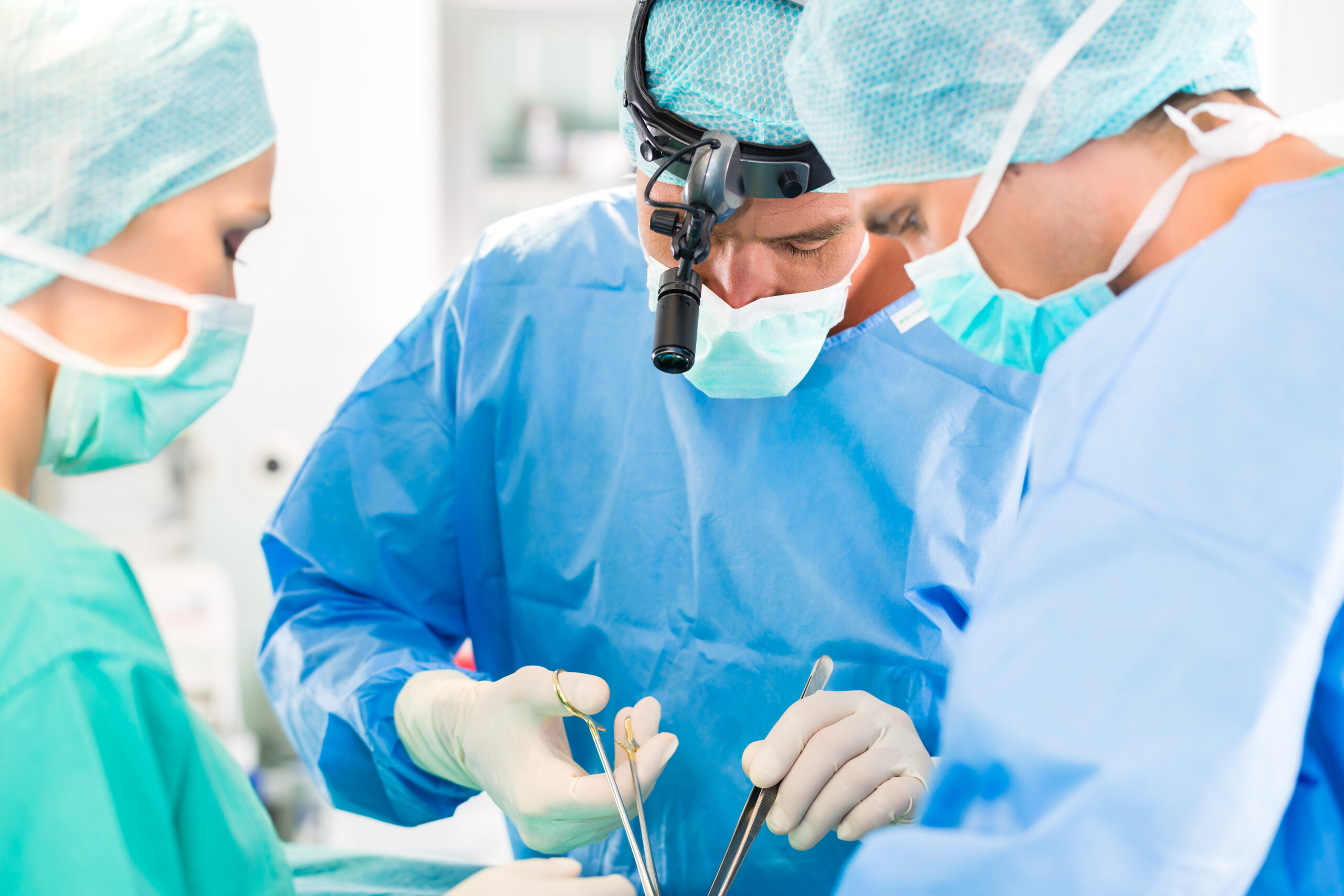
 Article at a Glance
 Nursing schools prefer their students to have some foundational knowledge when they begin training. They don’t expect you to know about nursing. But they do want you to have completed courses in the sciences. They scan your transcript for curriculum like anatomy and physiology, chemistry, nutrition, and microbiology. They also expect to see general education courses such as English, sociology, and psychology. Without them, your application is probably rejected by nursing schools.