The Essential Role of Clinical Social Workers in Modern Medicine: What Aspiring Medical Professionals Need to Know

As medicine advances, so does the need for a multidisciplinary approach to patient care, making the collaboration between clinical social workers and other medical professionals essential. Aspiring medical professionals must understand that clinical social workers play a crucial role in this collaborative environment.

For aspiring doctors, understanding how to work seamlessly with clinical social workers can significantly improve patient outcomes and enhance the care experience.

In this article, we will explore how doctors and social workers collaborate in healthcare settings and the importance of this partnership.

Understanding the Collaborative Environment

While physicians focus on diagnosing and treating medical conditions, clinical social workers address the psychosocial factors that affect patient well-being. It might include mental health issues, family dynamics, financial problems, or community resources that can either hinder or support recovery.

Thus, clinical social workers undergo extensive training and education to develop the skills required for such a multifaceted role. The training typically involves earning a Master of Social Work (MSW) degree, which includes coursework in areas like mental health counseling, community resources, and family dynamics, as well as hands-on clinical experience through supervised internships.

Once they have completed their academic requirements, aspiring clinical social workers must follow the state licensing process to practice professionally. This process varies by state but generally includes passing a licensing exam, completing supervised clinical hours, and maintaining continuing education.

Certification ensures that clinical social workers can handle the complex emotional, social, and ethical challenges in healthcare settings, enabling them to collaborate effectively with physicians and other healthcare professionals.

This collaboration entails the following:

Interdisciplinary Communication

Effective communication between doctors and clinical social workers is vital. Medical professionals often rely on social workers to provide insights into the emotional and social state.

For example, if a patient is not adhering to prescribed medication, the reason may not be medical. It could stem from financial limitations, a lack of understanding of the prescription, or even psychological resistance to treatment. In such cases, clinical social workers can provide valuable context that helps the doctor adjust the treatment plan.

Doctors can also benefit from the ability of a social worker to coordinate with outside agencies. Whether securing long-term care for a patient after discharge or connecting them with mental health services, social workers are the liaisons who ensure that patients continue to receive support once they leave the healthcare facility. Hence, aspiring doctors should expect to interact with clinical social workers regularly, particularly in complex, ongoing care.

Navigating Ethical Challenges Together

Another interaction between doctors and social workers revolves around ethical dilemmas. Clinical social workers learn how to advocate for a patient’s overall well-being, which sometimes means navigating complex ethical scenarios that may not be solely medical. For instance, a social worker might be concerned about the mental competency to make informed medical decisions, a situation where their expertise is invaluable to the treating physician.

Social workers and doctors can approach these ethical challenges from medical and psychosocial perspectives, whether in end-of-life care, mental health interventions, or addressing potential abuse cases.

Facilitating Patient-Centered Care

The primary goal of both doctors and social workers is to ensure that patient care is holistic and centered around the needs and circumstances. Clinical social workers contribute to this by conducting assessments beyond medical history. They examine environmental factors, family situations, and emotional well-being to create a comprehensive picture of what support the patient might need.

Therefore, aspiring medical professionals must understand that patient-centered care is not limited to what happens inside the clinic or hospital. Home life, social networks, and access to community resources can influence recovery and overall health.

Hence, social workers often take the lead in addressing these aspects, coordinating services that might include counseling, support groups, and financial assistance. Working closely with social workers allows doctors to ensure patients receive the most appropriate, well-rounded care possible.

Bridging Gaps in Patient Education

Doctors often have limited time during consultations, making patient education challenging. Thus, clinical social workers can assist when patients need more detailed guidance or support to understand their diagnosis, treatment options, or long-term care plans. They are skilled in providing education in an accessible and culturally sensitive way, ensuring that patients fully comprehend the medical advice given.

For future doctors, working with social workers can be a way to ensure that patients leave consultations with prescriptions or recommendations and a clear understanding of what steps they need to take next. It is especially critical for patients with chronic illnesses or complex medical conditions that require ongoing self-management.

Supporting Mental Health and Emotional Well-Being

Integrating mental health services into general medical practice has gained prominence in recent years, and clinical social workers have been at the forefront of this movement. Many patients who seek medical care are dealing with underlying psychological or emotional issues, which can complicate their treatment. Clinical social workers offer critical support by identifying these issues and helping to integrate mental health care into the overall treatment plan.

As an aspiring medical professional, recognizing the mental health component of patient care and collaborating with social workers to address it is increasingly important. Whether the issue is depression, anxiety, or coping with a chronic illness, social workers provide the psychological support that patients need to adhere to their medical treatment plans.

Conclusion

Clinical social workers play an indispensable role in modern medicine. They support patients and enhance the care medical professionals provide by addressing the psychosocial aspects of health. Therefore, aspiring medical professionals should learn how to interact and collaborate with social workers for better patient outcomes and a more holistic approach to healthcare.

One practical step for aspiring medical professionals is to engage with social workers early in the training, whether through case studies or clinical rotations. Observe how they interact with patients, assess needs, and coordinate care.

In addition, learn about the resources they commonly use, such as community support services and mental health networks, to know how to integrate their expertise into your future practice.

I really want to become a Doctor – Is there anything I can do straight away?

Check out the Human Behavior in Medicine: Foundations for Future Physicians on Apprentice Doctor Academy.


Thriving, Not Just Surviving: Mental Health Tips for Medical Professionals and Students

Mental Health Awareness Month is an important time to spotlight the mental well-being of not only practicing medical professionals but also medical students, who face their own set of unique challenges. High demands, intense study hours, and the pressure of constant assessments can take a toll on their mental health. Here are some effective strategies for maintaining mental health for both groups within the medical community.

1. Recognize the Importance of Mental Health

The first step for both practicing medical professionals and students is acknowledging that mental health is as crucial as physical health. Recognizing symptoms of burnout, depression, or anxiety early can lead to better management and prevention strategies. It’s vital for both groups to monitor their mental health regularly and be proactive in seeking help.

2. Establish Healthy Boundaries

Setting boundaries is essential in managing the intense workload and emotional demands of the medical field. This might mean learning to say no to additional responsibilities or ensuring you don’t bring work or study stress home. Boundaries help manage workload and minimize the risk of burnout.

3. Prioritize Self-Care

Self-care is a necessary part of maintaining mental health. For medical professionals and students, this can mean ensuring adequate sleep, maintaining a nutritious diet, engaging in regular physical activity, and pursuing hobbies outside of medicine. Even small activities, like short walks or listening to music, can provide significant mental breaks.

4. Seek Professional Help When Needed

There is no shame in seeking help from a mental health professional. Therapy, counseling, and sometimes medication are necessary tools for dealing with the stresses associated with medical training and practice. Many schools and hospitals now offer resources specifically aimed at helping staff and students manage mental health issues.

5. Develop a Support Network

A robust support system, including colleagues, classmates, friends, and family, can act as a buffer against stress. Sharing experiences and concerns with peers who understand the unique pressures of the medical industry can be particularly beneficial. Many institutions have peer support programs and professional networks that are invaluable resources.

6. Engage in Mindfulness and Relaxation Techniques

Practices such as mindfulness, meditation, and yoga can significantly reduce stress and improve overall mental health for both students and practicing professionals. These techniques help center the mind, calm the nervous system, and can be a quick reset in the middle of a hectic day.

7. Educate Yourself and Others

Education about mental health not only helps in self-care but also reduces the stigma associated with mental health challenges within the medical community. Participating in workshops, seminars, and training can equip medical professionals and students with tools to manage stress and can promote a culture of mental health awareness.

8. Advocate for Better Educational and Workplace Policies

Advocating for policies that improve study and work conditions, such as reasonable work and study hours, adequate support during exams, and mental health breaks, can lead to significant improvements in mental well-being for everyone in the healthcare environment.

Conclusion

Mental Health Awareness Month is a crucial time for reflection for both medical professionals and students. By adopting these strategies, both groups can improve their mental health, which in turn can lead to a more balanced, effective approach to medical education and patient care. Remember, taking care of your mental health is essential for succeeding in the demanding field of medicine.


I really want to become a Doctor – Is there anything I can do straight away?

Check out the Human Behavior in Medicine: Foundations for Future Physicians and the Foundation Medical Course on Apprentice Doctor Academy.


Disclaimer: This blog post was created with the assistance of AI technology. The insights and strategies discussed have been formulated based on general advice and may not substitute for professional mental health or medical advice. Readers are encouraged to consult healthcare professionals for personalized guidance and support.

Healing the Hurt: Career Paths for Treating Chronic Pain in Healthcare

Ways to Define Yourself as a Doctor in Pain Management

Chronic pain can come in many forms, and unless we somehow find a cure-all for human ailments, pain is likely to remain a part of our everyday lives. While most people are fortunate enough to not have to suffer from pain persisting longer than a few months, there are others who are expecting to deal with chronic pain for the rest of their lives. That is why, now more than ever, we need healthcare professionals who are experienced in treating and managing pain, no matter what form it takes.


What is Chronic Pain?

Chronic pain is defined as pain that persists longer than three months. This can come from any condition or injury that adversely affects one or multiple of the fourteen systems of the human body. Simply put, it is pain that has become a part of daily life.

Thankfully, for as many conditions there are that can lead to chronic pain, there are just as many specialties in healthcare that help to treat and manage chronic pain. From interventionalists to surgeons to therapists, it takes dedicated providers who are compassionate about their patients to help them achieve a better quality of life. Here are the most prominent specialties in medicine that help treat and manage chronic pain.


Primary Care

A Primary Care Doctor will often be the first doctor someone sees when they are experiencing consistent pain that is not going away. Primary Care is an extensive field that focuses on generalized care and preventative screening for a myriad of patients of different demographics. Primary Care Doctors also do not need additional board training or certifications that would be required to run a specialty office, so it is the quickest field to get started in and establish yourself.

As a Primary Care Doctor, you would likely be the one to order radiology, bloodwork, and various other tests to help identify and diagnose the source of a patient’s pain symptoms. For complex cases, you would also help a patient find a specialist clinic that can best treat their source of chronic pain.


Neurology & Neurosurgery

There are over seven trillion nerves in the human body, all categorized by one of four functions: motor, sensory, autonomic, and cranial. Each individual nerve serves a different function that allows you to live, feel, and interact with the world around you. So what happens when someone experiences an injury or illness that can damage these nerves?

Neurologists and neurosurgeons focus on diagnosing and treating these damaged nerves, most often by examining either the brain or spine, where the central nervous system is housed in our bodies. They also diagnose and treat issues associated with the muscles and peripheral nerves (nerves that stem into your arms and legs). Neurosurgeons can specialize in specific parts of the body to treat pain etiology through surgery, and can perform procedures including spinal disc decompression and spinal fusions. They also have access to different implants designed to help treat pain, such as spinal cord stimulators.


Orthopedics

Of course, there is also the possibility that the source of someone’s chronic pain can come from bones and joints. Roughly 1 out of 4 adults in the United States have arthritis – a disease that is characterized by swelling and inflammation in the joints (just to name statistics of one of the many diseases out there that can affect your joints). Orthopedic injuries and diseases are common sources of pain for many patients.

Like Neurosurgeons, Orthopedic Surgeons can also perform a multitude of procedures to help treat pain that stems from various joints, including the knee, shoulder, and hips. It is common practice for Orthopedic Doctors to specialize in one or two joints, so that they may focus, diagnose, and treat their chosen joints with their full knowledge and attention. Orthopedics can also broaden their purview by studying chiropractic care, osteopathic manipulation, and orthobiologics.


Pain Medicine and Anesthesiology

There are some health conditions that are likely to affect someone for the rest of their life, including Fibromyalgia, Complex Regional Pain Syndrome, and Post-laminectomy (post-surgical) Syndrome. For these conditions, where conservative and surgical intervention may not be an option for helping someone fix their pain, they may be referred to Pain Management.

Pain Management Providers can include Interventionalists, Internal Medicine Doctors, Physical Medicine and Rehabilitation Doctors, and Anesthesiologists. Pain Management Doctors often see patients who need help to manage pain symptoms that have become chronic or otherwise incurable through normal means.

They’ll often use injection therapy, targeted drug management therapy, and highly technical care plans in order to help patients regain and maintain a good quality of life, helping them learn to live with their pain symptoms while reducing dependency on opioid medications as much as possible. Some Pain Management Providers also get additional training to perform low-risk surgical procedures that would normally be reserved for Orthopedics and Neurology.


Oncology

Cancer is a category of diseases that is caused by uncontrolled cell division in one or multiple parts of the body, causing abnormal growths to occur and body function to shut down. Cancer contributes massively to the overall burden on our healthcare system, and to the burden on families. Oncologists are doctors who treat and manage these diseases.

Like Pain Management, Oncologists use targeted drug management therapy and technical care plans to help treat patients suffering from cancer and cancer-related pain. They’ll also use nuclear medicine, radiology, and surgery in collective efforts to help eliminate and remove the source of their patient’s cancer. Oncology is overall a very difficult but highly rewarding field for students looking to make a major difference in not just their patients’ lives, but the lives of their family.


How Will You Help Others in Pain?

Pain Management is growing to be a massive field in medicine, as comorbidities are becoming more prevalent and as patients are recognizing signs and symptoms of atypical pain. For as many sources of pain as there are, there are just as many specialties and subspecialties in medicine designed to help combat chronic pain. The different tools and methods are improving as well, with new techniques and tech being developed every day; men and women are pioneering new ways to help their patients obtain a better quality of life.

Have questions about where to start? Be sure to explore our resources on how to diversify and define yourself as a physician in a growing field of medicine.

I really want to become a Doctor – Is there anything I can do straight away?

Explore more learning opportunities on Apprentice Doctor Academy and Apprentice Doctor Kits.


How Can Caregivers Better Manage Sleep and Burnout

Caregiving for those who are elderly or living with disabilities comes with both rewards and challenges, as any caregiver will tell you. It can be greatly satisfying to bring comfort and support to those in need, whether you are caring for a family member or are a professional caregiver.

But the challenges are many, too. Those who are called to the task of caregiving often face sleep deprivation, financial losses, burnout, and more — especially those roughly 43.5 million caregivers who are unpaid and may be living in the same home as the person for whom they are caring.

The coronavirus pandemic has amplified many of these challenges, but even as it wanes, caregivers are still struggling to manage their own health and well-being along with that of their patients. It’s no exaggeration to say that even in a pandemic-free world, challenges will persist.

If you are a caregiver and the weight of your responsibilities lies heavily on your shoulders, you should know that you’re not alone. According to a 2021 study, 20% to 40% of all caregivers experience depression, and half say it’s moderately to very difficult to balance work and caregiving. Caregiving can be hard — there’s no way around it. But there are tactics you can use to maintain your resilience and continue to maintain a busy schedule from a place of strength.


What Is Compassion Fatigue?

According to the American Institute of Stress, compassion fatigue is “the emotional residue or strain of exposure to working with those suffering from the consequences of traumatic events.” Those “traumatic events” can include serious illness or injury.

Compassion fatigue happens when a person has spent significant time in a caregiving environment with people or animals that are in pain or suffering, whether it is physical or mental. As human beings, we cannot shut ourselves off completely from what we are experiencing, and gradually, the stress of being involved in heart-wrenching situations takes a toll on the caregiver.

So, to give you an example, let’s take a Generation X woman with two young children, a full-time job, and a father who’s in the late stages of Alzheimers, who lives with her. She will be tired, as you can imagine, from trying to balance work and home life. On top of that, her dad’s needs take an increasing amount of time each week. Plus, she understands that he’s never going to get better, which makes her sad. She is a prime candidate for compassion fatigue brought on by the mental stress of watching her father decline combined with the physical exhaustion of her daily life.

What are the impacts of compassion fatigue? Here are a few:

  • Schedule overload, resulting in a lack of time to care properly for the patient.
  • Caregiver mental and/or physical stress, resulting in a lowered level of health for the caregiver themselves.
  • Financial hardship resulting from loss of job due to caregiving (which leads to additional stress, setting up a dangerous cycle).
  • Neglecting self-care, which can both exacerbate compassion fatigue, and be the cause of it.
  • Relationship challenges: for example, if someone is spending significant time caring for a parent, their partner may start to feel neglected, leading to tension in the home.

As we mentioned before, the pandemic has heightened the difficulties for caregivers who may be skirting close to compassion fatigue. In some cases, COVID-19 created new, sometimes reluctant caregivers.

“With the isolation taking place within long-term care facilities due to COVID prevention, many family members felt they had to choose to bring their loved one home,” says Jennifer Kimball, a professional caregiver and guide at getsetup.io, an online educational community for older adults. “Once home, they were at a loss for direction because this was not a part of their plan for the future.”

Kimball believes the pandemic will have long-lasting consequences for caregiving. “I believe a lot of the lasting impact from COVID will have to do with a lack of trained professionals to care for our seniors,” she says. “There is already a shortage of nurses, and I am directly seeing the results of this situation worsening since the pandemic.”

For all the stresses that professional caregivers are under, it may be a little bit worse for volunteer caregivers who are taking care of a parent or other beloved family member. Love is a powerful motivator, but it may lead caregivers to avoid taking time for themselves, and they may feel a higher level of guilt in terms of the quality of care they provide.


Sleep Disorders That Impact Caregivers

One common impact of caregiving is the prevalence of sleep disorders. These may take a variety of forms, including the following.

Insomnia

Insomnia is characterized by persistent difficulty in falling asleep, as well as low-quality sleep and disrupted sleep. It can be chronic with caregivers.

Excessive sleepiness or fatigue

This is another common problem with caregivers. Fatigue or excessive sleepiness may be related to the nature of multiple responsibilities that all take significant time, from a professional life to family commitments to care for someone in need.

Shift work disorder

This affects people who work at uncommon hours, and causes caregivers to have significant issues with falling and staying asleep.

Parasomnia

Parasomnia includes sleepwalking, night terrors, and more, that result in disrupted or poor quality sleep.

Most common, perhaps, is sleep deprivation, which is not a specific disorder but is caused by other factors in a caregiver’s life. Constant worry, for example, may lead to sleep deprivation. So may the experience of holding down a job while caregiving and raising children, leading to an inability to relax at night and let go of the mental to-do list that is swirling in your head.

You may also experience sleep deprivation if your patient lives with you and is unsettled during the night. If you need to get up frequently, say, to help an elderly parent to the bathroom, it will be difficult for you to get the deep REM sleep that you need.

If you are a caregiver and are nodding your head in recognition while reading about sleep disorders, you’re with the majority. It’s estimated that 76% of caregivers report poor sleep quality. The research indicates that sleep disturbance in caregivers was closely linked to depression, fatigue, and anxiety — all signs of burnout.


How to Avoid Burnout

So how does a caregiver avoid compassion fatigue, or burnout? Proactively addressing feelings of burnout when you first experience them can help you stay strong and give you the lift you need to tackle your daily responsibilities. Here are a few considerations that may help.

Plan and keep a sleep schedule

If you are able to, go to bed and wake up at the same time each day. We know that’s easier said than done, especially when you are faced with a patient who has demands on your day — and night. If that’s the case, plan a time during the day when you can get a short nap.

Another way to ensure you’re getting quality sleep is to consider your sleep setup. Having the right mattress and bedding can help you turn your bed into a place where you can get away from all that you are involved in during the day.

Recognize your own needs

For many caregivers, it’s easy to allow their own needs to remain unmet while they provide a high level of care for their patient. But consider the rule on airplanes: you need to put on your own oxygen mask before helping another with theirs. Likewise, you need to maintain your own physical and mental health before you can help someone else.

Get help when you need it

Kimball says caregiving is not a one-person job. A supportive partner or spouse should be encouraged to chip in and help, as should children when they are old enough to understand. On  a larger scale, look for local resources, such as your regional Council on Aging, to see if they offer support services or other assistance.

Cultivate your own life

It may seem crazy to add something to your already-full schedule, but there are dividends to having a hobby or something you enjoy doing. For Kimball, it was working in her yard and gardening. “I think if I didn’t take my time I might lose myself in that caregiver black hole that can pull you in and absorb 100% of you,” she says.

Include your patient in daily life

It can be good for both you and your patient to include them in the areas of your life that otherwise might not be available to them. For Jennifer Fink, who cared for her mother and created the Fading Memories podcast for Alzheimer’s caregivers, that meant having picnics in the yard and going to the park. “See if you can get your loved one to dance, be silly, play with the dog, kids — whatever it takes to get them in a joyful mood,” she says.

Exercise regularly

Ellen Pober Rittberg, author of “Why is Grandma Naked: Caring for Your Aging Parent,” says daily exercise should always be a part of your schedule — even if you do it while caring for your patient. “Get some exercise each day even if it means marching in place while you watch Wheel of Fortune with the person you’re caregiving,” she says.

Pay attention to warning signs

Be alert to changes in yourself that might signify burnout. Are you feeling more irritable lately? Did you bark at your partner for something minor? Make note of changes in your own behavior, and when you see them, bite the bullet, find a substitute caregiver, and schedule a half day or more of vacation time.


Thoughts From Caregivers Around the U.S.

Millions of Americans are currently acting as caregivers, either professionally, as nurses, health aides, and more, or as unpaid (and often overworked) volunteers who are caring for family members who cannot live on their own, or who need assistance to do so. Although everyone’s experience is unique, many caregivers experience situations that will resonate with others in the same situation.

Carol B. Amos, for example, cared for her mother, who had dementia, and ended up writing H.O.P.E For the Alzheimer’s Journey: Help, Organization, Preparation, and Education for the Road Ahead. She was bolstered by the support of her two brothers as well as her church family. Carving out time to play tennis also provided hope and encouragement. “Taking a half-day of vacation, talking with a close friend, or just taking an extra 10 minutes to drive the scenic route home helped to relieve my caregiver stress,” she says.

Jackie Benardout cares for a 95-year-old aunt, and runs a caregiving/mobility blog that helps others in the same situation. “The most important advice to caregivers who may be suffering from burnout is to make time for yourself,” he says. “Getting a good night’s rest is particularly important. Make sure you have a comfortable mattress that supports and relaxes your body.”

Ruth Ford has struggled with caregiving stress and how to manage it as she cares for her husband, who has Parkinson’s disease. In this short video, she talks about what has been hardest for her and how she copes.


Resources for Coping and Staying Resilient

We can’t say this enough: You are not alone. If you are a caregiver, you should know that there are multiple resources out there that can help you stay healthy, give you information, and let you talk to other caregivers.

Name of Resource Details
Eldercare Locator A public service of the U.S. Administration on Aging that connects you to local services in your area for older adults and their families.
Phone: 1-800-677-1116
Family Caregiver Alliance Works to improve the quality of life for family caregivers. Information is available in multiple languages, including Spanish, Chinese, and more.
Phone: 1-800-445-8106
Caregiver Action Network Instructional blog, caregiving news, digital tools, and more, including peer support and resources.
Phone: 202-454-3970
Preventing Compassion Fatigue: Tips and Tactics Hawai’i Pacific University resource, Burnout vs. Compassion Fatigue in Nursing
U.S. Food & Drug Administration: Caring For Others page Links to articles on medicine, food preparation, health conditions, and caring for yourself, along with other resources.
Phone: 1-888-463-6332
AARP Caregiver page Caregiving Q&A, local caregiver resources, educational guides, legal matters, and more geared toward caring for the elderly.
National Institute of Aging: Caregiver page Health information, advance care planning, long-distance caregiving, and more.
Alzheimer’s Association Caregiver page Information on caring compassionately for those experiencing Alzheimer’s Disease. Free educational programs and dementia care resources, support groups, and more.
24/7 helpline: 1-800-272-3900
National Cancer Institute: Caregiver page Information on caregiving for those with cancer.
U.S. National Library of Medicine: Caregiver information Articles on the basics of caregiving, research on children, older adults, and patients, find-an-expert, and more.


Final Thoughts

Caregiving can be challenging — we can’t avoid that fact. But there are ways to make it easier, from simple things like buying a mattress that helps you sleep soundly at night to more complex tactics like building a strong support community.

Whether you are a professional caregiver or one of the many individuals in this country who are caring for a loved one, you already have superhero status. You may manage a job and a family, and you undoubtedly have a life that means you’re more than just a caregiver. Your days — and nights — are full, and you juggle many balls at the same time to keep your life in order.

By taking advantage of the support you need, you can find ways to negotiate the caregiving turf and provide the best possible care to another person while also nurturing your own soul and keeping yourself healthy, both physically and mentally. Doing so helps you navigate the inherent highs and lows of caregiving and lets you experience the rewards of making the life of another person better, fuller, and healthier.


About the Author:

Mary Van Keuren is a freelance writer and editor with 30+ years of experience in academia and with a variety of consumer-oriented organizations.

Medically reviewed by:

Jacquelyn C Johnson, Psy.D.


Credit: This article in its original page – copied here on permission: https://academized.com/blog/compassion-fatigue

I really want to become a Doctor – Is there anything I can do straight away?

Check out the Human Behavior in Medicine: Foundations for Future Physicians on Apprentice Doctor Academy.


12 Ways to Reduce Your Risk For Breast Cancer

Story at a Glance Other than skin cancer, breast cancer is the most common cancer in women in the United States. There are factors you can’t control, such as heredity links or breast density. However, today’s article provides 12 different ways you can minimize your risk of breast cancer. All of them are things you can control and incorporate into your lifestyle.

Twenty years ago, three friends of mine, Jean, Penny, and Cindy. went in for their annual mammogram. All of them were in their mid-forties, had no history of breast cancer in their families and expected normal screenings. But instead of the pink envelope in the mail they usually got announcing clean bills of breast health, they got phone calls instead. Each needed a second screening and then a biopsy. All three met with their respective physicians and were given the news all women dread. “You have breast cancer.”

All of their stories have a happy ending, although it wasn’t easy getting there. They underwent chemo and radiation therapies, and Penny opted for a full mastectomy as an extra precaution. When asked why, she said, “It’s more important that I’m here to witness my children’s milestones and their children’s milestones than anything else in the world. It wasn’t that much of a sacrifice. An adjustment, yes. But not a sacrifice.”

Other than skin cancer, breast cancer is the most common cancer in women in the United States. According to the American Cancer Society (ACS), 1 in 8 women is affected by the disease. As high as those numbers appear, it’s not all bad news. Fewer women are getting and dying from breast cancer than ever before. “Cancer is not an inevitability. Women have more control over the disease than they think,” says Margaret I. Cuomo, MD, author of A World Without Cancer. “Everything we do from the moment we wake—from what we eat and drink to whether or not we exercise and avoid BPA, parabens, and other carcinogenic chemicals—is a factor that can turn on or off the genetic switches in our bodies, including ones that could lead to cancer. The risk of many cancers, including breast cancer, can be significantly reduced by living a healthy lifestyle.” (You can watch an interview with Dr. Cuomo here.)

Unfortunately, the most significant risk for breast cancer is being a woman—but taking specific measures can reduce your chances of developing the disease. While some factors, such as age, aren’t within your control, other factors are well within your reach to manage. What follows are 12 ways you can reduce your risk of breast cancer.

1.  Manage your weight

If you are overweight or considered obese, your risk for breast cancer increases. An American Cancer Society (ACS) study found that women who gain 21 to 30 pounds after the age of 18 were 40% more likely to develop breast cancer than those who gain five pounds or less. While the 10,000 steps a day recommended by nearly all fitness devices sounds like a lot, studies have shown that walking 10,000 steps a day (about 5 miles) is a reasonable and consistent way to approach weight loss.

2. Step it up

Physical activity is tied to managing weight. Exercise is particularly important as you grow older and your metabolism slows. The Department of Health and Human Services and The American Cancer Society recommend getting at least 150 minutes of moderate aerobic activity a week. In the alternative, you can opt for 75 minutes of intense activity a week, or engage in a combination of both. But you don’t have to do it all at once. You can spread it out over a week. The Women’s Health Initiative (WHI) reports that walking briskly for about 90 minutes to 2.5 hours can reduce your risk of breast cancer by as much as 18%. Strength training can also help reduce your risk and can also improve your bone health.

3.  Bend and stretch

More and more studies show that extended sitting increases the likelihood of developing cancer, especially for women. If you spend 6 or more hours each day sitting, you have a 10% greater risk for breast cancer. Women who sit less than three hours a day have lower risk. Many health apps and wearable health devices remind you to get up and take 250 steps each hour. 250 steps only takes a few minutes, but can increase your energy and focus – and get you moving in short bursts.

breast cancer4. Find alternatives to hormone replacement therapy

Hormone replacement therapy (HRT) has been recommended by doctors as a viable way to help control symptoms of menopause. However, The Women’s Health Initiative determined that prolonged use of this type of treatment increases a woman’s risk of breast cancer by 24%.

Mary L. Gemignami, MD, a breast surgeon at Memorial Sloan-Kettering Cancer Center in New York says, “The average woman taking hormone therapy (HT) should weigh the potential increased breast cancer risk versus the quality-of-life component and limit the duration of use.” She added, “However, women with a significantly high risk of breast cancer should avoid taking it if at all possible, unless they’ve had their ovaries removed and are going through surgical menopause.”

If you opt for HT, the National Institutes of Health recommends reevaluating that decision with your doctor every 3 to 6 months and talk about other options to manage postmenopausal symptoms.

5. Put it out

It is well established that smoking is linked to an increased risk for lung cancer and a number of other respiratory disorders. But there is a growing body of evidence suggesting it is also linked to breast cancer risk. One of the best things you can do for your overall health is to stop smoking; or never to start.

6. Consider breastfeeding

Breastfeeding might play a role in breast cancer prevention. The longer you breastfeed, the greater the protective effect. According to the American Journal of Clinical Nutrition mothers who consistently breastfeed their babies for at least the first six months have a 10% reduced risk of death from cancer compared with those who don’t. “There is significant data that suggests that breastfeeding lowers risk,” says Otis Brawley, MD, chief medical officer for the American Cancer Society. “If a mom can do it, it’s worth trying.”

7. Reduce alcohol intake

Excessive alcohol intake increases a person’s risk of several types of cancer, including breast cancer. Studies show that women who have 2 to 3 alcoholic drinks a day have a 20% higher risk of getting breast cancer. Those who limit drinking to no more than 1 drink per day have a negligible increase. A drink is defined as 1.5 ounces of hard liquor, 5 ounces of wine or 12 ounces of regular beer.

8. Healthy diet/eat the right foods

Many benefits can be derived from eating a healthy diet, including lowering your risk of breast cancer. Harvard researchers recently found that women who had the highest carotenoid levels in their blood had a 19% lower risk of breast cancer than those with the lowest levels. Carotenoids are vibrant pigments that act as antioxidants and are found in fruits and vegetables such as leafy greens, carrots, tomatoes, and red peppers.

9. Be vigilant about detection/early detection

breast cancer Catching the presence of breast cancer early dramatically improves your prognosis. The American Cancer Society indicates the 5-year survival rate for breast cancer is 99% if found early and limited to the breast.

If you’re of average risk, which means you have no family history of cancer, the U.S. Preventive Services Task Force recommends having a mammogram and clinical breast exam every one to two years beginning at age 50. The ACS recommends starting in your early 40s. Talk to your physician about the best screening regimen for you. Once you begin, the easiest way to remember it’s time for your screening is to arrange it around your birthday.

10. Know how dense your breasts are

One of the newest ways to protect yourself against breast cancer is knowing your breast density. Having more tissue than fat in your breasts makes cancer harder to detect on a mammogram. Having dense breasts makes you six times more likely to develop cancer.

If your breast density is high, there is nothing you can do to lower it, although it does tend to decrease with age. As an extra precaution, ask your doctor about adding an MRI or ultrasound to your screening. Or consider a digital mammography, which provides higher contrast, making abnormalities easier to see. Even if your breast density is low, you still need regular checkups.

11. Know your family cancer history, maternal and paternal

About 5 to 10 percent of all cancers, including breast cancer, are hereditary and passed down in families through a variety of mutated genes. A woman’s risk of breast increases if she has any of the following heredity links:

  • First-degree relatives – mother, sister or daughter, or male relatives who have had breast cancer.
  • Multiple family members on your mother’s or father’s side who have had breast cancer.
  • Numerous diagnoses on either side of your family, including second- and third-degree relatives – aunts, uncles, and cousins.

If you have a troublesome family history of cancer, you may want to seek out a geneticist for genetic testing.

12. Avoid unnecessary screening tests

This step may seem counterintuitive. Mammograms are one of the best ways of detecting breast cancer, yet the ionizing radiation is a risk factor for the disease because it may cause DNA mutation in cells. But keep your mammogram appointment. The small risk far outweighs the benefit of early detection.

Robert N. Hoover, MD, ScD, director of the epidemiology and biostatistics program at the National Cancer Institute, says, “Mammograms deliver very small doses of radiation, and if you follow general guidelines, it’s not going to be an issue. The same is true for annual dental X-rays and airport security screening, and if your doctor says you need a diagnostic X-ray for any reason, the risk of minimal radiation exposure is outweighed by the possibility of diagnosing a potential medical problem.”

If your doctor tells you that you need an X-ray, make sure you understand the reason why; if you’re still not sure you need one done, get a second opinion.

breast cancerPrevivors

Someone who hasn’t had cancer but remains at high risk is sometimes referred to as a previvor. Previvors may take extra precautions to lower their risk of breast cancer. One such step is having a prophylactic mastectomy if you learn you have a BRCA mutation, something you can discover through genetic testing. Another option is increasing the frequency and types of screenings. There are also chemopreventive drugs you can take. These pharmaceuticals along with routine screenings and leading a healthy lifestyle can also reduce your risk. Ask your doctor for details on what may be available.

If you view yourself as a previvor and want to connect with others like yourself, visit FORCE and Bright Pink.

I really want to become a Doctor – Is there anything I can do straight away?

Check out the Medical Terminology: Decoding the Language of Healthcare on Apprentice Doctor Academy.

Your Chances of Being Infected With Hepatitis

Story at a Glance

Your chances of being infected with hepatitis may be greater than you think. 325 million people globally have hepatitis B or hepatitis C and don’t even know it. That’s because they feel perfectly fine. But the longer it goes without treatment, the greater the chance of liver damage. There are five hepatitis viruses:

Hepatitis A
Hepatitis B
Hepatitis C
Hepatitis D
Hepatitis E

For each virus, the article covers:

What each virus is.                                           Acute and chronic phases.
Causes and risk factors.                                  Individuals at highest risk.
How the virus spreads.                                   Symptoms.
Complications.                                                  Treatment.
Prevention.

A simple blood test could save your liver and maybe your life.


Hepatitis

What are your chances of being infected with hepatitis? There are five types and they all mean you have an inflammation of the liver.

Some forms of hepatitis are mild. Others are more serious and can lead to severe complications such as cirrhosis or liver cancer. That’s why it’s important to know if you’re infected. You may not realize you are because you feel perfectly fine. In other cases, you can experience symptoms.

The body can fight off some forms of hepatitis. Others may require a treatment protocol. In all but one strain, the hepatitis virus has an acute phase and can move into a chronic phase. If a person develops a chronic form, they will have it their entire lives, although may not experience any symptoms for decades. Vaccinations are available for some types of hepatitis and are the best preventative measure.

Out of the all people living with viral hepatitis globally, 9 out of 10 (325 million) are, “living with hepatitis B or C without knowing it.” [1]

The World Health Organization believes hepatitis can be substantially reduced by 2030 and eventually eradicated. [2] By being screened and working toward prevention there is an opportunity to reduce the incidence and mortality rates associated with hepatitis.

Five types of hepatitis

There are five types of hepatitis, some of which are more common than others. Specific populations such as healthcare workers are more at risk of contracting and spreading the virus. Other types of hepatitis are common in developing countries even though they may be rare where you live. So if you’re traveling, take the suggested precautions as outlined in the article.


Hepatitis Ahepatitis A

What is it?

Like all five types of hepatitis, hepatitis A (HAV) is an inflammation of the liver. Individuals who contract hepatitis A usually get better in a few weeks to several months without any treatment. Because it only lasts for a little while, it’s rare that complications occur.

Risk factors associated with hepatitis A and how it spreads

Anyone who isn’t immune to HAV can get the hepatitis A infection. Beyond that, some people are at higher risk of contracting the virus. It is more common in countries where sanitation is problematic, and the availability of clean water is scarce.

Individuals at Highest Risk of Contracting HAV How HAV Spreads
Having sex with a person infected with HAV. Coming into close contact with someone who has HAV.
People who live or care for individuals infected with HAV. Ingesting food or drinks prepared by someone with HAV.
People who eat raw or undercooked shellfish. Eating shellfish collected from sewage-sullied water.
Individuals who use injectable and non-injectable illegal drugs.
People who live in or travel to developing countries.
Men who are sexually active with other men.

HAV is not an airborne virus. Nor can you become infected by sitting next to or hugging a person who is infected.

Symptoms and complications of hepatitis A

Two to six weeks after coming in contact with the virus, some people will experience symptoms which can last up to six months. [3] 30% of adults and older children who become infected with hepatitis A will be asymptomatic. [4]

In spite of the more moderate statistics, however, 70% of the people with HAV will develop at least one symptom from the following list, although it will be mild.[4]

  • Abdominal pain.
  • Dark yellow urine (not attributed to any nutrients or supplements).
  • Fatigue.
  • Fever.
  • Gray or clay-colored stools.
  • Jaundice.
  • Joint pain.
  • Loss of appetite.
  • Nausea.
  • Vomiting.

While most people heal entirely from hepatitis A infection, a small number, usually those with pre-existing liver disease, suffer significant liver damage which can results in death. If you experience symptoms and they persist after six months, see your doctor.

Treatment of hepatitis A

You can alleviate symptoms of HAV by staying hydrated and eating healthy foods. There may be some medications that can help but talk to your doctor before taking any over-the-counter drugs or nutrients since some can cause liver damage. Avoid drinking alcoholic beverages until you know your body is virus-free.

If you suspect you have HAV, your healthcare professional can confirm it, or rule it out, through a blood test.

Prevention of hepatitis A

Vaccination – The simplest way to prevent hepatitis A is through vaccination which consists of two shots injected 6-12 months apart. [4] Children as young as 12 months can be vaccinated. A vaccine for HAV has been available since 1995, reducing this infection in the United States by 95%. In 2014 only about 2500 HAV cases were reported in the U.S. [1]

If you are planning on traveling to a developing country, it’s recommended you get the vaccine. Even if you don’t have time for both shots, one injection can afford some protection within two weeks. As an extra precaution, drink bottled water and use it to brush your teeth, make ice cubes and to wash food.

Personal hygiene – Good personal hygiene can prevent HAV and also reduce how it spreads. Wash your hands thoroughly with soap and warm water before and after handling food, changing diapers, or going to the restroom.

Avoid contaminated food and water – This is especially true if you are caring for or living with individuals infected with HAV, caring for infants, and traveling to underdeveloped countries where sanitation isn’t prevalent.

If you have had HAV in the past, you are immune. However, you can still contract other forms of hepatitis.


hepatitis B

Hepatitis B

What is it?

Hepatitis B (HBV) is also an inflammation of the liver caused by a virus. It spreads through contact with the bodily fluids of an infected person.

Unlike hepatitis A, HBV has two forms – acute and chronic.

Acute HBV – Acute hepatitis B is the initial phase of HBV and lasts anywhere from a few weeks to six months. 90% of people who suffer from acute hepatitis B do not suffer from any symptoms. The immune system successfully fights off the infection. [6]

Chronic HBV – 5-10% of individuals who contract HBV move into the chronic stage which persists throughout the lifespan.

Of special note: If you had HBV as a child, your risk of contracting persistent hepatitis B increases.

  • About 90% of infants infected with HBV develop a chronic infection.
  • Approximately 25-50% of children aged 1-5 years develop chronic infections. [6]

Risk factors associated with hepatitis B and how it spreads

In many parts of the world, hepatitis B virus infects more than 8% of the population. HBV enters the body through blood-to-blood contact.

Individuals at Highest Risk of Contracting HBV How HBV Spreads
Babies born to mothers infected with HBV. Being born to a mother who has HBV. It’s contracted through the birthing process.
People who live or care for individuals infected with HBV. Coming into close contact with someone infected with HBV including:

  • Contact with blood or open sores.
  • Utilizing the individual’s razor, toothbrush or nail scissors.
  • A human bite.
Individuals who use illegal drugs, both injectable and non-injectable. Sharing needles or other drug materials with individuals infected with HBV. Sharing tattoo equipment or using improperly sterilized tattoo equipment falls into this category.
Healthcare or public health workers who have contact with blood, needles or other bodily fluids of individuals infected with HBV. Getting an unintentional stick from a needle utilized on or by a person who has HBV.
Having sex with a person infected with HBV. Having unprotected sex with a person infected with HBV.
People who have had more than one sexual partner in the last six months or who have a history of sexually transmitted diseases.
Individuals who are infected with HIV since the virus spreads in the same way.
People who live in or travel to developing countries. Or children of parents born in underdeveloped countries.
People taking medicines such as steroids or chemotherapy medicines that weaken the immune system.

Approximately 850,000 to 2.2 million people in the United States have chronic HBV, which is why medical professionals recommend children receive the vaccine. Since it was available in 1991, the rate of new HBV infections has dropped to 82%. [7] Many individuals who are living with chronic HBV were infected before the availability of the vaccine.

In the United States, sexual contact is the most common way that hepatitis B spreads among adults. [8]

As with other forms of hepatitis, there are misconceptions about how you can become infected. Since it only spreads through blood-to-blood contact, you cannot contract the virus in any of the following ways:

  • Being sneezed or coughed on by a person who is infected.
  • Drinking water or eating food with a person who is infected.
  • Proximity to or touching a person who is infected.
  • Sharing eating utensils.

Blood donors and blood products are now tested for HBV, so donating blood or receiving blood transfusions are no longer typical means of infection.

Symptoms and complications of hepatitis B

Usual symptoms of acute HBV are mild and are similar to those of hepatitis A. In some cases, symptoms won’t develop for anyone unless there are complications. Children younger than 5 generally don’t exhibit signs of acute HBV.

If HBV becomes chronic, it progresses quietly. A person with chronic HBV may be asymptomatic for ten to twenty years before signs of cirrhosis, liver failure or liver cancer appear.

Symptoms of Acute HBV Symptoms of Chronic HBV (indications of cirrhosis of the liver)
Jaundice (yellowing of the skin and eyes). Jaundice.
Fatigue. Weakness and fatigue.
Abdominal pain. Accumulation of fluid and swelling of the abdominal cavity.
Loss of appetite. Star-shaped vein pattern developing on a swollen stomach area.
Nausea & vomiting. Easy bruising and bleeding.
Diarrhea. Itching skin.
Dark-colored urine, light-colored stools.
Fever.
Joint pain.

Since chronic symptoms lie dormant for so long, HBV screening could be vital to ongoing good health. A blood test will let you know if you have the virus, or if you are immune or susceptible. However, if you experience any symptoms of chronic hepatitis B, see your healthcare professional immediately.

Treatment of hepatitis B

Standard treatment of HBV is through Interferon or an anti-viral medication recommended by your healthcare professional.

Prevention of hepatitis B

Vaccination – The best way to prevent hepatitis B is with immunization, especially if you have more than one risk factor or if a blood test reveals you are susceptible. The vaccine consists of three doses of the vaccine over the course of six months and offers protection from HBV at least 18-20 years.

The American Academy of Pediatrics recommends all children receive the hepatitis B vaccine starting at birth. The CDC recommends the vaccine for persons traveling to countries where HBV is common.

Personal Hygiene – Through good personal hygiene, you can reduce your risk of becoming infected with HBV. You can further reduce your risk in the following ways:

  • Never share needles or any other item involved in an injection process, including substances, body piercing or acupuncture.
  • Do not share personal care items that might have blood on them (razors, toothbrushes).

Universal Precautions – Following some standard practices of universal care can go a long way toward prevention and spreading of HBV.

  • Clean up any spilled blood.
  • Healthcare and public safety workers should follow universal blood/body fluid precautions and safely handle needles and other sharps.
  • Protected sexual contact through use of latex condoms. This can prevent the spread of sexually transmitted diseases, viral hepatitis and HIV.

hepatitis CHepatitis C

What is it?

Like all forms of hepatitis, hepatitis C (HCV) is a contagious liver infection. When initially discovered, hepatitis C was referred to as non-A or non-B hepatitis because the virus was unidentifiable. But in 1989 it was isolated and renamed hepatitis C. [9]

HCV has both an acute and chronic form.

Acute HCV – Acute hepatitis C is the initial phase. Most people do not suffer from any symptoms, and if they do, they generally won’t associate them with HCV. In 15-40% of individuals, the immune system clears the body of the virus in six months. [9]

Chronic HCV – The remaining 60-85% percent of individuals who contract HCV can’t fight off the infection. It becomes chronic and lasts for life. [12] During this phase, the liver becomes increasingly inflamed and scarred. The speed with which chronic HCV progresses varies from person to person. A third of this population will develop cirrhosis of the liver within 20 years. Another third may take up to 30 years while the final third may not experience any significant problems with their liver during their lifetime. [9]

Risk factors associated with hepatitis C and how it spreads

The hepatitis C virus enters the body through blood-to-blood contact. In 1992 dependable blood tests for HCV became available. [9] Until that time, people usually got hepatitis C from blood products and blood transfusions. Now that those are tested for HCV, this method of transference is no longer the typical means of infection.

Individuals at Highest Risk of Contracting HCV How HCV Spreads
People who use injectable drugs. Sharing needles or other drug materials with individuals infected with HBV. Sharing tattoo equipment or using improperly sterilized tattoo equipment falls into this category.
Infants born to mothers infected with HCV. Being born to a mother who has HCV. It’s contracted through the birthing process.
Healthcare and public safety workers who may have had contact with blood, needles or other bodily fluids of individuals infected with HCV. Getting an unintentional stick from a needle used on or by a person who has HCV.
People who have sex with an infected partner. Sexual contact with a person infected with HCV.
Infants born to mothers who are HIV-infected.
Recipients of blood transfusions, blood products or solid organ transplants before 1992.
Hemodialysis patients.

According to the World Health Organization, “1.75 million adults were newly infected with HCV in 2015, largely due to injecting drug use and due to unsafe injections in health care settings in certain countries.” [11]

Symptoms and complications of hepatitis C

Symptoms vary in each person and can change if an individual moves from the acute to a chronic form of HCV. Acute symptoms are usually mild. During the chronic phase, HCV progresses silently. A person may not feel or see any symptoms for 10-20 years. Once a person becomes symptomatic, signs of cirrhosis may appear.

Symptoms of Acute HCV Symptoms of Chronic HCV (indications of cirrhosis of the liver)
Jaundice (yellowing of the skin and eyes). Jaundice.
Fatigue. Weakness and fatigue.
Abdominal pain. Accumulation of fluid and swelling of the abdominal cavity.
Loss of appetite. Star-shaped vein pattern developing on a swollen stomach area.
Nausea. Easy bruising and bleeding.
Diarrhea. Itching skin.
Dark-colored urine, light-colored stools.
Fever.

Since indications of hepatitis C are normally undetected, people in danger for HCV contamination ought to be tested. Individuals who have HCV will demonstrate positive antibodies on a blood test. If you think you have hepatitis C or are at risk for hepatitis C, you should contact your doctor.

Treatment of hepatitis C

For individuals who start developing liver damage, treatment with direct anti-viral drugs is available. Unfortunately, the procedure is complicated and lasts for many months. When treatment is successful, liver scarring and damage lessen.

Prevention of hepatitis C

There is no vaccine to prevent hepatitis C. However, you can adopt safe practices to reduce your risk.

Personal Hygiene – Through good personal hygiene, you can reduce your risk of becoming infected with HCV. You can further reduce your risk in the following ways:

  • Never share needles or any other item involved in the injection process, including substances, body piercing or acupuncture.
  • Do not share personal care items that might have blood on them (razors, toothbrushes).

Universal Precautions – Following standard practices of universal care can go a long way toward prevention of HCV.

  • Clean up any spilled blood.
  • Allied health professionals and public safety workers should safeguard themselves by following all blood/body liquid universal precautions and cautiously handle needles and different sharps.
  • Protected sexual contact through use of latex condoms can prevent the spread of sexually transmitted diseases, viral hepatitis and HIV.

hepatitis DHepatitis D

What is it?

The hepatitis D virus (HDV) is unusual because it can only infect you when you also have the hepatitis B virus infection. Unlike other forms of hepatitis, not only can it move from acute to chronic, but it also can become a coinfection or a superinfection. Due to the additional factors, hepatitis D is very complicated and intense.

Coinfection – If a person contracts both HBV and HDV at the same time, it is considered a coinfection.

Superinfection – If an individual already has chronic HBV and then contracts HDV, they have what is called a superinfection.

Acute HDV – Acute hepatitis D is a short-term infection, from which most people recover. About 5 percent of individuals who develop a coinfection won’t heal and advance to the chronic phase of both HBV and HDV. [12]

Of  special note:

  • A person with a coinfection with acute HBV and HDV can usually fight it off, although the symptoms are more severe. [13]
  • 90 percent of individuals with a superinfection can’t fight off HDV, and it becomes chronic [14]. When this happens, hepatitis B also becomes chronic.

Chronic HDV – Chronic hepatitis D lasts over a person’s lifetime. People who have chronic hepatitis B and D develop complications more often and more quickly than people who have chronic hepatitis B alone. [14]

Risk factors associated with hepatitis D and how it spreads

The hepatitis D virus spreads through contact with an infected person’s blood or other body fluids. Hepatitis D is not typical in the United States and is more common in other parts of the world.

Individuals at Highest Risk of Contracting HDV How HDV Spreads
People who use injectable drugs. Sharing needles or other drug materials with individuals infected with HBV. Sharing tattoo equipment or using improperly sterilized tattoo equipment falls into this category.
People who have lived with or had sex with someone who had HDV. Having unprotected sex with someone infected with HDV.
Healthcare and public safety workers who may have had contact with blood, needles or other bodily fluids of individuals infected with HDV. Getting an unintentional stick with a needle used on or by a person infected with HDV.
Individuals from an area of the world where HDV is typical.

The hepatitis D virus rarely spreads from mother to child during birth. Additionally, you cannot contract HDV from:

  • Being sneezed or coughed on by a person who is infected.
  • Drinking water or eating food with a person who is infected.
  • Proximity to or touching a person who is infected.
  • Sharing eating utensils.

Symptoms and complications of hepatitis D

Most people with acute hepatitis D have symptoms. In contrast, most people with chronic HDV have few symptoms until complications develop. Complications may not arise until several years have passed since the initial infection.

Symptoms of Acute HDV Symptoms of Chronic HDV (indications of cirrhosis of the liver)
Jaundice (yellowing of the skin and eyes). Jaundice.
Fatigue. Weakness and fatigue.
Abdominal pain or pain over the liver in the upper part of the abdomen. Swelling of the abdomen.
Loss of appetite. Weight loss.
Nausea & vomiting. Swelling of the ankles called edema.
Diarrhea. Itching skin.
Dark-colored urine, light-colored stools.
Fever.

Although acute liver failure is uncommon with acute HDV, hepatitis D and B infections are more likely to lead to acute liver failure than the hepatitis B infection alone. [15] Chronic hepatitis D may lead to cirrhosis, liver failure, or liver cancer. People who have chronic hepatitis B and D are more likely to develop these complications than people who have chronic hepatitis B alone. [14]

Early diagnosis and treatment of chronic hepatitis B and D can lower your chances of developing severe health problems.

Treatment of hepatitis D

Doctors may treat chronic hepatitis D with medicines called interferons and may add medication for hepatitis B if necessary.

If cirrhosis develops, it is treated with medicines, surgery, and other medical procedures. If you have cirrhosis, you have a higher chance of developing liver cancer. If acute hepatitis D leads to acute liver failure, or if chronic hepatitis D leads to liver failure or liver cancer, you may need a liver transplant.

Prevention of hepatitis D

Vaccination – The easiest way to avoid HDV is to get the hepatitis B vaccine, which, by default, also protects you from hepatitis D. If you don’t get HBV, you can’t get hepatitis D.

Personal Hygiene – If you already have hepatitis B, you can take steps to prevent hepatitis D infection with good personal hygiene. You can further reduce your risk in the following ways:

  • Never share needles or any other item involved in the injection process, including substances, body piercing or acupuncture.
  • Do not share personal care items that might have blood on them (razors, toothbrushes).

Universal Precautions – Following some standard practices of universal care can go a long way toward prevention of HDV.

  • Clean up any spilled blood.
  • Healthcare and public safety workers should follow universal blood/body fluid precautions and safely handle needles and other sharps.
  • Wear gloves if you have to touch another person’s blood or open sores.

Additional Best Practices – Protect others from getting infected with HDV, and prevent its spread by following a few extra practices.

  • If you have hepatitis D, follow the steps above to avoid spreading the infection.
  • Your sex partners should get a hepatitis B test and, if they aren’t infected, get the hepatitis B vaccine.
  • Inform all your healthcare professionals that you have HDV.
  • Don’t donate blood or blood products, organs, tissue or other bodily fluids.
  • If you have hepatitis D, you should eat a balanced, healthy diet.
  • Avoid alcohol because it can cause additional liver damage.

Hepatitis Ehepatitis E

What is it?

Hepatitis E (HEV) is a viral infection that causes liver inflammation and damage. Like most of the other hepatitis strains, HEV has two phases.

Acute HEV – Acute hepatitis E is a short-term infection. Most people get better after several weeks without treatment.

Chronic HEV – Chronic hepatitis E occurs when your body can’t fight off the virus. It remains in the body for life. Chronic hepatitis E is uncommon and only occurs in people with compromised immune systems. For example, HEV may become chronic in people taking medicines that weaken their immune system after an organ transplant, or in people who have HIV or AIDS.

Risk factors associated with hepatitis E and how it spreads

Hepatitis E is more common in developing countries where sanitation is poor, and access to clean water is limited. Although experts used to think hepatitis E was rare in the United States, recent research suggests that about 20% of the population has had hepatitis E. [16]

The types of hepatitis E that are common in developing countries are likely to cause severe infections, especially in pregnant women. However, in developed countries, symptoms are often mild and not noticeable. [17]

Individuals at Highest Risk of Contracting HEV How HEV Spreads
Drinking contaminated water in developing countries. [17]
Older men in developed countries. [17] Eating undercooked pork or wild game such as deer in developed countries.

Research suggests that hepatitis E can also spread through blood transfusion, but this is very rare. It is uncommon for people to spread hepatitis E directly to other people.

Symptoms and complications of hepatitis E

Many people infected with hepatitis E have no symptoms. Some people have symptoms 15 to 60 days after they become infected with the virus. [18] These symptoms may include:

  • Darkening of the color of urin or lightening of the color of stool.
  • Fatigue.
  • Jaundice.
  • Nausea and vomiting.
  • Pain over the liver, in the upper part of the abdomen.
  • Poor appetite.

Complications are different for acute HEV than they are for chronic HEV.

Complications of Acute HEV Complications of Chronic HEV
In rare cases acute liver failure. This is more common in pregnant women or individuals who have other liver diseases. Although rare, people with weakened immune systems may develop cirrhosis or liver failure.
In pregnant women, complications for the mother and baby could occur including stillbirth, premature birth, or low birthweight.

Treatment of hepatitis E

Treatment for acute hepatitis E includes resting, drinking plenty of liquids, and eating healthy foods to help relieve symptoms. Mild symptoms can be alleviated with over-the-counter medications, but talk with your doctor first about this step. Some vitamins or other dietary supplements, or complementary or alternative medicines could damage your liver. Avoid alcohol until your doctor confirms you are entirely recovered from hepatitis E. Physicians may treat persistent hepatitis E with ribavirin or peginterferon alfa-2a (Pegasys).

Prevention of hepatitis E

There is no vaccine for hepatitis E. But you can take certain precautions to prevent it.

Best Practices – Some standard practices will reduce your risk of contracting HEV.

  • When traveling in an underdeveloped country, drink filtered or bottled water and use it to brush your teeth and make ice cubes. Wash all fruits and vegetables.
  • Thoroughly cook all pork or deer regardless of the region in which you live.
  • Always wash hands with warm, soapy water after using the restroom and before preparing food.
  • Talk with a blood donation center before you donate blood to ensure you don’t have HEV. Bear in mind that you may have the virus but be asymptomatic.

Begin a career in allied health today.

Healthcare is one of the fasted growing industries today, with hundreds of opportunities for someone just like you. You can start developing your professional skills today!

The Apprentice Doctor® Academy has developed and perfected an Online Course for Future Doctors to assist them towards fulfilling their dreams of becoming great medical professionals. The For Future Doctors Foundation Medical Online Course with accompanying Medical Kit has helped launch the career of thousands of want-to-be doctors!

The Apprentice Doctor® Suturing Course and Kit is a resource that will teach you how to suture wounds in a couple of hours! If you want to become a healthcare worker – why not learn how to suture wounds now? This suturing video shows you the entire kit.

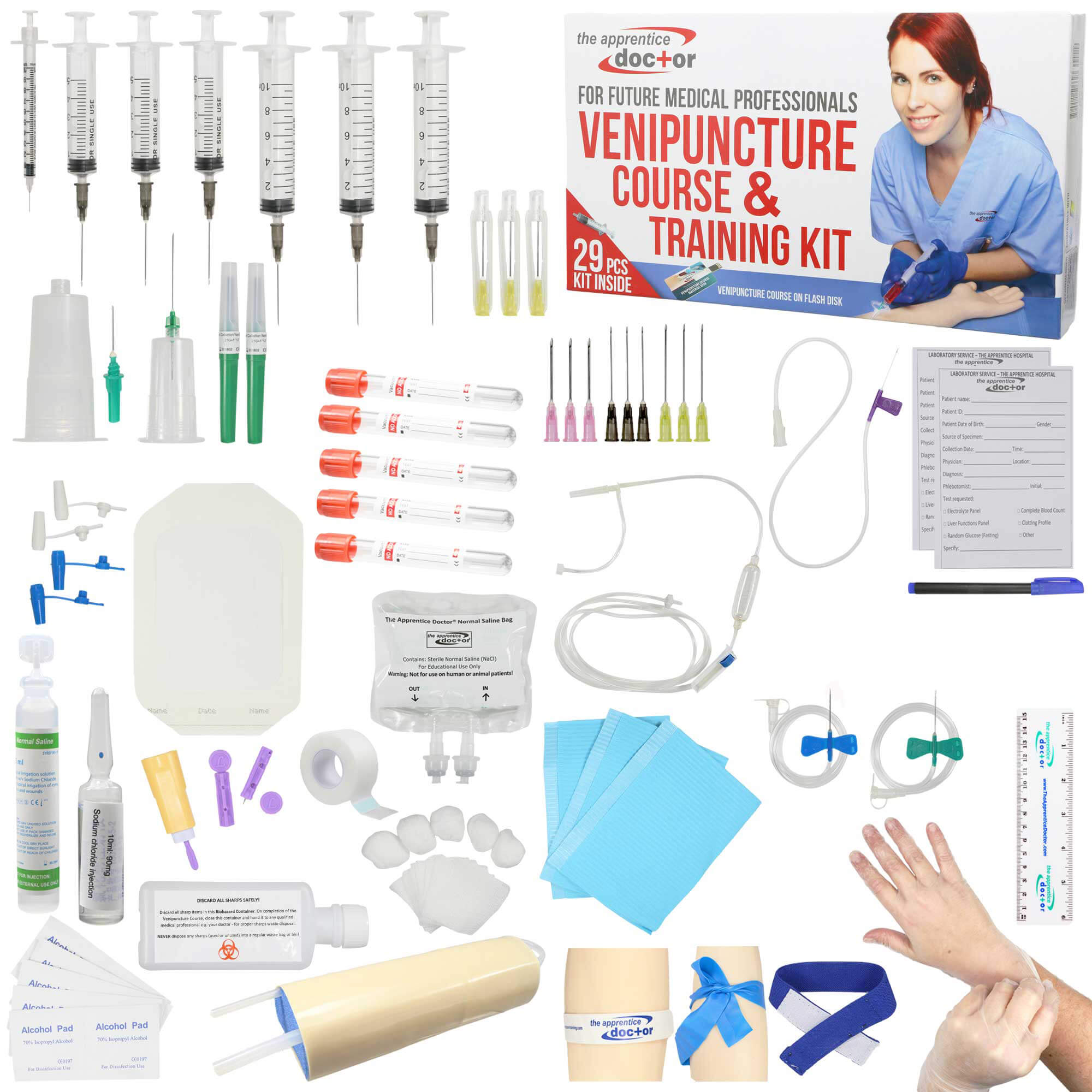
The Apprentice Doctor® Phlebotomy Course and Kit is another handy resource at your fingertips. This kit teaches you how to confidently perform phlebotomy procedures. If you want to start your education in allied health, why not begin phlebotomy training right away? Take a quick look at the following phlebotomy video to see all the items included in the kit.

__________________________

References

[1] https://www.worldhepatitisalliance.org/world-hepatitis-day/world-hepatitis-day-2018. Accessed May 28, 2018.
[2] Kabiri M, Jazwinski AB, Roberts MS, Schaefer AJ, Chhatwal J. The changing burden of hepatitis C virus infection in the United States: model-based predictions. Annals of Internal Medicine. 2014;161(3):170–180. Accessed May 14, 2018.
[3] Hepatitis A Questions and Answers for the Public. Centers for Disease Control and Prevention, Division of Viral Hepatitis website. https://www.cdc.gov/hepatitis-a/about/index.html . Updated May 23, 2016. Accessed May 13, 2018.
[4] https://www.sf.gov/departments/department-public-health/disease-prevention-and-control. Accessed May 28, 2018.
[5] Hepatitis A Questions and Answers for Health Professionals. Centers for Disease Control and Prevention, Division of Viral Hepatitis website. https://www.cdc.gov/hepatitis-a/hcp/clinical-overview/. Updated July 13, 2016. Accessed May 13, 2018.
[6] What is Hepatitis B? Population Health Division, San Francisco Department of Health. Disease Prevention and Control. https://www.sf.gov/departments/department-public-health/disease-prevention-and-control. Accessed May 14, 2018.
[7] Hepatitis B FAQs for health professionals. Centers for Disease Control and Prevention website. https://www.cdc.gov/hepatitis-b/hcp/clinical-overview/ Updated August 4, 2016. Accessed May 23, 2018.
[8] Roberts H, Kruszon-Moran D, Ly KN, et al. Prevalence of chronic hepatitis B virus (HBV) infection in U.S. households: National Health and Nutrition Examination Survey (NHANES), 1988-2012. Hepatology. 2016;63(2):388–397. Accessed May 23, 2018.
[9] https://www.sf.gov/departments/department-public-health/disease-prevention-and-control. Accessed May 28, 2018.
[10] Hepatitis C FAQs for health professionals. Centers for Disease Control and Prevention, Division of Viral Hepatitis website. https://www.cdc.gov/hepatitis-c/hcp/clinical-overview/ . Updated July 21, 2016. Accessed May 19, 2018.
[11] https://www.who.int/campaigns/hepatitis-day/2017/event/en/. Accessed May 28, 2018.
[12] Roy PK. Hepatitis D. Medscape website. https://emedicine.medscape.com/article/178038-overview . Updated March 16, 2017. Accessed May 13, 2018.
[13] Farci P, Niro GA. Clinical features of hepatitis D. Seminars in Liver Disease. 2012;32(3):228‒236. Accessed May 13, 2018.
[14] Ahn J, Gish RG. Hepatitis D virus: a call to screening. Gastroenterology & Hepatology. 2014;10(10):647‒686. Accessed May 13, 2018.
[15] Negro F, Lok ASF. Pathogenesis, epidemiology, natural history, and clinical manifestations of hepatitis D virus infection. UpToDate website. https://www.uptodate.com/contents/pathogenesis-epidemiology-natural-history-and-clinical-manifestations-of-hepatitis-d-virus-infection . Updated July 20, 2016. Accessed May 13, 2018.
[16] Remy P. Hepatitis E. Medscape website. https://emedicine.medscape.com/article/178140-overview#a6 . Updated September 27, 2016. Accessed May 13, 2018.
[17] Hoofnagle JH, Nelson KE, Purcell RH. Hepatitis E. The New England Journal of Medicine. 2012;367(13):1237-1244. Accessed May 14, 2018.
[18] Centers for Disease Control and Prevention. Hepatitis E FAQs for Health Professionals. https://www.cdc.gov/hepatitis/hev/hevfaq.htm . Updated December 18, 2015. Accessed May 14, 2018.

Also see:

Hepatitis C FAQs for health professionals. Centers for Disease Control and Prevention, Division of Viral Hepatitis website. https://www.cdc.gov/hepatitis-c/hcp/clinical-overview/ . Updated July 21, 2016. Accessed October 19, 2016. Accessed May 19, 2018.

What is Viral Hepatitis? U.S. Department of Health and Human Services website. https://www.niddk.nih.gov/health-information/liver-disease/viral-hepatitis/what-is-viral-hepatitis. Updated May 2017.

I really want to become a Doctor – Is there anything I can do straight away?

Check out the Medical Microbiology (Coming Soon) on Apprentice Doctor Academy.

Also, explore the Scrub for Surgery Kit on Apprentice Doctor Kits.


Managing Hypertension

hypertension, blood pressure control

Story at a Glance

Hypertension is a worldwide epidemic and public health concern. Awareness is key to blood pressure control. The story provides a general review for managing hypertension.

Symptoms
Causes
Risk factors
Complications
Diagnosis and new blood pressure ranges
Lifestyle changes

Early detection and control can mean the difference between ongoing health and a hypertension-related condition.

Overview

The World Health Report 2002 identified high blood pressure as the “third-ranked factor for disability-adjusted life years.” Recent analyses show 972 million people worldwide are living with hypertension and that the number will escalate to 1.56 billion by the year 2025.[1] Uncontrolled hypertension is a significant cause of disability and premature death throughout the world.[2]

In the United States alone, according to the Centers for Disease Control and Prevention, (CDC), hypertension affects approximately 75 million adults (32%). The condition occurs from the long-term force of the blood pushing against your artery walls. If it becomes high enough you are at risk for heart disease and stroke, the leading causes of death in the United States.[3] A CDC infographic shows that high blood pressure was a primary cause of death in 410,000 Americans, or 1100 Americans each day.

High blood pressure is a recognized condition that develops over time. It affects most people at some point in their lives. In spite of its prevalence, only 56% of those with high blood pressure are aware they have the condition. Improved awareness is key to slowing this fast-moving epidemic of hypertension.

Most people know how high blood pressure is taken. Blood pressure cuffs measure the amount of blood your heart pumps into your arteries and the amount of resistance present in your arteries. The more blood your heart pumps and the narrower your arteries, the higher your blood pressure.

Symptoms – when to see a doctor

Determining your blood pressure is a routine part of any doctor’s appointment. However, many people don’t see a doctor unless they feel ill or are worried something is wrong with them physically. So, a person could go for years never knowing they have hypertension.

The signs and symptoms of high blood pressure are virtually invisible, even at perilously high levels. But even if you feel fine, you may have high blood pressure which, left untreated, causes damage to blood vessels and your heart.

Occasionally people will experience symptoms but not associate them with high blood pressure. These include headaches, shortness of breath or nosebleeds. But none of these occur until blood pressure has reached a severe or life-threatening stage. If you experience any of these symptoms consistently, consult your health care professional right away.

If you don’t see a doctor regularly, but want to know if your blood pressure falls within normal ranges, find out if any health fairs are in your area. Those events typically offer free blood pressure screenings as a community service. In the alternative, some pharmacies or other kinds of health-related stores may have a nurse or doctor on staff who will perform this quick test for you free of charge.

If there is a blood pressure machine in your pharmacy, you can get a blood pressure reading. Since the accuracy of these machines varies, the range will only be approximate. It’s best to have your pressure taken by a healthcare professional.

Types of hypertension and underlying medical conditions

Primary, or essential hypertension and secondary hypertension are the two types of high blood pressure.

Primary hypertension develops gradually over many years. There is no specific cause, which is one of the reasons for monitoring your blood pressure as you age. You could be fine for years, and then one day discover you’re affected.

On the other hand, secondary hypertension is caused from one of several underlying conditions. It presents abruptly and creates a blood pressure higher than is seen in primary hypertension. Various ailments and medications can lead to secondary hypertension, including:

  • Adrenal gland tumors.
  • Alcohol abuse or chronic alcohol use.
  • Congenital defects in blood vessels.
  • Illegal drugs, such as cocaine and amphetamines.
  • Kidney complications.
  • Obstructive sleep apnea.
  • Some medications, such as birth control pills and over-the-counter and prescription drugs.
  • Thyroid problems.

Risk factors and causes of high blood pressure

Some factors can put you at risk for high blood pressure, some of which you can manage through lifestyle. While the following list is not all-inclusive, it provides many of the situations, or habits, that that can lead to hypertension.

  • Age – Blood pressure tends to increase with age.
  • Dietary habits – Too much sodium or too little potassium intake can increase blood pressure.
  • Drinking too much alcohol – Over time, many organs, including the heart, can be damaged through heavy drinking.
  • Ethnic group and gender – High blood pressure affects men and women differently. It also varies by ethnic group. The following chart from the CDC gives a breakdown.

Race of Ethnic Group

Men (%)

Women (%)

African Americans

43.0

45.7

Mexican Americans

27.8

28.9

Whites

33.9

31.3

All

34.1

32.7

  • Family history – If members of your family have high blood pressure, you may also develop it. Being overweight or obese – The more you weigh, the more blood you need to supply oxygen and nutrients to your tissues, increasing the pressure on your artery walls.
  • Not being physically active – Inactivity leads to higher heart rates because the heart must work harder.
  • Stress – High levels of stress create multiple health issues, including an increase in blood pressure.
  • Tobacco use – Smoking or chewing tobacco immediately raises your blood pressure for a short period. Additionally, chemicals in tobacco can create hypertension because they narrow your arteries. Secondhand smoke also can increase your blood pressure.

Although high blood pressure is most common in adults, children may be at risk, too. In some cases, heart and kidney problems are root causes. Other contributing factors include lack of exercise, obesity, unhealthy eating habits, and poor lifestyle habits overall.

Complications of high blood pressure

Damage to blood vessels and organs in your body are caused by excessive pressure on your artery walls. Significant damages could occur with ever-increasing blood pressure that remains untreated. Some of these complications may impair your organs which can be life-threatening.

  • Aneurysm.
  • Heart attack or stroke.
  • Thickened, narrowed or torn blood vessels in the eyes which can result in loss of vision.
  • Trouble with memory or understanding.
  • Weakened and narrowed blood vessels in your kidneys.

Diagnosis

As you may be aware, two numbers are measured when taking blood pressure.

Systolic pressure is a higher number since it is your blood pressure when your heart beats and pumps blood through your arteries.
Diastolic pressure is a lower number since it is your blood pressure in between heartbeats when your heart is not pumping.

Although both numbers are significant, doctors tend to pay more attention to systolic blood pressure, or the top figure because it could mean a person is at risk for cardiovascular disease. The risk increases for people 50 years or older.

Under the new guidelines established in 2017 by the The National Heart, Lung, and Blood Institute (NHLBI) of the National Institutes of Health (NIH), blood pressure measurements now fall into four general categories:

  • Normal blood pressure. Your blood pressure is normal if it’s below 120/80 mm Hg.
  • Elevated blood pressure. Your blood pressure is high when the systolic pressure ranges from 120 to 129 mm Hg and the diastolic pressure is below 80 mm Hg. Unless steps are taken to control blood pressure, it will worsen over time.
  • Stage 1 hypertension. Stage 1 hypertension is a systolic pressure ranging from 130 to 139 mm Hg or a diastolic pressure ranging from 80 to 89 mm Hg.
  • Stage 2 hypertension. More severe hypertension, stage 2 hypertension is a systolic pressure of 140 mm Hg or higher or a diastolic pressure of 90 mm Hg or higher.

If you are on medication and your doctor notes a systolic reading over 180 and/or a diastolic reading over 120, he or she will adjust your medication if you have no other problems. If you are taking your blood pressure at home and notice these ranges, see your physician immediately.

Bear in mind these are only guidelines. Factors such as age, family history, insufficient exercise, and excessive sodium in your diet, can affect your blood pressure. Some of these factors are situational. When resolved, blood pressure may return to normal ranges. So, an isolated high blood pressure reading may not be indicative of a problem. If readings remain elevated after a series of measurements taken over days or weeks, then see your healthcare professional.

hypertension, blood pressure control, awarenessTaking your blood pressure at home

With the new 2017 NHLBI blood pressure ranges, you may wonder if you now could have high blood pressure even if you’ve never had it before. Or, if you’ve already been diagnosed with hypertension, it’s possible your medication no longer provides a low enough reading. Check with your healthcare professional.

Once you have a baseline blood pressure reading, you can monitor it at home. To do so, you will need a monitor. Although there are different types, the monitor that is the most popular and straightforward is a digital monitor. Readings are automatic and appear on a small screen. Although these are more expensive than finger and wrist blood pressure monitors, or even ones with dial gauges, they are more accurate.

The American Heart Association [4] makes the following recommendations when taking your blood pressure using a home monitor:

  • Be still and ensure at least 5 minutes of quiet rest before measuring.
  • For 30 minutes prior to measuring your blood pressure, don’t smoke, ingest caffeine or exercise.
  • Sitting in a straight-backed chair, ensure both of your feet are flat on the floor.
  • Support your arm on a flat surface such as a table with the upper arm at heart level.Place the middle of the cuff directly above the bend of the elbow. Check your monitor’s instructions for proper use.
  • It’s important to take the readings at the same time each day, such as morning and evening especially in the first 2 weeks after a change in treatment, and throughout the week before your next appointment.
  • Take multiple readings and record the results. Each time you measure, take two or three readings one minute apart and record the results using a printable or online tracker. If your monitor has built-in memory to store your readings, take it with you to your appointments. In some cases you may be able to upload your readings to a secure website.
  • It is also important when taking blood pressure readings that you record the date and time of day as well as the systolic and diastolic measurements. The information is valuable to your doctor.

If you’re uncertain how to use your home monitor, ask your healthcare provider to teach you.

Lifestyle changes for blood pressure control

Changing lifestyle habits is pivotal to reversing the epidemic trend of high blood pressure. The following adjustments to your daily regime can help.

  • Eat a healthier diet.
  • Exercise regularly.
  • Intake less salt.
  • Limit the amount of alcohol you drink.
  • Maintain a healthy weight or lose weight if necessary.
  • Manage stress.
  • Practice relaxation and deep breathing.
  • Stop smoking.

While making changes in your lifestyle can go a long way toward controlling high blood pressure, they may not be enough. If that’s the case, your doctor may recommend medication in addition to improving your diet and lifestyle to lower your blood pressure. If you must take medicine, take it as directed and see your doctor regularly.

High blood pressure is not curable. But prevention and treatment can keep your numbers at normal levels. Sticking to lifestyle changes can be challenging, but if you need motivation, remember the risks associated with uncontrolled high blood pressure.

Begin your career as an allied health professional today!

The Apprentice Doctor® Academy has developed and perfected an Online Course for Future Doctors to assist them towards fulfilling their dreams of becoming great medical professionals. The For Future Doctors Foundation Medical Online Course with accompanying Medical Kit has helped launch the career of thousands of want-to-be doctors!


future doctors, suturing

The Apprentice Doctor® Suturing Course and Kit is a resource that will teach you how to suture wounds in a couple of hours! If you want to become a Surgeon – why not learn how to suture wounds now?Suture Kit Box and CD


The Apprentice Doctor® Phlebotomy Course and Kit is a resource that will teach you How to confidently perform phlebotomy procedures in a couple of hours! If you want to become a great medical professional – why not learn how to perform venipuncture procedures now?

You may also be interested in reading Vital Signs – What Do They Reveal?
_________________
References
[1] World Health Report 2002. Reducing risks, promoting healthy life. World Health Organization; Geneva: 2002. [PubMed].
v[2] WHO Global Report: Preventing chronic diseases: A vital investment. World Health Organization; Geneva: 2005.
[3] Kochanek KD, Xu JQ, Murphy SL, Miniño AM, Kung HC. Deaths: final data for 2009[PDF-3M]. Nat Vital Stat Rep. 2011;60(3):1-117.
[4] The American Heart Association, (https://www.heart.org/HEARTORG/Conditions/HighBloodPressure/KnowYourNumbers/Monitoring-Your-Blood-Pressure-at-Home_UCM_301874_Article.jsp#.Wi0dQnfMzuQ).
Also:
Chockalingam, A, Campbell, N, Fodor, JG, 2006, Worldwide epidemic of hypertension (Taken on May 4, 2018 from the US National Library of Medicine National Institutes of Health https://www.ncbi.nlm.nih.gov/pmc/articles/PMC2560860/).

I really want to become a Doctor – Is there anything I can do straight away?

Check out the Cardiology: Unlock ECG Diagnostic Skills and Save Lives on Apprentice Doctor Academy.

Also, explore the ECG Card (for Cardiology Course) on Apprentice Doctor Kits.


Self-Care Tips for Medical Professionals

Nurses, surgeons, doctors…all healthcare professionals lead busy lives. The mental and physical demands of their work can be challenging and extremely tiring.

The paradox of being a healthcare professional is that even though we care for others, we often lose sight of our health and habits among our busy day-to-day lives. You may feel like you lack the time to eat wholesome meals or get a full night’s rest. Over time, however, these unhealthy habits can lead you to feel sluggish and clumsy. Though it is entirely unintentional, it can negatively impact your job performance.

This is why it is so critical to practice self-care. Taking care of yourself, both physically and mentally, can help you stay alert, focused, and energetic on the job. Here are five key areas to focus on as you develop your self-care routine.

Manage stress levels

We may not be able to avoid stress in our lives; luckily, there are many different techniques to reduce stress. Whether you choose relaxation, meditation, or prayer, all have benefits in calming the mind and body. Taking time to yourself can provide you with the opportunity to recharge and prepare for a new day.

  • Relaxation Techniques. Deep breathing exercises, listening to music, or practicing mindfulness are all ways to reduce stress in our lives. You can try this alone or in combination with meditation or prayer.
  • Meditation. Like religion, there are many schools of thought when it comes to meditation. In the beginning, it may be more beneficial to start with guided meditation. Spend a few minutes meditating every day; whether you do it in the morning or evening—or whenever you can spare a few minutes—meditating will help you manage your stress.
  • Loving-kindness. This is another form of meditation where you direct well wishes and love towards others. By exercising empathy and compassion, you may be able to reduce stress and have more meaningful, positive interaction with patients, family, and friends.
  • Prayer. Any type of prayer from all religions can have a positive impact. Even prayers for others can evoke the same benefits as loving-kindness meditation by exercising our empathy and compassion.

No technique is better than another. Choose the method you are most comfortable with to see the greatest rewards. Remember that to attain balance in life; you must constantly work towards it. How often does a tightrope walker think about balance? All the time! It is the same for us, as we develop healthy routines.

self/care for medical professionalsExercise on a regular basis

You know that a lack of physical activity increases the risk of high blood pressure, stroke, and other symptoms of poor health… but it can be hard to find time to go to a gym. The good news is that you don’t need a gym to get moving. If you are short on time, an at-home work out regime will still benefit your health. Try push-ups, pull-ups, lunges or squats, and abdominal exercises. Or, try kettlebell swings for a full body work out.

It’s important to include some cardiovascular exercise to promote blood flow to the brain and strengthen the heart. Incorporate jumping jacks or jump roping if you don’t have time for a jog or swim.

Stretches can also be beneficial if you are on your feet all day. Try a yoga application on your phone or watch videos on Youtube, if you don’t have a gym membership. These will guide you through the correct poses as you stretch.

Eat a balanced, varied diet

One of the most important things is the fuel we put into our bodies. When you’re on the go, it can be easy to grab the nearest candy bar for a quick, sugary pick-me-up—but that short-term high is not worth the harm it is doing to your mind and body.

If you have time, plan a grocery trip once a week to buy fresh fruits and veggies. Bring healthy snacks—like apples, cheese, or nuts—to snack on when you’re short on time at work. These foods will give you the long-lasting, sustained energy you need, without the crash, which is especially beneficial for longer shifts.

If you are someone who skips eating entirely, try adding some snacks into your day. In reality, eating a portion of nuts or a sandwich only takes a few minutes, and it will give you some well-deserved energy.

If your schedule is unpredictable, or very busy, try to set aside time once a month to cook meals in bulk and freeze them. Later on, when you are tired after a long day, you will be able to get home and pop a premade (but homecooked!) meal into the microwave, pot, or oven for a healthy, tasty meal.

Quit bad habits

Smoking, drinking, and other unhealthy habits may provide short-term, instant relief in managing stress. But the long-term, physical effects of these habits can wear out your body and mind over time. As is the case with anything we ingest, we should take care to provide our body with good fuel for long-lasting energy.

Grabbing drinks with friends can be a time to socialize and de-stress. Try limiting your alcohol intake to 1 to 2 glasses, and try not to drink every day. You’ll soon find that you can have fun without drinking as much.

If you smoke and enjoy the idea of a “smoke break”, replace that with something else equally enjoyable; use that time to take a quick walk, eat a snack, or call a friend or family member.

Get a good night’s sleep

Sleep is important, and it can make a big difference in how clear-headed you are the next day. You need to be alert and effective in your decision-making and how you diagnose and treat patients.

Sleep is very closely tied to the above suggestions. When you reduce stress in your life, exercise regularly, eat a healthy diet, and quit bad habits, you will notice that your sleep is more restful.

If you replace sugary foods and processed carbohydrates with food that gives you long-lasting energy (like protein-rich foods, fruits, and vegetables), your body will be able to enter into the deeper phases of sleep without interruption, giving you a more restorative night’s rest. Along with quitting smoking, it is a good idea to minimize your intake of caffeine, which can act as a stimulant to disrupt your sleep cycle.

Avoid fragmenting your sleep by taking naps during the day. If you are experiencing sleep problems, consult your primary care physician.

What are the next steps?

After looking at the tips above, assess how you are doing in each category and determine where you would most like to see improvements. It may be especially effective to do a mental scan of your body each day, starting at your head and working your way down. Notice if any part of your body is sore or tired, and pay that area some extra love and attention. If your back or feet are hurting, you may need to invest in new shoes or more supportive soles.

Come up with a plan on how you are going to achieve your goals. If you plan on eating healthier, set aside time once a week or once a month for preparing meals that you can freeze and eat later on, or for grocery shopping for fresh fruit and vegetables. Start gradually, and track your progress.

Evaluate your progress towards your goals. If your goals are too big, scale back. As you continue towards a healthier life, your new routines will become habits, and you can continue to improve your life.

After all, we all just want the best for our patients. Shouldn’t we take care of ourselves too?


At NurseRegistry, our mission is to match professional, licensed, and compassionate nurses with private clients at home and facilities in need of staffing solutions. Since 2009, we have been raising the bar in skilled nursing care, with the goal of promoting the health, independence, and quality of life for our patients, while maintaining patient safety and privacy. Each patient’s situation is unique, and we are committed to matching nurses that are best suited to our client’s changing needs. To learn more, visit NurseRegistry.com.

References:

[1] Carlson, BSN, RN, NC-BC, Keith. “5 Simple Self-Care Practices For Busy Nurses. We’re Not Talking A Spa Day.” Nurse.org, 24 Feb. 2017, nurse.org/articles/5-steps-to-nursing-wellness/.

I really want to become a Doctor – Is there anything I can do straight away?
Check out the Human Behavior in Medicine (Coming Soon) on Apprentice Doctor Academy.


8 Medical Lab Technician Careers

Provide indirect patient care and still be a vital member of a medical team

Story at a Glance

Many people in healthcare work behind the scenes. They like the idea of helping people, and want to work in the medical field. But they prefer work environments that are calm and quiet. A medical lab technician job may be just what you’re looking for. This article covers:

6 common characteristics signaling a healthcare technician job may be right for you.

8 indirect patient care careers.

  • Medical/Clinical Lab Technician
  • Cytogenetic Technician
  • Histotechnician
  • Pathology Assistant
  • Nuclear Medicine Technician
  • Anesthesia Technician
  • Radiation Protection Technician
  • Medical Equipment Repair Technician

The education and credentialing required for each.


medical lab technician

Are you interested in healthcare, but prefer working behind the scenes? We hear a lot about careers that provide direct patient care. But it may surprise you to learn there are indirect patient care medical careers available. These medical lab technician roles are important in field of medicine and today we’re going to give you a snapshot of eight of them.

  1. Medical/Clinical Laboratory Technician
  2. Cytogenetic Technician
  3. Histotechnician
  4. Pathologist Assistant
  5. Nuclear Medicine Technologist
  6. Anesthesia Technician
  7. Radiation Protection Technician
  8. Medical Equipment Repair Technician

6 characteristics signaling a healthcare technician job may be right for you

medical lab technician, introvertsAre you a little uncomfortable interacting with people all the time? Feeling drained of energy when talking with others without periods of quiet could mean you’re introverted. That means you need time away from lots of activity in order to recharge yourself. Extroverts, on the other hand, gain vitality from being around people. That’s how they rejuvenate themselves. The good news is that healthcare needs both types of personalities.

Even if you identify yourself as an introvert, you may still wonder if a laboratory-type job is right for you. If any characteristic of the following six sounds like you, it could be.

You enjoy science – The careers we’re reviewing in this article all have a basis in chemistry, biology, and physiology. If you enjoy science, chances are high you’ll be happy in at least one of these careers. Don’t worry if you didn’t like science in school. Interests change over time. All you need are a strong sense of curiosity and enjoyment in learning.

You attend to detail – You’ve probably worked with people who don’t pay attention to details. As a result, mistakes get made, and tasks have to be done again. But if you’re someone who is meticulous and precise in gathering particulars, then medical labs need you. Many of these indirect care careers have to analyze and compile data to help doctors diagnose and treat their patients.

You strive for consistency – If you agree that consistency in work can be reached through repetition and routine, then working in a lab may be perfect for you. If you’re someone who can repeat tasks and remain focused and careful, lab analysis and research positions are good options for you to investigate.

You prefer working with patients indirectly – As you may have guessed by now, you don’t have to be interacting with patients all day to make a difference in their lives. A career in a laboratory medicine allows you to play an integral role in the healthcare system without being center stage. Even if you sometimes have to draw blood, or provide instructions to people about what they need, the majority of your time will be spent in a non-chaotic, secluded work environment.

You desire job security – Allied health technician jobs are relatively secure and stable. According to the Bureau of Labor Statistics (BLS), on average, jobs for medical technicians are projected to increase at a faster-than-average rate of 14% through 2026. A contributing factor for the growth is an aging population with ongoing medical issues.

You want to begin your career quickly – Many healthcare careers require an extensive education. Most medical lab technician training programs can be completed in two years or less. That means you’ll be in the field a lot sooner.

If any of these attributes describes you, then you may be someone who is well suited to laboratory and research work in healthcare.

8 medical lab technician careers

Of the following 8 careers, no one is more important than the other. Although some of the duties of each job may be similar, what is studied and researched is not. When sifting through the options, consider what appeals to you most.

Most of the careers fall in the category of Medical/Clinical Lab Technician (MLT), although there is also a job title specifically related to that. We’ll cover the general MLT first, then proceed to specific specialties within the medical lab technician field.


Medical/Clinical Lab Technician

medical lab technicianJob Responsibilities: Lab technicians, or MLTs, work with integrated systems and perform mechanical or diagnostic tests in medical laboratories. Some MLTs work independently while others prefer to work in companies where they’re part of more extensive teams of professionals.

Lab technicians perform a variety of tasks. Collecting samples, studying and performing tests on anything from bodily fluids to biopsies are only some of the functions you’ll perform. You’ll use a variety of equipment and software programs to conduct thorough and accurate tests. You’ll also be expected to record information you discover for review by doctors, physicians and scientists. Maintaining and sterilizing your lab equipment are also elements of the job.

From time to time you may be asked to acquire samples from patients, but won’t establish ongoing relationships them.

Lab technicians work in a variety of medical settings. Dental offices, clinics, and ophthalmic labs are only a few.

Education Required: For the most part, to become a technician, you’ll need an associate degree. If you aspire to become a technologist, you’ll have to pursue a bachelor’s degree. Both degree levels include coursework in biological sciences, lab management, chemistry, and statistics. Although there are short-term certificate programs available, you may discover an individual with more education is given preference by employers. Associate degree programs last 18-24 months. Bachelor degree programs require a four-year commitment.

Regardless of the educational path you select, you’ll learn how to use medical laboratory equipment and how to conduct data analysis. You’ll also explore content such as immune hematology and become proficient in studying biological samples.

Some ophthalmic and dental labs may be willing to provide on-the-job training. In those situations, you can get started with only a high school diploma. However, to be hired in a medical or clinical lab, you typically need an associate’s or bachelor’s degree. The higher your level of education, the better your chances are of being hired.

Credentialing: Each state differs on the requirements for laboratory workers. You may be required to obtain a license, become certified, or to pursue some type of registration. Contact your local State Board of Health or Board of Occupational Licensing to find out your state’s criteria. You can also refer to the American Society for Clinical Laboratory Science or the National Accrediting Agency for Clinical Laboratory Sciences.

Key Skills: To be a successful MLT, you must be able to:

  • Communicate accurately and efficiently.
  • Demonstrate solid analytical skills.
  • Focus on details.
  • Manage time effectively.
  • Operate independently.
  • Work with a team.

Cytogenetic Technician

cytogenetic technician, medical lab technician

Job responsibilities: A cytogenetic technician is a type of MLT who analyzes genetic elements inside cells. As a cytogenetic technician, you’ll analyze chromosomes and other genetic materials. You’ll also maintained detailed notes for each sample. This includes ensuring any sample is associated with the correct patient. Overall you’ll study cells at a microscopic level for signs of irregularities or disease. The work is completed in a medical facility or research institution, where there is a lab manager, and you’re a member of a cytogenetic team.

Education required: Generally, a bachelor’s degree in cytotechnology, biological science, or chemistry field is required. You’ll encounter topics such as cellular biology, biochemistry, and genetics. Most programs contain a clinical aspect where you’ll gain hands-on experience while working under the supervision of a qualified instructor. It is recommended you attend an accredited program. For more information on cytotechnology training programs, you can visit the American Society for Cytotechnology (ASCT).

Credentialing: Following graduation from an accredited program in cytotechnology and gaining experience in the field, candidates for credentialing may qualify to take one of the American Society of Clinical Pathology (ASCP) Board of Registry exams. Some states may require regional testing. Check your state for their criteria.

Key Skills: Successful cytogenetic technicians possess the following skills:

  • Ability to set up and operate sophisticated laboratory equipment.
  • Analytical or scientific competencies.
  • Proficiency in using a database and query software.
  • Project management.

Histotechnician

histotechnician, medical lab technicianJob Responsibilities: Professionals who study the minute structures of biological material and determine how they are structurally and functionally related are called histotechnicians. The field encompasses how biochemistry, molecular biology, and physiology interact with disease processes. Like other MLT specialties, you’ll be studying and analyzing samples and reporting data to researchers, doctors, and scientists.

Education Required: Initial preparation for a histotechnician begins in high school with a strong curriculum in biology, chemistry, math and computer science. The next step is attending an histotechnician associate degree program accredited by the National Accrediting Agency for Clinical Laboratory Sciences (NAACLS). You may be able to attend a community college, or even a hospital training program. If possible, while you’re going to school, try to work part-time in a lab setting to gain experience. If you want to become a histotechnologist, you will need a bachelor degree.

Credentialing: Although certification is voluntary, many states require you to have a license. The American Society for Clinical Pathology Board of Certification (BOC) facilitates the exam. Since licensing requirements differ significantly from state to state, you’ll have to check your state for their criteria.

Key skills: Successful histotechnicians must be able to:

  • Analyze difficult problems.
  • Communicate effectively.
  • Gather samples.
  • Make sound decisions.
  • Manage time efficiently.
  • Manipulate small tools.
  • Meet deadlines.
  • Understand and perform tissue staining protocols.

Pathologist Assistant

pathology assistant, medical lab technicianJob responsibilities: First and foremost, a PA helps a pathologist prepare and diagnose tissue, blood and other specimens in a sterile laboratory. Depending upon the work environment, as a PA you might also examine corpses to determine a cause of death. Tasks could include collecting and dissecting postmortem specimens, conducting various tests on samples, taking diagnostic images, and recording your findings. From time-to-time some PAs may be asked to train colleagues or assist with autopsies, which does require some social interaction. However, most responsibilities are lab-based and can be performed independently.

Education required: Federal law requires PAs to have a minimum of an associate degree (American Association of Pathologists’ Assistants). You may choose to complete a bachelor’s or a master’s degree in the field. Most PA programs take about two years to complete. The curriculum consists of science courses like microbiology, genetics, and immunology. Students will also encounter pathology courses. Nearly all programs provide clinical experiences.

Credentialing: PAs may seek a three-year certification through the American Society for Clinical Pathology. Some states require additional criteria and even state licensing before you can begin work. Check your state for details.

Key skills: Successful pathology assistants will demonstrate:

  • Active listening skills.
  • Analytical/scientific thinking capabilities.
  • Attention to detail.
  • Competency in information ordering (following rules or arranging data/actions in a specific order).
  • Proficiency in using information systems software.

Nuclear Medicine Technologist

medical lab technician, nuclear medicine technologist

Job responsibilities: A nuclear medicine technologist performs imaging tests that help doctors identify abnormalities inside the body. The process involves giving patients small doses of radioactive materials and then using specialized equipment to record images of organs or other body parts where the substances localize. As a nuclear medicine technologist, you’ll have some interaction with patients when you explain procedures to them. You’ll also inspect equipment and possibly administer the radiopharmeceutial material, which is given orally, by injection, or through inhalation.

There are inherent risks in this job. You may be exposed to infectious diseases as well as to radiation. Consequently, you must take measures to protect yourself and be precise in following those protocols.

Education required: An associate or bachelor’s degree in nuclear medicine technology is necessary to enter this field. If you already have a degree in a related science, you may be able to combine that with a 12-month certificate program and enter the profession a little faster. In addition to courses in anatomy and physiology, you’ll be in classes about nuclear physics and radiochemistry.

Credentialing: Many states require a license to practice. See the Society of Nuclear Medicine and Molecular Imaging to find out if your state is one of them. You can also check with your state health department for current rules and regulations.

Two professional organizations, the Nuclear Medicine Technology Certification Board (NMTCB) and the American Registry of Radiologic Technologists (ARRT), offer voluntary certification. Some states that license nuclear medicine technologists will accept this certification. Others will require you to take an exam. Even states where certification isn’t needed, it is advantageous to have certification because it can improve your chances of being hired.

Key skills: Nuclear medicine technologists must possess the following skills:

  • Ability to work as a member of a team.
  • Attention to detail in data recording and observations.
  • Decision-making capabilities.
  • Strong communication skills.
  • Technical know-how to operate complicated equipment.

Anesthesia Technician

anesthesia technician, medical lab technicianJob responsibilities: If you enjoy working with machinery, but also being a member of a care team with indirect responsibility for patients, then a career as an anesthesia technician may be right for you.

Professionals in this technical role contribute to safe anesthesia care by providing support to the anesthetist. This may include ensuring the anesthesia equipment is working properly, to assessing dosages of medications given to patients. As an anesthesia technician, you are part of a surgical team and will have some interaction with its members as well as with patients.

Education: A high school diploma is the minimum education required, although anesthesia technician degree programs are available. If you’re a high school student, focus on courses in math, science, and technology. Anesthesia technician degree programs will include curriculum topics like pharmacology and anesthesia equipment functionality. At least one year of experience in the field as an intern is recommended.

Credentialing: Although certification is voluntary, there is a national certification exam available that could increase your potential employment opportunities. The national exam is conducted by the American Society of Anesthesia Technologists and Technicians (ASATT) and is the only one officially recognized. During your job search, ensure you have documentation of a basic life support certification since this is a requirement in any hiring situation.

Key Skills: To be successful as an anesthesia technician, you must:

  • Be comfortable working with computers, biomedical equipment, and anesthetic devices.
  • Communicate well.
  • Focus on details.
  • Problem solve.

Radiation Protection Technician

radiation protection technician, medical lab technicianJob Responsibilities: Although not specifically a medical lab job, radiation protection technicians provide a valuable service to overall public health. RPTs are also referred to as nuclear monitoring technicians or hazardous materials removal workers. As the titles imply, RPTs track radiation levels. They also expose leaks or potential hazards and then remove them. As an RPT you may even find yourself organizing evacuations of contaminated areas. The type and seriousness of the emergency determine the protocol followed. Some RPTS specialize in decontamination, emergency response or storage, and disposal. Or you’ll analyze environmental samples to determine levels of contamination.

There are risks involved in being an RPT. You may be exposed to contaminated material or radiation. Training programs provide extensive information on how to protect yourself, thereby minimizing your risk factors.

Education Requirements: Because there are specializations within the field of radiation protection, the type of training varies. Many positions require a certificate or associate’s degree in radiation safety or technology. Some employers may provide on-the-job training.
Formal programs are heavily based in math and science. You’ll also learn about radiation safety, contamination control, and radiological chemistry. The structure and nature of nuclear or power plant systems are generally included as part of the curriculum. There’s little doubt you’ll have lab and internship experiences along with the didactic portion of your studies.

Credentialing: The Occupational Health and Safety Organization (OSHA) is the federal entity that maintains and audits regulations concerning the safe removal of radiation and nuclear waste. As a result, professionals who work with and remove those products must undergo a mandatory 40-hour training course. You may also be required to complete three months of additional training through the Nuclear Regulatory Commission (NRC). This additional training provides information about the protective gear you’ll wear, the equipment you’ll use, and the materials you may encounter.

Key Skills: A successful radiation protection technician will demonstrate:

  • Attention to detail.
  • Calm demeanor in crisis situations.
  • Capability to work independently with accuracy and precision.
  • Communication skills.
  • Cooperative attitude in working with a team.
  • Critical and logical thinking.
  • High energy.
  • Mechanical aptitude.
  • Medical and anatomical competencies.
  • Time management efficiencies.

Medical Equipment Repair Technician

Job responsibilities: Although this technician job may feel non-medical, it is critically important to all medical facilities. When healthcare equipment breaks down, it must be repaired – and repaired quickly. If it doesn’t work correctly, a potentially severe illness or disease could be missed or misdiagnosed. So medical equipment repair technicians are vital members of all medical teams even though the care

provided to patients is indirect.

The duties of a medical equipment repair technician vary by type of equipment, but most repair technicians

install, clean, maintain and fix medical equipment. Within those primary tasks, you’ll keep detailed service records and be presented with the latest updates in equipment software. You may even learn how to use and install the newest equipment available on the market. Although the scope of this profession is outside of a medical laboratory, the work is independent and a few steps removed from excessive chaotic environments.

medical equipment repair technician, medical lab technician

Education required: Due to the sophistication of medical equipment, it’s best to obtain an associate’s degree in biomedical equipment technology. In this kind of a training program, you’ll learn hardware and software repair, electronics and physics. Because the equipment is designed to inspect the human body, you’ll also learn medical terminology and anatomy and physiology. Throughout a training program you’ll be exposed to a generous variety of medical equipment where you’ll learn to identify and correct mechanical problems. A bachelor’s program offers more in-depth content where you’ll encounter more complex and electronic-based medical equipment.

Credentialing: While registration, licensure, or certification isn’t mandatory, employability may be improved if you obtain certification through the Association for the Advancement of Medical Instrumentation (AAMI). Three types of certification are available. A certified laboratory equipment specialist (CLES), a certified biomedical equipment technician (CBET), and a certified radiology equipment specialist (CRES).

Key Skills: A capable medical equipment repair technician must possess or acquire:

  • Comfort in working independently with minimal supervision.
  • Decision making capabilities.
  • Dexterity.
  • Mechanical, safety testing, and troubleshooting skills.
  • Precision in the work environment.
  • Problem solving competencies.
  • Stamina.
  • Strong communication style.
  • Time management efficiencies.

Conclusion

Each occupation listed provides a calm and quiet work environment. For individuals who gather energy in this type of setting, one of careers may be a perfect fit for you. Although all require small to moderate interactions with patients or colleagues, none of them provide direct patient care. Education requirements for most of them are minimal so that you can get into the field quickly.

Before making any final decision to obtain a certificate or degree, talk to a few people in the field. Find out what they like about their careers, and what some of the drawbacks are. Discussions like these will help you narrow your career choices so that you can make the one best suited to your interests and personality.

Thank you for stopping by today.

Would you like to start learning lab skills today? You can!

Several of the medical lab technician careers outlined in this article require drawing blood. You can practice that skill right away.

The Apprentice Doctor® Phlebotomy Course and Kit is the resource that will teach you how to confidently perform phlebotomy procedures in a couple of hours! If you want to perfect that skill, why not learn how to perform venipuncture procedures now?

You may decide you prefer direct-patient care. If that’s the case, you may be interested in wound suturing.

The Apprentice Doctor® Suturing Course and Kit is a resource that will teach you How to Suture Wounds in a couple of hours! If you think you may be drawn to direct-patient care, why not perfect suturing techniques now?

For other products, visit our shop.

If these careers have sparked a new, or even renewed interest in allied health, you may be interested in reading further:

I really want to become a Doctor – Is there anything I can do straight away?
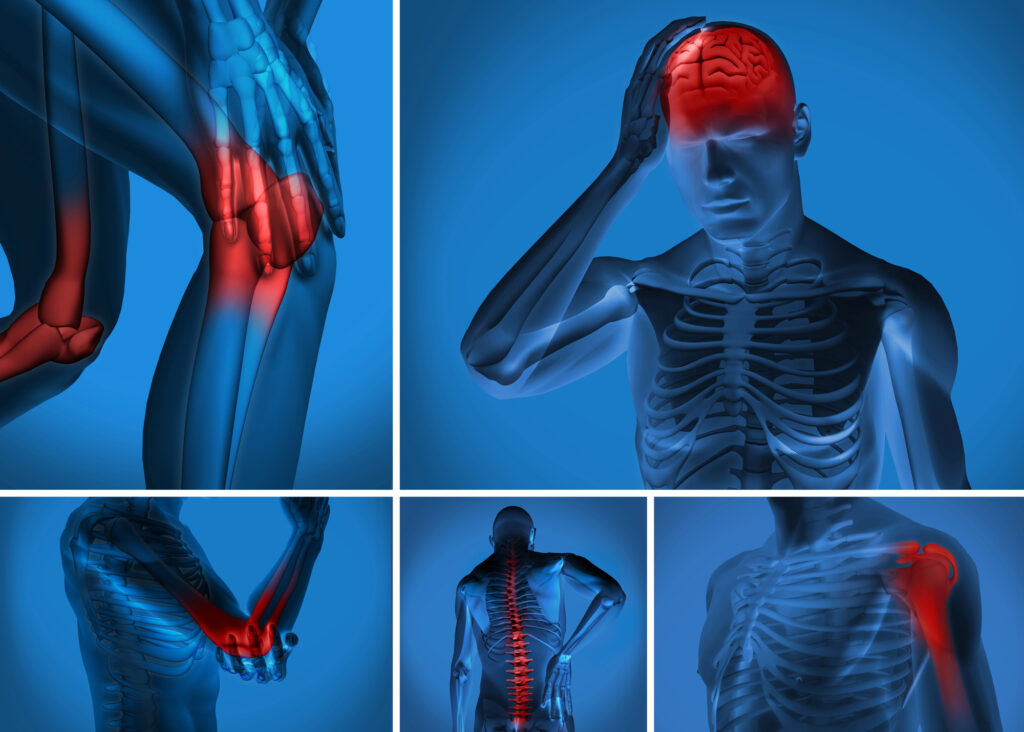
Check out the Medical Microbiology on Apprentice Doctor Academy.


Does Technology Put Your Health at Risk?

Story at a Glance

  • Does technology put your health at risk? There are seven ways it could be.
  • Light from your devices could impact your sleep and make you more hungry when you normally wouldn’t be.
  • Eye strain, neck, and shoulder pain are common complaints of people who use computers for long hours.
  • Use of social media and spending time surfing the net can create depression and anxiety in some people.
  • Headsets, as great as they are, can contribute to hearing loss.
  • The good news is that there are simple, inexpensive hacks to combat each of these problems so you can continue to use and benefit from all your technology.

Can technology really put your health at risk?

In the early 60s, The Jetsons, a space-aged cartoon pulled kids to television sets on Saturday mornings. The futurist gadgets the family used inspired wonder and possibilities. Today many technologies shown in the animation exist. Most of us own them and use them. They are a natural part of our lives. But does technology put your health at risk? Research seems to indicate it does.

Listed are 7 ways digital technology may destroy your health. All 7 lead to rising costs of healthcare. But we’re giving you 7 easy prevention hacks, too. Implementing all of them can safeguard your physical well-being.

1. Sleep Deprivation

Being fully present during your waking hours means nabbing at least eight hours of sleep. However, many of us only grab six hours or less. The presence of digital technology in almost every room of the house discourages sleep. Bright light interrupts sleep patterns because it reduces the amount of melatonin the body produces. Without melatonin, you remain alert. In turn, this shifts your body’s natural sleep rhythms, keeping you tossing and turning.

Night-lights, television light, or the glow emitted from your digital clock all contribute to sleep deprivation.[1] Using a night mask is an excellent way to block sleep-impairing light. If you don’t like anything covering your eyes, try leaving your phone or laptop in another room at bedtime. Make your bedroom a device-free zone. Turn off the television before burrowing under the covers. Both actions are quick, no-cost steps you can take to catch an extra hour or two of sleep.

2. Weight Gain

The same light that disrupts sleep also makes you hungry. So when working on digital devices, there’s a tendency to snack. Eating while sitting at a computer may cause you to snack more, especially if you’re looking at pictures of food.[2] In 2014 Stanford University conducted a National and Nutritional Examination Survey. Researchers found that the percentage of inactive women in American rose from 19.1 to 51.7 between the years of 1994 and 2010. During that same time, the rate of inactive American men rose from 11.4 to 43.5 percent.[3] With the increase in device use, that number could get higher.

Not even today’s technology has found a way to burn excess calories without exercise. Sitting more and moving less almost always results in weight gain.

Flip your technology into a healthcare benefit. Hundreds of exercise routine apps are available on smartphones. Finding one that fits your personality and activity preferences, even if you travel a lot, is easy. The routine doesn’t have to be difficult or take hours of time. Thirty minutes a day can make improve your cardiovascular health more than you think. Through trial and error, you can find a favorite exercise app at zero to no cost. By offsetting some of your screen time with movement, you’ll be able to lose, or at least stabilize your weight.

3. Eye Strain

Most people spend five or more hours a day viewing digital screens. Did you know you forget to blink when working at a computer for extended periods? Research studies reveal blinking occurs ten technology put your health at risk with eye straintimes less than usual when sitting at a computer display. Lack of blinking deprives your eyes of necessary moisture.

Almost 7 out of 10 Americans who routinely use computers complain of eye irritations. Signs of strain include dry eye, burning, itching, and even blurred vision. Although most symptoms are temporary, they are uncomfortable and can lead to headaches.

Try these quick fixes. Adopt a 20/20/20 system. Set your smartphone for a 20-minute time block. When it buzzes, look away from your computer. Focus on something 20 feet across the room for 20 seconds. Then return to work and repeat the cycle. Another helpful activity is intentional blinking. Train yourself to blink, using your breathing pattern as a reminder. Blinking goes a long way toward keeping your eyes moist and pain-free.

4. Neck and Shoulder Pain

Most of us know leaning over laptops, smartphones or tablets for extended periods tightens the muscles between the shoulders. Even something as simple as tilting your head pulls tendons and ligaments in your back and neck.

An average adult head weighs anywhere from 10 to 12 pounds. When tilted toward a computer even 15 degrees, that weight increases to 27 pounds. If you bend it at a 30-degree angle, your back and neck support 40 pounds. Multiply that by five or more hours a day, and it’s not surprising many people go to the doctor for neck, back, and shoulder pain.

You can combat any pain, and even any poor posture working at a computer creates. When walking, pull back your shoulders and stand as straight as possible. Or, when you’re taking a vision break, shrug your shoulders. Moving your muscles in a different direction keeps you flexible and loose. Lastly, stretch your muscles by tiptoeing the fingers of each arm as far as you can slowly up a door jam. Do the same on the other side. The stretch feels amazing.

5. Depression

Does digital technology cause depression? Some research indicates it does. Other research suggests people who are lonely and possibly depressed, use digital technology more. In this case, digital technology primarily refers to social media outlets.

If you suspect your online time lowers your mood, ask yourself some simple questions. Do you feel sad, annoyed or even angry after reading postings? Does your body feel sluggish or tired when you’re interacting with sites? Do the lives of other people seem better than yours? If your answers are positive, they may suggest the amount of time you spend engaging in social media negatively impacts your mood.

The fix is little digital detox. Reduce the amount of time you spend reading posts. Another way is to “unfollow” people who are consistently negative. Avoid videos seeped in anger and other negative emotions. Verbal aggression, even on screen, can pull down your mood. The good news is that you have 100% control over your screen time and what you read or watch. By absorbing less, your outlook could improve. And you may find you have more energy and time to do other things that interest you.

6. Anxiety

Although the Internet provides a lot of useful information, can it put your health at risk? It can, especially if you are self-diagnosing suspected medical problems.

If you suspect something is amiss within yourself, a family member, friend, or pet, avoid rushing to the computer to look up symptoms. Researching medical difficulties is rarely a good idea for two reasons. The first is, if you don’t find the symptom(s), you may assume you’re fine. That could be true, but what if you’re not? On the other hand, what you learn could lead you to believe something is very wrong – even if you’re fine. Your stress and anxiety will increase because the human tendency is to conclude the worst.

If you think you are ill, take two simple actions to prevent excessive anxiety and possible panic. The first is: don’t research your symptoms. The second is: call your primary care provider and make an appointment for a proper diagnosis.


technology put your health at risk with hearing7. Loss of Hearing

The number one cause of hearing loss in America is excessive noise. According to the Hearing Health Foundation, the number of Americans experiencing hearing loss doubled between the years of 2000-2015. Sixteen percent of our teens complain about hearing loss.

Too much noise directly into your ears can cause damage to tiny hair cells inside the inner ear. These hair cells do not repair themselves, creating an irreversible hearing loss. Headphones are the primary culprits. Headsets for your computers, phones, and tablets direct all noise (no matter how much we enjoy the content) straight into your ears. They amplify sounds up to and above 85 decibels, which deteriorates your hearing.[4]

The prevention hack here is “noise-canceling” headsets. Simple earbuds can’t drown out sounds around you. So there’s an inclination to crank it up. From a healthcare standpoint, that means it’s probably too loud. Older, earmuff style models block out background noises and lower the volume. They may be big and a bit cumbersome, but they protect your hearing better.

Regardless of the headset you use, ensure your volume is set to a reasonable level. And take regular breaks from your headphones.

Don’t let technology put your health at risk. Protect your health from these 7 digital challenges with a few simple healthcare hacks. Then enjoy your technology without sacrificing your well-being.

Interested in becoming a healthcare professional who treats some of these digital technology side effects? Perhaps an orthopedic doctor, ENT (otolaryngologist) or audiologist. What about an ophthalmologist? Read How to Become a Medical Doctor (General Practitioner). If surgical technology sparks your interest, read Becoming a Certified Surgical Technologist.


Why not start your medical career right away?

Future doctors kit


The Apprentice Doctor® Academy
has developed and perfected an Online Course for Future Doctors to assist them towards fulfilling their dreams of becoming great medical professionals. The For Future Doctors Foundation Medical Online Course with accompanying Medical Kit has helped launch the career of thousands of want-to-be doctors!

Launch your medical career today!

For those of you who’ve decided the healthcare field is right for you, enhance your skills with one of these kits.

The Apprentice Doctor® Suturing Course and Kit is a resource that will teach you How to Suture Wounds in a couple of hours! If you want to become a Surgeon or other medical professional – why not learn how to suture wounds now?

Suturing kit


____________

References:
[1] Grandner MA; Gallagher RAL; Gooneratne NS. The use of technology at night: impact on sleep and health. J Clin Sleep Med 2013;9(12):1301-1302. www.aasmnet.org/jcsm/ViewAbstract.aspx?pid=29250
[2] Spence C; Okajima K; Check AD; Petit O; Michael C; 2016, Brain and Cognition, Volume 110, pos. 53-63, Eating with our eyes: From visual hunger to digital satiation. www.sciencedirect.com/science/article/pii/S0278262615300178
[3] Bach, Becky, Stanford Medicine, 2017, lack of exercise, not diet, linked to rise in obseity, Stanford research shows, https://med.stanford.edu/news/all-news/2014/07/lack-of-exercise–not-diet–linked-to-rise-in-obesity–stanford-.html
[4] Noise-Induce Hearing Loss, National Institute on Deafness and Other Communication Disorders (NIDCD) NIH Publication NO. 14-4233, 2/7/2017 https://www.nidcd.nih.gov/health/noise-induced-hearing-loss

I really want to become a Doctor – Is there anything I can do straight away?
Check out the Medical Terminology: Decoding the Language of Healthcare on Apprentice Doctor Academy.


IMPORTANT! A major website update has been made. Any issues, notify us instantly by pressing the "Quick Help" button and leaving a short description of what you experienced.