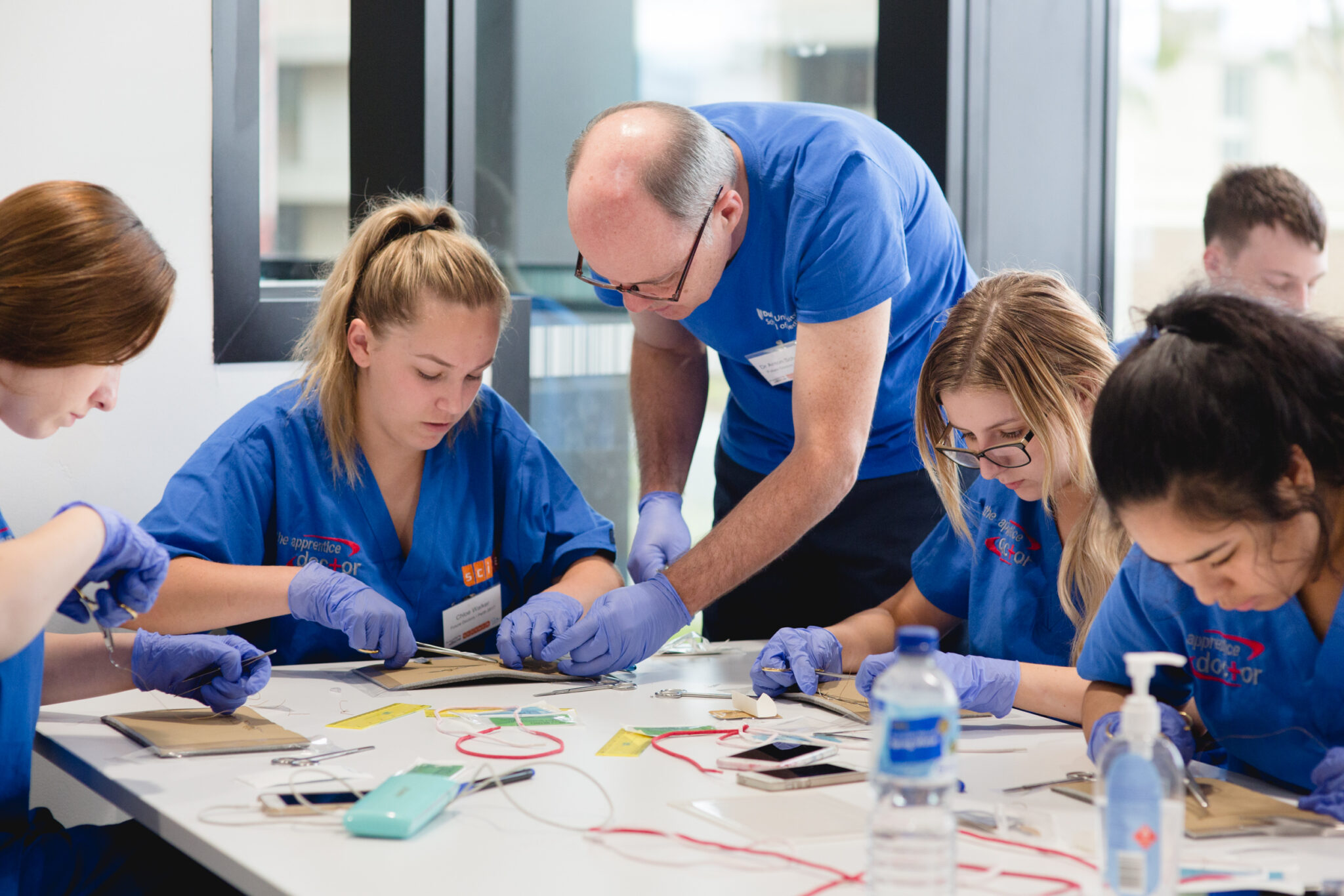
The Importance of Simulation Training in *Medicine

*The term “medicine” equally refers to “emergency medicine” and “surgery.”


1989: Reporting for duty!


As a Maxillofacial and Oral Surgery Registrar, I can remember as if yesterday the words of my senior registrar when I walked into the OR on my first day of training. Dr. Thomas Johnston said, “I am going to teach you surgery by SEE ONE – DO ONE – TEACH ONE”, and that is exactly what he did. The first week he operated and I assisted. The next week I operated and he guided me while assisting. Then, by the beginning of the next month, a new junior registrar entered the OR, which made me the senior registrar, and I explained to him how things are going to work: “I am going to teach you surgery by SEE ONE – DO ONE – TEACH ONE!”

This is, of course, the Apprentice Teaching Model, which has been used by barbers over the centuries, teaching their apprentice barbers the finer details of hairdressing, shaving, etc. This is also an indication of the roots of surgery – not in medicine – but in the barber industry during the European Middle Ages*.


*The “era of barber surgeons” generally refers to the period from the 12th to the 18th centuries in Europe, where barbers and surgeons were often the same individuals. They performed a range of tasks, from basic barbering (haircuts, shaves) to more complex medical procedures like bloodletting, wound treatment, and even tooth extraction. This combined role was common due to the lack of formalized medical training and the need for practical medical care, especially in less populated areas.


Starting a new venture in 2007


Let’s fast forward to 2007, and the educational scene for surgeons has changed dramatically!  It is also the year when The Apprentice Corporation was formally established.

Surgical training has now moved to primarily simulation training, instead of apprentice-style teaching. Yes, the surgical fraternity has learnt from the aviation industry. Pilots learn to fly and perfect their skills in a simulator. Only when they have perfected their skills and proved that they can handle a variety of emergencies will they be moved to the cockpit of an airplane, of course, under strict supervision and guidance by an experienced senior pilot.

Imagine getting into a large passenger plane and the pilot proudly announces, “Ladies and gentlemen, I have seen how to fly a plane a couple of times, and today I am going to fly this plane for the first time”. Surely, you will be looking for the closest exit door!


The rationale of simulation training

Memory

The three broad categories of human learning based on sensory perception are visual, auditory, and kinesthetic (or tactile/motor) learning. Most medical skills, including surgical skills, fall in the latter category: kinesthetic learning. One cannot learn these skills out of a handbook, and even virtual and augmented reality (while having a role to play) falls short of the goals of learning skills. Motor memory is something that musicians understand a lot better than most other people. Muscles, aided by the supplying motor nerves, will – through training – remember a sequence of functions, and eventually, it will become automated. The constant sensory feedback is of utmost importance.

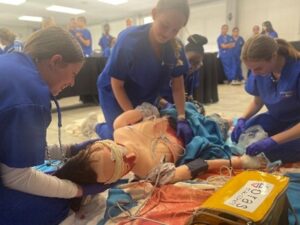
Learning in a simulation environment takes advantage of kinesthetic learning. It allows the student to reach a certain level of proficiency before being allowed into the clinical setting, like in the ER or OR. It also offers the mentor (I intentionally use the term “mentor” instead of “teacher”) the opportunity to objectively assess the level of proficiency in mastering a particular skill that the student has reached. This gives both the student and the mentor an indication of readiness to begin working on actual patients.


The opportunity to make as many mistakes as you wish!


The simulation environment has another significant advantage: it is super-forgiving! It allows the student to make any number of mistakes on a simulator rather than on an actual patient.

I did my first wound suturing on a patient many years ago, and that was not ideal. Firstly, I was super nervous, and I am sure my patient perceived this. So, I did my best – but it was a far cry from the level of excellence that I wanted to offer my patient. Students should practice their suturing techniques repeatedly, reaching a high level of proficiency, before working on animal or human patients.


Automated response and automated roles


If I wake you up at 3 am and ask you the question: “How do you stop a bleed in an emergency scene?” You should immediately answer: “pressure, packing, tourniquet!” and then sleep further.

Why do one need to learn a relatively straightforward sequence of actions like those used in Cardio-Pulmonary Resuscitation (CPR) and Stop the Bleed (STB) in a simulation setting?

These types of emergencies may be common to the emergency medicine practitioner (EMT/Paramedicine/Emergency Room Physician and Trauma Surgeon). Still, for most other medical and Healthcare Professionals, these types of medical emergencies may never present themselves, or only a few times over a lifetime. To be prepared and to do the right things in the correct sequence, one needs to have automated the response. This only happens by repetition and actual simulation of the emergency in a simulation environment.

In a team setting, each team member also needs to know their specific role and the procedures to follow, and the order in which they should be done. I like to remind my students: Leadership is not taking over – it is ensuring each role player knows what to do and when to do it (and that includes you as the team leader).


Types of medical simulation


There are essentially three types of medical simulation applications:

  • Simulation using a basic simulator
  • Simulation using an advanced (intelligent/AI-enhanced) simulator
  • Simulate the scene using volunteers
 
A Suturing practice simulation pad An advanced trauma simulator (manikin) Simulate a mass-casualty scene using volunteers


My own experience: Apprentice Doctor® Events


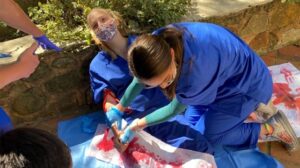
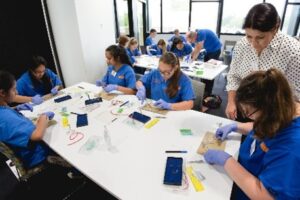
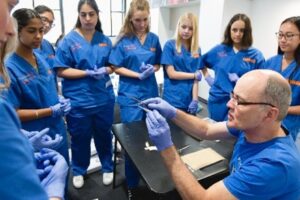
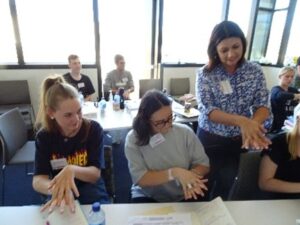
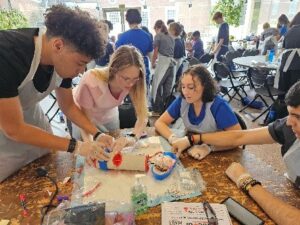
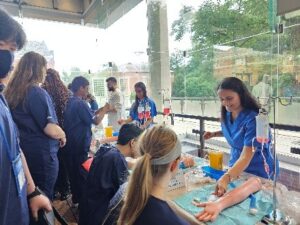
Since the establishment of the Apprentice Corporation in 2007, I have had the privilege of hosting dozens of Apprentice Doctor® Events all over the world. Whether in the US, Australia, South Africa, or Bulgaria, the experience has always been rewarding.

The sparkle in the eyes of a student when they hear their own heart sounds for the first time, or the brightening of their face when they master a complex suturing technique, are brain engram photos that will never be erased from my mind.

To see multitudes of attendees proclaim enthusiastically that they are now certain medicine is for them, or the occasional student who realizes the contrary to be true (I also find this a highly favorable outcome), has been an incredibly fulfilling journey. I am looking forward to see these programs replicated all over the world.

Dr. Anton Scheepers, The Apprentice Doctor®


Vision: The Apprentice Doctor® endeavors to be a positive influence in the lives of future medical professionals worldwide and to enthuse these aspiring medical professionals to reach their goals and dreams.

Mission: The Apprentice Doctor® aims to assist medical professionals globally, whether aspiring, in training, or practicing, with suitable medical and surgical simulation training resources and events.
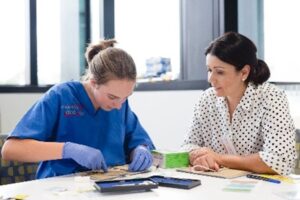
 

I really want to become a Doctor – Is there anything I can do straight away?

Check out the Foundation Medical Course on Apprentice Doctor Academy.

Also, explore the Future Doctors Kit on Apprentice Doctor Kits.



The Legal Side of Medicine: Introducing Healthcare Law to Aspiring Professionals

Laws shape healthcare in quiet but powerful ways. Every diagnosis, every prescription, and every conversation with a patient must follow specific rules. These rules protect patients, guide providers, and keep systems running safely. If you’re planning a career in medicine, legal awareness needs to start early.

You won’t need a law degree. But you will need clarity on how legal standards influence your daily work. Consent forms, patient records, and safety protocols all carry legal weight. Understanding them gives you more than protection. It gives you confidence and a sharper sense of responsibility from the very beginning.

Core Legal Concepts in Medicine

Before any healthcare provider sees a patient, they need more than medical knowledge. They need to understand the legal standards that guide clinical decisions. These laws are not abstract. They shape everyday actions, from how records are kept to how treatment is offered. For students beginning their training in medical school and planning a clinical career, these foundational legal concepts matter from day one.

  • Malpractice: Occurs when a provider’s actions fall below the accepted standard of care, resulting in harm. It can involve errors in diagnosis, treatment, or follow-up.
  • Informed Consent: Requires clear communication of risks, benefits, and alternatives before treatment. Patients must fully understand and voluntarily agree.
  • Confidentiality: Protects patient information. Healthcare workers must avoid disclosing any identifiable data without proper authorization.
  • Duty to Report: In some cases—such as abuse, certain diseases, or impaired colleagues—providers are legally required to report information, regardless of consent.
  • Scope of Practice: Each role in healthcare has defined boundaries. Practicing outside those boundaries, even unintentionally, can lead to legal penalties.

Federal vs. State Jurisdictions in Healthcare Law

Federal laws establish broad protections that apply across all states. They govern areas like patient privacy through HIPAA, access to emergency care through EMTALA, and protections against discrimination. These laws create a baseline that all providers must follow, regardless of location.

State laws fill in the details. They define licensing requirements, determine how much supervision is needed, and set rules around mandatory reporting. What is permitted in one state may require extra authorization in another. These differences shape daily tasks, influence clinical judgment, and affect provider independence.

Failing to account for these legal differences can lead to serious consequences. Acting outside your licensed scope, missing a required report, or misunderstanding a state-specific rule may result in fines, investigations, or loss of license.

Pharmacy law illustrates this well. Federal rules govern controlled substances and drug schedules, but each state enforces its own standards for prescribing, refilling, and recordkeeping. Future pharmacists must consider federal and state regulations closely when preparing for exams like the MPJE. These variations make it clear that all healthcare professionals need to understand the specific laws that apply wherever they practice.

Common Legal Challenges in Clinical Practice

From medical doctors to registered nurses, healthcare professionals face situations where the right decision is not always obvious. Real-world practice brings pressure, unpredictability, and complex judgment calls. Knowing the law is only part of the equation. Recognizing when and how to apply it is equally important.

One common challenge is managing adverse events. When a mistake happens, providers must act quickly and transparently. That includes documenting what occurred, informing supervisors, and in many cases, disclosing the error to the patient. Failing to report or attempting to conceal the issue can worsen outcomes and increase liability.

Mandatory reporting adds another layer of responsibility. Many professionals are legally required to report signs of abuse, certain infectious diseases, or impaired colleagues. These decisions can be difficult, especially when relationships or reputations are involved. But the legal obligation is clear.

These situations test more than clinical skill. They test judgment, ethics, and emotional resilience. The best preparation combines legal understanding with clear procedures and ongoing support from colleagues and supervisors.

Legal Protections for Providers

While healthcare professionals face many legal responsibilities, they are also protected by specific laws and safeguards designed to support ethical practice and reduce fear of liability. Understanding these protections can help providers feel more secure and confident in their roles.

One key safeguard is malpractice insurance. This coverage helps defend providers if they are accused of negligence. It can cover legal fees, settlements, or court judgments. Most employers carry policies for their staff, but individual providers should still understand what is and isn’t included.

Good Samaritan laws offer another layer of protection. These laws apply in emergencies outside the workplace. They shield providers from liability when offering aid in good faith, as long as their actions are within reason and the limits of their training.

Public health emergencies may bring temporary legal exemptions. During events like pandemics or natural disasters, providers are sometimes allowed to work across state lines or take on roles beyond their usual scope. However, these exceptions are limited and temporary, so professionals must stay updated on the rules that apply in each situation.

Preparing for a Legally Informed Career in Medicine

Legal education should begin long before a provider enters clinical practice. While most healthcare training focuses on science and patient care, building a solid understanding of healthcare law early in medical school strengthens both safety and decision-making.

Students can start by enrolling in electives that cover topics like bioethics, health law, or patient rights. These courses provide context for the legal situations they’ll face in practice. Participating in simulations or workshops that involve consent, documentation, or adverse events can also help students apply legal thinking in clinical scenarios.

Shadowing compliance officers or joining hospital policy committees offers real-world insight into how healthcare institutions manage risk. These experiences show how law and policy affect everything from treatment protocols to patient communication.

The more familiar students become with legal standards during training, the better prepared they’ll be when they begin treating patients. Legal awareness is not separate from clinical skill.

Wrapping Up

Every aspiring healthcare professional enters the field to help others. But good intentions alone are not enough. Safe, ethical, and effective care depends on understanding the legal standards that shape clinical decisions. From consent forms to reporting duties, the law is present in every patient interaction.

Learning these rules early, during medical school and clinical training, helps build habits that last. It sharpens judgment, reduces risk, and empowers providers to act with both confidence and integrity.

I really want to become a Doctor – Is there anything I can do straight away?

Check out the Medical Terminology: Decoding the Language of Healthcare on Apprentice Doctor Academy.


10 Questions to Consider Before Applying to a Graduate Healthcare Program

Deciding to pursue a graduate degree in healthcare is a major step that requires careful thought. It’s not just about the time and money you’ll invest—it’s about choosing a career path that will define how you help people for years to come. Asking yourself these key questions can help you pick a program that fits your goals and lifestyle while avoiding potential missteps.

1. What Role Do I Want in Healthcare?

Healthcare offers a wide range of careers, each with its own focus. A nurse practitioner might spend their days working directly with patients, building relationships over time, while a healthcare administrator focuses on managing systems and staff. A medical doctor diagnoses and treats complex conditions, whereas a public health professional might analyze data to improve community health. To figure out what suits you, try shadowing professionals, volunteering in healthcare settings, or talking to recent grads about their daily work. This will help you confirm whether a role truly excites you or just sounds good on paper.

2. Am I Ready for the Academic and Time Demands?

Graduate healthcare programs are intense. Whether it’s a physician assistant program, nursing specialization, or medical school, expect full-time study, clinical rotations, and tough coursework. These programs are designed to prepare you for high-stakes responsibilities, so they’re not forgiving if you’re unprepared. Reflect on your study habits—can you juggle demanding classes and long hours? If you’re unsure, consider taking a tough science course to gauge your readiness. The jump from undergrad to grad school in healthcare is a big one.

3. How Will I Pay for It?

These programs aren’t cheap, and costs go beyond tuition. You’ll need to cover books, equipment, exam fees, and living expenses, often while working little or not at all due to the program’s intensity. Look into federal aid, scholarships, or employer tuition programs. Some healthcare organizations offer loan forgiveness if you commit to working for them after graduation. Check starting salaries for your chosen field to make sure the debt you take on is manageable.

4. Do I Meet the Program’s Requirements?

Every program has specific prerequisites, like certain courses, a minimum GPA, or test scores. Some also require healthcare experience or volunteer hours. Missing even one can push your application back a year. Make a checklist of requirements—prerequisite classes, entrance exams, recommendation letters, and personal statements. Start early to address any gaps, like retaking a course or gaining clinical experience.

Photo by Nappy on Unsplash

5. Does the Program Fit My Learning Style and Goals?

Not all programs teach the same way. Some focus on research, others on hands-on clinical work. Online options offer flexibility but might limit networking, while campus programs build stronger connections but may require you to relocate. Look at class sizes, clinical placement options, and specialization tracks. Check the program’s licensing exam pass rates and job placement stats. Talking to current students can give you a feel for the program’s vibe and whether it suits you.

6. Where Do I Want to Work After Graduation?

Where you study can impact where you practice. Licensing rules differ by state, and some programs tailor their training to local regulations. Rural areas have different healthcare needs than cities, and job markets vary too—hospitals employ 31% of healthcare workers, while physician offices cover 17%. Think about where you want to live, considering factors like cost of living or family ties. Choosing a program with strong local connections can boost your job prospects.

7. What Specialties Interest Me?

Many healthcare fields let you specialize, which can require extra training. For example, a nurse practitioner might focus on family care or mental health, while a physician assistant could work in surgery or emergency medicine. Explore specialties early to find programs that offer relevant tracks or prepare you for your chosen path. Knowing your interests helps you avoid programs that are too general or too niche for your goals.

8. How Much Work-Life Balance Do I Need?

Healthcare jobs vary in their demands. Emergency medicine often means unpredictable hours and high stress, while outpatient roles might offer regular schedules. Think about your priorities—do you want a steady routine, or are you okay with nights and weekends? Your preferences will guide you toward a career and practice setting that fits your life.

9. What Support Do I Have?

Graduate school is tough, both mentally and emotionally. You’ll need a solid support system to get through long study sessions, clinical challenges, and stressful moments. Consider your financial stability, family support, or access to childcare if needed. Clinical rotations can be emotionally heavy, so having mentors, counselors, or peers to lean on is crucial.

10. Am I Truly Committed to Helping Others?

Healthcare is about serving people, often in their toughest moments. It demands compassion, resilience, and the ability to handle tough situations.

Reflect on why you’re drawn to this field. Are you ready to manage stress, deliver hard news, or work with difficult patients? Volunteering in healthcare can help you test your commitment. A genuine passion for helping others will carry you through the challenges of training and beyond.

Taking the time to answer these questions honestly will help you choose a program that sets you up for a fulfilling career. Healthcare is a big commitment, but for those ready to make a difference, it’s incredibly rewarding.

I really want to become a Doctor – Is there anything I can do straight away?

Check out the Foundation Medical Course on Apprentice Doctor Academy.

Also, explore the Future Doctors Kit on Apprentice Doctor Kits.



Locum Tenens and Telemedicine: Flexible Career Options for Modern Doctors

The traditional medical career path is changing rapidly. After spending 15 years as an emergency medicine physician in Boston, Dr. Sarah Jeffries knew she needed a change. “I was burning out fast,” she admits. “The 12-hour shifts and constant pressure were taking a toll on my health and family life.” Her solution came from an unexpected conversation with a colleague who had embraced locum tenens work.

Today’s physicians increasingly reject the notion that success means a single practice for decades. Instead, doctors like Jeffries are crafting careers that adapt to their changing priorities, whether that’s raising children, pursuing research, or simply preventing burnout in a high-stress profession.

What Is Locum Tenens and Why Do Physicians Choose It?

Locum tenens—Latin for “placeholder”—offers physicians the opportunity to work temporary assignments ranging from weekend coverage to months-long positions. These roles fill critical staffing gaps for healthcare facilities while giving doctors unprecedented control over their schedules.

“My first locum assignment was covering a two-week vacation for a rural clinic doctor in Maine,” says Dr. Michael Chen, a family practitioner who transitioned to full-time locum work three years ago. “I was hooked immediately. The paperwork was minimal, the patients were grateful, and I made more in those two weeks than I would have in a month at my previous practice.”

The financial benefits can be substantial. Locum physicians typically earn 30-50% more than their permanent counterparts, with agencies often covering malpractice insurance, travel expenses, and housing. This arrangement allows doctors to work intensively for periods, then take extended breaks—something rarely possible in traditional settings.

But challenges exist. Dr. James Wilson, who alternates between locum assignments and medical volunteer work abroad, notes the professional isolation that can occur. “You’re always the new doctor, which means building relationships from scratch each time. It takes a certain personality to thrive without a consistent team.”

Telemedicine: Medicine’s Digital Frontier

While Dr. Wilson was adapting to life as a locum physician, Dr. Elena Rodriguez was pioneering another flexible approach—building a telemedicine practice specializing in dermatology.

“I started seeing virtual patients one day a week while maintaining my brick-and-mortar practice,” Rodriguez explains. “Within six months, my telemedicine patient load had grown enough that I could reduce my in-office days to three weekly. My commute went from 45 minutes each way to the fifteen steps to my home office.”

The COVID-19 pandemic transformed telemedicine from a convenient option to an essential service almost overnight. For many specialists, remote consultation proved surprisingly effective for conditions ranging from mental health to post-surgical follow-ups. Chronic disease management, in particular, has benefited from the consistent touchpoints telemedicine enables.

Psychiatrist Dr. Robert Thomas found that his therapy patients actually preferred virtual sessions. “The comfort of their own environment seems to encourage openness,” he observes. “And for patients with anxiety disorders, eliminating the stress of traveling to appointments removed a significant barrier to care.”

The technology learning curve can be steep, especially for mid-career physicians. Dr. Margaret Walsh, an internist with 22 years of experience, initially resisted telemedicine. “I was convinced I couldn’t properly evaluate patients without a physical exam,” she recalls. “But necessity forced me to adapt during the pandemic, and I’ve been surprised by how much can be accomplished virtually. The key was finding the right balance—knowing when a patient needs to be seen in person versus when a video visit will suffice.”

Creating a Hybrid Career: Combining Approaches

Increasingly, physicians are blending these approaches. Dr. Kevin Patel works three months annually as a locum hospitalist in Alaska, provides telemedicine consultations three days weekly from his Arizona home, and spends the remainder of his time conducting clinical research.

“This combination gives me everything I want,” Patel says. “The intense, hands-on hospital work keeps my clinical skills sharp. Telemedicine lets me maintain patient relationships without geographic limitations. And my research satisfies my academic interests while advancing my specialty.”

This career mashup isn’t without complications. Multi-state licensing remains cumbersome despite recent interstate compacts designed to streamline the process. Technology failures can disrupt telemedicine sessions, particularly in rural areas where physicians are most needed. And the irregular income patterns of locum work require disciplined financial planning.

Making Flexible Medicine Work: Practical Advice

Physicians who’ve successfully navigated these waters offer consistent advice for colleagues considering the transition:

Dr. Lisa Huang, who coordinates rural telemedicine outreach while taking quarterly locum assignments, emphasizes relationship-building. “I maintain contact with three reliable recruiting agencies rather than jumping at every offer. They know my preferences and schedule, which means less time sorting through mismatched opportunities.”

For telemedicine practitioners, technical preparation proves essential. “Invest in reliable internet with a backup option, quality audio equipment, and good lighting,” advises Dr. Thomas. “Patients quickly lose confidence if they can’t see or hear you clearly.”

Financial planner Jessica Martinez, who specializes in physician finances, recommends creating a six-month expense cushion before transitioning to variable income models. “Locum work can be seasonal, with more opportunities during summer vacation periods and fewer around holidays. Planning for these fluctuations prevents panic decisions.”

Many successful physicians maintain credentials at a “home base” facility, working minimal shifts to preserve benefits while pursuing external opportunities. This approach provides security during transitions and keeps doors open for future changes.

The Future of Flexible Medicine

As healthcare systems struggle with physician shortages and burnout, administrative attitudes toward flexible work arrangements are evolving. Dr. William Foster, chief medical officer at Regional Health Network, has embraced hybrid staffing models. “We’ve found that physicians who work locum assignments or split time with telemedicine actually bring fresh perspectives and renewed energy to our permanent team.”

Medical schools are beginning to acknowledge these career paths, too. Dr. Jennifer Adams, who directs physician career development at Eastern Medical University, notes increasing student interest in non-traditional trajectories. “We’re incorporating telemedicine training and locum tenens education into our career counselling. Today’s medical students expect optionality in their careers.”

For physicians seeking to break free from conventional practice without abandoning medicine altogether, locum tenens and telemedicine represent viable paths forward. As Dr. Jeffries reflects on her career transformation: “Medicine is still my calling, but now it’s on my terms. That makes all the difference in the world.”

I really want to become a Doctor – Is there anything I can do straight away?

Check out the Human Behavior in Medicine: Foundations for Future Physicians on Apprentice Doctor Academy.


Preparing for Your Phlebotomy Exam with Practice Tests

Stepping into the world of phlebotomy means more than just mastering techniques. It’s about staying calm, sharp, and ready under pressure. Your certification exam is the gateway to a fulfilling career, and the key to unlocking that door lies in the preparation. Whether you’re someone who thrives on routine or feels a rush of nerves thinking about tests, the journey ahead requires focus, smart strategies, and practice.

Understanding the Phlebotomy Exam Structure

Phlebotomy certification exams are divided into two main parts: a written exam and a practical exam.

The written section for the exam to become a certified phlebotomist covers theoretical knowledge, with questions focusing on venipuncture techniques, human anatomy, infection control, and lab safety protocols. This ensures that candidates have a thorough understanding of how to perform their roles safely and effectively.

On the practical side, you’ll be tested on your ability to perform venipuncture, handle blood samples, and maintain professional interactions with patients.

Certification bodies like the National Healthcareer Association (NHA) and the American Society for Clinical Pathology (ASCP) may have slight variations in exam content, but both focus on ensuring you’re fully prepared to work in a clinical environment.

The Role of Practice Tests in Your Preparation

Practice tests are a powerful tool for getting comfortable with the format and content of the phlebotomy exam. By simulating the actual exam environment, they give you a clearer understanding of what to expect, helping you to better manage your time and reduce stress. Practice tests also allow you to pinpoint specific areas that may need more focus, such as anatomy, lab safety, or venipuncture techniques.

Including practice tests in your study routine helps you reinforce knowledge while tracking your progress. As you review your results, you can adjust your study plan to target weaker areas, ensuring a more well-rounded preparation. To access useful resources for preparation, you can visit PhlebotomyPracticeTest.net, where a variety of exams are available to help you refine your skills.

Another advantage of practice tests is that they train you to work within time constraints, a common challenge during exams. Being able to complete questions within the allocated time frame is crucial, and practice tests can help you build this pacing skill. Over time, you’ll notice an improvement in your response accuracy and speed, boosting your confidence as you approach the actual exam.

Focus on Practical Aspects

The practical portion of the phlebotomy exam is where your hands-on skills truly matter. Being proficient in venipuncture and patient interaction is crucial for this section. Practicing with mannequins or using simulation kits can help you refine your technique, from inserting needles smoothly to handling blood samples correctly. These experiences build confidence and ensure you’re prepared for real-world scenarios.

In addition to mastering venipuncture, focus on maintaining sterility and following safety protocols. Proper technique is essential, but understanding the patient’s needs, communicating effectively, and adhering to infection control measures will also be evaluated. Regular practice and feedback from instructors or peers can help you develop the precision needed to pass the practical exam with ease.

Review and Reinforce Key Concepts

In the final stages of your preparation, it’s essential to revisit the key theoretical concepts that underpin your practical skills. Reviewing areas like blood anatomy, specimen handling, and safety protocols will ensure that your foundational knowledge is solid. Using flashcards or summarizing notes is a great way to reinforce these key points, making them easier to recall during the exam.

Group study sessions or peer discussions can also be highly beneficial. Engaging with others in a learning environment allows you to test your knowledge, clarify doubts, and gain new insights. Reinforcing these concepts will give you a well-rounded understanding and help you approach your phlebotomy exam with greater confidence.

Staying Calm Under Exam Pressure

Managing stress is just as important as mastering the material for your phlebotomy exam. Many candidates struggle with test anxiety, especially during the practical portion. Practicing mindfulness techniques, such as deep breathing or progressive muscle relaxation, can help you stay calm and focused under pressure. Visualizing success and approaching the exam with a positive mindset can also reduce nervousness.

Simulating real exam conditions by timing yourself during practice tests will help you become comfortable with the pacing and time constraints. Break large tasks into smaller steps, and remind yourself that thorough preparation will help you confidently handle any challenges on exam day. Staying calm and collected is key to performing your best during both the written and practical sections of the exam.

Wrapping Up

Success in your phlebotomy exam lies in thorough preparation and consistent practice. By using practice tests, refining your practical skills, and reinforcing key theoretical concepts, you build both knowledge and confidence. Staying calm and focused during the exam is just as important as studying, and mastering stress management techniques can help you perform at your best.

Approach your exam with a clear plan and trust in your preparation. With the right mindset, you’ll be well-equipped to pass the certification and take the next step in your phlebotomy career.

I really want to become a Doctor – Is there anything I can do straight away?

Check out the Venipuncture & Phlebotomy Course on Apprentice Doctor Academy.

Also, explore the Venipuncture & IV Phlebotomy Practice Kit on Apprentice Doctor Kits.


The Essential Role of Clinical Social Workers in Modern Medicine: What Aspiring Medical Professionals Need to Know

As medicine advances, so does the need for a multidisciplinary approach to patient care, making the collaboration between clinical social workers and other medical professionals essential. Aspiring medical professionals must understand that clinical social workers play a crucial role in this collaborative environment.

For aspiring doctors, understanding how to work seamlessly with clinical social workers can significantly improve patient outcomes and enhance the care experience.

In this article, we will explore how doctors and social workers collaborate in healthcare settings and the importance of this partnership.

Understanding the Collaborative Environment

While physicians focus on diagnosing and treating medical conditions, clinical social workers address the psychosocial factors that affect patient well-being. It might include mental health issues, family dynamics, financial problems, or community resources that can either hinder or support recovery.

Thus, clinical social workers undergo extensive training and education to develop the skills required for such a multifaceted role. The training typically involves earning a Master of Social Work (MSW) degree, which includes coursework in areas like mental health counseling, community resources, and family dynamics, as well as hands-on clinical experience through supervised internships.

Once they have completed their academic requirements, aspiring clinical social workers must follow the state licensing process to practice professionally. This process varies by state but generally includes passing a licensing exam, completing supervised clinical hours, and maintaining continuing education.

Certification ensures that clinical social workers can handle the complex emotional, social, and ethical challenges in healthcare settings, enabling them to collaborate effectively with physicians and other healthcare professionals.

This collaboration entails the following:

Interdisciplinary Communication

Effective communication between doctors and clinical social workers is vital. Medical professionals often rely on social workers to provide insights into the emotional and social state.

For example, if a patient is not adhering to prescribed medication, the reason may not be medical. It could stem from financial limitations, a lack of understanding of the prescription, or even psychological resistance to treatment. In such cases, clinical social workers can provide valuable context that helps the doctor adjust the treatment plan.

Doctors can also benefit from the ability of a social worker to coordinate with outside agencies. Whether securing long-term care for a patient after discharge or connecting them with mental health services, social workers are the liaisons who ensure that patients continue to receive support once they leave the healthcare facility. Hence, aspiring doctors should expect to interact with clinical social workers regularly, particularly in complex, ongoing care.

Navigating Ethical Challenges Together

Another interaction between doctors and social workers revolves around ethical dilemmas. Clinical social workers learn how to advocate for a patient’s overall well-being, which sometimes means navigating complex ethical scenarios that may not be solely medical. For instance, a social worker might be concerned about the mental competency to make informed medical decisions, a situation where their expertise is invaluable to the treating physician.

Social workers and doctors can approach these ethical challenges from medical and psychosocial perspectives, whether in end-of-life care, mental health interventions, or addressing potential abuse cases.

Facilitating Patient-Centered Care

The primary goal of both doctors and social workers is to ensure that patient care is holistic and centered around the needs and circumstances. Clinical social workers contribute to this by conducting assessments beyond medical history. They examine environmental factors, family situations, and emotional well-being to create a comprehensive picture of what support the patient might need.

Therefore, aspiring medical professionals must understand that patient-centered care is not limited to what happens inside the clinic or hospital. Home life, social networks, and access to community resources can influence recovery and overall health.

Hence, social workers often take the lead in addressing these aspects, coordinating services that might include counseling, support groups, and financial assistance. Working closely with social workers allows doctors to ensure patients receive the most appropriate, well-rounded care possible.

Bridging Gaps in Patient Education

Doctors often have limited time during consultations, making patient education challenging. Thus, clinical social workers can assist when patients need more detailed guidance or support to understand their diagnosis, treatment options, or long-term care plans. They are skilled in providing education in an accessible and culturally sensitive way, ensuring that patients fully comprehend the medical advice given.

For future doctors, working with social workers can be a way to ensure that patients leave consultations with prescriptions or recommendations and a clear understanding of what steps they need to take next. It is especially critical for patients with chronic illnesses or complex medical conditions that require ongoing self-management.

Supporting Mental Health and Emotional Well-Being

Integrating mental health services into general medical practice has gained prominence in recent years, and clinical social workers have been at the forefront of this movement. Many patients who seek medical care are dealing with underlying psychological or emotional issues, which can complicate their treatment. Clinical social workers offer critical support by identifying these issues and helping to integrate mental health care into the overall treatment plan.

As an aspiring medical professional, recognizing the mental health component of patient care and collaborating with social workers to address it is increasingly important. Whether the issue is depression, anxiety, or coping with a chronic illness, social workers provide the psychological support that patients need to adhere to their medical treatment plans.

Conclusion

Clinical social workers play an indispensable role in modern medicine. They support patients and enhance the care medical professionals provide by addressing the psychosocial aspects of health. Therefore, aspiring medical professionals should learn how to interact and collaborate with social workers for better patient outcomes and a more holistic approach to healthcare.

One practical step for aspiring medical professionals is to engage with social workers early in the training, whether through case studies or clinical rotations. Observe how they interact with patients, assess needs, and coordinate care.

In addition, learn about the resources they commonly use, such as community support services and mental health networks, to know how to integrate their expertise into your future practice.

I really want to become a Doctor – Is there anything I can do straight away?

Check out the Human Behavior in Medicine: Foundations for Future Physicians on Apprentice Doctor Academy.


The Day Superbugs Changed My Practice: A Surgeon’s Story

In my thirty years as a surgeon, I’ve faced countless challenges in the operating room. But nothing could have prepared me for the day I arrived at the hospital to find my operating theatre cordoned off, a stark “DO NOT ENTER” sign plastered across the door. A superbug had been detected, and in that moment, I realized that the greatest threat to my patients might be invisible to the naked eye.

I’m Dr. Anton, and this is the day that changed the course of my medical career.

As I stood there, staring at the sealed doors, my mind raced. The patient I was supposed to operate on that morning, Mrs. Johnson, had already been prepped. Her family was waiting anxiously in the lobby. How could I tell them that a microscopic organism had thrown our carefully laid plans into disarray?

That day was a wake-up call, not just for me but for our entire hospital. As we scrambled to reschedule surgeries and implement emergency protocols, I couldn’t shake the feeling that we were outgunned in a war we barely understood.

In the weeks that followed, I found myself burning the midnight oil, poring over the latest research on antibiotic resistance. The more I read, the more I realized how precarious our position was. These superbugs weren’t just resistant to one or two antibiotics – they were outsmarting nearly everything in our medical arsenal.

One night, as I was reading a particularly alarming study, my daughter found me in my study. “Dad, you look worried,” she said. I tried to explain it in terms she might understand.

“Imagine if the soap we use to clean our hands stopped working,” I told her. “That’s kind of what’s happening with these superbugs. Our best medicines aren’t working anymore.”

Her eyes widened, and I saw a flicker of the same fear I’d been grappling with. But then she asked a question that stuck with me: “So what are you going to do about it?”

That simple question became my driving force. I realized that as daunting as the superbug threat was, we couldn’t afford to be paralyzed by fear. We had to act.

I became an active member of our hospital’s Infection Control Committee. We overhauled our hospital’s antibiotic protocols and instituted an antibiotic stewardship program. We no longer prescribed broad-spectrum antibiotics as a precaution—we needed to be smarter and more targeted in our approach. I worked with our pathology lab’s microbiology department to speed up bacterial identification, allowing us to prescribe the most effective antibiotics more quickly.

But it wasn’t just about antibiotics. Much to my family’s amusement, I became almost obsessive about hand hygiene. “Dad’s on a hand-washing crusade,” my son would joke. But I knew that something as simple as proper handwashing could be our first line of defense against these superbugs.

As I delved deeper into the research, I came across studies on bacterial spores that fascinated and terrified me in equal measure. These spores were like armored tanks, able to withstand even alcohol-based sanitizers. The idea that bacteria could potentially develop resistance to our most basic cleaning tools was a sobering thought.

I shared these findings with my colleagues, and soon, we were implementing new cleaning protocols, using sporicidal disinfectants in high-risk areas. It felt like a never-ending game of catch-up, but it was one we couldn’t afford to lose.

My work began to extend beyond the hospital walls. I started giving talks at local medical schools, trying to instill in the next generation of doctors the importance of judicious antibiotic use. I collaborated with researchers, offering the perspective of a frontline surgeon in the fight against superbugs.

Of course, there were setbacks. Patients came in with infections that seemed to resist everything we threw at them. Each case was a harsh reminder of what we were up against. But there were victories, too—new protocols that showed promise, patients who recovered against the odds.

Looking back now, years after that fateful day when I found my operating theatre sealed off, I realize that encounter with a superbug was both an ending and a beginning. It was the end of my complacency, the end of believing that medical progress would always move in one direction. But it was also the beginning of a new chapter in my career, one defined by vigilance, continuous learning, and a deep respect for the microbial world.

Today, when I walk through the hospital corridors, I see the changes everywhere: new isolation rooms, advanced rapid testing facilities, and ongoing staff training on infection control. Each of these is a battle line drawn in our ongoing war against superbugs.

As for Mrs. Johnson, the patient I was supposed to operate on that day? We eventually did her surgery weeks later, in a newly sanitized theatre, with protocols that would have seemed over-the-top just months before. When I saw her for her final post-op check, fully recovered, it was a powerful reminder of why we do what we do.

The fight against superbugs is far from over. If anything, it’s only becoming more complex. But I’ve learned that in medicine, as in life, the most daunting challenges often bring out the best in us. They force us to innovate, collaborate, and remember why we took the Hippocratic oath in the first place.

So here I stand, older and perhaps a bit wiser, still scrubbing in each day to face whatever challenges await in the operating room. The superbugs are still out there, evolving and adapting. But so are we. And I, for one, am not backing down from this fight.

I really want to become a Doctor – Is there anything I can do straight away?

Check out the Sterility and Aseptic Techniques Course on Apprentice Doctor Academy.

Also, explore the Scrub for Surgery Kit on Apprentice Doctor Kits.

What Is Holistic Health? Overview and Career Outcomes

Imagine a life where wellness is more than just the absence of illness, where every aspect of your lifestyle promotes health. That is the essence of holistic health, a philosophy that has evolved to include various practices like nutrition, mindfulness, and alternative therapies.

Therefore, this article explores the core principles of holistic health. We also examine various holistic health practices and therapies and the exciting career opportunities in this growing field.


Understanding Holistic Health: What is It?

Holistic health practices have ancient roots, with origins tracing back to traditional systems of medicine practiced by various cultures worldwide.

In the modern era, establishing the American Holistic Medical Association (AHMA) was pivotal. It helped legitimize holistic health within the medical community and provided a platform for practitioners to collaborate and share knowledge. The growing body of research on mind-body medicine, including studies to learn holistic health practices like meditation, yoga, and acupuncture, further solidified the scientific basis for holistic practices.

Today, holistic health continues to evolve, with an increasing number of medical schools offering courses in integrative medicine and a growing acceptance of alternative therapies in conventional healthcare settings.


The following are the key components of holistic health:

Physical Health

Maintaining the body through proper nutrition, exercise, and rest is important for holistic health. A balanced diet rich in whole foods, such as fruits, vegetables, whole grains, and lean proteins, provides essential nutrients that support bodily functions and prevent disease.

In addition, regular physical activity, tailored to an individual’s needs and abilities, enhances cardiovascular health, strengthens muscles, and improves overall fitness.

Another aspect of this component is adequate rest and sleep for the body’s repair and regeneration processes, ensuring optimal functioning and resilience. Holistic physical health also considers preventative measures, such as regular check-ups and screenings, to detect and address potential health issues early.

Mental and Emotional Health

Mental and emotional health is integral to holistic well-being, recognizing the profound impact of thoughts, emotions, and mental states on overall health. Emotional health involves understanding and processing emotions in healthy ways that counseling or therapy often facilitates. Cultivating positive relationships and a supportive social network also helps emotional well-being.

Holistic health encourages practices that foster self-awareness, emotional resilience, and mental balance, acknowledging that a healthy mind significantly contributes to a healthy body. Thus, effective stress management techniques, such as mindfulness, meditation, and deep-breathing exercises, help reduce stress and promote mental clarity.

Spiritual Health

Spiritual health focuses on finding purpose, meaning, and connection, transcending religious boundaries to encompass a broad range of spiritual practices and beliefs.

This component involves connecting with oneself and the universe through meditation, prayer, yoga, and tai chi, among other practices. In addition, engaging in activities that nurture the soul, such as spending time in nature, practicing gratitude, and participating in community service, enhances spiritual well-being.

These three components—physical, spiritual, mental, and emotional health—interact synergistically to create a comprehensive approach to well-being, emphasizing the interconnectedness of all aspects of health.


Career Outcomes in Holistic Health

The holistic health field offers diverse practices and specializations, allowing you to tailor your career to your interests and strengths. Additionally, the growing acceptance of holistic approaches in mainstream healthcare opens up various opportunities for collaboration and innovation. You may consider the following career outcomes:

Holistic Health Practitioner

As a holistic health practitioner, you can play a pivotal role in guiding individuals toward achieving overall well-being through a comprehensive approach. This career involves assessing clients’ physical, emotional, and spiritual health to create personalized wellness plans.

You might incorporate various modalities such as nutrition counseling, stress management techniques, and alternative therapies like acupuncture or Reiki. Educational requirements may include a degree in holistic health or a related field and certifications from accredited programs.

The job prospects for holistic health practitioners are promising, with increasing demand for integrative and personalized healthcare approaches. In addition, career growth can lead to opportunities in private practice, wellness centers, or even consulting roles for corporate wellness programs.

Nutritionist and Dietitian

A career as a holistic nutritionist or dietitian focuses on the profound impact of diet on overall health. Unlike conventional nutrition careers, holistic nutritionists emphasize the connection between food and emotional, mental, and physical well-being. You’ll work with clients to develop customized nutrition plans that promote optimal health, prevent disease, and address specific health concerns.

Certification and licensure requirements vary by region but typically involve completing a degree in nutrition and passing relevant exams. As awareness of the role of diet in health grows, holistic nutritionists are finding opportunities in private practice, healthcare facilities, schools, and corporate wellness programs.

Massage Therapist

A career as a holistic massage therapist involves mastering various massage techniques, such as Swedish, deep tissue, and aromatherapy, to address clients’ physical and emotional needs. Training programs for massage therapy cover anatomy, physiology, and hands-on practice, culminating in certification and licensure. The demand for massage therapists is steadily increasing, with opportunities in spas, wellness centers, sports clinics, and private practice.

Acupuncturist and Herbalist

As an acupuncturist and herbalist, you can delve into the ancient practices of Traditional Chinese Medicine (TCM) to promote holistic healing. This career involves using techniques like acupuncture, which involves inserting fine needles into specific points on the body to balance energy flow and prescribing herbal remedies tailored to individual needs. Educational pathways typically include earning a degree in acupuncture and Oriental medicine and obtaining licensure.

Acupuncturists and herbalists can work in private practices, integrative health clinics, and hospitals or conduct research in traditional and alternative medicine. This career path offers the opportunity to blend ancient wisdom with modern healthcare practices, providing holistic solutions to various health issues.

Conclusion

A career in holistic health is increasingly relevant in this health-conscious world. It offers the unique opportunity to approach health and wellness comprehensively, addressing the mind, body, and spirit.

The diversity within the field allows for specialization in areas that resonate with your passions, whether you want to focus on nutrition, massage therapy, acupuncture, or other holistic practices.

You can work in various settings, from private practice and wellness centers to hospitals and corporate wellness programs. In addition, the increasing demand for preventive and personalized healthcare solutions ensures a promising job outlook and career growth.

I really want to become a Doctor – Is there anything I can do straight away?

Check out the Medical Terminology: Decoding the Language of Healthcare on Apprentice Doctor Academy.


So, You Want to Become a Max Fax?

Before continuing, please note that this article contains very graphic images


Oral and Maxillofacial Surgery is a unique specialty that brings together medicine and dentistry. Its uniqueness in combining these fields makes it one of the most competitive and rewarding specialties that exist.

The extensive range of services provided by Oral and Maxillofacial Surgeons, as well as the drastic changes in the form and function of patients, makes it a very worthwhile career.

The length of training to become an OMFS varies from 10 to 14 years (including dental and medical schools), depending on the degrees awarded and the subspecialty training.

Like any other surgical residency, training in Oral and Maxillofacial Surgery is demanding. Night shifts and being on call at any hour of the day are major challenges.

A hierarchical structure is a crucial part of surgical training:

Level 1: Medical Student

Level 2: Intern

Level 3: Resident

Level 4: Fellow (optional)

Level 5: Attending Physician

This hierarchical structure brings another challenge to the residency. People who cannot handle negative feedback and a stressful environment might feel discouraged initially. So, candidates who enter the residency must bear in mind that the training is tough.

The hierarchical structure of training is not new in medicine. Medical education has historically been characterized by a master-apprentice relationship. Sir William Osler was the one who developed the idea of residency (specialty training) and the pyramidal structure it encompasses in the early 20th century at Johns Hopkins Hospital.

Also, for Oral and Maxillofacial Surgery, this system survives today in most teaching hospitals. As a junior resident, you are exposed to oral surgery, which includes teeth extractions and simple trauma cases. Being in charge of dental students and interns is also a duty of junior residents. Senior residents handle most of the complex tasks such as orthognathic surgery and major trauma cases. The seniors and so-called “attendings” are responsible for the clinical competence of juniors. Your responsibilities grow as you gain experience and earn seniority.

Being an operator in the operating room is the most satisfying thing you can imagine. Generally, during surgery, you can enter the psychological state called “flow”, in which a person performing some activity is fully immersed in a feeling of energized focus, full involvement, and enjoyment in the process of the activity. This creates a sensation that time is standing still, removing any feeling of fatigue which can occur when one is standing for hours performing an operation.

As a Maxillofacial and Oral Surgeon, no day is ever boring, and no two patients are alike. Working with people’s mouths while they are still conscious most of the time is tough. But as you get into the field and start gaining responsibilities along the way, the enjoyment grows exponentially, similar to the stress levels. As a unique surgical specialty, its scope of practice ranges from simple tooth extractions and implant surgery to head/neck cancer surgery with microvascular reconstructions. Sedative procedures—local and general anesthesia—are an essential part of the training in most countries.


Oral Surgery


Wisdom Teeth Extraction is an oral surgical intervention where the surgeon removes teeth that cannot erupt properly. These are referred to as impacted teeth. Its complexity varies depending on the type of impaction.

Implant surgery is a straightforward surgical procedure designed to restore oral form and function following tooth extractions. Patients dissatisfied with their removable dentures can opt for fixed prostheses, with implants serving as replacements for their natural teeth.

Implants require a certain level of bone density to ensure they do not come loose. Patients with insufficient bone density for implant treatment may require advanced bone augmentation procedures, such as grafting and sinus floor elevation.


Maxillofacial Surgery

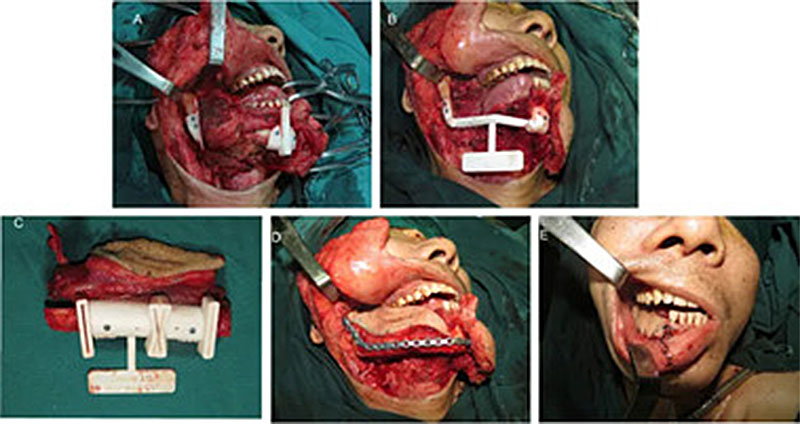
Graphic images below. Click to view

Maxillofacial and Oral Surgery

Mandibular reconstruction with a vascularized fibula flap (skin taken from the calf part of the leg) is a procedure to restore lost tissues after the removal of benign tumors and malignancies. This challenging surgery lasts between 4 to 10 hours, depending on the case’s complexity. Generally, a multidisciplinary approach is employed, involving an otolaryngologist and/or a plastic surgeon.

Surgeons who wish to advance their specialty may subspecialize in fields such as craniofacial surgery (cleft lip and palate restorations) and microvascular oncologic surgery (head and neck cancer surgery).

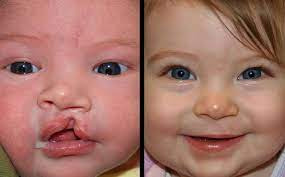
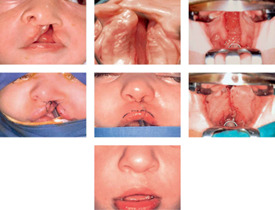
In cases of cleft lip and palate, patients and surgeons embark on a lengthy journey together. Patients undergo multiple surgeries throughout their lives. This path is both emotionally challenging and rewarding for the patients’ families and the surgeons.

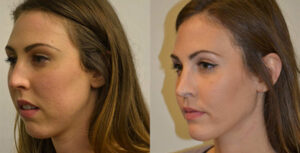
Orthognathic surgery is another area of interest within the specialty. This procedure includes jaw surgeries aimed at correcting congenital (present from birth) and acquired facial deformities. Patients experience significant improvements in their facial structure and respiratory pathways. After the surgery, patients not only gain increased confidence in their appearance but also enjoy improved functions such as chewing, swallowing, and breathing.

Cleft Lip and Palate Patients – Before and After

Orthognathic Surgery Patient – Before and After

In terms of compensation, OMFS ranks as the fifth highest-paying job according to usnews.com.

Private practice and academic surgery are the primary paths available for junior surgeons. In an office-based private practice, a surgeon might treat impacted wisdom teeth or perform bone grafts and dental implants. In a hospital setting, a surgeon might handle major cases like head, neck, or oral cancer, or perform cleft lip and palate surgery.

Furthermore, oral and maxillofacial surgeons working in hospitals often see patients who arrive at the emergency room with multi-system trauma.

Applicants aspiring to be the next generation of oral and maxillofacial surgeons must be enthusiastic about the field and committed to lifelong learning, as there are no boundaries to the science of OMFS. This pursuit requires considerable courage and sacrifice.

I really want to become a Doctor – Is there anything I can do straight away?

Check out the Orthopedic Fracture Reduction Course on Apprentice Doctor Academy.

Also, explore the Apprentice Doctor – Suture/Fracture Reduction Kits Bundle on Apprentice Doctor Kits.

Thriving, Not Just Surviving: Mental Health Tips for Medical Professionals and Students

Mental Health Awareness Month is an important time to spotlight the mental well-being of not only practicing medical professionals but also medical students, who face their own set of unique challenges. High demands, intense study hours, and the pressure of constant assessments can take a toll on their mental health. Here are some effective strategies for maintaining mental health for both groups within the medical community.

1. Recognize the Importance of Mental Health

The first step for both practicing medical professionals and students is acknowledging that mental health is as crucial as physical health. Recognizing symptoms of burnout, depression, or anxiety early can lead to better management and prevention strategies. It’s vital for both groups to monitor their mental health regularly and be proactive in seeking help.

2. Establish Healthy Boundaries

Setting boundaries is essential in managing the intense workload and emotional demands of the medical field. This might mean learning to say no to additional responsibilities or ensuring you don’t bring work or study stress home. Boundaries help manage workload and minimize the risk of burnout.

3. Prioritize Self-Care

Self-care is a necessary part of maintaining mental health. For medical professionals and students, this can mean ensuring adequate sleep, maintaining a nutritious diet, engaging in regular physical activity, and pursuing hobbies outside of medicine. Even small activities, like short walks or listening to music, can provide significant mental breaks.

4. Seek Professional Help When Needed

There is no shame in seeking help from a mental health professional. Therapy, counseling, and sometimes medication are necessary tools for dealing with the stresses associated with medical training and practice. Many schools and hospitals now offer resources specifically aimed at helping staff and students manage mental health issues.

5. Develop a Support Network

A robust support system, including colleagues, classmates, friends, and family, can act as a buffer against stress. Sharing experiences and concerns with peers who understand the unique pressures of the medical industry can be particularly beneficial. Many institutions have peer support programs and professional networks that are invaluable resources.

6. Engage in Mindfulness and Relaxation Techniques

Practices such as mindfulness, meditation, and yoga can significantly reduce stress and improve overall mental health for both students and practicing professionals. These techniques help center the mind, calm the nervous system, and can be a quick reset in the middle of a hectic day.

7. Educate Yourself and Others

Education about mental health not only helps in self-care but also reduces the stigma associated with mental health challenges within the medical community. Participating in workshops, seminars, and training can equip medical professionals and students with tools to manage stress and can promote a culture of mental health awareness.

8. Advocate for Better Educational and Workplace Policies

Advocating for policies that improve study and work conditions, such as reasonable work and study hours, adequate support during exams, and mental health breaks, can lead to significant improvements in mental well-being for everyone in the healthcare environment.

Conclusion

Mental Health Awareness Month is a crucial time for reflection for both medical professionals and students. By adopting these strategies, both groups can improve their mental health, which in turn can lead to a more balanced, effective approach to medical education and patient care. Remember, taking care of your mental health is essential for succeeding in the demanding field of medicine.


I really want to become a Doctor – Is there anything I can do straight away?

Check out the Human Behavior in Medicine: Foundations for Future Physicians and the Foundation Medical Course on Apprentice Doctor Academy.


Disclaimer: This blog post was created with the assistance of AI technology. The insights and strategies discussed have been formulated based on general advice and may not substitute for professional mental health or medical advice. Readers are encouraged to consult healthcare professionals for personalized guidance and support.

IMPORTANT! A major website update has been made. Any issues, notify us instantly by pressing the "Quick Help" button and leaving a short description of what you experienced.