Value-Based Medicine: healthcare’s future


Story-at-a-glance

  • Value-based medicine is an upcoming healthcare delivery system centered on the patient, and patient outcomes.
  • The goals, gender, age, and even culture of the individual are taken into account.
  • Volume-based care, our current system of fee for services rendered, will be replaced over time.
  • Five factors drive value-based medicine. A primary one is the demand by patients to be more involved in the decisions affecting their health and wellness.
  • It’s expected that value-based care will result in better healthcare at lower costs.
  • The shift to value-based medicine has already started. For example, by 2018 the Department of Health and Human services plans on moving 50% of traditional Medicare payments to value-based models.
  • Implementation of value-based care will require a shift in how we think about and approach healthcare.


Value-based medicine is changing the landscape of the healthcare delivery system. It focuses on the goals of the patient and their perception of the value of care they receive. Payment to providers is based on how well they adhere to delivering value to the patient. As value-based healthcare takes root, medical professionals will be expected to provide evidence of outcomes before being paid.

Why change to value-based medicine?

In the United States and in many countries across the world, the value of the healthcare delivery system is proving inadequate to meets the needs of its primary constituency – the patients. This inadequacy is not malicious or intentional. Instead, it’s because over time, layers and layers of outdated systems have lagged behind trends and an ever-growing population. Even obsolete technology plays a factor. The result is skyrocketing costs for patients, healthcare professionals and medical organizations.

Currently, we operate in a volume-based healthcare system. In other words, we pay for individual services. For every visit, test, medication, and treatment we receive, we are charged. It is a reactive system centered on illness rather than wellness. Little attention is paid to outcome measures. Payment is made regardless of how the patient perceives or experiences the outcome.

What does volume-based healthcare look like? A case study

Let’s review an actual case study. In 2017 Sally went to her primary care physician for her annual physical. The sequence of events that followed was not only expensive, but kept her on the sidelines.

After a panel of blood work, Sally’s physician was concerned about a sluggish thyroid. To rule it out, or confirm it, he referred her to an endocrinologist.

The endocrinologist reviewed Sally’s blood work and dismissed the thyroid condition. But he noted she had low salt, something Sally had lived with her entire life without negative impact. The endocrinologist believed one of her medications was the cause. Over the next 21 days he switched her prescription three times. Over the same period of time the symptoms the original medication controlled all returned.

The continued changes in medication overloaded Sally’s body and landed her in the hospital for a 24-hour stay. When she was released, the hospital doctor put her back on her original pharmaceutical with the following advice, “Don’t fix what isn’t broken.”

From start to finish, Sally waded through 19 different services and seven different care providers. None of the medical professionals in Sally’s case intended the ineffective outcome. Each believed they were doing what was best for Sally. The real culprit was the disjointed care. No one person knew what the other was doing and Sally trusted that each step was necessary.

If the professionals had interacted with one another, Sally’s $10,000 hospital stay might have been avoided. Multiply that cost by thousands of people across the health care system experiencing the same type of disconnected care and you’ll end up with a staggering number. That’s the cost of volume-based case. In other words, each additional service anyone receives from allied health professions increases the amount, or volume of care, and the price tag.

Sally is not alone. The core of the healthcare delivery structure is not negligence. It is working within, and navigating a broken system built on lack of coordinated, patient-centered care.

How does value-based medicine differ from volume-based medicine?

Let’s continue with Sally’s scenario. In value-based care, Sally would have gone to her physical and had the lab work done. She may have been referred to an endocrinologist. However, at that point rather than paying for each service separately, Sally may have been quoted a bundled or an episode-payment. This is an all-inclusive reimbursement model where the initial visit, the services, and any subsequent visits would have been one fee. Complications resulting from a decision to switch out her medications three times would have been absorbed by him – not Sally and her insurance company.

Let’s take a look at a more straightforward scenario. If an orthopedic surgeon determines a patient needs a knee replacement, in value-based medicine, a single fee for all the services associated with the knee replacement is quoted to the patient. The cost pays for the surgery, the pre- and post-operative visits, the physical therapy, hospital stay, tests, etc. If something happens and the patient has to be readmitted (within a specific and reasonable length of time), the additional cost is on the provider – not on the patient. Payment is not based on each service, but instead upon ensuring the patient is well and returned to the best state of health possible. The health of the individual is the evidence-based outcome measure, which has high value, especially to the patient. The individual gets the best health care at the lowest cost. When the focus is on the individual and their needs rather than on multiple services, patient satisfaction increases and outcomes improve. Costs decrease.

The shift to value-based medicine is driving both public and private payers to redesign payment models. There are several options under review, but all stress accountability for high quality care and lower healthcare costs.

The Boston Consulting Group created an engaging, five-minute video presenting what healthcare looks like now and compares it to the value-based care of the future. Take a look here: Value in Healthcare – A Case for Change.

What is driving value-based medicine?

Five factors are contributing to the shift into value-based medicine.

  • Advocacy – Patients want to be more involved in managing their healthcare. Healthcare specialists must take time to listen to their patients and respond to them with all the information available.
  • Demographics – There is an increase in the number of people 65 and older (baby boomers) who need healthcare.
  • Diseases – An increase in chronic diseases and conditions around the world requires better delivery of healthcare.
  • Resources – Lack of resources, or inadequate resources drive up costs while pressure is applied to keep them down. Overall there is a shortage of skills and healthcare staff such as nurses.
  • Trust – Currently patients trust their healthcare professionals less and less. Fewer and fewer patients are willing to follow instructions blindly. As adults, and the ones footing some of the bills, they want rationale.

What does value-based medicine mean for patients?value-based medicine patient focus

Although no system is perfect, the current system can improve. Value-based healthcare is seen as a step in the right direction. A more patient-centric approach will result in:

  • Better healthcare for you and your family.
  • Clear and more transparent communication with you.
  • Closer attention to you as an individual. Consideration is given to your culture, gender and age. Healthcare is no longer one-size-fits-all.
  • Focused insistence on proper nutrition. Better nutrition leads to healthier lifestyles, generating improved health outcomes.
  • Healthcare teams managed by coordinators. You’ll no longer have to coordinate everything yourself.
  • Lower costs for everyone.
  • Partnerships between you and your healthcare provider(s).
  • Technology that connects your medical records with other allied health professions involved in your care.

Can value-based care be delivered in a volume-based system?

Medical professionals, and patients, can achieve a measure of value-based care in today’s service-rich system. High-value care can be delivered without fixing the entire system.

For physicians, focusing on the patient requires thoughtful intention. Although there are many ways a patient-centered approach can be accomplished, here are three.

  1. Include the patient in the standard of care – Involve the individual in decisions. Listen to what she or he has to say. Take into consideration gender, culture, and even personal preferences.
  2. Coordinate medical services centrally – Help patients navigate the system by assisting them with the coordination of multiple services and care providers. An integrated effort facilitated by someone in the medical system improves the quality of care. It also may return patients to the best level of health possible in less time.
  3. Be transparent – Many times patients feel they don’t have all the information. Provide honest, clear communication on their status, progress, and prognosis. Promote prevention when possible.

Thoughtful intention is also required by patients. Here are four ways individuals can help.

  1. Be ready with your questions – Be specific when possible.
  2. Ensure you have your answers – Leaving a doctor’s office without them creates unnecessary frustration and may result in additional visits.
  3. Move on with your day – Once you know your next steps, it’s important to exit. It may be tempting to socialize, but you’re partnering with your doctor in a professional capacity, not as a close friend.
  4. Follow through – Embrace wellness by following through with medical advice and recommendations. You’ll feel better and may need to see a medical professional less.

Value-based medicine is a partnership. Physicians and patients have to work together as a team toward the common goal of better outcomes. With better outcomes, everyone wins.

value-based medicine patient outcomeWhat does value-based medicine mean for next-generation doctors?

Value-based medicine will change the future of healthcare. It is likely that future doctors will work in some kind of value-based medical system. For example, by 2018 the Department of Health and Human Services plans to move 50% of traditional Medicare payments to value-based models.[1] By 2020 Aetna plans on having more than 75% of their reimbursements going to doctors and hospitals practicing value-based care [2]. Even medical education will train both students and faculty in quality and safety improvements as well as the broader implications of value-based medical management. Future doctors will need to:

  • Act with the highest levels of integrity, keeping the patient in the picture.
  • Communicate with transparency to the patient and the patient’s family.
  • Embrace the use of technology and analytics.
  • Encourage innovation and keep striving for it.
  • Expect higher levels of accountability for outcomes. Doctors will sign off on results rather than number of services.
  • Form improved and more effective partnerships between the public and private sectors. Consider retailers, and financial and IT organizations as viable healthcare partners.
  • Improve upon the value, cost and quality of healthcare.
  • Lead cross-disciplinary teams.
  • Promote wellness and prevention, including a stronger focus on nutrition as prevention.
  • Seek additional education to keep up with skills, technology and other advances in medicine.
  • Try new ideas.
  • View continued education as a way to genuinely improve skills rather than CEU boxes to be checked.

To see how an IT entrant into the field of medicine is approaching value-based healthcare through technology, take a look at Forward in Silicon Valley. The levels of individual, patient-centric care they achieve through the use of high tech may surprise you.

Where does value-based medicine go from here?

Value-based care is not bad news. It merely means that the primary focus of healthcare shifts to high quality and wellness care, including prevention, rather than illness. It also redefines the use of medical technology outside hospitals. Acceptance of new players into the healthcare field is a must.

Perhaps the first step and one today’s doctors can take immediately includes gaining the cooperation of the patient. By establishing bona fide partnerships with each individual in their care, physicians can improve what is now fading trust. Trust is one of the primary pillars of strong healthcare values.

If you’d like to see how a hospital organization transformed their system from volume-based care into value-based care, take a look at what Sweden’s Karolinska University Hospital did. Karolinska’s New Operating Model – Value-based care.

Do you want to become an allied health professional? But you don’t know if your current high school curriculum is preparing you, read Is Your High School Curriculum Preparing You for a Career in the Medical Field?

Can you begin your career to becoming a value-based medicine health professional today?

Indeed yes!

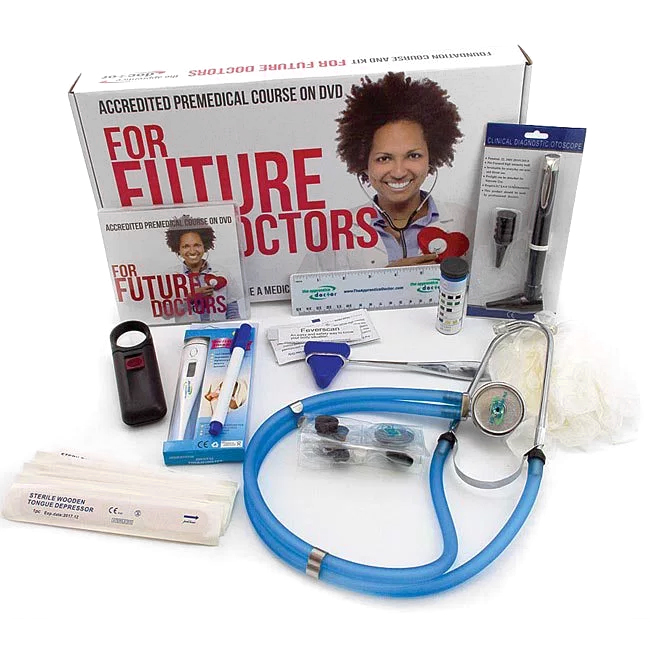
The Apprentice Doctor® Academy has developed and perfected an Online Course for Future Doctors to assist them towards fulfilling their dreams of becoming great medical professionals. The For Future Doctors Foundation Medical Online Course with accompanying Medical Kit has helped launch the career of thousands of want-to-be doctors!

Launch your medical career today!

The Apprentice Doctor® Suturing Course and Kit is a resource that will teach you How to Suture Wounds in a couple of hours! If you want to become a Surgeon or other medical professional – why not learn how to suture wounds now?


The Apprentice Doctor® Phlebotomy Course and Kit
is a resource that will teach you how to confidently perform phlebotomy procedures in a couple of hours! If you want to become a great medical professional – why not learn how to perform venipuncture procedures now?


The Apprentice Doctor’s Venipuncture Practice Arm
helps you gain the experience needed to become a Phlebotomist. The phlebotomy training simulation arm is perfect for phlebotomy instruction and student use for real hands-on learning with phlebotomy procedures.


_______________________
References:
[1] What are value-based programs? November 9, 2017 https://www.cms.gov/Medicare/Quality-Initiatives-Patient-Assessment-Instruments/Value-Based-Programs/Value-Based-Programs.html.

[2] Value-based care: A new, patient-centered approach to health care, October 11, 2017 https://news.aetna.com/2017/10/value-based-care-new-patient-centered-approach-health-care/.

I really want to become a Doctor – Is there anything I can do straight away?

Check out the Human Behavior in Medicine on Apprentice Doctor Academy.
 

Vital Signs – What Do They Reveal?

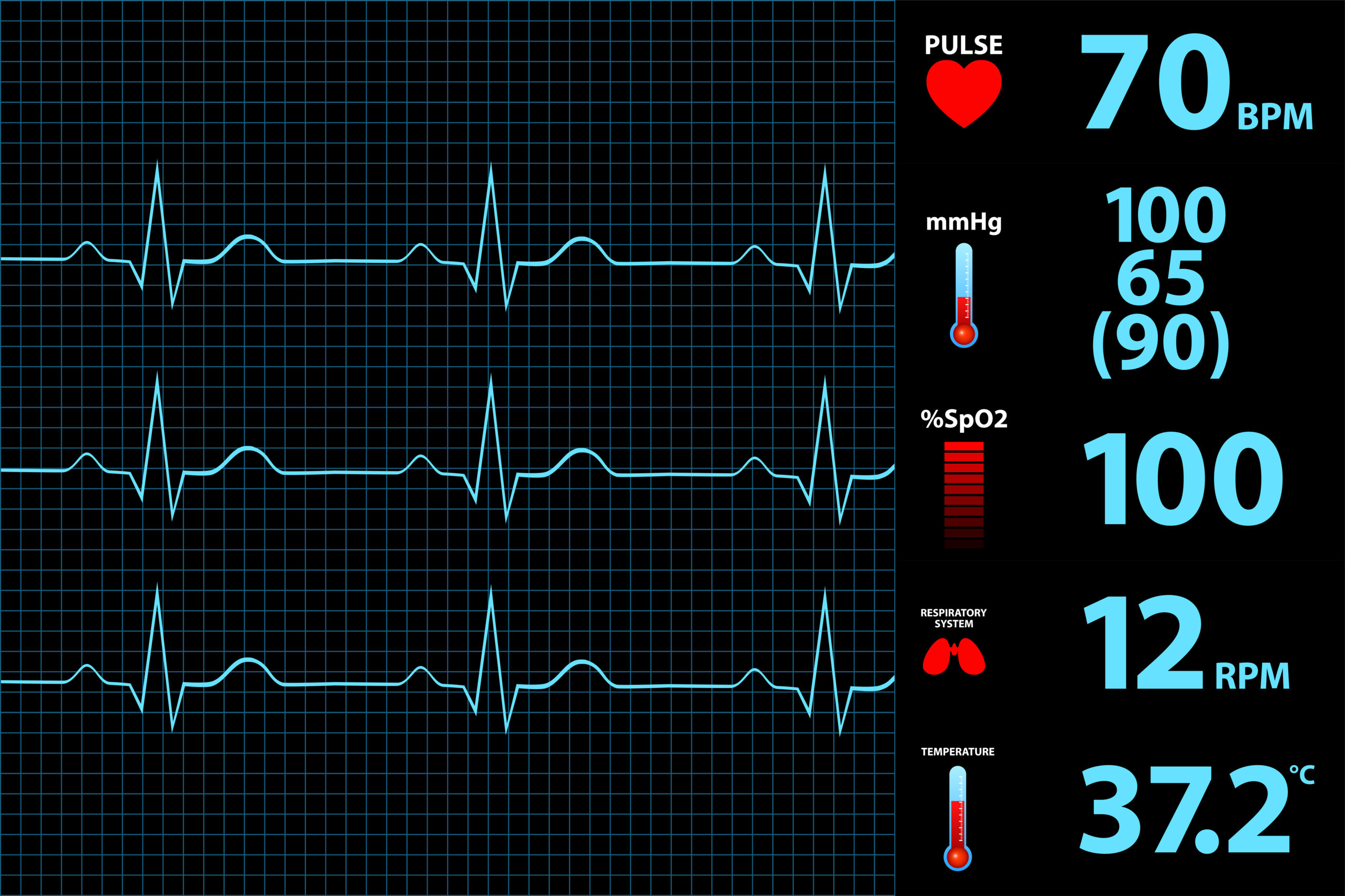
When we go to the doctor, several things happen when reach an exam room. A nurse, or medical assistant takes our temperature and blood pressure and listens to our heart – all tests measuring our vital signs.

We ask about the numbers, and more often than not have an idea if they fall within acceptable ranges. But do we know why measuring vital signs are always part of any examination? Are they performed just to keep us busy, or are there valid medical reasons behind them?

As you may suspect, there are significant reasons a doctor needs to know our vital signs before performing additional aspects of a physical examination.

4 primary vital signs

Vital signs measure functions of the body that are essential for good health. There are four vital signs nearly all physicians measure before beginning any physical examination. They are:

  • Body temperature
  • Pulse rate
  • Respiration rate
  • Blood pressure

When vital signs fall within normal ranges, it indicates that your body is operating as it should. But ranges falling outside of what is typical for your age, can be a sign of a medical problem.

Body Temperature

The amount of heat contained in the body is its temperature. Most people maintain a body temperature anywhere between 97.7°F to 99.5°F (36.5°C to 37.5°C). Gender, age, time of day and even physical activity can impact your body’s temperature. Additionally, some people always seem to be hot while others always seem to be cold. So what’s normal for you may be different than what’s typical for someone else. You can determine your baseline temperature by taking it at the same time every day over a week or two.

The body is very good at maintaining whatever your normal temperature is. It makes adjustments regardless of the weather. But if your temperature is too high or too low, it can signal an underlying medical condition.

Your body temperature can detect:

  • Fever and if a medication is effectively reducing it.
  • Hyperthermia – very high body temperatures in people who have been exposed to heat.
  • Hypothermia – very low body temperatures in people who have been exposed to cold.

Excessively high or low body temperatures signal that it may be in distress. With the use of a medical history, a physician can determine whether there is cause for concern, or if the condition can be eliminated through a standard treatment option.

Pulse Rate

When you measure the number of times your heart beats per minute, you measure your pulse rate. Your pulse rate also measures:

  • Heart rhythm – between 60 and 100 beats per minute in most adults.
  • Strength of the pulse – how efficiently your heart works.

Your pulse rate may fluctuate with exercise, illness, injury, and emotions. Age, gender, and athleticism can also impact a pulse rate. Changes in pulse rate are expected as a person ages, but too much change, or an unexpected change at any age may signal that a heart condition, or other medical concern is developing.

Your pulse/heart rate can reveal:

  • Dehydration or overhydration.
  • Diabetes or internal body conditions that, if untreated, could lead to diabetes.
  • Excessive caffeine.
  • High levels of stress.
  • Lack of exercise – An indicator of heart-health and level of fitness is the ability of your heart to quickly lower back to a regular beat after intense activity. Healthier hearts recover faster than unhealthy ones or ones unaccustomed to physical activity.
  • Medication – The addition of medication, or changes in medication can impact the heart rate.
  • Under- or overactive thyroid.

Respiration Rate

Similar to counting the number of times your heart beats per minute, your respiration rate is the number of breaths you take in a minute. And, like other vital signs, respiration rates may be impacted by fever, illness, and other medical conditions. One thing medical personnel check when taking a respiration rate is if a person has any difficulty breathing. An average respiration rate for an adult person at rest ranges from 12 to 16 breaths per minute.

An abnormal respiration rate, increased or decreased, may be symptomatic of an underlying condition which must be treated. Some of these conditions are included below.

Increased respiration rate

Some of the more common causes of an increased respiratory rates include:

  • Asthma – Asthma attacks may increase respiratory rates. Even the smallest increase in respiratory rate could signal a worsening condition.
  • Dehydration – Dehydration can result in more rapid breathing.
  • Fever- When a fever is present a person will breath faster trying to lose body heat.
  • Infections – Flu, pneumonia, and other infections can result in rapid breathing.

Decreased respiration rate

A decreased respiratory rate can also be a sign of concern. Some causes include:

  • Sleep apnea – With sleep apnea, people often have episodes where they stop breathing mixed with bouts of decreased and elevated breathing rates.
  • Medications
  • Use of alcohol
  • Use of narcotics – prescribed and illegal

It’s important to note that rate of breathing is not the same as feeling short of breath. Sometimes a person can feel short of breath and have an unusual respiratory rate, but the two may be unrelated. Only your healthcare provider can determine if they are linked.

Blood Pressure

According to the American Heart Association,High blood pressure (HBP or hypertension) is when your blood pressure, the force of the blood flowing through your blood vessels, is consistently too high.” [1]

High blood pressure, diagnosed as hypertension, is often referred to as the silent killer because a person generally doesn’t experience any symptoms. Uncontrolled it may lead to some of these more common medical conditions:

  • Aneurysm
  • Heart attack or heart failure
  • Stroke
  • Trouble with memory or understanding

Blood pressure consists of two numbers. The top number, systolic blood pressure tells a physician or other qualified healthcare provider how much pressure your blood is exerting against your artery walls when the heart beats. The bottom number, diastolic blood pressure reveals how much pressure your blood is exerting against your artery walls while the heart is resting between beats.

Although both numbers are significant, doctors tend to pay more attention to systolic blood pressure, or the top number because it could mean a person is at risk for cardiovascular disease. The risk is particularly true if the person is 50 years or older.

National Heart, Lung, and Blood Institute (NHLBI) of the National Institutes of Health (NIH), is one organization that defines what is considered high blood pressure for adults. Until very recently the ranges were:

  • 140 mm Hg or greater systolic pressure (top number).
  • 90 mm Hg or greater diastolic pressure (bottom number).

In 2003, the NHLBI added a new blood pressure category which they called prehypertension, which means a person is at risk of developing hypertension. But in late 2017, the NHLBI published a new comprehensive set of guidelines which eliminates the prehypertension category.

Understanding the newest blood pressure guidelines

In the new blood pressure guidelines, the NHLBI lowered the range of what is considered high blood pressure. The new range means approximately 46 percent of the U.S. adult population can be diagnosed as hypertensive. Younger people are the ones most impacted by the new definition, with the prevalence of hypertension doubling for women under 45 and tripling for men under 45. [2].

The following chart shows the new guidelines and associated stages of hypertension[2].

Stage Ranges
Normal Less than 120/80 mm Hg.
Elevated Systolic between 120-129 and diastolic less than 80.
Stage 1 Systolic between 130-139 or diastolic between 80-89.
Stage 2 Systolic at least 140 or diastolic at least 90 mm Hg.
Hypertensive crisis Systolic over 180 and/or diastolic over 120, with patients needing prompt changes in medication if there are no other indications of problems, or immediate hospitalization if there are signs of organ damage.

In a corresponding analysis of the guidelines’ impact, Paul Muntner, PhD, et al. [3], suggests, “the 2017 ACC/AHA hypertension guideline has the potential to increase hypertension awareness, encourage lifestyle modification and focus antihypertensive medication initiation and intensification on US adults with high CVD risk.”

Bear in mind these are only guidelines. Age, family history, insufficient exercise, excessive sodium in your diet, high stress and a variety of other factors can affect your blood pressure. Some of these factors are situational. When the situation resolves, blood pressure may return to normal ranges. So, an isolated high blood pressure reading may not be indicative of a problem. If readings remain elevated after a series of measurements taken over days or weeks, then see your healthcare professional for possible treatment.

Can your blood pressure ever be too low?

Having high blood pressure is a more common condition than having low blood pressure. More often than not, the lower your blood pressure, the better off you are. There are no guidelines suggesting someone’s blood pressure is too low. Consistently low blood pressure is a high-risk situation only if accompanied by one or more of the following symptoms:

  • Blurred vision
  • Cold, clammy, pale skin
  • Dehydration and unusual thirst
  • Depression
  • Dizziness or lightheadedness
  • Fainting
  • Fatigue
  • Nausea
  • Lack of concentration
  • Rapid, shallow breathing

As with high blood pressure, some situational factors can create a single reading of lower than average blood pressure. Certain medications, pregnancy, allergic reactions, or inadequate nutrients such as Vitamin B-12 can result in low blood pressure numbers. If you are experiencing physical symptoms along with low blood pressure, it’s best to see your physician to determine your risk of a health condition.

Want to learn more about vital signs?

Tests measuring your vital signs are quick, and the methods relatively easy when compared to other tests. If you are interested in learning how you can take your vital sign measurements at home, The American Heart Association can tell you how on their website.


[1] American Heart Association (2017) The Facts About High Blood Pressure (Retrieved from https://www.heart.org/HEARTORG/Conditions/HighBloodPressure/GettheFactsAboutHighBloodPressure/The-Facts-About-High-Blood-Pressure_UCM_002050_Article.jsp#.Wiwol6OZO8U)

[2] American College of Cardiology (2017) New ACC/AHA High Blood Pressure Guidelines Lower Definition of Hypertension (Retrieved from https://www.acc.org/latest-in-cardiology/articles/2017/11/08/11/47/mon-5pm-bp-guideline-aha-2017)

[3] Munter P, Carey R, Gidding, S, Jones D, Taler S, Wright Jr., J, Whelton P, (2017) Potential U.S. Population Impact of the 2017 American College of Cardiology/American Heart Association High Blood Pressure Guideline. (Retrieved from https://www.onlinejacc.org/content/early/2017/11/01/j.jacc.2017.10.073)

I really want to become a Doctor – Is there anything I can do straight away?

Check out the Pulse Oximetry Mini Course on Apprentice Doctor Academy.


Ebola Hemorrhagic Fever

Ebola hemorrhagic fever is a highly contagious viral infection with a high mortality – and the recent outbreak in West Africa with sporadic cases in other parts of the world is by far the largest epidemic of this disease in recent human history.

The Ebola Virus was first identified in Sudan in 1976.  The second outbreak occurred in an epidemic in Zaire in 1995.  The current outbreak in West Africa has claimed the lives of well-over 5,000 people, with more than 10,000 additional people who are infected with the virus.

The spread of Ebola is ongoing in those areas at an alarming rate despite all the measures taken by the WHO, CD and various non-profit organizations like doctors without borders.

Ebola – The Apprentice Doctor® Venipuncture Course and Kit

Read more about The Apprentice Doctor® Venipuncture Course and Kit


Needle Stick Injury & Reflex-Safe

The use of a PASSIVELY ACTIVATED Safety Needle like Reflex-Safe® Passive Safety Needles – is absolutely essential when treating EBOLA patients!

For many years Ebola and other Hemorrhagic Fevers, have been a major health concern for mankind to contain the spread of these viral infections and preventing from becoming rampant and uncontrollable.  In 1995 the Ebola virus killed about 200 people in Zaire and a South African nurse died at the Morningside Private Hospital in Johannesburg that was infected when treating a medical Doctor from Uganda who had contracted Ebola.

During a clinical procedure, she accidentally stuck herself with an infected needle, the Doctor survived the Ebola virus, however, she did not survive and died ten days later.  At that time statistics available indicated that there was a survival rate of about 20% (depending on the strain of virus) that had been infected with the Ebola Virus.   It is believed that there are about five (5) strains of Ebola.

The risk factors for healthcare workers are exceptionally high when giving an intramuscular injection and drawing blood samples from veins or injecting into veins of an Ebola patient.  Due to the high fever of a patient – there may be a lot of unstable patient movement which may result in a needle stick injury to the health worker, with possibly fatal results.

This is where REFLEX-SAFE comes into its own by providing continuous automatic passive protection during the entire injection procedure affording maximum protection to the health worker against accidental needle stick injuries.

At Least 50% of All Injuries Occur During the Procedure

By far the majority of Safety Devices that are available are manually activated after a clinical procedure has been completed.  This leaves behind + 70% of all risk factors during use and thereby leaving considerable needle tip exposure time before the safety mechanism has been activated.

Statistically, 50% or more of all needlestick injuries occur during the procedure – and any Safety Device requiring an activation step at the end of the procedure leaves an open risk of  >50% for these injuries during the procedure (e.g. patient jerking away during a phlebotomy procedure).

I really want to become a Doctor – Is there anything I can do straight away?

Check out the Medical Microbiology on Apprentice Doctor Academy.


How Do You Tell If a Patient Is Dehydrated

Today we’ll discuss how to recognize the signs and symptoms of dehydration – a potentially life threatening condition.

What exactly is dehydration?

Dehydration is the term used to describe the loss of water from the body or a reduction in the body’s water content. It may be due to:

  • The inadequate intake of water e.g. lost in a desert, shipwrecked at sea without fresh water and painful oral and throat infections causing reduced fluid intake.
  • The excessive loss of water due to excessive urine output e.g. uncontrolled diabetes.
  • The excessive loss of electrolytes. Common causes include: severe vomiting, diarrhea, and excessive sweating due to long periods of physical exercise or fever).


Symptoms may include one or more of the following:

  • Intense thirst.
  • Excessive vomiting, diarrhea, sweating and urinating.
  • Dryness of the mouth and other mucous membranes.
  • Reduced (or absent) urine production.
  • Sunken eyes.
  • Concave ‘sunken’ fontanelles (soft areas on a baby’s skull).
  • Loss of the skins normal elasticity. This project will describe a technique to test the elasticity of the skin.


SETTING

A well-lit area.

REQUIREMENTS

Examination gloves (optional for self examination). The necessary instruments are included in The Apprentice Doctor package. Important note: An intense thirst is usually the result of the loss of water from the body. The loss of large amounts of electrolytes may not cause a thirst at all!

  • STEP 1 Take a thorough medical history. Use the medical file in the Foundation Kit for this purpose.
  • STEP 2 Wash your hands and put on gloves.
  • STEP 3 Place your hand or a test subject’s hand open on a flat surface e.g. a table.
  • STEP 4 Pinch the skin over the upper part of the hand firmly for about 5 seconds, and then release the skin promptly.
  • STEP 5 Observe the skin sagging back into position. This should happen straight away as you release the skin. Skin sagging back slowly (taking more than half a second) is a sign of dehydration.
  • STEP 6 Check the test person’s blood pressure (Project 31) and heart rate (Project 24). Dehydration may cause a reduction in the patient’s blood pressure as well as an increase in the heart rate.
  • STEP 7 Examine the test subject’s nail bed (Project 18) and assess the speed of capillary refill (blanching). In dehydration the capillary refill after pressure may be slow (more than half a second).
  • STEP 8 Check for diabetes and kidney disease (see Project 40).

Please note:

A thorough understanding of human physiology and of pathology (the branch of medical science that studies the cause, nature and effects of diseases) is required to assess dehydration professionally.

Warning:

Dehydration is a potentially life threatening condition. Consult a physician or report to the emergency unit of your local hospital if you suspect dehydration. It is especially dangerous in babies and young children as they have a relatively small H2O volume!

Points of interest

  • Elderly people often show some loss of skin elasticity. A reduction in the water content of the body with ageing is normal. Elderly people should be encouraged to take in enough liquids.
  • A previous burn injury may reduce the skin’s normal elasticity as will ultraviolet damage due to excessive exposure to the sun over many years. Make a habit of protecting your skin against the UV-rays of the sun by using suitable protective clothing as well as protective sun lotions/creams.
  • Encourage the intake of sufficient amounts of fluids during illnesses especially if it is associated with vomiting, diarrhea and fever. Water, diluted fruit juices and special solutions with electrolytes (consult your pharmacist) should be available for these patients.
  • Drinking seawater or even urine in an emergency situation may temporary alleviate thirst but will eventually aggravate the seriousness of the dehydration!

The Apprentice Doctor Foundation Course & Kit

This project has given you a glimpse into what you can expect from The Apprentice Doctor Foundation Course & Kit. Purchase a kit for yourself if you’re a student, or if you’re a parent why not purchase one for your son or daughter.   The interactive CD-ROM contains over 45 projects just like this, with added features such as pictures, detailed video explanations, sound clips to explain the topic more completely, not to mention the medical instruments, such as a real stethoscope, thermometer, otoscope, masks, swabs etc. are included in the package.   Dr. Anton

I really want to become a Doctor – Is there anything I can do straight away?

Check out the Foundation Medical Course on Apprentice Doctor Academy.


IMPORTANT! A major website update has been made. Any issues, notify us instantly by pressing the "Quick Help" button and leaving a short description of what you experienced.