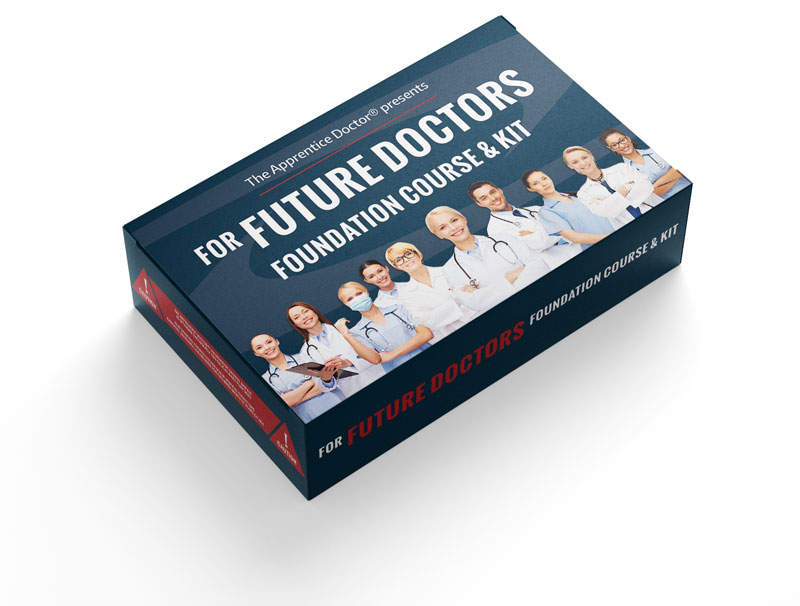
“How to Examine and Treat Swelling”

This is a project that you will not find on the Foundation Course CD-ROM. If you do not have your own Apprentice Doctor set, you’re missing out on the core foundation of what you’ll find below…


Medically speaking, what exactly is a swelling?

A swelling (a localized increase in size) may occur anywhere on the body or deeper within any internal organ or structure.

A superficial swelling can be readily assessed by following the basic principles of examination. A deeper swelling will, in addition to a thorough physical examination also require specific special imaging techniques e.g. a CAT scan, a MRI scan or an ultrasound scan.

What causes swelling?

The most common causes for a swelling are inflammation, an abscess (acute inflammation with a local collection of pus), a non-cancerous (medical term: benign) growth, a cancerous (medical term: malignant) growth, a hematoma, and a cyst

A cyst is a bag-like structure lined by a membrane and filled with fluid or a semi-fluid material. An abscess is a localized cavity filled with puss. A hematoma is a localized cavity occupied by a blood clot.

By the way, local or localized means that the swelling is not systemic, in other words it doesn’t affect the whole body.


Many patients when they notice a swelling somewhere on their body fear the possibility that it may be cancerous in nature. So it is important when examining a swelling to be very reassuring and consider the psychological and emotional needs of such a patient.

Important Note:
All body swellings should be properly and meticulously investigated because of the potential of it being cancerous in nature!

SETTING

A well-lit area.

REQUIREMENTS

  • Examination gloves
  • An examination light (a magnifying examination light will be ideal)
  • A patient with a swelling on their body (real or imaginary).

The necessary instruments are included in The Apprentice Doctor set.


STEP 1
Ascertain the main complaint (medical term: the presenting problem), and take a medical history (see project 0).

STEP 2
Wash your hands, put on gloves.

STEP 3
Determine the location of the lesion and briefly examine it by inspection.

STEP 4
Ask the patient questions about the lesion. You need information like…

  • The history and course (progress) of the swelling and the duration (hours/days/months/years) Does it relate in any way to previous medical treatment or injury?
  • Pain (character e.g. throbbing/gnawing, the level e.g. mild/moderate/severe, frequency e.g. constant/occasional).
  • Any other symptoms (e.g. itchiness, numbness etc.)
  • Is/was there any discharge emanating from the swelling

STEP 5
Perform a detailed examination of the lesion by inspection (use the magnifying examination light for this purpose) and palpation (as well as percussion and auscultation if indicated).

Describe the lesion and make detailed notes on your findings in your medical file (included in the kit).

Comment about the location, dimensions (exact size), color and consistency (e.g. soft/spongy/rubbery/bony hard etc.).

Describe the edges – comment on the movement of the swelling over other structures (e.g. muscle and bone) as well as the movement of the overlying skin over the swelling.

Is the swelling warmer than the surrounding tissue; is it tender to touch and pressure?

Does the swelling fluctuate?

STEP 6
Examine the draining lymph nodes (see Project 32 -The body’s lymph nodes).

Make similar comments about the lymph nodes as described in Step 5 above.

STEP 7
Judging the swelling by its characteristics, do you think it is an inflammatory swelling, a benign growth, a cyst or does it appear to be a cancerous growth?

A thorough knowledge of pathology (the branch of medical science that studies the cause, nature and effects of diseases) is required to answer the previous question effectively.


Technique to Test Fluctuation

Fluctuation can be tested by placing the index and middle finger of the one hand (somewhat apart) on the swelling, with the index finger of the other hand placed in between these two fingers.

Alternate downwards pressure over the lesion with these fingers.

Fluctuation occurs when the finger of the one hand is forced upwards when pushing downwards with the fingers of the other hand. Use a balloon partially filled up with water to practice this technique.


Points of interest:

  • The local signs of inflammation are: redness, pain, warmness, swelling and loss of function (or reduced function). These signs will indicate to the doctor that the probable cause of a swelling is inflamation.(Keep in mind that a tumor and a cyst may become infected and may misguide the clinician towards the misconception that the swelling is merely inflammatory in nature!)
  • The localized retention of fluid in a part of the body may cause swelling. This is called edema (see Project 45).
  • A cancerous swelling is often pain free and not tender until in fairly advanced stages. That’s why it’s so dangerous. The patient doesn’t know anything is wrong until the cancer has advanced.
  • The earlier a growth is diagnosed the better the chances of successfully fixing the problem.
  • Both a cyst and an abscess manifest the sign of fluctuation on clinical examination.An abscess is usually excruciatingly sore while an uninfected cyst would normally not be tender to palpation.
  • The basic treatment of an abscess is “incision and drainage” as well as elimination of the cause.Antibiotics and painkillers merely play a supportive role in the management of an abscess.
  • Benign tumors and cysts are usually managed by surgical  removal (medical term: excision).
  • Cancerous growths may be treated in one or a combination of the following ways:
    • wide surgical excision
    • radiotherapy (kills rapidly-dividing cells)
    • chemotherapy (medication that is selectively toxic to cancerous cells).
  • Cancerous growths all have the inert ability to metastasize (to spread to distant sites in the body via the lymph ducts and/or the vascular channels (arteries and veins).
  • A good number of swellings, especially if mismanaged, may develop into a serious threat to a patient’s health, and may eventually become life threatening!


The Apprentice Doctor Foundation Course & Kit

This project has given you a glimpse into what you can expect from The Apprentice Doctor Foundation Course & Kit. Purchase a kit for yourself if you’re a student, or if you’re a parent why not purchase one for your son or daughter.
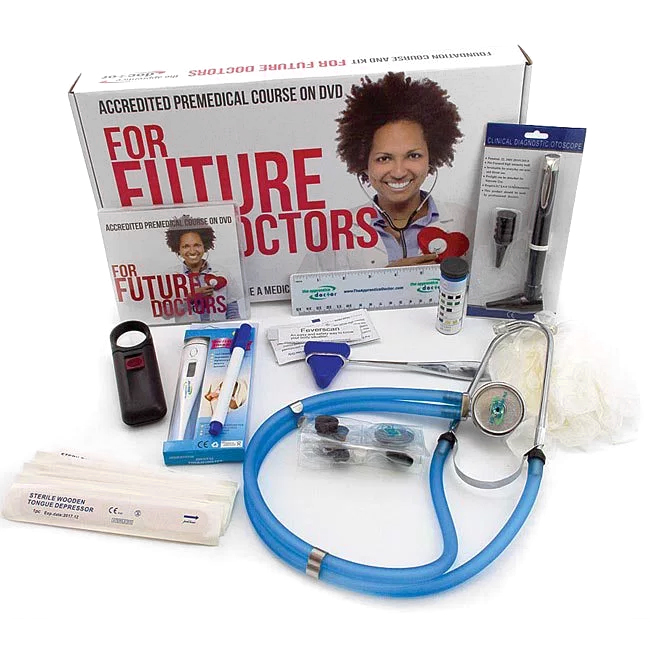


The interactive CD-ROM contains over 45 projects just like this, with added features such as pictures, detailed video explanations, sound clips to explain the topic more completely, not to mention the medical instruments, such as a real stethoscope, thermometer, otoscope, masks, swabs etc. are included in the package.

Dr. Anton

Dr. Anton Scheepers, BChD, MDent, FFD(SA), MFOS, President of The Apprentice Corporation

I really want to become a Doctor – Is there anything I can do straight away?

Check out the Foundation Medical Course on Apprentice Doctor Academy.

 

How Do You Tell If a Patient Is Dehydrated

Today we’ll discuss how to recognize the signs and symptoms of dehydration – a potentially life threatening condition.

What exactly is dehydration?

Dehydration is the term used to describe the loss of water from the body or a reduction in the body’s water content. It may be due to:

  • The inadequate intake of water e.g. lost in a desert, shipwrecked at sea without fresh water and painful oral and throat infections causing reduced fluid intake.
  • The excessive loss of water due to excessive urine output e.g. uncontrolled diabetes.
  • The excessive loss of electrolytes. Common causes include: severe vomiting, diarrhea, and excessive sweating due to long periods of physical exercise or fever).


Symptoms may include one or more of the following:

  • Intense thirst.
  • Excessive vomiting, diarrhea, sweating and urinating.
  • Dryness of the mouth and other mucous membranes.
  • Reduced (or absent) urine production.
  • Sunken eyes.
  • Concave ‘sunken’ fontanelles (soft areas on a baby’s skull).
  • Loss of the skins normal elasticity. This project will describe a technique to test the elasticity of the skin.


SETTING

A well-lit area.

REQUIREMENTS

Examination gloves (optional for self examination). The necessary instruments are included in The Apprentice Doctor package. Important note: An intense thirst is usually the result of the loss of water from the body. The loss of large amounts of electrolytes may not cause a thirst at all!

  • STEP 1 Take a thorough medical history. Use the medical file in the Foundation Kit for this purpose.
  • STEP 2 Wash your hands and put on gloves.
  • STEP 3 Place your hand or a test subject’s hand open on a flat surface e.g. a table.
  • STEP 4 Pinch the skin over the upper part of the hand firmly for about 5 seconds, and then release the skin promptly.
  • STEP 5 Observe the skin sagging back into position. This should happen straight away as you release the skin. Skin sagging back slowly (taking more than half a second) is a sign of dehydration.
  • STEP 6 Check the test person’s blood pressure (Project 31) and heart rate (Project 24). Dehydration may cause a reduction in the patient’s blood pressure as well as an increase in the heart rate.
  • STEP 7 Examine the test subject’s nail bed (Project 18) and assess the speed of capillary refill (blanching). In dehydration the capillary refill after pressure may be slow (more than half a second).
  • STEP 8 Check for diabetes and kidney disease (see Project 40).

Please note:

A thorough understanding of human physiology and of pathology (the branch of medical science that studies the cause, nature and effects of diseases) is required to assess dehydration professionally.

Warning:

Dehydration is a potentially life threatening condition. Consult a physician or report to the emergency unit of your local hospital if you suspect dehydration. It is especially dangerous in babies and young children as they have a relatively small H2O volume!

Points of interest

  • Elderly people often show some loss of skin elasticity. A reduction in the water content of the body with ageing is normal. Elderly people should be encouraged to take in enough liquids.
  • A previous burn injury may reduce the skin’s normal elasticity as will ultraviolet damage due to excessive exposure to the sun over many years. Make a habit of protecting your skin against the UV-rays of the sun by using suitable protective clothing as well as protective sun lotions/creams.
  • Encourage the intake of sufficient amounts of fluids during illnesses especially if it is associated with vomiting, diarrhea and fever. Water, diluted fruit juices and special solutions with electrolytes (consult your pharmacist) should be available for these patients.
  • Drinking seawater or even urine in an emergency situation may temporary alleviate thirst but will eventually aggravate the seriousness of the dehydration!

The Apprentice Doctor Foundation Course & Kit

This project has given you a glimpse into what you can expect from The Apprentice Doctor Foundation Course & Kit. Purchase a kit for yourself if you’re a student, or if you’re a parent why not purchase one for your son or daughter.   The interactive CD-ROM contains over 45 projects just like this, with added features such as pictures, detailed video explanations, sound clips to explain the topic more completely, not to mention the medical instruments, such as a real stethoscope, thermometer, otoscope, masks, swabs etc. are included in the package.   Dr. Anton

I really want to become a Doctor – Is there anything I can do straight away?

Check out the Foundation Medical Course on Apprentice Doctor Academy.

 

How To Design Your Career Instead of Just Landing Any Job

Welcome to another Letter from the Doc, that’s me!

In your mission to become a doctor, you ask many questions. “How do I become a doctor?”; “When will I qualify as a doctor?”; “Where will I study to be a doctor?” and so on.

But the most important question that you will have to answer to yourself is: “Why do I want to become a doctor?”

Is it for the money? Let’s not beat about the bush, money is important! Very important! If money is your main motive for wanting to follow a career in medicine, then you will be very disappointed, and medicine will simply become a boring job to you eventually.

Is it the status, respect, maybe, dare I say it: power? Also valid reasons and important, but these should never be the primary motive for your desire to become a doctor.

It’s like Tony Robbins says, the WHY is more important than the HOW.

What is the key to REAL success in your career and in life in general?

What should your motive be?

Your motive should be to serve. The key to success is becoming a servant! Not what you were expecting? If you want to be truly fulfilled in your life, you’ll need to adjust your thinking.

Yes, you will be serving your patients and your community. In the final analysis, it really isn’t about you at all! It is all about helping, assisting and loving other people!

And in being a servant to other people you will find real happiness and fulfillment within yourself and the finances, status and respect will become mere by-products of your primary motive, TO SERVE!

I know it all sounds a bit mushy and clich?, but I’m talking from experience.

Listen to some wise words from the 20th Century Irish dramatist and writer, George Bernard Shaw:

“This is the true joy in life, the being used for a purpose recognized by yourself as a mighty one. The Being a Force in Nature… not a feverish selfish little clod of ailments and grievances complaining that the world will not devote itself to making you happy.”


I am of the opinion that my life belongs to the whole community, as long as I live, it is my privilege to do for it whatever I can.

Do not simply become a medical professional. Become a GREAT healthcare professional – make a difference, change the world!


Dr. Anton

 
Dr. Anton Scheepers, BChD, MDent, FFD(SA), MFOS, President of The Apprentice Corporation

I really want to become a Doctor – Is there anything I can do straight away?

Check out the Foundation Medical Course on Apprentice Doctor Academy.

 

Medical School

Welcome back.

Medicine is both an intellectual and practical discipline at the same time, so you need to have a hands-on approach, and have somebody guiding you, correcting you, and sometimes leaving you to sweat it out when the situation calls for it.

Medical students have to study and retain an immense amount of knowledge, and at the same time work in a training hospital treating patients for extended periods of time. From time to time you will be working for 24 hours or longer continuously!

Surgery is all about anatomy, physiology and pathology and anesthetics is all about physiology, pharmacology and physics, but in the final analysis, you can only learn the practical technique of performing surgery or giving a general anesthetic in the operating theater.

Here is the secret why medical students manage to retain such an immense amount of information and knowledge:
They are constantly putting their theoretical knowledge into practice. Lectures in the mornings; clinical sessions the rest of the day.

I designed The Apprentice Doctor Medical Course to apply these basic principles in the course, so do ALL the practical projects. Don’t skip one!

The course is designed to establish some very essential principles and habits of medicine in your mind, and if you follow the steps, and complete the course, the basic steps of making an accurate diagnosis will be part of your neurological pathways – established in your conscious and subconscious mind, ready to be used as if by second nature.

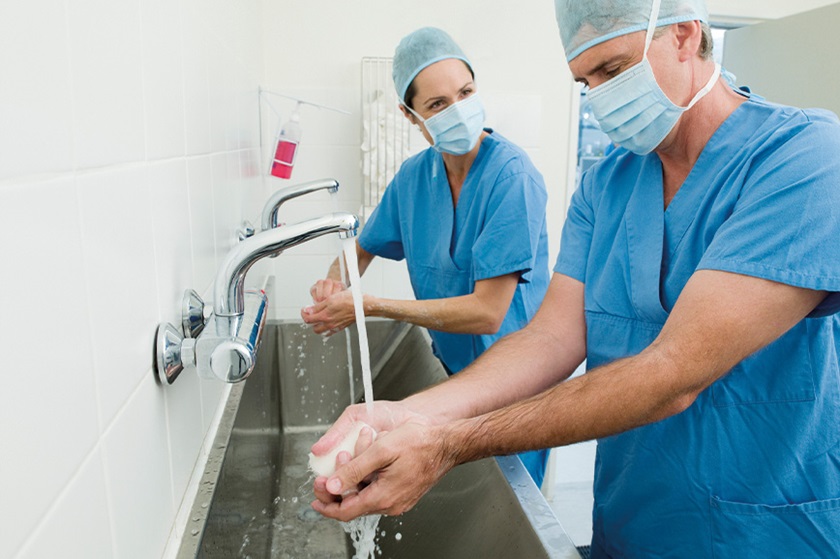
You may ask, “Do I really need to study the basic technique of washing hands hygienically?”

The answer is “YES”!
Worldwide thousands upon thousands of deaths occur due to well meaning healthcare workers in hospitals not washing their hands properly – spreading disease in this way, and causing the unintentional death of patients!

Why don’t you use the comments section below to tell me about yourself!

Your future Healthcare colleague,


Dr. Anton

 
Dr. Anton Scheepers, BChD, MDent, FFD(SA), MFOS, President of The Apprentice Corporation

I really want to become a Doctor – Is there anything I can do straight away?

Check out the Foundation Medical Course on Apprentice Doctor Academy.

Also, explore the Future Doctors Kit on Apprentice Doctor Kits.


Read About This Proven Way to Sky Rocket Your Chances of Getting Into Medical School

Hey,

If you’ve been receiving these Letters from the Doc from the beginning, then by now you should have a much better understanding of whether a career in medical science is for you or not.

The strategy I’m going to share with you today is not intended to trick or fool medical school reviewers.

They’re all geniuses with decades of experience. They’re the gate-watchers of the medical world, and even if someone does get through the gates (somehow), this career path has a brilliant way of weeding out the losers during med-school itself.

That’s why there’s such high drop-out statistics, and if someone drops-out they waste LITERALLY tens of thousands of dollars, not to mention an entire year of their life.

So it’s important to be very sure.

Ok. I had to say that before I share this precious secret with you.


I want to run a scenario past you, and please slow your brain down, and read every sentence carefully, and take time to imagine the scenes in detail.

The following is a true story…
I want to introduce Stefanie to you.

She followed the following steps to kick-start her medical career:

Step 1:
She purchased The Apprentice Doctor Courses. In her country, the course was more expensive because of the exchange rate.

Step 2:
She took two weeks and completely worked through the interactive CD-ROM, step-by-step, meticulously.

Step 3:
When she was finished, she went to a hospital near her home and showed her certificate to the manager, who hired her to help out with basic medical tasks after school.

Step 4:
She studied hard, and every other day after school, she would work at the hospital, using what she had learned in The Apprentice Doctor Medical Course.

Step 5:
She started her pre-medical studies.

Step 6:
She passed her Medical School Admissions Test

Step 7:
When she applied to medical school, she was met with extremely fierce competition, as is the case every year. Although her grades were good, they were not as high as many of the other candidates.

Would you like to know what happened to Stefanie?

Well, find out next week, when I will be sending you part two of this story…

No, only joking. I wouldn’t do that to you!

The medical-school’s reviewer who was interviewing her looked precariously at her scores, periodically looking at her over the top of his glasses, perched on the edge of his nose. She says she felt very nervous.

A month later, she got a letter of acceptance from the medical school.

They commented on the fact that, although her scores were not as good as many of the other candidates, her service at her local hospital was the tipping point, the straw that broke the camel’s back, which convinced them that she was well-suited for this lifestyle.

So let’s run through this process, and why it worked…

Reason 1, you have certainty!

Many hospitals have a volunteer program. If you join their program, and spend time in a hospital, helping the staff and the patients, you’ll get a good idea of whether or not that environment is for you.

Maybe you’ve got a fairytale idea about what it’s like being a doctor. Doing this step will save you months and tens of thousands of dollars by giving you the real picture, before you direct your entire life into this direction.


Med-School interviewers also know that if you have volunteered at a hospital or a doctor’s practice and you’re still keen on following a career in medicine, you’re obviously a better candidate than those who have not taken this step. That doesn’t need explanation.

Reason 2, you have fans!

Another thing about Stefanie is that, the manager who hired her, as well as all the doctors and nurses that she helped over the course of the year, wrote letters of recommendation stating how talented she was at what she did, and how good she was with the patients, and how she loves people and wants to help.

She added a copy of these letters to her file that she presented to the medical school for review.

Some of these doctors and nurses had gone through the same medical school, and the reviewer took their letters very seriously.


If she hadn’t worked at a hospital, she would not have had any of the above benefits.

Without The Apprentice Doctor Courses, she would not have had the skills to help out with basic daily medical procedures and tasks, so she would not have gotten the job.

She would not have been able to gain real-life practical experience on real patients.

She would not have been able to make as effective a decision as to whether this was TRULY what she wanted to do for the rest of her life.

She would have simply been another wannabe med-school applicant with above average grades.

Do you know how it feels to practice real medical examinations using the medical instruments that you get with the package.

If only I could show you how much you’d learn, and how much it will help you in your quest to become a doctor.

All the best until next time,


Dr. Anton

 
Dr. Anton Scheepers, BChD, MDent, FFD(SA), MFOS, President of The Apprentice Corporation

I really want to become a Doctor – Is there anything I can do straight away?

Check out the Foundation Medical Course on Apprentice Doctor Academy.

Also, explore the Future Doctors Kit on Apprentice Doctor Kits.


The War Between the Scientists and the SUPER-BACTERIA

Welcome back again!

A new marketing fad has emerged in the hospital where I am practicing. Neatly framed advertisements in the room where we change for surgery, and even on the inside of the toilet doors.

This one advert goes something like this:


“200 Billion starts in our galaxy.
10 billion galaxies in our universe.
Even more bacteria on the earth.”

It is an advertisement of an antibiotic marketed by a certain company, and let me assure you that it’s the understatement of the year!


The number of bacteria living in a single human being is estimated to be 1 000 000 000 000 000 that is 10 to the power 14, or one-thousand-trillion!!!

But I am a bit worried about the wrong message this advert may bring across. You  see, they are saying that there are SO MANY bacteria, and that you need their antibiotic drug to fight these bacteria.

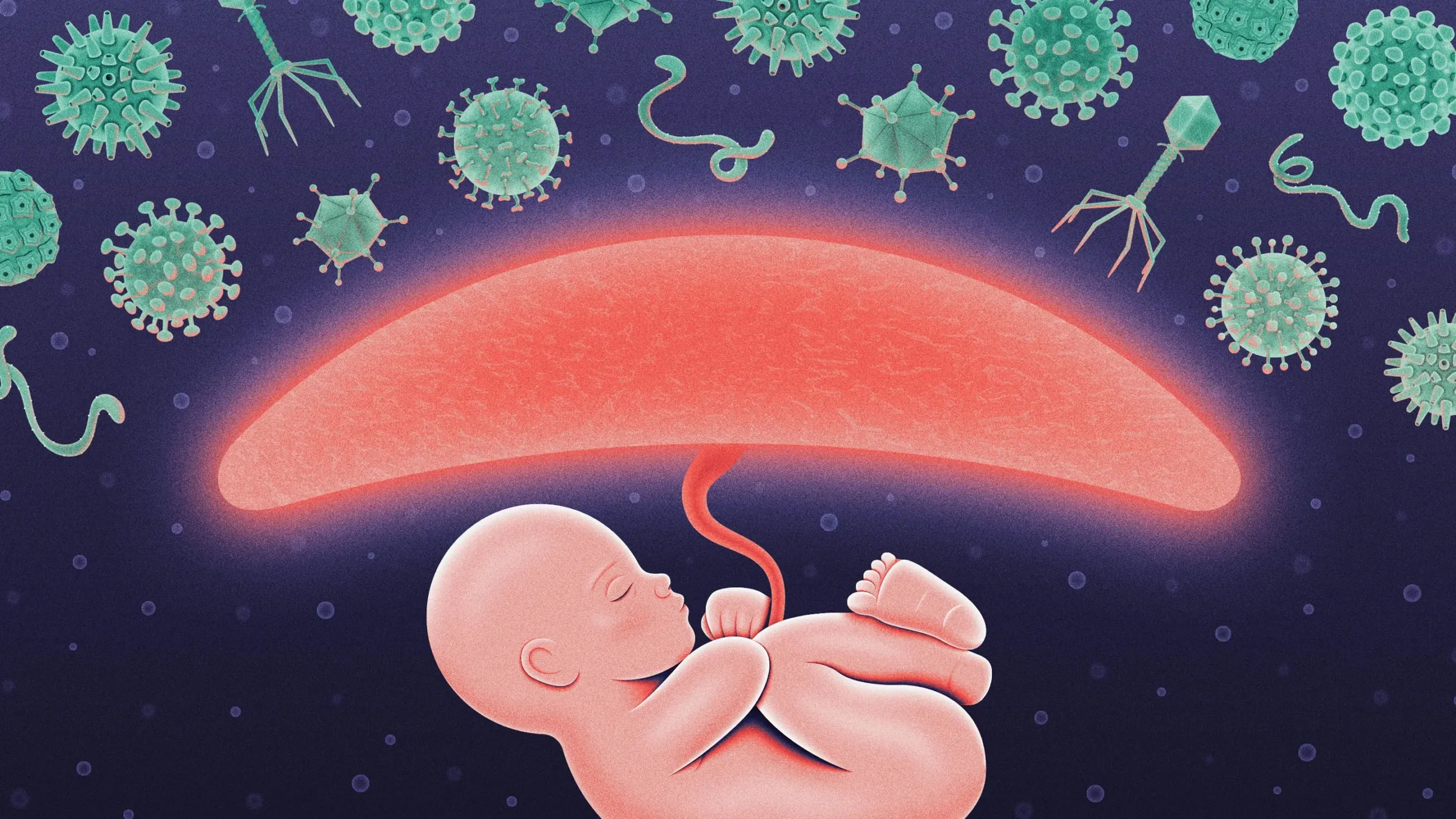
A baby in the mother’s womb (a fetus) is sterile, so no bacteria is found in or around the fetus. Shortly after birth the baby’s body is invaded by millions of bacteria, and they reproduce at a huge rate.

Antibodies in the baby’s bloodstream, originating from the mother’s immune system, protect the baby. The baby’s immune system will start taking over the necessary defensive functions over the next couple of months.


The point I want to make is this…


Most bacteria are either quite innocent (in specific areas of the body) or to your advantage – serving quite useful functions like assisting with the digestive process and protecting you from being invaded by disease producing organisms.

In other words most bacteria living on your skin, mucous membranes and gut are your friends!

Do not go into medicine thinking that all bacteria are bad or that they are our enemies. Only a relatively small number of bacterial species are disease forming.

A healthy human body (maintaining a healthy diet and enough exercise), given a bit of time, will be able to ward off most attacks by disease forming microorganisms without the help of antibiotics.

Please do not misunderstand me. Antibiotics and antiseptic preparations have their place, and save many lives yearly, but the overuse of these agents are causing major problems.

One problem is the emergence of super-bacteria.

These stubborn organisms are able to survive most or ALL known antibiotics. They kill high numbers of patients in hospitals, for example, in intensive care units, especially medically compromised patients like diabetics!


Remember:

  • Most bacteria in the human body serve a useful purpose.
  • The overuse of antibiotics and household antiseptics are producing super-resistant bacteria.
  • Do not over-prescribe antibiotics. A healthy body’s immune system can protect and defend successfully against the majority of microbial attacks.
  • Do not overuse household antiseptics. There is no good reason to add any antiseptic agent to soap for day-to-day household use.

Until the next letter, I wish you all the best my friend,
Dr. Anton

Dr. Anton Scheepers, BChD, MDent, FFD(SA), MFOS, President of The Apprentice Corporation

I really want to become a Doctor – Is there anything I can do straight away?

Check out the Medical Microbiology on Apprentice Doctor Academy.
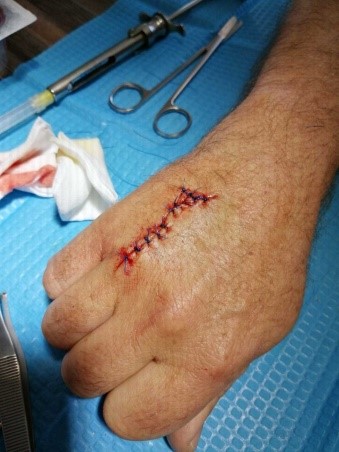
 

Wound Management

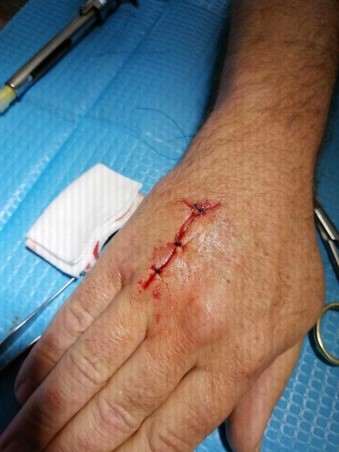
Let’s take a look at some principles around suturing and wound care. Most of the time, the body is able to close a wound just fine, but sometimes a wound can be so big that a medical professional needs to suture the wound so that it can heal without leaving ugly scars.

Let us consider the goals for suturing wounds…
Optimal wound care aims at maximizing functional restoration as well as optimizing the aesthetic result. These goals must occur within the limits of maximum patient safety and patient comfort (a calm patient experiencing the minimal amount of pain and discomfort).

Suturing a wound may assist the healthcare professional with three immediate goals:

  • Tight sutures will assist in controlling bleeding (securing hemostasis). It is not a substitute for normal bleeding control measures e.g. suturing  or tying up (ligating) arterial bleeds in the depth of the wound etc.
  • It reduces the chances of wound infection. A closed wound is much less prone to wound sepsis than an open wound. Further contamination from the outside environment is also reduced considerably!
  • Reduced pain. An open wound leaves the severed sensory nerve endings open thus increasing pain.

Suturing a wound will optimize the traumatized tissue’s chances of retaining its blood supply, and at the same time minimizing the formation of unsightly scar tissue.


Wound closure is divided into:

  • Primary closure – closure within the first 24 hours.
  • Secondary closure – wound closure more than 24 hours after the injury.

Primary closure of wounds should be the norm in most cases.

Exceptions to the rule would be highly compromised tissue where the medical professional anticipates debridement of the wound (cleaning and cutting away dead tissue and-or foreign material) to be necessary.


Using the acronym LACERATE makes closure of a wound easy to remember:


L
ook At the Wound, Assess it

Anesthetic Considerations

Cleaning the Wound

Equipment – Set Up

Repair of the Wound

Assessing Results, Anticipate Complications

Tetanus Immunization Status

Educate the Patient Regarding Wound Care

The above is an excerpt out of The Apprentice Doctor® “How to Suture Wounds” Course.

I really want to become a Doctor – Is there anything I can do straight away?

Check out the How to Suture Wounds on Apprentice Doctor Academy.

Also, explore the Suture Kit (Right-handed) on Apprentice Doctor Kits.


“How To Cut Someone Open and Go Straight to Lunch”

We meet again. Welcome back!
There is a world hidden behind the conservative mask that the medical world projects. As a doctor, you have to act conservative, cool and collected in front of patients.

This is because, if you were to play around and joke too much in front of a patient, they would start getting the feeling that they’re not in competent hands.

BUT, when no patients are around, the world of medicine can be quite different. The other side of medicine takes center stage.
Once, a medical team, consisting of a surgeon, surgeon’s assistant, and anaesthetist were wrapping up a small op. The anaesthetist was called to the telephone for an ‘urgent’ phone call.

Theatre staff gathered in anticipation. They could feel something was going on by the smile on the surgical team’s faces.

“Hello…Hello?”

The anaesthetist realized, too late, that he was on the receiving end of a practical joke… his ear was now stuck to the telephone by a special surgical glue.

The theatre staff packed out laughing, slapping their knees, leaving the anaesthetist with a sheepish smile on his face.

A while later, in a calculated response to this, the anaesthetist took all the surgeon’s clothes home. When the surgeon got to the change-rooms, his clothes were gone. He went home in his surgical garments that day, and he never saw those clothes again.

Everyone in the medical world needs their own way to deal with the pressures of seeing trauma and pain every day. Apart from the reward of seeing someone get well and be able to go back to their family, a sense of humor plays the biggest part in keeping your sanity.
It’s worth it when you’ve helped someone get well, or saved a life, but on the occasion when there’s nothing you could do, you can’t go home and take that baggage to your family.
Congratulations to you! You have just discovered an important key to keeping your sanity in the world of medicine…

When you’re operating, consulting, or treating patients, take your job very seriously, and be careful and precise. But when circumstances allow for it, laugh, smile, joke, and have fun.

That’s the hidden side of medicine that most people never see… doctors, surgeons, and nurses use humor to get them through.

Sorry if I’ve spoiled it for you. Were you expecting that doctors were always that solemn; that they’re serious and that’s just the way it should be? Well, pop… burst that bubble good and proper.

It’s fun, it’s stimulating, it’s fulfilling. What more can I say about being a doctor?

It changes you as a person, because now, suddenly, and for a change, you’re forced to think about other people ahead of yourself.

You’ll notice your own problems become much smaller when you’re helping other people every day to cope with their problems.

That’s why doctors are so admired and respected in their communities. Because all day, every day, they’re helping those in need.

Medical professionals are, for the most part, really good people with good hearts… a unique breed.

Before I sign off, I just want to let you know that, if you freak out when you see blood or needles, don’t worry. That passes as you get into medical school. Don’t let that be a deterrent at all.

Has this helped you get a new perspective on the world of medicine?

Use the comments section below and let me know. I always read the comments and quite often, when time allows, I even reply.

Remember, we’re taking this step by step, together.

I look forward to reading your opinion below.

Dr. Anton

Dr. Anton Scheepers, BChD, MDent, FFD(SA), MFOS, President of The Apprentice Corporation

I really want to become a Doctor – Is there anything I can do straight away?

Check out the Sterility and Aseptic Techniques on Apprentice Doctor Academy.
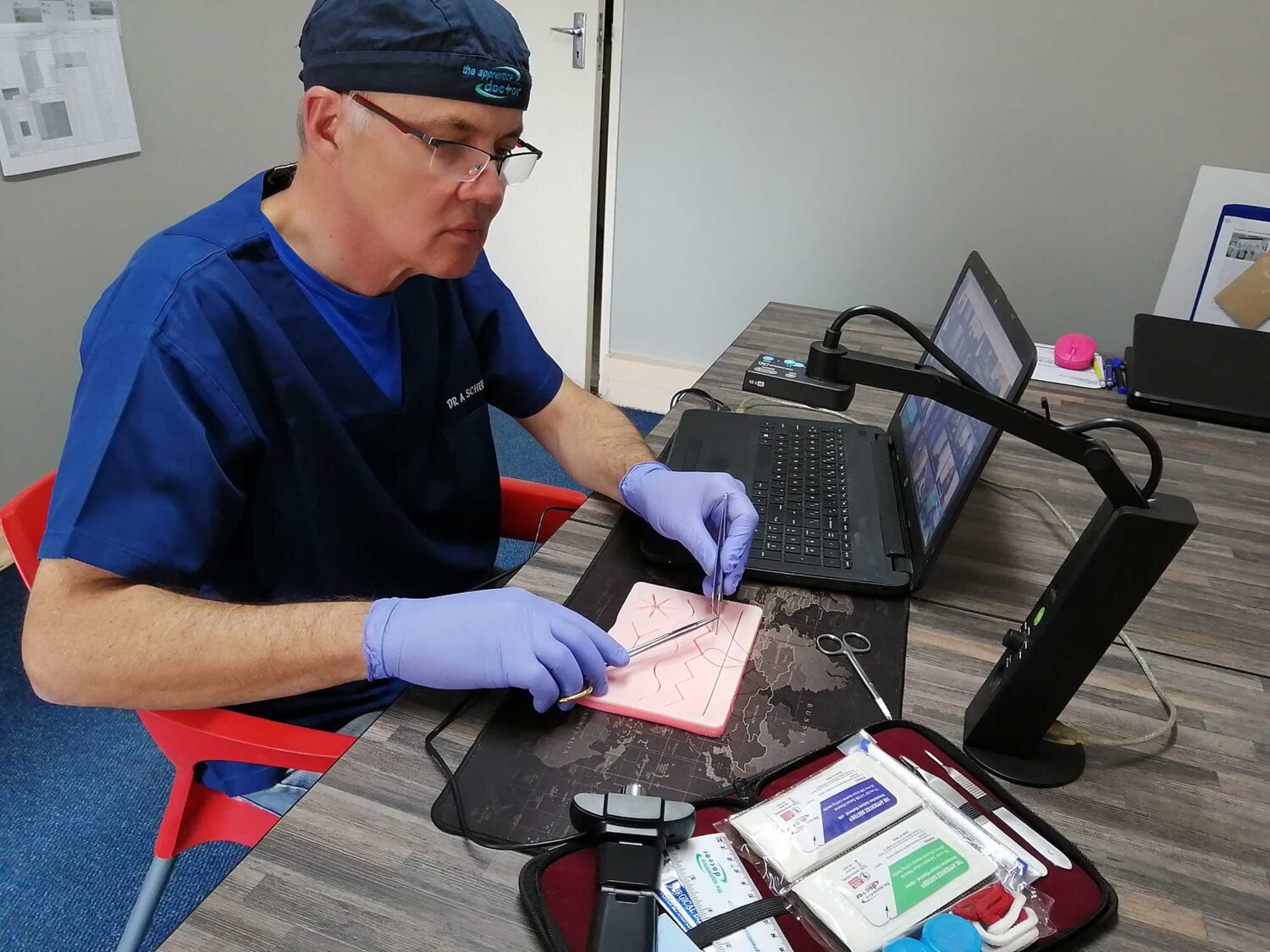
Also, explore the Scrub for Surgery Kit on Apprentice Doctor Kits.


A Day in the Life of a Surgeon

Hi Apprentice Doctor!


I was also once at a place in my life where everything seemed so far away and unattainable.


I barely made it into medical school. My scores in high school and pre-med weren’t the shiny example of brilliance you might expect.


But once I was accepted into medical school, I decided to never give up and always do my best.


Here’s the result…


I’d like to take you on a tour through my world, starting with my consulting rooms…


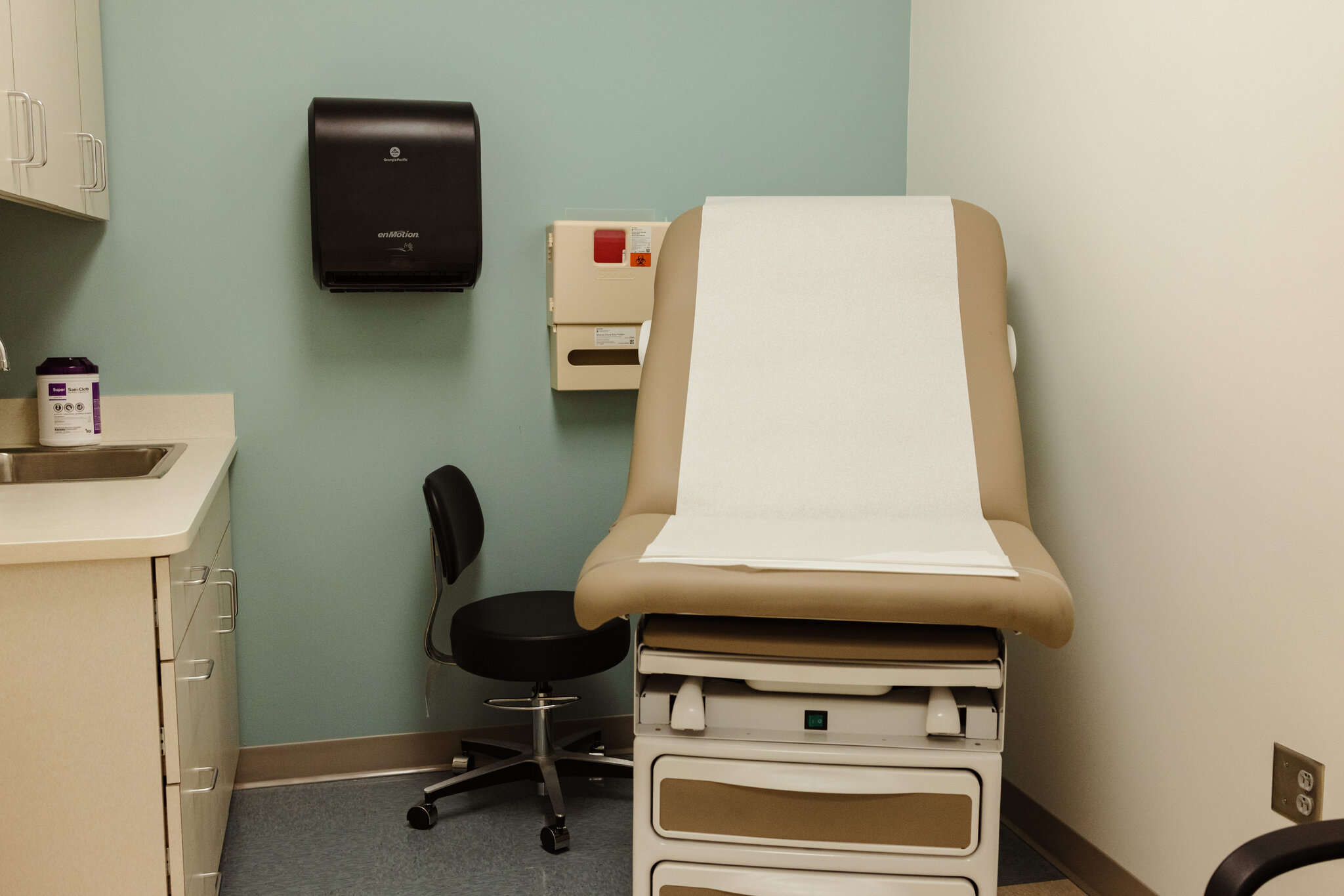
In my office I have a desk and an electric examination chair.


A patient will come in and sit at the desk. I’ll ask them some questions. Sometimes, I will need to do a small operation right there in the room. That’s what the electronic chair is for.


Usually in the mornings I consult with patients. Surgery is always a last resort, so during the consultation, I’ll decide whether the patient’s problem requires surgery to fix. If it doesn’t, I’ll suggest a course of action, I may prescribe medication.


If the problem can not be fixed any other way, I’ll book the person for surgery.

Below is Dr Radek Olshevski on the right, and me on the left. We’ve been colleagues for about 15 years.


Radek, in this picture, has just won an Iron-Man contest by miles – that’s why he’s smiling. He’s also smiling because the above picture was taken just before lunch, and he was hungry…


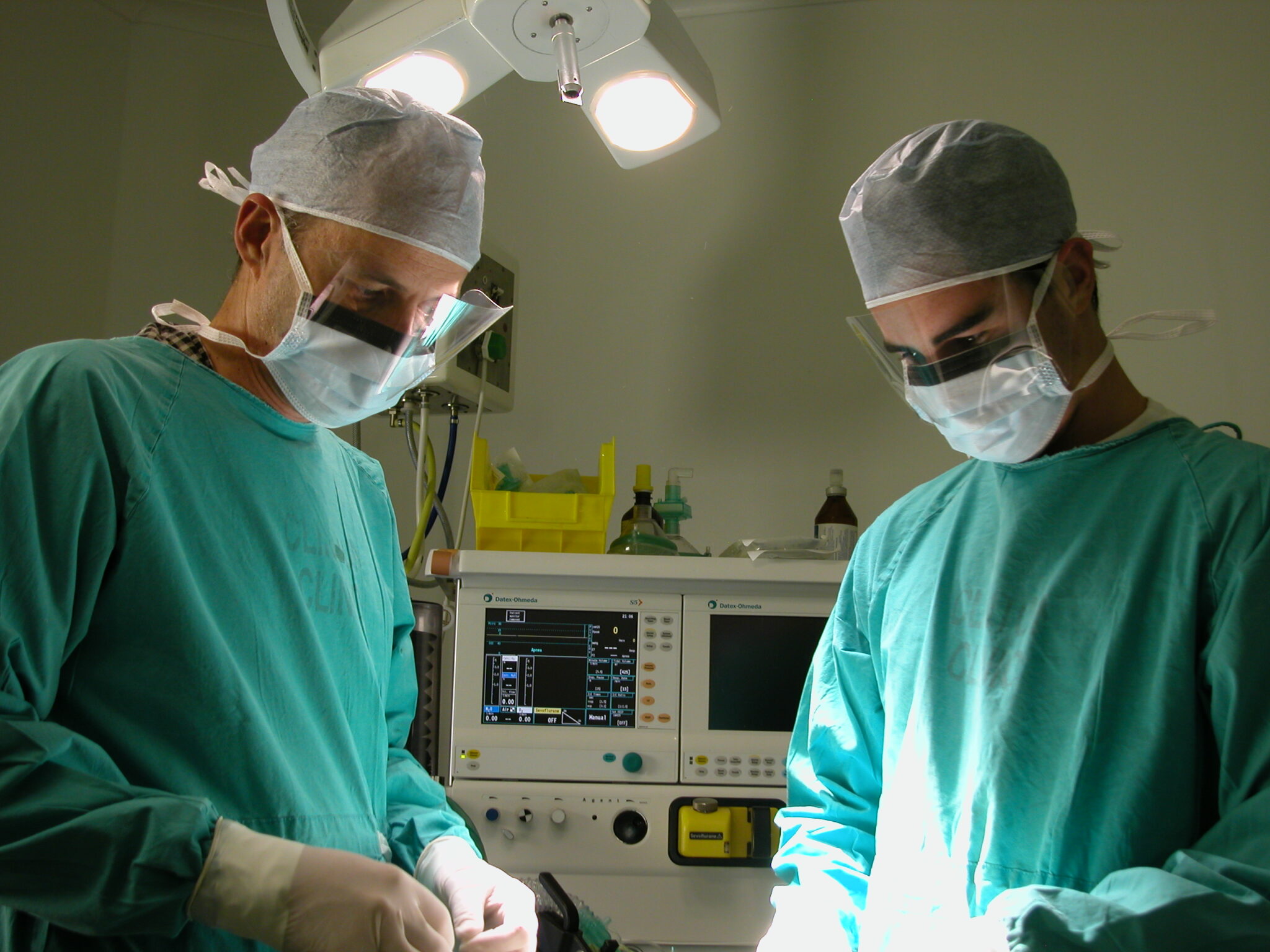
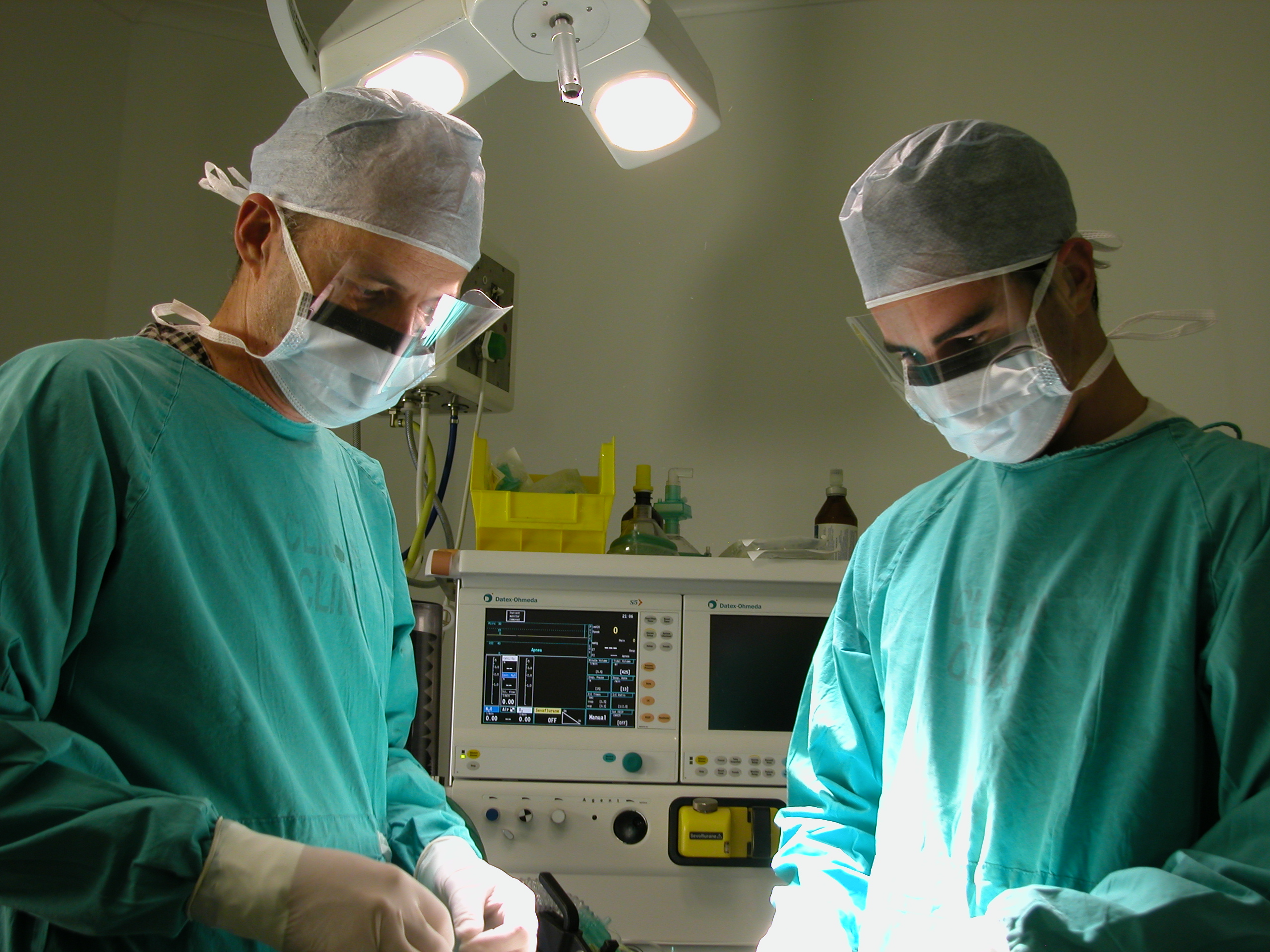
The food is great, and what’s more, it’s free because I’m a resident doctor at this hospital. I needed to eat something because I was due for surgery in Theatre 1, and the worst thing on earth would be to have a shaky hand while trying to operate. From here, I went straight to scrub…


The scrubbing is a very thorough process which you learn and actually practice in one of your first projects in the The Apprentice Doctor’s Foundation Course called “How to Examine Patients”.


After scrubbing, I go to the operating table where everything is prepared for me. Everything that is green is highly sterile and may not be touched without surgical gear on.

All in a days work.


That’s the end of your tour, but not the end of your road.

Study hard. In school, just like medical school, don’t ever move on until you understand the previous stuff.


Never be afraid to ask questions. Focus on your dream and your goals. You will also get there and have the life of your dreams.


In a future letter, we’ll do a goal setting workshop. You will learn how to set realistic goals that will definitely bring you closer to your dreams, step-by-step.


I look forward to it!


Your future colleague,

Dr. Anton


Dr. Anton Scheepers, BChD, MDent, FFD(SA), MFOS, President of The Apprentice Corporation

I really want to become a Doctor – Is there anything I can do straight away?

Check out the How to Suture Wounds on Apprentice Doctor Academy.
Also, explore the Deluxe Suture Kit on Apprentice Doctor Kits.


IMPORTANT! A major website update has been made. Any issues, notify us instantly by pressing the "Quick Help" button and leaving a short description of what you experienced.