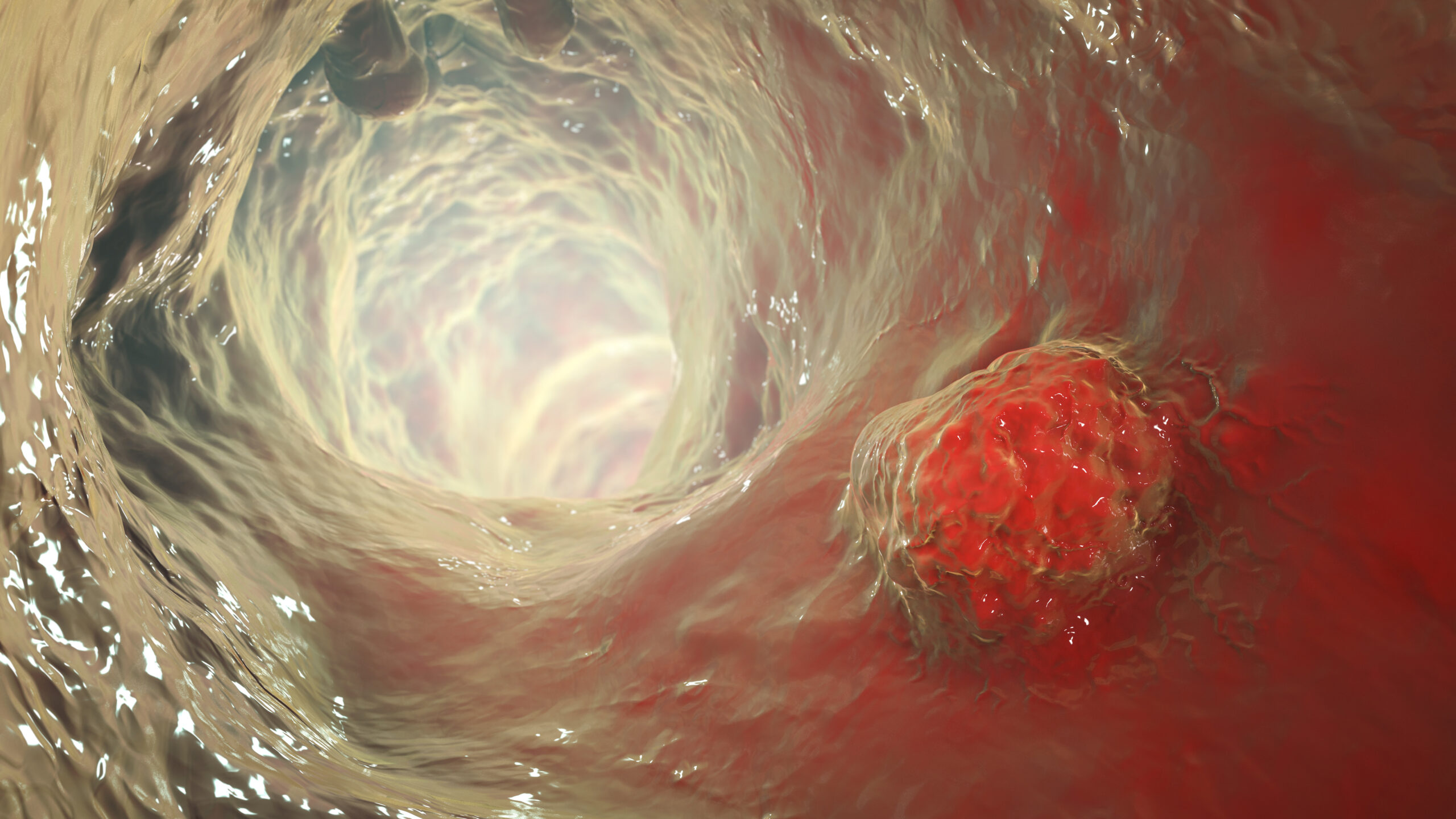
Case Study: Cancerous Growths

This is a true story. Only people’s names have been changed

Mr Brown’s Story
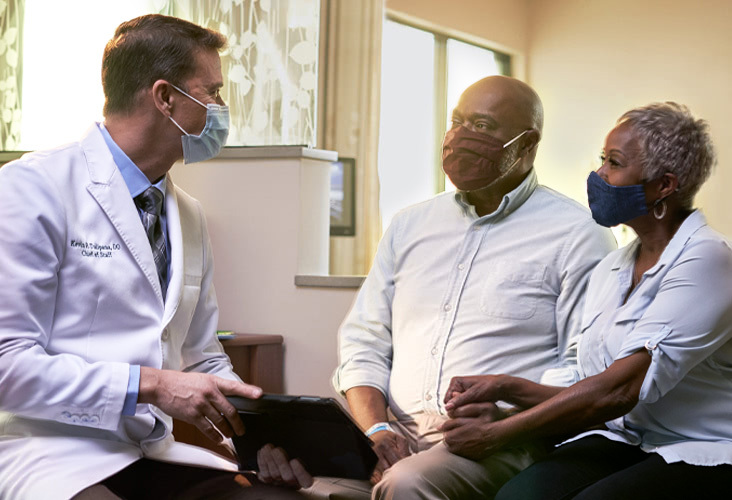


Mr. Brown – let’s call him Jack – was lying on his back in my reception area on a bench, his wife on another chair, and I was unsure if he was quite compus mentis (mentally normal).

He stood up and his wife led as they entered my consulting rooms. They both sat down and the wife immediately started speaking on his behalf.

She briefly stated that he has been treated for cancer of the tongue but that they would like a second opinion. So I interjected,  “Please go way back – start at the beginning.”

The wife started crying and the patient tried to comfort her but couldn’t speak due to pain in his tongue – a tongue that he had very little control over.

A moment late, she regained her composure and explained their situation:

Her husband – I thought it could be her father due to his worn-down appearance – noted a small lesion on the left side of his tongue.

They went to their dentist who immediately referred them to the local Oral Surgeon in the area – Dr Smith.

Dr Smith booked Jack for a procedure and excised the lesion (cut it out surgically). Dr Smith then sent the sample away to a laboratory for histological examination.

The lesion healed well, but on a follow up visit a week later they received the shocking news from Dr Smith that it was a cancerous growth.

It wasn’t all doom and gloom though. Dr Smith informed Jack that the lesion was completely removed and that it will never recur. Mr. Brown was healed. He thanked the surgeon, and the surgeon wished them well and they parted – both patient and doctor very happy at a great outcome!

The Inside Story


Inside Jack’s tongue, all was not well at all!

In Jack’s body, the white blood cell, commander of cancer control and extermination became very concerned. The intensity of their fight against these persistent invaders slowly but surely increased.

The problem was that it was becoming exceptionally difficult for the specialized cancer fighting units to recognize the invading cells – they were so similar to normal body cells!

There was one difference. Unlike normal tongue cells, the cancer cells divided again and again – uncontrollably and persistently!

The commander was unable to bring the state of affairs under the attention of Jack’s consciousness. This is because the specialized cancer fighting unit is part of the immune system and is being sub-contracted by the lymphatic system for the job. But the lymphatic system and the nervous system simply don’t communicate well – often not at all!

Two years later, Jack again noted a similar little ulcer in very much the same spot on his tongue.

Remembering the outcome of the previous biopsy, they promptly made an appointment at Dr Smith’s rooms – and so they met again.

Following the smiles and the Hi’s, Jack, accompanied by his very concerned wife, informed Dr Smith about the lesion.

Dr Smith examined the tongue and said that it was probably nothing more than an ulcer caused by an unintentional biting of his tongue. He prescribed an ointment and asked Mr. Brown to return in a week for a follow-up visit.

A week later the lesion hadn’t healed but looked very much the same as a week before.

So the pair went for the follow-up visit. A now very concerned patient and wife, asking numerous questions, sat in the consultation room.

Dr Smith made immediate arrangements to perform another biopsy. D?j? vu!

The story repeated almost to the letter with Dr Smith reassuring the patient and his wife: “The surgical excision margins was clear – there is nothing to worry about!” and explained that it was one of those one in a million chances that something like would happen twice in one patient – a bit like the survivor of 7 lightning strikes – a extremely rare statistical phenomenon.

A year and a bit later, one good morning, Jack thought he injured his tongue while brushing his teeth. He had a good look in the bathroom mirror, and then the concern grew during the day.

The next morning he asked his wife to have a look.

Sitting in front of Dr Smith for the third time in 5 years, Jack apparently had the same problem, again!

This time no time was wasted – an immediate biopsy – and Dr Smith promising to phone them as soon as he got the results.

Dr Smith sent the note to the histo-pathologist with a note: “URGENT” added to the referral note to pathology.

Later in the week, Jack received a phone call from Dr Smith’s receptionist, “Dr Smith wants you to please come in tomorrow morning…” and “…no I am not allowed to give results telephonically!” – in a way by saying this she gave away the diagnosis.

This time round the atmosphere was tense and the news not good. The result came back as cancer – and the lesion was incompletely removed. There were no clear margins this time.

Very clinically, and emotionally detached, Dr. Smith wrote a note to Dr Kelly – a head and neck surgeon friend of his with lots of experience in treating cancer patients.

The waiting was agony as they could only get an appointment to see Dr Kelly three weeks later. No amount of convicting or manipulation by Tracy could convince this ice cold receptionist to assist with an earlier appointment date.

The first impression of Dr Kelly was that of a well trained and very competent person – the history, the clinical examination and then the discussion. But the sentence that kept on repeating in both Jack’s and Tracey’s ears was, “I will have to surgically cut out about two thirds of your tongue?”.

Now a tongue is a wonderful organ – and one can remove a substantial amount of tongue tissue, and the tongue will recover amazingly well – increasing in size – and patients after speech therapy can talk amazingly well!

But somehow this was not communicated properly – whether Dr. Kelly didn’t spell it our well or whether emotionally perturbed patient and equally perturbed wife didn’t receive the information properly is not clear – but a critical miscommunication occurred.

Note: It is so important that one should ensure that the patient received the medical facts in a humane way – the truth – but soften it down a bit – be truthful but don’t be harsh with the facts!

The patient and wife start discussing the issues and decide that they are definitely not prepared to go for the radical tongue surgery – they cancel the appointment for surgery with Dr. Kelly and start to research the Internet for alternative options.

The world-wide-web of information in their case became a world-wide-web of misinformation. After a couple of days they came across a medical practitioner treating cancer with a special from of chemotherapy.

We all know that chemotherapy sometimes causes some nasty side-effects like hair-loss. But this practitioner used a special technique called IPT – this must be the miracle cure that they had hoped and prayed for, if the information and promises given on the website was anything to go by.

IPT is an acronym for “Insulin Potentiation Therapy”. The doctor doing the IPT was very friendly and had a ready answer for everything – even why Jack’s tongue and general condition kept on deteriorating.

It is a pity that these desperate people didn’t scroll down a bit further on the Google list for IPT – then they would have noted a serious caution about IPT by a website called “quack watch”.

Let’s read what they have to say about IPT…

Why You Should Stay Away from Insulin Potentiation Therapy by Robert Baratz, M.D., D.D.S., Ph.D.

Insulin Potentiation Therapy (IPT) is one of several unproven, dangerous treatments that is promoted by a small group of practitioners without trustworthy evidence that it works. It is claimed to be effective against cancer, infectious diseases, arthritis, and many other conditions.

After attempting this treatment and failing, eventually the couple ended up coming to me.

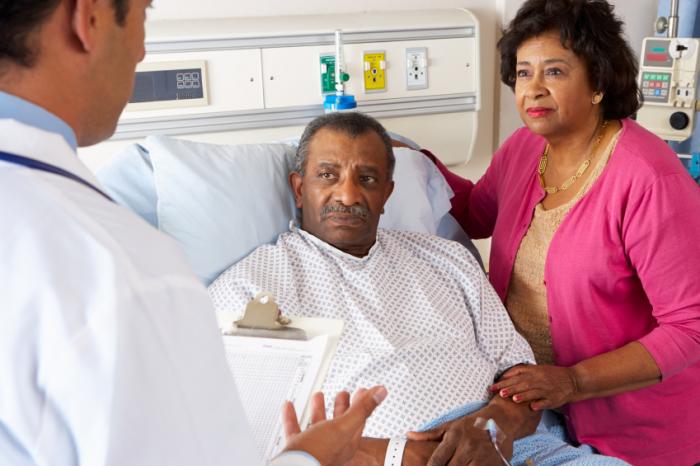
In front of me sat two devastated and desperate people – the man on the verge of madness by constant excruciating pain – and a woman drained to the bottom by worrying and consequent emotional breakdown.

Well time for action. Let’s do what we can do – basic principles – lets deal with the pain and sepsis as our first priority!

Orders – Admission (first, we fight with the healthcare plan to allow admission into hospital)

Hydration – Intravenous fluids, antibiotics and strong pain medication and frequent lukewarm saline mouth rinses

Consultation with a physician, a radiation oncologist and a dietitian

Arrange for X-rays and blood tests, and so the list goes on…

Off goes the precious couple to the admissions section of the hospital.

After decades of experience in clinical medicine my eyes filled with tears – Thank You God that I can still have compassion for the sick!

Thank You that my heart hasn’t hardened or gotten used to suffering!

Thank You that I can still see the man and the woman – not just another patient – and not just a source of income.

And so the story ends with an irreparable mess – the result of a number of poor clinical judgments by doctors and wrong decisions by the patient and his wife.

The best we can hope for now, based on sound scientific evidence, is palliative radiotherapy – or in simple terms, making his life as easy as possible for the next couple of years until he dies.

The radiation oncologist asked me to remove all Jack’s teeth – they were in poor condition – in preparation for the radiotherapy.

I take him to operating theater the next day, remove the teeth, and do a couple of biopsies, all confirming the diagnosis of unrestrained progressive oral cancer!

I really want to become a Doctor – Is there anything I can do straight away?

Check out the Medical Terminology: Decoding the Language of Healthcare on Apprentice Doctor Academy.


 

Bacteria – A Story About Septic Shock

It was spring, a lovely warm spring morning like any other with the sun’s rays shining brightly through the bathroom window, but all was not well.

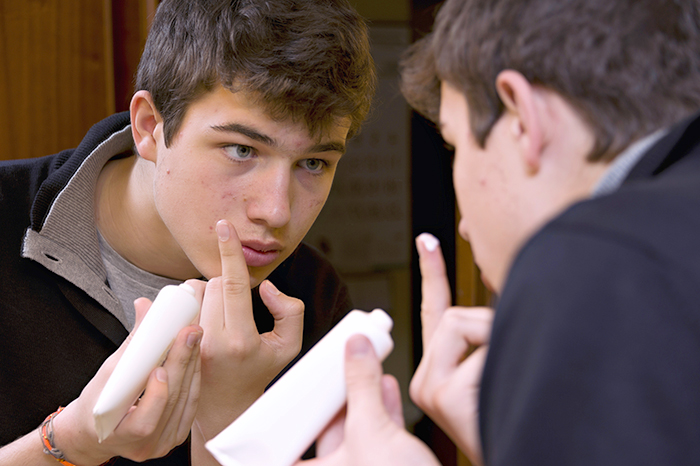
Henry stood in front of the bathroom mirror, “Oh no, not again!” He exclaimed.

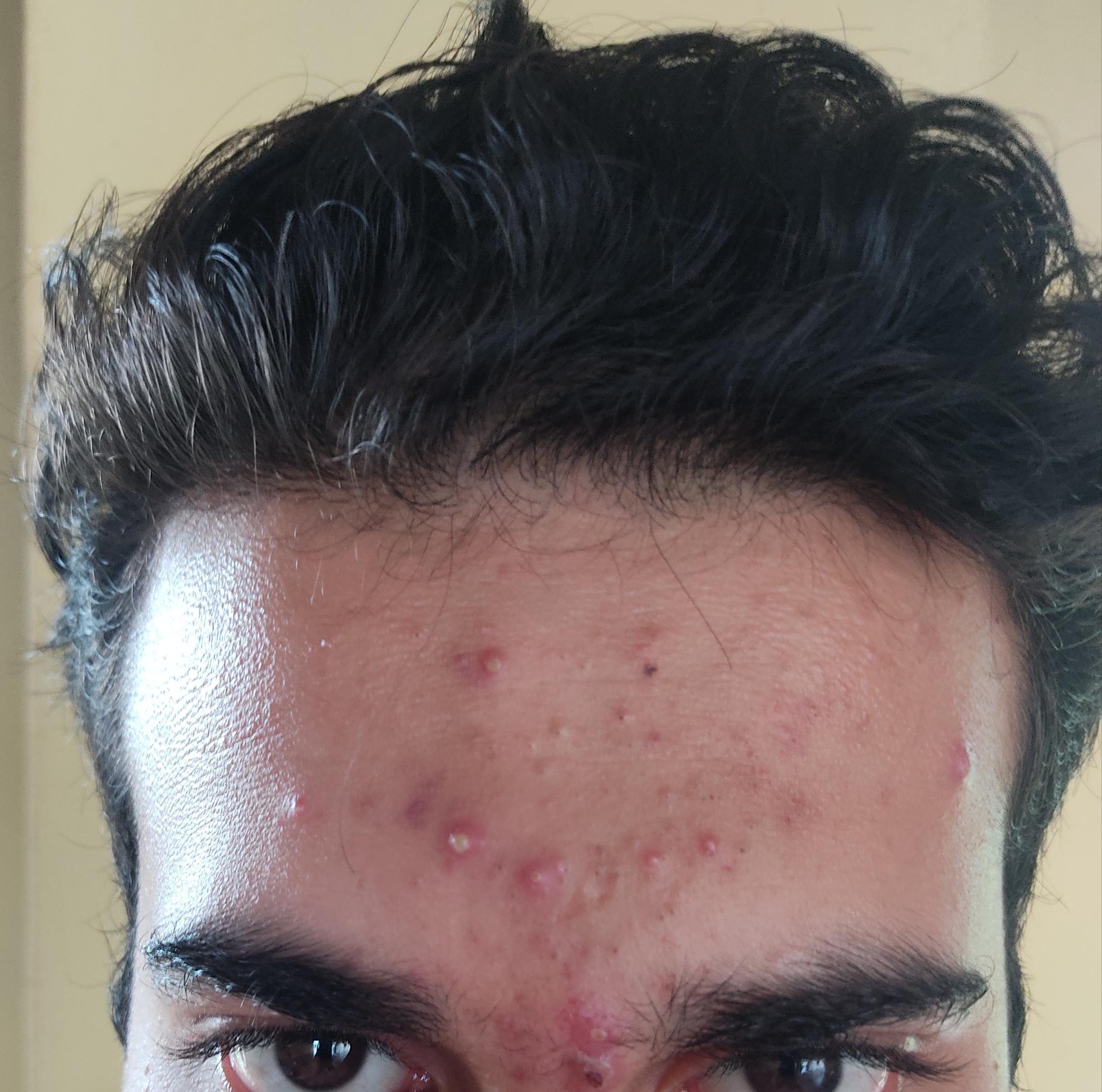
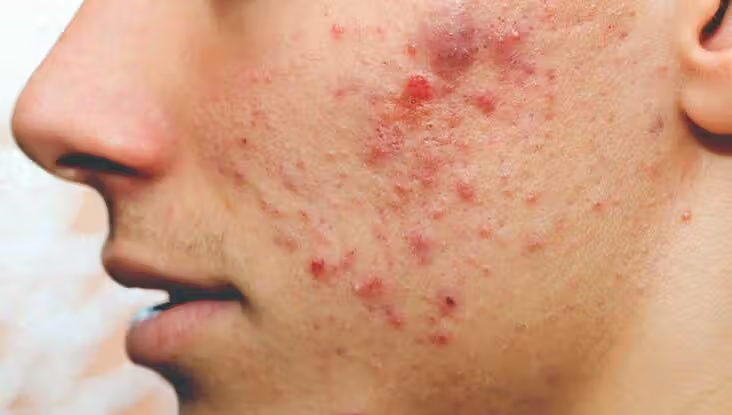
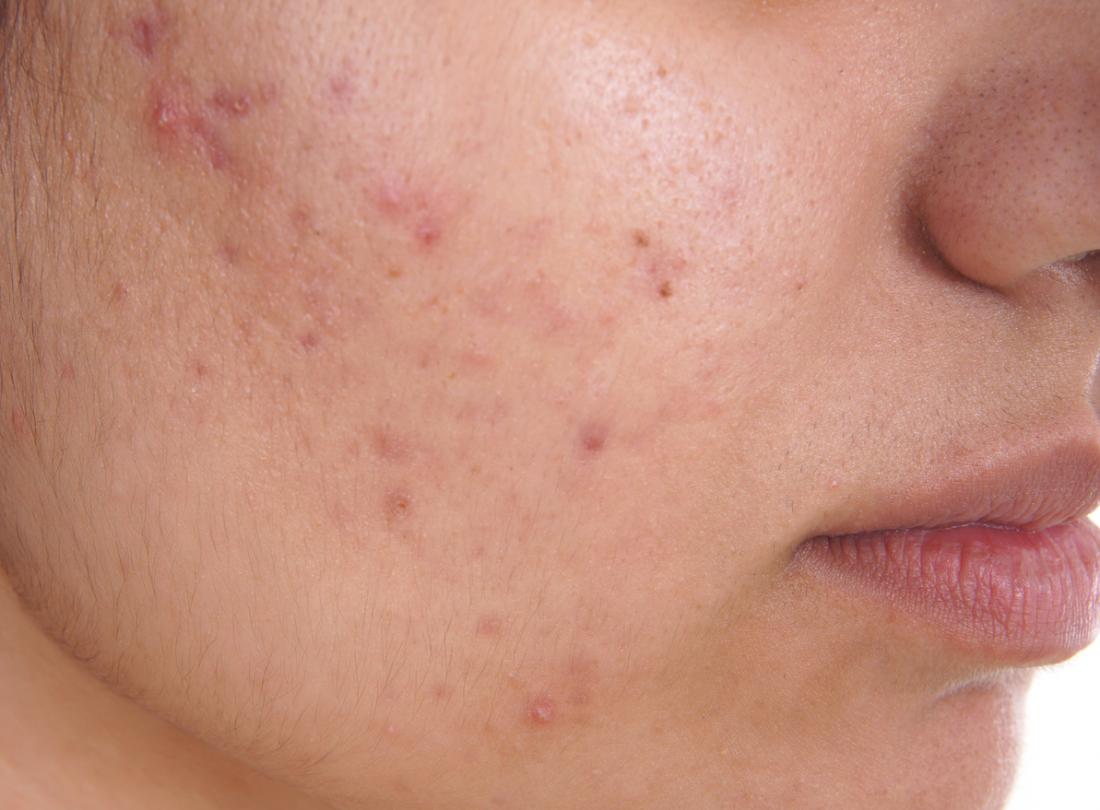
Like a lot of teenagers, Henry has been suffering with acne. At first it was just the odd one here and there, but lately it really has become a big problem and, clearly in the mirror, a pimple right on the side of his nose!!

This could not have come at a worse time because Henry has big plans for this weekend. He is taking his new girlfriend out on a date Saturday evening. “This can’t be happening,” Henry thinks to himself.

His parents have been very supportive with the acne problem and he is being treated by one of the best dermatologists in his town, but despite medication and facial cleansing agents, he still gets a couple of zits.

This is especially so when he becomes stressed, and this date with Cynthia has been stressing him out BIGTIME!

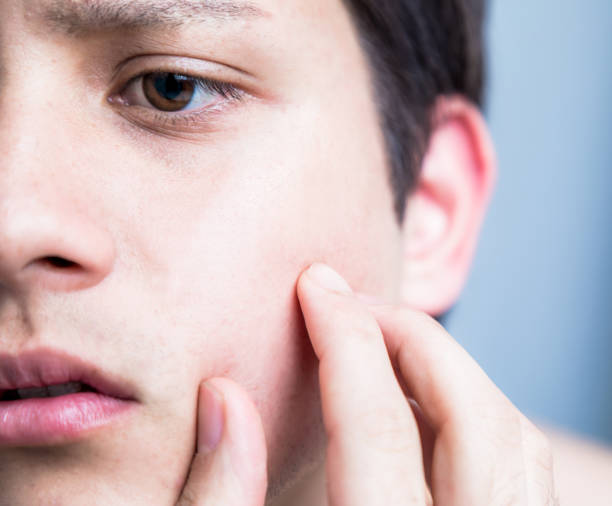
He frantically cleans the pimple, but this small pimple is getting bigger in his mind. He knows all too well that he shouldn’t squeeze the pimple, but impulsively his hands and fingers closes in; but pressing just makes it uglier and bigger.


“Henry! What on earth happened to you?” His mother exclaims as she approaches to have a closer look. Henry is somewhere in between seriously unhappy, cross, sad and at a loss of what to do with this THING on his nose.

This was not the time for his sister Angie to jokingly say, “Hi Rudolph!”, referring to Santa’s favorite reindeer with the red nose!

Mom, examining the bruised pimple, reminds Henry not to squeeze his pimples, to take his medicine, drink lots of water, and use the medicated facial soap that the dermatologist recommended.


What mom can’t see is under the pimple. An aggressive war is raging – a microscopic war with a formidable enemy and equally formidable soldiers fighting the enemy.

The enemy is aggressive, microscopic, disease-forming microorganisms called bacteria, and the soldiers are brave single cell units called white blood cells.

New soldiers arrive in their millions, and there can be no doubt: the enemy is aggressive. It is secreting deadly toxins.

Even more worrying to the commander is the fact that these bacteria’s numbers seem to double every couple of minutes! This is a strategic battle. The bacteria just want to invade the body, but the white blood cells are frantically defending.


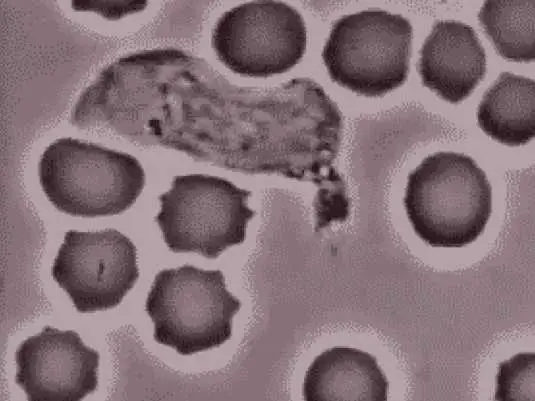
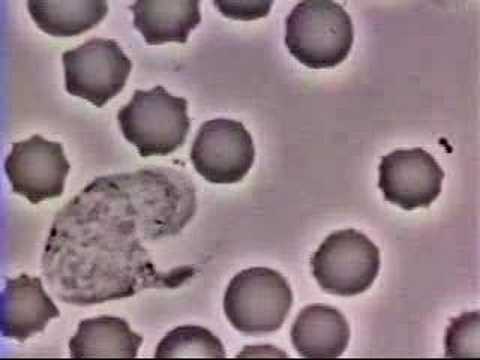
Some white blood cells attack with chemical missiles called antibodies while others engulf the bacteria and start to literally eat them one by one.

Small blood vessels in Henry’s body called capillaries have doors that open up and are offloading new white blood cell soldiers to wage this war in their millions.


The battle is fierce and has been raging for a number of hours now. Dead bacteria and dead white blood cells are lying in heaps everywhere!

The bacteria are slowly but surely getting greater amounts of toxins to pass the security checks of the defense army. More and more bacteria are able to join the war and extend the borders of this battle well into the night.


At three in the morning Henry slowly drifts into consciousness. He feels dreadful! Despite the warm springtime temperatures, he’s freezing cold.

Moaning from a dull headache, he drags himself out of bed and gets his winter blanket from the drawer.

For a while he feels too cold, and then he starts sweating. And so the night goes on, from him feeling freezing to sweating in a torturous loop over and over, until he mercifully falls asleep again.

But it’s a restless sleep. He dreams of little green monsters, a vague though grim reality of what was happening inside his body!

“Wake up Henry. You are going to be late for school!” The first, second, and third call for Henry to get up fall on deaf ears, but then dad walks in sternly demanding action.


Henry is red with fever, confused and dizzy. Mom measures his fever. “There is no way he can go to school like this,” she informs dad.

Mom makes an appointment with the Doc. Henry is very feverish and as if that wasn’t enough, that dull headache has developed into a splitting headache, sitting just behind his eye sockets, or so it feels.

Meanwhile, the battle in his body has reached fever pitch. Hordes of bacteria have slipped past one of the weak areas of the defense and landed up in a dangerous area.

They somehow got lost and were carried by a small vein from the nose to the eye socket, and from the eye socket to the blood channels around the brain, all the time emitting toxins and increasing in numbers.

The Defense System Commander declares DEFCON 1 in the body and the full weight of the defense system is brought to bear on this battle now.

It’s being fought on a number of fronts, the most dangerous of which is in the blood channels below the main frame computer, the brain.

At first Henry hears a vague voice – that of his mother saying his name softly – her whispering prayers for his recovery, and then it fades.


Over the next couple of days in his confused, semi-conscious daze, he hears the voices of doctors and nurses and constant beeps of medical monitors.

Henry doesn’t know it, but he was rushed to the hospital after his alert doctor diagnosed a rare condition.

The blood in the spaces below his brain clotted and the infection started flowing over into his blood stream – a condition called “septic shock”.

Within the depths of Henry’s body the body’s defense force is virtually beaten, but the white blood cell marines persist, consistently and accurately shooting their antibody missiles into the bacteria, and then engulfing and digesting them.

The doctors decide to employ an intelligent weapon of mass destruction designed to kill the bacteria in hoards while sparing the white blood cell marines.

This secret weapon, an antibiotic, starts to turn the battle in favor of the defense system and Henry starts to recover – slowly at first – but then faster and faster as the marines’ efforts gain the upper hand.

His condition is critical, but gradually Henry is hauled back from the edge of death by strategic treatment, dedicated doctors and nurses in the hospital’s intensive care unit, and his mother’s prayers.


Henry is back at school – and the biology project he is handing in today is titled:

“The Dangerous Triangle of the Face”

The project tells about a young man who suffered from a sinus infection, and developed the same medical condition that Henry did.

It is the true story of an 18 year old young man who came to the same intensive care unit a year before Henry did, but the difference was, this young man tragically died.

He also told his own story and explained how important it is to respect the area from the corners of the mouth to the bridge of the nose – the dangerous triangle of the face.


Background Information:

The human body needs to fight off many enemies every day. Most of these enemies are way too small to be seen with the naked eye, and are called microorganisms.

Bacteria refers to a large group of different strains of microorganisms. Most of them are quite innocent, and some of them are actually quite friendly and helpful, but occasionally the body encounters harmful bacteria, and it is the defense system’s task to protect the body by destroying these invaders.

Bacteria can enter the healthy cells of the body and destroy them or they may produce harmful chemical substances called “toxins” killing the body’s cells.

The battle between bacteria and the body’s defense system is called infection.  If the body wins the battle, the bacteria are removed and the person recovers but if the bacteria win the battle the person will remain ill or die.

The soldiers of the defense system of the body are the white blood cells. They kill bacteria by literally eating and digesting them. This process is called phagocytosis.

Certain white blood cells produce very special missile like chemicals called antibodies, and when these antibodies attach to bacteria, it makes it easier for other white blood cells to recognize, eat and digest these invaders.

Some bacteria have thick cell walls and occasionally slimy coats making it difficult for white blood cells to eat and digest them, but the ultimate weapon for bacteria is that they can reproduce very fast and sometimes so fast that they literally overwhelm the body’s defense system by mere numbers!

I really want to become a Doctor – Is there anything I can do straight away?

Check out the Medical Microbiology on Apprentice Doctor Academy.


Draining an Abscess

A severe infection with aggressive flesh eating bacteria

The video clip below documents an interesting case of an uncontrolled diabetic patient. He had a severe infection with aggressive flesh eating bacteria causing serious tissue damage and sepsis with an abscess forming.

Diabetes is associated with an increased risk of infection as well as slower wound healing. In uncontrolled diabetes these problems can get out of hand – as you will see in the following video clip

Notice a couple of basic principles of treating this type of infection from watching the video clip:

  1. The basic treatment for an abscess is “Incision and drainage”. Even some qualified doctors wrongly believe that an abscess will clear up with antibiotic treatment only. Now you know something about medicine that some qualified doctors don’t. How cool is that?
  2. Surgical Debridement The body can get rid of minute microscopic amounts of dead tissue or foreign material. Bigger pieces of dead tissue must be removed surgically.
  3. Sterilization and Safety. Always work as aseptically as possible with sterile instruments and use all the barrier techniques available, e.g. gloves, visor or glasses, surgical gowns and drapes etc).
  4. Be aware of the importance of the dangerous triangle of the face.

In destructive infections use aggressive intravenous (into the vein) antibiotic therapy.

Ensure that a pus swab is taken so the lab can test it and determine antibiotic sensitivity (how well the antibiotic fights the germs).

Adjust the antibiotic treatment according to the antibiotic sensitivity results coming back from the lab.

As indicted in one of my previous newsletters, infection is a very serious condition and often a life threatening condition, especially if it occurs in the dangerous triangle of the face.

Cavernous Sinus Thrombosis is a deadly condition as you would have noticed in that newsletter.


 abscess


The danger triangle of the face consists of the area from the corners of the mouth to the bridge of the nose, including the nose and maxilla (upper jaw).

Due to the special nature of the blood supply to the human nose and surrounding area, it is possible for infections from the nasal area to spread to the brain via small communicating veins traversing the base of skull, communicating with the venous sinuses surrounding the brain.

Always treat infections promptly and aggressively. There is a saying among surgeons – “never let the sun set on pus” (always drain an abscess on the same day – don’t book it on tomorrow’s theater list!)

I trust you have learned something – if so please let me know by leaving a comment!

I really want to become a Doctor – Is there anything I can do straight away?

Check out the How to Suture Wounds on Apprentice Doctor Academy.

Also, explore the Suture Kit (Right-handed) on Apprentice Doctor Kits.


A Doctor Never Stops Learning

I often get questions from students on how long it takes to become a doctor or an anesthetist or a surgeon – and the answer is: Forever!

Let me explain?

When you commit towards a career in medicine, you will have to study a certain number of years in medical school before you are qualified.

Then follows a number of years of residency, and you will still be studying.

Even when you qualify, you will have to keep abreast with the latest treatment modalities and medication in your field of practice.

You will have to study articles in medical journals and you will have to attend medical congresses.

You really owe it to your patients to only offer them the best and latest technologies, and therefore you will have to keep up with the latest developments and information in your field of practice.

So, to some extent, you will be studying for the rest of your life!

Recently I had the privilege to attend a great conference on Maxillofacial Surgery:


…in the beautiful town of George in the Southern Cape in South Africa:


Have a look at a video clip of a world expert speaking on repairing malformations of the mandible (lower jaw)…

That covers the first part: “always remain a student!”


Now, the second part: “Always remain a teacher”

Share your knowledge. In medicine new methods and developments are published – not patented.

You want patients and doctors all over the world to share in your knowledge and new discoveries and benefit from the new information.

Be liberal with your teaching and help your juniors to be exceptionally great doctors. By giving you will receive back in multiplication!

In medical school there is a saying: “See one, do one, teach one.” So learn from the experts. See what and how they are doing things (more than once!), then do the procedure under supervision until you are comfortable with the amount of experience that you have.

Then start teaching. Share the knowledge and information liberally.

Teaching makes the knowledge stay. You will retain your knowledge permanently by teaching it.

As a private doctor, keep a morning or an afternoon open to teach new students at your faculty. Since you have received so much, start giving back!

Aren’t we lucky to be able to study medicine? A lifelong opportunity of getting new knowledge and information, of pioneering and discovering new breakthroughs, new methods and ways of treating and benefiting our patients!

I really want to become a Doctor – Is there anything I can do straight away?

Check out the Foundation Medical Course on Apprentice Doctor Academy.
 

A Matter of Life or Death

On rare occasion I have had the unpleasant task to go to family members waiting in front of the operation theatre and inform them that a loved one has passed away on the operating table.

To witness the shock, pain, suffering and sorrow of the wife and children who have just heard that they have lost a beloved husband/father is indescribably sad.

Let me assure you it is not pleasant. The emotions that you have to deal with are immense.

The introspection that inevitably plaque you over the next few days, weeks, and sometimes years later is very hard on you. What if I did things differently. Should I have operated sooner or should I have delayed it longer? Should I have used different drugs? Should I have utilized the services of another anesthesiologist? Question after question!

A young man came into my rooms recently. He was referred by another doctor for the removal of impacted wisdom teeth.

Following my clinical examination, I admitted him to hospital, I got a series of blood tests and x-rays and placed him on high doses of antibiotics.

Inexplicably, his condition deteriorates overnight and he is transferred to the ICU the next morning. CT Scans are ordered. An Otolaryngologist and Neurosurgeon is consulted.

The patient developed an extremely rare condition: cavernous sinus thrombosis (blood clotting in the venous draining system surrounding the brain).

He suffered from an acute sinusitis and the infection spread via small veins through the skull base into the blood drainage system of the brain and the blood in this system started to clot.

The increase of pressure in the skull cavity pushes the eye forward and causes the membrane covering the eye to swell a lot.


 [vsw id=”sXeTppCcuuo” source=”youtube” width=”425″ height=”344″ autoplay=”no”]

I tried more and higher doses of antibiotics, anticoagulant therapy (blood thinning medication) and cortisone to reduce brain swelling.

The patient had the benefit of the best clinicians, the best intensive care staff, and a variety of tests, monitors, as well as a tube in his trachea (main windpipe) ventilating him with Oxygen enriched air.


 [vsw id=”xxkCfBAqoKk” source=”youtube” width=”425″ height=”344″ autoplay=”no”]

For the next two days the patient improves, but then suddenly on the Thursday morning,  he deteriorates.

He is brain dead a few hours later – a vegetable only useful as an organ donor, for somebody who needs kidneys, a heart etc.

He was only eighteen. Eighteen years of nurturing and dedicated parenting ends in a disaster – a painful emotional disaster.

Somebody needs to tell his parents, and then to make things worse, that person must ask them for their son’s organs. Death for one person often means life for another.

Is this the type of thing that you will be able to handle?

Medicine is immensely rewarding – but be sure you can deal with the moments of exhilaration as well as the moments of sorrow.

Be prepared for it so it doesn’t catch you by surprise.

I really want to become a Doctor – Is there anything I can do straight away?

Check out the Control Bleeding on Apprentice Doctor Academy.
Also, explore the Control Bleeding Simulation Practice Kit on Apprentice Doctor Kits.


Anesthetist – A Difficult Day in Theater

Would you like to become an anesthetist? Or would you like to become a surgeon? Or how about becoming an oncologist, pathologist or registered professional nurse? Then pay close attention to this letter.

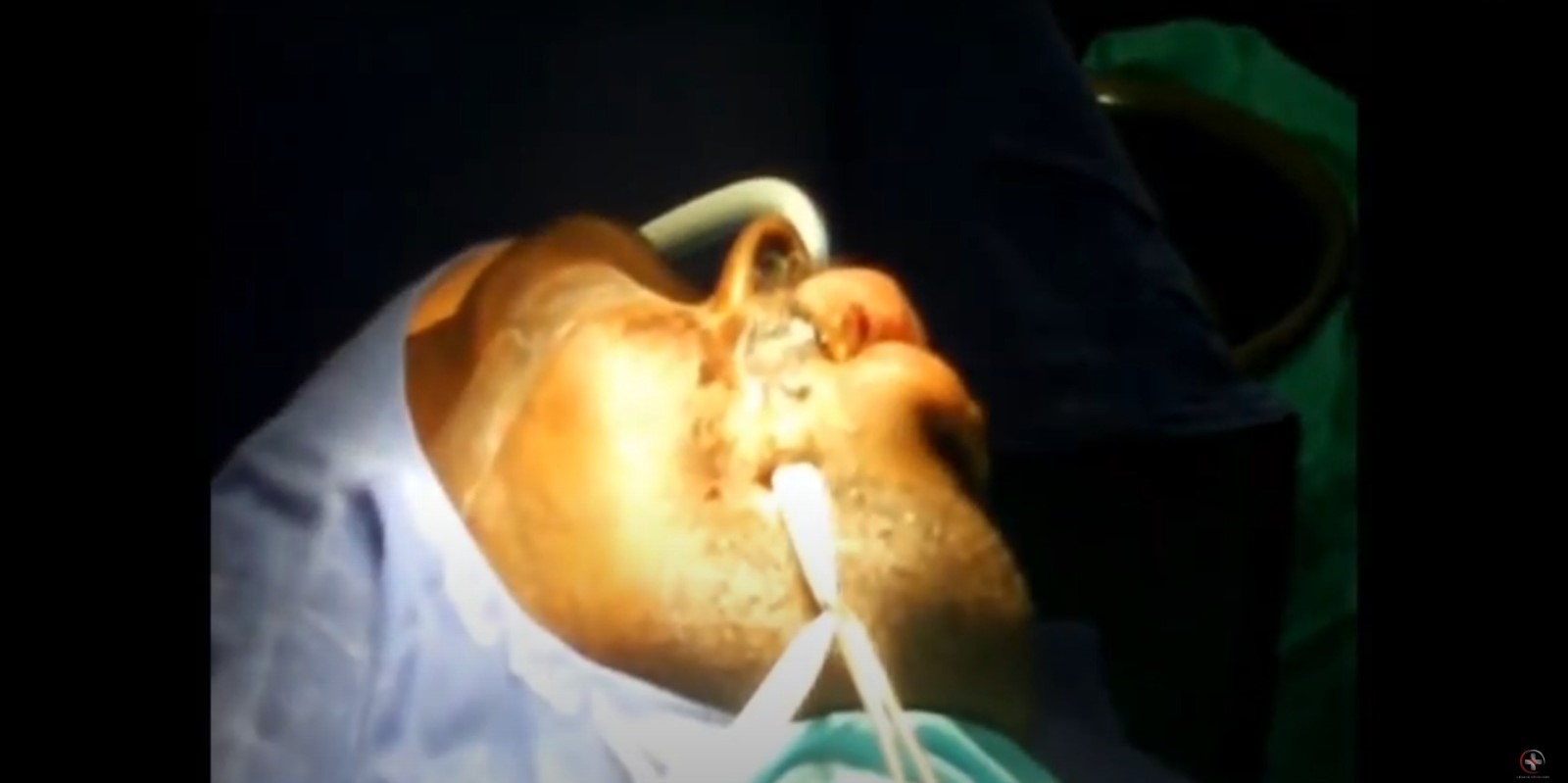
This was my last patient on the operating list today: a 39 year old AIDS patient with a large cancerous growth on her upper jaw.

I took some pictures of it for you guys…

Anesthetist – A Difficult Day in Theater-1

Now I need to take a biopsy (remove a piece of this growth surgically). Then I need to send it to my Histopathology colleague who will examine the tissue under a microscope and then give a report on the type of growth so I can offer the patient options on the treatment.


Anesthetist – A Difficult Day in Theater

Anesthetist – A Difficult Day in Theater-1

I will probably have to send this patient to an oncologist (a cancer specialist) for chemotherapy (cancer killing medication) and radiotherapy (cancer killing radiation).

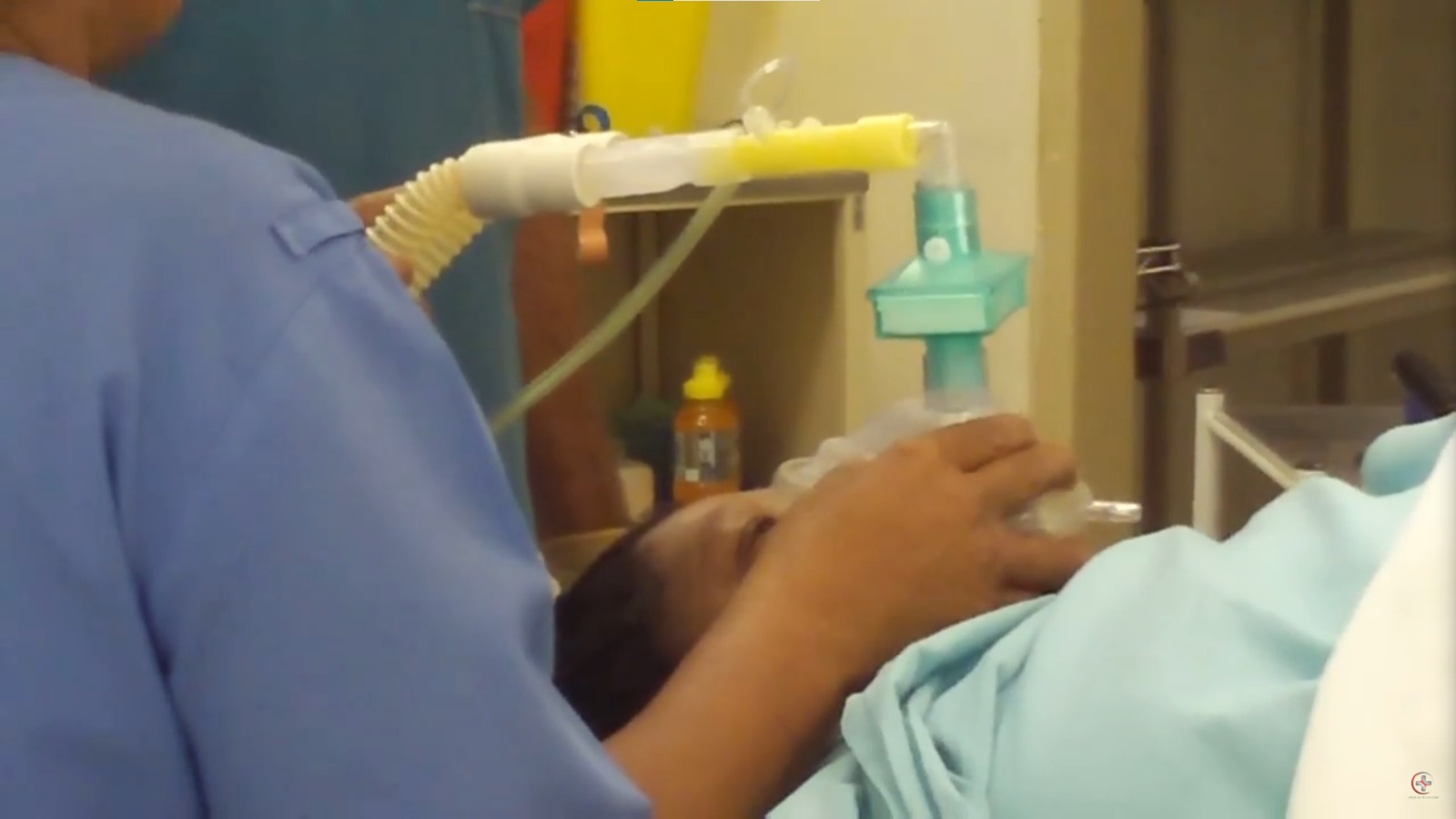
This patient is presenting a great challenge to the anesthetist. He will have to give her a general anesthetic.

The patient is very obese, and this is making the anesthetist’s job quite difficult. Adding to his problems is the cancerous growth which is extending all the way into the back of the throat. He needs to ensure that the patient receives enough Oxygen during the anesthetic.

“Maintaining the airway” is the anesthetist’s main objective, so he first takes a preview while the patient is sedated. The monitors give him information about the condition and status of the respiratory and cardio-vascular systems.

He injects some induction agent (medication that makes the patient asleep) intravenously (into the vein).

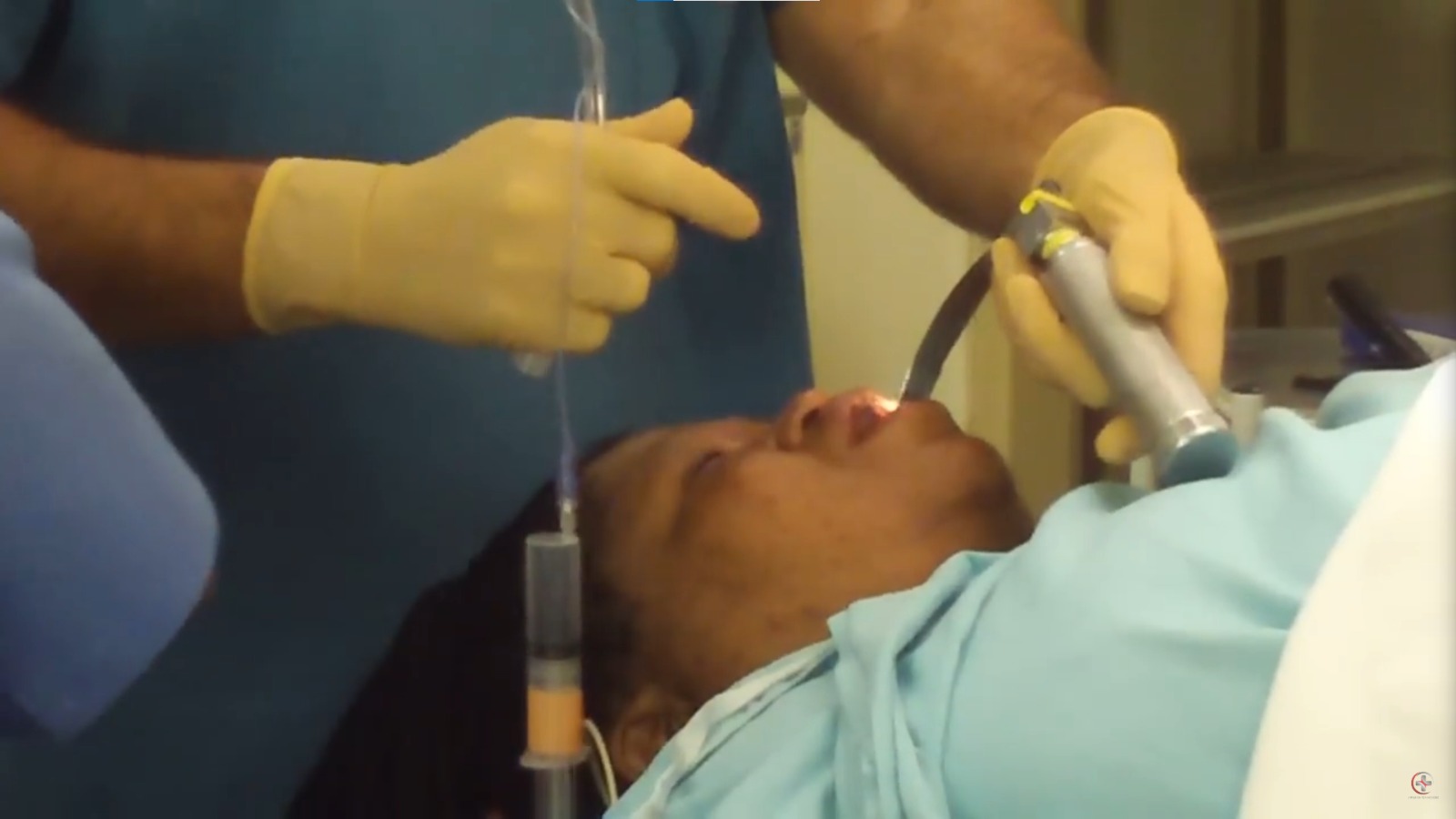
The anesthetist has to see the vocal cords and place a tube in between the vocal cords into the trachea (main windpipe) to transfer Oxygen into the patient’s lungs. Looking at the video clip above, you can see how he skillfully intubates (places the tube into the trachea).

Now the professional theater nurse will prepare the patient for the operation.

My job is to debulk (make it smaller surgically) the tumor and place some of the tissue in a special solution. That will then be sent to the pathology lab.

This is a vascular tumor (the tumor is full of blood and blood vessels) so now it is my turn to stress.

Will I be able to stop the bleeding? I have to be very, very careful with sharp instruments as this is an HIV+ AIDS patient. Even the slightest slip with a sharp instrument can have drastic consequences for me or my assisting nurse!

The operation was a success. The following morning in the ward, I meet the smiling patient, “Thanks Dr Anton! You have given me my smile back!”

Although I know that it is only temporary, I also know that for the limited time that she will be alive, I have increased her quality of life and made her feel good about herself. Isn’t this a great reason to become a doctor or surgeon?

I really want to become a Doctor – Is there anything I can do straight away?

Check out the Pulse Oximetry Mini Course on Apprentice Doctor Academy.
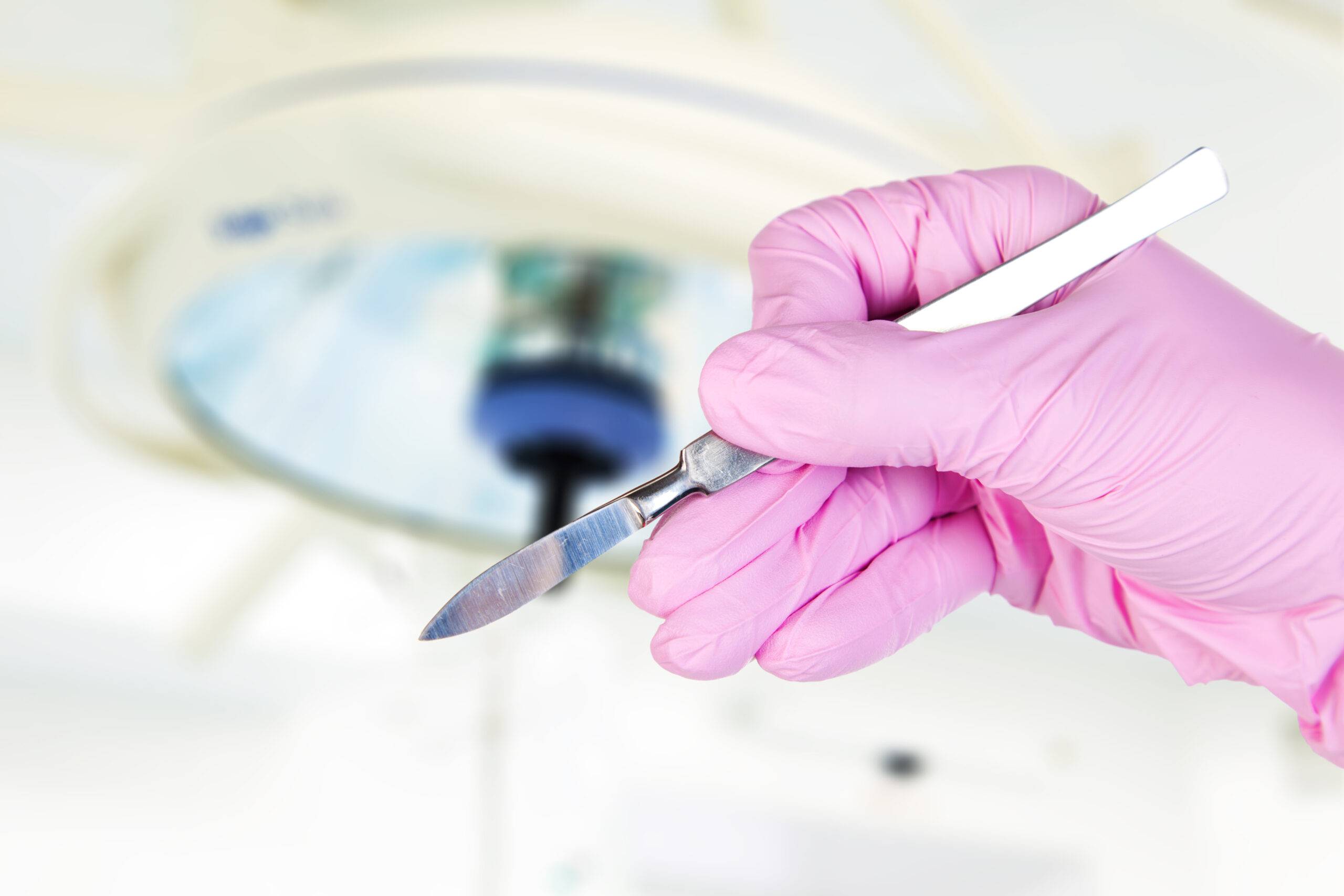
Also, explore the Scrub for Surgery Kit on Apprentice Doctor Kits.


A Knife Through the Face

One of the most difficult things about becoming and being a doctor is the demands on your time. As a surgeon, sometimes you have to get up in the middle of the night to go sort out an emergency.

That has happened many many times in my career, but I’ll never forget a case I had right at the beginning of my career. I got a call from the hospital late at night and I had to leave my warm bed to go take care of business.

When I got to the hospital, I was greeted by the emergency doctor who showed me an x-ray:


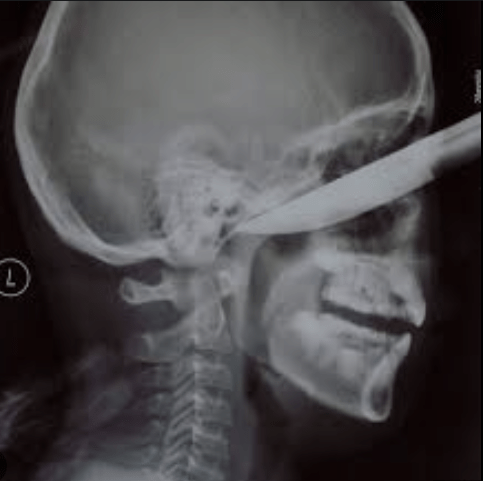
Just kidding. The original picture of the x-ray has somehow been lost over the 30 years since it happened, but the x-ray the emergency doctor showed me looked almost exactly like this:


I rushed to the theatre reception area and found the patient inebriated (intoxicated) from drinking too much alcohol, but as far as his general condition, he was surprisingly stable and believe it or not the patient was conscious. He told me how his “friend” stabbed him in the face.

I ordered angiograms (special X-ray that shows the arteries in the body) to make sure that the knife did not transect the bog artery. I needed to know this because if the knife transected the bog artery, the patient could bleed to death if I removed the knife without first taking care of the artery.

This case was recorded in the British Journal of Maxillofacial Surgery, although the link to it no longer works.

After more tests I prepared for surgery and rushed him to the operating theatre. The anesthetist administered a general anesthetic and the knife was removed uneventfully, although with some difficulty!

This was potentially a very dangerous surgery due to the risk of life threatening bleeding on removal of the blade.

Take a look at the x-ray above. Can you see that the knife has serrations (teeth)?

Do you also see how valuable modern technology is. Without the x-ray and angiograms, all I would have been able to see is the knife sticking out the patient’s face. I would not have the “inside information” which allowed me to save this man’s life.


A fair amount of the knowledge that you learn in medical school you will only need occasionally. One of the reasons medical professionals study so long and hard is because of the one time when an unusual or difficult case comes along.

Then you need to draw from the knowledge right at the back of your mind – the stuff you learned years before but have never used – to make life-saving decisions.

This patient fully recovered.

You have an exciting future ahead of you. Medical technology is advancing at a crazy pace and you will enjoy many benefits that 20th century doctors didn’t have access to.

Make sure this is the right career path for you, but once you do, study hard and make things happen. Most people expect things to happen for them or to them and they live “reactive” lives. Instead, make a decision to make things happen in your life.

If you haven’t already done so, sign up for Letters from the Doc and I will send you an email containing a link to an incredible e-book called “Which Branch of Medicine Is For Me?”. This free e-book, worth $9, explains hundreds of different medical career paths and which one would suite you best depending on what kind of personality you have. I highly recommend it.

All the best until next time.

Your friend,

I really want to become a Doctor – Is there anything I can do straight away?

Check out the Control Bleeding on Apprentice Doctor Academy.
Also, explore the Control Bleeding Simulation Practice Kit on Apprentice Doctor Kits.


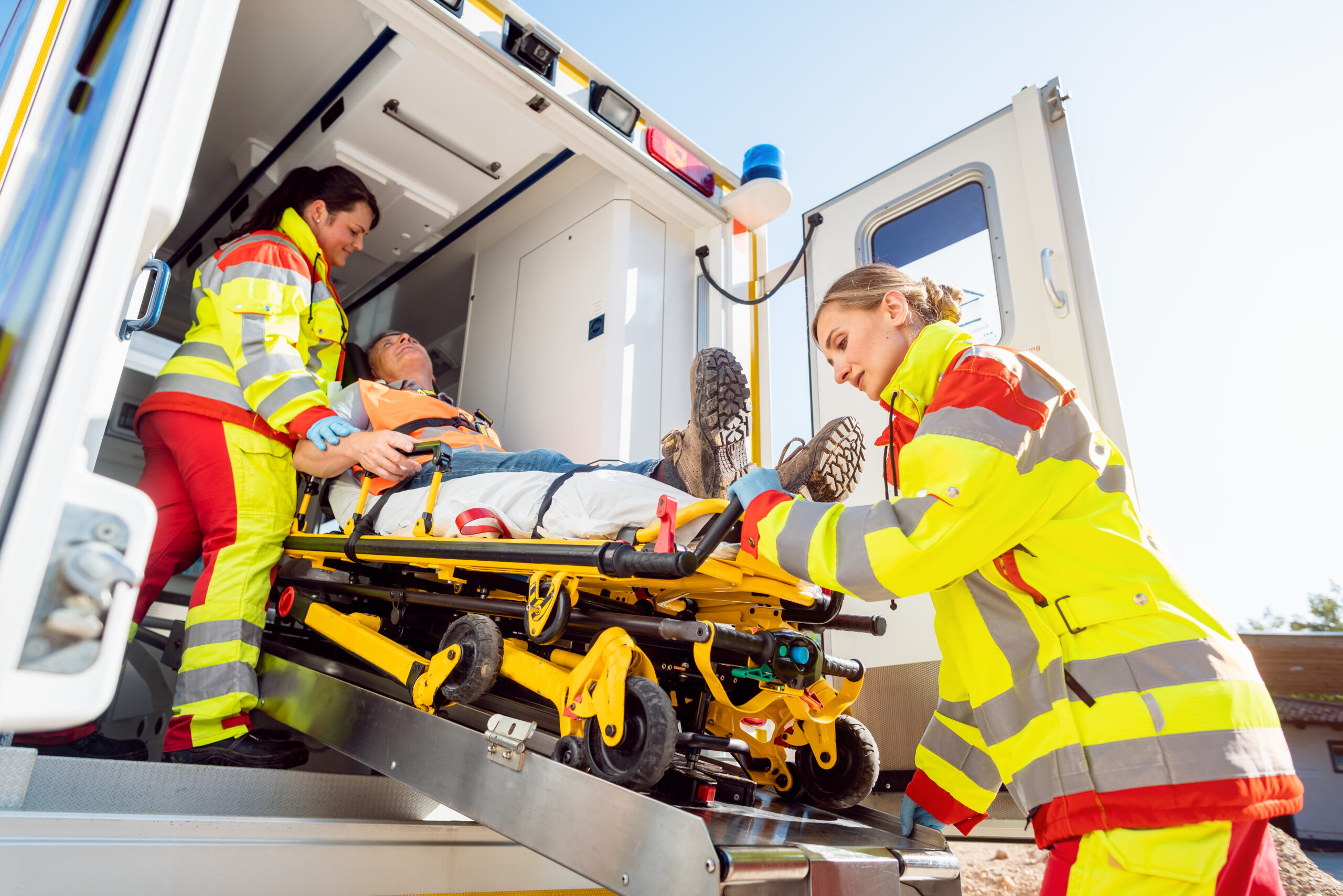
How to Become a Paramedic or ER Doctor

Become a Paramedic

Emergency medicine is a specialty of medicine that focuses on the diagnosis and treatment of acute illnesses and injuries that require immediate medical attention.

Accidents occur uninvited – that is why we call them accidents. Do you think you would thrive on the adrenaline and the fulfillment that comes from assisting injured people and people in any emergency life-threatening situations?

Look at this video clip to get an idea of the various scenarios in emergency medicine…


An accident happens on the highway and an emergency trauma team kicks into action. A trauma doctor, a certified emergency nurse, an EMT and a paramedic rushes to the scene of the car crash with an ambulance as well as an ambulance helicopter.

The emergency response professionals work as a team to evaluate the trauma patients.

They reflexively go through the DR. ABC of emergency medicine:

D – Danger (Is everybody safe. Example: Is the car on a train track? Then the first step is to get it off!)

R – Responsiveness of patient/s (Can they hear and respond to you?)

A – Assessment and Airway

B – Breathing and Bleeding

C – Circulation and “Capillary refill”

D – Defibrillation and Drugs

E – Expose and Examine

F – Fluids and Fractures

Neurological reflexes and pupil light reflexes are evaluated and a number of notes are made about the patient’s condition. (See the “How to Examine Patients” Course, PROJECT 25 & 27).

The information is communicated via radio to the trauma unit where a dedicated trauma team of healthcare professionals prepare to receive and take over the treatment of the patients.

The patients have been stabilized and arrive by helicopter at the hospital. The trauma surgeon and various specialists like neurosurgeons, orthopedic surgeons, radiologists and radiographers are ready to receive the injured patients.

This is a poli-trauma patient – he has multiple injuries:

  1. Head injury
  2. Abdominal injury
  3. Chest injury
  4. Multiple fractured bones

This is going to be a long night!

The radiographer takes a number of plain X-rays. The radiologist looks worried and arranges for CT-Scans. Does the patient have any bleeding on the brain? Looks like the neurosurgeon will have to evacuate (remove) a subdural hemorrhage.

The Operating Theater is prepared and the anesthetist is ready to perform a general anesthetic.

The general surgeon performs a laparoscopy (examines the abdomen with a camera) then the orthopedic surgeon reduces a fractured femur and now is the time for the neurosurgeon to evacuate the blood clot.

Can you cope with seeing gross injuries, lots of blood and guts? Can you work and give your best under severe pressure? Do you thrive on adrenaline rushes? Are you decisive and can you make life-and-death decisions in a split second? Can you work long and stressful hours? Then you cut out to work as part of a trauma team.

Careers in trauma

A first aid worker is a person who provides initial care for an illness or injury, usually for work-caused injuries. It is usually performed by a lay person to a sick or injured person in the time before medical staff arrive.

A certified first responder is a person who provides pre-hospital care for medical emergencies. Certified first responders fill the gap between a basic first aid provider and an EMT.

Emergency medical responders are people who are specially trained to provide out-of-hospital care in medical emergencies. There are many different types of emergency medical responders, each with different levels of training, ranging from first aid and basic life support to advanced life support. Terms may have different meanings with different training requirements in different countries.

EMTs (Emergency Medical Technicians) are trained to assess a patient’s condition, and to perform emergency medical procedures needed to maintain a patent’s breathing and cardiovascular circulation until the patient can be transferred to an appropriate destination for advanced medical care.

A paramedic is a medical professional, usually a member of the emergency medical service, who primarily provides pre-hospital advanced medical and trauma care.

An emergency physician is a physician who works at the emergency department of a hospital to care for acutely ill patients. Training of an emergency physician entails a 4 year (premedical) B degree, then 4 years of medical school and then 3 years of internship and residency.

Trauma surgeons are physicians who have completed residency training in general surgery and fellowship training in trauma or surgical critical care. Trauma surgeons must be familiar with a large variety of general surgical, thoracic, and vascular procedures and must be able to make complex decisions, often with little time and incomplete information. Proficiency in all aspects of intensive care medicine/critical care is required. Hours are irregular and there is a considerable amount of night, weekend, and holiday work. Salaries for trauma surgeons are comparable to those for general surgeons.

Certified Emergency Nurse (CEN) is a licensed nurse who has demonstrated expertise in emergency nursing by passing an examination given by the Board of Certification for Emergency Nursing.


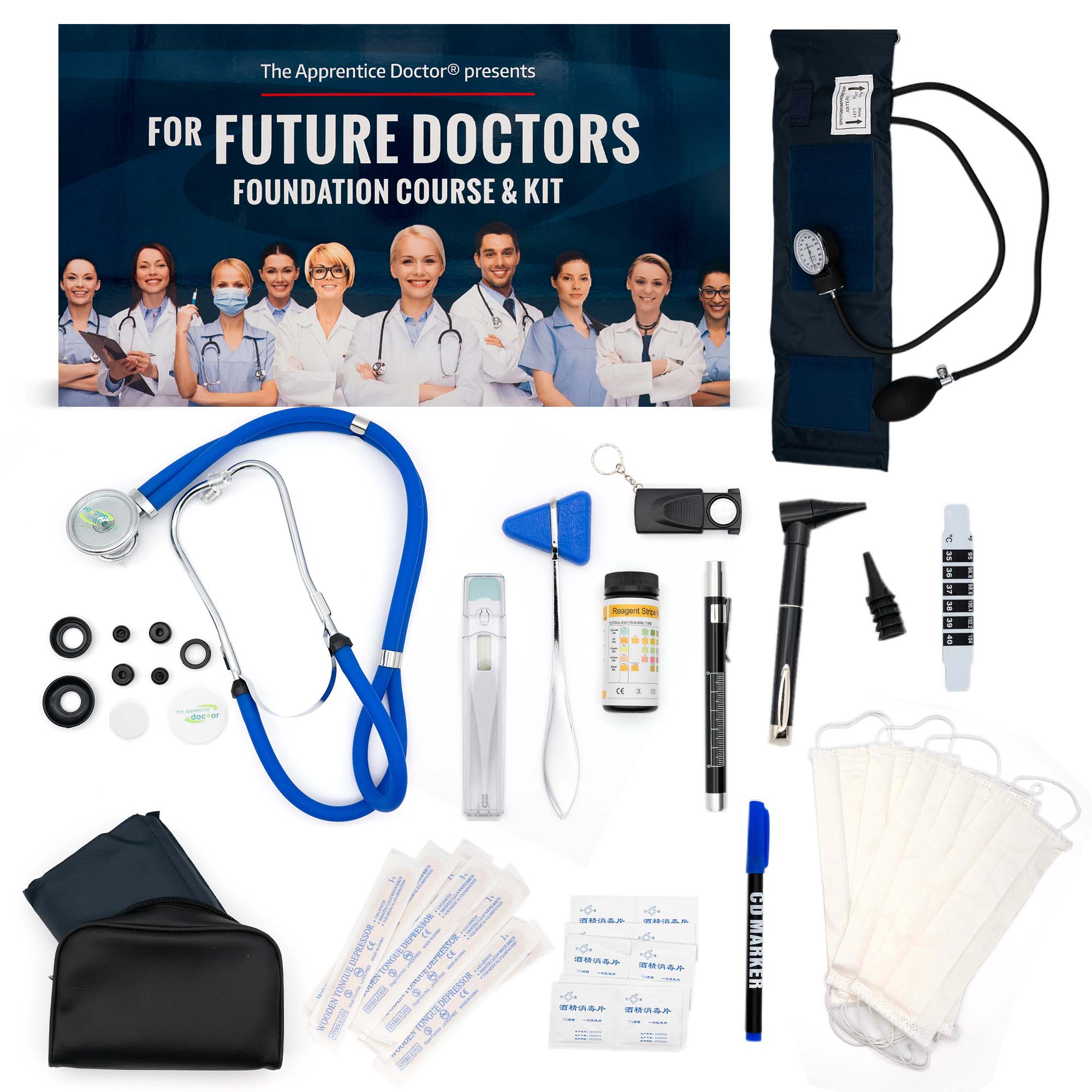
future_doctor_kit_500pxThe Apprentice Doctor Foundation Course and Kit will teach you how to elicit a number of neurological reflexes, how to determine the heart rate, how to elicit and interpret a pupil light reflex as well as a number of emergency medicinal evaluation skills.


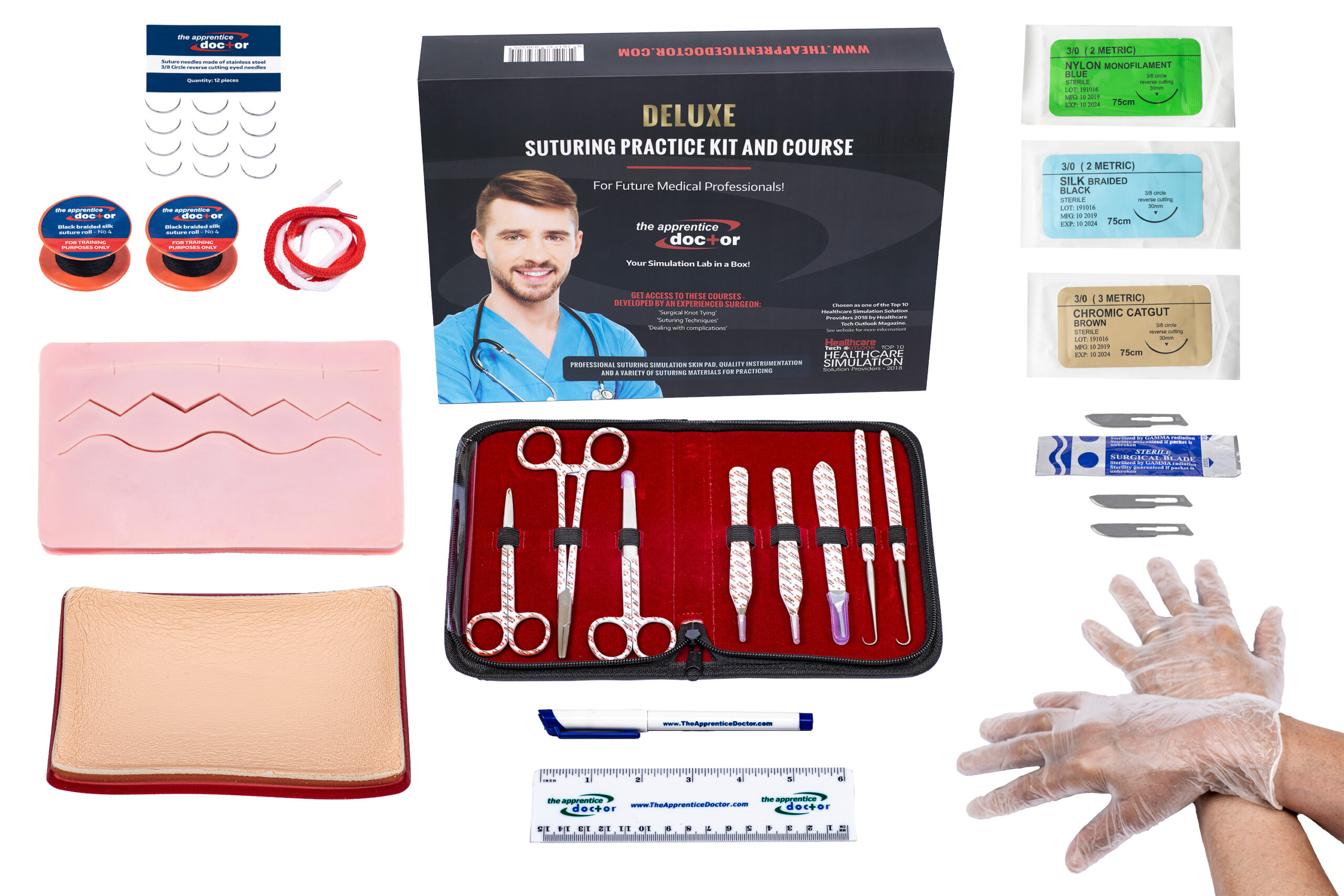
Suture-kit-500pxThe Apprentice Doctor Suturing Course and Kitwill enable you to treat wounds and to stitch up wounds like a medical professional.


Would you like to become an emergency medical professional? Let me know by adding a comment below…


I really want to become a Doctor – Is there anything I can do straight away?

Check out the Control Bleeding on Apprentice Doctor Academy.
Also, explore the Control Bleeding Simulation Practice Kit on Apprentice Doctor Kits.

Dental Implants

Hi there Apprentice Doctor!

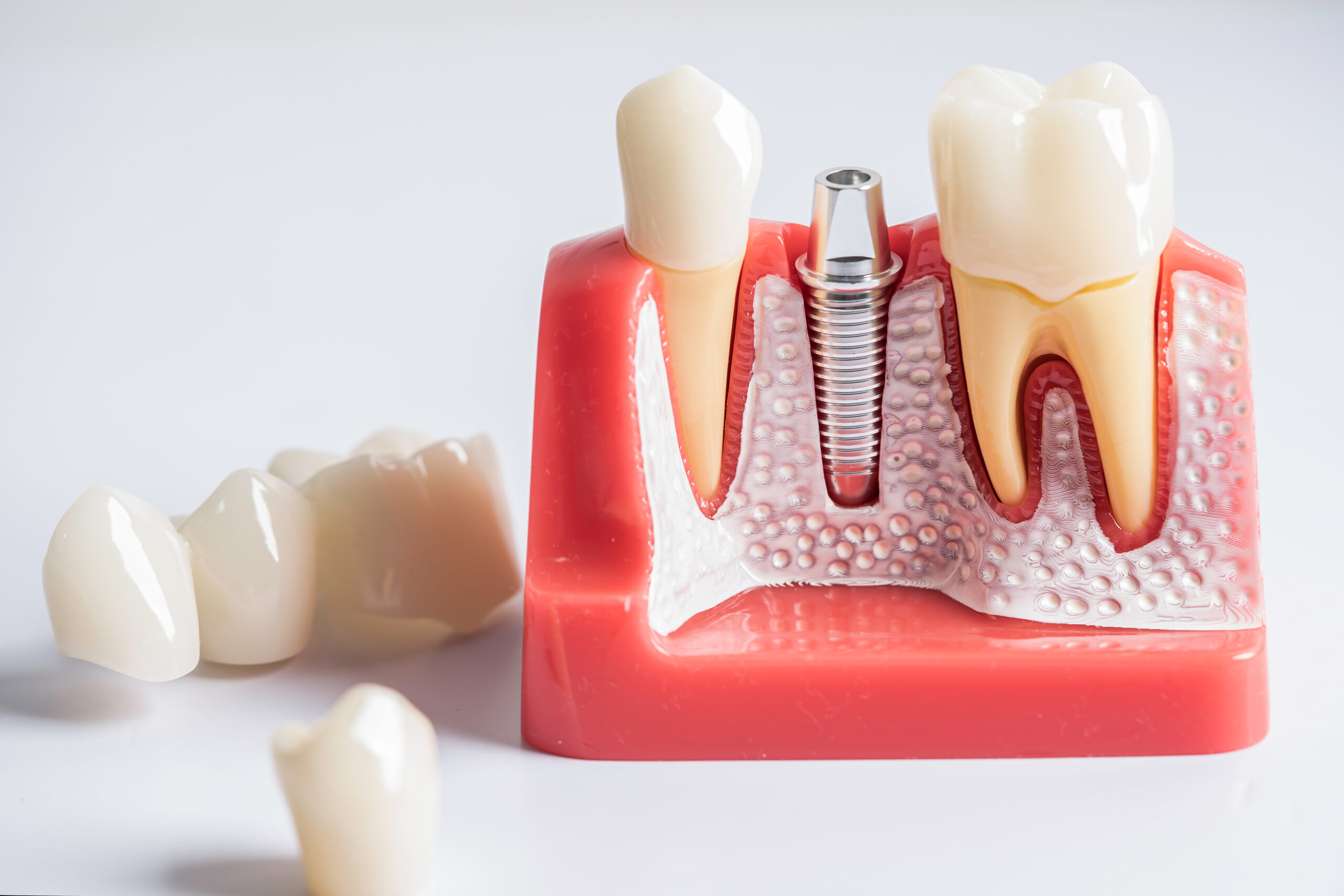
As a Maxillofacial and Oral Surgeon, I do perform quite a number of jaw reconstructions. We use Titanium dental implants.

About 30 years ago if a patient lost all their teeth, they only had one option, and that was to wear full dentures (false teeth) for the rest of their lives.

Unfortunately, the jaw bone is not static, and over a period of time the bone resorbs (almost “melts” away!) making it all the more difficult to wear false teeth and of course having great difficulty to eat and chew properly.

Thanks to a Swedish researched Professor, Per-Ingvar Branemark, all that changed when he discovered that Titanium has the ability to allow bone to intimately attach to it, pioneering the whole field of dental implantology.

Today we place single dental implants following the loss of a tooth, often immediately after removing the tooth!

A big challenge has been the placement of immediate implants in the molar areas – but thanks to the efforts of an innovative Implant Company – Southern Implants, this has changed.

Today I have a special video clip ready for you – giving you a glimpse into my world (with the kind permission of Southern Implants).

Committed to your success, and looking forward to hearing from you soon!


Please note:
Use the comment section below to voice your opinion. If you want to ask a question, use the ‘Ask Dr Anton’ section rather than the “Contact Us” section. Thank you!

Dr. Anton

 
Dr. Anton Scheepers, BChD, MDent, FFD(SA), MFOS, President of The Apprentice Corporation

I really want to become a Doctor – Is there anything I can do straight away?

Check out the How to Suture Wounds on Apprentice Doctor Academy.
Also, explore the Deluxe Suture Kit on Apprentice Doctor Kits.


Mind-Altering Drugs

Hi there apprentice doctor!

With the previous newsletter we did quite a tricky suturing technique. For this month’s newsletter we will be considering the drug industry.

Pharmacological companies are multi-multi-billion dollar companies producing wonderful and unfortunately not-so-wonderful drugs for the spectrum of disciplines in modern medicine!

What follows is merely my personal point of view.

Mind-altering drugs

During the 1980’s I worked as a state-employed dentist at a psychiatric hospital and during this time published a paper on the interaction of mind-altering medications with other medications used by dentists. The majority of psychiatric patients in those times were institutionalized, in other words they were locked-up, often for life!

Advances in mind-altering drugs made it possible for a great number of these patients to be de-institutionalized – so they were able to go home and live more normal lives! What a blessing to great numbers of psychiatric patients!

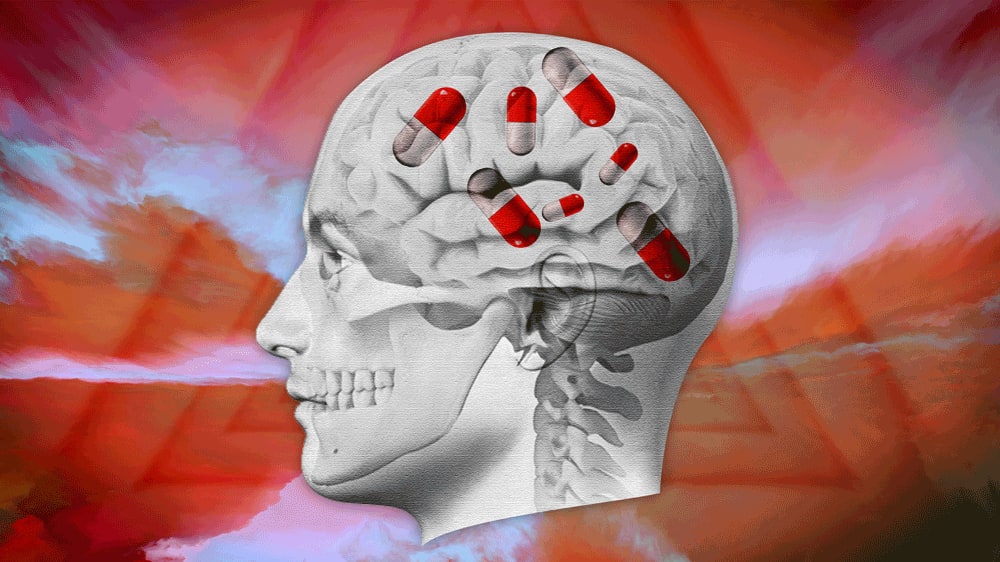
It is my opinion that the pendulum has recently swayed completely to the other side and medical professionals are prescribing mind-altering drugs like anti-depressants, sleeping tablets and drugs like Ritalin much too frequently and easily!

When one sees statistics like over 6% of children under the age of 18 are taking one or more of these drugs, and that anti-depressants are being prescribed all the more frequently to children under the age of 5, and that anti-depressant drugs are ironically associated with an increased risk of suicide, one becomes worried in the extreme sense of the word.

Are we suppressing symptoms in individual children to treat a sick society?

Are we taking the easy way out? It is much easier to swallow a tablet rather than to deal with emotional issues.

Let’s rather prescribe a tablet to Johnny (7 years old) depressed since the divorce of his parents because it is much easier and faster than addressing his emotional hurts and assisting him with the process of forgiving.

This is the advice being handed out to parents:

“…parents would do well to create a nurturing environment, provide lots of personal attention, listen attentively, and convey sense of optimism in the effectiveness of the treatment.” – but life has become too hectic. Parents are often too busy working to pay the bills – yes the pharmacy bill as well with the wife on anti-depressants, calming tablets and sleeping pills, the kids on Ritalin and the absent father coping with the stress using alcohol, nicotine, and caffeine in excess!

Now let me assure you, you DO HAVE A FUTURE – and a GOOD FUTURE!! You do have what it takes to make a success of your life! Live life to its fullest – and don’t use a crutch by medicating away your problems. Keep in mind, a crutch will hold you back if you want to run – so run the race of life, and run well!

You only have one life so make your life happen. Take charge and make a decision to create your circumstances instead of letting circumstances create who you are. Too many people have an entitlement mentality. They expect their parents or the government to provide them a living. Unfortunately, people like that, and societies like that don’t do well at all. Sooner or later they wake up, usually too late to then still reach their life’s full potential. Don’t let that be you!

When taken in moderation and only when really necessary, medications make life better, but when we start to depend on and abuse drugs and think that all of life’s problems can be medicated away, the results are more often than not… DEVASTATING.

Committed to your success!


Dr. Anton

Dr. Anton Scheepers, BChD, MDent, FFD(SA), MFOS, President of The Apprentice Corporation

I really want to become a Doctor – Is there anything I can do straight away?

Check out the Human Behavior in Medicine on Apprentice Doctor Academy.

 

IMPORTANT! A major website update has been made. Any issues, notify us instantly by pressing the "Quick Help" button and leaving a short description of what you experienced.