What Are Good Motives For Becoming a Doctor?

Why do you want to become a Healthcare professional?

This is so important! What is your motive behind becoming a medical professional?

The prime, the number one, the most fundamental reason why you want to become a great medical professional is very important, because that will determine not only your success, but also the fulfillment that you will experience as a medical practitioner.

Let’s look at wrong motives first:

  • Money
  • Fame
  • Power
  • Status
  • Security

Some of the above factors will be welcome side benefits of you following a medical career, but none of the above can fulfill or satisfy your heart.

Let’s look at money. Someone once told me that money is not important, but believe me it is! It pays for essentials like a roof over your head, for food, clothes, transport etc.

The problem is,  if money becomes your primary focus, your whole value system becomes distorted and you make financial decisions instead of decisions that should be in the best interest of your patients!

The proverb “the love of money is the root of all evil” is true. It doens’t mean money is bad; instead, it means that an obsession with money, when money becomes the most important thing, is bad.

Financial progress should be a benefit of you doing the right things, while pursuing your dreams with vigor and passion – as well as you managing your practice well.

Now people will probably beg to differ from me, and feel free to do so, but in my opinion you should become a medical professional mainly because you have compassion for suffering people.

The American heritage dictionary defines “compassion” as:
The deep awareness of the suffering of another, coupled with the wish to relieve it.

So keep in mind, compassion is neither pity nor sympathy, because these emotions won’t get you moving. It “sits on the sideline” BUT COMPASSION GETS INVOLVED!

How do you picture yourself? A super-wealthy doctor living in the best area in a great city driving a Mercedes, or an unknown missionary doctor in a rural clinic in mid-Africa alleviating the suffering of poor people. Would you be willing to take the second path?

The daily prayer of a physician should include: “God, fill me with your compassion for the suffering and sick patients that I will have the privilege of meeting and assisting today.”

I trust that I have given you something to think about. Tell me what you think in the comments section below.

Dr. Anton

 
Dr. Anton Scheepers, BChD, MDent, FFD(SA), MFOS, President of The Apprentice Corporation

I really want to become a Doctor – Is there anything I can do straight away?

Check out the Foundation Medical Course on Apprentice Doctor Academy.

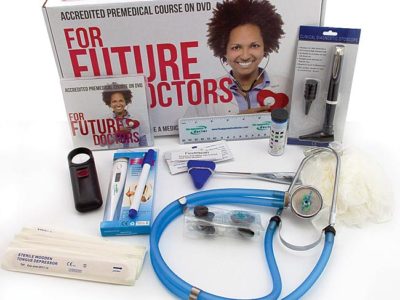
Also, explore the Future Doctors Kit on Apprentice Doctor Kits.
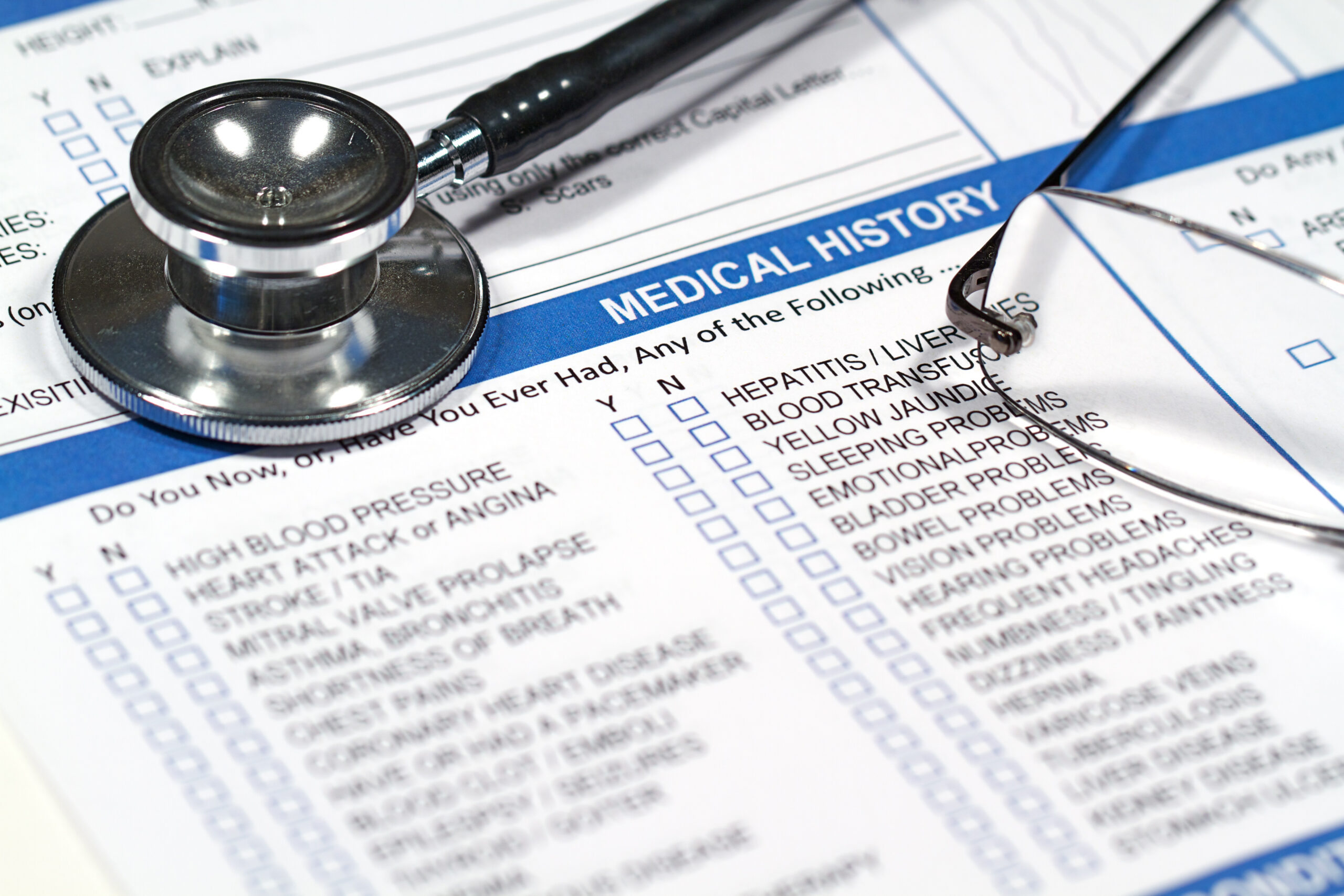
 

The Importance of Taking a Comprehensive Medical History

Today I would like to address an important subject and that is the importance of good record keeping.

More often than not it seems to be the little things in life that makes a big difference. Taking a comprehensive medical history, making proper notes and keeping these notes for an extended period of time, is of utmost importance!

I started of my career as a state dentist in prison services. One of the rules that I’ve instituted was the keeping of detailed dental records including dental x-rays of each prisoner. In fact each new prisoner had to visit the dental clinic as part of the admission routines.

During the first visit I would create a detailed chart of the prisoner’s dentition including the position of each filling, missing teeth and so forth.

Now, many years after I have moved on to further studies, a male prisoner was released, and he visited one of his old girlfriends. Unfortunately she didn’t want to have anything to do with him, and a fight ensued ending in this woman’s death.

Now this male prisoner fled into remote mountains and wasn’t found despite an extensive police man-hunt. About 18 months later a farmer came across skeletal human remains and informed the police, but there was no way to identify these remains, until the investigating officer and the state pathologist visited the prison’s dental clinic.

To make a long story short, a forensic dentist easily identified this skeleton as that of the missing prisoner using the dental records that I had created of this prisoner some years previously. A case successfully solved and that only because someone was diligent with keeping proper records!

Diligence in this area of medicine will avoid numerous complications, life threatening emergencies and will avoid many medico-legal incidents.

Project 0 in The Apprentice Doctor Foundation Course deals with how to take a proper medical history and keeping proper patient records. Don’t skip this project as it is indeed one of the most important projects in the course!

Finally, welcome to all the new Apprentice Doctors who visited The Apprentice Doctor booth at the Orlando Florida FPEA conference recently!

Committed to your success, and looking forward to hearing from you soon!


Dr. Anton

Dr. Anton Scheepers, BChD, MDent, FFD(SA), MFOS, President of The Apprentice Corporation

I really want to become a Doctor – Is there anything I can do straight away?

Check out the Human Behavior in Medicine on Apprentice Doctor Academy.


“So You Want to Become a Nurse…”


What is Nursing?

Nursing can be defined as the general care of sick people, as opposed to the medical treatment of their diseases.

A professional nurse is able to skillfully combine the art of caring with the science of healthcare. Nursing places its focus on the patient as a whole, rather than on a particular disease or health issue.

What are the attributes that I need to become a nurse?

  • A strong desire to become a nurse.
    Nursing is a calling. If it is your heart’s desire to serve your fellow-man when in need, chances are that you will make a success of nursing as a career.
  • The ability to work as a member of a healthcare team.
    You will be working closely with other nursing professionals, doctors, specialists and adjunctive healthcare workers like physiotherapists, dieticians etc.
  • The ability to work for long hours continuously.
    Nurses working in a hospital will need to work in day or night duty shifts – typically for 12 hours continuously. Of course this may vary depending on labor laws and regulations applicable in the specific country, state and/or hospital.
  • You need to like working with people.
    The bottom line is that in the nursing profession everything revolves around people, and as a professional nurse, you will be working with people, be it patients, fellow professionals, student nurses or the public in general.
  • Intelligence.
    Both a high IQ (intelligence quotient) and even more so a high EQ (emotional intelligence) are important prerequisites for pursuing a successful career in nursing.

The History of Nursing

Nursing has been in existence since before the times of Florence Nightingale. The father of medicine Hippocrates (400 B.C.) had a lot to say about nursing.

During the Middle Ages a number of religious orders provided nursing care and staffed hospitals. Orders formed after the Renaissance, such as the Sisters of Charity (founded in 1634), with the purpose of caring for the sick and needy.

Following the Reformation, the numbers of monks and nuns declined in Protestant countries, therefore the care of hospital patients was left to untrained domestic servants.

A German clergyman, Theodor Fliedner was convinced that sick patients needed more than spiritual care. He established the world’s first nursing school at Kaiserswerth, Germany in 1833. Florence Nightingale trained here as a nurse some years later.

In 1854 during the Crimean war, she led a team of 38 nurses and they transformed military hospitals from filthy prisons into decent places where the wounded stood a reasonable chance of recovery. In 1860 Florence Nightingale established a school of nursing at St Thomas’s Hospital, London.

This school became a model for nursing schools everywhere and marked the beginning of nursing as a profession.

Student nurses were trained here for three years under proper supervision.

In the 20th century nearly all countries have passed laws regulating the training and registration of nurses.

Benefits of Following a Nursing Career

  • Fulfillment. Nursing offers both an intellectually and an emotionally fulfilling career.
  • Flexibility. Flexibility regarding your specific line of interest, working hours and the opportunity of following a number of different careers within the general field of nursing, make nursing a popular career choice for both professionally and family orientated persons.
  • Financial security. Financial compensation for nurses varies according to geographic location, type of nursing, years of experience and level of education.
  • Job security. Job opportunities for nurses are presently very good. In general ample job opportunities for registered nurses are available for all persons in the nursing profession. In addition, many job vacancies will result from the need to replace nurses who leave the occupation.
  • Variety. Nursing offers an almost inexhaustible variation of specialty fields and other career opportunities within the general scope of the nursing profession.
  • Job satisfaction. To serve your fellow man is a privilege, and one of the most fulfilling experiences available to the human heart.
    This makes for great material in creating job satisfaction!
  • Rewards. One of a nurse’s greatest rewards is to see a patient leaving hospital, recovered from either surgery or a medical problem, and being able to cope by themselves in society.
    That is why a nurse’s role in rehabilitation is very important.

Let’s put rehabilitation nursing under the magnifying glass!

Although the general use of the term rehabilitation is directed toward individuals with residual limitations, rehabilitation is really a part of nursing care in respect of all patients. The primary objective with regards to any patient is to restore them to optimal health and to have them return to their home and community, as independent, productive persons. In this context, rehabilitation nursing is simply a part of the comprehensive care of patients, whose illness or injury has imposed some residual disability or limitations upon them.

Through early and continuous contact with the patient, the nurse has the opportunity to contribute greatly to the patient’s rehabilitation. Attitude may have a significant influence on the patient’s progress. It is important therefore, to appreciate the impact of disability on the patient and to develop a positive, motivated approach which reflects and underlines the belief that the situation is not hopeless – that the patient can and will be restored to a respectful and worthwhile life.

Tradition and the role of nursing generally accentuates “doing to and for the patient”, rather than encouraging, teaching and permitting self-care. As and when the disabled patient’s condition warrants it, he/she is encouraged to assume more responsibility for their own care. Over-protection and doing things for him/her which they can do for themself only increases their dependence, passivity and feelings of inadequacy.

Nursing the disabled person should be structured from the onset to meet rehabilitative goals. Such goals include:

  • the patients functional capacities
  • the prevention of further impairment and secondary disabilities
  • assisting the patient and his/her family in dealing with the psychological impact of the disability in a positive manner.
  • the motivation of the patient to realize their potential, encouraging and teaching self-care
  • knowing and using available resources that can be of assistance in rehabilitating the patient
  • helping the family to adjust to the situation and to obtain necessary assistance


In recent years nursing has endeavored to expand its goals and provide services that are preventive, therapeutic, supportive and restorative in order to assist individuals and families with the promotion and maintenance of their health.

Current nursing is patient-centered rather than disease-centered. It has also been expanded to include consideration of the health needs of families, as well as those of the person who becomes ill.

Each individual’s physical, emotional, and psychological well-being is influenced markedly by the relationships, conditions and health practices within the family unit.

The provision of care is thus directed toward meeting the total health needs of individuals, with nurses playing a pivotal role.

A nurse must be aware of the fact that a patient is a human being in a social setting. He/she has psychological, social, as well as physical needs.

One category does not operate independently of the others; the interaction of psychological and physiological factors and their effect on health are well documented.

For example: a patient’s rapid pulse, diarrhea, or urinary frequency may result from the effect of fear and anxiety on his autonomic nervous system and its control of body activities and may not necessarily be a sign of a disease.

The scope of current nursing practice thus requires much more than the technical competence and manual skills involved in the provision of physical comfort and prescribed treatment.


Comprehensive nursing care includes:

  • Assessment of a patient’s/family’s health status and needs
  • Planning and implementation of an individualized plan of care
  • Provision of supportive, protective and comfort measures
  • Assistance with diagnostic investigation and the prescribed therapeutic medical care
  • Interpretation and explanation of the illness and care to the patient and family
  • Counseling and teaching the patient and family about their health needs and how they may be met
  • Working cooperatively with other health needs and how they may be met
  • Making referrals to appropriate health and welfare personnel and agencies to ensure continuity of care and rehabilitation

in the modern world of healthcare, nursing is no longer confined only to a bedside. Nurses assist in the delivery of healthcare in a variety of settings, and make contributions as consultants at all levels of government.


What skills will I need as a professional nurse?

Skills required for nursing practice are:

  • Cognitive skills:
    These pertain to the knowledge that the nurse has, and its application in carrying out the nursing process and in providing comprehensive care while working with various age groups such as infants, children, adolescents, and mature, geriatric, and senescent people.
    The component activities of the nursing process (the essence of how a registered nurse delivers care) are:
  1. Assessment of the patient and identification of his/her needs,
  2. Establishment of priorities and planning for the necessary care,
  3. Implementation,/strong> of the care plan;
  4. Recording,
  5. Evaluation of the intervening measures.
    Each step is part of an ongoing process and, as such, requires change, necessitating frequent reassessments.
  • Technical skills: learned through education and practice.
    For example, the monitoring of vital signs, administration of medicine, provision of fluid, nutrients, hygienic care and comfort, and doing surgical dressings are only a few of the many manual skills performed by the nurse.
  • Interpersonal skills; the nurse needs to have a good understanding of human behavior, adaptation mechanisms, an individual’s values, belief systems and attitudes, and cultural influences. The nurse-patient relationship is of great importance in all phases of nursing. The relationship that is established influences all the nurse does with and for the patient, and can profoundly affect the quality and effectiveness of the service and the final outcome of the patient’s recovery and rehabilitation.


How can I become a nurse?

Detailed guidelines on how to pursue nursing as a career is available on the following websites:
https://www.nursing-schools.com/nursing-career-information.html
https://www.nursesource.org/mission.html
https://www.nursingworld.org/membership/student-nurses/

As a general rule you may pursue nursing as a diploma course offered by a nursing school, or as a nursing graduate program usually offered by (or in association with) a university’s medical school.

The Apprentice Doctor Foundation Course & Kit contains numerous practical projects on CDROM, for this very purpose!

Practical projects related to becoming a nurse (to mention just a few) are:

  • A TECHNIQUE FOR PROPER HAND WASHING
    Learn how to ensure that your hands are hygienically clean to ensure that you do not spread microorganisms from one patient to the next.
  • HOW TO USE A STETHOSCOPE
    Learn how to listen and interpret heart sounds, respiratory sounds, gastrointestinal sounds etc.
  • TAKE AN ACCURATE BLOOD PRESSURE READING
    This remains one of the most basic and valuable patient monitoring skills.
  • DETERMINE THE HEART RATE
    Another one of those basic, valuable patient monitoring skills!
  • MEASURE THE BODY’S TEMPERATURE
    …and yet another one of those basic though valuable patient monitoring skills!
  • TEST NEURAL REFLEXES
    Learn how to evaluate the plantar, the knee-jerk and pupil-light reflexes!
  • HOW TO EXAMINE THE EYE, EAR AND OTHER AREAS OF THE BODY
    Basic examinational procedures explained in an easy to follow step-by-step fashion.

To find out more about this


Dr. Anton

 
Dr. Anton Scheepers, BChD, MDent, FFD(SA), MFOS, President of The Apprentice Corporation

I really want to become a Doctor – Is there anything I can do straight away?

Check out the Foundation Medical Course on Apprentice Doctor Academy.


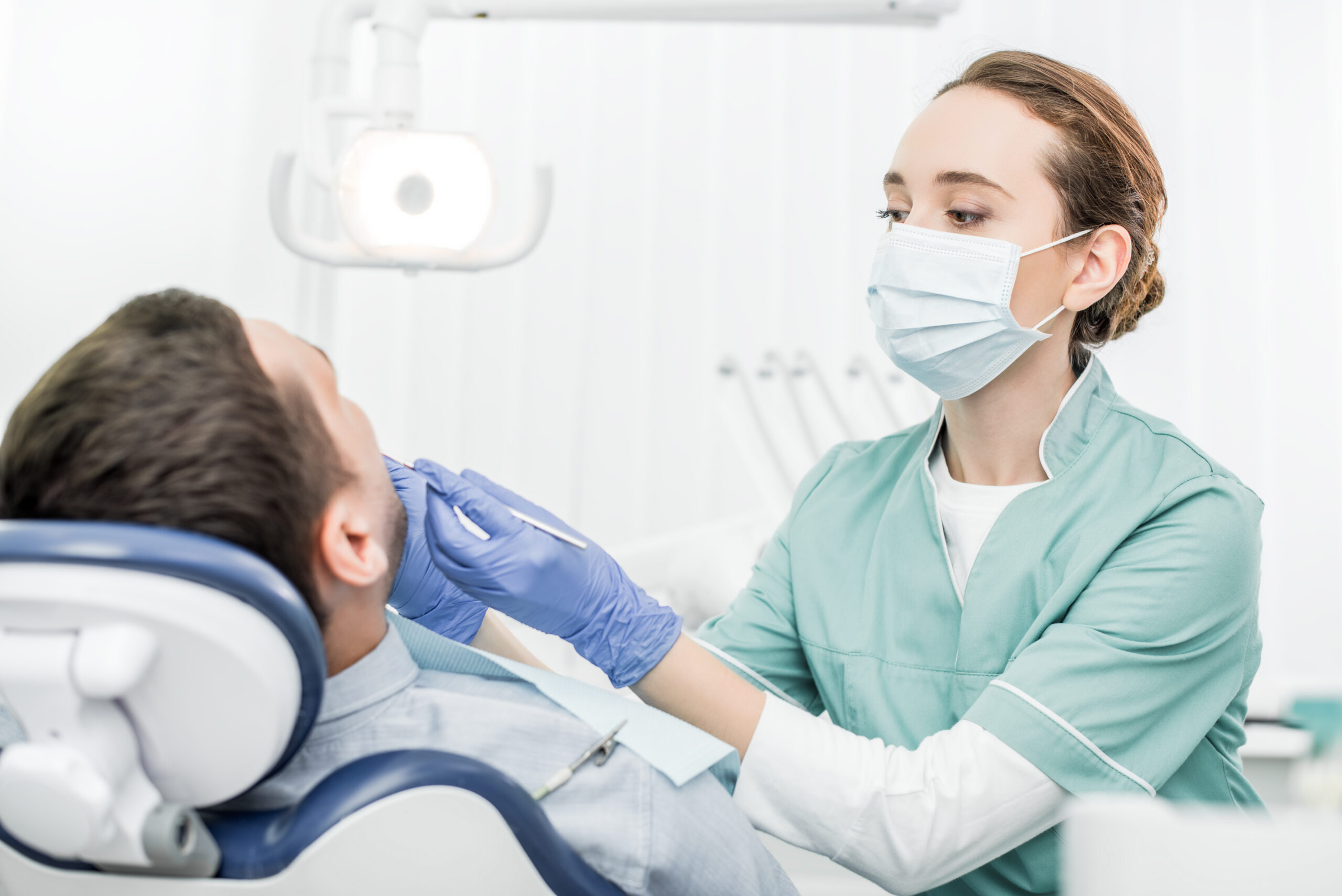
How to Become a Dentist

What is a Dentist?

A dentist can be described as a super medical specialist dedicated to the care of the teeth, mouth, jaws and surrounding organs. They have studied the physiological and disease processes affecting structures in this region, and they understand the principles of diagnosis and the management of diseases and abnormalities affecting teeth, gums and surrounding structures and uses cutting edge (pun intended!) technology to treat these conditions.

How to become a dentist

How can I become a dentist?

If you are still in high school, it is essential that you excel in following subjects:

  • Mathematics
  • Science (physics and chemistry)
  • Biology

Additional optional subjects to study:

  • Psychology.
  • A business subject
  • Communication
  • Art

Prepare and submit an application to the dental school of your choice. Remember that it is advisable to forward an application to a number of dental schools at the same time, so make sure to pick out more than one that you would be keen on studying at. In some countries there are dedicated organizations who can assist you with this task.

Studies at college/university:

Depending on the state/country you live in, you might need a predental science degree followed by a dental degree. Some dental schools combine these two degrees in one single degree.

What are the attributes that I need to become a dentist?

First of all, you will need a strong desire to become a dentist.
This may sound silly to you, but this is very important. Do not pursue dentistry as a career if you are in any way unsure about your decision.

Here is a list of some attributes and their explanations:

  • Perseverance.
    Embarking on a career that will require formal studies of 6 years or longer will strengthen your ability to persevere.
  • The ability to work under pressure and within strict time constraints produced by appointment time limits.
  • The ability to work as a member of a dental healthcare team.
  • The ability to work for long hours continuously.
  • The ability to keep your concentration for extended periods of time.
  • A fair amount of physical dexterity.
    Dexterity is an acquired skill – although only to a certain extent. If you have 5 thumbs on each hand, do not hope to become a prosthodontist (a specialist restorative dentist)!
  • You need to like working with your MIND and your HANDS.
  • You need to like working with people.
  • You should be both an artistic and practical individual.
  • Intelligence.
    If you really struggle with your studies despite putting in effort daily, you may benefit from submitting yourself for psychological assessment to ascertain if you have the intellectual ability to become a doctor or a dentist.

The History of Dentistry

Egyptians(3000 B.C.)

The first known dentist was an Egyptian named Hesi-Re. He was a physician and the chief “toothist” to the Pharaohs.

Hippocrates (500 B.C.)

The father of modern medicine also appreciated the importance of teeth. He accurately described the technique for reducing a fracture of the jaw and how to relocate a dislocated mandible. Hippocrates accurately described extraction forceps in one of his books, and devoted a complete chapter to teeth. He stated that figs and soft sweets produce putrefaction (decay).
Barber-surgeons (±1200-1745 A.D.)

The Barber-Surgeons practiced dentistry – mainly tooth extractions during the Middle Ages – often plying their trade in public squares.

Dentistry a discipline in its own right (±1700-1900)

By the early 1700’s, dentistry was still considered a lesser part of medicine but by the end of this century it had begun to emerge as a discipline in its own right, probably due to the work and writings of the dental surgeon Pierre Fauchard.

The pain associated with dentistry remained one of the most important factors delaying progress in dentistry. It therefore comes as no surprise that dentists figure prominently in the development of local and general anesthesia. Dr. Horace Wells, a young conscientious dentist, is credited for the discovery of practical anesthesia.

In 1885, Roentgen discovered x-rays, with wide diagnostic applications in the field of dentistry.

From the 1900 to the present time, progress in scientific dentistry was exponential, with advances in the prevention, diagnosis and treatment of the full spectrum of diseases and conditions affecting the teeth and other oral structures. Dentistry has developed into several specialties, with specialists recognized in most countries in the following fields:

Specialities:

  • Prosthodontics (the restoration of lost tooth, oral and facial structures)
  • Periodontics (a specialist in gums and oral diseases)
  • Public health (preventative dentistry and oral health aspects of communities)
  • Pediatric dentistry (children dentistry)
  • Orthodontics (the proper alignment of the teeth and jaws)
  • Emergency dentistry 
  • Endodontics (aspects related to the internal structures of teeth)
  • Oral and Maxillofacial Radiology (radiographic imaging techniques related to the teeth and facial skeleton)
  • Oral and Maxillofacial Surgery (all the surgical aspects related to the jaws, oral and facial structures)
  • Oral pathology (the study of the disease processes affecting the teeth, mouth and jaws)

Benefits of following a dental career

  • Fulfillment. Dentistry offers intellectual and artistic fulfillment in an environment where people are being helped.
  • Flexibility. The opportunity to follow a number of different careers within the general field of dentistry. A researcher at university, a successful private practitioner, a hospital dentist, a dental advisor to a healthcare organization or a dental specialist are just some of the career options that dentistry offers.
  • Financial security. Dentists in most countries worldwide are in the upper 15 percent of earners when compared with other careers and professions.
  • Status. Dentists and doctors enjoy a high level of status in the communities where they work and live.
  • Creativity. Clinical dentistry is a very practical occupation, but it also offers the creative individual a lot of scope in expressing their creativity.
  • Variety. Dentists, as a general rule, do not only fill cavities from the morning to the evening. Dentists are involved in the prevention of oral diseases, the diagnosis of oral lesions, taking and interpreting X-rays, the administration of local anesthesia, performing minor oral surgery, assisting a specialist Maxillofacial and Oral Surgeon, giving oral hygiene instructions, taking impressions of the mouth to manufacture dentures, managing staff and practice – to mention just a few of their daily activities!

Other careers in the field of dentistry

  • Dental hygiene. A dental hygienist assists the dental team with preventative dental tasks, and performs certain therapeutic procedures.
  • Dental assisting. Dental treatment is a team effort, and most dentists rely heavily on an assistant (or two assistants) to maximize the efficiency of their practices.
  • Dental laboratory technology. A Dental Laboratory Technologist manufactures dental crowns, dental bridges, dentures, orthodontic devices and a number of other devices used in dentistry.

Frontiers of Dentistry

  • The “growing” of new teeth.
    Technology is developing that will allow dentists to develop new teeth for patients by implanting cells from a young tooth germ bag, then applying specific proteins to make it grow. A new tooth will painlessly grow where there was once just gum tissue.
  • Ozone
    Technology to painlessly kill all the bacteria in a tooth cavity and then to allow it to remineralize is already available in clinical practice!
    Read this exciting article for more…
  • The development of a vaccine to prevent tooth decay.
    A vaccine to prevent the decay of teeth has been effective in animal studies and may be available in the not-so-distant future!
  • Laser drilling
    New revolutionary LASER-water dental “drills” are replacing the mechanical drills. Treating a tooth with a LASER drill is usually painless and a local anesthetic injection is often not required!
  • Painless local anesthesia (numbness)
    Many people dread receiving the local anaesthetic injection. New painless methods are available e.g. electroanesthesia (an electronic device makes the operative area numb)
  • New “smart fillings”
    Cavities can be filled with biochemical materials similar to a tooth’s enamel thereby avoiding the use of traditional filling materials which contain mercury, such as dental amalgam
  • Dental implants
    Lost teeth can be successfully replaced by titanium dental implants into the jaw bone. A single tooth, or a patient’s full dentition can be replaced using this treatment modality

Dentistry is an exciting field indeed, with new and better ways to prevent, diagnose and treat conditions of the teeth and mouth constantly being researched and discovered.

If you’re interested in what dentists charge in the UK then have a look at this report.


The Apprentice Doctor’s For Future Doctors Course & Kit offers plentiful relevant information together with numerous practical projects, for this very purpose!

  • HOW TO EXAMINE THE MOUTH
    You will learn how to professionally examine the oral cavity using an examination light and a tongue depressor – identifying all the various structures in the mouth!
  • TASTE LABORATORY
    Learn about the special sense of taste in a practical way.
  • LISTEN TO THE SOUNDS PRODUCED BY THE JOINTS OF THE JAW.
    The jaw joint in some people makes a “click” or other noise on opening and closing the mouth. This may pertain to a specific problem in the joint.
  • LEARN HOW TO EXAMINE THE BODY’S LYMPH NODES
    Examine a patient’s lymph nodes – including the lymph glands in the head and neck region.
  • A TECHNIQUE FOR PROPER HAND WASHING
    Learn how to ensure that your hands are hygienically clean to ensure that you do not spread microorganisms from one patient to the next.

Dr. Anton Scheepers, BChD, MDent, FFD(SA), MFOS, President of The Apprentice Corporation

I really want to become a Doctor – Is there anything I can do straight away?

Check out the How to Suture Wounds on Apprentice Doctor Academy.

Also, explore the Deluxe Suture Kit on Apprentice Doctor Kits.


Steps to Becoming a Medical Doctor in the United States of America

Below is a short summary of the steps to follow to become a doctor in the United States of America.

Academically you need to focus your attention on attaining an approved 4-year pre-medical science qualification (step 2):

  1. Complete Grade 12  / High School diploma / GED — exceptional academic results set the tone for the future!
  2. You MUST finish a 4-year college or university degree, complying with medical school premed requirements
  3. In your final year at college/university, you will have to do the MCAT test (Medical School Admission test)
  4. Apply to medical school. I would suggest that you make use of ‘AMCAS’.

Which subject should you major in?

For the purpose of admission to medical school, a wide range of majors are allowed – so, please check with the college of your choice if the degree you are intending to follow qualifies as a pre-medical degree.

As a general rule, medical schools are not concerned about whether you major in sciences or not. For example Biochemistry majors, Philosophy majors and Economics majors generally do well.

But medical schools do require that you take certain pre-medical classes as an undergraduate.

The “pre-med” classes required by virtually all schools in the US are as follows:

  • “Freshman” chemistry along with the appropriate laboratory courses
  • Organic chemistry along with laboratory courses
  • Biology along with laboratory courses
  • Physics along with laboratory courses
  • English
  • Calculus including advanced math classes and statistics

In addition, many schools require a certain number of credits in non-science classes. Pre-med requirements play a very important role in admissions for several reasons.

  1. Pre-med requirements make the bulk of the science classes you will take in college and determine your Science Grade Point Average (GPA), which is one of the determinants of your chances of admission.
  2. You will need to get recommendations for medical schools from professors who taught pre-med classes.
  3. Pre-med requirements cover most of the material you need to know for the MCAT. The better you know the stuff covered in these premed classes – the better off you’ll be when the time comes for you to take your MCAT.
  4. Schools ask you explicitly to list premed requirements along with your grades on their secondary applications, which means they bear a lot of weight.
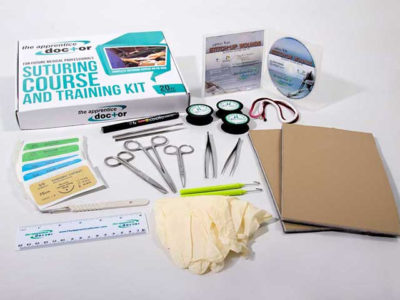
Suturing Kit
Suturing Kit and Course

Build a reputable résumé!

This is most important! You have to distinguish yourself from other applicants – you have to demonstrate to the medical school selection committee that you are serious about becoming a doctor.

The Rule is the more the better!

Information about MCAT (Medical School Admission Test)

MCAT, along with your grade point average (GPA), is a critical factor that will influence your success in gaining admission to a medical school.

MCAT consists of FOUR Sections:

  • A Physical Sciences section, which consists of Physics and Freshman/Introductory (Inorganic) Chemistry questions. (Graded on 1-15 scale)
  • A Biological Sciences section, which consists of Biology and Organic Chemistry Questions. (Graded on 1-15 scale)
  • A Verbal Reasoning (reading comprehension) section, which consists of passages and questions about them. (Graded on 1-15 scale)
  • A Writing Sample Section which consists of Two Essay Questions, half-hour each (not as important as the other three sections, Graded with letters O, P, Q, R, S)


Verbal Reasoning:

This section consists of passages followed by multiple-choice questions. Usually there are nine passages, each half a page long with questions pertaining to the passage following it. The total number of questions in this section is 65, which comes down to about 7 questions per passage on average.

The Sciences:

All questions in both the Biological and Physical sciences sections are multiple-choice. Some questions are factual questions that stand on their own. Other questions test your ability to discern the scientific issues related to a problem. You are given a passage that describes some biological or chemical concept or problem and it is followed by questions.

Biological Sciences

Many questions are not of the type you’ve seen on your exams. They require problem-solving and integration of more than one concept. You can only learn to solve them by practicing:
Do sample exams!


This section consists of two sub-sections:

  1. Organic Chemistry
    The emphasis here is definitely on applied organic chemistry. You will be tested on your skills and understanding to do actual experiments such as purifications, isolations, etc.
    Knowing facts is not enough here; you need to learn to integrate them.
  2. Biology
    Covers all the topics you can imagine. Hormones and genetics are important. It is helpful to take a class in human physiology in order to prepare for this one or at least read a human physiology book on your own.

The Physical Sciences section also consists of two sub-sections

  1. Physics
  2. Chemistry

Get more information on AMCAS

The American Medical College Application Service (AMCAS) is a non-profit, centralized application processing service for applicants to the first-year entering classes at participating U.S. medical schools.

Prepare financially

Your future studies will be expensive – 4 years Pre-Med and 4 years Medical School all adds up to a lot of money! Consider the following:

  • Get information from the specific medical school you intend pursuing your studies at, regarding financial aid/bursaries – and the prerequisites for qualifying for this type of aid
  • Save up some money. Consider a part time job
  • Approach a wealthy family member or a family member who is a qualified doctor/healthcare professional for some assistance/sponsorship

Becoming a Medical Specialist

To specialize in a specific branch of medicine e.g. anesthesiology, you will have to add another 3-8 years of Internship and residency (average 4 years). During these years you will receive income in the form of a salary from the hospital you are rendering medical services at.

Some comments about medical schools

One of the most competitive areas of education is medical school. Providing attendees with the qualifications and degree that allow graduates to practice medicine in the United States, medical schools are extremely challenging institutions.

Like all areas of schooling, Medical Schools offer many different program types and styles. Teaching style, class size, course relevance, are just some of the many aspects that are different from school to school.

The cost of different Medical School programs also varies. If you are interested in attending a Medical School you will be required to have completed specific course work in your undergraduate field of study.

Applications to Medical School usually involve paying an application fee and then possibly being interviewed. Medical School programs require a large commitment of time and if you are interested in attending, you should thoroughly research the programs you are interested in.

Finding the program that best fits you can be the difference between success and failure in attempting to gain a Medical School degree.

It sounds intimidating, but many others have successfully pursued their dreams and so can you!

All the best with your future!


I really want to become a Doctor – Is there anything I can do straight away?

Indeed yes!

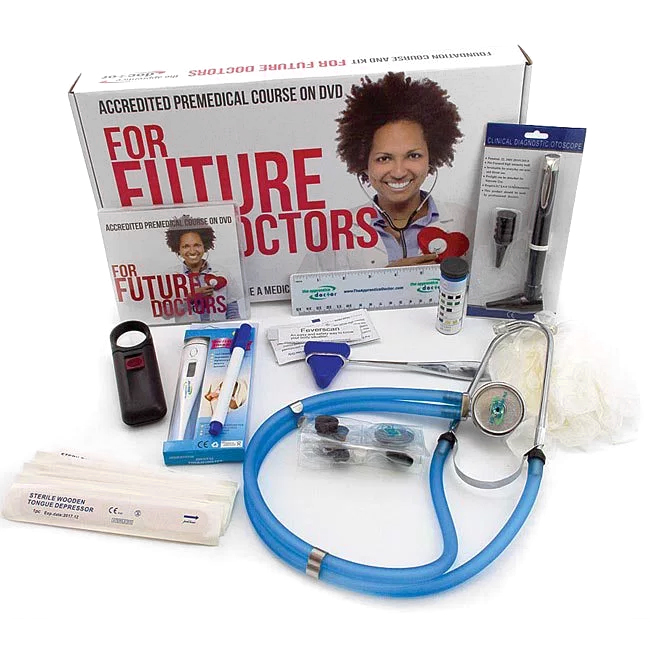
The Apprentice Doctor® Academy has developed and perfected an Online Course for Future Doctors to assist then towards fulfilling their dreams of becoming great medical professionals. The For Future Doctors Foundation Medical Online Course with accompanying Medical Kit has helped launch the career of thousands of want-to-be doctors!

Launch your medical career today!

Future Doctors Kit
Future Doctors Kit

The Apprentice Doctor® Suturing Course and Kit is the resource that will teach you How to Suture Wounds in a couple of hours! If you want to become a Surgeon – why not learn how to suture wounds now?suture-kit-720


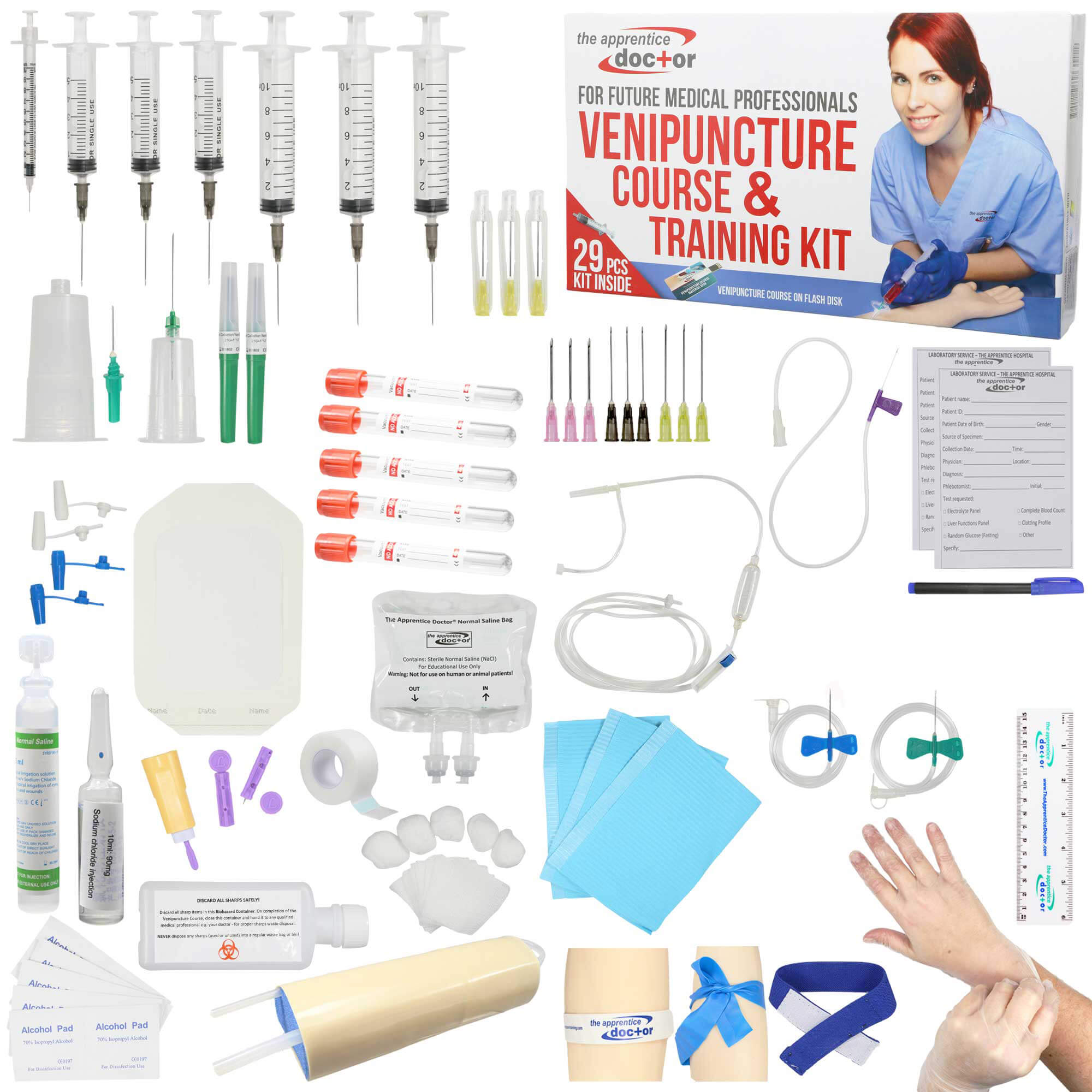
The Apprentice Doctor® Phlebotomy Course and Kit is the resource that will teach you How to confidently perform phlebotomy procedures in a couple of hours! If you want to become a great medical professional – why not learn how perform venipuncture procedures now?

Venipuncture practice kit and course
Venipuncture Kit

Important note to all aspiring doctors outside of the USA

We get masses of emails of students from India, other pats of Asia and Africa who would like to study medicine in the USA. In short – all countries have as their primary responsibility to assist citizens and their children towards an education – and the USA is the same – they train USA citizens almost exclusively – and only a few med schools will even consider outside applicants – and at a much higher fee (no federal subsidy for foreign students).
Bursaries for foreign students to study medicine in the USA are virtually unavailable.
My advice is – study medicine in the country of your birth – and make a difference there – or pursue emigration to the USA after qualifying as a doctor in your home country – the following websites my help:
https://www.ecfmg.org/contact.html
https://www.faimer.org/

Trust it helps!


KINDLY NOTE: This blog is not here to answer questions on how to get into a USA medical school from outside of the USA – but for USA high schoolers who want to know the basic steps of how it works in the USA.

Dr Anton

Dr. Anton Scheepers, BChD, MDent, FFD(SA), MFOS, President of The Apprentice Corporation


I really want to become a Doctor – Is there anything I can do straight away?

Check out the Foundation Medical Course on Apprentice Doctor Academy.

Also, explore the Future Doctors Kit on Apprentice Doctor Kits.

 

“How to Examine and Treat Swelling”

This is a project that you will not find on the Foundation Course CD-ROM. If you do not have your own Apprentice Doctor set, you’re missing out on the core foundation of what you’ll find below…


Medically speaking, what exactly is a swelling?

A swelling (a localized increase in size) may occur anywhere on the body or deeper within any internal organ or structure.

A superficial swelling can be readily assessed by following the basic principles of examination. A deeper swelling will, in addition to a thorough physical examination also require specific special imaging techniques e.g. a CAT scan, a MRI scan or an ultrasound scan.

What causes swelling?

The most common causes for a swelling are inflammation, an abscess (acute inflammation with a local collection of pus), a non-cancerous (medical term: benign) growth, a cancerous (medical term: malignant) growth, a hematoma, and a cyst

A cyst is a bag-like structure lined by a membrane and filled with fluid or a semi-fluid material. An abscess is a localized cavity filled with puss. A hematoma is a localized cavity occupied by a blood clot.

By the way, local or localized means that the swelling is not systemic, in other words it doesn’t affect the whole body.


Many patients when they notice a swelling somewhere on their body fear the possibility that it may be cancerous in nature. So it is important when examining a swelling to be very reassuring and consider the psychological and emotional needs of such a patient.

Important Note:
All body swellings should be properly and meticulously investigated because of the potential of it being cancerous in nature!

SETTING

A well-lit area.

REQUIREMENTS

  • Examination gloves
  • An examination light (a magnifying examination light will be ideal)
  • A patient with a swelling on their body (real or imaginary).

The necessary instruments are included in The Apprentice Doctor set.


STEP 1
Ascertain the main complaint (medical term: the presenting problem), and take a medical history (see project 0).

STEP 2
Wash your hands, put on gloves.

STEP 3
Determine the location of the lesion and briefly examine it by inspection.

STEP 4
Ask the patient questions about the lesion. You need information like…

  • The history and course (progress) of the swelling and the duration (hours/days/months/years) Does it relate in any way to previous medical treatment or injury?
  • Pain (character e.g. throbbing/gnawing, the level e.g. mild/moderate/severe, frequency e.g. constant/occasional).
  • Any other symptoms (e.g. itchiness, numbness etc.)
  • Is/was there any discharge emanating from the swelling

STEP 5
Perform a detailed examination of the lesion by inspection (use the magnifying examination light for this purpose) and palpation (as well as percussion and auscultation if indicated).

Describe the lesion and make detailed notes on your findings in your medical file (included in the kit).

Comment about the location, dimensions (exact size), color and consistency (e.g. soft/spongy/rubbery/bony hard etc.).

Describe the edges – comment on the movement of the swelling over other structures (e.g. muscle and bone) as well as the movement of the overlying skin over the swelling.

Is the swelling warmer than the surrounding tissue; is it tender to touch and pressure?

Does the swelling fluctuate?

STEP 6
Examine the draining lymph nodes (see Project 32 -The body’s lymph nodes).

Make similar comments about the lymph nodes as described in Step 5 above.

STEP 7
Judging the swelling by its characteristics, do you think it is an inflammatory swelling, a benign growth, a cyst or does it appear to be a cancerous growth?

A thorough knowledge of pathology (the branch of medical science that studies the cause, nature and effects of diseases) is required to answer the previous question effectively.


Technique to Test Fluctuation

Fluctuation can be tested by placing the index and middle finger of the one hand (somewhat apart) on the swelling, with the index finger of the other hand placed in between these two fingers.

Alternate downwards pressure over the lesion with these fingers.

Fluctuation occurs when the finger of the one hand is forced upwards when pushing downwards with the fingers of the other hand. Use a balloon partially filled up with water to practice this technique.


Points of interest:

  • The local signs of inflammation are: redness, pain, warmness, swelling and loss of function (or reduced function). These signs will indicate to the doctor that the probable cause of a swelling is inflamation.(Keep in mind that a tumor and a cyst may become infected and may misguide the clinician towards the misconception that the swelling is merely inflammatory in nature!)
  • The localized retention of fluid in a part of the body may cause swelling. This is called edema (see Project 45).
  • A cancerous swelling is often pain free and not tender until in fairly advanced stages. That’s why it’s so dangerous. The patient doesn’t know anything is wrong until the cancer has advanced.
  • The earlier a growth is diagnosed the better the chances of successfully fixing the problem.
  • Both a cyst and an abscess manifest the sign of fluctuation on clinical examination.An abscess is usually excruciatingly sore while an uninfected cyst would normally not be tender to palpation.
  • The basic treatment of an abscess is “incision and drainage” as well as elimination of the cause.Antibiotics and painkillers merely play a supportive role in the management of an abscess.
  • Benign tumors and cysts are usually managed by surgical  removal (medical term: excision).
  • Cancerous growths may be treated in one or a combination of the following ways:
    • wide surgical excision
    • radiotherapy (kills rapidly-dividing cells)
    • chemotherapy (medication that is selectively toxic to cancerous cells).
  • Cancerous growths all have the inert ability to metastasize (to spread to distant sites in the body via the lymph ducts and/or the vascular channels (arteries and veins).
  • A good number of swellings, especially if mismanaged, may develop into a serious threat to a patient’s health, and may eventually become life threatening!


The Apprentice Doctor Foundation Course & Kit

This project has given you a glimpse into what you can expect from The Apprentice Doctor Foundation Course & Kit. Purchase a kit for yourself if you’re a student, or if you’re a parent why not purchase one for your son or daughter.


The interactive CD-ROM contains over 45 projects just like this, with added features such as pictures, detailed video explanations, sound clips to explain the topic more completely, not to mention the medical instruments, such as a real stethoscope, thermometer, otoscope, masks, swabs etc. are included in the package.

Dr. Anton

Dr. Anton Scheepers, BChD, MDent, FFD(SA), MFOS, President of The Apprentice Corporation

I really want to become a Doctor – Is there anything I can do straight away?

Check out the Foundation Medical Course on Apprentice Doctor Academy.


How To Design Your Career Instead of Just Landing Any Job

Welcome to another Letter from the Doc, that’s me!

In your mission to become a doctor, you ask many questions. “How do I become a doctor?”; “When will I qualify as a doctor?”; “Where will I study to be a doctor?” and so on.

But the most important question that you will have to answer to yourself is: “Why do I want to become a doctor?”

Is it for the money? Let’s not beat about the bush, money is important! Very important! If money is your main motive for wanting to follow a career in medicine, then you will be very disappointed, and medicine will simply become a boring job to you eventually.

Is it the status, respect, maybe, dare I say it: power? Also valid reasons and important, but these should never be the primary motive for your desire to become a doctor.

It’s like Tony Robbins says, the WHY is more important than the HOW.

What is the key to REAL success in your career and in life in general?

What should your motive be?

Your motive should be to serve. The key to success is becoming a servant! Not what you were expecting? If you want to be truly fulfilled in your life, you’ll need to adjust your thinking.

Yes, you will be serving your patients and your community. In the final analysis, it really isn’t about you at all! It is all about helping, assisting and loving other people!

And in being a servant to other people you will find real happiness and fulfillment within yourself and the finances, status and respect will become mere by-products of your primary motive, TO SERVE!

I know it all sounds a bit mushy and clich?, but I’m talking from experience.

Listen to some wise words from the 20th Century Irish dramatist and writer, George Bernard Shaw:

“This is the true joy in life, the being used for a purpose recognized by yourself as a mighty one. The Being a Force in Nature… not a feverish selfish little clod of ailments and grievances complaining that the world will not devote itself to making you happy.”


I am of the opinion that my life belongs to the whole community, as long as I live, it is my privilege to do for it whatever I can.

Do not simply become a medical professional. Become a GREAT healthcare professional – make a difference, change the world!


Dr. Anton

 
Dr. Anton Scheepers, BChD, MDent, FFD(SA), MFOS, President of The Apprentice Corporation

I really want to become a Doctor – Is there anything I can do straight away?

Check out the Foundation Medical Course on Apprentice Doctor Academy.


Medical School

Welcome back.

Medicine is both an intellectual and practical discipline at the same time, so you need to have a hands-on approach, and have somebody guiding you, correcting you, and sometimes leaving you to sweat it out when the situation calls for it.

Medical students have to study and retain an immense amount of knowledge, and at the same time work in a training hospital treating patients for extended periods of time. From time to time you will be working for 24 hours or longer continuously!

Surgery is all about anatomy, physiology and pathology and anesthetics is all about physiology, pharmacology and physics, but in the final analysis, you can only learn the practical technique of performing surgery or giving a general anesthetic in the operating theater.

Here is the secret why medical students manage to retain such an immense amount of information and knowledge:
They are constantly putting their theoretical knowledge into practice. Lectures in the mornings; clinical sessions the rest of the day.

I designed The Apprentice Doctor Medical Course to apply these basic principles in the course, so do ALL the practical projects. Don’t skip one!

The course is designed to establish some very essential principles and habits of medicine in your mind, and if you follow the steps, and complete the course, the basic steps of making an accurate diagnosis will be part of your neurological pathways – established in your conscious and subconscious mind, ready to be used as if by second nature.

You may ask, “Do I really need to study the basic technique of washing hands hygienically?”

The answer is “YES”!
Worldwide thousands upon thousands of deaths occur due to well meaning healthcare workers in hospitals not washing their hands properly – spreading disease in this way, and causing the unintentional death of patients!

Why don’t you use the comments section below to tell me about yourself!

Your future Healthcare colleague,


Dr. Anton

 
Dr. Anton Scheepers, BChD, MDent, FFD(SA), MFOS, President of The Apprentice Corporation

I really want to become a Doctor – Is there anything I can do straight away?

Check out the Foundation Medical Course on Apprentice Doctor Academy.

Also, explore the Future Doctors Kit on Apprentice Doctor Kits.

 

Read About This Proven Way to Sky Rocket Your Chances of Getting Into Medical School

Hey,

If you’ve been receiving these Letters from the Doc from the beginning, then by now you should have a much better understanding of whether a career in medical science is for you or not.

The strategy I’m going to share with you today is not intended to trick or fool medical school reviewers.

They’re all geniuses with decades of experience. They’re the gate-watchers of the medical world, and even if someone does get through the gates (somehow), this career path has a brilliant way of weeding out the losers during med-school itself.

That’s why there’s such high drop-out statistics, and if someone drops-out they waste LITERALLY tens of thousands of dollars, not to mention an entire year of their life.

So it’s important to be very sure.

Ok. I had to say that before I share this precious secret with you.


I want to run a scenario past you, and please slow your brain down, and read every sentence carefully, and take time to imagine the scenes in detail.

The following is a true story…
I want to introduce Stefanie to you.

She followed the following steps to kick-start her medical career:

Step 1:
She purchased The Apprentice Doctor Courses. In her country, the course was more expensive because of the exchange rate.

Step 2:
She took two weeks and completely worked through the interactive CD-ROM, step-by-step, meticulously.

Step 3:
When she was finished, she went to a hospital near her home and showed her certificate to the manager, who hired her to help out with basic medical tasks after school.

Step 4:
She studied hard, and every other day after school, she would work at the hospital, using what she had learned in The Apprentice Doctor Medical Course.

Step 5:
She started her pre-medical studies.

Step 6:
She passed her Medical School Admissions Test

Step 7:
When she applied to medical school, she was met with extremely fierce competition, as is the case every year. Although her grades were good, they were not as high as many of the other candidates.

Would you like to know what happened to Stefanie?

Well, find out next week, when I will be sending you part two of this story…

No, only joking. I wouldn’t do that to you!

The medical-school’s reviewer who was interviewing her looked precariously at her scores, periodically looking at her over the top of his glasses, perched on the edge of his nose. She says she felt very nervous.

A month later, she got a letter of acceptance from the medical school.

They commented on the fact that, although her scores were not as good as many of the other candidates, her service at her local hospital was the tipping point, the straw that broke the camel’s back, which convinced them that she was well-suited for this lifestyle.

So let’s run through this process, and why it worked…

Reason 1, you have certainty!

Many hospitals have a volunteer program. If you join their program, and spend time in a hospital, helping the staff and the patients, you’ll get a good idea of whether or not that environment is for you.

Maybe you’ve got a fairytale idea about what it’s like being a doctor. Doing this step will save you months and tens of thousands of dollars by giving you the real picture, before you direct your entire life into this direction.


Med-School interviewers also know that if you have volunteered at a hospital or a doctor’s practice and you’re still keen on following a career in medicine, you’re obviously a better candidate than those who have not taken this step. That doesn’t need explanation.

Reason 2, you have fans!

Another thing about Stefanie is that, the manager who hired her, as well as all the doctors and nurses that she helped over the course of the year, wrote letters of recommendation stating how talented she was at what she did, and how good she was with the patients, and how she loves people and wants to help.

She added a copy of these letters to her file that she presented to the medical school for review.

Some of these doctors and nurses had gone through the same medical school, and the reviewer took their letters very seriously.


If she hadn’t worked at a hospital, she would not have had any of the above benefits.

Without The Apprentice Doctor Courses, she would not have had the skills to help out with basic daily medical procedures and tasks, so she would not have gotten the job.

She would not have been able to gain real-life practical experience on real patients.

She would not have been able to make as effective a decision as to whether this was TRULY what she wanted to do for the rest of her life.

She would have simply been another wannabe med-school applicant with above average grades.

Do you know how it feels to practice real medical examinations using the medical instruments that you get with the package.

If only I could show you how much you’d learn, and how much it will help you in your quest to become a doctor.

All the best until next time,


Dr. Anton

 
Dr. Anton Scheepers, BChD, MDent, FFD(SA), MFOS, President of The Apprentice Corporation

I really want to become a Doctor – Is there anything I can do straight away?

Check out the Foundation Medical Course on Apprentice Doctor Academy.

Also, explore the Future Doctors Kit on Apprentice Doctor Kits.
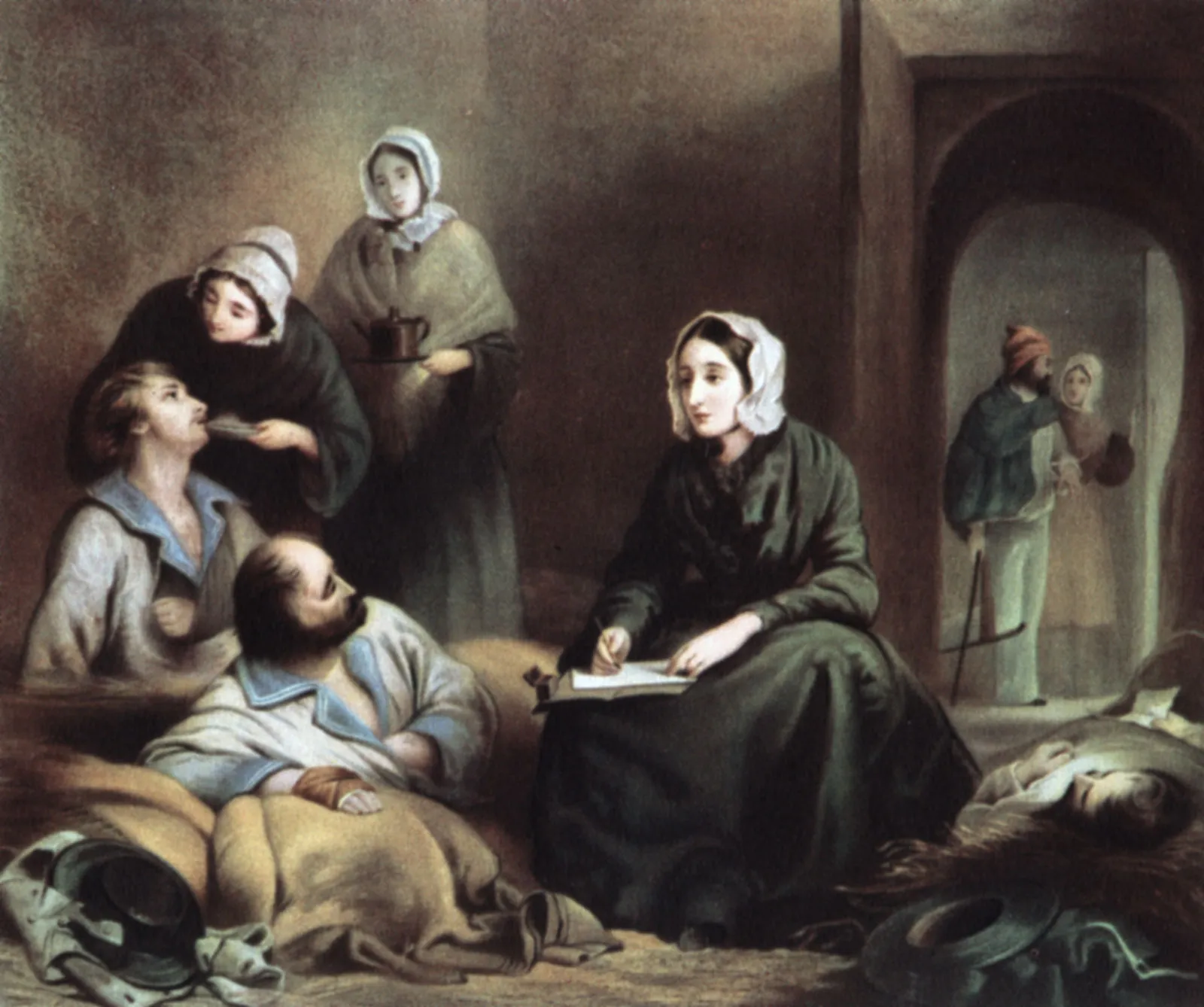
 

The War Between the Scientists and the SUPER-BACTERIA

Welcome back again!

A new marketing fad has emerged in the hospital where I am practicing. Neatly framed advertisements in the room where we change for surgery, and even on the inside of the toilet doors.

This one advert goes something like this:


“200 Billion starts in our galaxy.
10 billion galaxies in our universe.
Even more bacteria on the earth.”

It is an advertisement of an antibiotic marketed by a certain company, and let me assure you that it’s the understatement of the year!


The number of bacteria living in a single human being is estimated to be 1 000 000 000 000 000 that is 10 to the power 14, or one-thousand-trillion!!!

But I am a bit worried about the wrong message this advert may bring across. You  see, they are saying that there are SO MANY bacteria, and that you need their antibiotic drug to fight these bacteria.

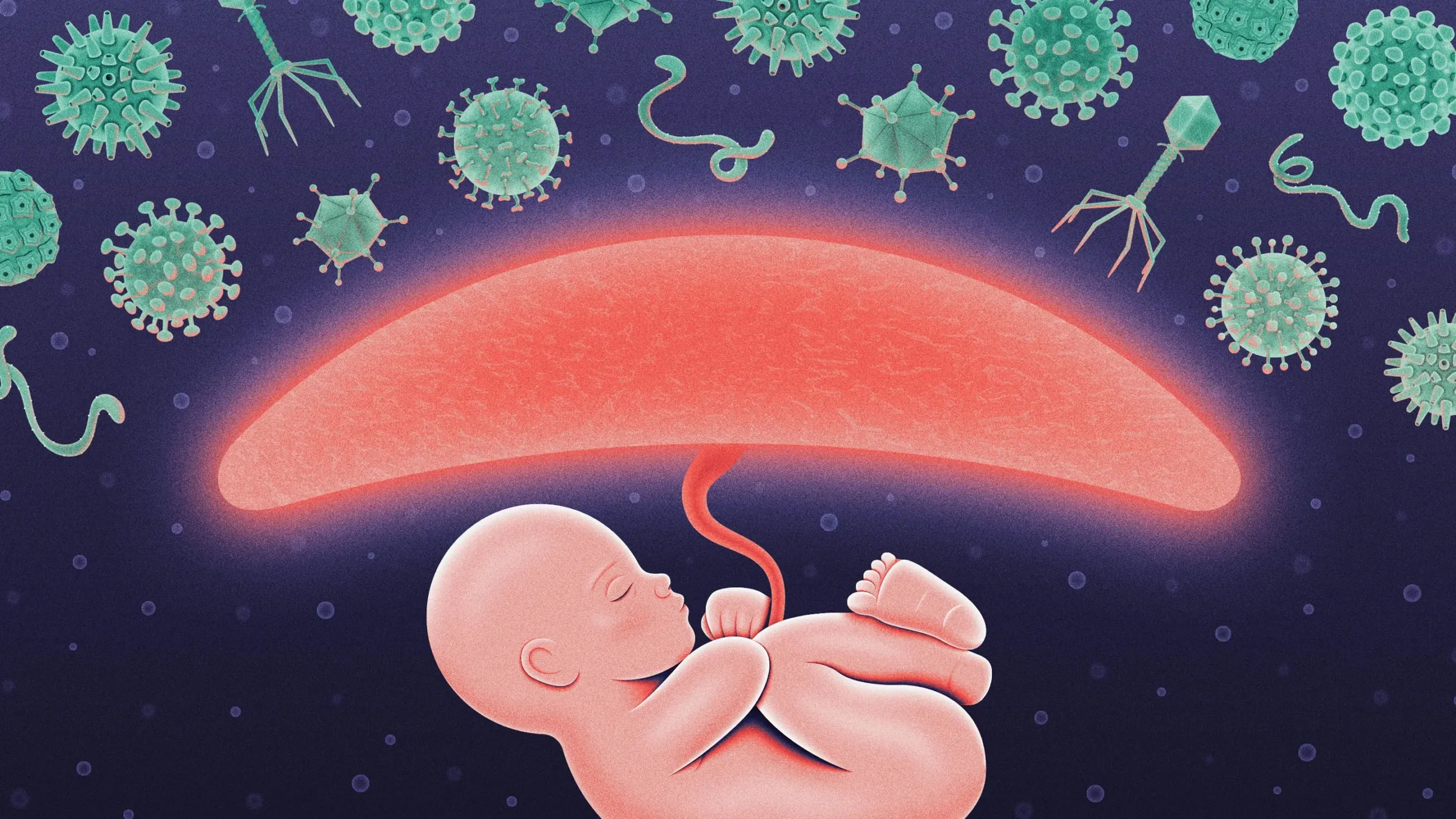
A baby in the mother’s womb (a fetus) is sterile, so no bacteria is found in or around the fetus. Shortly after birth the baby’s body is invaded by millions of bacteria, and they reproduce at a huge rate.

Antibodies in the baby’s bloodstream, originating from the mother’s immune system, protect the baby. The baby’s immune system will start taking over the necessary defensive functions over the next couple of months.


The point I want to make is this…


Most bacteria are either quite innocent (in specific areas of the body) or to your advantage – serving quite useful functions like assisting with the digestive process and protecting you from being invaded by disease producing organisms.

In other words most bacteria living on your skin, mucous membranes and gut are your friends!

Do not go into medicine thinking that all bacteria are bad or that they are our enemies. Only a relatively small number of bacterial species are disease forming.

A healthy human body (maintaining a healthy diet and enough exercise), given a bit of time, will be able to ward off most attacks by disease forming microorganisms without the help of antibiotics.

Please do not misunderstand me. Antibiotics and antiseptic preparations have their place, and save many lives yearly, but the overuse of these agents are causing major problems.

One problem is the emergence of super-bacteria.

These stubborn organisms are able to survive most or ALL known antibiotics. They kill high numbers of patients in hospitals, for example, in intensive care units, especially medically compromised patients like diabetics!


Remember:

  • Most bacteria in the human body serve a useful purpose.
  • The overuse of antibiotics and household antiseptics are producing super-resistant bacteria.
  • Do not over-prescribe antibiotics. A healthy body’s immune system can protect and defend successfully against the majority of microbial attacks.
  • Do not overuse household antiseptics. There is no good reason to add any antiseptic agent to soap for day-to-day household use.

Until the next letter, I wish you all the best my friend,
Dr. Anton

Dr. Anton Scheepers, BChD, MDent, FFD(SA), MFOS, President of The Apprentice Corporation

I really want to become a Doctor – Is there anything I can do straight away?

Check out the Medical Microbiology on Apprentice Doctor Academy.


IMPORTANT! A major website update has been made. Any issues, notify us instantly by pressing the "Quick Help" button and leaving a short description of what you experienced.