Veterinary Technicians Love What They Do

How Robin Became a Veterinary Technician

When Robin was ten years old, her father bought her a thoroughbred colt whom she named Fox. She groomed him every day and sometimes even slept in the barn with him. The two were inseparable.

When Fox was old enough, she trained him, and he became a show horse. Even though he loved to ride the trails around their farm, and graze in the field, when he saw the trailer pull into the corral, he knew it was show day, and he almost trotted into it.

When Robin and Fox rode together, the trust between them was so strong it was almost as if they were a single unit. They could read each other’s movements with little if any, cues. They won show after show, prize after prize.

As Robin grew, she became one of those kids that brought home stray animals. They ranged from dogs and kittens to mice. Many of them were hurt or sick. So her father used one of the empty horse stalls and put a sign on it – Robin’s Animal Hospital.

When she was old enough, her father suggested she apply for a job as a veterinary assistant. He explained what it was and she was so excited, she applied to all the vet clinics in the area. A small, single-vet office called her and offered her a part-time position in the afternoons and on weekends. In that job, she walked dogs, bandaged legs and ears, and learned how to repair a broken wing in a finch. She was also responsible for less dynamic tasks like cleaning exam rooms and ordering supplies.

You’ve probably surmised that Robin went on to become a veterinary technician. Then she moved into the position of veterinary technologist and eventually applied for admission to and was accepted by a veterinarian program and earned her DVM license.

Forty years later Robin runs her own practice along with her husband, who is also a DVM. I asked her if she ever regretted her journey. She said, “No. There are times when surgery doesn’t go as planned, or a pet develops cancer and can’t be treated. Those moments are hard for me. But most of the time I’ve been able to help pets continue to lead full and healthy lives.”

Then I asked her, “Do you ever think about Fox?”

She points to a picture of him and her hanging in her clinic. “Every day.”

If you, like Robin, have a love of animals and want to contribute to their wellness, read on about becoming a veterinary technician. It is one of the fastest ways to enter the field of veterinary medicine.

Definition

A Veterinary Technician is an entry-level position which is a step up from veterinary assistant. Vet Techs work in a variety of veterinary settings including animal shelters, veterinary clinics and offices, and sometimes even animal daycare. In addition to general animal patient care, Vet Techs perform laboratory procedures and medical imaging. They may also administer and monitor anesthesia and assist with animal surgeries. Veterinary technicians are not the same as veterinary technologists, a job which requires additional education.

Typical duties

Veterinary technicians are critical members of veterinary care teams that ensure animal patients receive the best possible care.

Vet techs perform different duties depending upon where they work. In smaller veterinary practices, you will perform administrative tasks, like filing and staff scheduling as well as direct animal patient care. In larger practices these duties may be split between two people. Regardless, since you’re interacting with animals, the work is varied.

The following list is a snapshot of typical vet tech responsibilities.

  • Administering medications, shots, or treatments.
  • Maintaining patient records.
  • Performing lab tests.
  • Prepping animals for procedures.
  • Providing first aid care.
  • Taking and developing X-rays.
  • Watching animals for changes in behavior.

Most vet techs work with small animals like dogs and cats, but also mice and birds. Large animal vet clinics will care for horses, cattle, pigs and sheep.

Characteristics

Nurses in hospitals and doctor’s offices care for human patients. As a veterinary technician, you are in a similar role. You are a nurse of sorts, but for for animals. And, like nurses, you must be able to communicate effectively and compassionately to animal owners. More importantly, you’ll learn ways to communicate with animals who can’t express their needs, where they hurt, or how they are feeling.

When you adopt a career working with animals, it can be very rewarding. But since animals aren’t always passive and accepting of your help, and don’t understand what kind of treatment, or exam they are undergoing, it can be stressful and frustrating. If you have trouble maintaining a high levels of patience, you may want to consider a different healthcare career.

Veterinary technicians should be. . .

  • Calm.
  • Communicative.
  • Creative.
  • Detail oriented.
  • Ethical.
  • Level headed.
  • Organized.

Training/education

Becoming a veterinary technician starts with having a high school diploma. Your next step is to earn an associate degree in veterinary technology which takes about two years.

If you want to advance in the field, you can take the next step and earn a four-year bachelor’s degree to become a veterinary technologist. If you already have your associate degree, it will only take another two years, and you can continue working as a technician while you complete your education.

A program in veterinary technology includes general education courses like English, math and psychology. But concentration courses in animal care are at the heart of any animal training program. You will frequently take courses similar to those on the following list.

  • Anatomy & Physiology for Animals.
  • Anesthesia & Surgical Assistance.
  • Introduction to Biological Chemistry.
  • Introduction to Veterinary.
  • Laboratory & Exotic Animals.
  • Large Animal Medicine.
  • Pharmacology.
  • Small Animal Medicine.
  • Veterinary Imaging.
  • Veterinary Lab Procedures.

In addition to the theory courses, you will be required to earn least 500 hours in a variety of veterinary settings. This gives you plenty of hands-on practice working with animals and animal care teams. Even if you find a veterinary technology program that is offered on line, you will serve externship hours and be supervised by a qualified veterinarian.

veterinary technicianEnsure any school or training program you attend is accredited by the American Veterinary Medical Association (AVMA). Graduation from an AVMA-accredited institution is a prerequisite to sit for the Veterinary Technician National Exam (VTNE).

Licenses, certifications, registrations

Most states and employers require that veterinary technicians pass the Veterinary Technician National Examination (VTNE) administered by the American Association of Veterinary State Boards. Certification means you are ready to assume the duties of an entry-level animal healthcare professional.

While you are in school, begin making arrangements to take the test four to six months before graduation. The exam is only offered three times and year and you want to take it as soon as possible after graduation so your knowledge of veterinary technology is fresh. Review courses and practice exams are available. Check the American Association of Veterinary State Boards (AAVSB) for further information.

Types of specialties

Any role in veterinary medicine enables you to work with animals. But just like in general healthcare for people, there are some specializations you may be drawn to more than others.

  • Avian medicine.
  • Biomedical research.
  • Clinic supervision.
  • Clinical pathology.
  • Critical care.
  • Dentistry.
  • Emergency care.
  • Exotics.
  • Large animals.
  • Surgery.
  • Small animals.
  • Veterinary internal medicine.
  • Zookeeping.

You can choose to specialize, or be more of an animal generalist. As a vet tech you will work at labs, clinics, private offices and shelters.

Wages

People who become veterinary technologists do so because they love working with animals. It is a passion that drives everything they do. It would be remiss to say that you will make tons of money as a vet tech because it is not a lucrative position. So when considering or negotiating for compensation, review potential benefits packages. They could offset a lower hourly wage.

According to the Bureau of Labor Statistics (BLS), as of May 2017 the median pay for the combined roles of veterinary technicians and technologists is $33,400 per year. The average hourly wage was $16.06 per hour.

Job outlook

Employment opportunities for veterinary technicians and technologist is expected to increase 20%, which is much faster than average.

American Pet Products Association (APPA) states that consumer demand for enhanced pet care continues to grow. Pet spending overall has more than doubled to over $38 billion due to the special bond between owners and pets as best friends and companions. It is estimated that $9.4 billion will be spent for veterinary care alone.

Baby boomers are filling empty nests with pets and are contributing to the growth within the industry. Another factor is young couples waiting until later in life to have children and, meanwhile, spoiling the family pet. These families have more disposable income and are happy to shower their pets with special toys, comforts and even daycare and dog walkers.

Advancement

Veterinary technicians as well as technologists are considered entry-level trainees who work under the direct supervision of a veterinarian. As individuals gain experience, they take on more responsibility and carry out more assignments, but only under general veterinary supervision.

If you love animals and want to work with them everyday, entering the world of veterinary medicine may be perfect for you. Becoming a Veterinary Technician is one of the quickest way you can earn money while doing what you love.

I really want to become a Doctor – Is there anything I can do straight away?

Check out the Foundation Medical Course on Apprentice Doctor Academy.
 

Diabetes And Your Medical Team

The Story of Alan

Alan worked for Tasha, a colleague of mine and a contributor to our blog. Alan’s job was about 80% travel, and when he was in town, he spent most of his off-hours with his family. Although he was slightly overweight and didn’t eat right, he considered himself in good health.

One day Alan trotted into work clenching his fingers into and out of a fist. Tasha asked him what was wrong and he said, “I shut it in the car door.” They briefly discussed how much that would hurt, but then they both went on with the workday.

Later, Tasha noticed that Alan’s fingers had turned black – a raisin color that went beyond bruising. She said, “Your hand doesn’t look normal. Why don’t you take off and get to an urgent care?”

Alan was reluctant to go to any doctor but agreed that the color was odd. So he took her advice.

The following morning Tasha got a call from Alan’s brother. Doctors noted his black hand and know it was a symptom of serious underlying conditions. Tests revealed that Alan had diabetes. But since it had been left untreated for so long, they admitted him into the hospital for further testing.

Over the next thirty days, Alan lost his right foot and his left leg below the knee. Two months later he was on a breathing tube. Each time the medical professionals tried to remove it so he could resume breathing on his own, he was unable to do so. Alan’s condition continued to deteriorate.

Finally, exhausted with the struggle, Alan asked his brother to remove all life support and to let him go. Alan’s two adult children were grieved by the request and pleaded with him to fight on. But on his pad of paper Alan wrote, “It’s okay. I’ve come to terms with it. I’m at peace. Please.”

They honored his request. Alan died peacefully, the victim of untreated diabetes, six short months after shutting his hand in the car door.

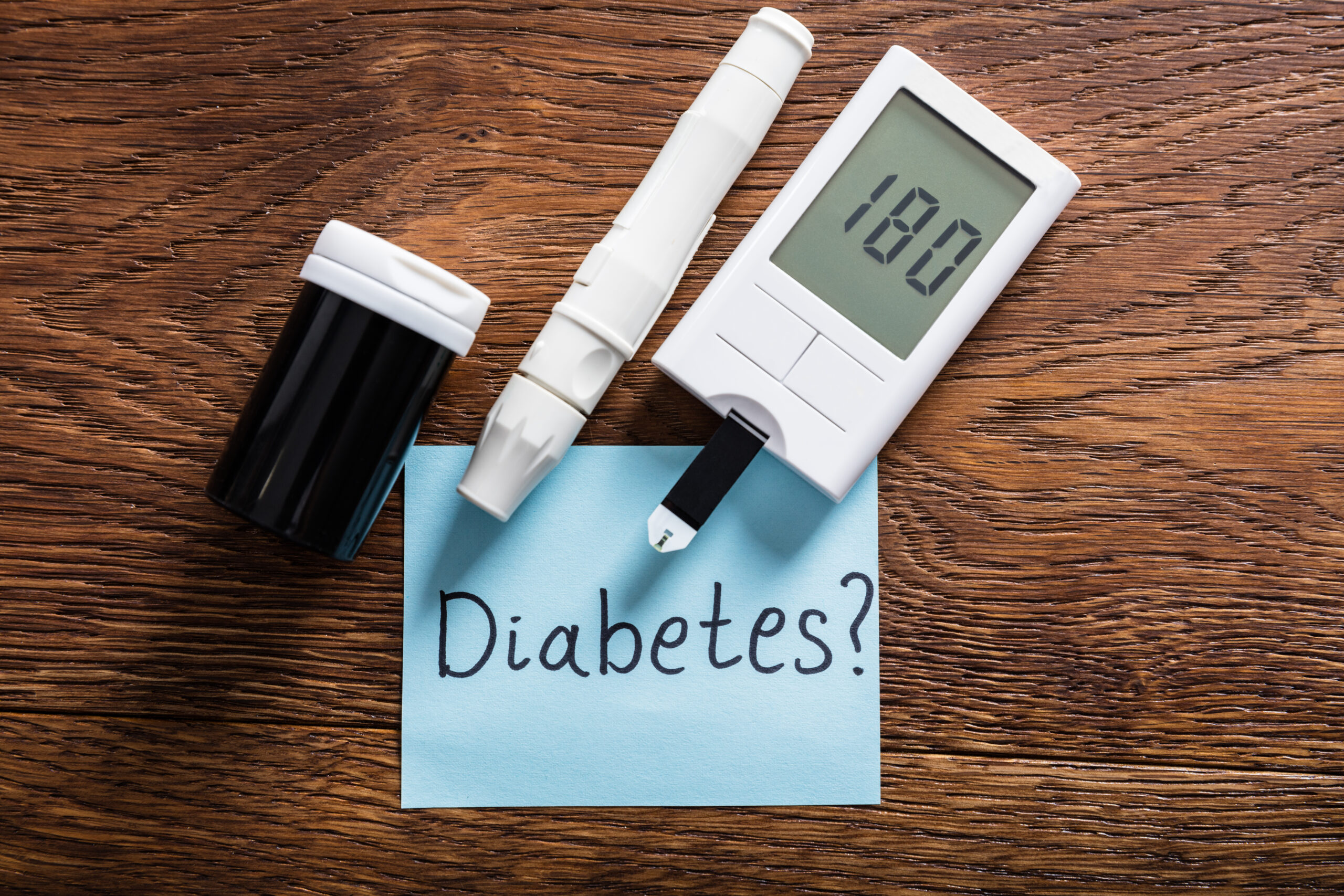
I don’t tell you this story to scare you. I share it because often we don’t know the symptoms of diabetes. Like any health condition, the earlier you know you have a problem, the better off you’ll be. And once you know, having a medical team to monitor the disease is the best way to lead a full, healthy life.

Symptoms of diabetes

According to the American Diabetes Association, the following are the most typical symptoms of diabetes. Some symptoms are so mild, you may not suspect you have the disease.

Type 2 diabetes can usually be controlled through diet and exercise. Type 1 requires insulin.

If you experience any of the listed symptoms, it doesn’t mean you have diabetes. But if you have concerns, it’s always a good idea to ask your healthcare professional.

Common symptoms of diabetes:

  • Blurry vision.
  • Cuts and bruises that are slow to heal.
  • Extreme fatigue.
  • Feeling very hungry – even though you are eating.
  • Feeling very thirsty.
  • Tingling, pain, or numbness in the hands/feet (type 2).
  • Urinating often.
  • Weight loss – even though you are eating more (type 1).

Doctors you need on your side if you learn you have diabetes

If your doctor diagnosed you with diabetes, the next thing you probably did was consult the Internet for information. Physicians know so much about the disease and are happy to share their knowledge. But if you consult the World Wide Web and read pages and pages, site after site, you can experience information overload. So it’s best to limit your intake and stay in regular communication with your doctor.

Treating and controlling diabetes has improved over the years. And, as you’ve learned through Alan’s story, early diagnosis can mean the difference between life and death. If you discover you have diabetes, the most effective way to manage it is enlisting the aid of a team of doctors. With an entire care team, you can control the condition and live the life you want.

Primary care physician

diabetesIf you don’t currently have diabetes, but suspect you might, your primary care doctor can check for it at your annual physical. Depending upon any stated symptoms or genetic risk factors, your doctor may perform tests to rule out the disease. If you do have diabetes, your doctor might prescribe medication and make strong recommendations for changes in your diet and lifestyle. You may also be referred to a specialist to help monitor any treatment. It’s likely that your primary care doctor will be a member of the team of healthcare professionals who will work with you.

Endocrinologist

Diabetes is a disease of the pancreas gland. An endocrinologist specializes in diagnosing, treating, and managing pancreatic diseases. People with type 1 diabetes see endocrinologists to help them maintain their treatment plan. Sometimes, people with type 2 diabetes have trouble controlling their blood glucose levels. When they do, they will also see an endocrinologist for assistance.

Eye doctor

Many individuals with diabetes experience ongoing vision difficulties. They can develop cataracts and glaucoma. They may also experience diabetic retinopathy, which refers to all retinal disorders caused by diabetes. Diabetic macular edema, which is blurry vision, is also a common side effect but can be treated.

To avoid or minimize eye problems, regularly visit an eye doctor, such an optometrist or ophthalmologist. According to guidelines from the American Diabetes Association, people with type 1 diabetes should have an annual dilated comprehensive eye exam beginning five years after diagnosis. People with type 2 diabetes should have the same exam annually from the point of diagnosis.

Nephrologist

A nephrologist is a doctor that specializes in treating kidney disease. If you have diabetes, your risk of kidney disease is higher than for someone without it. Symptoms you want to watch for include:

  • Difficulty concentrating.
  • Loss of sleep.
  • Poor appetite.
  • Upset stomach.
  • Weakness.

Since these symptoms can also signal other conditions, like stress, or anxiety, your primary care physician may want to include a diagnostic test for kidney disease as part of your annual physical. If it comes back positive, you may be referred to a nephrologist.

Diabetes doesn’t automatically mean you will experience kidney disease. The better you keep your blood glucose and blood pressure under control, the lower your chance of getting kidney disease.
There are certain tests that should be performed annually if you have diabetes. A nephrologist will ensure those are done, so it’s important to include a one on your medical care team.

Podiatrist

People who develop diabetes can also suffer from a variety of foot problems. Most of them have to do with nerve damage or poor blood flow. These conditions can change the shape of your feet, limit your ability to feel pain, and reduce your body’s ability to heal blisters and cuts. It is essential to maintain proper foot care, which means making regular visits to a podiatrist. Make it a part of your annual healthcare routine.

Dietitian

Your diet plays a significant role in managing diabetes. Many people with diabetes say changing their eating habits is the hardest task for them to achieve. Sometimes it requires a complete overhaul of your diet such as eliminating sugar and alcohol. If you have trouble finding the right diet to help control your blood sugar, see a dietitian who can help you customize an eating plan that meets your needs.

Alan let his job get in the way of taking care of himself. It was clear he ignored any symptoms he had for a very long time and paid a great price. Regardless of your routine and schedule, always make time for an annual physical, including a visit to the dentist and an eye doctor. Like most diseases, prevention and early detection are the best ways to live a long and healthy life.

I really want to become a Doctor – Is there anything I can do straight away?

Check out the Human Behavior in Medicine on Apprentice Doctor Academy.


Getting Your 2019 Health Resolution to Work

You may know Arnold Schwarzenegger better as The Terminator, but did you know that last spring he had open heart surgery? You can imagine how devastating it was for a former Mr. Universe to heal from major surgery before he could return to his healthy lifestyle and fitness routine. It took him six months of tough recovery, but he did it.

But this article isn’t about Mr. Schwarzenegger. It’s about whatever health resolution you’ve made, or are about to make, for 2019. But according to US News and World Report, 80% of us will abandon our New Year’s resolutions by February 2019.

It will come as no surprise to any of you that one of the top resolutions people make in the new year is to adopt a healthier lifestyle. This can be anything from losing weight to something particular like eliminating gluten from your diet. And, if you pay attention to advertising, companies take advantage of this in January by selling diets, miracle pills, and fitness equipment, most of which promise everything and deliver very little.

It’s not uncommon for individuals to join a gym the first of every year. Membership at most fitness facilities undergoes an uptick in January. But by February many of these new members have given up on their best intentions which explains why only 67% of the 60 million Americans who are members of health clubs never use them.

What explains this cyclical phenomenon? It isn’t because we don’t know how to eat healthily, or how to go about some form of exercise. Most of know the nuts and bolts of those elements. So, why do we fail when we know a lot about how to achieve the goal of a healthy lifestyle?

Impatience is one explanation. It is one of two chief complaints of personal trainers I know. They all mention that many people planning a vacation, special event (including weddings) or other unique occasion want to lose ten pounds or more in the space of a few weeks. Naturally, they are very disappointed when they are told it isn’t possible.

The other complaint trainers have is the number of cancellations they get. People sign on with them and then don’t show up for reasons like it’s cold, rainy, or too dark. More frequently cancellations occur because the trainee believes they are too busy on any give day to work out. They want to look great and feel better but cannot seem to afford the hour they need to accomplish that.

A good friend of mine talks about a trainer she had when she was in her forties. He was ten years younger than her had undergone several kidney transplants throughout his life. Fitness meant everything to him. She says, “He was one of the toughest, yet most inspirational trainers I’ve ever had.” He would tell her, “I get one hour out of your day. You get the other 23. It’s a fair trade.” She says that even decades later that’s what she hears in her head when she doesn’t feel like getting up at 5:30 in the morning to work out. So she scrambles out from under her comforter and gets the job done.

The first thing to understand about any healthy lifestyle resolution is that the results you seek can happen; but not overnight. Miracle supplements or diets that promise quick results are tempting but don’t work. And, in the fine print, almost all of them include, “With a sensible diet and exercise plan.” Well, if you consistently implement a reasonable diet and exercise plan, you don’t need much else. But give it time to work.

Another thing to keep is mind is not letting your body shape trick you. Heavy people can be fit and healthy, and skinny people can be unhealthy and out of shape. I know a woman who is a size four, but never exercises and eats candy and salty foods all day long. Her dress size fools her into believing she’s perfectly healthy. She’s not. She’s just fortunate to have some good genetics. Get started with your change of lifestyle regardless of your weight or body type.

Then there is what my friend says used to be an unspoken rule. She told me, “When I was growing up in the early ’60s, there was this idea that if you were smart, you couldn’t be sporty, or athletic. If you were athletic, you couldn’t be smart. It was if the categories were mutually exclusive. I was considered a geek, and so wasn’t offered any athletic opportunities.”

“But today?” I asked her.

“I believed the fallacy until I was in my mid-twenties. But when I gained fifty pounds during my pregnancy and I knew I had to do something. That’s when I discovered aerobic exercise. The hour session was more like dancing. I enjoyed it, so I stayed with it even though I was embarrassed about my size. It took time to take the weight off, but I did.”

If your resolution is to lose weight, eat healthier, or both, set reasonable goals for yourself. For example, don’t go to the grocery and buy all fruits and vegetables. You probably won’t eat all of them, and then they’ll rot and be thrown away. Instead, buy one or two things and commit to trying them. And perhaps not buy that extra bag of chips. If you don’t like kale and would never eat kale, don’t succumb to the idea that you “should” eat it because some chef on television says you should. There are plenty of other good foods out there.

If you have never exercised, start with walking for 15 minutes, five days a week. Stick with that for a week or two, then bump it up to 20 minutes a day. Increase it incrementally until you are up to that magical 10,000 steps a day. Walking doesn’t cost any money or require special equipment. It will help you lose weight and also reduce your risk of heart disease, obesity, diabetes, high blood pressure, and depression.

If you go to a gym and have never worked out before, don’t go all out at first. Take it slow. Sign up for a free consultation with a trainer. Learn how to use the machines and how they can benefit you. Avoid targeting specific areas. That doesn’t work very well, either. An overall body workout is enough to start with. Use a few machines and add in 15-20 minutes of cardio. Even if you’re sore the next day, carry on. The soreness will go away.

The one piece of fitness advice that will help you the most is finding an exercise you enjoy. My friend started out with aerobics and stuck with it because it was like dancing. Today she combines aerobics with weight lifting. But she doesn’t like the idea of spending an hour lifting weights and then another hour on cardio. So she’s developed a workout that combines both, and she’s in and out in less and 90 minutes. She’s done it for over twenty years.

Everyone’s journey into health and wellness is unique. But one thing is true for everyone and I can’t say it enough – diets do not work in the long term. If you truly want to keep that new year’s resolution, what is required is a life-style change – one that alters your diet and exercising habits for the rest of your life. You may find people who live in blue zones of the world, such as Loma Linda, California, Costa Rica’s Nicoya Peninsula and Okinawa, Japan, grow old healthy and age gracefully. There’s no big secret to it. There’s not a magical elixir. They eat fruits, vegetables and other items you already know are good for you. And they exercise every day.

Regardless of where you are in your lifestyle right now, you can change how you feel and improve your health. It won’t be easy, but it’s very doable. With commitment, patience, and perseverance, you can keep your healthy life-style resolution.

Join the Conversation

Have you made a health-related resolution for 2019? Share your thoughts or even ask a question. I’d love to hear from you.

I really want to become a Doctor – Is there anything I can do straight away?

Check out the Foundation Medical Course on Apprentice Doctor Academy.


Becoming an Ear, Nose and Throat Doctor (ENT/Otolaryngologist)

Think of how irritating it is when you feel like you have water in your ear, but you’ve been nowhere near a swimming pool. Or you are scheduled to give a speech and suddenly develop a raspy throat. What about not being able to smell the aroma of coffee, or taste the tartness of a lime? Then there’s the favorite irritant of a friend of mine – her husband’s snoring. These are all ENT (ear, nose and throat) issues.

Although the practice of otolaryngology (ENT) involves more than just the ability to use our senses, they are a substantial component. When our senses don’t work, we miss much of the life that goes on around us. That’s one reason why these surgical specialists are so crucial in the practice of medicine.

ENT, ear nose throatBesides alleviating stuffy noses and migraine headaches, these doctors also perform complex operations that restore hearing to the middle ear, opens blocked airways, and removes head, neck, and throat cancers. The ability to do surgery makes otolaryngologists unique among surgical specialists because they are trained in both surgery and medicine, which means they must treat patients medically and surgically. There is no need to refer patients to a surgeon if an operation is required. As a result, an ENT can recommend and provide the most appropriate care for each patient.

To be qualified to perform in this dual role, in addition to medical school, a person must undergo five to eight years of intensive, post-graduate training. Some ENTs say that in exchange for the years of education, they work within the best surgical subspecialty available in medicine. There is no equivalent counterpart in healthcare.

Listen to what an ENT says about this unique medical discipline: What’s an ENT?

ENT treats a range and severity of conditions for people of all ages. They include:

  • Allergies and sinuses.
  • Head and neck cancers.
  • Hearing, which affects balance.
  • Skin disorders.
  • Sleep disruptions, which include snoring, breathing and sleep apnea.
  • Swallowing, which interferes with speech.

Surgeries include:

  • Cochlear implants (to restore hearing).
  • Deviated septums (repair of areas of nasal passages).
  • Plastic and maxillofacial surgeries.
  • Tonsillectomies (removal of the tonsils and adenoids).
  • Removal of tumors.
  • Reconstructive surgeries.

Typical skills and interests

Like most doctors and surgeons, ENT’s need a unique skill set that incorporates personal qualities. These include:

  • Ability to work as part of a team, and to manage and supervise others.
  • Excellent vision and visuospatial awareness.
  • Expert listening skills and the ability to work effectively with people who have communication difficulties.
  • Good organizational capacity.
  • Outstanding hand-eye coordination and manual dexterity.
  • Stamina to sustain a busy and demanding role.

If you like working with your hands, and participating in a more action-oriented branch of medicine, you may discover ENT is the ideal healthcare profession for you.

ENT subspecialties

Some ENTs consider themselves to be in a general practice which means they don’t limit themselves to any one portion of the head and neck. They treat a variety of conditions. However, other ENTs consider themselves specialists in a specific area and obtain additional training to do so. If you’re interested in otolaryngology and want to focus within the discipline, consider one of the following specialties:

  • Ears (otology/neurotology) – If you have difficult hearing, or have trouble balancing, you may have a problem in your inner ear. ENTs who focus their practice on the ear treat conditions like ear infections, hearing loss, dizziness, and tinnitus.
  • Nose (rhinology) – Our noses help keep our airways clear by filtering out dust, allergens, and other agents. ENTs who specialize in treating areas of the nose can help with deviated septums, rhinitis, sinusitis, sinus headaches and migraines.
  • Throat (laryngology) – If you’re unable to speak or swallow properly, you can imagine the impact on your life. ENT specialists see patients with sore throats, hoarseness, gastric reflux disease, throat tumors, and more.
  • Head and Neck/Thyroid – Think about your head and neck and all the vital organs they hold. ENTs practicing this specialty treat cancers of the head and neck, enlarged thyroid glands, and other disorders affecting the head, neck and thyroid.
  • Sleep – Lack of sleep, interrupted sleep and other sleep disorders plague many people throughout the world. When we don’t get enough rest, it is difficult to enjoy life and to focus on work. ENT sleep specialists treat sleep-disordered breathing, nasal and airway obstructions, snoring and sleep apnea.
  • Pediatrics – Healthcare professionals obtain special education to understand the needs and development of children. In addition to tonsillitis, ear infections and allergies, ENTs who specialize in pediatrics also treat birth defects of the head and neck as well developmental challenges.

Typical practice characteristics

ENTs maintain a private, self-owned offices or hospital-based spaces. They can be self-employed or serve on the staff of a hospital or university. They see patients in their offices, but retain surgical privileges in outpatient clinics and hospitals. During a typical day, an ENT may see as many as 25-35 patients. Throughout the year they may perform 250-300 surgeries.

Income and outlook

According to the Medical Group Management Association (MGMA) 2013 Physician Compensation and Production Survey, the average annual income for ENTs is about $442,119. Since they are specialists and perform surgeries, ENTs are a

According to the American Association of Medical Colleges (AAMC), the job outlook for all physicians is stable, with shortages predicted through the year 2020 and beyond. The growing population in the U.S., as well as the increasing average age of the nation’s population are two primary factors contributing to this.

Education and training

Since otolaryngologists are medical doctors, they must first obtain a medical degree. In the United States, the education track for otolaryngologists takes about 15 years. The breakdown of credentials is as follows:

  • Undergraduate degree, preferable in biology or science – 4 years.
  • Medical degree – 4 years.
  • Residency training – 5 years.
    • 3 years of otolaryngology residency.
    • 1 year of general surgery training.
    • 1 additional year of training.
  • Optional fellowship training in an ENT subspecialty – 2 years.

Certification and licensure

Along with all other physicians in the United State, otolaryngologists must pass the USMLE (United States Medical Licensing Exam). Additionally, board certification in otolaryngology by the American Board of Medical Specialties (ABMS) is expected although not always required.

Like many healthcare professionals ENTs must also obtain a state license to practice medicine in the state where they work. Check with your individual state for requirements.

Ongoing CMEs (clinical medical education hours) are required for ENTs to maintain their license. There is also a license renewal process that must be completed routinely. Individual states and the specific ENT specialty boards set the renewal cycle, but it is generally every 7-10 years. Completion of minimum CME requirements are almost always included as part of the renewal, so keeping up with those hours is critical to maintaining your hard-won license.

American Board of Otolaryngology

Otolaryngology is one of the oldest medical specialties in the United States.


The American Board of Otolaryngology (ABOHNS) was established in 1924 and is one of the oldest medical specialty boards in the country. Their mission is to, “Serve the public by assuring that diplomates meet our standards of training, knowledge and professionalism through initial and continuing certification.”

In 1978, the ABOHNS changed its name so that it better reflected the field – otolaryngology – head and neck surgery. The change was needed to reflect all the kinds of head and neck surgery included in an ENT’s expertise.

In the ABOHNS, when you meet training requirements and have passed the qualifying and written examinations for otolaryngology, you are considered “board certified” by the ABOHNS and are referred to as a “Diplomate.”

Like many careers in the field of medicine, becoming an ENT is a rewarding and fulfilling profession. If you want to specialize as a medical doctor, studying to become an ENT is a great option.

I really want to become a Doctor – Is there anything I can do straight away?

Check out the Foundation Medical Course on Apprentice Doctor Academy.

Also, explore the Future Doctors Kit on Apprentice Doctor Kits.


What Is a Medical Assistant?

Story at a Glance

Medical assisting is one of the fastest growing, entry-level medical professions in healthcare. It is also one where training can be obtained in under a year, putting you into the field quickly. Today’s article gives you a snapshot of what it takes to becoming a medical assistant, the characteristics employers look for in potential hires, and the long-term job outlook.


medical assistantMedical assistants, also known as MAs, work with physicians, nurse practitioners, and nurses in medical offices and outpatient clinics. Some medical assistants prefer what is called “back office” where they provide direct patient care. Others like “front office” work, which is more administrative and provides indirect care to patients. Some offices are too small to split duties into specialized roles, which is why most medical assisting programs ensure the curriculum covers all eventualities. Even in offices with separation of duties, cross-over is inevitable.
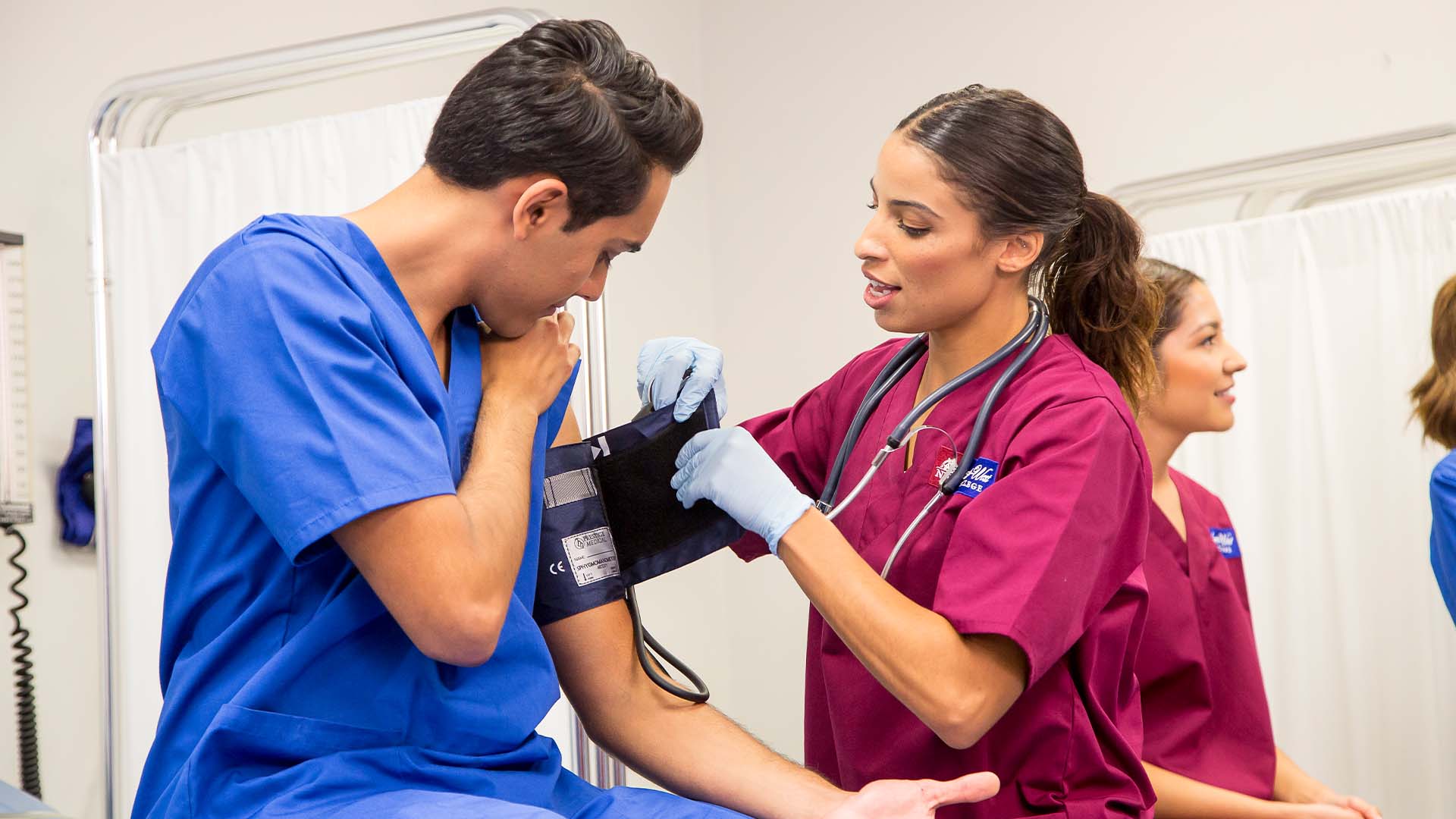

Currently, medical assistants are in high demand because the number of private doctor’s offices and outpatient clinics are increasing. There is also an increasing number of seniors who need medical treatment.

Typical administrative duties of medical assistants

Medical assistants have a variety of duties ranging from greeting patients to taking blood pressures. Administrative, or front-office duties expected from MAs are:

  • Answering telephones.
  • Coding and filling out insurance forms.
  • Coordinating hospital admissions and lab tests.
  • Greeting patients.
  • Handling correspondence, billing, and light bookkeeping.
  • Scheduling appointments, which includes using specialized software programs.
  • Updating and filing patient medical records.
  • Using computer applications.

Typical clinical duties of medical assistants

When interacting with patients in exam rooms, medical assistants are expected to:

  • Assist the doctor during exams, often using a laptop while the doctor performs the exam.
  • Change dressings.
  • Chart medical histories.
  • Collect and prepare lab specimens.
  • Draw blood.
  • Explain treatment procedures to patients.
  • Facilitate electrocardiograms.
  • Instruct patients about medications and special diets.
  • Perform basic lab tests.
  • Prepare and administer medications under the supervision of the physician.
  • Remove sutures.
  • Take blood pressures and other vital signs.
  • Transmit prescription refills as directed.

Characteristics of medical assistantsmedical assistant; medical assisting

Medical assistants are often the first medical professional a patient sees. Although not all patients are nervous when they visit a doctor’s office, they can be. Consequently, MAs must put patients at ease. The ability to build quick rapport with a patient speaks well of the MA and the overall medical practice, especially if a doctor is running late and the patient has to wait for an extended period of time.

Most employers looks for the following characteristics in potential medical assistants.

Characteristic Definition of Characteristic
Analytical skills MAs must comprehend and follow medical documentation and be able to code exams and diagnoses for billing purposes.
Attentive listening When taking a medical history, careful listening is essential. You need to hear what patients say, and be attentive to what they may omitting. Sometimes you have to interpret what they mean. For example, “I feel dizzy,” is a general complaint. How dizzy and when does it occur are key follow up questions you’ll be trained to ask so that your history is as thorough as possible.
Compassion You may have a roomful of patients all at once, many of whom don’t feel good. You will need to be empathetic and treat each one as if that individual is the only one in the room.
Detail oriented Precision is required when taking vital signs and recording other patient information.
Follows directions When you work in healthcare, you are working with people’s physical and emotional well being. You cannot adopt an attitude, believing you know better than the doctors or nurses. Everything you do is under their authority and control. In the end, they are responsible for their patients, so you must do what they tell you even if you disagree.
Nonjudgmental Since you are dealing with the public, you will encounter individuals with lifestyles different from your own. Regardless, you have to treat each patient with a high level of professionalism and compassion. Your job is to assist in the healing process. There is no room for judgment.
Organized and adaptable If you are a person who doesn’t like to be interrupted, working in a medical practice can be frustrating. You are interacting with multiple patients, phone calls, paperwork and sometimes vendors. Most of the time when the day is done, all your work has to be done. Remaining organized and calm are key to fitting everything in with minimal frustration.
Outgoing Even if you are shy and retiring, during the workday you will need to be extroverted. Professionally greeting people, even if they are in pain or distress, goes a long way toward keeping them and the overall office environment calm.
Personable Medical assisting is a social profession. You must be able to discuss medical situations with other health care personnel and to share medical information with patients in terms easy to understand.
Problem Solver A medical practice is complex. You’re dealing with patients, documentation, insurance, and billing all the time. Your supervisor may not be present when a problem arises, so you have to have enough self-confidence in your problem-solving skills to resolve a situation and be accountable for it even if you make a mistake.
Self-Controlled A medical practice is an emotional environment. Patients may be coping with bad news, including terminal diagnoses. There could be days when they take it out on you. No matter what is thrown at you, you have no choice but to maintain self-control and a professional demeanor.
Technical skills Medical assistants need to be competent in the use of clinical instruments and computer technology.

Training for medical assistants

More often than not you will have to obtain formal training to become a medical assistant. However, some practices will train you while you work. Training programs vary in length, but most basic ones can be completed in under a year. If you choose to obtain an associate degree in medical assisting, you’ll be in school from 18-24 months.

Lecture courses you’ll encounter in a medical assisting program include medical terminology, anatomy and physiology, communication in healthcare settings, and some kind of math or accounting class. Lab classes teach you how to draw blood, do an echocardiogram, take vital signs and perform basic lab tests. Although you may learn how to code paper records, more and more medical assistants are required to code health records on laptops and tablets.

Licenses, certifications, and registrations

Many states don’t require medical assistants to be certified. However, certification adds value to your training because a third party has verified your education. Certification could also be preferred by employers.

To become certified, you have to pass an exam, which can be done through one of several organizations. You have to meet the eligibility requirements and then schedule the test. Although there may be some differences in eligibility criteria, most include graduation from an accredited medical assisting program and a minimum number of hours of work or lab experience.

The National Commission for Certifying Agencies, part of the Institute for Credentialing Excellence, accredits five certifications for medical assistants. They are listed in alphabetical order.

Different communities and geographical locations determine which certification is preferred. In some areas a CMA is considered the gold standard. In others it may be the RMA. A little research on your part can determine which certification to obtain that ensures you the best results in your job search campaign.

Job outlook and career options for the field of medical assisting

According to the Bureau of Labor Statistics, “Employment of medical assistants is projected to grow 29 percent from 2016 to 2026, much faster than the average for all occupations. The growth of the aging baby-boom population will continue to increase demand for preventive medical services, which are often provided by physicians. As a result, physicians will hire more assistants to perform routine administrative and clinical duties, allowing the physicians to see more patients.”

With experience, medical assistants can specialize and move into leadership roles. With additional education, you could become a nurse and even go on to become a nurse practitioner or physician assistant.

Although there is no specialized training for medical assistants in various medical disciplines, you may choose to work for doctors who are specialized. Two such dedicated medical assistants are:

  • Ophthalmic and optometric medical assistants – These MA help ophthalmologists and optometrists provide eye care. They may show patients how to insert, remove, and care for contact lenses. Ophthalmic medical assistants also may help an ophthalmologist in surgery.
  • Podiatry medical assistants – MAs who work closely with podiatrists (foot doctors) may make castings of feet, expose and develop x rays, and help podiatrists in surgery.

Wages

According to the Bureau of Labor Statistics, in May 2017 the median annual wage for medical assistants was $32,480. The median wage is considered the wage right in the middle of the entire range. Half the workers in any given population make more than that amount while the other half makes less. In reviewing the wages for medical assisting in May 2017, the bottom 10% of MAs earned less than $23,830 and the top 10% earned more than $45,900.

In May 2017, the median annual wages for medical assistants in the top industries where they were hired were:

Industry Median Annual Wage
Outpatient care centers $33,820
Hospitals: state, local and private $33,590
Offices of physicians $32,710
Offices of chiropractors $29,010

Most individuals who go into medical assisting do so because they they want to make a positive contribution to people in need of medical care. Almost all of them indicate they find the profession rewarding and that it was the best path for them to enter the field of health care. While some go on to become nurses, many will remain medical assistants for the duration of their career.

If you want to become a medical assistant, but wonder if your high school is giving you a good foundation, you can find out here: Is Your High School Curriculum Preparing You for a Medical Career?

If  you want to learn more about becoming a nurse, get an overview here: Associate Degree versus a Bachelor Degree in Registered Nursing.

I really want to become a Doctor – Is there anything I can do straight away?

Check out the Medical Terminology: Decoding the Language of Healthcare on Apprentice Doctor Academy.

Also, explore the Medical Assistant Practice Kit on Apprentice Doctor Kits.


12 Ways to Reduce Your Risk For Breast Cancer

Story at a Glance Other than skin cancer, breast cancer is the most common cancer in women in the United States. There are factors you can’t control, such as heredity links or breast density. However, today’s article provides 12 different ways you can minimize your risk of breast cancer. All of them are things you can control and incorporate into your lifestyle.

Twenty years ago, three friends of mine, Jean, Penny, and Cindy. went in for their annual mammogram. All of them were in their mid-forties, had no history of breast cancer in their families and expected normal screenings. But instead of the pink envelope in the mail they usually got announcing clean bills of breast health, they got phone calls instead. Each needed a second screening and then a biopsy. All three met with their respective physicians and were given the news all women dread. “You have breast cancer.”

All of their stories have a happy ending, although it wasn’t easy getting there. They underwent chemo and radiation therapies, and Penny opted for a full mastectomy as an extra precaution. When asked why, she said, “It’s more important that I’m here to witness my children’s milestones and their children’s milestones than anything else in the world. It wasn’t that much of a sacrifice. An adjustment, yes. But not a sacrifice.”

Other than skin cancer, breast cancer is the most common cancer in women in the United States. According to the American Cancer Society (ACS), 1 in 8 women is affected by the disease. As high as those numbers appear, it’s not all bad news. Fewer women are getting and dying from breast cancer than ever before. “Cancer is not an inevitability. Women have more control over the disease than they think,” says Margaret I. Cuomo, MD, author of A World Without Cancer. “Everything we do from the moment we wake—from what we eat and drink to whether or not we exercise and avoid BPA, parabens, and other carcinogenic chemicals—is a factor that can turn on or off the genetic switches in our bodies, including ones that could lead to cancer. The risk of many cancers, including breast cancer, can be significantly reduced by living a healthy lifestyle.” (You can watch an interview with Dr. Cuomo here.)

Unfortunately, the most significant risk for breast cancer is being a woman—but taking specific measures can reduce your chances of developing the disease. While some factors, such as age, aren’t within your control, other factors are well within your reach to manage. What follows are 12 ways you can reduce your risk of breast cancer.

1.  Manage your weight

If you are overweight or considered obese, your risk for breast cancer increases. An American Cancer Society (ACS) study found that women who gain 21 to 30 pounds after the age of 18 were 40% more likely to develop breast cancer than those who gain five pounds or less. While the 10,000 steps a day recommended by nearly all fitness devices sounds like a lot, studies have shown that walking 10,000 steps a day (about 5 miles) is a reasonable and consistent way to approach weight loss.

2. Step it up

Physical activity is tied to managing weight. Exercise is particularly important as you grow older and your metabolism slows. The Department of Health and Human Services and The American Cancer Society recommend getting at least 150 minutes of moderate aerobic activity a week. In the alternative, you can opt for 75 minutes of intense activity a week, or engage in a combination of both. But you don’t have to do it all at once. You can spread it out over a week. The Women’s Health Initiative (WHI) reports that walking briskly for about 90 minutes to 2.5 hours can reduce your risk of breast cancer by as much as 18%. Strength training can also help reduce your risk and can also improve your bone health.

3.  Bend and stretch

More and more studies show that extended sitting increases the likelihood of developing cancer, especially for women. If you spend 6 or more hours each day sitting, you have a 10% greater risk for breast cancer. Women who sit less than three hours a day have lower risk. Many health apps and wearable health devices remind you to get up and take 250 steps each hour. 250 steps only takes a few minutes, but can increase your energy and focus – and get you moving in short bursts.

breast cancer4. Find alternatives to hormone replacement therapy

Hormone replacement therapy (HRT) has been recommended by doctors as a viable way to help control symptoms of menopause. However, The Women’s Health Initiative determined that prolonged use of this type of treatment increases a woman’s risk of breast cancer by 24%.

Mary L. Gemignami, MD, a breast surgeon at Memorial Sloan-Kettering Cancer Center in New York says, “The average woman taking hormone therapy (HT) should weigh the potential increased breast cancer risk versus the quality-of-life component and limit the duration of use.” She added, “However, women with a significantly high risk of breast cancer should avoid taking it if at all possible, unless they’ve had their ovaries removed and are going through surgical menopause.”

If you opt for HT, the National Institutes of Health recommends reevaluating that decision with your doctor every 3 to 6 months and talk about other options to manage postmenopausal symptoms.

5. Put it out

It is well established that smoking is linked to an increased risk for lung cancer and a number of other respiratory disorders. But there is a growing body of evidence suggesting it is also linked to breast cancer risk. One of the best things you can do for your overall health is to stop smoking; or never to start.

6. Consider breastfeeding

Breastfeeding might play a role in breast cancer prevention. The longer you breastfeed, the greater the protective effect. According to the American Journal of Clinical Nutrition mothers who consistently breastfeed their babies for at least the first six months have a 10% reduced risk of death from cancer compared with those who don’t. “There is significant data that suggests that breastfeeding lowers risk,” says Otis Brawley, MD, chief medical officer for the American Cancer Society. “If a mom can do it, it’s worth trying.”

7. Reduce alcohol intake

Excessive alcohol intake increases a person’s risk of several types of cancer, including breast cancer. Studies show that women who have 2 to 3 alcoholic drinks a day have a 20% higher risk of getting breast cancer. Those who limit drinking to no more than 1 drink per day have a negligible increase. A drink is defined as 1.5 ounces of hard liquor, 5 ounces of wine or 12 ounces of regular beer.

8. Healthy diet/eat the right foods

Many benefits can be derived from eating a healthy diet, including lowering your risk of breast cancer. Harvard researchers recently found that women who had the highest carotenoid levels in their blood had a 19% lower risk of breast cancer than those with the lowest levels. Carotenoids are vibrant pigments that act as antioxidants and are found in fruits and vegetables such as leafy greens, carrots, tomatoes, and red peppers.

9. Be vigilant about detection/early detection

breast cancer Catching the presence of breast cancer early dramatically improves your prognosis. The American Cancer Society indicates the 5-year survival rate for breast cancer is 99% if found early and limited to the breast.

If you’re of average risk, which means you have no family history of cancer, the U.S. Preventive Services Task Force recommends having a mammogram and clinical breast exam every one to two years beginning at age 50. The ACS recommends starting in your early 40s. Talk to your physician about the best screening regimen for you. Once you begin, the easiest way to remember it’s time for your screening is to arrange it around your birthday.

10. Know how dense your breasts are

One of the newest ways to protect yourself against breast cancer is knowing your breast density. Having more tissue than fat in your breasts makes cancer harder to detect on a mammogram. Having dense breasts makes you six times more likely to develop cancer.

If your breast density is high, there is nothing you can do to lower it, although it does tend to decrease with age. As an extra precaution, ask your doctor about adding an MRI or ultrasound to your screening. Or consider a digital mammography, which provides higher contrast, making abnormalities easier to see. Even if your breast density is low, you still need regular checkups.

11. Know your family cancer history, maternal and paternal

About 5 to 10 percent of all cancers, including breast cancer, are hereditary and passed down in families through a variety of mutated genes. A woman’s risk of breast increases if she has any of the following heredity links:

  • First-degree relatives – mother, sister or daughter, or male relatives who have had breast cancer.
  • Multiple family members on your mother’s or father’s side who have had breast cancer.
  • Numerous diagnoses on either side of your family, including second- and third-degree relatives – aunts, uncles, and cousins.

If you have a troublesome family history of cancer, you may want to seek out a geneticist for genetic testing.

12. Avoid unnecessary screening tests

This step may seem counterintuitive. Mammograms are one of the best ways of detecting breast cancer, yet the ionizing radiation is a risk factor for the disease because it may cause DNA mutation in cells. But keep your mammogram appointment. The small risk far outweighs the benefit of early detection.

Robert N. Hoover, MD, ScD, director of the epidemiology and biostatistics program at the National Cancer Institute, says, “Mammograms deliver very small doses of radiation, and if you follow general guidelines, it’s not going to be an issue. The same is true for annual dental X-rays and airport security screening, and if your doctor says you need a diagnostic X-ray for any reason, the risk of minimal radiation exposure is outweighed by the possibility of diagnosing a potential medical problem.”

If your doctor tells you that you need an X-ray, make sure you understand the reason why; if you’re still not sure you need one done, get a second opinion.

breast cancerPrevivors

Someone who hasn’t had cancer but remains at high risk is sometimes referred to as a previvor. Previvors may take extra precautions to lower their risk of breast cancer. One such step is having a prophylactic mastectomy if you learn you have a BRCA mutation, something you can discover through genetic testing. Another option is increasing the frequency and types of screenings. There are also chemopreventive drugs you can take. These pharmaceuticals along with routine screenings and leading a healthy lifestyle can also reduce your risk. Ask your doctor for details on what may be available.

If you view yourself as a previvor and want to connect with others like yourself, visit FORCE and Bright Pink.

I really want to become a Doctor – Is there anything I can do straight away?

Check out the Medical Terminology: Decoding the Language of Healthcare on Apprentice Doctor Academy.

Is Anti-Aging Today’s Fountain of Youth?

  Anti-Aging – A Continue the Conversation topic

Anti-aging is the first topic in a new monthly series I call Continue the Conversation. In each monthly   segment, I’ll be providing my thoughts on a topic related to healthcare. Then I’ll invite you to continue the   conversation. From your thoughts, I hope to learn more about what healthcare subjects you’re most   interested in and want to see more information about.


Anti-aging – a fountain of youth or an imposter?

anti-agingThe other day a friend asked me, “What’s your take on anti-aging?”


I thought about it for a minute, then responded, “I’m all for a long and healthy life as well as good quality living.”

Later that night I got to thinking about our never-ending quest for youth. It started back in the 3rd Century when references to a Fountain of Youth appeared in manuscripts. This magical fountain promised to restore youth, health, and vitality to anyone who drank from it or even bathed in it. The legend of its existence became more renown in the 16th Century when the Spanish explorer, Juan Ponce de Leon supposedly searched for it when he traveled to what is now known as Florida.

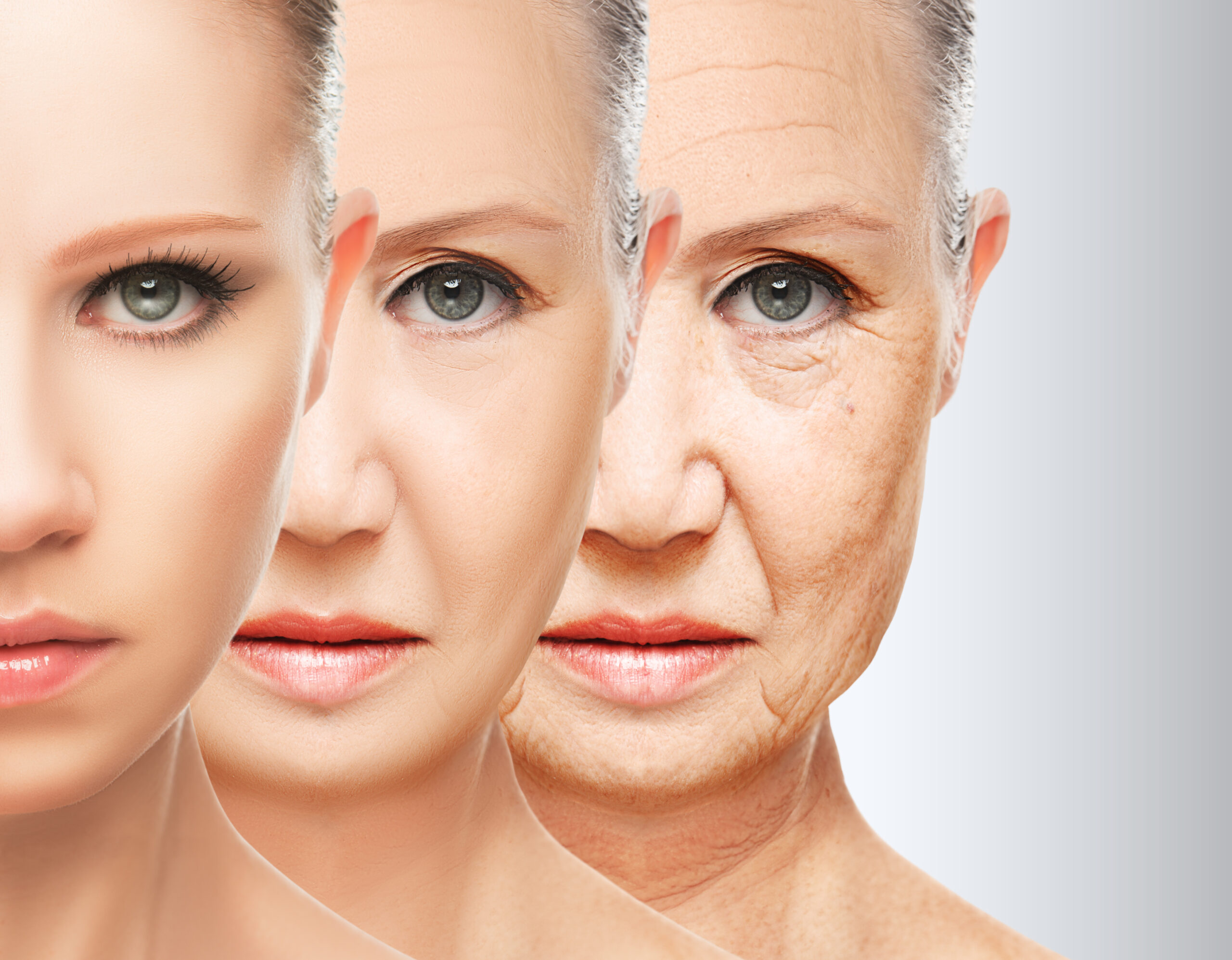
Although we have always treasured youth, contemporary society lasers on it to the point where anti-aging, or staying young is an absolute. This can be problematic if the definition focuses on looking young rather than feeling young through better health.

Toward my point, if you go to the Internet and key in the term “anti-aging,” you’ll not find too many articles on slowing the aging process through changes in lifestyle – resulting in better vitality and energy. Mostly your search results provide an abundance of skin and hair care products selling you a more youthful appearance. But what good is looking young if you feel sick or dragged down?

I’m of the opinion that every season of life is beautiful – just like in nature. We need to see the beauty in spring and summer – but also in autumn and winter! As we get older every wrinkle or crease in our faces tell a story. It is a master painting created through a person’s experiences and emotions. Should we not behold this beauty? Or should we Botox and face-lift it away? Just to be clear, I am not entirely against plastic esthetic surgery – but I think we have focused far too much on outer beauty instead of character and inner allure and grace.

To be fair, anti-aging is also about living longer. If we can remain lucid and productive, we can continue our contributions to life, science, and other pursuits, including each other. But it’s difficult to dissect altruistic purposes from the motive to just want to live longer. As for myself, I’m not yet ready to move on because I still have a significant vision unfulfilled.

Continue the Conversation

Although looking young and slowing the aging process are not mutually exclusive, companies tend to treat them as such. You’ve read my take on the concept of anti-aging. What do you think? Should we strive for endless youth on the outside, healthy living on the inside, or merely to avoid dying? I’m interested in your thoughts – and your questions. You can continue the conversation below.

I really want to become a Doctor – Is there anything I can do straight away?

Check out the Medical Terminology: Decoding the Language of Healthcare on Apprentice Doctor Academy.


The Case For Nurse Practitioners

Story at a Glance

Nurse Practitioners (NPs) are highly skilled nurse practitioners nursing professionals who provide comprehensive care to patients with a high degree of autonomy. This article defines the profession and provides information on:

Roles and responsibilities.
Training and education.
Licensure and certification.


One of the writers for our site goes to a nurse practitioner as her regular doctor. Although the practitioner works with a licensed, board-certified medical doctor, my colleague prefers the NP. She says, “For one thing, she spends time with me. She’s not rushed and listens to what I say. If I call with a problem, she calls me back personally. She doesn’t hand it off to someone I don’t know, and who doesn’t know me.”

As I nod, she quickly adds, “Plus she fully explains what’s wrong with me, then gives me options for treatment. I feel like a real person when I see her.”

I can’t say all NPs are like this, but many of them are. My friend’s experience has been all positive for her.

What are nurse practitioners?

You may derive from my friend’s experience that Nurse Practitioners (NPs) are advanced-practice registered nurses who provide comprehensive care to patients. They focus on preventative care, but also can diagnose and treat. This includes writing prescriptions.

Make no mistake, nurse practitioners are first and foremost nurses. As the story above indicates, their interaction with patients includes patient education and holistic care. For the most part, they treat the whole person.

What makes nurse practitioners different from physician’s assistants?

Both nurse practitioners (NP) and physician’s assistants (PA) are advanced healthcare providers that can be found in many healthcare organizations. The differences between the two positions might not be immediately obvious, especially since there is overlap in their responsibilities. Most of the distinctions are found in the training and education of each specialty.

Nurse practitioners work autonomously and take initiative in their clinical decisions. Physician’s assistants do not have this level of independence and must always work under the direct supervision of a licensed, board-certified medical doctor. NPs can also perform procedures, such as suturing, something PAs cannot do.

Lastly, NPs require more education and far more clinical experience than PAs. PAs, on the other hand, can start their career with less on-the-job training and frequently without an advanced degree.

Responsibilities of nurse practitioners

Nurse practitioners may encounter many circumstances during the course of a day. But their primary responsibilities include:

  • Conducting physical exams.
  • Coordinating referrals.
  • Diagnosing, treating, and providing ongoing management of diseases.
  • Ordering lab tests and procedures.
  • Performing certain procedures and minor surgeries, such as biopsies.
  • Prescribing medication.
  • Providing patient education and counseling supportive of healthy lifestyles.
  • Taking the patient’s history.

Becoming a nurse practitioner

To become a nurse practitioner, you’ll need a Master’s of Science in Nursing (MSN) or a Doctor of Nursing Practice (DNP).

Before entering a master’s or doctoral program, you must first graduate from an accredited nursing program with a Bachelor’s of Science in Nursing (BSN). At that time you’ll be eligible to take the NCLEX-RN licensing exam. You must pass this exam if you want to practice nursing.

If you have an Associate’s Degree in nursing, even if you are an RN, you will have to obtain the BSN before entering an MSN program.

The length of time it takes to obtain an MSN or DNP depends on a student’s starting point. Here are some typical timetables:

  • RN (associate’s degree) – takes two years.
  • RN (associate’s degree) to BSN – takes two years.
  • BSN to MSN takes about two years.
  • BSN to DNP takes three to four years.
  • MSN to DNP takes one to two years.

Some graduate programs may require students to gain clinical experience before enrollment. The number of years they expect will vary from school to school. Other programs may allow students to gain their experience while working through the program. Either way, clinical experience is vital to becoming a nurse practitioner. It provides the variety of experiences you’ll need to be able to address the medical concerns and situations you’ll encounter.

To accommodate different needs in lifestyles, both online and classroom nurse practitioner programs are available.

Online programs allow students to work in the field while continuing their studies. It’s convenient and in some cases less expensive. If clinical experience is required, students may be placed in local hospitals. Sometimes students can gain clinical experience at their place of employment.

Blended, or hybrid programs have online components, but require you to be on ground occasionally – weekly or once or twice per semester. Travel may be local or could require you to fly to a main campus in another state.

Nurse practitioner program specialties

nurse practitionersOnce you become a nurse practitioner, you can elect to specialize in a field. Your NP program may include training in some specialties. If not, certification can be obtained through the American Nurses Credentialing Center (ANCC). Some areas include:

  • Acute Care
  • Family Medicine
  • Gerontology
  • Neonatal Care
  • Pediatrics
  • Psychiatry
  • Women’s Health

Examination, licensure, and certification

If you are interested in becoming certified in a specialty, you may be able to do so concurrently while enrolled within an MSN or DNP program. In the alternative, you can do it as an independent study through the ANCC or other training organization. Keep in mind that not all specialties offer a certificate. If this is true in an area you are interested in, you can earn it through clinical competency. This means you gain experience while working within that specialty. Eligibility for clinical competency certifications differ from program to program, so researching requirements is recommended.

Once a specialty program is completed, you can take a certification exam. These exams verify that you have the training and experience necessary to specialize. For example, if you want to be a Family NP, you would take the Family Nurse Practitioner Exam. Upon passing, your title becomes FNP-C (Family Nurse Practitioner Certified).

Be reminded that licensure and certification are different. Certification means you are competent to practice in a chosen specialty. Licensure means you are legally permitted to practice in your state of residence. You are advised to review your state’s requirements for both certification and licensing.

Lower healthcare costs

Nurse practitioners can lower the costs associated with healthcare. Patients who use NPs as their primary healthcare providers may discover they have fewer emergency room visits and shorter hospital stays. NPs also fill the ever-growing shortage of primary care physicians. And, as you can surmise from my friend’s experience, patients may be better satisfied with the quality of care.

Becoming a nurse practitioner can give you the best of two worlds; that of a nurse and that of a medical practitioner. The years of education required are much less, which lowers the cost outlay for your education. While you can’t become an NP quickly, you can begin working as a nurse as you gain the additional training needed to become a nurse practitioner.

Other articles you may be interested in:

8 Surgical Specialties for Registered Nurses
Helping the Trauma Victim as a Trauma Nurse
Associate Degree versus a Bachelor Degree in Registered Nursing
5 Reasons Your Application Gets Rejected by Nursing Schools

For an podcast interview with a surgical nurse, click here.

If becoming a nurse practitioner has sparked your interest, you can get started today with one of two kits from The Apprentice Doctor. There’s no need to wait until you are in an official nursing program, or even in college. Either kit enables you to practice skills you’ll need in any nursing career.

The Apprentice Doctor® Suturing Course and Kit is a resource that in almost no time at all teaches you how to suture wounds. As a nurse at any level, you’ll use this skill frequently. The kit contains everything you need to get started.

The Apprentice Doctor® Phlebotomy Course and Kit is another handy resource at your fingertips. This program teaches you how to confidently perform phlebotomy procedures. Drawing blood is a skill almost all nurses perform – and they have to be very good at it to minimize discomfort for the patient. If you want to start your education being a great nurse, why not begin phlebotomy training right away?

I really want to become a Doctor – Is there anything I can do straight away?

Check out the Human Behavior in Medicine on Apprentice Doctor Academy.


A Day in the Life: All You Wanted to Know About Nursing Careers

You’re thinking about becoming a nurse. But how do you know if it’s the right job for you? And is nursing a good career path to follow? Whether you’ve just graduated high school or you’re a working professional looking to make a career change, becoming a registered nurse can be a great move for your professional development, offering a very rewarding career — but it’s not for everyone. Before you get too excited and buy yourself that brand new stethoscope, here are seven must-know factors to consider before becoming a nurse.

1. You Can Choose from Many Different Degree Paths.

You do need a special degree to become a nurse, but thankfully there are many educational options available to aspiring nurses at every stage of their careers. For those who know early that they want to become a nurse, you can get a two-year associate degree in nursing (ADN), attend one of the few remaining diploma schools or go to college to get your four-year bachelor of science in nursing (BSN) degree. Another option for those who have already graduated from college and then realized they wanted to become a nurse is a master of science in nursing (MSN) program. If you need to continue working while getting your degree, some universities offer night and weekend classes, part-time programs spread out over more time or online courses that you can complete remotely.

2. There’s No Such Thing as a Typical Day.

Because your duties for each shift will be based on the needs of your patients, no two shifts will ever be exactly the same. The length of them will also vary, even if you’re scheduled for exactly 12 hours each time — some days you might only need to stay a few minutes late, while on other days you’ll get a rush of patients and have to stay several hours past your official clock-out time. Certain activities will give your shifts a rhythm, such as completing a handover from the night team or doing hourly rounds. However, these activities will also vary somewhat based on how many patients you have and what their needs are.

3. Different Shift Lengths and Schedules are Available

The length and number of your shifts each week will depend on the facility where you work. Hospitals are increasingly moving towards three 12-hour shifts per week, which include both nighttime and daytime hours as well as weekend shifts — after all, patients need care 24/7. Many hospitals also require a set number of support shifts or on-call hours each month from each nurse. However, certain private practice offices, such as pediatricians, may keep more “regular” business hours, working about eight hours per day Monday through Friday. Generally speaking, hospitals let nurses determine their shifts in advance. In addition, some nurses choose to only work part-time at either hospitals or private practices.

A Day in the Life - Nursing Careers 2

4. Work-Life Balance Can Be Challenging

Given the structure and timing of their shifts — 12 hours or longer, nights and weekends, on-call shifts — nurses are often out of sync with the rest of the working world. This can make it tough to take care of a family or even just keep up with friends who have regular work hours and weekends off. Because it’s such high-pressure work, nurses also find themselves bringing that stress into their personal lives even when they’re not on the clock, and many RNs say it takes them a while to calm down and be able to sleep after each shift.

5. The Job Outlook is Good

We need nurses now more than ever: With Baby Boomers aging and many experienced nurses set to retire in the next few years, the U.S. needs more than one million new nurses by 2022 to avoid a nursing shortage. According to the Bureau of Labor Statistics, the number of registered nurse jobs will increase 15 percent by 2026 — more than double the average for all occupations. The median salary for registered nurses was $70,000 for 2017 — 185 percent more than the median annual wage — and more experienced professionals such as nurse practitioners can make far more money. If you become a registered nurse, you’ll probably be able to find a job easily for many years to come.

6. You Can Select from Dozens of Specialties

There are more than 100 nursing specialties to pursue, from critical care to pain management to midwifery to diabetes to HIV/AIDS. Some specialties pay more than others or offer more opportunities for advancement, so do your research ahead of time and try to intern in a few specialties before making your decision. If you find that you’ve reached the ceiling for your particular specialty, you can always go back to school for a doctor of nursing practice (DNP) degree or a Ph.D. in nursing science to get that promotion or make a switch to a different role.

A Day in the Life - Nursing Careers 3

7. It’s a Tough but Fulfilling Career

Many people have dreamed of donning scrubs and taking care of patients ever since they saw an episode of “Grey’s Anatomy.” But real-life nursing is not like TV shows: It can be emotionally and physically draining, and it requires a thick skin and good stress-coping skills. Seeing patients in pain can be really trying, especially if you’ve built a relationship with them and their families over time. But for those individuals who are cut out for it, many say they love working as a nurse: 83 percent of nurses say they are satisfied with their choice of nursing as a career, and only 9 percent report dissatisfaction. Even though the work can be exhausting, nurses love taking care of patients and making a difference on the front lines of care.

A career in nursing is not for everyone, but many love the endless variety and ability to care directly for patients. Whether you’re just beginning to explore a career or are ready to get an advanced degree, keep these seven factors in mind before you decide to become a nurse — and who knows, it might turn out to be one of the best decisions of your life.

I really want to become a Doctor – Is there anything I can do straight away?

Check out the Foundation Medical Course on Apprentice Doctor Academy.


What Are the Benefits and Risks Of Immunization?

immunizationStory at a Glance

The topic of immunization is one that confuses many people. It is fraught with myth mixed with fact. After reading this article, you’ll learn about:

  • The benefits and risks of immunization.
  • The social responsibility of immunization.
  • Natural immunity.

Specific information about measles vaccinations can be found here.

You’ll also be provided with easy-to-read immunization schedules, including one designed for adults with specific health concerns.

The other day I was talking with a colleague, and she asked, “What’s your take on immunizations? My niece just had her first baby and is worried. Maybe it’s because she’s a first-time mom and worried about everything. Should she be concerned, though?”

There is a lot of debate surrounding the issue of immunization. If you are a regular visitor to the site, you know I am very scientifically minded. Thus, more often than not, I am pro-vaccination.

Having said that, I am aware there are rare, individual instances where vaccinations can cause, or have caused harm to an immuno-compromised baby. So when I’m asked by nervous individuals about immunization, I tell them all the same thing. It depends. Some people are disappointed in my response because, like many things in our world, it falls into a murky area. The personal decision to receive an immunization has to be what you consider best for yourself, or your child. Gather as much information as possible, weigh the known benefits versus the risks, then make a choice.

When viewing immunization in a global capacity, it may boil down to what is best for the population instead for the small number of individuals that may be compromised or even die. However, I also think biomedical companies go overboard by developing inoculations against almost anything in the book. When that happens, the benefits versus the risks of immunization become a lot less clear. For example, every Fall there is a mass push for everyone to get a flu shot. For some people it’s recommended. For others there isn’t a clearcut benefit, so getting one doesn’t make sense.

What’s important is using your common sense. While information is traded freely on the information highway, you must weigh what you learn and make informed, intentional choices rather than follow blindly the forms of persuasion so prevalent on the Internet.

Today’s article is an overview of immunization. In the end, we’ll provide a simple chart of the most common vaccinations recommended for all ages and the timetable in which the medical community suggests they be given.

Immunizations save lives

The single, most significant benefit of vaccinations is that they prevent disease. In one year, vaccines prevented between 2 and 3 million deaths worldwide.

As shown in this table, immunizations decrease the rate, and impact of diseases

Disease

Number of 20th Century Annual Cases

2006 Cases

Percent Decrease

Measles 503,282 55 99.9%
Diphtheria 175,885 0 100%
Mumps 152,209 6,584 95.7%
Pertussis (Whooping Cough) 147,271 15,632 89.4%
Smallpox 48,164 0 100%
Rubella 47,745 11 99.9%
Haemophilus influenzae type b, invasive (HiB) 20,000 29 99.9%
Polio 16,316 0 100%
Tetanus 1,314 41 96.9%

Source: The Impact of Vaccines in the United States

It’s tempting to think that improved hygiene and sanitation are the reasons for the dramatic decreases. However, the primary reason for the drop in numbers is due to immunization. But we can’t escape the fact that while significant reductions do exist, the diseases themselves have not been eliminated, especially in less-developed counties.

As we have seen in the U.S. and in other countries, vaccine-preventable diseases, such as polio, can and will return if we stop our immunization practices. An outbreak of a deadly disease can happen if just one infected traveler returns from a country where the disease hasn’t been eliminated.

Immunization protects the community

Although immunization is perceived as a personal choice, your decisions also impact your community. A vaccination protocol can move from a personal choice to one of social responsibility. A vaccinated community helps to protect those who are not vaccinated. This is known as “herd immunity” or “community immunity,” which means when people are vaccinated, they prevent disease from being spread to others who are not. According to the Centers for Disease Control and Prevention, examples of unvaccinated individuals include:

  • Babies too young to receive vaccines.
  • The elderly.
  • Individuals allergic to vaccine components.
  • Individuals with weakened immune systems.
  • Pregnant women.
  • Unvaccinated children and adults.

In any community, if less than 90% of children are immunized, infectious diseases can take hold and spread. Fortunately, in the U.S. 97% of all the children have been vaccinated according to the recommended schedule provided at the end of this article.

The remaining 3% tend to live in the same region, which may diminish any benefit that could be derived from community immunity for the people living there.

You may wonder if there are thresholds of community immunity against specific diseases. There are. The following chart, from Immunize for Good, will give you an idea.

Disease Threshold of Vaccinated People Required for Community Immunity to be Effective
Diphtheria 85%
Measles 83-94%
Pertussis 92-94%
Polio 80-86%
Smallpox 83-85%

Immunization is cost effective

The most crucial thing vaccines do is save lives. But according to Berkeley Wellness, published by the University of California, they also save money. It is always less expensive to prevent a disease than to treat it. In a single birth cohort, $13.6 billion are saved in the direct costs associated with a routine childhood immunization program. To put that number into individual savings, for every dollar we spend on childhood immunizations, we save $18.40.

When individuals elect to forego vaccines, significant costs are associated with treatment, and sometimes loss of life and permanent birth defects. The following are some examples.

  • Chickenpox – Approximately one out of 1,000 children will develop severe pneumonia or encephalitis.
  • Measles – If contracted during pregnancy, this disease can can cause severe birth defects such as deafness, heart defects, and developmental disorders.
  • Meningococcal meningitis – Anywhere from 5-10% of the individuals who develop this disease will die, even if they receive appropriate treatment. Further distressing statistics indicate of those who survive, 11-19% will lose a limb or suffer other life-alternating disorders such as deafness, seizures or strokes.

Immunizations are safe

In January 2013, the Institute of Medicine (IOM) published the most comprehensive examination of an immunization schedule to date. The same report uncovered no evidence of major safety concerns associated with adherence to the CDC-recommended childhood immunization schedule.

Here’s what the Institute of Medicine (IOM) says about vaccination safety:

  • “The current recommended U.S. childhood immunization schedule is timed to protect children from 14 pathogens by inoculating them at the time in their lives when they are most vulnerable to disease.”
  • “Before the Advisory Committee on Immunization Practices (ACIP) recommends adding a new vaccine to the immunization schedule, it reviews comprehensive data about that vaccine’s safety and efficacy in clinical trials, injuries and deaths caused by the disease the vaccine is designed to combat, and the feasibility of adding the new vaccine into the existing schedule, among other factors.”
  • “Delaying or declining vaccination has led to outbreaks of such vaccine-preventable diseases as measles and whooping cough that may jeopardize public health, particularly for people who are under-immunized or who were never immunized.”
  • “States with policies that make it easy to exempt children from immunization were associated with a 90 percent higher incidence of whooping cough in 2011.”
  • “…the IOM committee finds no evidence that the schedule is unsafe. The committee’s review did not reveal any evidence base suggesting that the U.S. childhood immunization schedule is linked to autoimmune diseases, asthma, hypersensitivity, seizures, child developmental disorders, learning or developmental disorders, or attention deficit or disruptive disorders.”

Read the full report here.

Natural immunity

Immunity can be achieved both naturally and through vaccines. And both result in protection.

In considering both options, it can be said that natural immunity typically lasts longer. It can also be said that vaccine-induced immunity provides better benefits with lower risks. However, keep in mind that some vaccines, such as those for tetanus, certain cases of flu and pneumonia produce longer-lasting protection, which can be very advantageous.

Another point to consider when wrestling with natural immunity versus injection-based immunization is the breadth of coverage. While enduring and recovering from an infection of any sort, you will only be immune to future infection of a single strain. However, vaccines can often protect against multiple strains of a disease, such as polio and pneumonia, both of which have multiple strains.

Additionally, not all infections offer protection over the course of your life; even for a single strain (i.e., whooping cough). So, when thinking about your options, consider longevity and other variables.

Research suggests that the risks of immunization are lower than the risks for natural infection for every recommended vaccine. Take, for example, pertussis, or whooping cough. It can be very severe for unvaccinated children under the age of 1. It requires hospitalization and even with diligent care, 1 in 200 will die. Six out of every 100 unvaccinated children who contract measles will also suffer from pneumonia. In that scenario, 2 children out of every 1000 will die.

Parents who choose not to vaccinate often do so to avoid risk, but given the data, choosing not to vaccinate may be a riskier choice.

Risks of immunization

It would be remiss not to point out some of the possible risks of immunization. Although by comparison they are small, they do exist and must be taken into consideration when confronted with getting a vaccine.

Potential side effects

Side effects vary for each vaccine with each presenting its own risks. Some common side effects of most vaccines are:

  • Allergic reactions requiring immediate medical attention (most serious)
  • Fever
  • Headache
  • Muscle aches
  • Nausea
  • Pain, redness, and swelling at the site of injection
  • Tiredness

Most side effects subside after a short period of time. If not, contact your primary care physician. If you experience an allergic reaction, call your doctor immediately.

The list above is not comprehensive. When reviewing the benefits and risks of any immunization, consult your health care professional for specific effects. If you choose to get a vaccine, contact your primary medical caretaker if you experience anything out of the ordinary after receiving it.

Immunization Schedules

The following immunization schedules are recommended by the Centers for Disease Control and Prevention. For ease of use, they are split into different age ranges.

Children, Birth Through 6

Pre-teens and Teens, 7-18 Years

Adults, by Health Condition

Begin a career in allied health today.

Healthcare is one of the fastest growing industries today, with hundreds of opportunities for someone just like you. You can start developing your professional skills today!

The Apprentice Doctor® Academy has developed and perfected an Online Course for Future Doctors to assist them towards fulfilling their dreams of becoming great medical professionals. The For Future Doctors Foundation Medical Online Course with accompanying Medical Kit has helped launch the career of thousands of want-to-be doctors!

The Apprentice Doctor® Suturing Course and Kit is a resource that will teach you how to suture wounds – all in a few short hours! If you want to become a healthcare worker, why not learn how to suture wounds now?

The Apprentice Doctor® Phlebotomy Course and Kit is another handy resource at your fingertips. This kit teaches you how to confidently perform phlebotomy procedures. If you want to start your education in allied health, why not begin phlebotomy training right away?

If you’re interested in other general healthcare topics, you may want to read the following articles through The Apprentice Doctor.

Vital Signs – What Do They Reveal?
Does Technology Put Your Health at Risk?
Demystifying the New FDA Nutrition Label
What is Immunotherapy?
Value-Based Medicine: Healthcare’s Future

Start a Conversation

What do you think about immunizations?

I really want to become a Doctor – Is there anything I can do straight away?

Check out the Medical Microbiology on Apprentice Doctor Academy.


IMPORTANT! A major website update has been made. Any issues, notify us instantly by pressing the "Quick Help" button and leaving a short description of what you experienced.