Helping the Trauma Victim as a Trauma Nurse

Story at a Glance

trauma centerAccording to the National Trauma Institute, trauma accounts for 41 million emergency department visits and 2.3 million hospital admissions across the nation each year. One of the first individuals that trauma patients see is a Trauma Nurse.

Today’s article focuses on the following information about trauma nurses:

  • the difference between a trauma nurse and an emergency room nurse
  • types of patients treated
  • job duties
  • educational requirements
  • special certifications
  • scholarships available for your education
  • job salaries and outlook
  • career options


According to the National Trauma Institute, trauma accounts for 41 million emergency department visits and 2.3 million hospital admissions across the nation each year. Trauma is the #1 cause of death for Americans between the ages of 1 and 46. The Society of Trauma Nurses indicates that the number of traumatic injuries continues to grow, especially in the elderly. Trauma nurses deal almost exclusively with this patient population.

The differences between a trauma nurse and an ER nurse

When nursing students investigate potential career paths, I’ll sometimes be asked, “What’s the difference between a trauma nurse and an ER nurse. Aren’t they the same thing?” For the novice nurse, it’s a fair question. But seasoned nurses learn there are distinct differences between the two roles.

Trauma nurses interact with patients during their state of emergency. They are trained to handle a variety of medical issues to save the lives of their patients. The objective of all trauma nurses is returning the patients to their normal lives once they have been appropriately treated.

Medicine has become increasingly complex and specialized in past few decades. As a result, careers in nursing have become diversified, allowing registered nurses to concentrate in fields much like doctors. Becoming a trauma nurse is one such specialty.

Although an ER has a unique role in a hospital and can assist with trauma patients in small hospitals, only trauma nurses are trained to help trauma patients in larger, metropolitan hospitals.

Differences in the Condition of the Patient Being Treated

A trauma nurse is similar to a trauma surgeon due to the condition of the patient they are treating. Some hospitals are large enough to have a trauma department. Patients who have injuries to organs have sustained stab or gunshot wounds are sent here as opposed to the emergency room. Trauma nurses have seconds to properly treat the wounds and stabilize the patient as much as possible while awaiting other members of a trauma team.

Patients sent to the general emergency department are normally able to speak for themselves. They are sick or have been involved in a minor accident or fall resulting in a broken bone, a sprained joint or other ailments that can be treated by non-specialty medical personnel.

Here’s a brief audio/video about Trauma Nurses that may be of interest to you:

Duties of a Trauma Nurse

As mentioned, the nursing profession is becoming more demanding. Patient needs are more unique and may present new challenges, and complications. Specialized care is required more than ever before.

The juggling of patient care along with larger intradepartmental teams creates chaotic and stressful situations for trauma room nurses. They are often faced with making decisions without being able to talk to a patient. Family members may not be on the scene when treatment has to be rendered, making the environment even more pressurized. All this transpires while the trauma nurse is aware of one inescapable fact – a missed call could result in loss of life.

Because of the severe condition of the patients seen by trauma nurses, professionals in this role must adapt and accept as part of the job the excruciating medical injuries encountered by people. Trauma nurses are the first line of defense against further damage or loss of life. As such, a trauma nurse must remain calm and well organized, prioritizing patients and their treatment.

A trauma nurse provides different kinds of emergency medical procedures including:

  • Administering medicine or drugs.
  • Drawing blood.
  • Intubation.
  • IV insertion.
  • Monitoring for any changes in condition, however small.
  • Preparing a patient for surgery or diagnostic testing as needed.

Steps to Becoming a Trauma Nurse

The first step in becoming a trauma nurse is to become a licensed registered nurse (RN). Although becoming a nurse through a diploma program is a fulfilling career, it is an insufficient starting point for being a trauma nurse. You must have a minimum of an associate degree to begin your journey.

The flow of education into trauma nursing is as follows:

  • Associate Degree: An ADN, associate’s degree in nursing, can be completed in two years. It’s not the optimal nursing degree, but it is the one that will get you on the path into trauma nursing the fastest.
  • Undergraduate Degree: A BSN, bachelor of science in nursing, is a four-year program. Most hospitals require a BSN as before hiring. Although this is not the fastest route, it does provide greater job stability and higher earning capability.
  • Pass the NCLEX-RN: Once you have your ADN or BSN in hand, you must pass the national licensure exam to practice nursing.
  • Specialized Trauma Nurse Training: As a licensed, registered nurse, you must next secure two years of additional training in the field of trauma and emergency care. Without this extra training, you cannot work as a trauma nurse.
  • Graduate Degree: An MSN, master of science in nursing degree is additional education you can acquire once you have a BSN. Although not required to become a trauma nurse, it is the next natural next step in a nursing career and will open additional opportunities for you. It is another two to three years of education and in some cases can be completed online.
  • Doctorate Degree: After an MSN you may choose to enter a DNP program which is a doctorate of nursing. This is an additional one to two years of training and can be completed online.

Trauma Nurse Certification

Becoming certified as a trauma nurse is not mandatory. But if you want to add value to your degree, and rise above the competition, it’s a good idea to pursue this certification. The best time to take the courses required for this certification exam is after you have been in the nursing field for a few years and gained a minimum of 1000 hours of trauma nurse experience.

Two trauma nurse certifications are available.

Type of Trauma Nurse Certification Qualifications Organization Comments
Trauma Certified Registered Nurse (TCRN)
  • Current, unrestricted registered nurse license in the U.S. or U.S. RN equivalent.
Preferred, but not mandatory:

  • 2 years trauma nursing experience at an average of 1000 practice hours across the trauma care continuum.
  • 20 to 30 hours of trauma specific coursework across trauma continuum.
Trauma Nurse Specialist (TNS)
  • Current, unrestricted registered nurse license in the U.S.
  • Other requirements vary from state to state.


Trauma nurse certification is specific to measures the attainment of a defined body of nursing knowledge pertinent to the trauma specialty. It lets employers know how serious you are about the specialty. It also gives them greater confidence in your ability to perform with high levels of competency in emergency situations.

Scholarships for Trauma Nurses

The education required for becoming a trauma nurse is expensive. However, the Emergency Nurses Association Foundation offers a scholarship which awards twenty-five scholarships annually to undergraduate and doctoral nursing students in amounts ranging from $3,000 to $10,000.

Continuing Education

To maintain your registered nursing license, continuing education is required. The number of contact hours varies from state to state, although most will require documentation of ongoing education throughout your licensure cycle.

You must re-certify yourself as a Certified Emergency Nurse Certification every four years.

Salaries and Job Outlook

In May 2017 the Bureau of Labor Statistics (BLS) reported the median annual wage for registered nurses as $70,00 (about $33/hour).

The BLS predicts that nursing employment will grow at a rate of 15 percent through 2026 — faster than the average for all jobs. There is a shortage of all nurses, with baby boomer nurses nearing retirement, and the growing health demands of our aging population.

The University of Nebraska – Lincoln published a U.S. Registered Nurse Workforce Report Card and Shortage Forecast in 2012. The report indicates that the following states currently have the most acute nursing shortages.

  • Alaska
  • Arizona
  • California
  • Florida
  • Georgia
  • Hawaii
  • Idaho
  • Montana
  • Nevada
  • New Mexico
  • Texas
  • Virginia

The U.S. Bureau of Labor Statistics indicates that in May 2017, the top five paying states for nursing salaries are: California, Hawaii, District of Columbia, Oregon and Massachusetts, paying between $88,000-$102,000 annually. However, if you think about moving, consider the cost of living in each state. It’s possible that the annual compensation reflects higher costs for rent, goods and services.

Career Options for Trauma Nurses

Trauma nurses can work anywhere trauma patients are treated. But trauma nurses can find busy, fulfilling careers in the following specific settings:

  • Burn units.
  • Critical care units.
  • ED critical care areas.
  • Emergency medical services (EMS).
  • Medical flights.
  • Medical-surgical and rehabilitation units.
  • Trauma centers (Levels I, II, and III).

Can you begin your career in trauma nursing today?

Indeed yes!

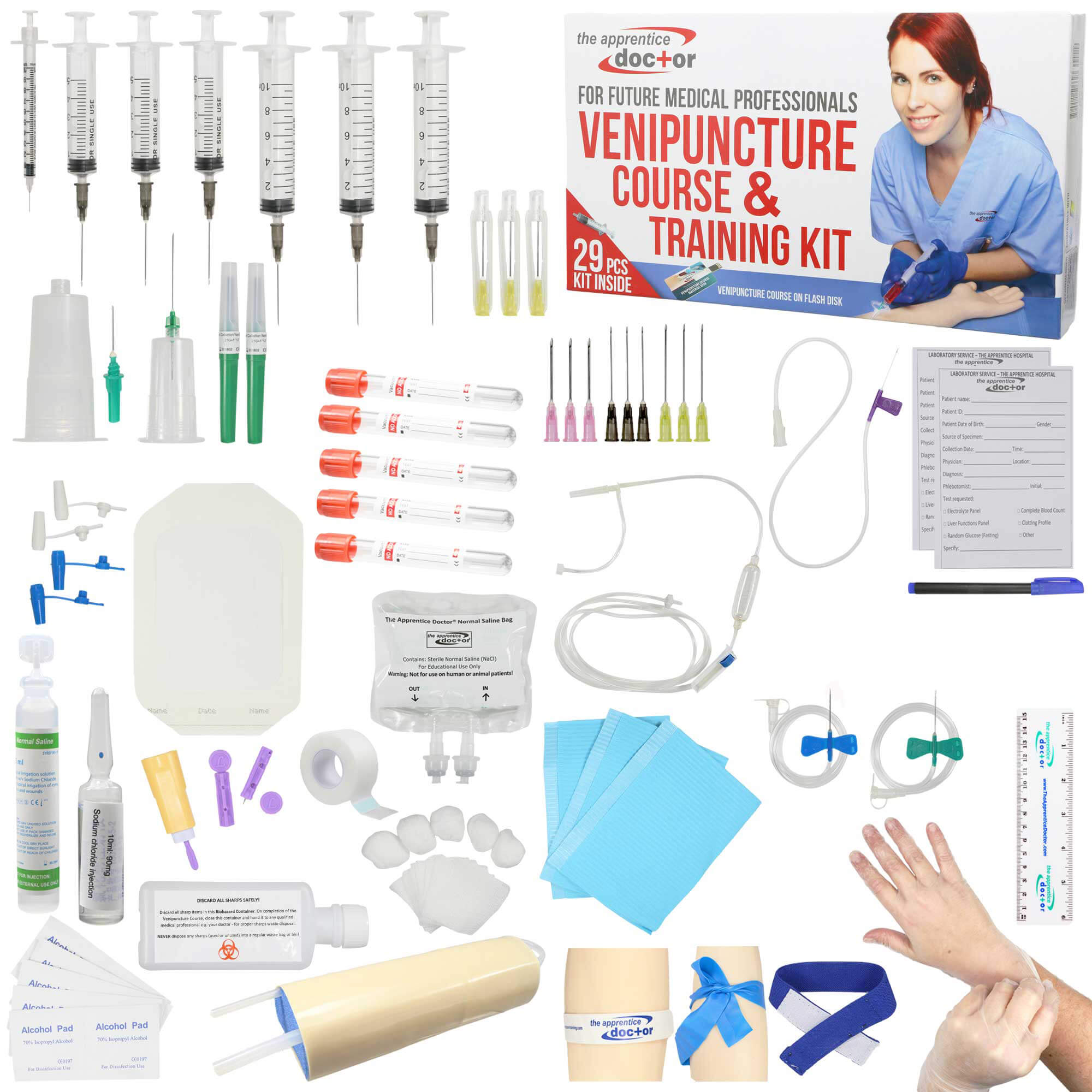
As you have read, trauma nurses draw blood and insert IVs. You can learn those skills right away with The Apprentice Doctor® Phlebotomy Course and Kit. This is kit with instructional material that will give you mastery over venipuncture tasks – all of which are needed as a nurse and especially as a trauma nurse.

The Apprentice Doctor® Suturing Course and Kit is a resource that will teach you how to suture wounds in a couple of hours! If you want to become a trauma nurse, or even start your path into nursing– why not learn how to suture wounds now?
If you’re interested in nursing school these articles in The Apprentice Doctor may be of interest to you:

Is Your High School Curriculum Preparing You for a Medical Career?
8 Surgical Specialties for Registered Nurses
Associate Degree versus a Bachelor Degree in Registered Nursing
5 Reasons Your Application Gets Rejected by Nursing Schools
OR Nurses: An Interview

I really want to become a Doctor – Is there anything I can do straight away?

Check out the Control Bleeding on Apprentice Doctor Academy.

Also, explore the Control Bleeding Simulation Practice Kit on Apprentice Doctor Kits.


Your Chances of Being Infected With Hepatitis

Story at a Glance

Your chances of being infected with hepatitis may be greater than you think. 325 million people globally have hepatitis B or hepatitis C and don’t even know it. That’s because they feel perfectly fine. But the longer it goes without treatment, the greater the chance of liver damage. There are five hepatitis viruses:

Hepatitis A
Hepatitis B
Hepatitis C
Hepatitis D
Hepatitis E

For each virus, the article covers:

What each virus is.                                           Acute and chronic phases.
Causes and risk factors.                                  Individuals at highest risk.
How the virus spreads.                                   Symptoms.
Complications.                                                  Treatment.
Prevention.

A simple blood test could save your liver and maybe your life.


Hepatitis

What are your chances of being infected with hepatitis? There are five types and they all mean you have an inflammation of the liver.

Some forms of hepatitis are mild. Others are more serious and can lead to severe complications such as cirrhosis or liver cancer. That’s why it’s important to know if you’re infected. You may not realize you are because you feel perfectly fine. In other cases, you can experience symptoms.

The body can fight off some forms of hepatitis. Others may require a treatment protocol. In all but one strain, the hepatitis virus has an acute phase and can move into a chronic phase. If a person develops a chronic form, they will have it their entire lives, although may not experience any symptoms for decades. Vaccinations are available for some types of hepatitis and are the best preventative measure.

Out of the all people living with viral hepatitis globally, 9 out of 10 (325 million) are, “living with hepatitis B or C without knowing it.” [1]

The World Health Organization believes hepatitis can be substantially reduced by 2030 and eventually eradicated. [2] By being screened and working toward prevention there is an opportunity to reduce the incidence and mortality rates associated with hepatitis.

Five types of hepatitis

There are five types of hepatitis, some of which are more common than others. Specific populations such as healthcare workers are more at risk of contracting and spreading the virus. Other types of hepatitis are common in developing countries even though they may be rare where you live. So if you’re traveling, take the suggested precautions as outlined in the article.


Hepatitis Ahepatitis A

What is it?

Like all five types of hepatitis, hepatitis A (HAV) is an inflammation of the liver. Individuals who contract hepatitis A usually get better in a few weeks to several months without any treatment. Because it only lasts for a little while, it’s rare that complications occur.

Risk factors associated with hepatitis A and how it spreads

Anyone who isn’t immune to HAV can get the hepatitis A infection. Beyond that, some people are at higher risk of contracting the virus. It is more common in countries where sanitation is problematic, and the availability of clean water is scarce.

Individuals at Highest Risk of Contracting HAV How HAV Spreads
Having sex with a person infected with HAV. Coming into close contact with someone who has HAV.
People who live or care for individuals infected with HAV. Ingesting food or drinks prepared by someone with HAV.
People who eat raw or undercooked shellfish. Eating shellfish collected from sewage-sullied water.
Individuals who use injectable and non-injectable illegal drugs.
People who live in or travel to developing countries.
Men who are sexually active with other men.

HAV is not an airborne virus. Nor can you become infected by sitting next to or hugging a person who is infected.

Symptoms and complications of hepatitis A

Two to six weeks after coming in contact with the virus, some people will experience symptoms which can last up to six months. [3] 30% of adults and older children who become infected with hepatitis A will be asymptomatic. [4]

In spite of the more moderate statistics, however, 70% of the people with HAV will develop at least one symptom from the following list, although it will be mild.[4]

  • Abdominal pain.
  • Dark yellow urine (not attributed to any nutrients or supplements).
  • Fatigue.
  • Fever.
  • Gray or clay-colored stools.
  • Jaundice.
  • Joint pain.
  • Loss of appetite.
  • Nausea.
  • Vomiting.

While most people heal entirely from hepatitis A infection, a small number, usually those with pre-existing liver disease, suffer significant liver damage which can results in death. If you experience symptoms and they persist after six months, see your doctor.

Treatment of hepatitis A

You can alleviate symptoms of HAV by staying hydrated and eating healthy foods. There may be some medications that can help but talk to your doctor before taking any over-the-counter drugs or nutrients since some can cause liver damage. Avoid drinking alcoholic beverages until you know your body is virus-free.

If you suspect you have HAV, your healthcare professional can confirm it, or rule it out, through a blood test.

Prevention of hepatitis A

Vaccination – The simplest way to prevent hepatitis A is through vaccination which consists of two shots injected 6-12 months apart. [4] Children as young as 12 months can be vaccinated. A vaccine for HAV has been available since 1995, reducing this infection in the United States by 95%. In 2014 only about 2500 HAV cases were reported in the U.S. [1]

If you are planning on traveling to a developing country, it’s recommended you get the vaccine. Even if you don’t have time for both shots, one injection can afford some protection within two weeks. As an extra precaution, drink bottled water and use it to brush your teeth, make ice cubes and to wash food.

Personal hygiene – Good personal hygiene can prevent HAV and also reduce how it spreads. Wash your hands thoroughly with soap and warm water before and after handling food, changing diapers, or going to the restroom.

Avoid contaminated food and water – This is especially true if you are caring for or living with individuals infected with HAV, caring for infants, and traveling to underdeveloped countries where sanitation isn’t prevalent.

If you have had HAV in the past, you are immune. However, you can still contract other forms of hepatitis.


hepatitis B

Hepatitis B

What is it?

Hepatitis B (HBV) is also an inflammation of the liver caused by a virus. It spreads through contact with the bodily fluids of an infected person.

Unlike hepatitis A, HBV has two forms – acute and chronic.

Acute HBV – Acute hepatitis B is the initial phase of HBV and lasts anywhere from a few weeks to six months. 90% of people who suffer from acute hepatitis B do not suffer from any symptoms. The immune system successfully fights off the infection. [6]

Chronic HBV – 5-10% of individuals who contract HBV move into the chronic stage which persists throughout the lifespan.

Of special note: If you had HBV as a child, your risk of contracting persistent hepatitis B increases.

  • About 90% of infants infected with HBV develop a chronic infection.
  • Approximately 25-50% of children aged 1-5 years develop chronic infections. [6]

Risk factors associated with hepatitis B and how it spreads

In many parts of the world, hepatitis B virus infects more than 8% of the population. HBV enters the body through blood-to-blood contact.

Individuals at Highest Risk of Contracting HBV How HBV Spreads
Babies born to mothers infected with HBV. Being born to a mother who has HBV. It’s contracted through the birthing process.
People who live or care for individuals infected with HBV. Coming into close contact with someone infected with HBV including:

  • Contact with blood or open sores.
  • Utilizing the individual’s razor, toothbrush or nail scissors.
  • A human bite.
Individuals who use illegal drugs, both injectable and non-injectable. Sharing needles or other drug materials with individuals infected with HBV. Sharing tattoo equipment or using improperly sterilized tattoo equipment falls into this category.
Healthcare or public health workers who have contact with blood, needles or other bodily fluids of individuals infected with HBV. Getting an unintentional stick from a needle utilized on or by a person who has HBV.
Having sex with a person infected with HBV. Having unprotected sex with a person infected with HBV.
People who have had more than one sexual partner in the last six months or who have a history of sexually transmitted diseases.
Individuals who are infected with HIV since the virus spreads in the same way.
People who live in or travel to developing countries. Or children of parents born in underdeveloped countries.
People taking medicines such as steroids or chemotherapy medicines that weaken the immune system.

Approximately 850,000 to 2.2 million people in the United States have chronic HBV, which is why medical professionals recommend children receive the vaccine. Since it was available in 1991, the rate of new HBV infections has dropped to 82%. [7] Many individuals who are living with chronic HBV were infected before the availability of the vaccine.

In the United States, sexual contact is the most common way that hepatitis B spreads among adults. [8]

As with other forms of hepatitis, there are misconceptions about how you can become infected. Since it only spreads through blood-to-blood contact, you cannot contract the virus in any of the following ways:

  • Being sneezed or coughed on by a person who is infected.
  • Drinking water or eating food with a person who is infected.
  • Proximity to or touching a person who is infected.
  • Sharing eating utensils.

Blood donors and blood products are now tested for HBV, so donating blood or receiving blood transfusions are no longer typical means of infection.

Symptoms and complications of hepatitis B

Usual symptoms of acute HBV are mild and are similar to those of hepatitis A. In some cases, symptoms won’t develop for anyone unless there are complications. Children younger than 5 generally don’t exhibit signs of acute HBV.

If HBV becomes chronic, it progresses quietly. A person with chronic HBV may be asymptomatic for ten to twenty years before signs of cirrhosis, liver failure or liver cancer appear.

Symptoms of Acute HBV Symptoms of Chronic HBV (indications of cirrhosis of the liver)
Jaundice (yellowing of the skin and eyes). Jaundice.
Fatigue. Weakness and fatigue.
Abdominal pain. Accumulation of fluid and swelling of the abdominal cavity.
Loss of appetite. Star-shaped vein pattern developing on a swollen stomach area.
Nausea & vomiting. Easy bruising and bleeding.
Diarrhea. Itching skin.
Dark-colored urine, light-colored stools.
Fever.
Joint pain.

Since chronic symptoms lie dormant for so long, HBV screening could be vital to ongoing good health. A blood test will let you know if you have the virus, or if you are immune or susceptible. However, if you experience any symptoms of chronic hepatitis B, see your healthcare professional immediately.

Treatment of hepatitis B

Standard treatment of HBV is through Interferon or an anti-viral medication recommended by your healthcare professional.

Prevention of hepatitis B

Vaccination – The best way to prevent hepatitis B is with immunization, especially if you have more than one risk factor or if a blood test reveals you are susceptible. The vaccine consists of three doses of the vaccine over the course of six months and offers protection from HBV at least 18-20 years.

The American Academy of Pediatrics recommends all children receive the hepatitis B vaccine starting at birth. The CDC recommends the vaccine for persons traveling to countries where HBV is common.

Personal Hygiene – Through good personal hygiene, you can reduce your risk of becoming infected with HBV. You can further reduce your risk in the following ways:

  • Never share needles or any other item involved in an injection process, including substances, body piercing or acupuncture.
  • Do not share personal care items that might have blood on them (razors, toothbrushes).

Universal Precautions – Following some standard practices of universal care can go a long way toward prevention and spreading of HBV.

  • Clean up any spilled blood.
  • Healthcare and public safety workers should follow universal blood/body fluid precautions and safely handle needles and other sharps.
  • Protected sexual contact through use of latex condoms. This can prevent the spread of sexually transmitted diseases, viral hepatitis and HIV.

hepatitis CHepatitis C

What is it?

Like all forms of hepatitis, hepatitis C (HCV) is a contagious liver infection. When initially discovered, hepatitis C was referred to as non-A or non-B hepatitis because the virus was unidentifiable. But in 1989 it was isolated and renamed hepatitis C. [9]

HCV has both an acute and chronic form.

Acute HCV – Acute hepatitis C is the initial phase. Most people do not suffer from any symptoms, and if they do, they generally won’t associate them with HCV. In 15-40% of individuals, the immune system clears the body of the virus in six months. [9]

Chronic HCV – The remaining 60-85% percent of individuals who contract HCV can’t fight off the infection. It becomes chronic and lasts for life. [12] During this phase, the liver becomes increasingly inflamed and scarred. The speed with which chronic HCV progresses varies from person to person. A third of this population will develop cirrhosis of the liver within 20 years. Another third may take up to 30 years while the final third may not experience any significant problems with their liver during their lifetime. [9]

Risk factors associated with hepatitis C and how it spreads

The hepatitis C virus enters the body through blood-to-blood contact. In 1992 dependable blood tests for HCV became available. [9] Until that time, people usually got hepatitis C from blood products and blood transfusions. Now that those are tested for HCV, this method of transference is no longer the typical means of infection.

Individuals at Highest Risk of Contracting HCV How HCV Spreads
People who use injectable drugs. Sharing needles or other drug materials with individuals infected with HBV. Sharing tattoo equipment or using improperly sterilized tattoo equipment falls into this category.
Infants born to mothers infected with HCV. Being born to a mother who has HCV. It’s contracted through the birthing process.
Healthcare and public safety workers who may have had contact with blood, needles or other bodily fluids of individuals infected with HCV. Getting an unintentional stick from a needle used on or by a person who has HCV.
People who have sex with an infected partner. Sexual contact with a person infected with HCV.
Infants born to mothers who are HIV-infected.
Recipients of blood transfusions, blood products or solid organ transplants before 1992.
Hemodialysis patients.

According to the World Health Organization, “1.75 million adults were newly infected with HCV in 2015, largely due to injecting drug use and due to unsafe injections in health care settings in certain countries.” [11]

Symptoms and complications of hepatitis C

Symptoms vary in each person and can change if an individual moves from the acute to a chronic form of HCV. Acute symptoms are usually mild. During the chronic phase, HCV progresses silently. A person may not feel or see any symptoms for 10-20 years. Once a person becomes symptomatic, signs of cirrhosis may appear.

Symptoms of Acute HCV Symptoms of Chronic HCV (indications of cirrhosis of the liver)
Jaundice (yellowing of the skin and eyes). Jaundice.
Fatigue. Weakness and fatigue.
Abdominal pain. Accumulation of fluid and swelling of the abdominal cavity.
Loss of appetite. Star-shaped vein pattern developing on a swollen stomach area.
Nausea. Easy bruising and bleeding.
Diarrhea. Itching skin.
Dark-colored urine, light-colored stools.
Fever.

Since indications of hepatitis C are normally undetected, people in danger for HCV contamination ought to be tested. Individuals who have HCV will demonstrate positive antibodies on a blood test. If you think you have hepatitis C or are at risk for hepatitis C, you should contact your doctor.

Treatment of hepatitis C

For individuals who start developing liver damage, treatment with direct anti-viral drugs is available. Unfortunately, the procedure is complicated and lasts for many months. When treatment is successful, liver scarring and damage lessen.

Prevention of hepatitis C

There is no vaccine to prevent hepatitis C. However, you can adopt safe practices to reduce your risk.

Personal Hygiene – Through good personal hygiene, you can reduce your risk of becoming infected with HCV. You can further reduce your risk in the following ways:

  • Never share needles or any other item involved in the injection process, including substances, body piercing or acupuncture.
  • Do not share personal care items that might have blood on them (razors, toothbrushes).

Universal Precautions – Following standard practices of universal care can go a long way toward prevention of HCV.

  • Clean up any spilled blood.
  • Allied health professionals and public safety workers should safeguard themselves by following all blood/body liquid universal precautions and cautiously handle needles and different sharps.
  • Protected sexual contact through use of latex condoms can prevent the spread of sexually transmitted diseases, viral hepatitis and HIV.

hepatitis DHepatitis D

What is it?

The hepatitis D virus (HDV) is unusual because it can only infect you when you also have the hepatitis B virus infection. Unlike other forms of hepatitis, not only can it move from acute to chronic, but it also can become a coinfection or a superinfection. Due to the additional factors, hepatitis D is very complicated and intense.

Coinfection – If a person contracts both HBV and HDV at the same time, it is considered a coinfection.

Superinfection – If an individual already has chronic HBV and then contracts HDV, they have what is called a superinfection.

Acute HDV – Acute hepatitis D is a short-term infection, from which most people recover. About 5 percent of individuals who develop a coinfection won’t heal and advance to the chronic phase of both HBV and HDV. [12]

Of  special note:

  • A person with a coinfection with acute HBV and HDV can usually fight it off, although the symptoms are more severe. [13]
  • 90 percent of individuals with a superinfection can’t fight off HDV, and it becomes chronic [14]. When this happens, hepatitis B also becomes chronic.

Chronic HDV – Chronic hepatitis D lasts over a person’s lifetime. People who have chronic hepatitis B and D develop complications more often and more quickly than people who have chronic hepatitis B alone. [14]

Risk factors associated with hepatitis D and how it spreads

The hepatitis D virus spreads through contact with an infected person’s blood or other body fluids. Hepatitis D is not typical in the United States and is more common in other parts of the world.

Individuals at Highest Risk of Contracting HDV How HDV Spreads
People who use injectable drugs. Sharing needles or other drug materials with individuals infected with HBV. Sharing tattoo equipment or using improperly sterilized tattoo equipment falls into this category.
People who have lived with or had sex with someone who had HDV. Having unprotected sex with someone infected with HDV.
Healthcare and public safety workers who may have had contact with blood, needles or other bodily fluids of individuals infected with HDV. Getting an unintentional stick with a needle used on or by a person infected with HDV.
Individuals from an area of the world where HDV is typical.

The hepatitis D virus rarely spreads from mother to child during birth. Additionally, you cannot contract HDV from:

  • Being sneezed or coughed on by a person who is infected.
  • Drinking water or eating food with a person who is infected.
  • Proximity to or touching a person who is infected.
  • Sharing eating utensils.

Symptoms and complications of hepatitis D

Most people with acute hepatitis D have symptoms. In contrast, most people with chronic HDV have few symptoms until complications develop. Complications may not arise until several years have passed since the initial infection.

Symptoms of Acute HDV Symptoms of Chronic HDV (indications of cirrhosis of the liver)
Jaundice (yellowing of the skin and eyes). Jaundice.
Fatigue. Weakness and fatigue.
Abdominal pain or pain over the liver in the upper part of the abdomen. Swelling of the abdomen.
Loss of appetite. Weight loss.
Nausea & vomiting. Swelling of the ankles called edema.
Diarrhea. Itching skin.
Dark-colored urine, light-colored stools.
Fever.

Although acute liver failure is uncommon with acute HDV, hepatitis D and B infections are more likely to lead to acute liver failure than the hepatitis B infection alone. [15] Chronic hepatitis D may lead to cirrhosis, liver failure, or liver cancer. People who have chronic hepatitis B and D are more likely to develop these complications than people who have chronic hepatitis B alone. [14]

Early diagnosis and treatment of chronic hepatitis B and D can lower your chances of developing severe health problems.

Treatment of hepatitis D

Doctors may treat chronic hepatitis D with medicines called interferons and may add medication for hepatitis B if necessary.

If cirrhosis develops, it is treated with medicines, surgery, and other medical procedures. If you have cirrhosis, you have a higher chance of developing liver cancer. If acute hepatitis D leads to acute liver failure, or if chronic hepatitis D leads to liver failure or liver cancer, you may need a liver transplant.

Prevention of hepatitis D

Vaccination – The easiest way to avoid HDV is to get the hepatitis B vaccine, which, by default, also protects you from hepatitis D. If you don’t get HBV, you can’t get hepatitis D.

Personal Hygiene – If you already have hepatitis B, you can take steps to prevent hepatitis D infection with good personal hygiene. You can further reduce your risk in the following ways:

  • Never share needles or any other item involved in the injection process, including substances, body piercing or acupuncture.
  • Do not share personal care items that might have blood on them (razors, toothbrushes).

Universal Precautions – Following some standard practices of universal care can go a long way toward prevention of HDV.

  • Clean up any spilled blood.
  • Healthcare and public safety workers should follow universal blood/body fluid precautions and safely handle needles and other sharps.
  • Wear gloves if you have to touch another person’s blood or open sores.

Additional Best Practices – Protect others from getting infected with HDV, and prevent its spread by following a few extra practices.

  • If you have hepatitis D, follow the steps above to avoid spreading the infection.
  • Your sex partners should get a hepatitis B test and, if they aren’t infected, get the hepatitis B vaccine.
  • Inform all your healthcare professionals that you have HDV.
  • Don’t donate blood or blood products, organs, tissue or other bodily fluids.
  • If you have hepatitis D, you should eat a balanced, healthy diet.
  • Avoid alcohol because it can cause additional liver damage.

Hepatitis Ehepatitis E

What is it?

Hepatitis E (HEV) is a viral infection that causes liver inflammation and damage. Like most of the other hepatitis strains, HEV has two phases.

Acute HEV – Acute hepatitis E is a short-term infection. Most people get better after several weeks without treatment.

Chronic HEV – Chronic hepatitis E occurs when your body can’t fight off the virus. It remains in the body for life. Chronic hepatitis E is uncommon and only occurs in people with compromised immune systems. For example, HEV may become chronic in people taking medicines that weaken their immune system after an organ transplant, or in people who have HIV or AIDS.

Risk factors associated with hepatitis E and how it spreads

Hepatitis E is more common in developing countries where sanitation is poor, and access to clean water is limited. Although experts used to think hepatitis E was rare in the United States, recent research suggests that about 20% of the population has had hepatitis E. [16]

The types of hepatitis E that are common in developing countries are likely to cause severe infections, especially in pregnant women. However, in developed countries, symptoms are often mild and not noticeable. [17]

Individuals at Highest Risk of Contracting HEV How HEV Spreads
Drinking contaminated water in developing countries. [17]
Older men in developed countries. [17] Eating undercooked pork or wild game such as deer in developed countries.

Research suggests that hepatitis E can also spread through blood transfusion, but this is very rare. It is uncommon for people to spread hepatitis E directly to other people.

Symptoms and complications of hepatitis E

Many people infected with hepatitis E have no symptoms. Some people have symptoms 15 to 60 days after they become infected with the virus. [18] These symptoms may include:

  • Darkening of the color of urin or lightening of the color of stool.
  • Fatigue.
  • Jaundice.
  • Nausea and vomiting.
  • Pain over the liver, in the upper part of the abdomen.
  • Poor appetite.

Complications are different for acute HEV than they are for chronic HEV.

Complications of Acute HEV Complications of Chronic HEV
In rare cases acute liver failure. This is more common in pregnant women or individuals who have other liver diseases. Although rare, people with weakened immune systems may develop cirrhosis or liver failure.
In pregnant women, complications for the mother and baby could occur including stillbirth, premature birth, or low birthweight.

Treatment of hepatitis E

Treatment for acute hepatitis E includes resting, drinking plenty of liquids, and eating healthy foods to help relieve symptoms. Mild symptoms can be alleviated with over-the-counter medications, but talk with your doctor first about this step. Some vitamins or other dietary supplements, or complementary or alternative medicines could damage your liver. Avoid alcohol until your doctor confirms you are entirely recovered from hepatitis E. Physicians may treat persistent hepatitis E with ribavirin or peginterferon alfa-2a (Pegasys).

Prevention of hepatitis E

There is no vaccine for hepatitis E. But you can take certain precautions to prevent it.

Best Practices – Some standard practices will reduce your risk of contracting HEV.

  • When traveling in an underdeveloped country, drink filtered or bottled water and use it to brush your teeth and make ice cubes. Wash all fruits and vegetables.
  • Thoroughly cook all pork or deer regardless of the region in which you live.
  • Always wash hands with warm, soapy water after using the restroom and before preparing food.
  • Talk with a blood donation center before you donate blood to ensure you don’t have HEV. Bear in mind that you may have the virus but be asymptomatic.

Begin a career in allied health today.

Healthcare is one of the fasted growing industries today, with hundreds of opportunities for someone just like you. You can start developing your professional skills today!

The Apprentice Doctor® Academy has developed and perfected an Online Course for Future Doctors to assist them towards fulfilling their dreams of becoming great medical professionals. The For Future Doctors Foundation Medical Online Course with accompanying Medical Kit has helped launch the career of thousands of want-to-be doctors!

The Apprentice Doctor® Suturing Course and Kit is a resource that will teach you how to suture wounds in a couple of hours! If you want to become a healthcare worker – why not learn how to suture wounds now? This suturing video shows you the entire kit.

The Apprentice Doctor® Phlebotomy Course and Kit is another handy resource at your fingertips. This kit teaches you how to confidently perform phlebotomy procedures. If you want to start your education in allied health, why not begin phlebotomy training right away? Take a quick look at the following phlebotomy video to see all the items included in the kit.

__________________________

References

[1] https://www.worldhepatitisalliance.org/world-hepatitis-day/world-hepatitis-day-2018. Accessed May 28, 2018.
[2] Kabiri M, Jazwinski AB, Roberts MS, Schaefer AJ, Chhatwal J. The changing burden of hepatitis C virus infection in the United States: model-based predictions. Annals of Internal Medicine. 2014;161(3):170–180. Accessed May 14, 2018.
[3] Hepatitis A Questions and Answers for the Public. Centers for Disease Control and Prevention, Division of Viral Hepatitis website. https://www.cdc.gov/hepatitis-a/about/index.html . Updated May 23, 2016. Accessed May 13, 2018.
[4] https://www.sf.gov/departments/department-public-health/disease-prevention-and-control. Accessed May 28, 2018.
[5] Hepatitis A Questions and Answers for Health Professionals. Centers for Disease Control and Prevention, Division of Viral Hepatitis website. https://www.cdc.gov/hepatitis-a/hcp/clinical-overview/. Updated July 13, 2016. Accessed May 13, 2018.
[6] What is Hepatitis B? Population Health Division, San Francisco Department of Health. Disease Prevention and Control. https://www.sf.gov/departments/department-public-health/disease-prevention-and-control. Accessed May 14, 2018.
[7] Hepatitis B FAQs for health professionals. Centers for Disease Control and Prevention website. https://www.cdc.gov/hepatitis-b/hcp/clinical-overview/ Updated August 4, 2016. Accessed May 23, 2018.
[8] Roberts H, Kruszon-Moran D, Ly KN, et al. Prevalence of chronic hepatitis B virus (HBV) infection in U.S. households: National Health and Nutrition Examination Survey (NHANES), 1988-2012. Hepatology. 2016;63(2):388–397. Accessed May 23, 2018.
[9] https://www.sf.gov/departments/department-public-health/disease-prevention-and-control. Accessed May 28, 2018.
[10] Hepatitis C FAQs for health professionals. Centers for Disease Control and Prevention, Division of Viral Hepatitis website. https://www.cdc.gov/hepatitis-c/hcp/clinical-overview/ . Updated July 21, 2016. Accessed May 19, 2018.
[11] https://www.who.int/campaigns/hepatitis-day/2017/event/en/. Accessed May 28, 2018.
[12] Roy PK. Hepatitis D. Medscape website. https://emedicine.medscape.com/article/178038-overview . Updated March 16, 2017. Accessed May 13, 2018.
[13] Farci P, Niro GA. Clinical features of hepatitis D. Seminars in Liver Disease. 2012;32(3):228‒236. Accessed May 13, 2018.
[14] Ahn J, Gish RG. Hepatitis D virus: a call to screening. Gastroenterology & Hepatology. 2014;10(10):647‒686. Accessed May 13, 2018.
[15] Negro F, Lok ASF. Pathogenesis, epidemiology, natural history, and clinical manifestations of hepatitis D virus infection. UpToDate website. https://www.uptodate.com/contents/pathogenesis-epidemiology-natural-history-and-clinical-manifestations-of-hepatitis-d-virus-infection . Updated July 20, 2016. Accessed May 13, 2018.
[16] Remy P. Hepatitis E. Medscape website. https://emedicine.medscape.com/article/178140-overview#a6 . Updated September 27, 2016. Accessed May 13, 2018.
[17] Hoofnagle JH, Nelson KE, Purcell RH. Hepatitis E. The New England Journal of Medicine. 2012;367(13):1237-1244. Accessed May 14, 2018.
[18] Centers for Disease Control and Prevention. Hepatitis E FAQs for Health Professionals. https://www.cdc.gov/hepatitis/hev/hevfaq.htm . Updated December 18, 2015. Accessed May 14, 2018.

Also see:

Hepatitis C FAQs for health professionals. Centers for Disease Control and Prevention, Division of Viral Hepatitis website. https://www.cdc.gov/hepatitis-c/hcp/clinical-overview/ . Updated July 21, 2016. Accessed October 19, 2016. Accessed May 19, 2018.

What is Viral Hepatitis? U.S. Department of Health and Human Services website. https://www.niddk.nih.gov/health-information/liver-disease/viral-hepatitis/what-is-viral-hepatitis. Updated May 2017.

I really want to become a Doctor – Is there anything I can do straight away?

Check out the Medical Microbiology (Coming Soon) on Apprentice Doctor Academy.

Also, explore the Scrub for Surgery Kit on Apprentice Doctor Kits.


Becoming a Trauma Surgeon

trauma surgeon, trauma surgery, surgeon, suture, ER doctor, emergency surgeryStory at a Glance

Is there a difference between an ER doctor and a trauma surgeon? Yes, there is. When becoming a trauma surgeon, you enter a highly specialized field, interacting with patients facing life-threatening injuries. This article reveals:

  • The unique skill sets of a trauma surgeon.
  • A brief history of trauma surgery.
  • The education necessary to become a trauma surgeon.
  • Some career options and advancement opportunities for this surgical specialty.

The other day a billboard for a local emergency room went up in my neighborhood. It has a Waiting Time clock on it. That’s a puzzling concept because if you ever need to go to an emergency room, it may not be when the waiting time is only a few minutes.

Most people feel as if their wait time in an ER is hours. That’s probably because an allied health professional has assessed your ailment and determined it isn’t life-threatening. If it is, you’ll be seen immediately and possibly encounter a trauma surgeon.

Both a trauma surgeon and an ER doctor are vital to the controlled chaos associated with the environment of an emergency room. And both respond to emergencies at hand. But since their skill sets are different, their roles are distinct.

A Trauma Surgeon’s Unique Skill Sets

An ER doctor will treat any patient who enters the emergency room, regardless of their presenting condition. One of their primary skills is to stabilize individuals while making decisions about next steps in their care. The majority of patients who have experienced minor trauma, such as cuts and bruises from a fall will see an ER doctor. Once you’ve been released, or even admitted, you’ll usually be assigned to another doctor and not see the ER physician again.

On the other hand, if you fall into a specific medical category, a trauma surgeon enters the scene. Events necessitating a trauma surgeon can range from a serious car accident to a gunshot wound. They are life-threatening because those injuries could affect internal organs. Immediate treatment is necessary by a doctor specially trained to rapidly assess and make decisions about what to do. Trauma surgeons must have confidence in their decisions since often they work with incomplete information.

Although both trauma surgeons and ER doctors must treat patients with compassion and empathy, a trauma surgeon deals with high levels of emotion as well severe physical injuries.

For example, people in terrible car accidents are frequently panic-stricken and confused. Often they go into shock and could be unable to identify everything that’s wrong with them. It’s possible they may not be able to communicate at all. Depression can enter the emotional mix if they feel responsible for the accident, especially if other people were hurt. As a trauma surgeon applies medical knowledge and experience, he or she must also deliver a high amount of emotional support, which requires extraordinarysocial skills.

A trauma surgeon must also think linearly. While assessing a patient, the surgeon treats wounds and injuries in a particular order. Bleeding is stopped first. Next, any potential threat of contamination from open wounds is eliminated. Then a decision about surgery has to be made. Is surgery immediately called for, or is the patient stable enough to transport to intensive care for further treatment and observation? The trauma surgeon must treat injuries while simultaneously thinking three or four steps ahead. Saving a life and preventing permanent damage are the primary objectives. A misstep could be costly.

Common surgeries performed by trauma surgeons include:

  • Colon
  • Pancreas
  • Spleen
  • Stomach

The Beginnings of Trauma Surgery

The first trauma surgeon in the United States was Dr. George E. Goodfellow, although he didn’t start out with that in mind. In November 1880, he opened up a general medical practice in Tombstone, which was, at that time, located in what was known as the Arizona Territory.

On July 13, 1881, a miner suffered a gunshot wound that perforated his small and large intestines as well as his bowel. Dr. Goodfellow sutured six holes in his organs. The miner survived due to the quick thinking and immediate surgical intervention by Goodfellow.

Throughout the ensuing years, Goodfellow performed trauma surgery on many notorious outlaws as well as Deputy U.S. Marshall Virgil Earp and his brother, Assistant Deputy U.S. Marshall Morgan Earp, who both suffered gunshot wounds at the O.K. Corral in October of 1881.

Through his many emergency surgical experiences, Goodfellow pioneered the use of sterile techniques in treating gunshot wounds. He ultimately became known as a gunfighter’s surgeon and became the leading authority on managing this type of traumatic injury. His method of what is now known as a laparotomy has become the standard of care associated with penetrating injuries to the abdomen.

Steps to Becoming a Trauma Surgeon

There are multiple steps to becoming a trauma surgeon and you’ll spend 12-15 years in school.

  • Step 1 – Obtain a bachelor’s degree in biology, pre-med or another science-based discipline.
  • Step 2 – Complete a doctor of medicine (MD) program, which includes two years of clinical practice.
  • Step 3 – Enter a medical residency program. If you aspire to become a trauma surgeon, secure one in general surgery so you’re exposed to a variety of surgical procedures. Expect the residency to last 4-5 years.
  • Step 4 – Complete a 1-2 year fellowship program. During this time you’ll focus on trauma surgeries and receive instruction in follow-up care to patients.

Licensing and Certification

Once you have all the necessary education, you must become licensed and certified. A license is required by law. Certification adds value to your degree and license because an independent third-party has assessed, and approved, your skill level.

You want to pass these assessments the first time you face them. So take the time to study and take practice tests. All the practice you had in medical school allows you to have automatic responses in an emergency. Test practicing gives you the same advantage when answering questions and can reduce any anxiety you may have.

  • Step 1 – Take the U.S. Medical Licensing Examination (USMLE). This assessment helps state licensing boards evaluate your skills and knowledge. Check with your state for further details.
  • Step 2 – Although voluntary, you can become certified in General Surgery which requires five years of surgical training before certification is granted by the American Board of Surgery.
  • Step 3 – Once you receive your certification in general surgery, you can also obtain a subspecialty certification from the American Board of Surgery. They offer five subspecialty certificates, but the best one for trauma surgeons is the Surgical Critical Care certificate. A surgeon specifically trained in this area has skills in diagnosing and treating trauma victims with severe infections and organ injuries.

Acute Care Surgery

The American Association for the Surgery of Trauma defines Acute Care Surgery (ACS) as a developing area of medicine consisting of three components – trauma, critical care and emergency surgery. The need for trauma and emergency surgical care has increased over time, requiring improved, formal education covering both areas. As a result, the Trauma and Acute Care Surgical specialty emerged. Your formal trauma education may incorporate this ever-growing concentration.

Continuing Education

trauma surgeon, trauma surgery, surgeon, suture, ER doctor, emergency surgeryIn the field of medicine, continuing education is mandatory. Trauma surgeons must stay abreast of advancements in surgical techniques. The better the methods and tools, the less risk there is to patients. Educational content varies depending on a doctor’s specialty. However, the surgical material is more complicated. Minimal requirements for continuing education are ten hours of participation in an accredited continuing medical education program. The American Medical Association (AMA) is a source of information for CEUs.

Career Advancement

Trauma surgeons are nearly at the top of their field. However, depending on your years of experience and the competency of your skills, you may be asked to participate in research and development. R&D tends to focus on the advancement of surgical procedures and techniques. You may also elect to mentor and teach medical residents just starting out on their career path.

Career Options for Trauma Surgeons

Although you may consider a hospital as the only place that employs trauma surgeons, there is a vital need for them elsewhere. Becoming a member of the military or naval medical staff, are career options. Unfortunately, injuries to soldiers are often traumatic, and skilled surgeons capable of remaining calm and effectively performing in high-stress situations are always needed.

Entering the field of medicine can be a gratifying career. But the role of a trauma surgeon is one where your intervention means the difference between the life, and death, of an individual.

Can you begin your career in trauma surgery today?

Indeed yes!

The Apprentice Doctor® Academy has developed and perfected an Online Course for Future Doctors to assist them towards fulfilling their dreams of becoming great medical professionals. The For Future Doctors Foundation Medical Online Course with accompanying Medical Kit has helped launch the career of thousands of want-to-be doctors!

The Apprentice Doctor® Suturing Course and Kit is a resource that will teach you how to suture wounds in a couple of hours! If you want to become a Surgeon – why not learn how to suture wounds now?

If you’re interested in medical school and becoming a doctor or surgeon, these articles may be of interest to you:

Is Your High School Curriculum Preparing You for a Medical Career?
Become a Medical Doctor (General Practitioner); A How to Guide
Path to Becoming a Neurologist or Neurosurgeon
How to Become a Surgeon
How to Become a Cardiothoracic Surgeon

I really want to become a Doctor – Is there anything I can do straight away?
Check out the Control Bleeding on Apprentice Doctor Academy.

Also, explore the Suture/Fracture Reduction Kits Bundle on Apprentice Doctor Kits.


Managing Hypertension

hypertension, blood pressure control

Story at a Glance

Hypertension is a worldwide epidemic and public health concern. Awareness is key to blood pressure control. The story provides a general review for managing hypertension.

Symptoms
Causes
Risk factors
Complications
Diagnosis and new blood pressure ranges
Lifestyle changes

Early detection and control can mean the difference between ongoing health and a hypertension-related condition.

Overview

The World Health Report 2002 identified high blood pressure as the “third-ranked factor for disability-adjusted life years.” Recent analyses show 972 million people worldwide are living with hypertension and that the number will escalate to 1.56 billion by the year 2025.[1] Uncontrolled hypertension is a significant cause of disability and premature death throughout the world.[2]

In the United States alone, according to the Centers for Disease Control and Prevention, (CDC), hypertension affects approximately 75 million adults (32%). The condition occurs from the long-term force of the blood pushing against your artery walls. If it becomes high enough you are at risk for heart disease and stroke, the leading causes of death in the United States.[3] A CDC infographic shows that high blood pressure was a primary cause of death in 410,000 Americans, or 1100 Americans each day.

High blood pressure is a recognized condition that develops over time. It affects most people at some point in their lives. In spite of its prevalence, only 56% of those with high blood pressure are aware they have the condition. Improved awareness is key to slowing this fast-moving epidemic of hypertension.

Most people know how high blood pressure is taken. Blood pressure cuffs measure the amount of blood your heart pumps into your arteries and the amount of resistance present in your arteries. The more blood your heart pumps and the narrower your arteries, the higher your blood pressure.

Symptoms – when to see a doctor

Determining your blood pressure is a routine part of any doctor’s appointment. However, many people don’t see a doctor unless they feel ill or are worried something is wrong with them physically. So, a person could go for years never knowing they have hypertension.

The signs and symptoms of high blood pressure are virtually invisible, even at perilously high levels. But even if you feel fine, you may have high blood pressure which, left untreated, causes damage to blood vessels and your heart.

Occasionally people will experience symptoms but not associate them with high blood pressure. These include headaches, shortness of breath or nosebleeds. But none of these occur until blood pressure has reached a severe or life-threatening stage. If you experience any of these symptoms consistently, consult your health care professional right away.

If you don’t see a doctor regularly, but want to know if your blood pressure falls within normal ranges, find out if any health fairs are in your area. Those events typically offer free blood pressure screenings as a community service. In the alternative, some pharmacies or other kinds of health-related stores may have a nurse or doctor on staff who will perform this quick test for you free of charge.

If there is a blood pressure machine in your pharmacy, you can get a blood pressure reading. Since the accuracy of these machines varies, the range will only be approximate. It’s best to have your pressure taken by a healthcare professional.

Types of hypertension and underlying medical conditions

Primary, or essential hypertension and secondary hypertension are the two types of high blood pressure.

Primary hypertension develops gradually over many years. There is no specific cause, which is one of the reasons for monitoring your blood pressure as you age. You could be fine for years, and then one day discover you’re affected.

On the other hand, secondary hypertension is caused from one of several underlying conditions. It presents abruptly and creates a blood pressure higher than is seen in primary hypertension. Various ailments and medications can lead to secondary hypertension, including:

  • Adrenal gland tumors.
  • Alcohol abuse or chronic alcohol use.
  • Congenital defects in blood vessels.
  • Illegal drugs, such as cocaine and amphetamines.
  • Kidney complications.
  • Obstructive sleep apnea.
  • Some medications, such as birth control pills and over-the-counter and prescription drugs.
  • Thyroid problems.

Risk factors and causes of high blood pressure

Some factors can put you at risk for high blood pressure, some of which you can manage through lifestyle. While the following list is not all-inclusive, it provides many of the situations, or habits, that that can lead to hypertension.

  • Age – Blood pressure tends to increase with age.
  • Dietary habits – Too much sodium or too little potassium intake can increase blood pressure.
  • Drinking too much alcohol – Over time, many organs, including the heart, can be damaged through heavy drinking.
  • Ethnic group and gender – High blood pressure affects men and women differently. It also varies by ethnic group. The following chart from the CDC gives a breakdown.

Race of Ethnic Group

Men (%)

Women (%)

African Americans

43.0

45.7

Mexican Americans

27.8

28.9

Whites

33.9

31.3

All

34.1

32.7

  • Family history – If members of your family have high blood pressure, you may also develop it. Being overweight or obese – The more you weigh, the more blood you need to supply oxygen and nutrients to your tissues, increasing the pressure on your artery walls.
  • Not being physically active – Inactivity leads to higher heart rates because the heart must work harder.
  • Stress – High levels of stress create multiple health issues, including an increase in blood pressure.
  • Tobacco use – Smoking or chewing tobacco immediately raises your blood pressure for a short period. Additionally, chemicals in tobacco can create hypertension because they narrow your arteries. Secondhand smoke also can increase your blood pressure.

Although high blood pressure is most common in adults, children may be at risk, too. In some cases, heart and kidney problems are root causes. Other contributing factors include lack of exercise, obesity, unhealthy eating habits, and poor lifestyle habits overall.

Complications of high blood pressure

Damage to blood vessels and organs in your body are caused by excessive pressure on your artery walls. Significant damages could occur with ever-increasing blood pressure that remains untreated. Some of these complications may impair your organs which can be life-threatening.

  • Aneurysm.
  • Heart attack or stroke.
  • Thickened, narrowed or torn blood vessels in the eyes which can result in loss of vision.
  • Trouble with memory or understanding.
  • Weakened and narrowed blood vessels in your kidneys.

Diagnosis

As you may be aware, two numbers are measured when taking blood pressure.

Systolic pressure is a higher number since it is your blood pressure when your heart beats and pumps blood through your arteries.
Diastolic pressure is a lower number since it is your blood pressure in between heartbeats when your heart is not pumping.

Although both numbers are significant, doctors tend to pay more attention to systolic blood pressure, or the top figure because it could mean a person is at risk for cardiovascular disease. The risk increases for people 50 years or older.

Under the new guidelines established in 2017 by the The National Heart, Lung, and Blood Institute (NHLBI) of the National Institutes of Health (NIH), blood pressure measurements now fall into four general categories:

  • Normal blood pressure. Your blood pressure is normal if it’s below 120/80 mm Hg.
  • Elevated blood pressure. Your blood pressure is high when the systolic pressure ranges from 120 to 129 mm Hg and the diastolic pressure is below 80 mm Hg. Unless steps are taken to control blood pressure, it will worsen over time.
  • Stage 1 hypertension. Stage 1 hypertension is a systolic pressure ranging from 130 to 139 mm Hg or a diastolic pressure ranging from 80 to 89 mm Hg.
  • Stage 2 hypertension. More severe hypertension, stage 2 hypertension is a systolic pressure of 140 mm Hg or higher or a diastolic pressure of 90 mm Hg or higher.

If you are on medication and your doctor notes a systolic reading over 180 and/or a diastolic reading over 120, he or she will adjust your medication if you have no other problems. If you are taking your blood pressure at home and notice these ranges, see your physician immediately.

Bear in mind these are only guidelines. Factors such as age, family history, insufficient exercise, and excessive sodium in your diet, can affect your blood pressure. Some of these factors are situational. When resolved, blood pressure may return to normal ranges. So, an isolated high blood pressure reading may not be indicative of a problem. If readings remain elevated after a series of measurements taken over days or weeks, then see your healthcare professional.

hypertension, blood pressure control, awarenessTaking your blood pressure at home

With the new 2017 NHLBI blood pressure ranges, you may wonder if you now could have high blood pressure even if you’ve never had it before. Or, if you’ve already been diagnosed with hypertension, it’s possible your medication no longer provides a low enough reading. Check with your healthcare professional.

Once you have a baseline blood pressure reading, you can monitor it at home. To do so, you will need a monitor. Although there are different types, the monitor that is the most popular and straightforward is a digital monitor. Readings are automatic and appear on a small screen. Although these are more expensive than finger and wrist blood pressure monitors, or even ones with dial gauges, they are more accurate.

The American Heart Association [4] makes the following recommendations when taking your blood pressure using a home monitor:

  • Be still and ensure at least 5 minutes of quiet rest before measuring.
  • For 30 minutes prior to measuring your blood pressure, don’t smoke, ingest caffeine or exercise.
  • Sitting in a straight-backed chair, ensure both of your feet are flat on the floor.
  • Support your arm on a flat surface such as a table with the upper arm at heart level.Place the middle of the cuff directly above the bend of the elbow. Check your monitor’s instructions for proper use.
  • It’s important to take the readings at the same time each day, such as morning and evening especially in the first 2 weeks after a change in treatment, and throughout the week before your next appointment.
  • Take multiple readings and record the results. Each time you measure, take two or three readings one minute apart and record the results using a printable or online tracker. If your monitor has built-in memory to store your readings, take it with you to your appointments. In some cases you may be able to upload your readings to a secure website.
  • It is also important when taking blood pressure readings that you record the date and time of day as well as the systolic and diastolic measurements. The information is valuable to your doctor.

If you’re uncertain how to use your home monitor, ask your healthcare provider to teach you.

Lifestyle changes for blood pressure control

Changing lifestyle habits is pivotal to reversing the epidemic trend of high blood pressure. The following adjustments to your daily regime can help.

  • Eat a healthier diet.
  • Exercise regularly.
  • Intake less salt.
  • Limit the amount of alcohol you drink.
  • Maintain a healthy weight or lose weight if necessary.
  • Manage stress.
  • Practice relaxation and deep breathing.
  • Stop smoking.

While making changes in your lifestyle can go a long way toward controlling high blood pressure, they may not be enough. If that’s the case, your doctor may recommend medication in addition to improving your diet and lifestyle to lower your blood pressure. If you must take medicine, take it as directed and see your doctor regularly.

High blood pressure is not curable. But prevention and treatment can keep your numbers at normal levels. Sticking to lifestyle changes can be challenging, but if you need motivation, remember the risks associated with uncontrolled high blood pressure.

Begin your career as an allied health professional today!

The Apprentice Doctor® Academy has developed and perfected an Online Course for Future Doctors to assist them towards fulfilling their dreams of becoming great medical professionals. The For Future Doctors Foundation Medical Online Course with accompanying Medical Kit has helped launch the career of thousands of want-to-be doctors!


future doctors, suturing

The Apprentice Doctor® Suturing Course and Kit is a resource that will teach you how to suture wounds in a couple of hours! If you want to become a Surgeon – why not learn how to suture wounds now?Suture Kit Box and CD


The Apprentice Doctor® Phlebotomy Course and Kit is a resource that will teach you How to confidently perform phlebotomy procedures in a couple of hours! If you want to become a great medical professional – why not learn how to perform venipuncture procedures now?

You may also be interested in reading Vital Signs – What Do They Reveal?
_________________
References
[1] World Health Report 2002. Reducing risks, promoting healthy life. World Health Organization; Geneva: 2002. [PubMed].
v[2] WHO Global Report: Preventing chronic diseases: A vital investment. World Health Organization; Geneva: 2005.
[3] Kochanek KD, Xu JQ, Murphy SL, Miniño AM, Kung HC. Deaths: final data for 2009[PDF-3M]. Nat Vital Stat Rep. 2011;60(3):1-117.
[4] The American Heart Association, (https://www.heart.org/HEARTORG/Conditions/HighBloodPressure/KnowYourNumbers/Monitoring-Your-Blood-Pressure-at-Home_UCM_301874_Article.jsp#.Wi0dQnfMzuQ).
Also:
Chockalingam, A, Campbell, N, Fodor, JG, 2006, Worldwide epidemic of hypertension (Taken on May 4, 2018 from the US National Library of Medicine National Institutes of Health https://www.ncbi.nlm.nih.gov/pmc/articles/PMC2560860/).

I really want to become a Doctor – Is there anything I can do straight away?

Check out the Cardiology: Unlock ECG Diagnostic Skills and Save Lives on Apprentice Doctor Academy.

Also, explore the ECG Card (for Cardiology Course) on Apprentice Doctor Kits.


Using Engineering in Surgery

robotics, stretchable electronics, surgical gloves, medical engineers

Becoming a Surgeon and An Engineer

Article at a Glance

The blending of surgery and engineering isn’t unheard of, although rare. But it’s clear that engineers and surgeons are working together to make miraculous progress in the field of medicine. These advances are making surgeries shorter with less risk to patients.

This article gives you a snapshot of a few engineering advances making positive changes in surgical procedures:

Stretchable electronics.
Electronic surgical gloves and finger sleeves.
Needlescopic surgery.
Robotic surgery.

If you are interested in becoming a medical engineer, you’ll also find information on that fast-growing career.


Becoming a surgeon and an engineer so that they blend into a single career is an interesting proposition. The advantages seem clear, but the concept isn’t straightforward. Being a surgeon can enhance medical engineering research and surgical advances. The critical thinking and problem solving skills of an engineer are similar to those needed by a surgeon. Although years of education are required to secure both degrees, the knowledge of one can complement the knowledge of the other. I’m aware of one doctor who holds a degree in electrical engineering as well as in otolaryngology, neurological surgery and urologic surgery.

If you have ever considered a dual title such as medical-surgical engineering, you’ll have to know as much about medicine and medical practice as you will about electronics, biomedical technology and chemical engineering.

When surgeons and engineers work cooperatively, yet independently, here is a snapshot of what they’ve been able to accomplish.

Types of Engineering Technology Used in Surgery

Stretchable Electronics

What they are: Although stretchable electronics can be used in a variety of industries, in the medical industry they perform like adhesive bandages. They can bend, stretch and otherwise mold themselves around multiple surfaces. The sensors embedded in them can send data from the human body back to the surgeon or other healthcare professional.

The initial challenge: To develop “stretchy electronics” so a single surgical instrument could be used in open heart surgery instead of three, reducing the risk to the patient. During open-heart surgery, surgeons often have to utilize multiple balloon catheters with different functions. Because they all have to be inserted sequentially, surgeries are long, complicated and sometimes painful. The longer the surgery, the higher the risk to the patient. Currently three different devices have to be used. The first maps the heart’s signals so the problem area can be identified. The second one controls the positions of therapeutic actuators and their contact with the epicardium. The third is used to burn away damaged tissue.

The initial solution: Development of a multifunctional balloon catheter that stretches up to 300%, inflating or deflating as needed in the surgical procedure. It operates reliably without any changes in properties.

Advantages/Applications:

  • Delivery of high-quality information such as temperature and blood flow to surgeons in real time.
  • Neuroscience research.
  • Performs corrections on heart tissue during surgery through the use of radio signals to heat and kill cells.
  • Physical rehabilitation.
  • Preemie monitoring.
  • Provides fast, high-resolution mapping.
  • Quickly diagnoses and treats the causes of irregular heartbeats.
  • Spinal surgery.
  • Sun exposure monitoring

Future Adaptations:

  • Biodegradable implants to monitor cranial pressure and temperature.
  • Collection of bodily fluids to monitor electrolytes and glucose levels.
  • Monitor the risk of asthma attacks in the lungs.
  • Monitor the stretch and flow of bladder functions.
  • Real-time mapping of electrical activity in the brain during epileptic seizures.

Electronic Surgical Gloves and Finger Sleeves

stretchable electronics
Image: John Rogers/University of Illinois

What they are: Similar to stretchable electronics, semiconductors embedded in soft, flexible surgical gloves allow cardiac surgeons to feel everything they do with their fingertips.

The initial challenge: Reduce the size of current technology, which is large and bulky. There was a need for a simple technology that could measure the stress and strains during surgery through the fingertip(s). With electrotactile simulation surgeons could monitor and detect medical information from the skin.

The initial solution: Integration of ultra-thin and stretchable silicon-based electronics and sensors with artificial skin that can be slipped on hands or fingertips.

Advantages/Applications:

  • Performs ultrasound imaging of tissue upon touch.
  • Performs surgery by heat-induced local ablation.
  • Precisely removes tissue using local ablation.
  • Relays information such as temperature, conductivity, etc. to the skin.
  • Senses the electrical properties of tissue.

Future Adaptations:

  • Application of sensors to flexible surfaces to provide a sense of touch to prosthetic limbs.
  • Measuring motion and temperature.
  • Softer robotic interactions with surroundings.
  • Wrapping the surface of the heart with sensors to diagnose and treat cardiac arrhythmia.

Needlescopic Surgery

What it is: Minimally invasive, needlescopic surgery uses instruments with a diameter 10,000 times thinner than a strand of hair. The incisions can be sealed with surgical tape. Scars are small if they exist at all.

The initial challenge: Reduce the invasiveness of surgeries through the use of needle-sized instruments that current robotic technologies can’t accomplish.

The initial solution: Provide needlescopic surgical instruments that possess more dexterity, thereby broadening potential applications.

Advantages/Applications:

  • Laparoscopic surgery.
  • Less postoperative pain.
  • Minimally invasive surgeries in small areas such as the ears, nose and throat.
  • Shorter hospital stays.
  • Transnasal brain surgery.

Future adaptations:

  • Currently very few surgeons in the world use needlescopic surgery. As more surgeons incorporate it into their practices, future adaptations can be better identified.

Robotic Surgery

What it is: Robotic surgery is another type of minimally invasive surgery. Through the use of miniaturized surgical instruments mounted on one of four robotic arms, it allows surgeons a maximum range of motion and precision.

The initial challenge: Provide surgeons a way to perform complex procedures with more precision, flexibility and control than is possible with conventional techniques.

The initial solution: The creation of a robotic surgical system controlled by surgeons at a computer console near the operating table. The two most well-known systems are the da Vinci and Zeus.

Advantages/Applications:

robotic surgery
Robotic surgical system on a test medical stand
  • Clearer visual field.
  • Fewer complications, such as surgical site infection.
  • Greater flexibility and precision during surgery.
  • Increased mobility without tremors.
  • Less pain and blood loss.
  • Perform surgeries previously too high risk with current techniques.
  • Quicker recovery.
  • Smaller incisions and scarring.

Future Adaptations:

  • Expanded opportunities for teaching and assessment of new surgeons.
  • Integration of new and current technologies used in surgical procedures.
  • Long-distance intraoperative consultation or guidance.
  • Preoperative and intraoperative video image fusion to better guide surgeons in dissection and identifying pathology.
  • Rehearsal of complex procedures before performing them on patients.

Medical Engineers

Blending engineering and surgery into one role is possible, but takes many, many years of schooling. As an alternative, if you want to work in medicine with an engineering degree, you may be interested in becoming a Medical Engineer.

Medical engineers apply engineering principles from technical sources to solve clinical problems. As you have read in this article, they have created medical products that combine anatomy and physiology with technology. The result is higher quality healthcare for surgical patients. Future research shows similar advances in all areas of medicine.

As a medical engineer, you can go in any number of directions. Research, development and quality assurance represent only three areas. The development and evaluation of medical devices is another. You can help hospitals and medical clinics with the latest purchases in biomedical technology by evaluating their needs against what’s available. You can also specialize in nanotechnology, stem cell research, or other areas of cutting-edge medicine. The avenues that combine healthcare with electronics are expanding all the time.

To be successful in the field of medical engineering, you must be able to give attention to detail, creatively solve problems, and apply analytical thinking. Because you’ll be working with others, you must be able to easily integrate yourself into a team by expressing ideas and listening to others. More often than not you will have to be a leader.

To enter this field you must obtain a bachelor’s degree in engineering, physics or related program. You will need to go on to graduate with a master’s or Ph.D. in medical engineering.

Would you like to start learning surgical skills today? You can!

Would you like to develop the skills used by a surgeon or medical engineer? There’s no need to wait until you get into a post-secondary or graduate program. You can begin right now.

The Apprentice Doctor® Academy has developed and perfected an Online Course for Future Doctors to assist them towards fulfilling their dreams of becoming great medical professionals. The For Future Doctors Foundation Medical Online Course with accompanying Medical Kit has helped launch the career of thousands of want-to-be doctors!

The Apprentice Doctor® Phlebotomy Course and Kit is a resource that will teach you how to confidently perform phlebotomy procedures in a couple of hours! If you want to perfect that skill, why not learn how to perform venipuncture procedures now?

The Apprentice Doctor® Suturing Course and Kit is a resource that will teach you how to suture wounds in a couple of hours! If you think may be drawn to direct-patient care, why not perfect suturing techniques now?

If you’d like information about becoming a surgeon, you may be interested in the following articles:

How to Become a Medical Doctor in the United States.
How to Become a Cardiothoracic Surgeon.
What’s the Difference Between a Neurologist and a Neurosurgeon?

______________________

References
Kim D.-H. et al. Nature Materials advance online publication doi:10.1038/NMAT2971 (2011).
Borghino, D. Electronic Fingertips could lead to smart surgical gloves (2014).
Robotic Surgery Center. What is Robotic Surgery?
Anthony R. Lanfranco, BAS, Andres E. Castellanos, MD, Jaydev P. Desai, PhD, and William C. Meyers, MD Robotic Surgery, A Current Perspective.

I really want to become a Doctor – Is there anything I can do straight away?

Check out the Orthopedic Fracture Reduction on Apprentice Doctor Academy.

Also, explore the Orthopedic Practice Kit on Apprentice Doctor Kits.


8 Surgical Specialties for Registered Nurses

Becoming a Surgical Nurse

surgical nurses, nursing specialties, nursing, registered nurses, nursing careersArticle at a Glance

In our nursing articles you have read about post-secondary degrees in nursing. You have even learned how to improve your application for getting into nursing school. In today’s article you’ll read about 8 surgical specialties you can pursue once you are a licensed registered nurse. For each one you’ll see:

A brief description of the career.

A list of typical duties.

The educational path to follow.

The type of experience to obtain.

Certification and re-certification requirements.

Snapshot of 8 surgical nursing specialties

Below is a chart that lists the eight surgical nursing specialties this article covers. The table provides the name of the position and the type of nursing environment to expect. All of the roles require you to be a licensed, registered nurse.

Specialty Name

Nursing Environment(s)
Cardiac Cath Lab Nurse – Registered Nurse-Board Certified (RN-BC) Clinical; emergency; surgical
Nurse Anesthetist – Certified Registered Nurse Anesthetist (CRNA) Advanced Practice; surgical
Ophthalmic Nurse – Certified Registered Nurse in Ophthalmology (CRNO) Clinical; surgical
Otorhinolaryngology Nurse – Certified Otorhinolaryngology Nurse (CORLN) Clinical; surgical
Perianesthesia Nurse – Certified Post Anesthesia Nurse (CPAN) and/or Certified Ambulatory Perianesthesia Nurse (CAPA) Surgical
Perioperative (Surgical) Nurse – Clinical Nurse Specialist-Certified Perioperative (CNS-CP) Surgical
Plastic Surgery Nurse – Certified Plastic Surgical Nurse (CPSN) or Certified Aesthetic Nurse Specialist (CANS) Clinical; surgical
Transplant Nurse – Certified Clinical Transplant Nurse (CCTN)

Surgical

As you read details about the positions, you’ll learn the general duties performed, the educational path to follow, and information on the certification process.

To become a type of surgical nurse requires dedication and significant training. However, if you pursue any of these roles, you will find yourself with a gratifying career.

1. Cardiac Cath Lab Nurse – RN-BC

Another name for a cardiac cath lab nurse is a cardiac-vascular nurse. This type of surgical nurse assists surgeons with the insertion of a catheter into a chamber or vessel of the heart. This procedure is used to diagnose or treat heart conditions. It’s possible you’ll also assist with coronary catheterization. These procedures are performed in highly specialized labs using advanced technologies in cardiac care.

Typically a cardiac cath lab nurse will assist in some, if not all of the following types of procedures:

  • Angioplasties.
  • Pacemakers and cardioverter-defibrillators (ICDs) implants.
  • Stent placements.
  • Valvuloplasties.

To become a certified cardiac cath lab nurse, you’ll take the following steps:

  • Obtain an associate or bachelor degree in registered nursing.
  • Pass the NCLEX-RN.
  • Obtain a Cardiac Vascular Nursing Certification (RN-BC) from the American Nurses Credentialing Center (ANCC). As stated on their site, eligibility for this certification is extensive and requires the following:
    • Hold a current, active, unencumbered RN license.
    • Participate in a six-month cardiac cath lab training program run by a hospital.
    • Work two years in an ER, ICU or coronary care unit.
    • Have practiced the equivalent of 2 years full-time as a registered nurse.
    • Have a minimum of 2,000 hours of clinical practice in cardiac-vascular nursing within the last 3 years.
    • Have completed 30 hours of continuing education in cardiac-vascular nursing within the last 3 years.

Once you receive the RN-BC credential, it will have to be renewed every five years.

Because eligibility requirements, fees and continuing education information changes as the industry does, check the ANCC website for details when you’re ready to begin the education process.

You may be interested in watching this video about the cardiac nursing specialty.

2. Nurse Anesthetist – CRNA

As the name implies, a nurse anesthetist gives anesthesia and anesthesia-related care to patients before, during, and after surgery. A CRNA faces a variety of situations and unexpected events during operations. That’s why the path into this field is so intensive. Nurse anesthetists are among the most in-demand, and highest-paid, of all nursing professions.

Some of the responsibilities of a nurse anesthetist include:

  • Assisting with outpatient procedures.
  • Helping patients with pain management.
  • Performing epidurals.
  • Providing operating and emergency room care.

The steps to becoming a nurse anesthetist are:

The Continued Professional Certification (CPC) is their recertification program. It consists of two four-year cycles. The CPC is a relatively new program, so it is always best to check the NBCRNA website for current details. They provide detailed manuals and samples of test questions.

3. Ophthalmic Nurse – CRNO

As you may know, the field of ophthalmology involves eyecare beyond optometry. An ophthalmic nurse cares for individuals faced with severe eye disorders and serves as a vital member of surgical teams.

Some duties of an ophthalmic nurse include:

  • Conducting pre-operative assessments.
  • Helping patients with glaucoma, cataracts and other eye trauma.
  • Positioning patients and verifying surgical sites.
  • Serving as a circulating or scrub nurse during eye surgeries.

To become an ophthalmic nurse, the steps you follow are:

  • Obtain your nursing diploma, associate or bachelor degree in registered nursing.
  • Pass the NCLEX-RN.
  • Work a minimum of two years as a registered nurse in ophthalmic nursing.
  • Pass the Ophthalmic Nursing certification exam administered by the National Certifying Board for Ophthalmic Registered Nurses (NCBORN). As their site states, eligibility requirements to take the test are:
    • Hold a current, active, unencumbered RN license.
    • Have two years of full-time or the equivalent (4,000 hours) experience in ophthalmic registered nursing practice.

Continuing education and recertification is required for a Certified Registered Nurse in Ophthalmology (CRNO) every five years. The certification exam itself is only given twice a year. It is always advisable to check the NCBORN website for current details. You can also download manuals and outlines about requirements and the test itself.

4. Otorhinolaryngology Nurse – CORLN

Otorhinolaryngology nurses provide care for patients facing illnesses, diseases, or disorders related to the head. Areas include the skin, neck, ears, nose, oral cavities, and cranial nerves.

Some responsibilities of an otorhinolaryngology nurse are:

  • Assisting with radiation treatments.
  • Diagnosing patients.
  • Providing support for patients undergoing medical and surgical procedures.

The steps to becoming an otorhinolaryngology nurse are:

  • Obtain your nursing diploma, associate or bachelor degree in registered nursing.
  • Pass the NCLEX-RN.
  • Work a minimum of three years as a registered nurse.
  • Pass the Certified Otorhinolaryngology Nurse (CORLN) exam facilitated by the Society of Otorhinolaryngology and Head-Neck Nurses (SOHN). As you will note from their site, eligibility requirements are:
    • Hold a current, active, unencumbered RN license.
    • Have at least three years of experience in otorhinolaryngology and head-neck nursing practice.

Upon passing, you will become a Certified Otorhinolaryngology Nurse (CORLN). The test is only offered twice a year, so checking the SOHN website for updated information is always the best practice. Currently, CORLN recertification is required every five years.

5. Perianesthesia Nurse – CPAN and/or CAPA

Perianesthesia nurses, or recovery room nurses, carefully monitor patients as they recover from the effects of anesthesia after surgery. Perianesthesia nurses are well trained on how to handle patients with unexpected reactions upon awakening such as confusion or pain. They often consult with patients before and after surgery, and provide information about ongoing care at home once the patient is discharged.

Typical duties of a perianesthesia nurse include:

  • Caring for patients in recovery.
  • Giving patients recovery tips for home.
  • Prepping patients for surgery.

There are two certifications for a perianesthesia nurse. Each covers a specific phase of anesthesia. The first, the CPAN, certifies a nurse to care for patients in the post-anesthesia phase. The second, CAPA, is more extensive. It certifies a nurse to care for patients in preanesthesia, the day of the surgery, and post-anesthesia and extended care. You can be certified in one or the other, or opt for dual certification.

The educational flow to become a perianesthesia nurse is:

  • Obtain an associate or bachelor degree in registered nursing.
  • Pass the NCLEX-RN.
  • Apply to take your certification through the American Board of Perianesthesia Nursing (ABPANC).
    Per the ABPANC site, eligibility requirements for a Certified Post Anesthesia Nurse (CPAN) are:

    • Hold a current, active, unencumbered RN license.
    • Have 1,800 hours of direct clinical experience caring for patients in post-anesthesia Phase I obtained within the two years prior to applying for initial certification.

Per the ABPANC site, eligibility requirements for the Certified Ambulatory Perianesthesia Nurse (CAPA) are:
Hold a current, active, unencumbered RN license.

  • Have 1,800 hours of direct clinical experience caring for patients in preanesthesia phase, day of surgery/procedure, post-anesthesia Phase II and/or extended care obtained within the two years prior to applying for initial certification.

Per the ABPANC site, eligibility requirements for dual certification:

  • Hold a current, active, unencumbered RN license.
  • Direct clinical experience hours required for both CPAN and CAPA (1,800 hours each).

Because of the complexity of two potential exams and dual certification, and specific testing dates, it is recommended you visit the ABPANC for details and updates to their handbook.

This two-minute video entitled We are Perianesthesia Nurses may be of interest to you.

https://youtu.be/deIfDhWrPCA

6. Perioperative (Surgical) Nurse – CNS-CP

Perioperative nurses care for patients during the entire course of their surgical experience. They monitor patients to ensure they are receiving the best quality of care during surgery. They also serve as intermediaries between the surgical team and the patients’ families. They can be seen assisting in the recovery room, and sharing post-operative tips patients should follow when they return home.

Typical duties of perioperative nurses include:

  • Giving patients recovery tips for home.
  • Interviewing and assessing patients for surgery.
  • Maintaining a sterile operating room throughout surgery.
  • Monitoring patients and coordinating care during surgery.

The educational path to becoming a perioperative nurse is:

  • Obtain a bachelor degree in registered nursing.
  • Pass the NCLEX-RN.
  • Gain experience working in critical care and in the ER.
  • Pass the Certified Nurse Operating Room exam (CNOR) through the Competency and Credentialing Institute (CCI). As their site indicates, eligibility requirements are:
    • Hold a current, active, unencumbered RN license.
    • Be currently working full-time or part-time in perioperative nursing an area of nursing education, administration, research or clinical practice.
    • Complete a minimum of 2 years and 2,400 hours of experience in perioperative nursing, with a minimum of 50% (1,200 hours) in an intraoperative setting.

Recertification for a Clinical Nurse Specialist-Certified Perioperative is required every five years. The CCI site contains updated information on initial certification and renewal.

A Day in the Life of a Perioperative Nurse may give you additional insight about this career.

7. Plastic Surgery Nurse – CPSN or CANS

Plastic surgery nurses help patients facing or recovering from plastic surgery procedures. They with procedures that range from small and elective, to more complicated operations like facial reconstruction.

Typical duties of a plastic surgery nurse include:

  • Explaining procedures to patients.
  • Prepping the surgery room.
  • Working with surgeons and other members of a surgical team.

The educational flow for a plastic surgery nurse is:

  • Diploma, associate or bachelor degree in registered nursing.
  • Pass the NCLEX-RN.
  • Work for two years as a registered nurse in surgical nursing with half the hours being in plastic surgery.
  • Pass the Certified Plastic Surgical Nurse (CPSN) exam facilitated by the Plastic Surgical Nursing Certification Board (PSNCB) exam. Their site provides details on the following eligibility requirements:
    • Hold a current, active, unencumbered RN license.
    • Have a minimum of two 2 years of plastic surgery nursing experience as a registered nurse in a general staff, administrative, teaching, or research capacity within 3 years prior to application.
    • Have a minimum of 1,000 practice hours in plastic surgery nursing during 2 of the preceding three 3 years before making application.

There is also a Certified Aesthetic Nurse Specialist (CANS) certification exam, also facilitated by the PSNCB. Details on the following eligibility requirements can be located on their site:

  • Hold a current, active, unencumbered RN license.
  • Work in collaboration or in a practice with a physician that is Board Certified within one of the following core specialties: Plastic/Aesthetic Surgery, Ophthalmology, Dermatology, or Facial Plastic Surgery (ENT).
  • Have a minimum of 2 years of nursing experience as a registered nurse within one of the listed core specialties above in a general staff, administrative, teaching, or research capacity within 3 years prior to application.
  • Have spent at least 1,000 practice hours within the core specialties during the preceding 2 years before making application.

Recertification for either credential is every three years. Because there are two exams with different eligibility requirements, and the tests are given only during certain times of the year, it’s best to check the PSNCB website.

You may want to view this short video on What is a Plastic Surgery Nurse?

https://youtu.be/ObXpSdzBdaU

8. Transplant Nurse – CCTN

Transplant nurses work with patients who donate and receive organs. These nurses are highly skilled at preparing living donors for transplant operations, including any risks involved in the donation. They perform similar services for patients receiving transplant organs from deceased individuals. Transplant nurses assist medical teams during surgery and work in post-operative care. They carefully monitor patients for post-transplant complications like organ rejection.

Typical duties of a transplant nurse include:

  • Clearing patients and donors for surgery.
  • Monitoring patients’ vital signs after surgery.
  • Ordering lab tests to confirm an organ match.
  • Taking medical histories.

The path to becoming a transplant nurse is:

  • Get diploma, associate or bachelor degree in registered nursing.
  • Pass the NCLEX-RN.
  • Get a few years experience in critical care, intensive care or medical-surgical nursing.
  • Pass the Transplant Nurse certification exam through the American Board for Transplant Certification (ABTC). Their site outlines the following eligibility requirements:
    • 24 months general experience as a registered nurse.
    • 12 months experience while working as a transplant nurse, which can occur concurrently with RN experience.

Recertification for a Certified Clinical Transplant Nurse (CCTN) is every five years. Check the ABTC website for updated information when you are prepared to embark on this career path.

Exam Preparation

As you have read, all of these specialties require experience in the field before you are eligible to take the exam. It is essential to understand that practical field experiences do not adequately prepare you to pass any of the certification tests.

You have invested substantial time and financial resources for your education, so it is recommended that you take a preparatory course for your selected exam. You should also use the review materials and practice tests provided to you on each site. Most successful candidates spend two to three months consistently studying before attempting their exam. Since there are fees involved, you want to pass your exam the first time. So, create a study routine and follow it faithfully.

It can also be helpful for you to join a professional organization associated with the surgical specialty that most interests you. In some cases, the organization can offer you reduced exam fees and special training materials.

No matter what surgical specialty you prefer, you will have to obtain a degree in registered nursing and gain practical experience in the field. If you dedicate yourself to becoming a surgical nurse, you will find more career opportunities open to you.

Still interested?

If any of these nursing specialties has sparked an interest in a nursing career, you can get started today with one of two kits from The Apprentice Doctor. There’s no need to wait until you are in an official nursing program, or even in college. Either kit enables you to practice skills you’ll need in any nursing career.

The Apprentice Doctor® Suturing Course and Kit is a resource that teaches you how to suture wounds in a short period of time. As a nurse, you’ll use this skill almost daily. The kit contains everything you need to get started. Take a look at the following video for a closer view of the contents of the kit.

The Apprentice Doctor® Phlebotomy Course and Kit is another handy resource at your fingertips. This program teaches you how to confidently perform phlebotomy procedures. Drawing blood is a skill nurses perform frequently – and they have to be very good at it to minimize any discomfort for the patient. If you want to start your education being a great nurse, why not begin phlebotomy training right away? Take a quick look at the following video for an introduction to the kit.

If you are interested in the education you need to get started in registered nursing, the following articles will be of interest to you:

Associate Degree versus a Bachelor Degree in Registered Nursing
5 Reasons Your Application Gets Rejected by Nursing Schools

For an podcast interview with a surgical nurse, click here.

I really want to become a Doctor – Is there anything I can do straight away?

Check out the Sterility and Aseptic Techniques on Apprentice Doctor Academy.

Also, explore the Scrub for Surgery Kit on Apprentice Doctor Kits.


Demystifying the New FDA Nutrition Label


Story at a glance

In May of 2016, the FDA announced new nutrition labeling guidelines. Demystifying the new FDA nutrition label, as well as the old one, helps all of us make better informed decisions about what we eat. Changes in the label include:

New guidelines on serving sizes
Inclusion of added sugars
Updated nutrient listing

The article defines the nutritional categories and provides some information on how to make better dietary choices.

Demystifying FDA Nutrition Labels

If anyone has ever told you that reading nutrition labels is an essential life skill, they were right. Knowing how nutrition labels define nutrients allows you to make better food choices. The new labeling guidelines, announced in May 2016, help even more, but only if you understand what the changes mean. Demystifying nutrition labels can result in improved health, energy, and vitality. Knowing what you’re eating, how much, and how often can help you avoid some of the following health conditions:

  • certain cancers
  • heart disease
  • high blood pressure
  • obesity
  • osteoporosis
  • type 2 diabetes

The key to using nutrition labels for better health is understanding the regulations guiding the numbers – and performing a little math.

Portion/serving size

Portion size is the decryption key to demystifying the entire nutrition label. All the other information flows from there.

What’s considered a reasonable portion? You may have faced the following types of situations which can cause confusion in answering that question.

  • Restaurants serving enough food on a plate to feed a family of four – but it’s all yours.
  • Candy bars increasing pieces and amounts.
  • A snack bag two or three times the size of the ones we used to toss into a lunch bag.

So we think we know what a portion is. Except maybe we don’t.

What is a reasonable serving size and do nutrition labels disguise it? To be fair, the label doesn’t hide the portion size as much as it relies on you to read carefully and calculate how much you’re eating.

Here’s a typical example. You pull into the parking lot of a convenience store and dash in for a salty snack. You snap up a bag of pretzels. It’s a smaller bag than you buy for your family, so you’re confident it’s a portion since the bag is much smaller. You’ve made a good choice, right?

Maybe.

Depending on the brand, a serving size of miniature pretzels is about 15 pieces – around 100 calories. But is your snack bag a 100-calorie bag? Chances are it contains three servings which is 45 pretzels and 300 calories.

In this example, if you plan on eating the whole bag, you’ll have to multiple all the other numbers on the label by three since since the values listed apply to one serving only.

To help you find the serving size without a magnifying glass, the new label now lists the number of servings per container first, with the serving size beneath it in larger, bold type.

new FDA nutrition labels, old and new label comparison, nutrition labels

But that’s not the only change. In addition to placement, there are some specific modifications in the guidelines that establish the serving sizes on the new label. By law the serving size suggested is based on the amount of food and drink people actually consume, not on the amount they should be eating. It will come as no surprise that people have changed their eating habits since the original guidelines were established in 1993.

For example:

  • One serving of ice used to be 1/2 cup. Under the new guidelines it will be 2/3.
  • One serving of soda used to be 8 ounces. The new guidelines will set it as 12 ounces.

Package size also impacts how much people eat. The serving size now reflects how much people generally eat in one sitting. As an example:

  • A 15-ounce can of soup will no longer be considered two servings. It will be labeled as one since most people eat the entire can for one meal.

Some larger packages of food are more difficult to calculate. The contents could be consumed in one, or multiple sittings. In those cases manufactures are required to provide two columns. One column will provide the information per serving. The second one will provide the same information per package. Examples of this are:

  • A pint of ice cream.
  • A can of crisps.

new FDA food label, dual column food label, nutrition facts

Calories

It’s always a good idea to keep an eye on the number of calories you eat in a day. If you are trying to maintain a 2000 calorie per day diet, then knowing how many calories exist in a serving is important. Let’s say a package contains four, one-half cup servings and each portion is 50 calories. If you eat the whole package, you’ve suddenly consumed 10% of your daily calories all at once.

The number of calories is now very prominent in the new label. It’s still listed near the top, but is bigger and in bold type.

Total fat

The next fact contained on a nutrition label is total fat content. Most of us know we don’t need as much fat in our diet as we get, especially saturated fat. But some fat in our diet is necessary. Put into context, if the dietary fat number is 5% or less, it means the product is fairly low in fat content. If it’s 20% or more it may be best to leave the product on the shelf.

You will no longer see the number of calories from fat on the new label. Current research suggests the type of fat ingested is more important than the amount.[1] You will still see the saturated and trans fat grams, both of which you should limit in your diet.

Cholesterol

The next item on the new nutrition label covers cholesterol content, followed by sodium. This is the reverse of older label.

There may be no way to avoid all cholesterol. But we can cut back on the “bad” cholesterol (LDL or low-density lipoprotein cholesterol). Packaged foods, however, don’t differentiate between the two. If your medical professional has told you to reduce your cholesterol intake, always take a look at the number on the nutrition label. A good approach is determining the percentage of cholesterol the packaged food contains based on how much you plan on eating. Just like with fat, if the number is less than 5%, it’s not much. If it’s more than 20%, consider a different food selection.

Sodium

Most canned foods are high in salt. And although fresh, seasonal, and organic foods are better in quality and taste, many families have to use canned foods to stretch their food budgets. Outside of specific recommendations from your doctor, keep your sodium intake under 2300 milligrams per day.

In a ground-breaking move, the FDA has drafted voluntary sodium targets. Although voluntary, restaurants and food manufacturers may choose to lower the amount of salt in certain foods to meet these targets, making salt easier to manage. You’ll be able to choose how much salt you want in your food. Ingesting less salt can reduce the risk of heart disease and stroke.

Carbohydrates – low carbs, net carbs, too many carbs?

I don’t need to tell you the near obsession Western culture has with carbohydrates. More often than not, individuals make every attempt to reduce them in their diets.

The new nutrition label provides more information about carbohydrates than it has in the past. It now includes added sugars, a vital piece of information that was omitted on the old label.

new FDA nutrition label, nutrition labels, added sugars

According to the FDA, “Scientific data shows that it is difficult to meet nutrient needs while staying within calorie limits if you consume more than 10 percent of your total daily calories from added sugar, and this is consistent with the 2015-2020 Dietary Guidelines for Americans.” [1]

Consuming added sugars increases calories that can put on weight without providing a lot of nutritional value. Added sugars also quickly raise your blood sugar, which is a particular concern for individuals who have diabetes.

If you’re calculating total carbs, you need three numbers from the nutrition label.

  • Serving Size
  • Number of Servings Per Container
  • Grams of Total Carbohydrates per serving

The total carbohydrate number reveals how many grams of carbohydrates are in one serving. If you are eating more than one serving, you’ll need to multiply the grams of carbohydrates accordingly. Keep in mind that the itemized numbers on the label may not add up to the total because starch is not listed.

If you are netting your carbs, you’ll have to perform a little more math. Subtract sugars, added sugars and dietary fiber from the total number of carb grams to get your net carbs.

You can still gain weight on a low-carb diet if you allow your total calorie count to go unchecked. Net carb practices don’t necessarily pay attention to calories. You may be hitting your intended carbohydrate number, but ingesting more calories. You may also be eating more starch than you intend, which is hard to manage since it’s not listed on the nutrition label. Try balancing your carbs within a modest daily caloric intake.

Fiber

Even though dietary fiber is included as part of the carbohydrate count, demystifying the role of fiber in your diet can improve your health. Foods with higher fiber make you feel full for longer periods of time because it leaves your system slowly. So, you may eat less.

Fiber can help nutrition in the following ways:

  • When eaten in large amounts, fiber blocks absorption of carbohydrates (and other nutrients, including protein and fat), reducing the total number of calories absorbed by the body.
  • Since fiber leaves your stomach slowly, you won’t experience large spikes in blood glucose. Sugary snacks, like candy bars, digest quickly creating considerable dips in blood glucose. That’s why shortly after you eat food high in sugar you may suddenly feel tired a hour or so later.

Sugar

Sugar is another challenging issue to manage. With the new label, you’ll get a better idea of how much you’re consuming. However, you may decide to select a sugar-free version of the same food. This creates a different dilemma.

Sugar-free food may not be as calorie-friendly as you believe. Sugar-free products may not have a lot of sugar, but they can still be loaded with calories. Why? Because they may contain more fat. Compare the regular version to the sugar-free version. You may be surprised to note the number of calories is about the same.

Protein

Protein information is located in the same spot on the new FDA nutrition fact label as it is on the old one.

Protein is essential for maintaining muscle mass. Our body also uses it to make any glucose we aren’t getting from carbohydrates. When purchasing food, read nutrition labels and choose some products for protein. But consider the fat grams when doing so. Many foods rich in protein are also high in saturated fat. Dairy products considered good for protein may also contain high amounts of trans fat. Food labels can help you make informed decisions.

If you don’t eat much protein, keep an eye on it. You don’t want to end up losing muscle mass. The National Academy of Sciences recommends we get ten to thirty-five percent of our calories from protein.

Vitamins and minerals

Information on vitamins and minerals is sparse on nutrition labels. The daily value of vitamins A and C, calcium, and iron were required on the old label, although specific amounts were not listed.

The FDA requires the new label to list vitamin D, calcium, iron, and potassium. Vitamin D and potassium are included because if you have insufficient quantities of them in your diet, it can increase your risk of chronic disease. Vitamin D also contributes to better bone health. Potassium helps reduce high blood pressure.

In the new label, vitamins and minerals must also show the amounts of each in the food.

Vitamins A and C are no longer listed since deficiencies in those vitamins is now rare.

Percent daily value

When reviewing a food label, you may not pay much attention to the column labeled, “% Daily Value.” These numbers tell you how much a particular nutrient contributes to your daily diet if you consume 2000 calories per day. To put those numbers into context, any nutrient that shows a daily value of 5% or less means the food provides very little of that nutrient. If it lists an amount of 20% or more, then that food may be a reasonable source of that nutrient.

The footnote defining the percent daily value is revised on the new FDA label.

When will you see the new FDA label on packages?

Many manufacturers are already using the new label. Most will have it in place by no later than July 2018. Smaller companies have an extra year to comply. If you’re wondering if imported foods have to meet the new labeling requirements, the answer is yes.

Demystifying the new FDA nutrition label so you know what it really says enables you to make informed decisions about what you’re eating.

new FDA nutrition label

To your better health. And thanks for stopping by today.

Becoming a nutritionist or registered dietitian may be an ideal career for you. You can begin today!

Anatomy and physiology, chemistry and microbiology are only some of the courses you’ll need to become a registered dietitian. Many are similar to what pre-med students need to become medical doctors.

The Apprentice Doctor® Academy has developed and perfected an Online Course for Future Doctors and other medical professionals to assist them towards fulfilling their dreams of entering the allied health industry. For Future Doctors Foundation Medical Online Course with accompanying Medical Kit has helped launch the career of thousands of healthcare professionals!

Prefer providing care using hands-on skills? These inexpensive kits will help you develop.

The Apprentice Doctor® Phlebotomy Course and Kit is a resource that will teach you how to confidently perform phlebotomy procedures in a couple of hours! If you want to perfect that skill, why not learn how to perform venipuncture procedures now?

The Apprentice Doctor® Suturing Course and Kit is a resource that will teach you how to suture wounds in a couple of hours! If you think you may be drawn to direct-patient care, why not learn suturing techniques now?

For other products, including affordable scrubs, visit our shop.
_____________________

References:

[1] https://www.fda.gov/Food/GuidanceRegulation/GuidanceDocumentsRegulatoryInformation/LabelingNutrition/ucm385663.htm

Photo Source: Photos provided by the Food and Drug Administration showing proposed new food nutrition facts labels. (Food and Drug Administration via AP).

I really want to become a Doctor – Is there anything I can do straight away?

Check out the Medical Terminology: Decoding the Language of Healthcare on Apprentice Doctor Academy.


5 Reasons Your Application Gets Rejected by Nursing Schools

Story at a Glance

Do you want to become a nurse, but can’t get into a program? There are 5 probable reasons your application gets rejected by nursing schools.

Do your nursing school applications contain any of the following weaknesses?

You haven’t completed the pre-requisites (or you may not know what they are).

Your grade point average is too low.

Your test scores don’t meet the minimum admissions criteria.

Your preferred school won’t accept you (but perhaps another one does).

The lack of acceptance has made you frustrated and discouraged.

If even one reason is true for you, read on. If you’re serious about becoming a nurse, learn the ways to overcome these difficulties.

 5 Reasons Your Application Gets Rejected by Nursing Schools; and how you can overcome them.


We read a lot about why students stay in nursing school and the reasons they drop out. Lots of articles and FAQ sheets tell you what to expect in nursing school. They also go over the licensing exam and details about the career. But few review the reasons an application gets rejected by nursing schools or what to do about it.

If your dream is to become a nurse, but you can’t get accepted, read on. Listed below are the top 5 reasons this may be the case and what you can do to overcome each one.

1 – You haven’t completed the prerequisites

application gets rejected by nursing schools, you haven't completed the prequisitesNursing schools prefer their students to have some foundational knowledge when they begin training. They don’t expect you to know about nursing. But they do want you to have completed courses in the sciences. They scan your transcript for curriculum like anatomy and physiology, chemistry, nutrition, and microbiology. They also expect to see general education courses such as English, sociology, and psychology. Without them, your application is probably rejected by nursing schools.

If you are serious about entering a nurse training program, talk with an admissions representative about prerequisites. Once you have a list, review the courses you have and then make a dedicated effort to complete the rest.You can pick up most, if not all the necessary classes at a community college or online. But before taking this step, talk to your intended nursing school to make sure the credits will transfer into their program. Always keep in mind that transfer of credit, also known as TOC, is still at the discretion of the receiving institution.

2 – Your grade point average is too low

grade point average too low

Like medical school, nursing school is very competitive. If your grade point average in high school, or college, was lower than a 3.0, admissions committees will probably pass over your application. Sometimes they will consider you if you demonstrate an improved grade trend. But there are enough applicants with consistently high grades that they don’t have to. So don’t count on that.

If you haven’t taken any pre-requisites, you can probably overcome a low grade point average. As you complete the necessary courses and do well, your grade point average will rise. If you already have the pre-requisites, don’t give up. Bolster your application with letters of recommendations, a snappy admissions essay or even community work in a hospital or clinic. Reference those right away in your cover letter and make sure you include them in your application package.

3 – Your test scores don’t meet the minimum admissions criteria

test scores don't meet the minimum admissioins criteria

As you investigate nursing schools, you’ll discover they want you to pass the Test of Essential Academic Skills (TEAS), which assesses your skills in reading, math, science, English and language use. The scores predict your chances of doing well in nursing school. Or they may require the Health Education Systems, Inc. (HESI) A2 exam. Your score on this exam assesses the likelihood of your passing the National Council Licensure Examination (NCLEX). A license is essential because without it, you can’t practice in the field. No school wants you expending your time and financial resources if you’re not going to be successful. Plus, you don’t want to take on debt and have nothing to show for it at the end of the line. It’s a protective type of step. Want to crush the NCLEX exam? Take a look at these study tips and resources for nursing students.

Both the HESI and the TEAS are standardized tests scored by independent third parties, so the accuracy of their predictive ability is very high. If you’ve taken one of these tests and not reached a school’s minimum threshold score, you need to study more.

You can’t avoid facing one of the two tests. Without a high score, an application gets rejected by nursing schools. So prepare yourself to do well. There are many live review courses for these exams as well as study materials and practice tests. A small investment in your future now may earn you big rewards with a satisfying, rewarding career later.

4 – Your preferred school won’t accept you

As you’ve gathered by now, nursing schools are very selective. You might have a school preference, but don’t limit yourself to only one. That specific school may not see you as a good match for their training program. If that happens and you don’t have a pool of other schools to choose from, where does that leave you?

Ask yourself what’s more important to you – going to your dream school or becoming a nurse? If you complete a nurse training program and pass your licensing exam, you are a nurse no matter what school you attended. So keep your options open.

5 – The lack of acceptance has left you frustrated and discouraged

lack of acceptance has left you frustrated

No matter what anyone says, if a nursing school declines your application, your feelings will be hurt. If you have everything you need and are still not accepted, remember that it probably isn’t personal.The need for nurses is high. But the number of nursing schools and qualified instructors can’t meet the demand. So schools can only accept so many students. Sometimes it’s a numbers game. That works in your favor. If you apply enough times and to enough schools, your chances of being accepted improve. So even if you feel discouraged and want to give up, submit applications anyway. One day you may be pleasantly surprised.

Your next steps

SMART goals

Overcoming some of these obstacles requires perseverance, time and planning. To achieve your dream, establish SMART goals. Doing so keeps things manageable for you and will help you reach your dream. They also allow you to weave your objective naturally into the busy life you have. But what are SMART goals?

SMART is an acronym for the following:

Specific or Simple – Your overall goal of “getting into nursing school,” is too general and too big. Keep your steps to tiny specifics, like making one phone to one nurse to interview her about school. When you keep things simple, you won’t get overwhelmed.

Measurable – Measurable refers to numbers, or quantities such as one phone call, two classes, three applications. When you hit the number, you know you’ve accomplished the step.

Achievable – This is related to simple and specific. In other words, only do what you can do. Try not to take on everything at once. If your test scores are too low, don’t make your first goal passing the test. That may not be achievable. Plus, it’s too general of a target. What you can do is find a practice test. Or sign up for a review course. Each one of those tasks is achievable. When you have a series of achievable steps, you will feel successful all the time. That has the added benefit of reducing your frustration.

Realistic – If you need five pre-requisite courses, it might not be practical to take all five at once. It’s better to take more time by completing one class at a time than it is to do all five and possibly fail, or drop out.

Timely, or Time Limited – You may have heard the cliche that goals are dreams with deadlines. Without a firm deadline for each task, it probably won’t get done because other elements of life will overtake you. When they do, you’ll be tempted to push your deadline farther down the road. So set timeframes for each task, and hold yourself to them.

Establishing your SMART goals is simpler than you think. Here are a few examples:

  • Call one nursing school admissions office and make an appointment – By May 2.
  • Make a list of questions for the admissions appointment – By May 4.
  • Attend my appointment – May 10.

Imagine you discovered you need four pre-requisite courses. The next set of SMART goals would look something like this:

  • Investigate online schools or community colleges – By May 15.
  • Sign up for at least one course – By May 29.
  • Take the course – a start date and end date for classes are built in for you by the college. You can then create the rest of these goals based on the school’s calendar.

You can continue your list from here putting in the tasks that you need to submit a competitive application. The critical factor is staying on track. Time slips away faster than you realize. More than any other reason contained in this article, failing to take the steps you need to get into school may be the top reason you don’t get into a program. But since you have total control over your activities, it’s a straightforward challenge to master. If necessary, ask friend or family member to keep you on task.

If you need a little more motivation, find some pictures of nurses. Hang one on your computer, in your car, or even on your refrigerator. Every time you glance at one, say, “That’s going to be me.” It may sound a little silly, but over time, it improves your perspective and keeps you going.

If you can stick with your plan and draw upon the courage and dedication it takes to be accepted into nursing school; then you can be confident you have the characteristics you need to become a licensed registered nurse.

Thank you for stopping by today.

If you want to become a nurse, you may be interested in the following nursing articles:
OR Nurses; A Podcast Interview
Associate Degree versus a Bachelor Degree in Registered Nursing

In the alternative, you may want to learn about these alternative allied health careers:
Becoming a Certified Phlebotomist
Becoming a Certified Surgical Technologist

Want to beef up your nursing school application? Why not take a suturing or phlebotomy course from The Apprentice Doctor! It’s a fun and inexpensive way to demonstrate you have some of the practical skills used by nurses every day.

The Apprentice Doctor® Suturing Course and Kit is a resource that teaches you how to suture wounds. As a nurse, you’ll use this skill, so why not get started now? The kit contains everything you need to get started. Take a look at the video for a closer view of kit items.

The Apprentice Doctor® Phlebotomy Course and Kit is another handy resource at your fingertips. This kit teaches you how to confidently perform phlebotomy procedures. Drawing blood is another skill nurses use – and they have to be very good at it if they are to minimize discomfort to the patient. If you want to start your education in nursing, why not begin phlebotomy training right away? Take a quick look at the video to see all the items contained in the kit.

I really want to become a Doctor – Is there anything I can do straight away?

Check out the Foundation Medical Course on Apprentice Doctor Academy.


Self-Care Tips for Medical Professionals

Nurses, surgeons, doctors…all healthcare professionals lead busy lives. The mental and physical demands of their work can be challenging and extremely tiring.

The paradox of being a healthcare professional is that even though we care for others, we often lose sight of our health and habits among our busy day-to-day lives. You may feel like you lack the time to eat wholesome meals or get a full night’s rest. Over time, however, these unhealthy habits can lead you to feel sluggish and clumsy. Though it is entirely unintentional, it can negatively impact your job performance.

This is why it is so critical to practice self-care. Taking care of yourself, both physically and mentally, can help you stay alert, focused, and energetic on the job. Here are five key areas to focus on as you develop your self-care routine.

Manage stress levels

We may not be able to avoid stress in our lives; luckily, there are many different techniques to reduce stress. Whether you choose relaxation, meditation, or prayer, all have benefits in calming the mind and body. Taking time to yourself can provide you with the opportunity to recharge and prepare for a new day.

  • Relaxation Techniques. Deep breathing exercises, listening to music, or practicing mindfulness are all ways to reduce stress in our lives. You can try this alone or in combination with meditation or prayer.
  • Meditation. Like religion, there are many schools of thought when it comes to meditation. In the beginning, it may be more beneficial to start with guided meditation. Spend a few minutes meditating every day; whether you do it in the morning or evening—or whenever you can spare a few minutes—meditating will help you manage your stress.
  • Loving-kindness. This is another form of meditation where you direct well wishes and love towards others. By exercising empathy and compassion, you may be able to reduce stress and have more meaningful, positive interaction with patients, family, and friends.
  • Prayer. Any type of prayer from all religions can have a positive impact. Even prayers for others can evoke the same benefits as loving-kindness meditation by exercising our empathy and compassion.

No technique is better than another. Choose the method you are most comfortable with to see the greatest rewards. Remember that to attain balance in life; you must constantly work towards it. How often does a tightrope walker think about balance? All the time! It is the same for us, as we develop healthy routines.

self/care for medical professionalsExercise on a regular basis

You know that a lack of physical activity increases the risk of high blood pressure, stroke, and other symptoms of poor health… but it can be hard to find time to go to a gym. The good news is that you don’t need a gym to get moving. If you are short on time, an at-home work out regime will still benefit your health. Try push-ups, pull-ups, lunges or squats, and abdominal exercises. Or, try kettlebell swings for a full body work out.

It’s important to include some cardiovascular exercise to promote blood flow to the brain and strengthen the heart. Incorporate jumping jacks or jump roping if you don’t have time for a jog or swim.

Stretches can also be beneficial if you are on your feet all day. Try a yoga application on your phone or watch videos on Youtube, if you don’t have a gym membership. These will guide you through the correct poses as you stretch.

Eat a balanced, varied diet

One of the most important things is the fuel we put into our bodies. When you’re on the go, it can be easy to grab the nearest candy bar for a quick, sugary pick-me-up—but that short-term high is not worth the harm it is doing to your mind and body.

If you have time, plan a grocery trip once a week to buy fresh fruits and veggies. Bring healthy snacks—like apples, cheese, or nuts—to snack on when you’re short on time at work. These foods will give you the long-lasting, sustained energy you need, without the crash, which is especially beneficial for longer shifts.

If you are someone who skips eating entirely, try adding some snacks into your day. In reality, eating a portion of nuts or a sandwich only takes a few minutes, and it will give you some well-deserved energy.

If your schedule is unpredictable, or very busy, try to set aside time once a month to cook meals in bulk and freeze them. Later on, when you are tired after a long day, you will be able to get home and pop a premade (but homecooked!) meal into the microwave, pot, or oven for a healthy, tasty meal.

Quit bad habits

Smoking, drinking, and other unhealthy habits may provide short-term, instant relief in managing stress. But the long-term, physical effects of these habits can wear out your body and mind over time. As is the case with anything we ingest, we should take care to provide our body with good fuel for long-lasting energy.

Grabbing drinks with friends can be a time to socialize and de-stress. Try limiting your alcohol intake to 1 to 2 glasses, and try not to drink every day. You’ll soon find that you can have fun without drinking as much.

If you smoke and enjoy the idea of a “smoke break”, replace that with something else equally enjoyable; use that time to take a quick walk, eat a snack, or call a friend or family member.

Get a good night’s sleep

Sleep is important, and it can make a big difference in how clear-headed you are the next day. You need to be alert and effective in your decision-making and how you diagnose and treat patients.

Sleep is very closely tied to the above suggestions. When you reduce stress in your life, exercise regularly, eat a healthy diet, and quit bad habits, you will notice that your sleep is more restful.

If you replace sugary foods and processed carbohydrates with food that gives you long-lasting energy (like protein-rich foods, fruits, and vegetables), your body will be able to enter into the deeper phases of sleep without interruption, giving you a more restorative night’s rest. Along with quitting smoking, it is a good idea to minimize your intake of caffeine, which can act as a stimulant to disrupt your sleep cycle.

Avoid fragmenting your sleep by taking naps during the day. If you are experiencing sleep problems, consult your primary care physician.

What are the next steps?

After looking at the tips above, assess how you are doing in each category and determine where you would most like to see improvements. It may be especially effective to do a mental scan of your body each day, starting at your head and working your way down. Notice if any part of your body is sore or tired, and pay that area some extra love and attention. If your back or feet are hurting, you may need to invest in new shoes or more supportive soles.

Come up with a plan on how you are going to achieve your goals. If you plan on eating healthier, set aside time once a week or once a month for preparing meals that you can freeze and eat later on, or for grocery shopping for fresh fruit and vegetables. Start gradually, and track your progress.

Evaluate your progress towards your goals. If your goals are too big, scale back. As you continue towards a healthier life, your new routines will become habits, and you can continue to improve your life.

After all, we all just want the best for our patients. Shouldn’t we take care of ourselves too?


At NurseRegistry, our mission is to match professional, licensed, and compassionate nurses with private clients at home and facilities in need of staffing solutions. Since 2009, we have been raising the bar in skilled nursing care, with the goal of promoting the health, independence, and quality of life for our patients, while maintaining patient safety and privacy. Each patient’s situation is unique, and we are committed to matching nurses that are best suited to our client’s changing needs. To learn more, visit NurseRegistry.com.

References:

[1] Carlson, BSN, RN, NC-BC, Keith. “5 Simple Self-Care Practices For Busy Nurses. We’re Not Talking A Spa Day.” Nurse.org, 24 Feb. 2017, nurse.org/articles/5-steps-to-nursing-wellness/.

I really want to become a Doctor – Is there anything I can do straight away?

Check out the Human Behavior in Medicine (Coming Soon) on Apprentice Doctor Academy.


8 Medical Lab Technician Careers

Provide indirect patient care and still be a vital member of a medical team

Story at a Glance

Many people in healthcare work behind the scenes. They like the idea of helping people, and want to work in the medical field. But they prefer work environments that are calm and quiet. A medical lab technician job may be just what you’re looking for. This article covers:

6 common characteristics signaling a healthcare technician job may be right for you.

8 indirect patient care careers.

  • Medical/Clinical Lab Technician
  • Cytogenetic Technician
  • Histotechnician
  • Pathology Assistant
  • Nuclear Medicine Technician
  • Anesthesia Technician
  • Radiation Protection Technician
  • Medical Equipment Repair Technician

The education and credentialing required for each.


medical lab technician

Are you interested in healthcare, but prefer working behind the scenes? We hear a lot about careers that provide direct patient care. But it may surprise you to learn there are indirect patient care medical careers available. These medical lab technician roles are important in field of medicine and today we’re going to give you a snapshot of eight of them.

  1. Medical/Clinical Laboratory Technician
  2. Cytogenetic Technician
  3. Histotechnician
  4. Pathologist Assistant
  5. Nuclear Medicine Technologist
  6. Anesthesia Technician
  7. Radiation Protection Technician
  8. Medical Equipment Repair Technician

6 characteristics signaling a healthcare technician job may be right for you

medical lab technician, introvertsAre you a little uncomfortable interacting with people all the time? Feeling drained of energy when talking with others without periods of quiet could mean you’re introverted. That means you need time away from lots of activity in order to recharge yourself. Extroverts, on the other hand, gain vitality from being around people. That’s how they rejuvenate themselves. The good news is that healthcare needs both types of personalities.

Even if you identify yourself as an introvert, you may still wonder if a laboratory-type job is right for you. If any characteristic of the following six sounds like you, it could be.

You enjoy science – The careers we’re reviewing in this article all have a basis in chemistry, biology, and physiology. If you enjoy science, chances are high you’ll be happy in at least one of these careers. Don’t worry if you didn’t like science in school. Interests change over time. All you need are a strong sense of curiosity and enjoyment in learning.

You attend to detail – You’ve probably worked with people who don’t pay attention to details. As a result, mistakes get made, and tasks have to be done again. But if you’re someone who is meticulous and precise in gathering particulars, then medical labs need you. Many of these indirect care careers have to analyze and compile data to help doctors diagnose and treat their patients.

You strive for consistency – If you agree that consistency in work can be reached through repetition and routine, then working in a lab may be perfect for you. If you’re someone who can repeat tasks and remain focused and careful, lab analysis and research positions are good options for you to investigate.

You prefer working with patients indirectly – As you may have guessed by now, you don’t have to be interacting with patients all day to make a difference in their lives. A career in a laboratory medicine allows you to play an integral role in the healthcare system without being center stage. Even if you sometimes have to draw blood, or provide instructions to people about what they need, the majority of your time will be spent in a non-chaotic, secluded work environment.

You desire job security – Allied health technician jobs are relatively secure and stable. According to the Bureau of Labor Statistics (BLS), on average, jobs for medical technicians are projected to increase at a faster-than-average rate of 14% through 2026. A contributing factor for the growth is an aging population with ongoing medical issues.

You want to begin your career quickly – Many healthcare careers require an extensive education. Most medical lab technician training programs can be completed in two years or less. That means you’ll be in the field a lot sooner.

If any of these attributes describes you, then you may be someone who is well suited to laboratory and research work in healthcare.

8 medical lab technician careers

Of the following 8 careers, no one is more important than the other. Although some of the duties of each job may be similar, what is studied and researched is not. When sifting through the options, consider what appeals to you most.

Most of the careers fall in the category of Medical/Clinical Lab Technician (MLT), although there is also a job title specifically related to that. We’ll cover the general MLT first, then proceed to specific specialties within the medical lab technician field.


Medical/Clinical Lab Technician

medical lab technicianJob Responsibilities: Lab technicians, or MLTs, work with integrated systems and perform mechanical or diagnostic tests in medical laboratories. Some MLTs work independently while others prefer to work in companies where they’re part of more extensive teams of professionals.

Lab technicians perform a variety of tasks. Collecting samples, studying and performing tests on anything from bodily fluids to biopsies are only some of the functions you’ll perform. You’ll use a variety of equipment and software programs to conduct thorough and accurate tests. You’ll also be expected to record information you discover for review by doctors, physicians and scientists. Maintaining and sterilizing your lab equipment are also elements of the job.

From time to time you may be asked to acquire samples from patients, but won’t establish ongoing relationships them.

Lab technicians work in a variety of medical settings. Dental offices, clinics, and ophthalmic labs are only a few.

Education Required: For the most part, to become a technician, you’ll need an associate degree. If you aspire to become a technologist, you’ll have to pursue a bachelor’s degree. Both degree levels include coursework in biological sciences, lab management, chemistry, and statistics. Although there are short-term certificate programs available, you may discover an individual with more education is given preference by employers. Associate degree programs last 18-24 months. Bachelor degree programs require a four-year commitment.

Regardless of the educational path you select, you’ll learn how to use medical laboratory equipment and how to conduct data analysis. You’ll also explore content such as immune hematology and become proficient in studying biological samples.

Some ophthalmic and dental labs may be willing to provide on-the-job training. In those situations, you can get started with only a high school diploma. However, to be hired in a medical or clinical lab, you typically need an associate’s or bachelor’s degree. The higher your level of education, the better your chances are of being hired.

Credentialing: Each state differs on the requirements for laboratory workers. You may be required to obtain a license, become certified, or to pursue some type of registration. Contact your local State Board of Health or Board of Occupational Licensing to find out your state’s criteria. You can also refer to the American Society for Clinical Laboratory Science or the National Accrediting Agency for Clinical Laboratory Sciences.

Key Skills: To be a successful MLT, you must be able to:

  • Communicate accurately and efficiently.
  • Demonstrate solid analytical skills.
  • Focus on details.
  • Manage time effectively.
  • Operate independently.
  • Work with a team.

Cytogenetic Technician

cytogenetic technician, medical lab technician

Job responsibilities: A cytogenetic technician is a type of MLT who analyzes genetic elements inside cells. As a cytogenetic technician, you’ll analyze chromosomes and other genetic materials. You’ll also maintained detailed notes for each sample. This includes ensuring any sample is associated with the correct patient. Overall you’ll study cells at a microscopic level for signs of irregularities or disease. The work is completed in a medical facility or research institution, where there is a lab manager, and you’re a member of a cytogenetic team.

Education required: Generally, a bachelor’s degree in cytotechnology, biological science, or chemistry field is required. You’ll encounter topics such as cellular biology, biochemistry, and genetics. Most programs contain a clinical aspect where you’ll gain hands-on experience while working under the supervision of a qualified instructor. It is recommended you attend an accredited program. For more information on cytotechnology training programs, you can visit the American Society for Cytotechnology (ASCT).

Credentialing: Following graduation from an accredited program in cytotechnology and gaining experience in the field, candidates for credentialing may qualify to take one of the American Society of Clinical Pathology (ASCP) Board of Registry exams. Some states may require regional testing. Check your state for their criteria.

Key Skills: Successful cytogenetic technicians possess the following skills:

  • Ability to set up and operate sophisticated laboratory equipment.
  • Analytical or scientific competencies.
  • Proficiency in using a database and query software.
  • Project management.

Histotechnician

histotechnician, medical lab technicianJob Responsibilities: Professionals who study the minute structures of biological material and determine how they are structurally and functionally related are called histotechnicians. The field encompasses how biochemistry, molecular biology, and physiology interact with disease processes. Like other MLT specialties, you’ll be studying and analyzing samples and reporting data to researchers, doctors, and scientists.

Education Required: Initial preparation for a histotechnician begins in high school with a strong curriculum in biology, chemistry, math and computer science. The next step is attending an histotechnician associate degree program accredited by the National Accrediting Agency for Clinical Laboratory Sciences (NAACLS). You may be able to attend a community college, or even a hospital training program. If possible, while you’re going to school, try to work part-time in a lab setting to gain experience. If you want to become a histotechnologist, you will need a bachelor degree.

Credentialing: Although certification is voluntary, many states require you to have a license. The American Society for Clinical Pathology Board of Certification (BOC) facilitates the exam. Since licensing requirements differ significantly from state to state, you’ll have to check your state for their criteria.

Key skills: Successful histotechnicians must be able to:

  • Analyze difficult problems.
  • Communicate effectively.
  • Gather samples.
  • Make sound decisions.
  • Manage time efficiently.
  • Manipulate small tools.
  • Meet deadlines.
  • Understand and perform tissue staining protocols.

Pathologist Assistant

pathology assistant, medical lab technicianJob responsibilities: First and foremost, a PA helps a pathologist prepare and diagnose tissue, blood and other specimens in a sterile laboratory. Depending upon the work environment, as a PA you might also examine corpses to determine a cause of death. Tasks could include collecting and dissecting postmortem specimens, conducting various tests on samples, taking diagnostic images, and recording your findings. From time-to-time some PAs may be asked to train colleagues or assist with autopsies, which does require some social interaction. However, most responsibilities are lab-based and can be performed independently.

Education required: Federal law requires PAs to have a minimum of an associate degree (American Association of Pathologists’ Assistants). You may choose to complete a bachelor’s or a master’s degree in the field. Most PA programs take about two years to complete. The curriculum consists of science courses like microbiology, genetics, and immunology. Students will also encounter pathology courses. Nearly all programs provide clinical experiences.

Credentialing: PAs may seek a three-year certification through the American Society for Clinical Pathology. Some states require additional criteria and even state licensing before you can begin work. Check your state for details.

Key skills: Successful pathology assistants will demonstrate:

  • Active listening skills.
  • Analytical/scientific thinking capabilities.
  • Attention to detail.
  • Competency in information ordering (following rules or arranging data/actions in a specific order).
  • Proficiency in using information systems software.

Nuclear Medicine Technologist

medical lab technician, nuclear medicine technologist

Job responsibilities: A nuclear medicine technologist performs imaging tests that help doctors identify abnormalities inside the body. The process involves giving patients small doses of radioactive materials and then using specialized equipment to record images of organs or other body parts where the substances localize. As a nuclear medicine technologist, you’ll have some interaction with patients when you explain procedures to them. You’ll also inspect equipment and possibly administer the radiopharmeceutial material, which is given orally, by injection, or through inhalation.

There are inherent risks in this job. You may be exposed to infectious diseases as well as to radiation. Consequently, you must take measures to protect yourself and be precise in following those protocols.

Education required: An associate or bachelor’s degree in nuclear medicine technology is necessary to enter this field. If you already have a degree in a related science, you may be able to combine that with a 12-month certificate program and enter the profession a little faster. In addition to courses in anatomy and physiology, you’ll be in classes about nuclear physics and radiochemistry.

Credentialing: Many states require a license to practice. See the Society of Nuclear Medicine and Molecular Imaging to find out if your state is one of them. You can also check with your state health department for current rules and regulations.

Two professional organizations, the Nuclear Medicine Technology Certification Board (NMTCB) and the American Registry of Radiologic Technologists (ARRT), offer voluntary certification. Some states that license nuclear medicine technologists will accept this certification. Others will require you to take an exam. Even states where certification isn’t needed, it is advantageous to have certification because it can improve your chances of being hired.

Key skills: Nuclear medicine technologists must possess the following skills:

  • Ability to work as a member of a team.
  • Attention to detail in data recording and observations.
  • Decision-making capabilities.
  • Strong communication skills.
  • Technical know-how to operate complicated equipment.

Anesthesia Technician

anesthesia technician, medical lab technicianJob responsibilities: If you enjoy working with machinery, but also being a member of a care team with indirect responsibility for patients, then a career as an anesthesia technician may be right for you.

Professionals in this technical role contribute to safe anesthesia care by providing support to the anesthetist. This may include ensuring the anesthesia equipment is working properly, to assessing dosages of medications given to patients. As an anesthesia technician, you are part of a surgical team and will have some interaction with its members as well as with patients.

Education: A high school diploma is the minimum education required, although anesthesia technician degree programs are available. If you’re a high school student, focus on courses in math, science, and technology. Anesthesia technician degree programs will include curriculum topics like pharmacology and anesthesia equipment functionality. At least one year of experience in the field as an intern is recommended.

Credentialing: Although certification is voluntary, there is a national certification exam available that could increase your potential employment opportunities. The national exam is conducted by the American Society of Anesthesia Technologists and Technicians (ASATT) and is the only one officially recognized. During your job search, ensure you have documentation of a basic life support certification since this is a requirement in any hiring situation.

Key Skills: To be successful as an anesthesia technician, you must:

  • Be comfortable working with computers, biomedical equipment, and anesthetic devices.
  • Communicate well.
  • Focus on details.
  • Problem solve.

Radiation Protection Technician

radiation protection technician, medical lab technicianJob Responsibilities: Although not specifically a medical lab job, radiation protection technicians provide a valuable service to overall public health. RPTs are also referred to as nuclear monitoring technicians or hazardous materials removal workers. As the titles imply, RPTs track radiation levels. They also expose leaks or potential hazards and then remove them. As an RPT you may even find yourself organizing evacuations of contaminated areas. The type and seriousness of the emergency determine the protocol followed. Some RPTS specialize in decontamination, emergency response or storage, and disposal. Or you’ll analyze environmental samples to determine levels of contamination.

There are risks involved in being an RPT. You may be exposed to contaminated material or radiation. Training programs provide extensive information on how to protect yourself, thereby minimizing your risk factors.

Education Requirements: Because there are specializations within the field of radiation protection, the type of training varies. Many positions require a certificate or associate’s degree in radiation safety or technology. Some employers may provide on-the-job training.
Formal programs are heavily based in math and science. You’ll also learn about radiation safety, contamination control, and radiological chemistry. The structure and nature of nuclear or power plant systems are generally included as part of the curriculum. There’s little doubt you’ll have lab and internship experiences along with the didactic portion of your studies.

Credentialing: The Occupational Health and Safety Organization (OSHA) is the federal entity that maintains and audits regulations concerning the safe removal of radiation and nuclear waste. As a result, professionals who work with and remove those products must undergo a mandatory 40-hour training course. You may also be required to complete three months of additional training through the Nuclear Regulatory Commission (NRC). This additional training provides information about the protective gear you’ll wear, the equipment you’ll use, and the materials you may encounter.

Key Skills: A successful radiation protection technician will demonstrate:

  • Attention to detail.
  • Calm demeanor in crisis situations.
  • Capability to work independently with accuracy and precision.
  • Communication skills.
  • Cooperative attitude in working with a team.
  • Critical and logical thinking.
  • High energy.
  • Mechanical aptitude.
  • Medical and anatomical competencies.
  • Time management efficiencies.

Medical Equipment Repair Technician

Job responsibilities: Although this technician job may feel non-medical, it is critically important to all medical facilities. When healthcare equipment breaks down, it must be repaired – and repaired quickly. If it doesn’t work correctly, a potentially severe illness or disease could be missed or misdiagnosed. So medical equipment repair technicians are vital members of all medical teams even though the care

provided to patients is indirect.

The duties of a medical equipment repair technician vary by type of equipment, but most repair technicians

install, clean, maintain and fix medical equipment. Within those primary tasks, you’ll keep detailed service records and be presented with the latest updates in equipment software. You may even learn how to use and install the newest equipment available on the market. Although the scope of this profession is outside of a medical laboratory, the work is independent and a few steps removed from excessive chaotic environments.

medical equipment repair technician, medical lab technician

Education required: Due to the sophistication of medical equipment, it’s best to obtain an associate’s degree in biomedical equipment technology. In this kind of a training program, you’ll learn hardware and software repair, electronics and physics. Because the equipment is designed to inspect the human body, you’ll also learn medical terminology and anatomy and physiology. Throughout a training program you’ll be exposed to a generous variety of medical equipment where you’ll learn to identify and correct mechanical problems. A bachelor’s program offers more in-depth content where you’ll encounter more complex and electronic-based medical equipment.

Credentialing: While registration, licensure, or certification isn’t mandatory, employability may be improved if you obtain certification through the Association for the Advancement of Medical Instrumentation (AAMI). Three types of certification are available. A certified laboratory equipment specialist (CLES), a certified biomedical equipment technician (CBET), and a certified radiology equipment specialist (CRES).

Key Skills: A capable medical equipment repair technician must possess or acquire:

  • Comfort in working independently with minimal supervision.
  • Decision making capabilities.
  • Dexterity.
  • Mechanical, safety testing, and troubleshooting skills.
  • Precision in the work environment.
  • Problem solving competencies.
  • Stamina.
  • Strong communication style.
  • Time management efficiencies.

Conclusion

Each occupation listed provides a calm and quiet work environment. For individuals who gather energy in this type of setting, one of careers may be a perfect fit for you. Although all require small to moderate interactions with patients or colleagues, none of them provide direct patient care. Education requirements for most of them are minimal so that you can get into the field quickly.

Before making any final decision to obtain a certificate or degree, talk to a few people in the field. Find out what they like about their careers, and what some of the drawbacks are. Discussions like these will help you narrow your career choices so that you can make the one best suited to your interests and personality.

Thank you for stopping by today.

Would you like to start learning lab skills today? You can!

Several of the medical lab technician careers outlined in this article require drawing blood. You can practice that skill right away.

The Apprentice Doctor® Phlebotomy Course and Kit is the resource that will teach you how to confidently perform phlebotomy procedures in a couple of hours! If you want to perfect that skill, why not learn how to perform venipuncture procedures now?

You may decide you prefer direct-patient care. If that’s the case, you may be interested in wound suturing.

The Apprentice Doctor® Suturing Course and Kit is a resource that will teach you How to Suture Wounds in a couple of hours! If you think you may be drawn to direct-patient care, why not perfect suturing techniques now?

For other products, visit our shop.

If these careers have sparked a new, or even renewed interest in allied health, you may be interested in reading further:

I really want to become a Doctor – Is there anything I can do straight away?

Check out the Medical Microbiology on Apprentice Doctor Academy.


IMPORTANT! A major website update has been made. Any issues, notify us instantly by pressing the "Quick Help" button and leaving a short description of what you experienced.