6 Nursing Career Options for Registered Nurses

Six General Nursing Career Options

Whether you graduate with an associate degree (ADN) or a bachelor’s degree (BSN) in nursing, you’re still a registered nurse. Six nursing career options are available to all nurses holding a valid RN license – even if you’re brand new in the field. All six can provide you with a respectable salary

Hospital nurse

Many individuals with an RN apply for floor nurse positions in hospitals. Registered nurses in this setting may work standard eight-hour shifts. In other cases they may only work three, twelve-hour days per week, leaving the balance of the week for their own pursuits. Some nurses work weekends only. Most nurses can’t pick their own schedules since hospitals themselves determine how shifts are arranged.

Registered nurses can be assigned to almost any floor, or department in a hospital. As a hospital nurse, you may find yourself in the emergency room, on a pediatric floor, or even a geriatric unit. In striving for the best health and comfort of patients, most of the tasks you perform in a hospital are general in nature, and may include:

  • Adjusting patients’ medications as needed.
  • Creating and evaluating customized care plans as well as maintaining charts and medical histories.
  • Maintaining inventory levels of supplies.
  • Observing and recording patients’ behaviors, including changes in condition, physical activities and personal care routines.
  • Providing triage care in medical emergencies.
  • Preparing rooms, decontaminating equipment and instruments and prepping patients for doctor examinations.
  • Serving as informed advocates for patients’ families, sometimes providing information on illnesses or diseases.

Outpatient care nurse

Registered nurses can also work in outpatient care facilities. Due to advances in healthcare, illnesses and injuries that used to require hospital stays can be taken care of in outpatient settings. As a result, an RN employed in an outpatient care clinic will assist in treating a multitude of conditions. Job duties often include some of the following:

  • Assisting patients with the navigation of the healthcare system and/or insurance requirements.
  • Evaluating patient outcomes.
  • Health education to patients and families.
  • Identifying and clarifying patient needs.
  • Patient and family advocacy.
  • Reporting on the progression of surgery or other procedure to family members.

If you want to work as an outpatient care nurse, but prefer to become skilled in working with one disease, illness or condition, you can seek out a specialization clinic. Podiatry or ophthalmology are two examples that fall into that category.

RegisteredNurseRn created a video about working as an outpatient care nurse, which they refer to as an ambulatory care nurse.

Private Duty Nurse

Private duty nurses are also known as home health nurses, home care nurses or even personal care nurses. This is one of the top fields registered nurses can enter. Private duty nurses care for patients who are at home as opposed to in hospitals. If a person requires 24/7 care, there may be three nurses who regularly assist that individual in a 24-hour period. Other patients may only need daytime care while their family is working.

Tasks performed by private duty nurses sometimes just focus on assisting individuals with activities of daily living, also known as ADLs. Other times total care is required. Assignments can be relatively short-term, such as working with someone recovering from a knee or hip replacement. On the other hand, if a person is only partially recovered from a stroke, the job  may be longer, or even permanent. There is also respite care, which is very short term. In respite care, family members tend to the person most of the time but may decide to take a weekend off, or even go a week’s vacation. A private duty nurse manages the patient in the family’s absence, but the job concludes when the family returns.

Job duties for a private duty nurse are dependent upon the type of care being provided, but in most cases, they will include:

  • Administering or adjusting medication as needed.
  • Observation of the patients’ condition and subsequent reporting of it to the family and possibly the attending physician.
  • Providing companionship to the patient.

Hospice care is a highly specialized area for a home care nurse. Hospice duty is a growing field for registered nurses. As difficult as this specialty can be, if patients can be home during their final days they will generally choose to do so.

RegisteredNurseRn created a video that gives some insight on this career.

Physician’s office nurse

In this employment setting, registered nurses work for medical doctors or even a team of medical doctors. Their primary role is treating individual patients who are well enough to make appointments.

In some offices you may be the only person there with the doctor. Other practices are large enough that other people will be on staff, such as a receptionist and medical assistant. Regardless, your duties change from day-to-day. Stress levels also vary depending upon how many appointments are scheduled. There are also times when appointments are urgent and must be squeezed in between those already on the books. Those kinds of days run long and frequently involve a nurse interacting with worried and frustrated people as well as crying children.

A sample of duties for a physician office nurse include:

  • Ascertaining patient priority about when or how quickly someone needs to be seen.
  • Assigning clinical staff specific responsibilities.
  • Interacting with walk-in patients and assessing their condition.
  • Maintaining medication sample closet.
  • Managing clinical staff schedules.
  • Ordering office medications and medical supplies.
  • Problem-solving anything from patient issues to insurance concerns.
  • Taking incoming calls from patients and providing them with medical information according to office policy.

If you are the only staff member in a private office, you may also have some administrative duties like answering the phone, pulling and replacing files and maintaining an atmosphere of calm hospitality in the waiting area.

Nursing care facility nurse

If you are someone who enjoys providing high levels of care, being a registered nurse in a skilled nursing facility is a career option. Although these care units are frequently associated with caring for the senior population, in some cases accidents occur to younger people that make it necessary for them to have managed care away from home. Because people are living longer, but not necessarily healthier, the demand for nurses in skilled care is growing.

As a registered nurse in this environment, duties are similar to those of hospital nurses. Responsibilities may involve:

  • Administering medication.
  • Creating treatment plans and providing case management.
  • Interacting with family members, or reporting on a patient’s condition or status.
  • Supervising staff, including licensed practical nurses and certified nurse assistants.

In some states, responsibilities like preparing IVs and administering respiratory care may require some additional education and certification. If you believe you would like to include these types of tasks as part your job, check with your state on certification requirements.

Telenurse

With advancements in technology and the growing preference of people gathering information online, one of the newest registered nursing positions is telenursing.

A telenurse is someone who interacts with patients, or clients, in a type of virtual environment. Communication is conducted over the phone, or through video applications such as Skype. Telenursing is especially convenient in rural settings where getting out to a clinic or hospital is difficult for people and the service needed is not urgent or the condition is not life-threatening.

Engaging a telenurse does not replace the need for in-person appointments. And a telenurse may well recommend for someone to see a doctor face-to-face. However, talking to a nurse in this setting may eliminate the need for someone to make a physical visit, thereby reducing co-payment and insurance costs. It may also prevent worry.

Telenurses may be required to perform some or all of the following:

  • Checking in with patients electronically.
  • Listening and asking appropriate questions about someone’s symptoms.
  • Recognizing signs of more serious medical conditions and recommending a course of action.
  • Responding to hotlines or advice lines.
  • Using video technology to evaluate conditions like rashes or other skin ailments.

A telenurse must excel at listening and providing careful communication. Since a great deal of this position involves phone and video work, a registered nurse in this position must possess a clear voice, a great amount of confidence and the ability to work independently.

As helpful and knowledgeable as telenurses are, they are not permitted to diagnose conditions. The primary focus of their role is to gather information so that they can guide a patient to the next steps.

Still interested?

If any of these careers has sparked an interest in a nursing career, stop back for even more information on different careers in the nursing field.

In the meantime, you can get started right now with one of two kits from The Apprentice Doctor. There’s no need to wait until you are in an official nursing program, or even in college. Either kit enables you to practice skills you’ll need in any nursing career.

The Apprentice Doctor® Suturing Course and Kit is a resource that will teach you How to Suture Wounds in a short period of time. As a nurse, you’ll use this skill frequently, so why not get started now? The kit contains everything you need to get started. Take a look at the following video for a closer view of the contents of the kit.

The Apprentice Doctor® Phlebotomy Course and Kit is another handy resource at your fingertips. This program teaches you how to confidently perform phlebotomy procedures. Drawing blood is a skill you may need as a nurse. And you have to be very good at it to minimize discomfort to the patient. If you want to start your education being a great nurse, why not begin phlebotomy training right away? Take a look at the following video to see all the items contained in the kit.

You can also read about 8 Surgical Specialties for Registered Nurses.

Continue stopping by to remain up-to-date about medical education.


I really want to become a Doctor – Is there anything I can do straight away?

Check out the Foundation Medical Course on Apprentice Doctor Academy.

 

A Day in the Life of a Neurologist and Neurosurgeon

As you’ve learned in our series on neurology, this specialized medical field is complicated and requires years and years of schooling before you can enter into private practice.

Even though you’re now familiar with these details and the amount of education you need, you may still be wondering what a typical day is like for both a neurologist and a neurosurgeon. Are the time and expense worthwhile? Is it something you’d like?

To help you answer these questions, we’re going to review a typical day for both doctors – what’s different between them and what’s common to both. Although there may be some variations from doctor to doctor, it gives a good idea of what you can expect.

A Typical Day in the Life of a Neurologist

Daily Tasks

The day of a neurologist may start as early as 8:00 a.m. At the beginning of most days, a neurologist will see patients. Individuals make appointments or are referred to the neurologist because something may be wrong with their nervous system.

In an initial meeting, the objective of the neurologist is twofold. He needs to understand the complaint, and also how that impairment impacts their life. Does it prevent certain activities? Is there pain with one activity, but no pain with another? The location of the pain is another clue to the possible problem. The answers to these and other specific questions allow the neurologist to tailor a treatment plan so the patient’s health and lifestyle can be restored as much as possible.

If a neurologist has gone into a subspecialty of neurology, elements of the day will differ from one physician to the next. But in all cases, the job is solving what’s happening inside the brains of their patients. An ultimate diagnosis determines treatment and prognosis. In some cases, the appointment results in a referral to a neurosurgeon or other specialized doctor.

Hours

Neurologists can work in hospitals or in private offices. Their average week is approximately 40 hours. If you go into this career and would like to maintain consistent hours, then opening up a private practice or working in a research or medical school may be better for you. If you don’t mind working longer hours (50 or more), you may find a hospital environment more to your liking. In a hospital setting, you’ll treat a variety of urgent and emergency cases.

Working Environment

The day of a neurologist is fast-paced. It can also be very stressful. It’s not easy to see patients who are frightened, and many of them are. Some days a neurologist has to give bad news to someone. Imagine how hard it is telling someone they have multiple sclerosis, or epilepsy. No matter how well they break that kind of news, patients will be upset and begin a grief process. So compassion, patience, and understanding are characteristics the neurologist must demonstrate.

A Typical Day in the Life of a Neurosurgeon

Daily Tasks

Because many surgeries begin early in the morning, the day of a neurosurgeon may start as early as 5:30 a.m. The primary job of a neurosurgeon is performing surgeries to correct problems with the nervous system. Surgical procedures take hours to perform, so neurosurgeons do not meet with as many patients as a neurologist does.

When potential surgery is not an emergency, neurosurgeons see patients by appointment. In other cases, patients are incapacitated because they’ve experienced some trauma, like a car accident. Either way, since surgery may be involved in restoring the patient back to health, the patient and their families are frustrated and upset. As with a neurologist, it is the responsibility of the surgeon to gather a medical history to determine what’s wrong and how it can be corrected. In emergencies, an assessment must be performed as quickly as possible.

Neurosurgeons like family members to be present. People close to the patient can provide objective observations about how he or she eats, sleeps and engages in daily activities. These perceptions are clues leading to a diagnosis. Family may also be more candid about how well the patient sees or hears – both of which can point to impairments of the nervous system. During post-operative meetings surgeons discuss ongoing care and how family members can help.

Some days a surgeon removes a brain tumor. The next operation may be repairing nerve damage. Although there are surgeries essential for patients, other operations may be elective. Elective surgeries are usually scheduled later in the day since they are not as great a priority. However, it is typical for scheduled elective surgeries to be postponed at the last minute because an unscheduled emergency surgery has to be performed. Emergency surgeries include aneurysms, strokes or even a craniotomies due to head traumas. Because neurosurgeons have to make allowances for emergencies, their day may not go as originally planned. They must be flexible.

Hours

Neurosurgeons work long, sometimes arduous hours. They frequently perform multiple operations in a single day. Some are straightforward and don’t take very long. Others, like brain surgeries, are complex and last for hours. Successful neurosurgeons may start the day before dawn and not get home until 9:00 or 10:00 at night.

Working Environment

The work of a neurosurgeon is intense. There are significant stressors and pressures on a neurosurgeon. Interactions with patients receiving bad news is an emotional stressor. Performing an operation to save a life takes hours and hours of time, putting a surgeon under considerable pressure. If you want to become a neurosurgeon, you must be capable of working under constant stress. You must also be confident in your decision-making abilities, especially since some decisions have to be made quickly.

Commonalities to the Days of Neurologists and Neurosurgeons

Working with Patients

Neurosurgeons and neurologists must be prepared to work with patients who are scared and angry. Patients are on edge, and these doctors have to be capable of managing intense emotional situations in both emergency and non-emergency situations. They must be able to interact with all kinds of personality styles. Family conflict over potential treatments, a patient’s anger at a diagnosis and other intense feelings are significant elements in relationships between patients, neurosurgeons and neurologists. If you want to enter the field of neurology, you must be prepared to manage uncomfortable conversations.

If someone’s neurological condition is not an emergency, the physician has time to develop rapport and trust. He or she has more opportunity to explain procedures, potential outcomes and any ongoing prognosis. But in emergency situations, trust must be obtained quickly. Emotions are extreme, especially if someone’s life is at stake. Rapport must be established regardless of the situation at hand.

Whether working in an office or hospital, neurologists typically see 14 to 16 patients a day, many of them for follow-up visits. Neurosurgeons will see fewer patients since one surgery may cover the same amount of time as seeing five patients does for a neurologist. For both doctors, watching a patient decline without being able to fix their problem is one of the biggest challenges and disappointments. However, one of the greatest rewards of working with patients is helping them recover from severe neurological setbacks.

Business

Both neurologists and neurosurgeons have administrative details they must tend to at some point during the week or day. They have to maintain records, write prescriptions and fill out paperwork. If they run a private practice, they will meet with any staff who work for them. They may serve on boards and hospital committees, which they have to schedule into their days. Both of these specialized physicians may provide training to medical students or staff members. Additionally, they may supervise medical technicians or surgical nurses.

Other administrative necessities include returning phone calls, responding to emails, and dictating case notes. While they may have some support staff, there are some things only they can do. It’s all part of being a successful neurosurgeon or neurologist.

Continued Education and Collaboration

Neurologists and neurosurgeons actively participate in continuing education. They do this to remain informed about changing trends in the field. They may research with colleagues, or obtain additional certifications through medical organizations. They may pick up a fellowship.

They also collaborate with other neurologists and neurosurgeons as well as neuroradiologists. Because issues with the brain overlap with many conditions, doctors, and surgeons in neurology often work with physicians outside of their field. Besides interacting with physicians in neurology subspecialties, neurologists and neurosurgeons will also meet with speech therapists, psychiatrists, occupational therapists, and physiotherapists.

Best Personality Traits for Neurologists and Neurosurgeons

Stress Tolerance

As you have read, neurologists and neurosurgeons work in highly stressful environments. Either of these career choices require a person to focus on all kinds of conditions and to perform exceptionally well even when facing intense pressure. Patients who seek a doctor due to a neurological condition are under considerable stress themselves, so even the most trusting relationships are tense. These doctor-patient relationships create emotional stress on top of work environment pressure. If you decide to enter the field of neurology, you must be able to manage all of this effectively without negatively impacting your relationships and without lowering exceptional standards of patient care.

Displaying Empathy and Compassion for Patients

Neurosurgeons and neurologists must be compassionate and demonstrate empathy while establishing and maintaining professional boundaries. Keeping firm boundaries is tough because the doctors may have emotional responses to the conditions of their patients. It helps if individuals in these careers have strong support from friends or family in their own lives. Physical activities can also alleviate these stress factors.

Diligent attitude

Much time is spent by both neurosurgeons and neurologists observing patients and monitoring their brain activity. So neurodoctors must be patient and follow through on these observations. When people see a neurologist or neurosurgeon, it may be their last hope for relief. If you pursue a career in neurology, it can mean interruptions to your personal life, especially if you become a neurosurgeon whose practice is fraught with emergency surgeries. The diligence and dedication required to be in this field may require you to set aside everything else in your life to care for your patients.

Openness to new diagnostic tests and therapies

As you have seen, the field of neurology is constantly changing. If you go into this area, being open to new ideas and new ways of approaching neurological problems is essential. While adjusting to change can be difficult for most people, physicians in neurology have to make the adjustments, especially new therapies and procedures improve the care of patients. The more open neurologists and neurosurgeons are to medical breakthroughs, the higher the standard of care they can provide for their patients.

Attention to Detail and Precision

Accuracy and attention to detail are perhaps two of the most important characteristics of neurosurgeons and neurologists. If you become a neurosurgeon, you must possess a high level of manual dexterity and coordination. If you don’t, it will be difficult performing many of the surgical tasks required. For both professionals, exceptional attention to detail is crucial. Details of a medical history are vital in providing accurate and appropriate neurological diagnoses.

Conclusion

As you can see, a day in the life of either a neurosurgeon or neurologist is intense, although rewarding. The ability to adapt well to change, stamina to work long hours, and genuine pleasure working with patients are the key ingredients to enjoying each day. Based on our four-article series, you now have an understanding of this profession and what it would take pursue the career.


Get started becoming a neurologist or neurosurgeon today!

If you’ve decided you’d like to enter the field of neurosurgery, regardless of your age, you can start learning today.

The Apprentice Doctor offers an online neurology program. In addition to fact and theory, the course also provides opportunities for you to practice some of the skills neurologists, and neurosurgeons perform. The Apprentice Doctor’s For Future Doctors Course and Kit is ideal for aspiring medical professionals. You become an apprentice in the field.

If you missed any article in our neurology series and would like to catch up, click on the following links:

The Nervous System and How it Works

What’s the Difference Between A Neurologist & Neurosurgeon?

Path to Becoming a Neurologist or Neurosurgeon.

Interview with a practicing neurosurgeon.

I really want to become a Doctor – Is there anything I can do straight away?

Check out the Foundation Medical Course on Apprentice Doctor Academy.

 

Interview with Neurosurgeon Dr. Subrata Ghosh

This past month I had the pleasure of interviewing a very prominent neurosurgeon in Houston, Texas. Dr. Subrata Ghosh is primarily a brain surgeon, although after many years of practice knows quite a bit about neurology in general.

His philosophy is: I am a physician first and then a Neurosurgeon. I treat patients as people, not as a laboratory number or radiological study. I manage my patients with an individualized approach, as if it is my own body. I also believe in three principles when it comes to treating patients: Availability, Amicability and Affability. I am absolutely committed to provide the highest level of no-compromise care possible for my patients, utilizing the most modern and advanced technologies available.

Because neurosurgery is a demanding field requiring an enormous amount of time and devotion, we are appreciative that Dr. Ghosh was able to spend a few minutes with us answering some questions related to neurosurgery and the profession in general. Here’s the interview:

neurology, neurosurgeon, neurologistThank you for agreeing to talk with us today. First of all, what got you interested in neurosurgery?

Well, when I was in medical school I always knew I wanted to be a surgeon. I completed general surgery post-graduate training and practiced as one for several years. But neuroscience was (and still is) the least understood sub-specialty in medicine. My curiosity towards Neuroscience is what drove me into neurosurgery. I liked neuroscience & I liked surgical principles, so the combination naturally led to Neurosurgery.

Thank you. If you were to describe to a high school student what you do during the day, how would you describe it?

Well, as I said before, I’m a physician first and then a neurosurgeon. The best example I’ll give you is what I’ve told my daughter since she was four years old. I still say this to young high school and college students that I mentor quite regularly.

I remember telling my daughter when she was four years old: I want you to wake up every morning and tell yourself, “I have to do two things today. Number one: I have to learn something new today. Number two:  I have to help one person today.” I remember her being just 4 years old at that time she would ask me, “How do I help them?” And then I said to her, “Well, you could help by sharing your lunch with your friend in school who may have forgotten to bring a lunch. You could give a dollar to a person who doesn’t have money to buy food. Or you could help a blind man across the road. Or you could help like I do by treating patients. Just help one person a day.”

And because children are always fundamentally curious to learn, she asked “Why.” It’s the question every child asks, doesn’t matter what it is. I said, “Well, if you do these two things on a daily basis, you’ll go to heaven.”

Then came the hardest question: “What is heaven?” I remember telling her that I do not know what exactly is Heaven or how beautiful heaven looks, but I’m told it’s the most beautiful place. But I can guarantee you a few things. No human being alive will ever be able to describe to you exactly what heaven looks like or how beautiful it is. That’s number one. And number two, if you do these two things on a daily basis you will go to heaven way before all those people who claim they are religious, whether they go to churches, mosques or synagogues or temples. And that’s where the conversation ended.

So, going back to your question, I simply try to help at least one person a day and that is what drives me as a physician and that is how I would like to define my profession.

That is a great story. Thanks so much for sharing it. I know our readers appreciate it. The next question is: What surgeries do you do more often than others?

I usually do more brain surgeries than spine surgeries. A general neurosurgeon usually performs about 70-75% spine, and 25-30% brain surgeries. My practice is a little more sub-specialized in that I do 60% brain and 40% spine surgeries.

Is there any one particular kind of brain surgery you do?

I’ve done more neurovascular (brain aneurysms and AVMs) and complex brain surgeries over the last 15 years in Houston than most other neurosurgeons. Because of that reputation, my practice is weighted more towards brain than spine problems.

Thank you. Now, about medical school. Of course we all have our preconceived notions of what that would be like, especially if we’ve not gone to medical school and don’t know for sure. What was the hardest part of med school and how did you deal with it?

The hardest surprise for me was just this huge, explosive amount of knowledge that you initially have to muster in a short time through memorizing. Medicine is an Applied Science in its truest sense. It gets easier to comprehend and understand this knowledge once you are able to apply it in clinical practice. Then it makes more sense and is easier to remember. But the amount of explosive knowledge that you have to cram initially just to go through the medical school and pass several examinations was probably the hardest part.

I don’t ever think that the number of years or the amount of time it takes one to pursue a career is an important criterion for choice of a career. You have to be passionate enough to pass through any period of time for anything you want to do. People may think that the number of years that you have to go through for medical school is a long time. But in an average span of 80-plus years of life, that one year or two extra years of school is not important.

Learning never stops, whether one is in school or not. We all need to learn something new every day. One also has to realize that all of us will spend the greater part of our lives in our work environment, whether a lawyer, a politician, an artist or a physician. Therefore, one needs to follow his/her passion to choose a career so that he/she can wake up every morning at 5, go to work and return home at 6 or 7 in the evening and NOT tell him/herself, “I hate my job!” My advice to the younger generation is: “Never, never compromise your passion and take short cuts to try and save one or two years of school because you will be miserable for the greater part of your life.” I didn’t fully appreciate this when I was young and now I do. It is very important for kids to be aware of this.

That is great advice. But given that you’ve just said that, was there ever a point where you wanted to quit?

That word “quit” was never in my dictionary; not now, not in my past. I never wanted to quit medical school or anything I ever did. If I start something I will have to see it through to the end and then move on from there. I’ve never thought about quitting anything. That has always been my mind set. I also tell kids: “If you want to be ‘successful’ in life, whatever that definition of success may be to you, you have to be both lucky and good. You have no control over the luck part, so simply forget about getting lucky, follow your passion, study and work as hard as you can, be honest to yourself and everything else will follow you in life.

That makes sense. Did you have a favorite part of medical school?

Friends and associations. This is more advice I have for kids, including my own daughter. Education starts at home with parents, not in school. I reflect on how I grew up myself as a child and I believe that by fifth, sixth or seventh grade a child has already developed certain levels of expectations of his/her own in terms of studies and growing up as a person with regards to life’s values. After that it is too late for parents to help guide them for the most part. After the age of 10 years or so, I believe the friends and associations that the child will have from the age of 10 to 25 years will dictate where they would go in life.

I strongly believe that I am here today in my life due to the wonderful friends and associations that I have had in my younger age through my middle and high school and college years. It is extremely important to choose your friends correctly; friends who would influence you positively in life.

I have had friends in college who were extremely talented in school, yet we had this wonderful, healthy and competitive relationship whereby we would share our notes and knowledge to help each other go through endless number of tests. Yet we had fun in between with sports and music at the same time. I have been playing drums and singing throughout my college and professional life over the last 40 years, off and on. I still perform almost every year for charity here in Houston. I was also a semi-professional athlete in Cricket and Ping Pong. I feel very lucky that I have had the opportunity to associate with such a bunch of wonderful and talented friends when I grew up and that’s why I am who I am today.

Thank you. And our final question. What advice would you offer a high school student considering this as a career?

I have mentored many high school seniors and undergraduate students over the last 35 plus years. I’ve always told them that medicine is a profession, indeed, but if you’re not humane enough, you should not be in this profession. My biggest criticism of medical school curriculum is that we were never taught in medical school about how important it is to be a people person.

Just think about it. On a daily basis when I treat patients, whether in surgery or seeing them in my office for the first time, I come across a person and family members who are all stressed, concerned, in denial or angry, upset, depressed or frustrated. So to be a physician, one has to have enough conscience, empathy, and patience to listen for the humanity in him/her before one can gain enough trust to heal them. A patient trusts and surrenders to a physician with his or her own life. No other profession creates this unique kind of bond as it does between patient and a physician. That is why I have always felt that if you are not a people person and not humane enough to handle it, please don’t get into this profession.

Another important tip: Medicine may not be the right choice for you if you think you are the smartest person in the world and want to make a “lot” of money. But if you are, you shouldn’t be in this profession. You need to be humble enough to consider yourself like every other average human being and be willing to be a team player. Most often, it’s not just one physician treating a patient; there are multiple specialties involved including so many other allied health professionals. So my advice for choosing medicine as a profession would be: “Please consider this profession only If you think you are an average or above average person, compassionate, a team player and hardworking. And if you are, you will always lead a very decent life, professionally, financially and emotionally and live with honor and dignity in any society regardless of wherever in the world you live in.

Dr. Ghosh, I cannot thank you enough for your time today.

Dr. Subrata Ghosh is a neurosurgeon in Houston, Texas. He is the Medical Director of Neurosciences at HCA Gulf Coast Division. He is also the Chief of Neuroscience at Clear Lake Regional Medical Center and serves as a Clinical Faculty of the Dept. of Neurosurgery of Baylor College of Medicine. Dr. Ghosh received his medical degrees from Calcutta National Medical College, India, completed his training and practiced as a General Surgeon for several years before he came to USA as a Ph.D. Student. He completed Post-doctoral fellowship from College of Physicians and Surgeons of Columbia University, NY and completed Neurosurgery training from Indiana University. Dr. Ghosh has been in independent neurosurgical practice for over 16 years.


Get started on the path of neurology today

This concludes our series on neurology. If, based on the information, you’ve decided you’d like to enter the field of neurology, you can start learning today regardless of your age.

The Apprentice Doctor offers a For Future Doctors Course and Kit. In addition to fact and theory, the course also provides opportunities for you to practice some of the skills neurologists, and neurosurgeons perform. You become an apprentice in the field.

If you missed any article in our neurology series and would like to go back and catch up, click on the following links:

The Nervous System and How it Works

What’s the Difference Between A Neurologist & Neurosurgeon?

Path to Becoming a Neurologist or Neurosurgeon.

A Day in the life of a Neurologist and Neurosurgeon.


If you would like to read another interview with a neurosurgeon, we recommend the visiting: https://www.npr.org/2016/10/07/496948795/a-neurosurgeon-reflects-on-the-awe-and-mystery-of-the-brain

I really want to become a Doctor – Is there anything I can do straight away?

Check out the Foundation Medical Course on Apprentice Doctor Academy.


Path to Becoming a Neurologist or Neurosurgeon

It’s important to understand that while becoming a neurologist or a neurosurgeon is a fulfilling career choice, it’s not easy to get there. Having a high level of interest is necessary. You must also enjoy interacting with people and listening carefully to what they have to say. In some ways diagnosing a neurological disorder is detective work. Anything a patient tells you may be substantial.

Other essential skills involve outstanding communication and leadership. You will have to be good at problem-solving and have great amounts of patience, dexterity and physical stamina. As for any medical doctor, compassion and empathy are necessary since you will be interacting with people who are ill and very worried about their health and longevity.

Because the field of neurology is so detailed, the amount of education you need is extensive. Here are the basic steps you’ll take:

Step 1: Obtain an Undergraduate Degree

Post-secondary education is a must. Research colleges and find the ones you are most interested in attending. Look for universities with excellent reputations and outstanding pre-medical curriculum. There is no doubt you will choose a major in one of the sciences like chemistry or biology. Focusing on advanced biological sciences is a good option. Pre-requisite medical courses should include microbiology, biochemistry and human anatomy.

The objective of your undergraduate degree is to prepare you for medical school, which is the next step. Besides attending a well-respected university with an excellent science curriculum, maintaining a grade point average of 3.5 or higher is critical if you want to optimize your potential acceptance into a U.S. medical school.

By incorporating one, or all of the following activities in your undergraduate career, you may improve your chances of getting into medical school:

Job shadowing – Most colleges and universities can help you find opportunities so you can follow, or shadow a neurologist, or neurosurgeon throughout a workday. Doing so gives you a good perspective on what to anticipate in these careers. It also provides some practical experience you can include on your medical school applications.

Volunteer – Doing well in school and having a high-grade point average may not be quite enough to get into medical school. So being active in your community on a volunteer basis could give you an edge.

Learn a foreign language – Including 3-4 years of a foreign language while in college is helpful. Neurosurgeons and neurologists work with many patients who do not speak English. Learning a second language, especially Spanish, will help you stand out against other medical school candidates.

Step 2: Take the MCAT and Apply to Medical Schools

All medical schools require potential students to take an admissions exam known as the MCAT® (Medical College Admission Test). You’ll take this standardized exam during your junior year of college. The results of this test give medical schools a good idea of the skills you acquired in your undergraduate pre-med program. You will have to obtain a minimum score on this if you want an admissions interview at any medical school. Since admission into these schools is highly competitive, taking a specialized study course to get the best score you can is something to plan on. The AAMC has more information on the MCAT. You can also refer to the American Medical Association or the American Association of Colleges of Osteopathic Medicine (AACOM) .

Step 3: Attend Medical School and Obtain a Medical Degree

Once you’re in medical school, you’ll take four years of medical curriculum. This curriculum is general and consists of medical classes intended to give you an overview of the content. Experiential opportunities exist where you practice what you are learning in the classroom.

In the second half of a traditional four-year program, aspiring neurosurgeons and neurologists can register for courses that include medical diagnostics, disease management and, in the case of neurosurgery, surgical practices. When you get to the point of practical rotations, choose those experiences that allow you to examine and treat patients within what is called a teaching hospital. Interacting with patients under the supervision of qualified neurologists or neurosurgeons exposes you to situations you may encounter in your practice.

For those wanting to be neurosurgeons, you want to be sure you’re doing the same thing; only you’ll be under the supervision of an actual brain surgeon.

Step 4: Complete an Internship or Neurosurgical Residency Program

In addition to passing a medical licensure exam (explained in Step 5), you’ll complete an internship. The internship allows you to apply everything you learned in medical school but under the supervision of a seasoned, qualified medical doctor. This hands-on experience will make you a better physician, and further prepare you for your specialization of neurology.

With your interest in neurology, part of your medical training will include a one-year hospital internship. During this phase, you’ll manage patients and develop some of the skills that will be vital to your future career. Part of your internship will include staying updated with the latest information in the field.

While you’re engaged in your internship, you will search for a residency program unique to the neurological specialty you selected. Tracks include headache medicine, neuromuscular medicine, strokes, etc. If your desire is to become a neurosurgeon, you’ll involve yourself in a neurosurgical internship.

Upon completion of your internship, you’ll enter your residency program. For the non-surgical neurologist, your residency will be about three years in length. You’ll make hospital rounds with a supervising neurologist and have opportunities to monitor patients and perhaps examine them yourself.

For a neurosurgeon, the residency is six to eight years. You will work with licensed neurosurgeons learning the skills and techniques required in a daily surgical practice. At some point in your residency, you’ll scrub in and assist with surgeries.

Residency programs are long and intense. But they can also be enjoyable because you are practicing in the field of your choice. In addition to working with patients, you’ll also attend lectures and have opportunities to discuss scenarios involving actual case studies.

Step 5: Get Board Certified and State Licensed

Your journey is not yet over. There are licensure and certification tests you must take, and pass. They have both oral and written components. These exams assess your ability to apply the knowledge, principles, and concepts you have learned in school to actual practice. By the conclusion of them, you will have independent verification that you can practice safe and effective patient care. These tests are rigorous, and as with the MCAT, it is strongly recommended that you take the time to participate in a review course before attempting any of the exams.

To become licensed as a medical doctor, you must become fully state licensed and board certified. The first step in this process is applying to take the test through the United States Medical Licensing Examination organization. This begins a three-step process sponsored by the Federation of State Medical Boards (FSMB) and the National Board of Medical Examiners (NBME). Additional information can also be found through the American Medical Association (AMA).

The American Board of Psychiatry and Neurology, Inc. (ABPN) is a member of the American Board of Medical Specialties (ABMS).

The American Board of Neurological Surgery is also a member of the ABMS and facilitates the certification exam for neurosurgeons. Their website lists the training requirements and the components of the exam as well as exam deadlines and testing dates.

For details on becoming a certified as a neurologist or a neurosurgeon, visit the ABMS.

You may wonder why there are so many exams. You are interacting and working with human beings. In some cases, their lives may depend upon your skills and abilities. So the medical profession polices itself. By doing so, it does its very best to ensure doctors and surgeons are well qualified to extend patient care.

Step 6: Continuing Education

In spite of all the education required for becoming a neurologist or neurosurgeon, continuing education is necessary to renew your state license and board certification. Both of these have to be periodically updated for you to keep practicing.

Continuing education can be completed through fellowships for both neurologists and neurosurgeons. You can choose to focus on oncology or pediatrics or other subspecialties within the field of neurology, surgical or non-surgical. Specialization requires several more years of education. The length varies depending upon your subspecialty. For example, a vascular neurology fellowship may take only a year, but a child neurology fellowship could be three years.

In the alternative, you can attend classes and seminars offered by various medical associations and schools. There are local, state, and national medical organizations all over the country. Some are general while others are very specific. Some even accept student members. A web search can turn up ones in your geographic area.

No matter what option you choose, the objective of continuing education is to ensure you remain current on new procedures, techniques, and breakthroughs in the field of neurology.

Some things you can do right now

Although you may still be in high school, or younger, there are some things you can do right now to learn more about neurology and becoming a neurologist or neurosurgeon.

One is attending a summer internship program designed for high school students. There are a few specific to neurology. Others focus on alternative medical specialties. A number of them exist for further explorations into science which is helpful for students interested in science or medicine but aren’t sure what field to pursue.

Two summer high school programs specific to neurology

The first is the Summer Student Program offered by the University of Wisconsin Medicine Department of Neurological Surgery. It gives students an opportunity to explore basic and clinical neurosciences.

The second one is facilitated by the National Institute of Neurological Disorders and Stroke in Bethesda, Maryland. Their Summer Program in the Neurological Sciences focuses on research in neurological science.

If you are still not old enough to attend one of these, or the one you’re interested in is too expensive, or too far away, you have a much more convenient, less costly option.

Become an online neurologist/neurosurgeon apprentice!

Before college educations were available, on-ground or online, people apprenticed to masters to learn various trades like plumbing, or bricklaying. You may have heard the phrase “apprenticed to a master plumber” (or electrician or construction worker). It took years to become a master, and there were levels between an apprentice and master, such as journeyman. Apprenticeships were often unpaid.

Some trades still offer apprenticeships. Professional occupations in medicine do not. However, the Internet allows you an option to be an apprentice in neurology. Regardless of your age, you can start learning with the help of The Apprentice Doctor.

They offer an online neurology program you can start today. The Apprentice Doctor offers an inexpensive For Future Doctors Course and Kit for aspiring medical professionals. In addition to fact and theory, the course also provides opportunities to practice some of the skills neurologists, and neurosurgeons perform. In essence, you become an apprentice neurologist.

If you missed any article in our neurology series and would like to go back and catch up, click on the following links:

The Nervous System and How it Works.

What’s the Difference Between A Neurologist & Neurosurgeon?

A Day in the life of a Neurologist and Neurosurgeon.

Interview conducted with a practicing neurosurgeon.

I really want to become a Doctor – Is there anything I can do straight away?

Check out the Foundation Medical Course on Apprentice Doctor Academy.


What’s the Difference Between a Neurologist and a Neurosurgeon?

As you learned in the article The Nervous System and How it Works, neurology is the study of the nervous system. Today’s article will discuss the differences between a neurologist and a neurosurgeon and how each profession works with people who experience problems with their nervous system.

Neurologists

Neurologists are medical doctors who learn what the nervous system does and how the nerves work in conjunction with the brain and the rest of your body. They recognize when someone has a healthy nervous system, and when someone doesn’t. When people come to them with a problem, they work hard to figure out what might be wrong and how it can be corrected without surgical intervention.

Some neurologic conditions, like your arm falling asleep, are temporary and don’t require a neurologist’s care. But other illnesses, disorders, or injuries involving the nervous system may need a neurologist’s intervention. If individuals experience problems with their sense of touch, smell or even sight, a neurologist can determine if the conditions are temporary, permanent, or treatable. Although not all sensory and muscle problems are caused by nervous system disorders, some may be. That’s why a neurologist’s opinion can be vital.

People may elect to see a neurologist if any of the following symptoms occur regularly:

  • changes in sensation/feeling
  • chronic dizziness
  • confusion
  • coordination problems
  • muscle weakness

What conditions do neurologists treat?

People see neurologists for a variety of reasons. You may be familiar with some of them, but not know a neurologist treats them. These include:

Headaches – Some headaches are caused by tension, stress, or even lack of sleep. Most are temporary and can be relieved with over-the-counter medications. But some people experience chronic headaches. Chronic means that the pain is severe and recurring. Migraines, one of the most well-known forms of chronic headaches, and can prevent people from going about their normal routines. They can make suffers sick to their stomachs and highly sensitive to light and sound. Some people can’t even leave their homes. These types of headaches have to be diagnosed and treated by neurologists. The American Migraine Foundation provides information to people with migraines or those interested in learning more.

Multiple Sclerosis – Multiple Sclerosis, also referred to as MS, is an autoimmune disorder. Autoimmune diseases are when the body attacks its own immune system. In the case of MS, the disease wears away the protective coating of the nerves. If you compare the nerves to speaker wires, MS will occur when the plastic layer protecting those wires is stripped away. When exposed, the wires are more likely to sustain damage. If they become damaged, the quality of sound coming from the speakers diminishes.

MS works the same way with one key difference. It spreads and eventually weakens all bodily functions because it attacks the brain and spinal cells. In the early stages of the disease, a person will feel numbness and tingling. As the nerves degenerate, a person suffers, among other things, exhaustion and balance issues. MS is considered a progressive disorder. When a disease is progressive, it means symptoms gradually worsen with little hope of improvement. In the case of MS, the person eventually loses control of mobility. In its later stages, seizures may occur. Since there is no known cure, a neurologist sees individuals with MS indefinitely. The National MS Society can tell you more about this disease.

Neuromuscular Disease – Neuromuscular diseases, or disorders, impact your voluntary muscles. These are muscles you control, such as your hands, legs, and arms. If the nerves that send messages to these muscles are damaged, or even die, communication between them and your brain is less capable. When that happens, your muscles weaken and eventually could waste away. A person can experience twitching and joint and movement problems. Although MS is an autoimmune disorder, it’s also considered a neuromuscular disease since it affects voluntary muscles. The American Association of Neuromuscular & Electrodiagnostic Medicine can update you with the latest research and education on neuromuscular disorders.

Seizure Disorders – When the electrical wiring in your brain is disrupted, a person may experience twitching, shaking or some other kind of involuntary movement. These involuntary movements are known as seizures. A car accident where you hit your head on the windshield could cause a single occurrence of a seizure. Since this is situational in nature, it’s unlikely to recur. So it’s not considered a seizure disorder. Although you may see a neurologist just to be sure everything is okay, the seizure would only be diagnosed as a disorder if you have two or more of them. A type of seizure disorder you may be familiar with is epilepsy.  The Epilepsy Foundation can tell you more.

Stroke – A stroke can occur when the blood flow to the brain is interrupted in some way. The interference deprives the brain of oxygen, which, in turn, damages that area of the brain. The amount of damage is determined by how long the body has been without oxygen. The body part(s) controlled by that section of the brain will subsequently be impaired in some way. Sometimes a person will lose muscle control. Other times one side of the face may droop. An inability to talk can also occur. Neurologists work with stroke patients and provide treatment plans for their recovery. Some people end up being fine. Others may not be as fortunate and experience permanent damage. If you’d like to learn more about strokes, the National Stroke Foundation do so.

Although these are not all the disorders and diseases that neurologists come into contact with, they are some of the most common. The more you study neurology, the more you’ll realize the many kinds of ailments neurologists treat.

Due to the complexity of the nervous system, neurologists may choose to specialize in certain areas, learning everything they can about that one aspect of the nervous system.

In addition to the ones listed above, these include:

  • autonomic disorders (involuntary functions of the nervous system)
  • child/pediatric neurology (nervous system disorders suffered by children)
  • epilepsy (disturbances in the senses, seizures and other abnormal electrical activity within the brain)
  • geriatric neurology (nervous system disorders in older populations)
  • headache neurology (headache pain caused by vascular disorders or inflammations)
  • neurocritical/neurointensive care (life-threatening diseases of the nervous system)
  • neuromuscular medicine (soft tissues and muscles)
  • neuro-oncology (cancer of the nervous system)
  • stroke care (vascular care)

It’s easy to see that the field of neurology is extensive. If you decide to become a neurologist and choose to specialize, you will have many options.

Neurosurgeons

As well-trained as they are, neurologists are not neurosurgeons. Some neurologic problems require surgery to correct. A neurosurgeon trains in the surgical aspects of neurology. However, to be an excellent neurosurgeon, he or she will be knowledgeable about neurology in general.

Neurosurgeons are considered specialists in the field of neurology. But as the name suggests, they focus on surgical procedures. Neurosurgeons are called in for emergencies requiring treatment of brain, spine and skull trauma. They may also remove tumors and blood clots. Some perform radiation treatments, traditional open surgery or perhaps microsurgery. Frequently they face severe conditions in which someone’s life may depend upon their skills and expertise.

What surgeries does a neurosurgeon perform?

Like neurologists, neurosurgeons deal with a variety of conditions. You may be familiar with a few, but not know neurosurgeons treat them. These include:

Aneurysm repair – An aneurysm is a weak area in a blood vessel that causes it to bulge or balloon out. Weaknesses may be so severe the blood vessel bursts. If it does, it may cause bleeding, or hemorrhaging, into the brain. This bleeding could result in the blood collecting or clotting which is known as a hematoma. Neurosurgeons will attempt to repair an aneurysm in one of two ways.

  • Clipping – Clipping is done by opening your scalp, skull and other coverings of the brain. Then a metal clip will be placed at the base of the neck of an aneurysm, so it doesn’t rupture.
  • Endovascular repair – When an endovascular repair is done, thin metal wires are inserted into an aneurysm. They coil into a little mesh ball resembling a tea strainer. Blood clots form around it which prevent the rupture of an aneurysm. Occasionally a stent, which is a mesh tube, is also inserted to keep the coil in place.

Much research and education on brain aneurysms is conducted by the Brain Aneurysm Foundation.

Craniotomy – A craniotomy is when a neurosurgeon cuts an opening in the skull to expose the part of the brain beneath it. At the conclusion of the surgery, tiny plates and screws replace the opening. Neurosurgeons perform craniotomies to diagnose, remove or treat brain tumors; repair aneurysms and skull fractures; remove blood or blood clots from leaking blood vessels; drain brain abscesses, and relieve pressure on the brain caused by traumatic injuries.

Disk removal – A disk removal is one of the more common types of back surgeries. The official name for this kind of operation is diskectomy or discectomy. When performing a disk removal, the neurosurgeon removes an intervertebral disk. Intervertebral disks are the flexible parts of the spine between each vertebra. Intervertebral disks protect the brain and spinal cord from any impact produced by the body’s movements in the same way shock absorbers protect passengers of a car from bumps and potholes in the road. This type of surgery is only suggested if a person has been in back pain for six or more weeks. It is done under general anesthesia and can take a person up to eight weeks to resume all normal activities.

Lumbar puncture – Sometimes a neurological disorder can be determined by sampling some spinal fluid. If this is the case, a neurosurgeon may perform a lumbar puncture. The surgeon numbs the spine and then inserts a needle into it drawing out some fluid. It’s similar to a blood test when a phlebotomist inserts a needle into your arm and removes blood for examination in a lab. A lumbar puncture works the same way. Sometimes after a lumbar puncture, a person may develop a headache or experience some back pain, both of which are temporary. A lumbar puncture can help diagnose neurologic disorders such as acute bacterial, fungal and viral infections, including meningitis, encephalitis, and syphilis. It can also identify certain cancers involving the brain or spinal cord.

Other types of surgeries can help the following conditions:

  • brain tumors (primarily abnormal growth of cells in the brain)
  • functional neurological disorders (when the brain appears normal but functions incorrectly)
  • neurovascular diseases (strokes and aneurysms)
  • pediatric and developmental disorders (covers a wide range of physical and mental neurologic disorders in children, some of which emerge at birth)
  • pituitary tumors and other neuroendocrine disorders (any disease that affects how the nervous system interacts with the endocrine system which is series of glands that regulate metabolism, sleep, mood and other things)
  • trauma, emergency, intensive care and general neurosurgery (brain injuries, strokes, and life-threatening situations in the nervous system)

Want to learn more?

If you’re interested in neurology and what it takes to become a neurologist or neurosurgeon, The Apprentice Doctor offers a For Future Doctors Course and Kit. You can start learning today! In addition to fact and theory, the course also provides opportunities to practice some of the skills neurologists, and neurosurgeons perform. In essence, you become an apprentice neurologist.

If you missed any article in our neurology series and would like to go back and catch up, click on the following links:

Path to Becoming a Neurologist or Neurosurgeon.

A Day in the Life of a Neurologist and Neurosurgeon.

Interview conducted with a practicing neurosurgeon.

I really want to become a Doctor – Is there anything I can do straight away?

Check out the Foundation Medical Course on Apprentice Doctor Academy.


The Nervous System & How it Works

At the very center of the nervous system is your brain. What you see and hear first registers there. Imagine you are with your friends at school and they start acting silly. You see them and hear them, then decide you want to video them on your smart phone. All those thoughts have transpired in your brain, but the process doesn’t stop there. Once you’ve decided to video them, your brain tells you to pull out your smartphone, focus it on your friends, hit the record button and follow them around for a while. Although you may not realize it, your brain has masterminded each action.

Your brain produces tiny electrical signals throughout your body so it functions properly. It sends these signals through pathways known as neurons. The system of neurons creates your personal electric wiring.

The way your nervous system works can be compared to how your computer works. When you press the power on your computer, a signal goes out. The signal is a catalyst that generates a number of actions and responses. An electric current travels over the wires maintaining a connection to electricity. Your computer makes some sounds to let you know it’s working. Light comes onto the screen, images appear, programs are loaded and your Internet connects. In other words, based on the catalyst of the “on” button, your entire computer powers up.

Your nervous system works similarly. When you want certain muscles to move, your brain transmits messages over your neurons. This pathway maintains a continuous electrical connection between your brain and your muscles. The connection enables your muscles to move the way you wish.   Your muscles “power up.” That’s the essence of your nervous system.

nervous system, neurologyMajor parts of the nervous system

The nervous system is intricate with many elements working together. Your brain and spinal cord make up the first major part called the Central Nervous System (CNS). The nerves going to and from the CNS make up the second primary part; the Peripheral Nervous System (PNS).

Bone protects the CNS from injury. It safeguards your skull or cranium the same way shells protect the soft bodies of snails and turtles. Vertebrae are the bones protecting your spinal cord. Unlike the skull which is a single piece of bone and can’t bend, your vertebrae are flexible. The flexibility is why you can twist at the waist or curl up in a ball.

No type of boney armor surrounds your PNS. For example, have you ever had your arm fall asleep? When it does, you may not be able to move it or even to feel it for a minute or two. That happens because it’s been in one position too long and you have temporarily pinched a nerve. The pinch occurs due to lack of protection. That nerve is part of the PNS.

You can also separate the nervous system by what it does. Pretend you saw a hornet buzzing around you and it wouldn’t go away. You’re positive it’s going to sting you, so you want to put some distance between you and it. You run in the opposite direction. Maybe you’re brave and swat at it instead. It flies away from you. Either action keeps you safe which is a function of the sympathetic nervous system. When it recognizes danger, it “powers up.” It makes your heart beat faster and pumps more blood to your muscles so you can put up a fight or run like crazy. In psychology, this is called “fight or flight.” Fight or flight actions happen when you feel threatened in any way.

Let’s say no danger from bees, hornets or anything else is around you. But you are hungry and thirsty. You know you need to eat and stay hydrated. These are basic human survival needs. That’s when your parasympathetic nervous system kicks in. When you eat and drink, it “powers up” by ensuring your body digests everything correctly. It’s one way you remain healthy.

Other functions like your breathing, blood flow, or heart beat happen automatically. These are spontaneous, and you never have to think about them. However, if anything in your nervous system changes, you’ll recognize something isn’t quite right. When you do, you’ll seek out a neurologist who specializes in how the nervous system works and how to help if anything’s amiss.

Other significant parts that make up the nervous system

When you watch a television show, you focus a lot on the main characters. But without a supporting cast, they would fall flat. The entire ensemble of actors is vital to the success of the whole show. The nervous system works the same way. The brain and spinal cord are the main characters, but they need support from the rest of the cast in the nervous system. The ones listed below are the ones you’re most likely to run across in a basic anatomy or biology class.

Neurons – Neurons are nerve cells that respond to stimuli. A stimulus can either excite or irritate the nerve. Either one of these creates an impulse, which is a tiny electrical current that sends a message to the brain to act.

There are four ways neurons are stimulated.

  • Sound – When neurons in your inner ear hear something, you respond to it. When you hear certain sounds on your smartphone, your response is generally to look at it. Only seconds pass between the sound and your action. In that short amount of time neurons have received all that information from your ear and then sent it to your brain, and then to your muscles and eyes.
  • Heat – When neurons in your skin feel heat, you react to it in some way. If you plug in your smartphone for charging and get an electrical shock, you’ll feel some kind of heat. Your first action will be to let go of the phone. Your neurons have orchestrated all the impulses leading to that action.
  • Light – The neurons in your eyes are sensitive to light and dark. You will react accordingly. Imagine you are learning a new app on your smartphone. You watch a tutorial and then repeat the actions you’ve seen demonstrated. That very repetition is made possible through the light stimuli the neurons receive through your eyes.
  • Pressure or Length – Your muscles also contain neurons. When they sense a change in length or even pressure, your muscles respond. When you pull out your smartphone, muscular neurons provide sensory impulses to your brain. In turn, your muscles know how much pressure is needed to hold the phone so that you don’t drop it on the floor.

Neural networks, or connections, allow all these impulses to travel within your body. They operate much like the fiber optics connect you to the Internet. They send and receive electrical impulses quickly and reliably.

Dendrites and Axons – Dendrites and axons are extensions of the neuron or nerve cells. Dendrites bring information to the cell body. Axons take information away from the cell body. Text messaging is an example of how this works. There’s an electrical component (dendrite) in your smartphone that allows you to receive messages from your friends. A different electrical component (axon) enables you to send replies back to them.

Soma – The soma is the cell body of the neuron. It works almost like an assembly line in a factory. It packages up everything a neuron needs to send impulses to the brain for use.

Cerebrospinal fluid (CSF) – Cerebrospinal fluid covers the brain and the spinal cord. The fluid cushions the brain within the skull. It also provides general protection for the CNS. Lastly, it circulates nutrients and removes waste products from the brain.

Blood-brain barrier (BBB) – This wall or gate serves as a type of security guard for the brain. It’s semi-permeable which means some things can get through while others cannot. The BBB prevents foreign substances in the blood from entering the brain. It also protects the brain from the hormones and neurotransmitters operating in other areas of the body. Plus, it maintains a stable environment for the brain.

Formation of the central nervous system

When the CNS develops, it looks like a tube inside an embryo. The major regions of the brain begin to form at the head of this tube. Parts of the brain that develop here, as well as their primary functions, are:

Cerebellum – The cerebellum allows us to move parts of our body voluntarily. We are able to walk, write and stay balanced.

Cerebrum – Our brain is divided into a left and right hemisphere. The two spheres are located inside the cerebrum which is the largest part of the brain. Like a supervisor in a workplace, the cerebrum provides oversight for many of our activities of daily living. We can think critically and analytically due to our cerebrum. Talking, understanding language, and controlling our emotions are other actions controlled by this part of the brain.

  • Left Brain & Right Brain – You have probably heard the phrases “left brained” and “right brained.” These terms refer to how we process information. People who primarily think on the left side of the brain (left hemisphere) seem more logical to us. People who mostly think on the right side of their brain (right hemisphere) seem more creative. Language and other logical processes may be conducted more on the left while visual and intuitive processes are carried out on the right. These are only patterns or tendencies, so it’s important to understand that both sides of the brain are involved in all processes in some way.

Diencephalon – The diencephalon is composed of two parts:

  • Thalamus – The thalamus sorts all electrical impulses. It identifies the information coming to us through our senses and then directs it to appropriate areas of the brain for processing.
  • Hypothalamus – The hypothalamus motivates us to eat and drink. It also maintains our normal body temperature of 98.6 degrees. Its other important function is controlling our pituitary gland. This gland manages all the other glands in the endocrine system.

Medulla oblongata – The medulla oblongata is part of the spinal cord. It controls the heart and lungs. Among other things it also helps regulate breathing, digestion, swallowing and even sneezing.

Midbrain – The midbrain assists with motor movements, especially those involving our eyes. It helps us process auditory and visual information.

Pons – The pons is a connector within the brain. A part of the brain stem, it links the thalamus and the medulla.

Neurologists and neurosurgeons become well acquainted with all areas of the brain – large and small. So it’s easy to understand why so many years of schooling are required before neurologists can practice.

What health-related functions does the nervous system regulate?

As you have seen, the nervous system relates to nearly every aspect of our health and well-being. It’s involved in something as simple as closing your eyes to managing more complex processes such as critical thinking.

Other functions regulated by the nervous system include:

  • Aging
  • Body temperature
  • Brain growth/development
  • Breathing/heartbeat
  • Healing/rehabilitation
  • Hunger/thirst/digestion
  • Learning/memory
  • Movement/balance/coordination
  • Puberty/reproduction/fertility
  • Sensations – touch and hearing and the mental processes of interpretation
  • Sleep
  • Stress/bodily responses to stress
  • Thought and emotions

The nervous system impacts almost every part of our body at every stage of the life span. Specializing in how it all works together is important so we can maintain optimal health. Neurologists study the nervous system to understand when it is functioning properly or when changes impair it.

Want to learn more about the nervous system?

If you’re interested in the nervous system and what it takes to become a neurologist or neurosurgeon, The Apprentice Doctor offers a For Future Doctors Course and Kit you can start today. In addition to fact and theory, the course also provides opportunities to practice some of the skills neurologists, and neurosurgeons perform. In essence, you become an apprentice neurologist.


If you missed any article in our neurology series and would like to go back and catch up, click on the following links:

What’s the Difference Between A Neurologist & Neurosurgeon?

Path to Becoming a Neurologist or Neurosurgeon.

A Day in the life of a Neurologist and Neurosurgeon.

Interview conducted with a practicing neurosurgeon.

I really want to become a Doctor – Is there anything I can do straight away?

Check out the Foundation Medical Course on Apprentice Doctor Academy.


What is Orthopedics? (Also: Orthopaedics)

What is Orthopedics?

Orthopedics is the medical specialty that focuses on the diagnosis and treatment of the musculoskeletal system. An Orthopedic Surgeon treats patients who suffer from disorders of the bones, joints, muscles and associated structures like ligaments, tendons, nerves, bones and skin. They diagnose and treat a wide range of bone and skeletal problems, from performing minor surgery like treating minor injuries e.g. a broken toe and the repair of a lacerated tendon to major surgery e.g. performing a knee replacement procedure and lumbar spine surgical procedures. Thanks to doctors specialized in this area of medicine, patients suffering from injuries and diseases of the musculo-skeletal system can be rehabilitated so they can move, work and lead an active life.

 Orthopedics icons

What do Orthopedic Surgeons do?

Orthopedic Surgeons endeavors to improve mobility by:

  • Examining, evaluating and diagnosing injuries or disorders of the musculoskeletal system.
  • Restoring patient’s strength and movement.
  • Developing and recommending treatment plans (including medication, exercise, and/or orthopedic surgery).
  • Tailoring physical therapy to each patient’s condition.
  • Informing people about the prevention of bone and joint injuries.
  • Contributing to patient’s rehabilitation.
  • Halting or slowing disease progression and taking steps to prevent/minimize complications.
  • Discussing treatment options with patients and helping them choose the best treatment plan to regain health, mobility, function and maximize independence.

Orthopedic Areas of Expertise

Orthopods can choose general orthopedics or may specialize in one or several areas, such as:

  • Spine Care – Treatment of back and neck pain, as well as all types of spine disorders.
  • Hand and Upper Extremity – Treats conditions affecting the hands, arms, elbows, wrists and shoulders due to injuries, trauma, arthritis or congenital malformations.
  • Toe, Foot and Ankle – Focuses on injuries or conditions including cartilage injuries, fractures, tendon ruptures, arthritis, osteoarthritis.
  • Joint Care and Replacement – Addresses patients suffering from degenerative joint diseases which can include hip or knee replacement and arthroscopy.
  • Trauma or Sports Medicine – Concerns the prevention, treatment and rehabilitation of sports injuries.
  • Pediatric Orthopedics – Provides diagnosis, nonsurgical and surgical care for newborns and children up to teenagers.
  • Physical Medicine and Rehabilitation – Restores the health and lost body functions following sports injuries, amputation, joint replacement or spinal disorders.
  • Orthopedic Oncology – Treats benign and malignant bone or soft-tissue tumors.

The Career Path of an Orthopedic Surgeon

Orthopedic surgeons have to keep up with the development of noninvasive diagnostic methods and advances in the treatment of musculoskeletal diseases and injuries. Mastery in this field is accomplished through extensive training, research and continuous improvement of orthopedic skills and knowledge. In general, Orthopods complete up to 14 years of formal medical education. According to the American Academy of Orthopaedic Surgeons (AAOS), this includes:

  • 4 years of college or university.
  • 4 years of medical school.
  • 5 years of orthopedic residency at an approved academic training hospital.
  • 1- 3 years of specialized education (optional).

Certified Orthopedic Surgeons are required to pass oral and written exams as well as practical and clinical evaluations, all of which are organized by The American Board of Orthopedic Surgery. If you’re not sure if becoming an orthopedic surgeon is the right field for you, an inexpensive orthopedic kit and course can help you find out before you invest a lot of time and financial resources.

Career Opportunities

Orthopods have the opportunity to work alongside other health care professionals by joining multidisciplinary teams that treat complex multi-system trauma (poly-trauma) cases. They can serve as team physicians and orthopedic consultants or provide highly specialized orthopedic care for professional or high school sports teams and Olympic athletes. Orthopedic doctors also play a crucial role in managing and delivering emergency care.

Learn Initial Orthopedic Skills today!

Get practical experience and insight into basic orthopedic surgical principles. Suture the surgical wound in layers. Practice various open and closed reduction methods. Practice at home or wherever you are.

Our kit provides illustrated examples of hands-on basic surgical skills and an orthopedic course with accompanying simulation kit. Use the orthopedic kit to complete the online future doctor’s orthopedic course! Gain dozens of basic surgical & orthopedic skills. The Future Doctors Academy Orthopedic Course and Fracture Reduction Kit are ideal for basic surgical skills workshops’ to train a wide variety of medical professionals.

With the kit, lay a solid foundation for these surgical skills:

  1. Basic surgical principles.
  2. Sterility and aseptic technique.
  3. Good lighting.
  4. Sharps safety.
  5. Scalpel holds.
  6. Incision
  7. Dissection and hemostasis.
  8. Wound closure in layers.
  9. Suturing and knot tying techniques.
  10. Wound dressing.
  11. Orthopedic principles.
  12. Reduction, fixation and immobilization.
  13. Casts, splints and slings.

I really want to become a Doctor – Is there anything I can do straight away?

Check out the Orthopedic Fracture Reduction on Apprentice Doctor Academy.

Also, explore the Orthopedic Practice Kit on Apprentice Doctor Kits.


Q & A – Interview with a Surgical Technologist

Surgical TechnologistToday we present an interview with Leann Williams, a surgical technologist and surgical technologist educator from Tucson, Arizona.
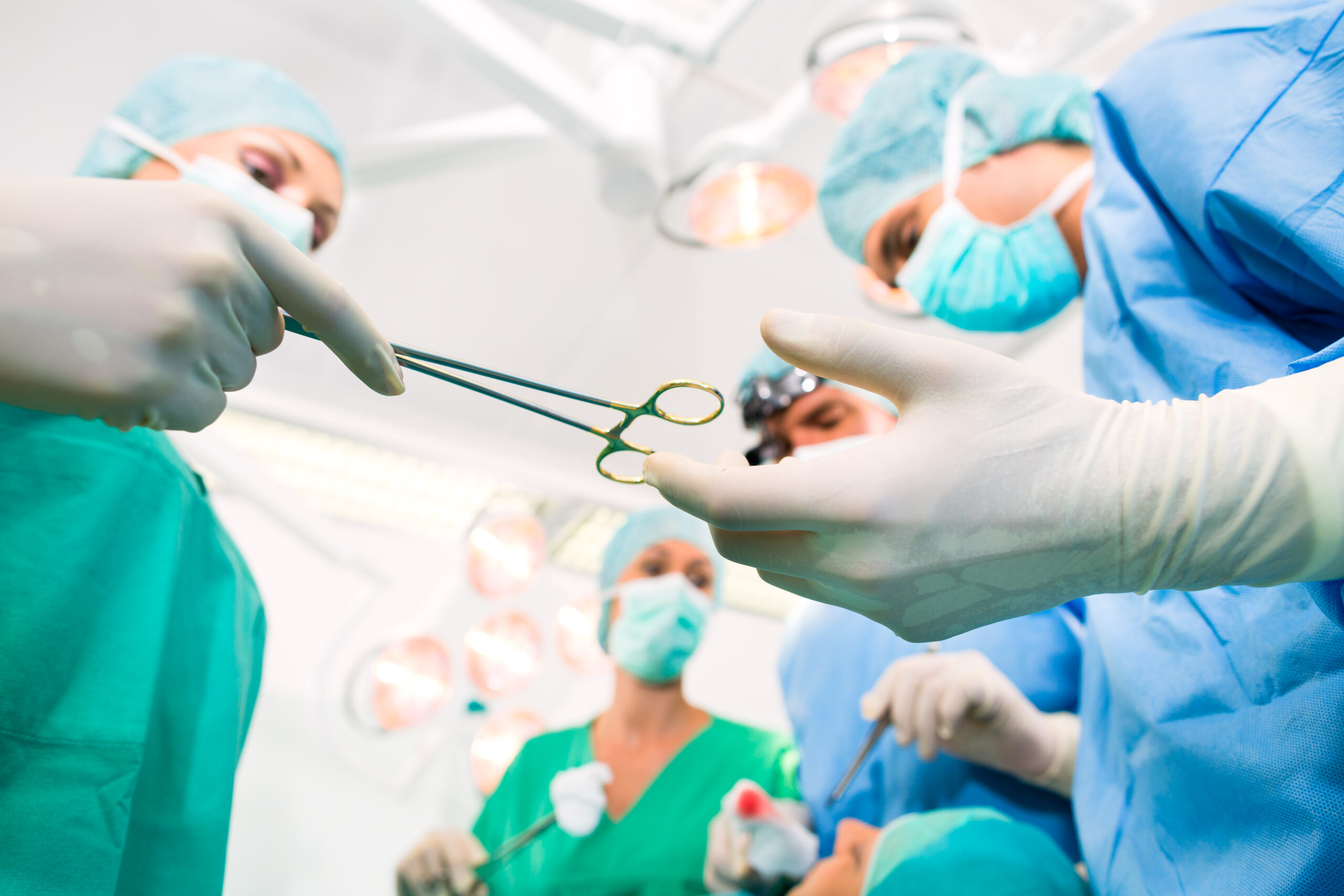
What makes surgical technologists special?

We are one of the only healthcare professionals who get the opportunity to hold a beating heart, touch the brain; not just a mind, and bring life into this world.

How did you first get interested in Surgical Technology?

“I wanted to be in the healthcare field as a young adult. After watching MASH, (a television show popular back in 1972-1983 about a Mobile Army Surgical Hospital ) I knew surgery was for me. I walked into the school 26 years ago and have never looked back with regret. I absolutely love this profession.”

How wonderful that you enjoy the position as much today as you did when you first started. That’s rare. Tell, me, how long did it take to earn your degree?

“It didn’t take too long. I graduated with a Diploma in one year.”

Just a year and you were practicing. That’s good news for many of our readers who want to be in a healthcare profession, but want to get into the field as soon as they can. While you were in school, what was your favorite part of the surgical technology program?

“My favorite part of school was learning, thinking about the possibilities of the profession and knowing I would be making a difference in people’s lives. I feel the same way about being a surgical technologist.”

While you were in school, was there a course you found more difficult than other courses?

“Anatomy was hardest for me. Suturing can also be a difficult skill to learn.”

I can see how those two courses would be difficult. Our readers may be seriously considering entering school for surgical technology. If they make the decision to do so, what is the most important thing they need to remember while enrolled in a program?

“I would tell them three things. Never give up; the word “no” means try again; and tomorrow is a new day. Those three concepts become a philosophy to get you past days when the program feels overwhelming.”

You’ve been a surgical technologist for a while. Is there a type of surgery you like better than others?

“I like brains, big open vascular procedures, orthopedics, and general surgery. I have to confess that I don’t like teeth and eye surgeries make me cry.”

Thank you for sharing that. I think eyes would make me cry, too. In our surgical technology article series, we share that a person can become a surgical technologist, and then move on to become a surgical first assistant. What’s the difference between the two? Do you recommend one over the other? Is there any advantage of being one or the other?

“I’ll try to break this down. The first step everyone has to take is graduating from an accredited surgical technology program and to get some experience. Then, if you want to assist in surgery, you would apply to an accredited first assist program.

The opportunities as a first assist are different because you can do more. Career options are also broader. You can work for a hospital, a surgeon, or be self-employed. Reimbursement qualifications are different in each state.”

Thank you for explaining this and helping us understand you have to be a surgical technologist before becoming a first assistant. Do you recommend becoming a Certified Surgical Technologist; a CST?

“I always recommend taking the CST exam and remaining current in this profession. Being a CST helps to promote the profession by letting the community know you have gone the extra mile, followed by continuing educational credits to remain current. CSTs are hoping that all states will adopt certification as a requirement of employment.”

In talking with you before the interview, you shared with me that sometimes a surgical technologist can become a permanent part of a team. How difficult is it to become a regular or permanent member of a surgical care team?

“Educators always hope the hospital where the extern (clinical) is performed, that employment will follow. Just like any other profession, if you are not motivated to work, you will not be offered a job.”

Thanks. Can you tell our readers what is a common misperception people may have about surgical technology as a career?

“That’s a good question. Most people think that all we do is pass instruments. We do much more than that. We know anatomy and apply the knowledge of instrumentation and equipment to surgical procedures. We understand pharmacology, patient care concepts, the importance of aseptic technique, decontamination and sterilization of instruments, position, prepping and draping of the patient, and policy and practices around prepping products for the safety of the surgical patient”

That’s quite a bit of responsibility. I can see why a degree, and a CST are important. Can you share with us any one thing to always keep in mind when you’re a surgical technologist involved in an active surgery?

“Never forget that no matter what condition the patient is in, they were/are someone’s baby. Remember to always treat each and every patient as you would want your own baby/mother/family member treated. Everyone is someone’s VIP.”

I think that’s very true and thank you for reminding all of us about that. Can you tell us if there is anything a person still in high school can do to prepare to become a surgical technologist?

“I recommend making an appointment with the program director of a surgical technology program. Interview that person and see if they inspire you to be more. Watch YouTube videos of different surgeries, talk to surgeons, visit the school, and talk to their students. Always make sure you have a passion to make a difference.”

As a surgical technologist yourself, what is the most challenging aspect of the profession? And the most rewarding?

“One of the most challenging aspects is death. Members of surgical teams invest so much energy that when a patient passes, we all have to walk through the stages of grief. Death always has an impact and while you may never get used to it, you do have to accept it as part of the profession.

The most rewarding is having the opportunity to see a person, who is your patient, like no one else has. We see them inside and out, literally. It’s a huge honor to have the trust of patients and their family members.”

Medical technologies, techniques, and even approaches change almost daily. What advancements in surgical techniques and equipment do you see?

“The first thing is Robotics (DaVici). They are being used for more procedures. I also see more efficient surgeries. Surgeries that in the past took four hours are now taking approximately 30 minutes. The equipment is advancing to make dissection easier. All of this promotes better care for patients.”

A question related to this is about the machines in an OR. Our previous articles have mentioned that sometimes surgical technologists have to make sure machines are in good working order. Is it hard to learn what all the machines in an OR do?

“This is like any new job. It takes practice and repetition, which is why there are so many clinical hours involved in surgical technology education programs. Continuing education also keeps you abreast of anything new you may need to know about or get comfortable with.”

You referred to continuing education. What types of continuing education credits have you obtained over the years?

“I attend the Association of Surgical Technologists (AST) National Conference, instructor forums, state AST workshops, online CEU offerings. As your readers may know, maintaining a CST requires 60 CEUs over four years. If someone advances to a first assistant, that license, a Certified Surgical First Assistant (CSFA), requires 75 CEUs over four years.”

I appreciate your patience with all these questions. I promise we only have a few more. How long would you say an average operation lasts?

“Length is determined by the type of surgery needed, and if any complications arise. Surgeries can be as short as ten minutes or as long as eight hours.”

Our previous articles on surgical technology mention that surgical technologists are members of a surgical care team. How many members are on such a team?

“For a typical case, members of a care team include a surgeon, an assistant (physician assistant, certified first assistant or medical doctor), an anesthesiologist, a surgical technologist and a registered nurse. For a heart procedure or larger case, there may be additional surgical technologists and registered nurses.”

This is the last question. I know there are unique sights and sounds and even odors in an operating room that the average person doesn’t normally encounter. Did you have to get used to all that?

“This question brings me to a story about when I first started. I was still in school and went for an observation day in the operating room. My very first surgical procedure was a laminectomy (a procedure that enlarges a spinal canal in order to relieve pressure on the spinal cord or nerves). They brought the patient into the operating room and promptly removed the blanket, exposing the patient’s completely naked body. I quickly turned around and counted the tiles on the ceiling behind me. So, to answer your question, yes, I had to get used to all kinds of things. But eventually I did and realized that smells and patients aren’t like Christmas presents. It doesn’t really matter what’s on the outside. They are all the same on the inside.”

Thank you so much for your time today. I know the insights and information you’ve shared today will help our readers know if this is the career path for them.

Leann Williams is currently the Program Director of the surgical technology program at Pima Community College in Tucson, Arizona. Her program currently maintains above an 85% passing rate on the national certification for surgical technologists. Before entering the field of surgical technology education, Ms. Williams worked as a surgical technologist for over ten years at Northwest Medical Center and over 11 years at Tacoma General Hospital.

Get Started on Your Path of Surgical Technology Today

Ms. Williams shared with us that the skill of suturing may be difficult to learn. If her interview has sparked your interest in becoming a surgical technologist, why not get a head start on your own suturing skills? You can do so through The Apprentice Doctor. We offer a suturing kit, complete with instructional videos, where you can practice suturing, tying knots and other skills common in the field of surgical technology. As you gain agility in performing these critical tasks, your confidence in pursuing this career will grow. More importantly, after completing this internationally accredited program, and talking to a surgical technologist program director as Ms. Williams suggests, you’ll know if surgical technology is the field for you.

If you missed any article in our surgical technology series and would like to go back and catch up, click on the following links:

Becoming a Certified Surgical Technologist.

Becoming A Certified Surgical First Assistant.

I really want to become a Doctor – Is there anything I can do straight away?

Check out the Sterility and Aseptic Techniques on Apprentice Doctor Academy.

Also, explore the Scrub for Surgery Kit on Apprentice Doctor Kits.


Becoming a Certified Surgical First Assistant / Surgical Assistant

If, after becoming a certified surgical technologist and working in the field for a period of time, you may want to advance in this allied health career. If this sounds like you, investigate becoming a Certified Surgical Assistant (CSA), or Certified Surgical First Assistant (CSFA).

Surgical assistants are medical professionals who assist both surgeons and nurses during surgical and other medical procedures. Like surgical technologists, they have specific responsibilities in the operating room, plus pre- and post-surgery duties.

A first assistant position is not an entry-level position. Because it is the next level up in skills and leadership, you must already work in the healthcare field as a surgical technologist, nurse or other health professional, preferably in a surgical capacity.

surgical assistantWhat does a surgical assistant do?

The primary duty of surgical assistant is assisting surgeons. You’re under their supervision when performing all tasks.

Typical duties include:

  • Administering needles.
  • Closing surgery sites.
  • Collaborating with doctors, consultants and other surgical team members to ensure the proper post-operative care of patients.
  • Controlling bleeding.
  • Dressing wounds.
  • Monitoring electronic medical equipment.
  • Performing minor surgical procedures.
  • Positioning and prepping patients prior to surgery.
  • Resuscitating patients.

Responsibilities of a surgical assistant can be broken down into four different areas which align with most surgical assistant education programs.

Preoperative

  • Facilitate positioning of the patient, taking into consideration:
    • Patient’s anatomical and physiological limits.
    • Surgeon’s preference.
    • Surgical procedure to be performed.
    • Surgical site.
  • Assist circulator and anesthesia provider in some of the following ways:
    • Catheter placement.
    • Tourniquet application.
  • Other procedures as needed.

Intraoperative

  • Perform specific tasks utilizing appropriate techniques.
    • Achieve hemostasis by means of injection.
    • Aide in implanting, securing, and/or removal of devices and drains.
    • Apply appropriate dressing material(s).
    • Incision and layered closure of surgical sites.
    • Manipulation and dissection/removal of tissues.

Postoperative

  • Aid in transfer of the patient.
  • Apply specific dressing material such as splints or casts.
  • Assess skin integrity.
  • Follow patient to recovery as needed.

Specialty Procedures

  • With appropriate training and supervision:
    • Graft and implant preparation.
    • Vein and graft harvesting,

The responsibilities of a surgical assistant help surgeons perform safe operations resulting in optimal results for the patient. Tasks are more expanded and elevated than those of a surgical technologist. The pressure is also higher, so when considering this professional career, you will have to decide if you want to deal with this type of stress on a daily basis.

Work environment

The work of a surgical assistant is every bit as physically demanding as that of a surgical technologist. You’re on your feet most of the day, and are expected to stand throughout all procedures regardless of length. You must always be attentive, anticipating what tools the surgeon may need and respond quickly when she or he asks for them.

Like surgical technologists, surgical assistants wear scrubs to minimize the possibility of infection to the patient. And similar to all members of a surgical care team, jewelry and long nails (even artificial nails) are almost always prohibited.

As a surgical assistant, if you have an entrepreneurial nature, you may decide to be self-employed. You can also work in hospital surgical units, surgery centers or private surgical medical practices. If you enjoy teaching others about the profession, you can also become an academic instructor.

Hours

Almost all surgical assistants are hired as full-time employees. Hours and weeks are long depending upon the number of surgeries scheduled in any given day or week. If you go into this career field, expect early morning hours, being called in to assist with emergency surgeries, and working on holidays and weekends.

Required education

In all cases, to become a surgical assistant you’ll need to graduate from an accredited surgical first assistant program.

In most cases, in order to enter a surgical first assistant program, you must first have an associate degree in surgical technology from an approved, accredited surgical technology program. You must also have successfully passed your Certified Surgical Technologist (CST) exam conducted by the National Board of Surgical Technology and Surgical Assisting (NBSTSA).

Some surgical assistant programs may also require one or more of the following:

  • Several years of experience in operating room assisting (often must be completed within the last 3-5 years).
  • Proof of a current CPR certification for healthcare providers.
  • Updated immunization records.
  • Certain course work such as physiology, microbiology and/or medical terminology (taken within the last 7 years).

Check the admissions guidelines of the surgical assistant program you are interested in. Once you find the right educational program for you, it can be completed in as little as 12 months.

The overall objective of most surgical assistant programs is ensuring students can perform surgical assistant skills with proficiency. The curriculum provides students with the experiences necessary to document 135 or more procedures, all designed to verify competencies required of the position.

Specific program objectives will meet standards established by the various approval and accrediting organizations.

Most will be similar to the following:

  • To provide a competency-based environment where students can apply their advanced knowledge of normal and pathological surgical anatomy and physiology.
  • To deliver a training program in various settings where students can demonstrate preoperative, intraoperative and postoperative skills.
  • To offer students opportunities to acquire and practice professional behavior in working relationships with patients and members of a surgical care team.
  • To ensure students are able to communicate patient needs and surgeon preferences to all members of a surgical care team.
  • To facilitate the professional leadership growth of students through knowledge of the role and how it pertains to ethical, moral and legal responsibilities.

Surgical assistant programs are carefully sequenced between clinical experiences, and classroom theory. Although you will have assisted in many procedures as part of your surgical technology degree and experiences, the clinical cases in a surgical assistant program involve utilizing more skills. The variety and intensity will be different than what you’re used to.

The concentration curriculum of most surgical assistant programs is comprised of advanced courses in surgical technology. Although you may have taken similar courses in your associate degree program, surgical assistant courses go into much more detail.

Programs may be separated into specific areas and look something like this:

Healthcare Sciences

  • Microbiology
  • Pathology
  • Pharmacology

Technical Sciences

  • Information technology
  • Robotics

Surgical Technology

  • Case management
  • Intraoperative duties
  • Preoperative duties
  • Postoperative duties

Surgical Speciality Procedures

  • Gynecology
  • Obstetrics
  • Orthopedic
  • Neurosurgery
  • Plastic and Reconstructive
  • Clinical rotations (135 or more procedures plus observation of many more)

Professional Practices

  • Ethics
  • Healthcare facilities
  • Legal

If you are interested in earning an a degree or certificate in surgical assisting and then taking the CSFA exam, a list of approved education programs can be found at the Commission on Accreditation of Allied Health Education Programs (CAAHEP).

If you want to take the CSA exam, you can be a graduate of a surgical assistant program approved and accredited by either CAAHEP, or ABHES, the Accrediting Bureau of Health Education Schools as long as the program has completed the National Commission for the Certification of Surgical Assistants (NCCSA) approval process.

First-time certification

Graduates of a surgical assistant program can then become Certified Surgical First Assistants (CSFAs) or Certified Surgical Assistants (CSAs). Each credential is offered by a different organization and has different eligibility requirements.

Both of these exams are standardized tests that prove you possess the appropriate level of education, experience and skills to be a trusted surgical assistant. Passing one is required in order to work as a surgical assistant.

Certified Surgical First Assistant (CSFA) credential

The CSFA exam is administered by the National Board of Surgical Technology and Surgical Assisting (NBSTSA).

Currently the test is composed of nine graded, multiple-choice questions and you must correctly answer a specific number of them to pass. All applicants for the exam must be graduates from a CAAHEP-accredited training program. In the alternative, with documentation of appropriate work experience, continuing education and certification, this requirement may be waived.

Eligibility Table

Status Documentation Needed Other Items to Include
Graduate of surgical first assisting program – CAAHEP approved Evidence of graduation through one of the following:

•    Notarized letter on institutional letterhead from program director or registrar (name, date of graduation, type of degree awarded); OR

•    Copy of graduation certificate/diploma or transcript.

•    CSFA exam application

•    Appropriate fee

Currently certified Surgical Technologist (CST) who can demonstrate appropriate experience •    CST credential

•    Verification forms from sponsoring agencies for:

•    200 cases (75 general surgery; 75 in one speciality area; 50 in any other speciality area(s)) within 2 years prior to application date & during a pre-approved timeframe.

•    CSFA exam application

•    Pre-authorization form

•    Evidence of malpractice coverage

•    Appropriate fees

Graduate of military surgical technology training program Verification forms or case log(s) for:

•    200 cases (75 general surgery; 75 in one speciality area; 50 in any other speciality area(s)) within 4 years prior to application date.

•    CSFA exam application

•    Evidence of graduation (ex. DD214) and/or completion certificate)

•    Appropriate fees

Current Certified Surgical Assistant (CSA) •    CSA credential

•    Verification forms or case log(s) from sponsoring agencies for:

•    200 cases (75 general surgery; 75 in one specialty area; 50 in any other specialty area(s)) conducted within 2 years prior to application date.

•    50 continuing education credits within 2 years prior to application date.

•    CSFA exam application

•    Continuing education reporting form

•    Appropriate fees

Once your application is approved, NBSTSA sends you an Authorization to Test number (ATT) and a phone number/web address for an approved testing agency. You will schedule your exam with that agency. The entire process takes 4-6 weeks to complete.

Remember, if the surgical assistant program you are considering is not CAAHEP-accredited, obtaining the CFSA credential may prove difficult. The CFSA is the credential most employers look for.

Certified Surgical Assistant (CSA) credential

The CSA credential is administered by the National Commission for the Certification of Surgical Assistants (NCCSA). Currently this exam consists of nine sections. You must correctly answer a percentage of them in order to pass.

All applicants for the exam must be graduates from a NCCSA-approved training program which is accredited by either CAAHEP or the Accrediting Bureau of Health Education Schools (ABHES). With appropriate documentation, there are some alternatives to this, such as military training, that may be used in lieu of this requirement. Check the NCCSA website for the specific documents you may need you’ll need for your status.

Eligibility Table

Status Documentation Needed Other Items to Include
Graduate of surgical first assisting program NCCSA approved AND either CAAHEP approved or ABHES approved •    Evidence of graduation

•    Proof of formal training

•    CST credential

•    Experience affidavit

•    Skills affidavit

•    3 letters of recommendation from surgeons you assisted

•    Verification of one year of case logs proving you were the primary assistant in at least 2250 procedures within the last 3 years.

•    CSA exam application

•    Appropriate fees

New graduate (within last 12 months) of surgical first assisting program NCCSA approved AND either CAAHEP approved or ABHES approved •    Evidence of graduation

•    Proof of formal training

•    CST credential

•    Experience affidavit

•    Skills affidavit

•    3 letters of recommendation from surgeons you assisted

•    Verification of one year of case logs proving you were the primary assistant in at least 2250 procedures within the last 3 years.

•    CSA exam application

•    Appropriate fees

Active military surgical training •    Evidence of graduation

•    Proof of formal training

•    CST credential

•    Experience affidavit

•    Skills affidavit

•    3 letters of recommendation from surgeons you assisted

•    Verification of one year of case logs proving you were the primary assistant in at least 2250 procedures within the last 3 years.

•    CSA exam application

•    Appropriate fees

Once your application is approved, within 48 hours you will receive a phone call to schedule your testing date.

Required continuing education and renewal certification

Like with most professions in allied health, surgical assistants are required to take additional courses once they are certified. Depending upon the type of certification you have, the renewal criteria is different.

CSFA Renewal

Every four years, the NBSTSA requires 75 credits of continuing education for CFSA renewal. Proof of these 75 credits is submitted with your renewal application. If you happen to hold both a CST and a CSFA, when you complete 75 credits, both credentials can be renewed. Details, steps for renewal, and updates are always located on the NBSTSA site.

Eligibility Chart

Option 1 Option 2 Other Items to Include
Documentation of 75 continuing education credits earned within the 4-year cycle Retake the CSFA exam, meeting all the initial requirements •    CSFA renewal application

•    Appropriate fees

CSA Renewal

If you possess a CSA, you are required to complete 50 CSA credits within your two-year certification period. Details, steps for renewal, and updates are located on their website.

Eligibility Chart

Option 1 Option 2 Other Items to Include
Documentation of 50 continuing education credits earned within the 2-year cycle Retake the CSA exam, meeting all initial requirements •    CSA renewal application

•    Appropriate fees

Fees and deadlines for certification and renewal

Regardless which certification you opt for, following the eligibility requirements exactly is important or there will be delays in obtaining your certification or renewal. Without it, you may be unable to practice in the field. In the case of renewal, if you allow your certification to lapse, you may be suspended from practice until your renewal is taken care of.

Take your first-time certification exam as soon as possible after graduation. Bear in mind that while your education is extensive, it will not be enough to pass the test. Purchasing a study guide or registering to take a qualified review course immediately prior to the exam will improve your chances of passing the test.

Apply for renewal two to three months prior to the expiration of your current certification. Be sure you have participated in continuing education credits throughout the period of your certification. You will be unable to secure all the necessary hours in a short period of time. When sending in your documentation, always keep copies.

Fees for certification and renewal range from $100 to $700. If you are a member of a surgical technology support association (ASA or NSAA), fees for these tests are normally reduced. The CSFA test recognizes membership in the Association of Surgical Assistants (ASA). The CSA test recognizes membership in the National Surgical Assistant Association (NSAA). Proof of your membership is required. More information on these two organizations is located at the end of this article.

Job outlook

The Bureau of Labor Statistics (BLS) indicates the demand for surgical assistants will rise 12% through 2026. People are healthier than ever before, and they are living longer. However, 60% of the senior American population suffer, on average, from at least two chronic illnesses. So the demand for all healthcare professionals is high. For more statistics and estimates of annual salaries, you can visit the BLS.

General skills needed for a surgical assistant

To be a successful surgical assistant, there are essential technical skills you’ll need beyond those required of a surgical technologist. In hiring situations, employers look for the following primary competencies:

  • Ability to correctly respond to orders – You have to cheerfully follow orders precisely and immediately.
  • Effective communication skills – You must be able to communicate all types of information to patients and members of a surgical care team.
  • Handling high-pressure situations – Due to the intensity levels in an operating room, you must be able to react intuitively in short time frames.
  • High attention to detail with a long attention-span – Attentiveness to anything abnormal in a patient’s vital signs is essential.
  • Personal fitness – You have to lift and reposition patients, so a certain level of fitness is beneficial.
  • Self-confidence – Pre- and post-surgery procedures are frequently performed alone, so you have to possess enough confidence to do them and know you’re doing them correctly.
  • Strong hand-eye coordination and dexterity – Surgical work involves both large and small surgical procedures. A surgical assistant must be able to assist with both.
  • Wide range of personal and professional skills – This encompasses technical skills inside the operating room and leadership skills outside of it.
  • Working both independently and in a team environment – You must be comfortable working with peers as well as people in positions of authority. Outside of the OR, you will be expected to work on your own when following up with patients.

3 reasons to become a surgical assistant

Work with the latest technologies

Many surgical assistant programs provide some robotic surgical procedure training. The workplace may expose you to others. Opportunities to remain current with the most recent advances that minimize risk to patients and speed up recovery time can be exciting.

Learn something new daily

Although you acquire a lot of education when becoming a first assistant, you’ll learn even more from members of your surgical team. The more you know, the more valuable you are.

Work with a team

Working in an operating room is demanding. Team members of a surgical care unit are no less so. Collaborative team membership adds to your leadership and technical skills.

Surgical assistant organizational support

As a surgical assistant, or even a surgical assistant student, you can join the Association of Surgical Assistants (ASA). This organization supports people in the profession, and those aspiring to the career. It works toward ensuring optimal surgical patient care. It also promotes the recognition of surgical assistants and offers continuing education opportunities.

You may elect to become a member of the National Surgical Assistant Association (NSAA) on their site. They promote excellence in the field, offer educational opportunities and professional certification, and encourage the recognition of surgical assistants.

Want to start now?

Even if you are still in high school, if you are interested in the field of surgical assisting, you can begin today by acquiring a suturing kit.

The Apprentice Doctor offers these kits, complete with instructional videos. You can practice suturing, tying knots and other skills common in the field. As you’ve learned, you need a lot of self-confidence as a surgical assistant. With a suturing kit, you can begin growing that confidence as you gain agility in performing critical suturing tasks. After completing this internationally accredited program, you’ll possess advanced skills and knowledge in the field.

Learn more about the suturing mastery course.

For more information on the first step in becoming a surgical assistant, read our previous article on – Becoming a Certified Surgical Technologist.

And read an interview with a practicing surgical technologist.

I really want to become a Doctor – Is there anything I can do straight away?

Check out the Sterility and Aseptic Techniques on Apprentice Doctor Academy.

Also, explore the Scrub for Surgery Kit on Apprentice Doctor Kits.

Becoming a Certified Surgical Technologist

If becoming a doctor isn’t the right career for you, but you would like to work in allied health, surgical technology may be a good option. Surgical technologists work alongside doctors and surgeons. They are frequently present during operations and provide critical assistance to operating room physicians.

What does a surgical technologist do?

The primary duty of surgical technologists is assisting surgeons during surgical procedures. They prepare operating rooms, arrange equipment, and even help in post-operative recovery rooms.

Typical duties include:

  • Preparing patients for surgery.
  • Transporting patients to and from operating and recovery rooms.
  • Sterilizing equipment and ensuring adequate supplies for surgery are available.
  • Passing surgeons instruments and other sterile supplies.
  • Maintaining a sterile environment.
  • Providing tools and suturing wounds for surgical team members.
  • Observing and reporting patients’ vital signs.
  • Organizing paperwork documenting any surgical procedure.
  • Utilizing medical tools.

Certified Surgical TechnologistSurgical technologists are important members of surgical teams, especially since technologists are responsible for many preparatory tasks relating to surgeries. For example, you may be asked to prepare an operating room. This can range from setting up trays of instruments in a sterile field to preparing patients for surgery. Because you’ll know how medical equipment works you may be required to ensure all surgical machines are working properly. You will be familiar with these tasks since they are all part of a surgical technology education.

Your job duties don’t end at pre-operative care. When watching medical shows on television, you have probably seen individuals pass instruments and supplies to surgeons during an operation. Surgical technologists are frequently the individuals who do this. You may also be asked to hold internal organs in place while the surgeon operates. In some cases you may handle specimens taken for laboratory analysis.

At the conclusion of an operation, surgical technologists dress incision sites. You may be asked to take patients into a recovery room and observe them until they come out of anesthesia. Restocking operating room supplies after a procedure may be one of your responsibilities.

Duties vary from day-to-day, and sometimes hour-to-hour. It’s an exciting field with many possibilities for personal and professional growth.

Work environment

The work of a surgical technologist is physically demanding. You’re required to remain standing throughout the entire surgical procedure. Some operations are short. Others can be as long as eight or ten hours. You must be alert and constantly aware of what is happening around you for the duration of the procedure.

Being comfortable with the sight of blood, bones and internal organs is essential. You must be equally comfortable holding living organs inside a body cavity of a patient. In addition to these sights, you are exposed to unpleasant odors and possibly communicable diseases. While all precautions are taken, there is always some risk when performing this kind of a job.

Surgical technologists wear prescribed clothing called scrubs. Scrubs are special sterile clothing operating teams must wear to minimize the possibility of infection to the patient. Depending upon where you work, specific colors and types may be required. As part of this dress code, jewelry, long nails (and even artificial nails) are almost always prohibited. The risk of an earring, or acrylic nail falling into an open body cavity is too great, so this requirement is a typical standard of care.

Places you can work include hospital surgical units, ambulatory surgical centers, free-standing out-patient surgery centers or private surgical medical practices.

Hours

Although surgical technologists can work part-time, most are hired as full-time employees in hospitals and clinics. Where you work determines hours and shifts. However, since many surgeries are performed in the mornings, your day may start as early as 5:00 a.m. Hours fluctuate depending upon the daily and weekly operating room schedule. You can be called in at the last minute to assist with an emergency operation.

You may also specialize in a type of surgery, such as cardiovascular, and become a regular member of a surgical team. In those cases your hours may be a little more predictable, but they will still be long (over eight hours a day) and rigorous. Surgical technologists will have rotations where they are on call during nights, weekends and holidays.

Required education and certification

In most cases, to become a surgical technologist you’ll need some kind of a degree from an accredited surgical technology program. Graduates of these programs can then become Certified Surgical Technologists (CSTs). The CST exam is a standardized test that helps employers know you have the skills and knowledge necessary to be a capable and trusted surgical technologist.

The CST test is conducted by The National Board of Surgical Technology and Surgical Assisting (NBSTSA). Their website provides comprehensive information about the exam, practice tests, and eligibility requirements.  Although some employers don’t require certification, most do. In all cases having a CST after your name enhances your employment opportunities.

You can earn a degree in surgical technology in 12-24 months. Most programs are on-ground, although some may be a combination of on-ground and on-line courses. All surgical technology programs require an externship, or internship, of surgical rotations. Practical experience is part of any surgical technology curriculum. The experiential components of the program applies what you’ve learned in the classroom to actual operating room experience. Like doctors, you’ll rotate through different types of surgeries. In these rotations you’ll determine if there is one type of operation you prefer over another.

The objectives of most surgical technology programs are:

  • To provide a competency-based environment in a classroom using current models and trends in the industry.
  • To deliver a training program in a setting where surgical technology students can apply the theoretical knowledge gained during the lecture portion of the training to the performance of skills used in an operating suite.
  • To offer students opportunities to acquire and practice professional behavior in working with relationships with patients and members of a surgical care team.
  • To facilitate the occupational growth of students by providing access to the knowledge base and applied skills necessary to become an integral member of a surgical care team.

Surgical technology programs are linear. Linear means that with some exceptions, you’re required to take the courses in a certain sequence. Surgical technology courses build upon each other. In other words, you need to know the information in one class to understand the information in the next course and so on.

Most surgical technology programs provide the study of general and specialty surgical procedures. An academic associate degree in surgical technology will include some general education courses like psychology and English composition. An associate degree takes longer to complete. However, the general education courses assist graduates in growing professionally and in developing the ability to assume roles of leadership in the work environment.

The concentration curriculum of most surgical technology programs will consist of the following types of courses:

  • Medical math and calculations
  • Medical terminology
  • Anatomy & physiology
  • Medical ethic
  • Clinical procedures (general medical procedures)
  • Pharmacology for the surgical technician
  • Surgical technology techniques
  • Surgical procedures (multiple courses)
  • Specialty surgical procedures (multiple courses)
  • Surgical externships (could be 500+ hours of practical application threaded through some specific courses)

Like with most professions in allied health, surgical technologists are required to take additional courses once they are certified. Every four years, the NBSTSA requires 60 credits of continuing education for CST renewal. You will have to provide proof of these 60 credits when you submit your renewal application. Details and updates are always located on the NBSTSA site.

If you are interested in earning an associate degree in surgical technology, a list of approved programs can be found at the Commission on Accreditation of Allied Health Education Programs (CAAHEP), or at the Accrediting Bureau of Health Education Schools (ABHES). Both of these organizations approve and accredit surgical technology programs.

With a surgical technology degree you can obtain employment as a Surgical Technician or Surgical Technologist.

Job outlook

The Bureau of Labor Statistics (BLS) indicates the demand for surgical technologists is rising. This career is expected to grow at the rate of 12% between 2016 and 2026, which a faster pace than other careers.

General skills needed for a surgical technologist

To be a successful surgical technologist there are important technical skills you’ll need.

In hiring situations, employers of surgical technologists look for the following primary skills:

  • Aseptic – You must understand how to maintain an environment that is free from bacteria and contamination.
  • Cardiopulmonary resuscitation (CPR) – In an emergency, you may be required to keep brain function intact until an appropriate medical professional arrives on the scene. A certification in CPR is always required and something you’ll obtain as part of your education.
  • Communication – You must be able to communicate verbally and also on paper (medical records and patient charting). Part of your communication skills include superior listening since care of patients includes knowing how they are feeling.
  • Computer skills – Many hospitals now have their records on computer. They also record notes and observations in real time on tablets. Knowledge of computers and other technical devices will help you in securing a job.
  • Organization – In this position you have to keep medical supplies, operating room instruments, and even schedules organized and free from chaos.
  • Patient care – You must truly enjoy working with people and listening to what they have to say.
  • Physical demand – The ability to stand for long periods of time is essential. You’ll also be required to transfer patients, so lifting a certain amount of weight is expected.
  • Sterile techniques – Knowing how to set up, maintain, and remove sterile fields is required.
  • Surgical procedures – You may be asked about your familiarity with various types of surgical procedures.
  • Teamwork/collaboration – Surgeries are performed by surgical teams that perform well together. Since surgical technologists are vital members of these teams, you must be able to interact and get along well with team members.

5 reasons to become a surgical technologist

You can enter the field quickly – Surgical technology programs take anywhere from 12-24 months to complete. By researching approved programs, you’re apt to find one that meets your budget and your time frames.

Demand is high – Because an increase in surgical technologists is expected through 2024 (BLS), once you’re a CST, employers will be interested in hiring someone with your skills and credentials. Growth is high due to ongoing advances in surgical technology. These advances mean more surgical procedures can be performed, many with lower risks to patients. A larger, and aging population also contributes to the demand.

You can work anywhere – A CST (Certified Surgical Technologist) is a national certification, so your qualifications move with you. Additionally, since most surgical technologists are hired by hospitals, and hospitals are located throughout the United States, job opportunities exist in most places.

There is a lot of variety – Even if you specialize in a specific surgical technology area, no patient or procedure is ever the same. So your days and weeks will not be spent in repetitive task assignments. Although the pressure is high, some of the uniqueness of your days may be a good offset for you.

You can make a difference in someone’s life – Patients undergoing surgery are usually scared. Since part of your job as a surgical technologist is interacting with patients before and after surgery, you can provide assurance to them. It is also very satisfying to see patients thrive and return to their life interests after a surgery is conducted. As a surgical technologist, you will have contributed to their return to health and lifestyle.

Surgical technology organizational support

As a surgical technologist, or even a surgical technology student, you can join the Association of Surgical Technologists (AST). This organization supports people in the profession, and those aspiring to the career. It provides information on technical advances, public policy, and changes in educational standards.

Want to start now?

If this article has sparked your interest, you can begin practicing some of the skills required for a surgical technologist, regardless of your age.

Through The Apprentice Doctor you can acquire a suturing kit, complete with instructional videos. With this kit you can practice suturing, tying knots and other skills common to the field of surgical technology. You’ll grow in confidence as you gain agility in performing these critical tasks. More importantly, after completing this internationally accredited program, you’ll know without a doubt you want to become a surgical technologist.

Learn more about the suturing mastery course.

If surgical technology interests you, you may want to read:

Becoming a Certified Surgical First Assistant.

An interview with a practicing surgical technologist.

I really want to become a Doctor – Is there anything I can do straight away?

Check out the Sterility and Aseptic Techniques on Apprentice Doctor Academy.

Also, explore the Scrub for Surgery Kit on Apprentice Doctor Kits.


IMPORTANT! A major website update has been made. Any issues, notify us instantly by pressing the "Quick Help" button and leaving a short description of what you experienced.