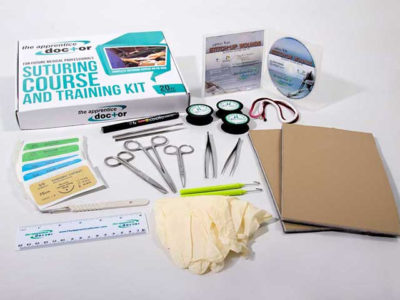
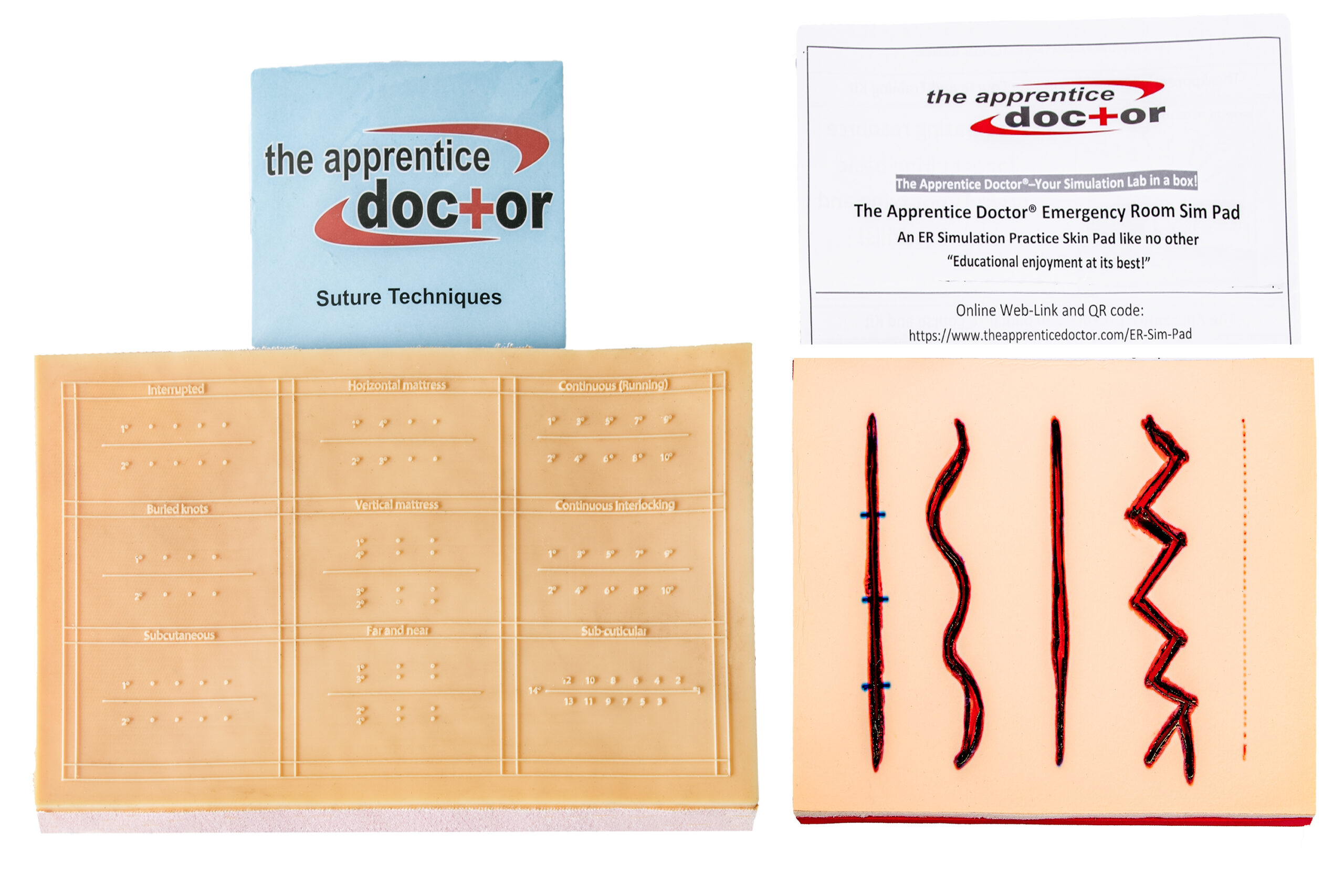
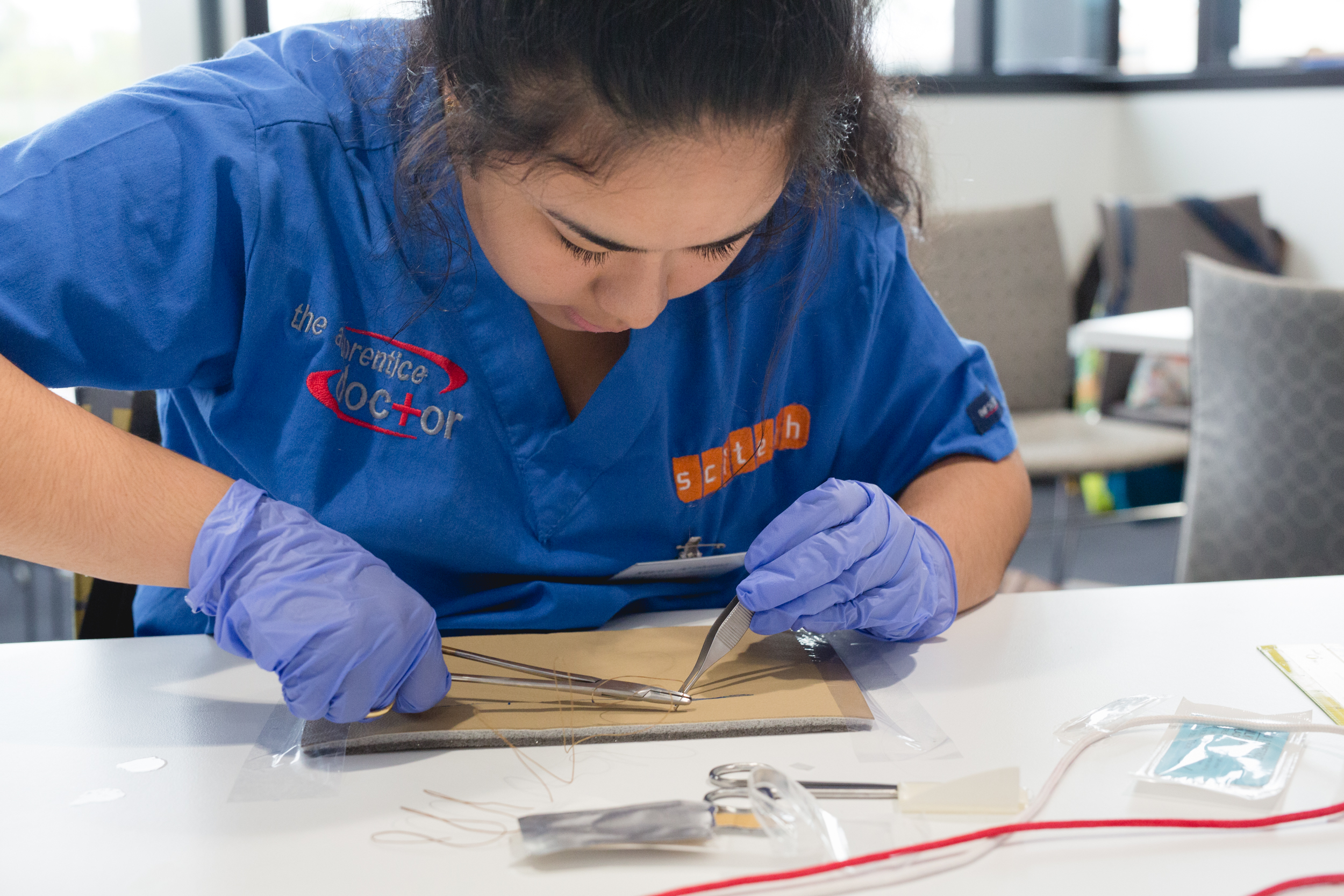
There are several common suture techniques which can be used to close wounds. The first requirement is to possess a suture kit that includes, at least, the basic tools of a needle holder, toothed tissue forceps (with or without a skin hook), fine suture scissors and adequate suturing material.
Two types of suture material should be available and used depending on the type of wound. Absorbable suture material is normally used for deep tissue wound stitching (buried sutures). It loses its tensile strength in less than 2 months and does not need to be removed. Non-absorbable suture material maintains its tensile strength longer and is normally used for stitching skin wounds. This type of suture material must be removed once the wound has healed.
Various Common Suture Techniques
Simple Interrupted Method – This suture technique provides a better result cosmetically due to a greater eversion of the wound edge that produces a thinner, less visible scar. Stabilize the edge of the wound with either a skin hook or toothed forceps and enter the suturing needle perpendicularly from three to five millimeters away from the edge of the wound. Tie a knot and repeat. Take care not to utilize a flat angle as less eversion is produced and greater scarring will occur.
Continuous Method – A continuous suturing technique is much faster than the simple interrupted method. However, it is a weaker suture that also tends to strangle the affected area’s blood supply. The same suture technique is used to begin as is used for the simple interrupted method. However, instead of cutting and tying the suture, it is brought across the cut diagonally where the needle is again introduced in a perpendicular manner. The suture is tied by forming a loop at the end and the needle passed through.
Horizontal Mattress Method – The horizontal mattress suture is commonly used to provide necessary tension for large wound closure. However, this suture risks dermal blood supply strangulation which can lead to necrosis. The needle is entered between five and ten millimeters from the edge of the wound, crosses the wound and exits on the opposite side where the needle is reintroduced (on the same side) between three and five millimeters from the exit point and repeated.
Vertical Mattress Method – This technique provides superior eversion of the wound edge over the horizontal mattress suture. The vertical mattress stitch offers excellent support and minimizes dead space. Introduce the needle between five and ten millimeters from the edge of the wound ensuring a deep amount of tissue is achieved. Then exit the skin on the opposite side, reverse needle position and reenter the skin from one to three millimeters to the side and, again, take a deep bite of tissue when repeating to side one. Secure with a knot at the end.
Buried Method – Large, gaping wounds require suturing in the dermis layer of the skin in order to close dead space. The buried suture technique is used to accomplish this, providing extended support during healing as well as an improved cosmetic result. Use a skin hook to evert the edge of the wound. Using absorbable suture thread, enter the needle in the subcutaneous tissue and exit through the dermal tissue on the same side. Reenter the needle through the dermal level on the opposite side of the wound and exit through the subcutaneous tissue. Tie a knot deep ensuring it has short ends and repeat for the next stitch.
Injuries can occur at odd times and in inconvenient locations causing a delay in accessing proper treatment by medical professionals. Accidents can occur while hiking, camping, working in remote locations, or traveling in other countries that are less prepared to handle emergencies or access medical help. In such times, it is beneficial to be both prepared and have a basic knowledge of how to stitch up wounds.
Ethics and Legalities of Suturing Wounds
In the United States, most laws governing suturing require that it either be completed by a medical professional with the proper training or by someone directly under the supervision of such a person.
However, the specifics of legalities differ slightly according to individual states so laws should be researched in the particular states in question. Good Samaritan laws also exist in some form in most U.S. states. Such laws are designed to reduce the hesitation of bystanders that witness an accident and encourage action to provide lifesaving treatment to injured parties. Basically, the Good Samaritan laws outline that no legal repercussions can occur to those who provide aid out of the goodness of their heart and within their present knowledge.
Besides the legal aspect of suturing, there are ethical considerations. Suturing, if not done properly, can cause healing complications that lead to such incidents as ruptured wounds (dehiscence), wide scars, or painful scars that contain blood vessels and nerves (hypertrophic). This can leave the treated person disfigured or in pain for an extended period of time.
Of course, in an emergency situation where medical help may be days away, the issue of treating someone who has suffered a major injury that requires suturing is more about survival than legalities or ethical considerations. However, it is still important and responsible to glean as much information on suturing products and techniques as possible so that the best effort is applied should the need arise.
Determining If a Wound Requires Suturing
Not all injuries require suturing. Some wounds are minor and only require cleaning and covering with gauze or a Band-Aid. Others are massive and should be packed and wrapped until professional help can be reached. Many large wounds require surgery prior to closure. Puncture wounds should also not be sutured.
It is, therefore, important to be able to properly determine if a wound requires stitches before applying the technique. There are several basic assessments you can make in order to arrive at a decision. Suturing may be required if:
Cuts feel numb. Nerves may have been damaged and suturing allows the healing process to begin.
Jagged, gaping, or deep cuts. Stitching these types of wounds helps to limit further damage, reduce blood loss, prevent infection and begin the healing process.
Cuts that bleed profusely. Suturing will help prevent excessive blood loss.
Cuts that are on the face or other sensitive areas. Left unstitched, cuts can leave unattractive scars. However, keep in mind that improper suturing techniques can leave unsightly scars as well.
It should be noted that any medical situation requires the highest level of sterilization as possible. Cleaning the wound of debris and using sterile solutions and equipment is of the utmost importance to prevent infection.
Ensuring Preparedness
Having the knowledge and ability to suture does no good if you do not have the correct supplies. Therefore, being prepared for the unexpected is critical for meeting the need at hand. Although makeshift items could be used in an emergency situation, the correct suturing supplies ensure that the outcome is much more favorable and this should be the focus of anyone willing to meet the call to assist in emergency situations.
One of the most important components of wound care and management, repairing of moderate to serious lacerations and/or wounds resulting from surgery or other procedures is the usage of efficient suturing tools, materials, and techniques.
The main objectives of suturing are the following:
Provide effective hemostasis to wounds.
Speed up the healing process.
Improve the function of the tissue and appearance.
However, a very important point to remember when it comes to suturing wounds is the risk of infection. Therefore great care must be taken in performing the procedure.
A single interrupted suture is the most common technique known by all physicians, and is used for the main purpose of wound closure in a manner that is pleasing to the eye. It doesn’t take long to learn this simple suturing technique; therefore, every person can, and should learn how to treat minor wounds. However, techniques used to suture difficult and challenging wounds can take years to master, and thus should only be performed by a qualified surgeon.
Choosing the right suture technique
According to the condition of the wound and its type, a surgeon can easily choose the right technique of suturing from various techniques to choose and master. Some things to consider, and which will make choosing more easy, is that the edges of the wound should be well approximated, with no distortion and slightly parallel to skin tension lines.
Choosing the right suture technique
According to the condition of the wound and its type, a surgeon can choose from among a variety of suturing techniques. In choosing a surgeon looks to see if the edges of the wound are well approximated, if there is distortion, and if the wound is slightly parallel to skin tension lines.
According to the condition of the wound and its type, a surgeon can choose from among a variety of suturing techniques. In choosing a surgeon looks to see if the edges of the wound are well approximated, if there is distortion, and if the wound is slightly parallel to skin tension lines.
Surgeons will consider one of the following basic suture techniques:
Single Interrupted Suture
This is one of the most basic wound management techniques, generally chosen to close accidental wounds. A synthetic, monofilament and non-absorbable suture are usually chosen to place a series of individual stitches on the skin.
Horizontal Mattress Suture
This is a type of interrupted stitch, and holds the edges of wounds securely while taking the wound edges inside out. This suture is generally applicable for distribution of tension around the wound, especially if the wound is large.
Vertical Mattress Suture
This type of suture supports the wound, provides excellent wound edge eversion and decreases dead space. These sutures can also be attempted in a different fashion with simple interrupted sutures to achieve eversion. The only drawback to this suture is that it may compromise blood flow to the injured tissue.
Sub-cuticular Suture
When the surgeon has to close off dead space, this suture is generally used which may allow blood or fluid to collect around the empty space and promote infection to it. This is performed by a suturing material that is synthetic and has absorbable properties.
Running Suture
In the running suturing technique, a single length of material is used to secure and tie the wound at each end. A non-absorbable and synthetic mono filament is normally used for this process. This method is the fastest to perform although doesn’t work well for irregular shaped wounds.
The techniques used for wound suturing are many and each one should be used according to the nature of the wound.
You can read more on suturing techniques here.
Suturing Course and Kit course from The Apprentice Doctor!
There is no need to wait on getting practice with suturing. Before you step into any situation requiring suturing, even an emergency in your own home, you can perfect your suturing skills. The Apprentice Doctor® Suture Kit & Suturing Training Course teaches you how to confidently close wounds. Begin training today!
We would love to answer any questions you have so leave a comment or question below.
I really want to become a Doctor – Is there anything I can do straight away?
Definition: Pharmacology is the scientific study of drugs and how they are used in medicine.
Introduction to Pharmacology
For most medical students a pharmacology lecture is usually not the highlight of the day, to put it mildly. In the minds of medical students, the study of pharmacology is kind of a “necessary evil” to become any type of doctor.
In reality most doctors, especially generalists like family practitioners, physicians and pediatricians, are, to a great extent clinical pharmacologists. Let’s look at an example of a typical consultation.
The process of examining a patient:
Main complaint
Medical history
Physical examination
Special examinations
The diagnosis
The treatment
In a majority of cases, treatment comes in the form of a prescription. A prescription for medication is frequently the recommended treatment or at least part of the therapy recommended by the clinician for treating the diagnosed disease or condition.
Even other disciplines, such as anesthesia, an in depth knowledge of drugs is of utmost importance to administer a safe anesthetic to your patients. See: A Difficult Day in Theater.
A thorough knowledge of pharmacology is essential for successfully practicing medicine and surgery and to offer patients the best treatment outcomes possible. Treating patients is a team effort and the pharmacologist is a central part of this team.
The definition of pharmacology, as given above is a very important – “Pharmacology is the scientific study of drugs and how they are used in medicine.”
A doctor trained in scientific medicine should refrain from prescribing dubious alternative “natural” medication as well as the majority of homeopathic medications as these drugs/medications are often not thoroughly tested by scrutiny of modern scientific methods. Let’s look at one of these mostly unregulated, natural, homeopathic drugs – Arnica.
Arnica is recommended by its proponents as an anti-inflammatory cream or tablet to be used after injury and before and/or after surgery. It’s frequently recommended to be taken orally 3 days before removal of wisdom teeth, apparently to limit swelling and bruising.
The truth is that as a cream or ointment it will actually increase the pain and if taken orally before surgery it will increase the risk of post-operative bleeding! It is quite toxic and may cause severe side effects. If used in excess it can even have a fatal outcome. Users of this homeopathic medication are putting their trust in a drug which has very few scientific, clinical studies (if at all) proving the claimed benefits. Some studies are claim quite the opposite of the listed benefits. See: WebMD Article.
Remember, as a doctor you are firstly a scientist. Do not fall into the realms of unscientific medicine or mysticism.
Pharmacology Module: Practical Project
You may be thinking how on earth we are going to suggest an ethical and safe drug experiment for you? Luckily certain pharmacological agents are quite prevalent in various types of foods and beverages. An ideal one to experiment with is caffeine. If you are a minor and your parents will permit you to have coffee, you may proceed.
By the way – there is evidence that caffeine in moderation may be quite beneficial to your health. Read more about how caffeine affects your health. See: Effects of Caffeine.
The Effects of Caffeine on the Heart and Central Nervous System
Filter coffee (preferably). Ensure that it is not decaffeinated coffee
A mug or suitable container
A computer / tablet / smartphone with Internet access
Pen and paper – or use a note pad on your electronic device
Follow these steps:
Ensure that you abstain from caffeine for at least 8 hours (no tea, coffee, coke or chocolates).
You may have a light (caffeine-free) snack and some water prior to starting the project, but a full stomach is not recommended.
Follow the link for the Tic-Tac-Toe game. Click here.
It is a very popular and easy game. Choose one player and play against the computer.
Play the Tic-Tac-Toe game ten times before taking any caffeine containing food/beverage. Make a note of your score (no practice runs permitted!)
Take your own pulse rate (see Project 21 in the FOR FUTURE DOTORS Course) and make a note of your pulse rate in beats per minute (bpm).
Now make a fairly strong cup of filter coffee (will contain about 100 mg of caffeine) and drink the coffee then wait 40 -50 minutes.
Play ten games of Tic-Tac-Toe again 40-50 minutes after the coffee (caffeine). Make a note of your score.
Take your own pulse rate (see Project 21 in the FOR FUTURE DOTORS Course) and make a note of your pulse rate (beats per minute).
Compare your Tic-Tac-Toe game scores before and after the caffeine. Compare your pulse rate before and after the caffeine.
Important note: This project is quite suitable to perform in a group – in fact it will work much better in a group setting. Add-up all the scores and pulse rates before and after taking the dosage of caffeine then divide by the number of participants to get the average result (score and pulse rate).
Interpretation of results: Caffeine is a central nervous system stimulant – and one should be more alert after consuming caffeine – and thus one should get a higher score after taking caffeine as opposed to before.
Caffeine being a stimulant should slightly increase the pulse rate (if all other factors like physical activity stay the same).
Pharmacology careers:
Pharmacologist – private/hospital and retail
Drug research and drug development
Pharmacy/pharmacist’s assistant
Medical representative
Veterinary pharmacology
Medicine – especially general practitioner, physician, pediatrician, psychiatrist, etc
The spectrum of clinical and academic medicine
Emergency medicine and paramedics
Conclusion Pharmacological agents form the backbone of therapeutic medicine, and an in-depth knowledge of pharmacology is an essential requirement for the effective treatment of conditions and diseases in modern medicine.
The message is clear – if you want to be an excellent doctor then you should have an excellent knowledge of pharmacology – especially the pharmacological preparations within your field of practice!
I really want to become a Doctor – Is there anything I can do straight away?
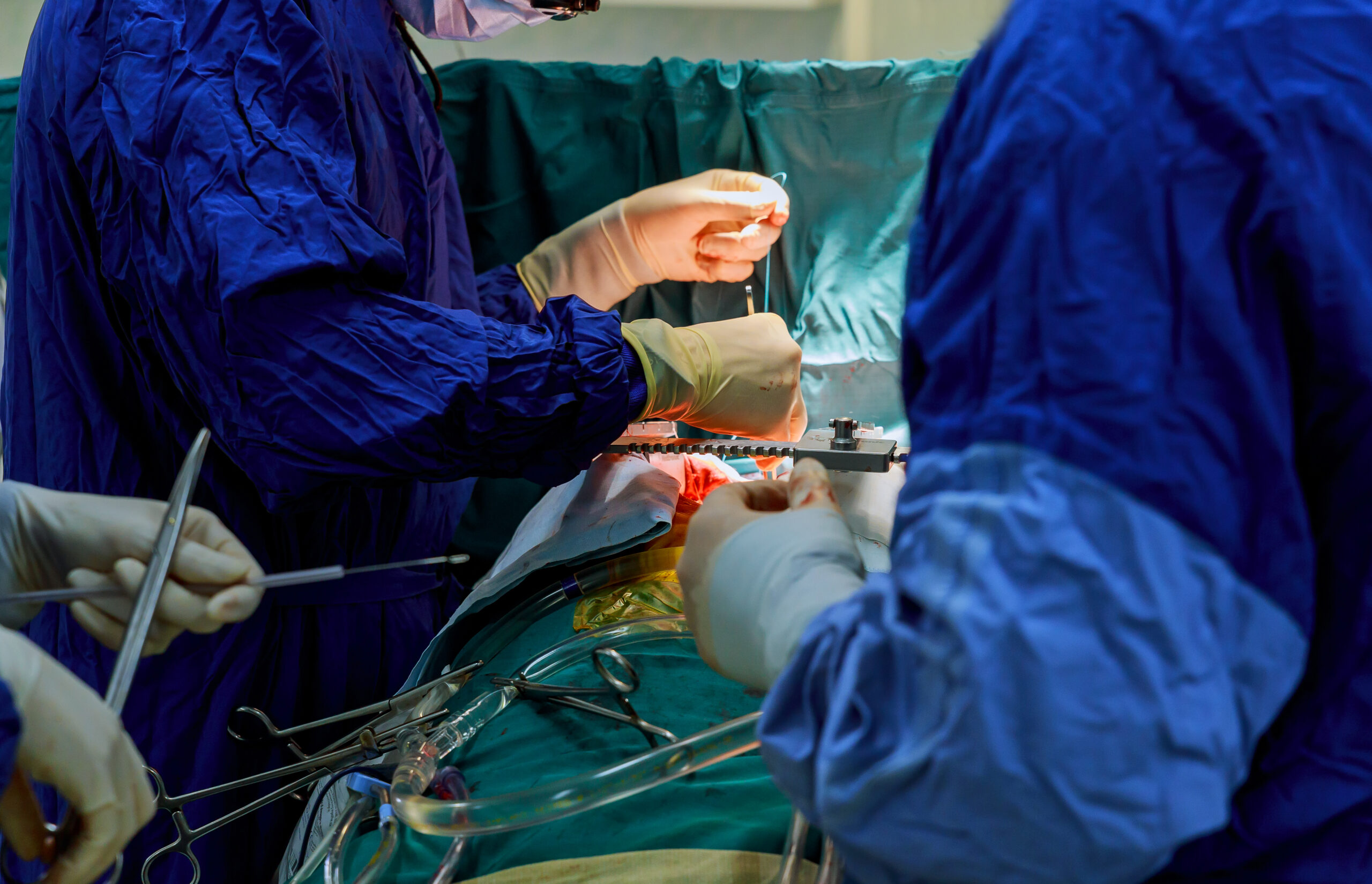
Cardiothoracic surgeons focus their efforts on the organs, bony structure and tissues that form the chest cavity.
Many years of schooling are required to become a cardiothoracic surgeon. Patience and intense focus are keys to remaining dedicated and consistent.
To be successful as a cardiothoracic surgeon, a person must possess physical skills, leadership abilities, and emotional capacity.
Cardiothoracic surgery is comprised of four main areas: general surgery, heart and lung transplants, surgery specific to adults, and congenital surgery. Within those areas, a surgeon can choose an area of the chest cavity to focus on.
The earnings potential and personal fulfillment for a cardiothoracic surgeon may more than offsets the years of schooling and associated expenses.
Advances in cardiothoracic surgery make this young and growing medical field safer than it has ever been. Four specific advances have improved survival rates for patients.
What is the focus of a cardiothoracic surgeon?
To become a cardiothoracic surgeon, you first have to be interested in the organs, bony structures and tissues that form the chest cavity. A cardiothoracic surgeon treats and provides surgical interventions for diseases occurring in these areas.
Cardiac and thoracic surgery are separate surgical specialties in some countries. But in the United States and the United Kingdom, they are usually combined. When considered separately, cardiac surgery involves surgery to the heart and large blood vessels. Thoracic surgery involves surgery to the lungs and other structures within the chest cavity.
Education needed to become a cardiothoracic surgeon
The path to become a cardiothoracic surgeon is long, but rewarding. The first step is education.
Most students endeavoring to become cardiothoracic surgeons follow a road similar to this:
Obtain a 4-year undergraduate degree in pre-med with an emphasis on science.
Attend and graduate from a 4-year medical school.
Complete a 5-year general surgery residency program.
Enter a 2- or 3-year cardiothoracic surgery residency program, or enter a 6-year integrated cardiothoracic surgery residency.
Residencies in all surgeries and surgical specialties are competitive, so doing very well in medical school is vital if you want to be selected.
Some cardiothoracic surgeons choose to do additional training in a subspecialized area like heart and lung surgeries. However, with one exception, additional training in a specific area is option. The single exception is congenital heart surgery, which mandates completion of an additional 1-year fellowship.
What are the attributes that I need to become a cardiothoracic surgeon?
Cardiothoracic surgery is a highly demanding role for which you need a unique blend of skills and personal qualities. You will also need significant leadership expertise. In addition to the characteristics possessed by all successful surgeons, a cardiothoracic surgeon also requires skills in the following areas.
Physical
Exceptional hand-eye coordination and dexterity.
High perception of spatial relationships among and between objects.
Ability to work long hours without a break.
Undivided focus in spite of potential distractions.
Leadership
The capacity to remain calm and level-headed in very stressful situations.
The aptitude to monitor developing conditions in and out of the operating room.
The foresight to anticipate potential issues and complications.
The ability to thrive under pressure.
The desire and proficiency to lead and direct a team.
The capability to inspire confidence in others.
Emotional
The resilience to cope with unexpectedly changing circumstances.
A supportive disposition for the patient, their family, and your team in sometimes problematic circumstances.
What types of conditions do cardiothoracic surgeons treat?
Since the late 1940s, cardiothoracic surgery has experience brisk growth and fast-moving technological changes. The specialty is considered young and evolving as science and research reveal more about the cardiothoracic area of the body.
The field of cardiothoracic surgery includes:
Adult cardiac surgery.
Congenital cardiac surgery.
General thoracic surgery.
Heart and lung transplant surgery.
Cardiac surgeons perform the following types of surgeries:
Aortic surgery – replaces enlarged or damaged blood vessels leaving the heart.
Coronary artery bypass surgery – bypasses narrowed coronary arteries, restoring blood flow to the heart.
Heart valve surgery – repairs and replaces usually thin or leaking heart valves.
Surgeries completed by thoracic surgeons include:
Pectus surgery – repairs chest wall deformities.
Video-assisted thoracoscopic surgery (VATS) – treats some thoracic disorders without opening the chest.
Lung surgery – inflates collapsed lungs and removes abnormal tissues from them.
Congenital cardiac surgeons treat diseases and correct physical conditions present in babies and children who have suffered with them from birth. These surgeons repair the following types of conditions:
When the aortic or aortic and pulmonary valve is narrower than usual.
When there is a a hole between two of the heart’s chambers.
When the arteries are transposed.
A cardiothoracic surgeon’s earning potential
Cardiothoracic surgery is not for the faint-of-heart. Long years of training, working, studying, and practical surgical experience require intense focus. A residency as well as years practicing as a cardiothoracic surgeon are required. That’s how you become the best surgeon you can be in this delicate specialty. Given the time and financial resources needed, you may be interested in knowing what the return could be on your investment.
According to the U.S. Bureau of Labor Statistics (BLS), as of 2016, physicians practicing primary care earned a total median annual compensation of $251,578. Physicians practicing in medical specialties received a total yearly median salary of $425,509. It is important to note that BLS figures may not include the income of doctors and surgeons in private practice.
Earning potential may increase with additional certifications. To become certified in cardiothoracic surgery you must complete a specialty residency and pass exams from the American Board of Thoracic Surgery (ABTS). The ABTS administers the same tests for all heart surgeons and thoracic surgeons, regardless of their scope of practice. If you wish, after achieving general certification, you can qualify as a subspecialist in congenital heart surgery through passing an additional exam.
Besides earnings, cardiothoracic surgeons often see some immediate and life-changing results of their work. When patients are able to return to most, if not all of their activities, the work becomes emotionally rewarding and filled with purpose.
Watch this video of a cardiothoracic surgeon opening up a patient’s chest cavity:
You will have to watch it on Youtube since it’s an age restricted video…
The heart has intrigued mankind throughout history, ascribing to the heart mystical and spiritual attributes. As an organ, the heart has always occupied an elevated place in the human body. To some extent it’s because the heart, like the brain, is a vital organ. In other cases it’s because we associate the heart with many emotions transcending our ability to put them into words. So the heart becomes mystical and almost unknowable in nature.
Consequently, the ability to repair the heart is important if for no other reason than the need to stay alive. If the heart stops functioning, a person will soon lose consciousness and will die within minutes without medical intervention. In the early days of surgery, heart surgery was very challenging. When conducted, there was a high death rate. Several advances have improved its surgical procedures and survival rates. A few are:
Heart-lung machine. The heart-lung machine is a medical apparatus that can take over the functions of the heart for many hours (operated by a perfusionist) giving the heart surgeon hours of time to operate on the heart with very little or no bleeding.
Cooling techniques. The development of mechanisms cooling down the temperature of the heart during a surgical procedure gives the cardiac surgeon more time to perform quality surgery on a heart that is motionless. At the conclusion of surgery, the heart is warmed and “restarted,” which resumes the pumping functions of the heart.
Replacing aortic valves without surgery [1]. Transcatheter aortic valve replacement (TAVR) offers a way to fix stiff, narrowed aortic valves without open-heart surgery. The technique delivers the new valve through a thin tube called a catheter that is threaded into an artery in the groin and gently maneuvered into the heart. People who have undergone TAVR had a higher one-year survival rate than people who had surgery to replace the valve. Currently, TAVR is approved for people considered too sick or high risk for valve replacement surgery.
Wireless sensors for severe heart failure [1]. A new device helps doctors keep tabs on people with acute heart failure by measuring pressure in the pulmonary artery, which transports blood from the heart to the lungs. The CardioMEMS HF System is implanted in the pulmonary artery. From there it wirelessly sends data to a doctor, who can then adjust the person’s treatment as needed—often without an office visit. The goal is to prevent hospitalization for flare-ups of heart failure symptoms.
The following is a quote from one of the pioneers in the field of cardiothoracic surgery. Nicholas T. Kouchoukos, M.D. “If you are a student or resident with intelligence, drive, and stamina, who loves challenges, hard work and positive outcomes, who is results-oriented, loves working with your hands as well as your brain, and enjoys caring for others and interacting with highly competent physicians and other health care professionals, you should strongly consider becoming a cardiothoracic surgeon…” Click here for full article.
I really want to become a Doctor – Is there anything I can do straight away?
Indeed yes!
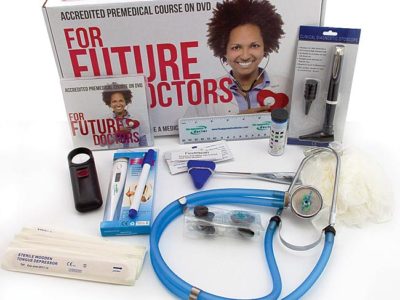
The Apprentice Corporation® has developed an online course for future doctors to assist them towards fulfilling their dreams of becoming great medical professionals. The For Future Doctors Simulation Kit and Foundation Medical Course has helped launch the career of thousands of want-to-be doctors!
The Apprentice Doctor® Phlebotomy Course and Kit is the resource that will teach you How to confidently perform phlebotomy procedures in a couple of hours! If you want to become a great medical professional – why not learn how perform venipuncture procedures now?
I really want to become a Doctor – Is there anything I can do straight away?
Advice to Anesthetists: Lose anything you like – but NEVER-EVER lose your patient’s airway!
Apprentice Doctor Club / Chapter: Module Three: The Airway – it’s all about Oxygen!
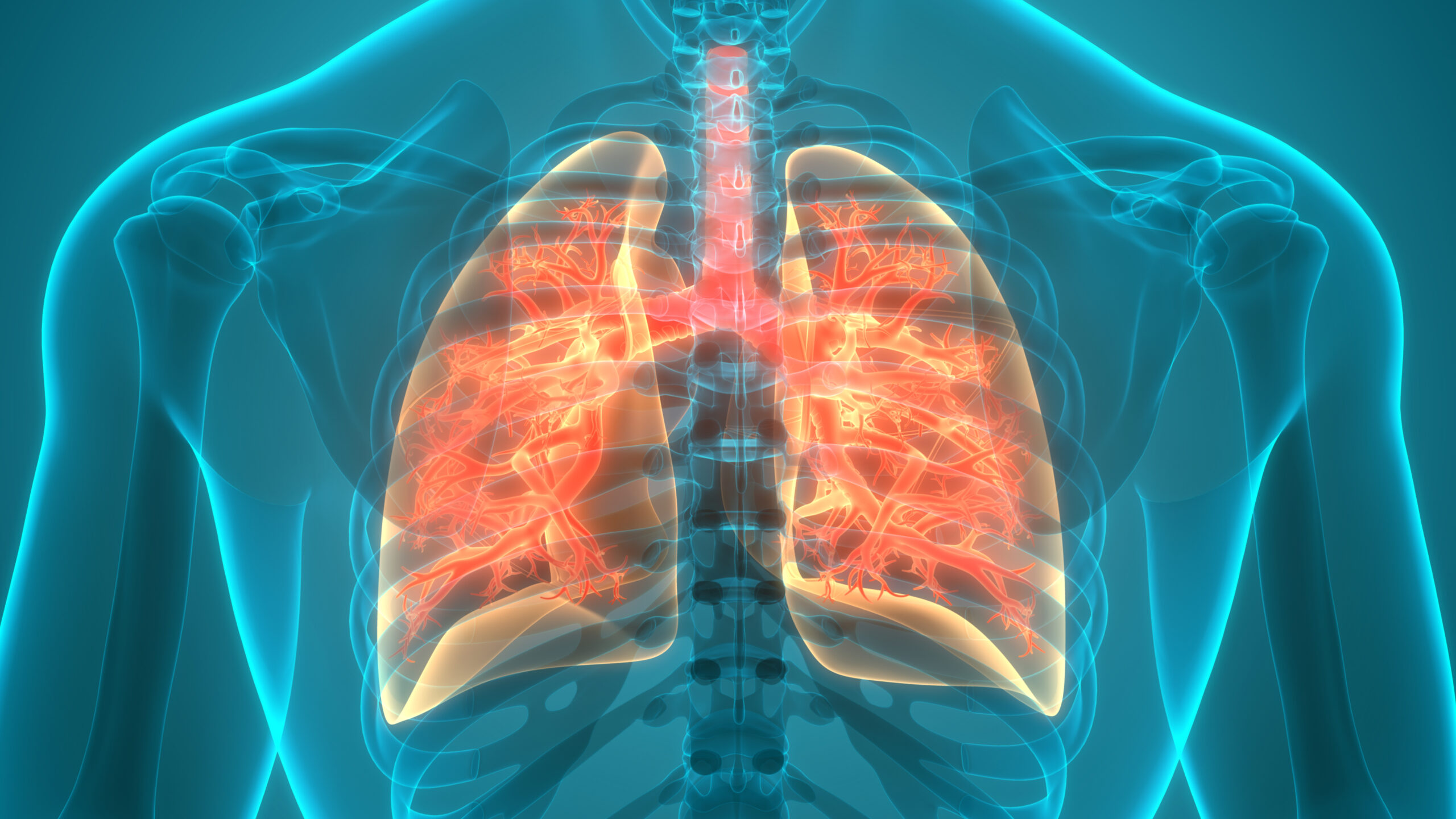
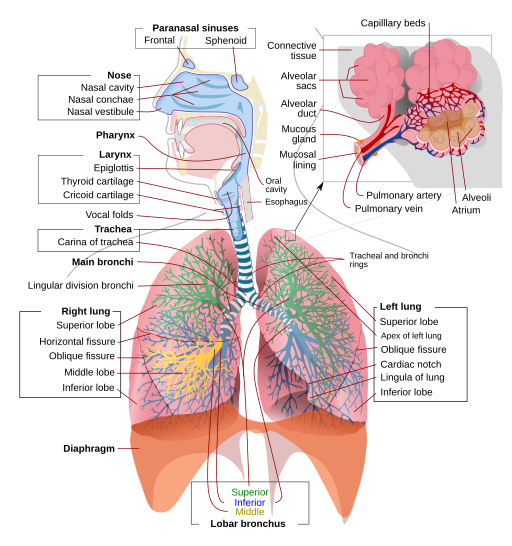
The respiratory system is the bodily system responsible for moving Oxygen from the atmosphere and facilitating the transfer of Oxygen into the bloodstream, as well as moving Carbon Dioxide from the bloodstream into the atmosphere.
This might be a bit simplistically stated – as the respiratory system will serve for carrying other useful gasses like anesthetic gasses from the vaporizer in the anesthetic machine to the bloodstream and it will get rid of any other waste gasses e.g. alcohol.
Alcohol in the blood (following drinking alcohol-containing beverages) will also evaporate from the bloodstream into the alveoli of the lungs – thus one can smell when someone had too much to drink. Traffic officers use breathalyzers to measure the evaporated alcohol from a driver’s lungs thus getting a very accurate estimate of the blood-alcohol level.
Figure 1: Have a look at the different part of the upper and lower respiratory system
(Illustration credit: Wikipedia)
Air takes the following route from the outside environment up to the small air-sacs (alveoli) in the lungs:
Outside atmosphere nasal passages (occasional the oral cavity) the pharynx (throat) the larynx (voice-box) here it will pass the vocal cords trachea (windpipe) bronchi bronchiole alveoli of the lungs bloodstream
Now the throat (pharynx) is an incredible part of the human anatomy. Consider the following:
The pharynx is shared by two systems of the body – the respiratory system and the digestive system. One breathes air and swallows food – and rarely does it happens that food slips into the larynx! This is due to a set of complex reflexes and an intricate valve structure called the epiglottis.
Also consider the unbelievable control it takes by professional singers to control the vocal cords producing the variations of exact frequencies, volume and quality of sound – indeed developing his/her voice into an immensely sophisticated art form!
To complete the fun practical Projects in Module Three, you will need:
Your Apprentice Doctor Kit
Study the Respiratory System on the CD-ROM and then do the following projects:
PROJECT 33: Determine the Respiratory Rate
PROJECT 34: Listen to a person’s Respiratory Sounds
PROJECT 35: Differentiate between various types of Breathing Movements
The cardiovascular and the respiratory systems work intimately together to get Oxygen to each and every cell of the human body. One might say that the respiratory system relies on the cardiovascular system to supply it with a constant flow of blood. Without this constant flow, the respiratory system cannot do its work.
Let’s look a condition called a lung embolus.
But first – let’s get 3 definitions well understood:
Thrombus: A blood clot in a blood vessel or within the heart.
Embolus: Something that travels through the bloodstream, lodges in a blood vessel and blocks it. Examples of emboli are a detached blood clot, a clump of bacteria, and foreign material such as air.
A lung or pulmonary embolus is a blood clot that has been carried through the blood into the pulmonary artery – the main blood vessel from the heart to the lung – or one of its branches, plugging that vessel.
If the Respiratory System intrigues you – you may consider becoming an Anesthetist.
One of the main responsibilities of an anesthetist is to ensure that the patient is receiving enough Oxygen during a general anesthetic – and therefore to always ensure an intact airway (guaranteed path of Oxygen flow to the lungs). One of the key skills in ensuring an intact airway is endotracheal intubation (placing an IT tube down the throat of the patient into the trachea – to administer Oxygen and anesthetic gasses to the patient).
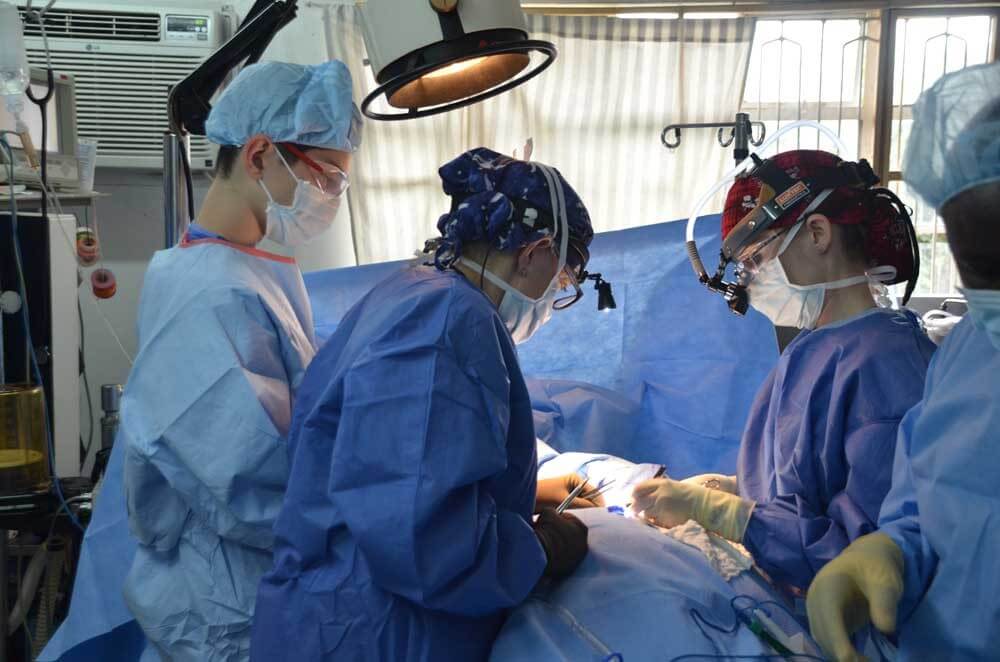
In Module Four – Welcome to the Operating Theater: A Glimpse into Neurosurgery
First, let’s understand the key differences between a neurologist and a neurosurgeon. Though often confused, these specialties have distinct roles and training paths:
A neurosurgeon is a surgeon specializing in brain and spinal cord surgery, with primary surgical training and secondary neurology training.
A neurologist is a physician with medical, non-surgical training in neurology, treating conditions that don’t require surgery.
Key Conditions:
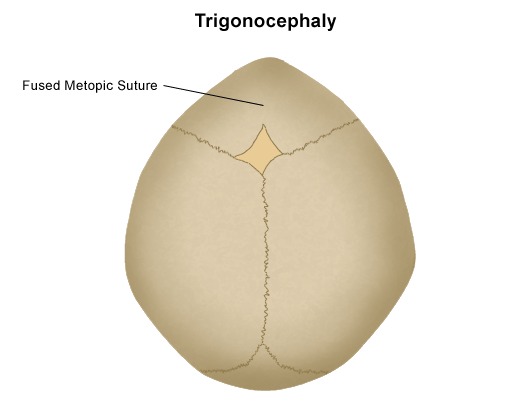
Craniosynostosis occurs when cranial sutures prematurely fuse, affecting skull growth patterns and brain development.
Trigonocephaly, meaning ‘triangular head,’ is a specific type of craniosynostosis where the frontal bone suture fuses early, creating a triangular forehead and restricting development.
Surgical Procedure Steps:
Site preparation and sterile draping
Bi-coronal incision access
Strategic trepanation (drill holes)
Careful dura mater dissection
Craniotome connection of drill holes
Bony segment removal
Reshaping and fixation using modern materials
Stability verification
Surgical closure
Post-operative intensive care
Practical Projects:
Required Apprentice Doctor Kit equipment:
Examination light
Patellar hammer
Mirror
Skin marker pen
Projects:
PROJECT 25: THE PUPIL-LIGHT REFLEX
PROJECT 26: THE FACIAL NERVE
PROJECT 27: SPINAL NERVE REFLEXES
Career Path: Becoming a Neurosurgeon
Educational requirements in the United States:
4 years undergraduate education
4 years medical school
1 year internship
5-7 years neurosurgery residency
Fellowship Specializations:
Pediatric neurosurgery
Trauma/neurocritical care
Stereotactic neurosurgery
Surgical neuro-oncology
Radiosurgery
Neurovascular surgery
Interventional neuroradiology
Peripheral nerve surgery
Spine surgery
Skull base surgery
Neuropathology
Neuro-ophthalmology
Insights from a Recent Neurosurgeon:
Career Path Reality Check
Typical Timeline:
4 years undergraduate (pre-med, MCAT)
4 years medical school (top grades, USMLE, research)
6-7 years neurosurgical residency
1-2 years fellowship (optional)
Key Requirements:
Top 25% of medical school class (preferably top 10%)
Let’s look at some USA death statistics and view it in perspective?
Nearly 3000 people died in the horrific 9-11 attacks. Over a period of 9 years during the war in Iraq, just over 33000 American soldiers died. Every year 50 000 Americans die due to Colorectal cancer!
Colorectal cancer can be prevented by removing precancerous polyps (abnormal growths), which can be present in the colon for as many as 10 years before invasive cancer develops.
When colorectal cancer is found early and treated, the 5-year relative survival rate is 90%. Because screening rates are low, less than 40% of colorectal cancers are found early.
One U.S. clinical trial reported a 33% reduction in colorectal cancer deaths and a 20% reduction in colorectal cancer incidence among people offered an annual fecal occult blood test (FOBT).
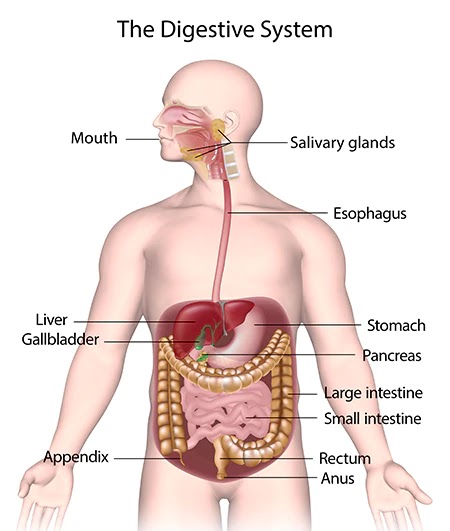
*The digestive system includes the 7.5m long tube that processes food and nutrients as well as the liver, pancreas, gallbladder. These organs break down and absorb the food we eat so that the nutrients can be transported into the bloodstream and delivered to cells throughout the body.
In Module 5, I would like to take you on a trip inside the human body. We will take a tour right inside the colon to examine and inspect the colon for abnormalities.
Definitions and principles to remember:
Colon: The colon, or large intestine, is a long, hollow tube at the end of the digestive tract which is located in the abdomen. It acts as a waste processor, taking digested food in the form of solid waste and pushing it out of the body through the rectum and anus.
Colorectal: Pertaining to both the colon and the rectum
Colorectal Cancer: This type of cancer occurs when abnormal cells grow in the lining of the large intestine (colon) or rectum. Not including skin cancer, colorectal cancer is the third most frequently diagnosed cancer in men and women and the second highest cause of cancer deaths in the U.S. It is highly curable when found early.
Polyp: A polyp is an extra piece of tissue that grows inside your body. Colonic polyps grow in the large intestine, or colon. Most polyps are not dangerous. However, some polyps may turn into cancer or already be cancer. To be safe, doctors remove polyps and test them. Polyps can be removed when a doctor examines the inside of the large intestine during a colonoscopy.
Grading and Staging of Cancer: The stage of a cancer is a measure of how much the cancer has grown and spread. Some cancers are also graded by looking at features of the cancer cells, using a microscope or other tests. The stage and grade of a cancer help to say how advanced it is, and how well it may respond to treatment. The general rule is – the earlier the stage and/or the lower the grade of a cancer, the better the outlook (prognosis).
Club facilitators/leaders – kindly study the information on this website:
Watch the video showing a lecture of how a virtual colonoscopy works:
[Download Link only available to Apprentice Doctor Club Leaders and Facilitators]
With kind permission – Siemens Medical
Practical Applications:
Choose some of the following practical projects to do in the Apprentice Doctor Course:
1. PROJECT 13 SUBDIVISIONS OF THE ABDOMEN
2. PROJECT 38 GASTROINTESTINAL SOUNDS
3. PROJECT 39 EXAMINE THE ABDOMEN
4. PROJECT 44 A: NUTRITIONAL AUDIT
5. PROJECT 44 B: DETERMINE THE BMI
Colon Therapy
There is a belief that the colon is full of accumulated toxins and waste products that needs to be removed by periodic colon cleansing – is it true?
Colon cleansing (also known as colon therapy/colon lavage/colon hydrotherapy/ colonic irrigation) includes a number of alternative medical therapies intended to remove feces (contents of the colon) and “nonspecific toxins” from the colon. Some forms of colon hydrotherapy use tubes to inject water, sometimes mixed with herbs or with other liquids, into the colon via the anus/rectum using special equipment.
There is absolutely no scientific evidence to support the alleged benefits of colon cleansing. The bowel itself is not dirty or toxic and with the exception of drugs, disease or mechanical blockage, cleanses itself naturally without assistance. Colon cleansing may even be dangerous – and can cause infection or damage to the bowel!
Career opportunities
Quite a number of medical professionals are making a living out of treating problems associated with the *digestive system – let’s name a few:
The Dietician – A dietitian is someone who has studied the science of nutrition and applies it to the feeding of individuals and/or groups – in order to improve their health and minimize disease.
The Dentist – and all the modern dental specialties like the orthodontist, the Oral and Maxillofacial Surgeon, the Prosthodontist etc. specializes in diagnosing and treating conditions of the oral cavity, the teeth, jaws and surrounding tissue.
The Otolaryngologist or ENT (Ear Nose and Throat Surgeon), specializes in the throat or pharynx, the larynx (voice box) and of course the nasal passages, the ear and associated organs.
General Surgeons treat a lot of conditions affecting the section of the digestive system between the entrance of the esophagus, the stomach, small and large intestine up to the anus including the accessory digestive glands like the liver and pancreas. Some General Surgeons specialize in conditions affecting the rectum and anus – and they are called proctologists.
The Gastroenterologist: A Gastroenterologist is a physician (internist) who specializes in the digestive system. They assess and treat various problems associated with the gastrointestinal system using a variety of therapies, medication as well as minor surgical interventional procedures.
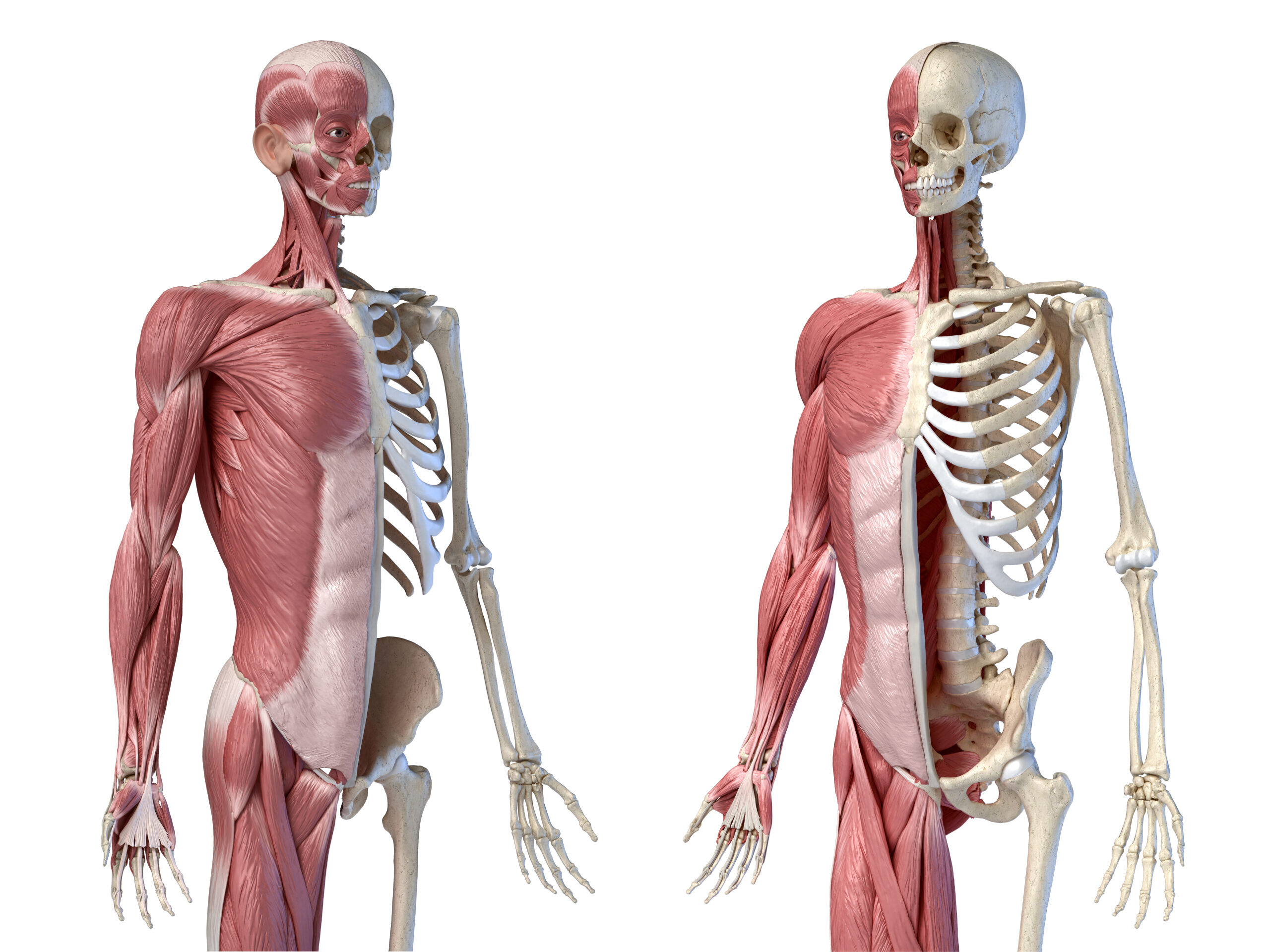
The muscular system and the skeletal system are intimately associated regarding function and purpose -making movement not only possible but making movement of the different parts of the body an intricate culmination of complex science and amazingly beautiful art.
Think about workers using the complex leverage systems of the muscles, bones and joints of the musculoskeletal system to move or carry a heavy object – and think about the amazing levels of artistic perfection that ballet dancers and ice-skaters are able to attain!
The muscular system and the skeletal system are therefore often combined or considered together when studied.
The Muscular System (Interesting facts)
Muscles accounts for about 40% a person’s body weight
Muscles can only pull – they cannot push
The longest muscle has muscle cells that can be over one foot (30 cm) long
The strongest muscles (per weight unit) are the masseters, the chewing muscles on the sides of the lower jaw
There are minute muscles at the roots of hairs and they are responsible for goose bumps!
The Skeletal System (Interesting facts)
The human body has 206 bones
The smallest bones in the body (about the size of rice grains) are in the middle-ear ( the stapes, incus and malleus)
The skeletal system protects the internal organs and fragile body tissue like the eyes, the heart and the spinal cord
Aside from providing structure to the body, bones also contain marrow, which is responsible for producing blood cells
Humans and giraffes have the same number of neck vertebrae -seven in total
Obesity is a problem in especially affluent societies – including the USA. Mark Huffman, an assistant professor of preventive medicine and cardiology at Northwestern University who presented the following figures and projections at the annual scientific meeting of the American Heart Association in November 2011: Right now, 32 percent of men and 34 percent of women are obese. Those numbers are projected to rise to 43 and 42 percent in 2020. Average adult Americans are nearly 25 pounds heavier than they were in 1960, according to a new report from the Centers for Disease Control and Prevention (CDC).
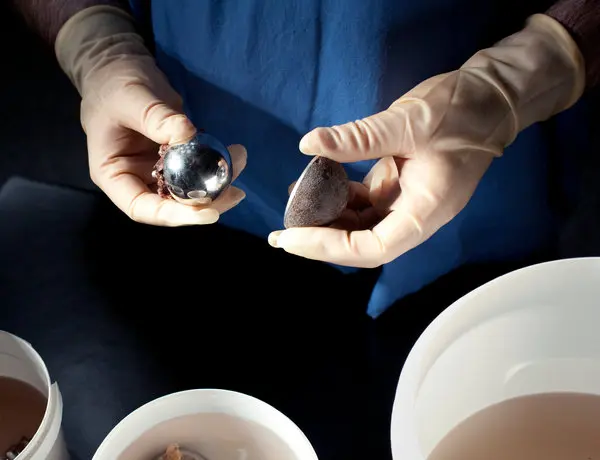
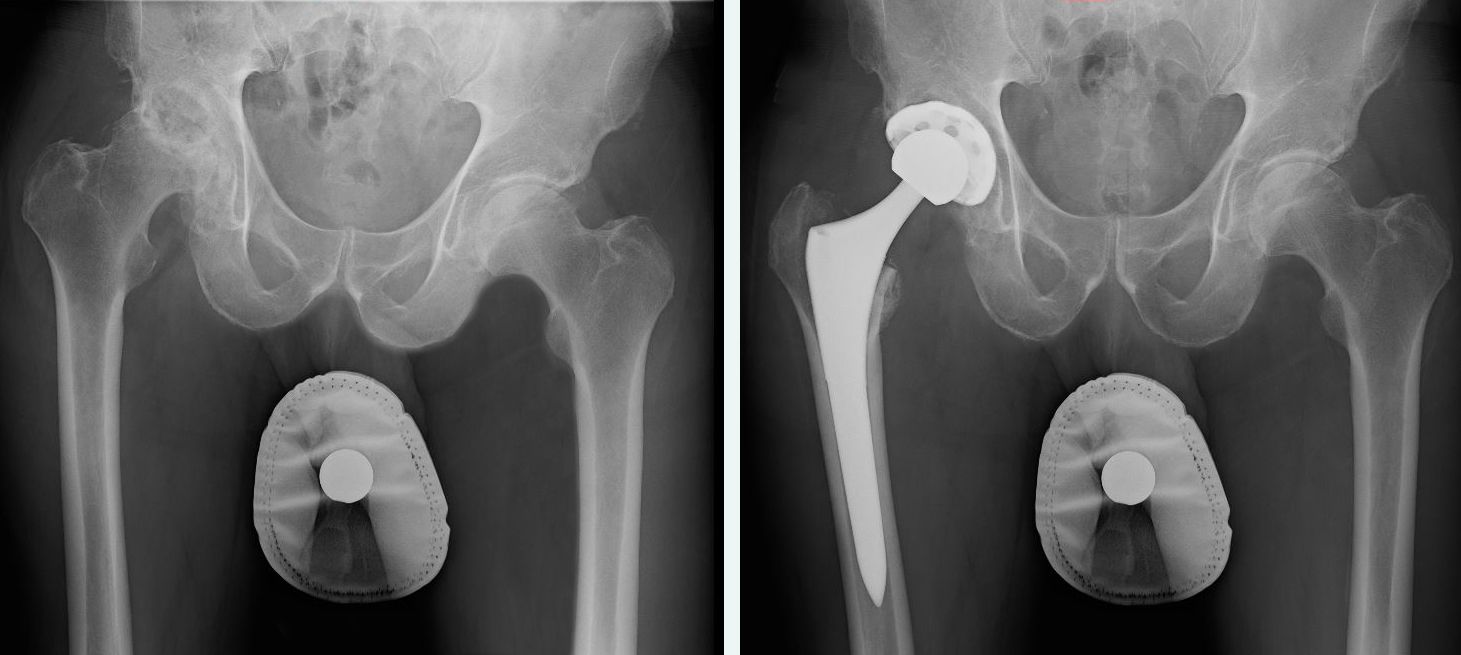
Of course there are a number of different causes for damage to the hip and knee joints – like sport and motor vehicle accident injuries, various forms of arthritis etc. Obesity is a significant cause and thus contributor to the increase of osteo-arthritis (inflammation of a joint) noted over the past couple of decades.
The USA needs more Orthopedic Surgeons to perform the increased demand for hip and knee replacement surgeries. The question is – are we solving the problem of an increased need for total knee and hip replacement surgeries by training more Orthopedic Surgeons to perform these operations?
Definitions to remember:
Hip joint: The hip joint is the joint between the femur (bone in upper leg) and acetabulum (socket-like form) of the pelvic or hip bone – and its primary function is to support the weight of the body in both static (e.g. standing) and dynamic (e.g. walking or running) postures.
Knee joint: The knee joint is where the upper and lower parts of the leg meet. Three bones articulate (slides over each other) in the knee joint: The femur, the tibia and the patella (kneecap). It is the largest joint in the human body and is very complicated. Since in humans the knee supports nearly the whole weight of the body, it is vulnerable to both injury and the development of osteoarthritis.
Laminar flow Theater: Laminar flow ventilation is used in modern orthopedic operating theatres to reduce the number of infective organisms present in the air, which may lead to post-operative infection of the wound. This is of particular significance in joint prosthesis surgery such as knee replacement and hip replacement surgery.
Arthritis: Arthritis is a common form of joint disorder that involves inflammation of one or more joints. The most common form, osteoarthritis (degenerative joint disease), is a result of injury to the joint, infection of the joint, or old age. Another common type of arthritis is rheumatoid arthritis. The main complaint by individuals who have arthritis is joint pain.
Prosthesis: A prosthesis is an artificial device that replaces a missing body part e.g. hip or knee joints. Prostheses (plural) are typically used to replace parts lost by injury, congenital (missing from birth) or disease e.g. arthritis and cancer. Prosthetic heart valves are in common use. Other medical devices and aids that can be considered prosthetics include hearing aids, artificial eyes and dentures (false teeth).
When things go terribly wrong…
In August 2010, DePuy Orthopedics, has announced that it is recalling two types of hip implants because of higher-than-expected early failure rates. These implants received FDA approval in 2005 and entered the market without vigorous clinical trials. Most hip replacements last an average of 20-25 years. Up to 49% of patients who received these DePuy hip implants had to undergo revision surgery within only 6 years!
Always minimize your exposure to medico-legal risks by staying abreast with the latest developments in your field of study. Only use clinically tested implant prostheses with scientifically scrutinized and proven track records.
Career opportunities:
Quite a number of medical professionals are making a living out of treating problems associated with the musculoskeletal system – let’s name a few:
*Doctors of Osteopathic medicine (OD)
The Physical Therapist (Physiotherapist)
Orthopedic Surgeons
Sport Medicine specialists
Rheumatologists
Biokineticist
Podiatry
Biomedical engineer
* A short note on Osteopathic Medicine
Many Doctors of Osteopathic Medicine (OD) specialize in the musculoskeletal system – and uses techniques called osteopathic manipulation to treat their patients’ muscles, bones, joints and nerves.
In Module Seven – The O&G Specialist – you will learn more about:
How the Embryo and Fetus develops in the womb
See how an Obstetrician performs a Caesarian Section Operation
Information on how to become an O&G specialist
Some new front lines of research in the field of human reproduction – and more!
Questions?
Let me know if there are any questions – and I will try my best to answer those within a reasonable period of time – pose questions to your facilitator and he/she will e-mail those questions to me.
I really want to become a Doctor – Is there anything I can do straight away?
Reviewed by Dr Lawrize Stofberg (O&G Specialist, Aberdeen, UK)
Obstetrics and gynecology
Please note: Contains information about human reproduction – quite appropriate for viewers in high school – please ask for parental guidance if unsure!
* * * * * * * * * * Obstetrics and gynecology (common abbreviations: OB/GYN, OBG, O&G or Obs & Gynae) are the two surgico-medical specialties dealing primarily with the female reproductive system.
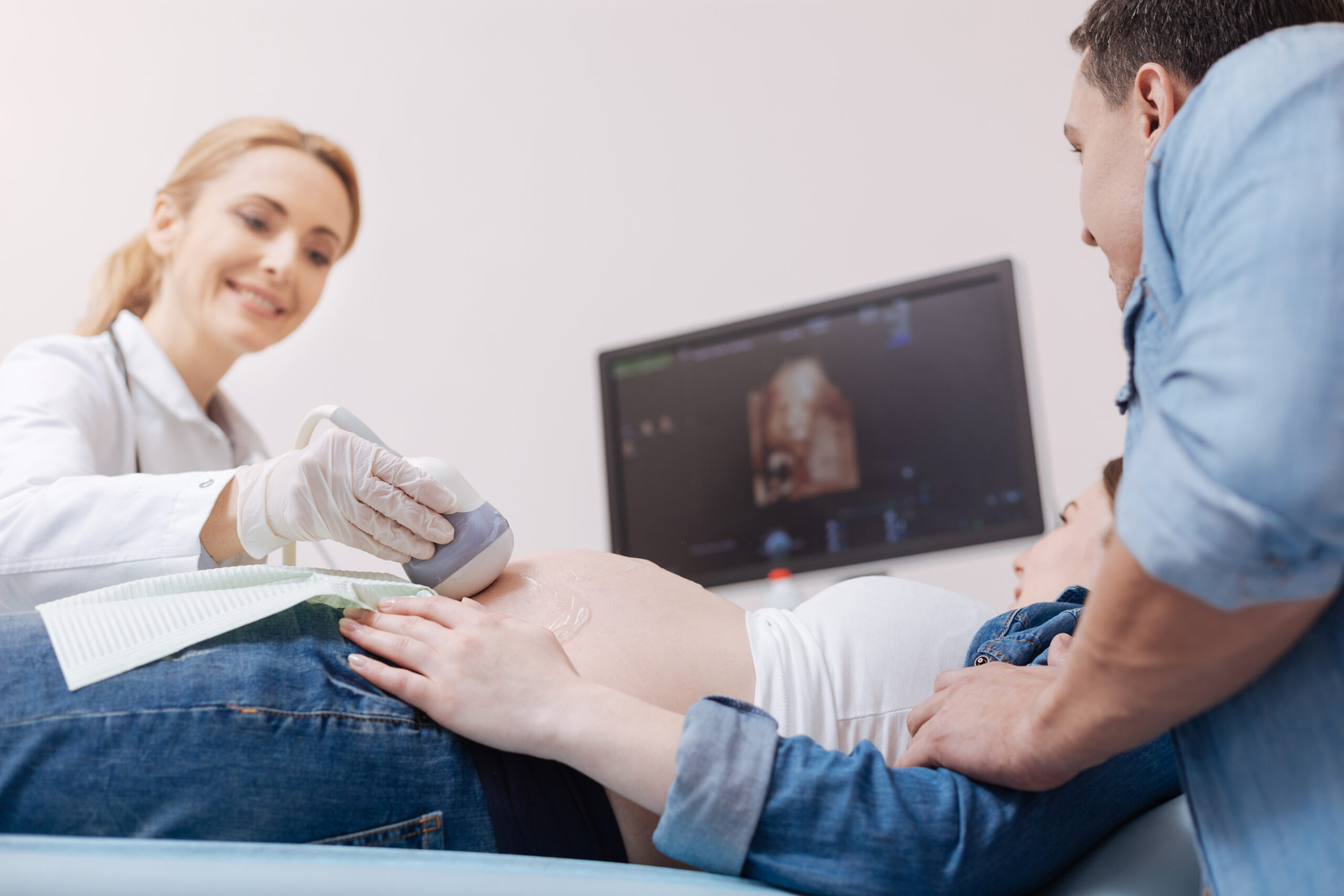
Obstetrics involves the care of the pregnant woman as well as her unborn child and gynecology involves the management of diseases specific to women. Most consultants are generalists but the specialty offers a wide range of sub-specialties, which include materno-fetal medicine, gynecologic oncology, gynecological urology, reproductive endocrinology and community gynecology.
The specialty includes a variety of surgical procedures both in obstetrics and gynecology and often involves the close co-operation with other specialties such as urology (specialist in the urinary system), colorectal surgery (see Module 5) and oncology (cancer specialist). The medical aspects of the specialty involve liaison with e.g. endocrinologists (specialist of the hormonal system), renal (kidney) physicians and cardiologists (heart specialist).
Preparation required:
1. All Club Members should review the Reproductive System on the Apprentice Doctor CD-ROM
2. Let’s learn about infertility- information from the University of Stanford.
Pregnancy has traditionally been staged into three trimesters:
The first trimester is measured from conception to about the 12th week of pregnancy; the second trimester, from about 13 to 27 weeks of pregnancy; and the third trimester, from about 28 weeks of pregnancy until birth.
See what happens with the mother-to-be and the baby during each of these three stages:
[Click Here](slide-show) and[Here] (for amazing real video material of the developing embryo and fetus)
Download this Power Point Presentation showing the unborn baby in the uterus
Prescribing medication during pregnancy
Despite the advances of modern science, the basic process of the development and formation of a baby out of a fertilized egg cell (zygote) is at best poorly understood.
Drugs may affect the unborn baby, the mother or both. In addition to this drugs and medication may affect the pregnancy (e.g. cause a miscarriage or premature delivery).
Basic rules are:
Be especially careful regarding prescribing drugs in the first trimester when the development of basic tissues and organs is taking place
Keep medication to the bare essentials for the specific problem
Use safe medication – e.g. Paracetamol for pain – check safety with a pharmacist, doctor or obstetrician
If possible minimum dosage and short duration
Patients using essential chronic medication for medical conditions may have to change to sometimes “less effective to the mother” but “safer to the baby” alternatives e.g. drugs used to treat epilepsy patients
Don’t become completely anti-medication. Treating an infection with a safe antibiotic may be better than allowing an infection to progress unchecked with all the negative implications of bacterial toxins causing damage to both mother and the embryo/fetus
Supposedly “innocent natural medication” might not be so innocent at all – especially so during pregnancy – check with a doctor!
Definitions to remember:
Cesarean Section (C-Section) is a surgical procedure in which an incision is made through a mother’s abdomen and uterus to deliver one or more babies, or, rarely, to remove a dead fetus.
Dilation (or dilatation) and curettage (D&C) refers to the dilation (widening/opening) of the cervix and surgical removal of part of the lining of the uterus and/or contents of the uterus by scraping and scooping (curettage). It is a gynecological procedure used in obstetrics to remove pregnancy products from the womb for example in certain instances of miscarriages or when some tissue stayed behind in the uterus after the delivery of a baby, as well as a method of first trimester abortion. It is used in gynecology to help diagnose endometrial cancer, to remove certain polyps and very rarely to treat abnormal menstrual bleeding.
Endometrial ablation is a procedure that destroys the endometrium (uterine lining). This procedure is used to treat abnormal uterine bleeding. Endometrial ablation can be done by:
LASER beam
Heat (thermal ablation), using radiofrequency, microwaves, heated saline (thermal balloon ablation), electricity – using a resectoscope or by
Freezing
Hysterectomy is the surgical removal of the uterus. It may be total (removing the body, fundus, and cervix of the uterus) or partial (removal of the uterine body while leaving the cervix intact; also called “supracervical”).
Practical Project:
Students who have a close family member who is pregnant (5-9 months) can perform Project 41: Listen to an unborn baby’s heartbeat (available on the Apprentice Doctor Foundation CD-ROM) – as a home project – and offer feedback on a consecutive Club/Chapter meeting. Keep in mind that the fetus’ heart beats much faster compared to the mother’s heart.
Let’s go to the Operating Room to see a C-Section delivery:
Do you have what it takes to become an O&G Specialist?
Answer the following questions honestly:
Are you prepared for a long study period of many years?
Can you handle highly stressful situations daily? (Your own, your patient’s and her family’s stress.)
Can you make life and death decisions in an instant? (Baby/babies and mother.)
Are you prepared to have irregular working hours? (Often work at night time.)
Do you have very good communication skills?
Do you have the ability of working as a member of a team?
Can you offer sympathy and are you non-judgmental?
Are you fairly dexterous?
Can you face the reality of a high risk medico-legal environment? (Some of your dearest patients may turn against you in an instant due to circumstances beyond your control.)
Comment: There is an acute shortage of Obstetricians in some states in the USA – mainly as a result of exuberantly high malpractice insurance premiums – in some states up to $150 000 per year and more! Many O& G specialists move to less risky states or confine their practices to Gynecology only – or deregister and practice as general doctors. Some even leave the medical field completely!
Midwifery is a health care profession in which providers offer care to childbearing women during pregnancy, labor and birth, and during the postpartum period. They also help care for the newborn and assist the mother with breastfeeding.
GIFT stands for “Gamete Intra-Fallopian Transfer.” Gametes (the female’s eggs and the male’s sperm) are washed and placed via a catheter directly into the woman’s fallopian tubes. This usually involves a minor surgical procedure which allows you to go home the same day with a minor degree of pain that lasts for just a few days. With GIFT, fertilization occurs inside the woman’s body (not outside), and mimics the way a normally fertilized egg would begin its journey to the uterus for implantation.
ZIFT (Zygote Intra-Fallopian Transfer) is a procedure where the zygote is placed into the fallopian tube using laparoscopy.
Have a look at this video-clip of a ZIFT procedure: [Click Here]
(Contains information about humam reproduction – quite appropriate for viewers in high school – please ask for parental guidance if unsure!)
Looking forward to Module 8?
Dentistry is the branch of medicine that is involved in the study, diagnosis, prevention, and treatment of diseases, disorders and conditions of the oral cavity, maxillofacial area and the adjacent and associated structures and their impact on the human body. Dentistry is widely considered necessary for complete overall health.
Cutting edge technology and advances
Learn about the various dental specialty fields
See maxillofacial surgical procedures
Learn about exciting advances in dental implant dentistry and
Lots more!
Download Module 7 in PDF format
Register an Apprentice Doctor Club:
Registration is Free! Register so that the Club Attendees can get their Apprentice Doctor Club Attendance Certificates!
Best wishes for your success!
Your Apprentice Doctor Mentor and Guide
I really want to become a Doctor – Is there anything I can do straight away?
IMPORTANT! A major website update has been made. Any issues, notify us instantly by pressing the "Quick Help" button and leaving a short description of what you experienced.


 What is Pharmacology
 The process of examining a patient:
 A thorough knowledge of pharmacology is essential for successfully practicing medicine and surgery and to offer patients the best treatment outcomes possible. Treating patients is a team effort and the pharmacologist is a central part of this team.
 Arnica is recommended by its proponents as an anti-inflammatory cream or tablet to be used after injury and before and/or after surgery. It’s frequently recommended to be taken orally 3 days before removal of wisdom teeth, apparently to limit swelling and bruising.
 The Effects of Caffeine on the Heart and Central Nervous System
 You will need: