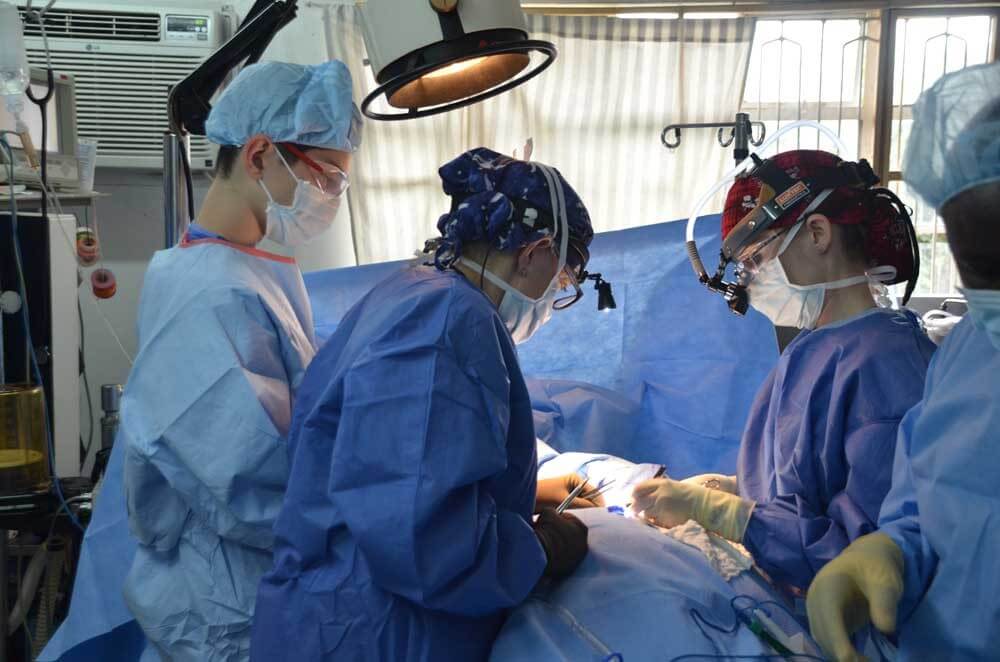
In Module Four – Welcome to the Operating Theater: A Glimpse into Neurosurgery
First, let’s understand the key differences between a neurologist and a neurosurgeon. Though often confused, these specialties have distinct roles and training paths:
- A neurosurgeon is a surgeon specializing in brain and spinal cord surgery, with primary surgical training and secondary neurology training.
- A neurologist is a physician with medical, non-surgical training in neurology, treating conditions that don’t require surgery.
Key Conditions:
Craniosynostosis occurs when cranial sutures prematurely fuse, affecting skull growth patterns and brain development.
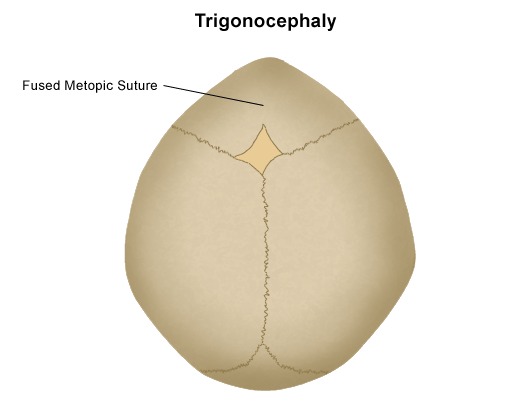
Trigonocephaly, meaning ‘triangular head,’ is a specific type of craniosynostosis where the frontal bone suture fuses early, creating a triangular forehead and restricting development.
Surgical Procedure Steps:
- Site preparation and sterile draping
- Bi-coronal incision access
- Strategic trepanation (drill holes)
- Careful dura mater dissection
- Craniotome connection of drill holes
- Bony segment removal
- Reshaping and fixation using modern materials
- Stability verification
- Surgical closure
- Post-operative intensive care
Practical Projects:
Required Apprentice Doctor Kit equipment:
- Examination light
- Patellar hammer
- Mirror
- Skin marker pen
Projects:
- PROJECT 25: THE PUPIL-LIGHT REFLEX
- PROJECT 26: THE FACIAL NERVE
- PROJECT 27: SPINAL NERVE REFLEXES
Career Path: Becoming a Neurosurgeon
Educational requirements in the United States:
- 4 years undergraduate education
- 4 years medical school
- 1 year internship
- 5-7 years neurosurgery residency
Fellowship Specializations:
- Pediatric neurosurgery
- Trauma/neurocritical care
- Stereotactic neurosurgery
- Surgical neuro-oncology
- Radiosurgery
- Neurovascular surgery
- Interventional neuroradiology
- Peripheral nerve surgery
- Spine surgery
- Skull base surgery
- Neuropathology
- Neuro-ophthalmology
Insights from a Recent Neurosurgeon:
Career Path Reality Check
Typical Timeline:
- 4 years undergraduate (pre-med, MCAT)
- 4 years medical school (top grades, USMLE, research)
- 6-7 years neurosurgical residency
- 1-2 years fellowship (optional)
Key Requirements:
- Top 25% of medical school class (preferably top 10%)
- USMLE score ≥235
- Research publications
- Strong recommendation letters
Residency Experience:
- 80-100 weekly hours
- 20-30 patients daily
- High-stress environment
- Starting salary potential: $600,000+ (academic position)
Looking Forward to Module Five: Gastroenterology
Coming up:
- The Digestive System
- Colorectal Cancer Prevention
- Medical Practical Projects
- Virtual Colonoscopy Demonstrations
- And more!
Essential for aspiring Gastroenterologists and General Surgeons!

Register for Free! Receive official Apprentice Doctor Club Attendance Certificates!
Best wishes for your success!
Your Apprentice Doctor Mentor and Guide
I really want to become a Doctor – Is there anything I can do straight away?
Check out the Foundation Medical Course on Apprentice Doctor Academy.
Your motives are honorable! Best wishes with your studies.
Hello Sir / Madam,
I Ameh Christian wants to be a medical doctor in my future.
i love helping people, and i hate seeing people in a unconscious form.
i want to be a medical doctor to save and to at least help to reduce the percentage of death
Thanks……