The blending of surgery and engineering isn’t unheard of, although rare. But it’s clear that engineers and surgeons are working together to make miraculous progress in the field of medicine. These advances are making surgeries shorter with less risk to patients.
This article gives you a snapshot of a few engineering advances making positive changes in surgical procedures:
If you are interested in becoming a medical engineer, you’ll also find information on that fast-growing career.
Becoming asurgeonand an engineer so that they blend into a single career is an interesting proposition. The advantages seem clear, but the concept isn’t straightforward. Being a surgeon can enhance medical engineering research and surgical advances. The critical thinking and problem solving skills of an engineer are similar to those needed by a surgeon. Although years of education are required to secure both degrees, the knowledge of one can complement the knowledge of the other. I’m aware of one doctor who holds a degree in electrical engineering as well as in otolaryngology, neurological surgery and urologic surgery.
If you have ever considered a dual title such as medical-surgical engineering, you’ll have to know as much about medicine and medical practice as you will about electronics, biomedical technology and chemical engineering.
When surgeons and engineers work cooperatively, yet independently, here is a snapshot of what they’ve been able to accomplish.
Types of Engineering Technology Used in Surgery
Stretchable Electronics
What they are: Although stretchable electronics can be used in a variety of industries, in the medical industry they perform like adhesive bandages. They can bend, stretch and otherwise mold themselves around multiple surfaces. The sensors embedded in them can send data from the human body back to the surgeon or other healthcare professional.
The initial challenge: To develop “stretchy electronics” so a single surgical instrument could be used in open heart surgery instead of three, reducing the risk to the patient. During open-heart surgery, surgeons often have to utilize multiple balloon catheters with different functions. Because they all have to be inserted sequentially, surgeries are long, complicated and sometimes painful. The longer the surgery, the higher the risk to the patient. Currently three different devices have to be used. The first maps the heart’s signals so the problem area can be identified. The second one controls the positions of therapeutic actuators and their contact with the epicardium. The third is used to burn away damaged tissue.
The initial solution: Development of a multifunctional balloon catheter that stretches up to 300%, inflating or deflating as needed in the surgical procedure. It operates reliably without any changes in properties.
Advantages/Applications:
Delivery of high-quality information such as temperature and blood flow to surgeons in real time.
Neuroscience research.
Performs corrections on heart tissue during surgery through the use of radio signals to heat and kill cells.
Physical rehabilitation.
Preemie monitoring.
Provides fast, high-resolution mapping.
Quickly diagnoses and treats the causes of irregular heartbeats.
Spinal surgery.
Sun exposure monitoring
Future Adaptations:
Biodegradable implants to monitor cranial pressure and temperature.
Collection of bodily fluids to monitor electrolytes and glucose levels.
Monitor the risk of asthma attacks in the lungs.
Monitor the stretch and flow of bladder functions.
Real-time mapping of electrical activity in the brain during epileptic seizures.
Electronic Surgical Gloves and Finger Sleeves
Image: John Rogers/University of Illinois
What they are: Similar to stretchable electronics, semiconductors embedded in soft, flexible surgical gloves allow cardiac surgeons to feel everything they do with their fingertips.
The initial challenge: Reduce the size of current technology, which is large and bulky. There was a need for a simple technology that could measure the stress and strains during surgery through the fingertip(s). With electrotactile simulation surgeons could monitor and detect medical information from the skin.
The initial solution: Integration of ultra-thin and stretchable silicon-based electronics and sensors with artificial skin that can be slipped on hands or fingertips.
Advantages/Applications:
Performs ultrasound imaging of tissue upon touch.
Performs surgery by heat-induced local ablation.
Precisely removes tissue using local ablation.
Relays information such as temperature, conductivity, etc. to the skin.
Senses the electrical properties of tissue.
Future Adaptations:
Application of sensors to flexible surfaces to provide a sense of touch to prosthetic limbs.
Measuring motion and temperature.
Softer robotic interactions with surroundings.
Wrapping the surface of the heart with sensors to diagnose and treat cardiac arrhythmia.
Needlescopic Surgery
What it is: Minimally invasive, needlescopic surgery uses instruments with a diameter 10,000 times thinner than a strand of hair. The incisions can be sealed with surgical tape. Scars are small if they exist at all.
The initial challenge: Reduce the invasiveness of surgeries through the use ofneedle-sized instrumentsthat current robotic technologies can’t accomplish.
The initial solution: Provide needlescopic surgical instruments that possess more dexterity, thereby broadening potential applications.
Advantages/Applications:
Laparoscopic surgery.
Less postoperative pain.
Minimally invasive surgeries in small areas such as the ears, nose and throat.
Shorter hospital stays.
Transnasal brain surgery.
Future adaptations:
Currently very few surgeons in the world use needlescopic surgery. As more surgeons incorporate it into their practices, future adaptations can be better identified.
Robotic Surgery
What it is: Robotic surgery is another type of minimally invasive surgery. Through the use of miniaturized surgical instruments mounted on one of four robotic arms, it allows surgeons a maximum range of motion and precision.
The initial challenge: Provide surgeons a way to perform complex procedures with more precision, flexibility and control than is possible with conventional techniques.
The initial solution: The creation of a robotic surgical system controlled bysurgeonsat a computer console near the operating table. The two most well-known systems are the da Vinci and Zeus.
Advantages/Applications:
Robotic surgical system on a test medical stand
Clearer visual field.
Fewer complications, such as surgical site infection.
Greater flexibility and precision during surgery.
Increased mobility without tremors.
Less pain and blood loss.
Perform surgeries previously too high risk with current techniques.
Quicker recovery.
Smaller incisions and scarring.
Future Adaptations:
Expanded opportunities for teaching and assessment of new surgeons.
Integration of new and current technologies used in surgical procedures.
Long-distance intraoperative consultation or guidance.
Preoperative and intraoperative video image fusion to better guide surgeons in dissection and identifying pathology.
Rehearsal of complex procedures before performing them on patients.
Medical Engineers
Blending engineering and surgery into one role is possible, but takes many, many years of schooling. As an alternative, if you want to work in medicine with an engineering degree, you may be interested in becoming a Medical Engineer.
Medical engineers apply engineering principles from technical sources to solve clinical problems. As you have read in this article, they have created medical products that combine anatomy and physiology with technology. The result is higher quality healthcare for surgical patients. Future research shows similar advances in all areas of medicine.
As a medical engineer, you can go in any number of directions. Research, development and quality assurance represent only three areas. The development and evaluation of medical devices is another. You can help hospitals and medical clinics with the latest purchases in biomedical technology by evaluating their needs against what’s available. You can also specialize in nanotechnology, stem cell research, or other areas of cutting-edge medicine. The avenues that combine healthcare with electronics are expanding all the time.
To be successful in the field of medical engineering, you must be able to give attention to detail, creatively solve problems, and apply analytical thinking. Because you’ll be working with others, you must be able to easily integrate yourself into a team by expressing ideas and listening to others. More often than not you will have to be a leader.
To enter this field you must obtain a bachelor’s degree in engineering, physics or related program. You will need to go on to graduate with a master’s or Ph.D. in medical engineering.
Would you like to start learning surgical skills today? You can!
Would you like to develop the skills used by a surgeon or medical engineer? There’s no need to wait until you get into a post-secondary or graduate program. You can begin right now.
The Apprentice Doctor® Academy has developed and perfected an Online Course for Future Doctors to assist them towards fulfilling their dreams of becoming great medical professionals. TheFor Future Doctors Foundation Medical Online Course with accompanying Medical Kithas helped launch the career of thousands of want-to-be doctors!
The Apprentice Doctor® Phlebotomy Course and Kitis a resource that will teach you how to confidently perform phlebotomy procedures in a couple of hours! If you want to perfect that skill, why not learn how to perform venipuncture procedures now?
The Apprentice Doctor® Suturing Course and Kitis a resource that will teach you how to suture wounds in a couple of hours! If you think may be drawn to direct-patient care, why not perfect suturing techniques now?
If you’d like information about becoming a surgeon, you may be interested in the following articles:
In our nursing articles you have read about post-secondary degrees in nursing. You have even learned how to improve your application for getting into nursing school. In today’s article you’ll read about 8 surgical specialties you can pursue once you are a licensed registered nurse. For each one you’ll see:
A brief description of the career.
A list of typical duties.
The educational path to follow.
The type of experience to obtain.
Certification and re-certification requirements.
Snapshot of 8 surgical nursing specialties
Below is a chart that lists the eight surgical nursing specialties this article covers. The table provides the name of the position and the type of nursing environment to expect. All of the roles require you to be a licensed, registered nurse.
As you read details about the positions, you’ll learn the general duties performed, the educational path to follow, and information on the certification process.
To become a type of surgical nurse requires dedication and significant training. However, if you pursue any of these roles, you will find yourself with a gratifying career.
1. Cardiac Cath Lab Nurse – RN-BC
Another name for a cardiac cath lab nurse is a cardiac-vascular nurse. This type of surgical nurse assists surgeons with the insertion of a catheter into a chamber or vessel of the heart. This procedure is used to diagnose or treat heart conditions. It’s possible you’ll also assist with coronary catheterization. These procedures are performed in highly specialized labs using advanced technologies in cardiac care.
Typically a cardiac cath lab nurse will assist in some, if not all of the following types of procedures:
Angioplasties.
Pacemakers and cardioverter-defibrillators (ICDs) implants.
Stent placements.
Valvuloplasties.
To become a certified cardiac cath lab nurse, you’ll take the following steps:
Obtain an associate or bachelor degree in registered nursing.
Pass the NCLEX-RN.
Obtain a Cardiac Vascular Nursing Certification (RN-BC) from the American Nurses Credentialing Center(ANCC). As stated on their site, eligibility for this certification is extensive and requires the following:
Hold a current, active, unencumbered RN license.
Participate in a six-month cardiac cath lab training program run by a hospital.
Work two years in an ER, ICU or coronary care unit.
Have practiced the equivalent of 2 years full-time as a registered nurse.
Have a minimum of 2,000 hours of clinical practice in cardiac-vascular nursing within the last 3 years.
Have completed 30 hours of continuing education in cardiac-vascular nursing within the last 3 years.
Once you receive the RN-BC credential, it will have to be renewed every five years.
Because eligibility requirements, fees and continuing education information changes as the industry does, check the ANCC website for details when you’re ready to begin the education process.
You may be interested in watching this video about the cardiac nursing specialty.
2. Nurse Anesthetist – CRNA
As the name implies, a nurse anesthetist gives anesthesia and anesthesia-related care to patients before, during, and after surgery. A CRNA faces a variety of situations and unexpected events during operations. That’s why the path into this field is so intensive. Nurse anesthetists are among the most in-demand, and highest-paid, of all nursing professions.
Some of the responsibilities of a nurse anesthetist include:
Assisting with outpatient procedures.
Helping patients with pain management.
Performing epidurals.
Providing operating and emergency room care.
The steps to becoming a nurse anesthetist are:
Obtain a bachelor’s degree in nursing.
Pass the NCLEX-RN.
Earn a master’s degree in nursing.
Work a minimum of twelve months in acute care (either in an ICU or ER).
The Continued Professional Certification (CPC) is their recertification program. It consists of two four-year cycles. The CPC is a relatively new program, so it is always best to check the NBCRNA website for current details. They provide detailed manuals and samples of test questions.
3. Ophthalmic Nurse – CRNO
As you may know, the field of ophthalmology involves eyecare beyond optometry. An ophthalmic nurse cares for individuals faced with severe eye disorders and serves as a vital member of surgical teams.
Some duties of an ophthalmic nurse include:
Conducting pre-operative assessments.
Helping patients with glaucoma, cataracts and other eye trauma.
Positioning patients and verifying surgical sites.
Serving as a circulating or scrub nurse during eye surgeries.
To become an ophthalmic nurse, the steps you follow are:
Obtain your nursing diploma, associate or bachelor degree in registered nursing.
Pass the NCLEX-RN.
Work a minimum of two years as a registered nurse in ophthalmic nursing.
Have two years of full-time or the equivalent (4,000 hours) experience in ophthalmic registered nursing practice.
Continuing education and recertification is required for a Certified Registered Nurse in Ophthalmology (CRNO) every five years. The certification exam itself is only given twice a year. It is always advisable to check the NCBORN website for current details. You can also download manuals and outlines about requirements and the test itself.
4. Otorhinolaryngology Nurse – CORLN
Otorhinolaryngology nurses provide care for patients facing illnesses, diseases, or disorders related to the head. Areas include the skin, neck, ears, nose, oral cavities, and cranial nerves.
Some responsibilities of an otorhinolaryngology nurse are:
Assisting with radiation treatments.
Diagnosing patients.
Providing support for patients undergoing medical and surgical procedures.
The steps to becoming an otorhinolaryngology nurse are:
Obtain your nursing diploma, associate or bachelor degree in registered nursing.
Pass the NCLEX-RN.
Work a minimum of three years as a registered nurse.
Have at least three years of experience in otorhinolaryngology and head-neck nursing practice.
Upon passing, you will become a Certified Otorhinolaryngology Nurse (CORLN). The test is only offered twice a year, so checking the SOHN website for updated information is always the best practice. Currently, CORLN recertification is required every five years.
5. Perianesthesia Nurse – CPAN and/or CAPA
Perianesthesia nurses, or recovery room nurses, carefully monitor patients as they recover from the effects of anesthesia after surgery. Perianesthesia nurses are well trained on how to handle patients with unexpected reactions upon awakening such as confusion or pain. They often consult with patients before and after surgery, and provide information about ongoing care at home once the patient is discharged.
Typical duties of a perianesthesia nurse include:
Caring for patients in recovery.
Giving patients recovery tips for home.
Prepping patients for surgery.
There are two certifications for a perianesthesia nurse. Each covers a specific phase of anesthesia. The first, the CPAN, certifies a nurse to care for patients in the post-anesthesia phase. The second, CAPA, is more extensive. It certifies a nurse to care for patients in preanesthesia, the day of the surgery, and post-anesthesia and extended care. You can be certified in one or the other, or opt for dual certification.
The educational flow to become a perianesthesia nurse is:
Obtain an associate or bachelor degree in registered nursing.
Pass the NCLEX-RN.
Apply to take your certification through theAmerican Board of Perianesthesia Nursing(ABPANC).
Per the ABPANC site, eligibility requirements for a Certified Post Anesthesia Nurse (CPAN) are:
Hold a current, active, unencumbered RN license.
Have 1,800 hours of direct clinical experience caring for patients in post-anesthesia Phase I obtained within the two years prior to applying for initial certification.
Per the ABPANC site, eligibility requirements for the Certified Ambulatory Perianesthesia Nurse (CAPA) are:
Hold a current, active, unencumbered RN license.
Have 1,800 hours of direct clinical experience caring for patients in preanesthesia phase, day of surgery/procedure, post-anesthesia Phase II and/or extended care obtained within the two years prior to applying for initial certification.
Per the ABPANC site, eligibility requirements for dual certification:
Hold a current, active, unencumbered RN license.
Direct clinical experience hours required for both CPAN and CAPA (1,800 hours each).
Because of the complexity of two potential exams and dual certification, and specific testing dates, it is recommended you visit the ABPANC for details and updates to their handbook.
This two-minute video entitled We are Perianesthesia Nurses may be of interest to you.
https://youtu.be/deIfDhWrPCA
6. Perioperative (Surgical) Nurse – CNS-CP
Perioperative nurses care for patients during the entire course of their surgical experience. They monitor patients to ensure they are receiving the best quality of care during surgery. They also serve as intermediaries between the surgical team and the patients’ families. They can be seen assisting in the recovery room, and sharing post-operative tips patients should follow when they return home.
Typical duties of perioperative nurses include:
Giving patients recovery tips for home.
Interviewing and assessing patients for surgery.
Maintaining a sterile operating room throughout surgery.
Monitoring patients and coordinating care during surgery.
The educational path to becoming a perioperative nurse is:
Obtain a bachelor degree in registered nursing.
Pass the NCLEX-RN.
Gain experience working in critical care and in the ER.
Pass the Certified Nurse Operating Room exam (CNOR) through theCompetency and Credentialing Institute(CCI). As their site indicates, eligibility requirements are:
Hold a current, active, unencumbered RN license.
Be currently working full-time or part-time in perioperative nursing an area of nursing education, administration, research or clinical practice.
Complete a minimum of 2 years and 2,400 hours of experience in perioperative nursing, with a minimum of 50% (1,200 hours) in an intraoperative setting.
Recertification for a Clinical Nurse Specialist-Certified Perioperative is required every five years. The CCI site contains updated information on initial certification and renewal.
A Day in the Life of a Perioperative Nurse may give you additional insight about this career.
7. Plastic Surgery Nurse – CPSN or CANS
Plastic surgery nurses help patients facing or recovering from plastic surgery procedures. They with procedures that range from small and elective, to more complicated operations like facial reconstruction.
Typical duties of a plastic surgery nurse include:
Explaining procedures to patients.
Prepping the surgery room.
Working with surgeons and other members of a surgical team.
The educational flow for a plastic surgery nurse is:
Diploma, associate or bachelor degree in registered nursing.
Pass the NCLEX-RN.
Work for two years as a registered nurse in surgical nursing with half the hours being in plastic surgery.
Pass the Certified Plastic Surgical Nurse (CPSN) exam facilitated by the Plastic Surgical Nursing Certification Board (PSNCB) exam. Their site provides details on the following eligibility requirements:
Hold a current, active, unencumbered RN license.
Have a minimum of two 2 years of plastic surgery nursing experience as a registered nurse in a general staff, administrative, teaching, or research capacity within 3 years prior to application.
Have a minimum of 1,000 practice hours in plastic surgery nursing during 2 of the preceding three 3 years before making application.
There is also a Certified Aesthetic Nurse Specialist (CANS) certification exam, also facilitated by the PSNCB. Details on the following eligibility requirements can be located on their site:
Hold a current, active, unencumbered RN license.
Work in collaboration or in a practice with a physician that is Board Certified within one of the following core specialties: Plastic/Aesthetic Surgery, Ophthalmology, Dermatology, or Facial Plastic Surgery (ENT).
Have a minimum of 2 years of nursing experience as a registered nurse within one of the listed core specialties above in a general staff, administrative, teaching, or research capacity within 3 years prior to application.
Have spent at least 1,000 practice hours within the core specialties during the preceding 2 years before making application.
Recertification for either credential is every three years. Because there are two exams with different eligibility requirements, and the tests are given only during certain times of the year, it’s best to check the PSNCB website.
You may want to view this short video on What is a Plastic Surgery Nurse?
https://youtu.be/ObXpSdzBdaU
8. Transplant Nurse – CCTN
Transplant nurses work with patients who donate and receive organs. These nurses are highly skilled at preparing living donors for transplant operations, including any risks involved in the donation. They perform similar services for patients receiving transplant organs from deceased individuals. Transplant nurses assist medical teams during surgery and work in post-operative care. They carefully monitor patients for post-transplant complications like organ rejection.
Typical duties of a transplant nurse include:
Clearing patients and donors for surgery.
Monitoring patients’ vital signs after surgery.
Ordering lab tests to confirm an organ match.
Taking medical histories.
The path to becoming a transplant nurse is:
Get diploma, associate or bachelor degree in registered nursing.
Pass the NCLEX-RN.
Get a few years experience in critical care, intensive care or medical-surgical nursing.
24 months general experience as a registered nurse.
12 months experience while working as a transplant nurse, which can occur concurrently with RN experience.
Recertification for a Certified Clinical Transplant Nurse (CCTN) is every five years. Check the ABTC website for updated information when you are prepared to embark on this career path.
Exam Preparation
As you have read, all of these specialties require experience in the field before you are eligible to take the exam. It is essential to understand that practical field experiences do not adequately prepare you to pass any of the certification tests.
You have invested substantial time and financial resources for your education, so it is recommended that you take a preparatory course for your selected exam. You should also use the review materials and practice tests provided to you on each site. Most successful candidates spend two to three months consistently studying before attempting their exam. Since there are fees involved, you want to pass your exam the first time. So, create a study routine and follow it faithfully.
It can also be helpful for you to join a professional organization associated with the surgical specialty that most interests you. In some cases, the organization can offer you reduced exam fees and special training materials.
No matter what surgical specialty you prefer, you will have to obtain a degree in registered nursing and gain practical experience in the field. If you dedicate yourself to becoming a surgical nurse, you will find more career opportunities open to you.
Still interested?
If any of these nursing specialties has sparked an interest in a nursing career, you can get started today with one of two kits from The Apprentice Doctor. There’s no need to wait until you are in an official nursing program, or even in college. Either kit enables you to practice skills you’ll need in any nursing career.
The Apprentice Doctor® Suturing Course and Kitis a resource that teaches you how to suture wounds in a short period of time. As a nurse, you’ll use this skill almost daily. The kit contains everything you need to get started. Take a look at the following video for a closer view of the contents of the kit.
The Apprentice Doctor® Phlebotomy Course and Kitis another handy resource at your fingertips. This program teaches you how to confidently perform phlebotomy procedures. Drawing blood is a skill nurses perform frequently – and they have to be very good at it to minimize any discomfort for the patient. If you want to start your education being a great nurse, why not begin phlebotomy training right away? Take a quick look at the following video for an introduction to the kit.
If you are interested in the education you need to get started in registered nursing, the following articles will be of interest to you:
Do you want to become a nurse, but can’t get into a program? There are 5 probable reasons your application gets rejected by nursing schools.
Do your nursing school applications contain any of the following weaknesses?
You haven’t completed the pre-requisites (or you may not know what they are).
Your grade point average is too low.
Your test scores don’t meet the minimum admissions criteria.
Your preferred school won’t accept you (but perhaps another one does).
The lack of acceptance has made you frustrated and discouraged.
If even one reason is true for you, read on. If you’re serious about becoming a nurse, learn the ways to overcome these difficulties.
5 Reasons Your Application Gets Rejected by Nursing Schools; and how you can overcome them.
We read a lot about why students stay in nursing school and the reasons they drop out. Lots of articles and FAQ sheets tell you what to expect in nursing school. They also go over the licensing exam and details about the career. But few review the reasons an application gets rejected by nursing schools or what to do about it.
If your dream is to become a nurse, but you can’t get accepted, read on. Listed below are the top 5 reasons this may be the case and what you can do to overcome each one.
1 – You haven’t completed the prerequisites
Nursing schools prefer their students to have some foundational knowledge when they begin training. They don’t expect you to know about nursing. But they do want you to have completed courses in the sciences. They scan your transcript for curriculum like anatomy and physiology, chemistry, nutrition, and microbiology. They also expect to see general education courses such as English, sociology, and psychology. Without them, your application is probably rejected by nursing schools.
If you are serious about entering a nurse training program, talk with an admissions representative about prerequisites. Once you have a list, review the courses you have and then make a dedicated effort to complete the rest.You can pick up most, if not all the necessary classes at a community college or online. But before taking this step, talk to your intended nursing school to make sure the credits will transfer into their program. Always keep in mind that transfer of credit, also known as TOC, is still at the discretion of the receiving institution.
2 – Your grade point average is too low
Like medical school, nursing school is very competitive. If your grade point average in high school, or college, was lower than a 3.0, admissions committees will probably pass over your application. Sometimes they will consider you if you demonstrate an improved grade trend. But there are enough applicants with consistently high grades that they don’t have to. So don’t count on that.
If you haven’t taken any pre-requisites, you can probably overcome a low grade point average. As you complete the necessary courses and do well, your grade point average will rise. If you already have the pre-requisites, don’t give up. Bolster your application with letters of recommendations, a snappy admissions essay or even community work in a hospital or clinic. Reference those right away in your cover letter and make sure you include them in your application package.
3 – Your test scores don’t meet the minimum admissions criteria
As you investigate nursing schools, you’ll discover they want you to pass theTest of Essential Academic Skills(TEAS), which assesses your skills in reading, math, science, English and language use. The scores predict your chances of doing well in nursing school. Or they may require the Health Education Systems, Inc.(HESI) A2 exam. Your score on this exam assesses the likelihood of your passing theNational Council Licensure Examination(NCLEX). A license is essential because without it, you can’t practice in the field. No school wants you expending your time and financial resources if you’re not going to be successful. Plus, you don’t want to take on debt and have nothing to show for it at the end of the line. It’s a protective type of step. Want to crush the NCLEX exam? Take a look at these study tips and resources for nursing students.
Both the HESI and the TEAS are standardized tests scored by independent third parties, so the accuracy of their predictive ability is very high. If you’ve taken one of these tests and not reached a school’s minimum threshold score, you need to study more.
You can’t avoid facing one of the two tests. Without a high score, an application gets rejected by nursing schools. So prepare yourself to do well. There are many live review courses for these exams as well as study materials and practice tests. A small investment in your future now may earn you big rewards with a satisfying, rewarding career later.
4 – Your preferred school won’t accept you
As you’ve gathered by now, nursing schools are very selective. You might have a school preference, but don’t limit yourself to only one. That specific school may not see you as a good match for their training program. If that happens and you don’t have a pool of other schools to choose from, where does that leave you?
Ask yourself what’s more important to you – going to your dream school or becoming a nurse? If you complete a nurse training program and pass your licensing exam, you are a nurse no matter what school you attended. So keep your options open.
5 – The lack of acceptance has left you frustrated and discouraged
No matter what anyone says, if a nursing school declines your application, your feelings will be hurt. If you have everything you need and are still not accepted, remember that it probably isn’t personal.The need for nurses is high. But the number of nursing schools and qualified instructors can’t meet the demand. So schools can only accept so many students. Sometimes it’s a numbers game. That works in your favor. If you apply enough times and to enough schools, your chances of being accepted improve. So even if you feel discouraged and want to give up, submit applications anyway. One day you may be pleasantly surprised.
Your next steps
Overcoming some of these obstacles requires perseverance, time and planning. To achieve your dream, establish SMART goals. Doing so keeps things manageable for you and will help you reach your dream. They also allow you to weave your objective naturally into the busy life you have. But what are SMART goals?
SMART is an acronym for the following:
Specific or Simple – Your overall goal of “getting into nursing school,” is too general and too big. Keep your steps to tiny specifics, like making one phone to one nurse to interview her about school. When you keep things simple, you won’t get overwhelmed.
Measurable – Measurable refers to numbers, or quantities such as one phone call, two classes, three applications. When you hit the number, you know you’ve accomplished the step.
Achievable – This is related to simple and specific. In other words, only do what you can do. Try not to take on everything at once. If your test scores are too low, don’t make your first goal passing the test. That may not be achievable. Plus, it’s too general of a target. What you can do is find a practice test. Or sign up for a review course. Each one of those tasks is achievable. When you have a series of achievable steps, you will feel successful all the time. That has the added benefit of reducing your frustration.
Realistic – If you need five pre-requisite courses, it might not be practical to take all five at once. It’s better to take more time by completing one class at a time than it is to do all five and possibly fail, or drop out.
Timely, or Time Limited – You may have heard the cliche that goals are dreams with deadlines. Without a firm deadline for each task, it probably won’t get done because other elements of life will overtake you. When they do, you’ll be tempted to push your deadline farther down the road. So set timeframes for each task, and hold yourself to them.
Establishing your SMART goals is simpler than you think. Here are a few examples:
Call one nursing school admissions office and make an appointment – By May 2.
Make a list of questions for the admissions appointment – By May 4.
Attend my appointment – May 10.
Imagine you discovered you need four pre-requisite courses. The next set of SMART goals would look something like this:
Investigate online schools or community colleges – By May 15.
Sign up for at least one course – By May 29.
Take the course – a start date and end date for classes are built in for you by the college. You can then create the rest of these goals based on the school’s calendar.
You can continue your list from here putting in the tasks that you need to submit a competitive application. The critical factor is staying on track. Time slips away faster than you realize. More than any other reason contained in this article, failing to take the steps you need to get into school may be the top reason you don’t get into a program. But since you have total control over your activities, it’s a straightforward challenge to master. If necessary, ask friend or family member to keep you on task.
If you need a little more motivation, find some pictures of nurses. Hang one on your computer, in your car, or even on your refrigerator. Every time you glance at one, say, “That’s going to be me.” It may sound a little silly, but over time, it improves your perspective and keeps you going.
If you can stick with your plan and draw upon the courage and dedication it takes to be accepted into nursing school; then you can be confident you have the characteristics you need to become a licensed registered nurse.
Want to beef up your nursing school application? Why not take a suturing or phlebotomy course from The Apprentice Doctor! It’s a fun and inexpensive way to demonstrate you have some of the practical skills used by nurses every day.
The Apprentice Doctor® Suturing Course and Kit is a resource that teaches you how to suture wounds. As a nurse, you’ll use this skill, so why not get started now? The kit contains everything you need to get started. Take a look at thevideofor a closer view of kit items.
The Apprentice Doctor® Phlebotomy Course and Kitis another handy resource at your fingertips. This kit teaches you how to confidently perform phlebotomy procedures. Drawing blood is another skill nurses use – and they have to be very good at it if they are to minimize discomfort to the patient. If you want to start your education in nursing, why not begin phlebotomy training right away? Take a quick look at thevideoto see all the items contained in the kit.
I really want to become a Doctor – Is there anything I can do straight away?
Does technology put your health at risk? There are seven ways it could be.
Light from your devices could impact your sleep and make you more hungry when you normally wouldn’t be.
Eye strain, neck, and shoulder pain are common complaints of people who use computers for long hours.
Use of social media and spending time surfing the net can create depression and anxiety in some people.
Headsets, as great as they are, can contribute to hearing loss.
The good news is that there are simple, inexpensive hacks to combat each of these problems so you can continue to use and benefit from all your technology.
Can technology really put your health at risk?
In the early 60s, The Jetsons, a space-aged cartoon pulled kids to television sets on Saturday mornings. The futurist gadgets the family used inspired wonder and possibilities. Today many technologies shown in the animation exist. Most of us own them and use them. They are a natural part of our lives. But does technology put your health at risk? Research seems to indicate it does.
Listed are 7 ways digital technology may destroy your health. All 7 lead to rising costs of healthcare. But we’re giving you 7 easy prevention hacks, too. Implementing all of them can safeguard your physical well-being.
1. Sleep Deprivation
Being fully present during your waking hours means nabbing at least eight hours of sleep. However, many of us only grab six hours or less. The presence of digital technology in almost every room of the house discourages sleep. Bright light interrupts sleep patterns because it reduces the amount of melatonin the body produces. Without melatonin, you remain alert. In turn, this shifts your body’s natural sleep rhythms, keeping you tossing and turning.
Night-lights, television light, or the glow emitted from your digital clock all contribute to sleep deprivation.[1] Using a night mask is an excellent way to block sleep-impairing light. If you don’t like anything covering your eyes, try leaving your phone or laptop in another room at bedtime. Make your bedroom a device-free zone. Turn off the television before burrowing under the covers. Both actions are quick, no-cost steps you can take to catch an extra hour or two of sleep.
2. Weight Gain
The same light that disrupts sleep also makes you hungry. So when working on digital devices, there’s a tendency to snack. Eating while sitting at a computer may cause you to snack more, especially if you’re looking at pictures of food.[2] In 2014 Stanford University conducted a National and Nutritional Examination Survey. Researchers found that the percentage of inactive women in American rose from 19.1 to 51.7 between the years of 1994 and 2010. During that same time, the rate of inactive American men rose from 11.4 to 43.5 percent.[3] With the increase in device use, that number could get higher.
Not even today’s technology has found a way to burn excess calories without exercise. Sitting more and moving less almost always results in weight gain.
Flip your technology into a healthcare benefit. Hundreds of exercise routine apps are available on smartphones. Finding one that fits your personality and activity preferences, even if you travel a lot, is easy. The routine doesn’t have to be difficult or take hours of time. Thirty minutes a day can make improve your cardiovascular health more than you think. Through trial and error, you can find a favorite exercise app at zero to no cost. By offsetting some of your screen time with movement, you’ll be able to lose, or at least stabilize your weight.
3. Eye Strain
Most people spend five or more hours a day viewing digital screens. Did you know you forget to blink when working at a computer for extended periods? Research studies reveal blinking occurs ten times less than usual when sitting at a computer display. Lack of blinking deprives your eyes of necessary moisture.
Almost 7 out of 10 Americans who routinely use computers complain of eye irritations. Signs of strain include dry eye, burning, itching, and even blurred vision. Although most symptoms are temporary, they are uncomfortable and can lead to headaches.
Try these quick fixes. Adopt a 20/20/20 system. Set your smartphone for a 20-minute time block. When it buzzes, look away from your computer. Focus on something 20 feet across the room for 20 seconds. Then return to work and repeat the cycle. Another helpful activity is intentional blinking. Train yourself to blink, using your breathing pattern as a reminder. Blinking goes a long way toward keeping your eyes moist and pain-free.
4. Neck and Shoulder Pain
Most of us know leaning over laptops, smartphones or tablets for extended periods tightens the muscles between the shoulders. Even something as simple as tilting your head pulls tendons and ligaments in your back and neck.
An average adult head weighs anywhere from 10 to 12 pounds. When tilted toward a computer even 15 degrees, that weight increases to 27 pounds. If you bend it at a 30-degree angle, your back and neck support 40 pounds. Multiply that by five or more hours a day, and it’s not surprising many people go to the doctor for neck, back, and shoulder pain.
You can combat any pain, and even any poor posture working at a computer creates. When walking, pull back your shoulders and stand as straight as possible. Or, when you’re taking a vision break, shrug your shoulders. Moving your muscles in a different direction keeps you flexible and loose. Lastly, stretch your muscles by tiptoeing the fingers of each arm as far as you can slowly up a door jam. Do the same on the other side. The stretch feels amazing.
5. Depression
Does digital technology cause depression? Some research indicates it does. Other research suggests people who are lonely and possibly depressed, use digital technology more. In this case, digital technology primarily refers to social media outlets.
If you suspect your online time lowers your mood, ask yourself some simple questions. Do you feel sad, annoyed or even angry after reading postings? Does your body feel sluggish or tired when you’re interacting with sites? Do the lives of other people seem better than yours? If your answers are positive, they may suggest the amount of time you spend engaging in social media negatively impacts your mood.
The fix is little digital detox. Reduce the amount of time you spend reading posts. Another way is to “unfollow” people who are consistently negative. Avoid videos seeped in anger and other negative emotions. Verbal aggression, even on screen, can pull down your mood. The good news is that you have 100% control over your screen time and what you read or watch. By absorbing less, your outlook could improve. And you may find you have more energy and time to do other things that interest you.
6. Anxiety
Although the Internet provides a lot of useful information, can it put your health at risk? It can, especially if you are self-diagnosing suspected medical problems.
If you suspect something is amiss within yourself, a family member, friend, or pet, avoid rushing to the computer to look up symptoms. Researching medical difficulties is rarely a good idea for two reasons. The first is, if you don’t find the symptom(s), you may assume you’re fine. That could be true, but what if you’re not? On the other hand, what you learn could lead you to believe something is very wrong – even if you’re fine. Your stress and anxiety will increase because the human tendency is to conclude the worst.
If you think you are ill, take two simple actions to prevent excessive anxiety and possible panic. The first is: don’t research your symptoms. The second is: call your primary care provider and make an appointment for a proper diagnosis.
7. Loss of Hearing
The number one cause of hearing loss in America is excessive noise. According to the Hearing Health Foundation, the number of Americans experiencing hearing loss doubled between the years of 2000-2015. Sixteen percent of our teens complain about hearing loss.
Too much noise directly into your ears can cause damage to tiny hair cells inside the inner ear. These hair cells do not repair themselves, creating an irreversible hearing loss. Headphones are the primary culprits. Headsets for your computers, phones, and tablets direct all noise (no matter how much we enjoy the content) straight into your ears. They amplify sounds up to and above 85 decibels, which deteriorates your hearing.[4]
The prevention hack here is “noise-canceling” headsets. Simple earbuds can’t drown out sounds around you. So there’s an inclination to crank it up. From a healthcare standpoint, that means it’s probably too loud. Older, earmuff style models block out background noises and lower the volume. They may be big and a bit cumbersome, but they protect your hearing better.
Regardless of the headset you use, ensure your volume is set to a reasonable level. And take regular breaks from your headphones.
Don’t let technology put your health at risk. Protect your health from these 7 digital challenges with a few simple healthcare hacks. Then enjoy your technology without sacrificing your well-being.
The Apprentice Doctor® Academy has developed and perfected an Online Course for Future Doctors to assist them towards fulfilling their dreams of becoming great medical professionals. The For Future Doctors Foundation Medical Online Course with accompanying Medical Kit has helped launch the career of thousands of want-to-be doctors!
For those of you who’ve decided the healthcare field is right for you, enhance your skills with one of these kits.
The Apprentice Doctor® Suturing Course and Kit is a resource that will teach you How to Suture Wounds in a couple of hours! If you want to become a Surgeon or other medical professional – why not learn how to suture wounds now?
Value-based medicine is an upcoming healthcare delivery system centered on the patient, and patient outcomes.
The goals, gender, age, and even culture of the individual are taken into account.
Volume-based care, our current system of fee for services rendered, will be replaced over time.
Five factors drive value-based medicine. A primary one is the demand by patients to be more involved in the decisions affecting their health and wellness.
It’s expected that value-based care will result in better healthcare at lower costs.
The shift to value-based medicine has already started. For example, by 2018 the Department of Health and Human services plans on moving 50% of traditional Medicare payments to value-based models.
Implementation of value-based care will require a shift in how we think about and approach healthcare.
Value-based medicine is changing the landscape of the healthcare delivery system. It focuses on the goals of the patient and their perception of the value of care they receive. Payment to providers is based on how well they adhere to delivering value to the patient. As value-based healthcare takes root, medical professionals will be expected to provide evidence of outcomes before being paid.
Why change to value-based medicine?
In the United States and in many countries across the world, the value of the healthcare delivery system is proving inadequate to meets the needs of its primary constituency – the patients. This inadequacy is not malicious or intentional. Instead, it’s because over time, layers and layers of outdated systems have lagged behind trends and an ever-growing population. Even obsolete technology plays a factor. The result is skyrocketing costs for patients, healthcare professionals and medical organizations.
Currently, we operate in a volume-based healthcare system. In other words, we pay for individual services. For every visit, test, medication, and treatment we receive, we are charged. It is a reactive system centered on illness rather than wellness. Little attention is paid to outcome measures. Payment is made regardless of how the patient perceives or experiences the outcome.
What does volume-based healthcare look like? A case study
Let’s review an actual case study. In 2017 Sally went to her primary care physician for her annual physical. The sequence of events that followed was not only expensive, but kept her on the sidelines.
After a panel of blood work, Sally’s physician was concerned about a sluggish thyroid. To rule it out, or confirm it, he referred her to an endocrinologist.
The endocrinologist reviewed Sally’s blood work and dismissed the thyroid condition. But he noted she had low salt, something Sally had lived with her entire life without negative impact. The endocrinologist believed one of her medications was the cause. Over the next 21 days he switched her prescription three times. Over the same period of time the symptoms the original medication controlled all returned.
The continued changes in medication overloaded Sally’s body and landed her in the hospital for a 24-hour stay. When she was released, the hospital doctor put her back on her original pharmaceutical with the following advice, “Don’t fix what isn’t broken.”
From start to finish, Sally waded through 19 different services and seven different care providers. None of the medical professionals in Sally’s case intended the ineffective outcome. Each believed they were doing what was best for Sally. The real culprit was the disjointed care. No one person knew what the other was doing and Sally trusted that each step was necessary.
If the professionals had interacted with one another, Sally’s $10,000 hospital stay might have been avoided. Multiply that cost by thousands of people across the health care system experiencing the same type of disconnected care and you’ll end up with a staggering number. That’s the cost of volume-based case. In other words, each additional service anyone receives from allied health professions increases the amount, or volume of care, and the price tag.
Sally is not alone. The core of the healthcare delivery structure is not negligence. It is working within, and navigating a broken system built on lack of coordinated, patient-centered care.
How does value-based medicine differ from volume-based medicine?
Let’s continue with Sally’s scenario. In value-based care, Sally would have gone to her physical and had the lab work done. She may have been referred to an endocrinologist. However, at that point rather than paying for each service separately, Sally may have been quoted a bundled or an episode-payment. This is an all-inclusive reimbursement model where the initial visit, the services, and any subsequent visits would have been one fee. Complications resulting from a decision to switch out her medications three times would have been absorbed by him – not Sally and her insurance company.
Let’s take a look at a more straightforward scenario. If an orthopedic surgeon determines a patient needs a knee replacement, in value-based medicine, a single fee for all the services associated with the knee replacement is quoted to the patient. The cost pays for the surgery, the pre- and post-operative visits, the physical therapy, hospital stay, tests, etc. If something happens and the patient has to be readmitted (within a specific and reasonable length of time), the additional cost is on the provider – not on the patient. Payment is not based on each service, but instead upon ensuring the patient is well and returned to the best state of health possible. The health of the individual is the evidence-based outcome measure, which has high value, especially to the patient. The individual gets the best health care at the lowest cost. When the focus is on the individual and their needs rather than on multiple services, patient satisfaction increases and outcomes improve. Costs decrease.
The shift to value-based medicine is driving both public and private payers to redesign payment models. There are several options under review, but all stress accountability for high quality care and lower healthcare costs.
The Boston Consulting Group created an engaging, five-minute video presenting what healthcare looks like now and compares it to the value-based care of the future. Take a look here: Value in Healthcare – A Case for Change.
What is driving value-based medicine?
Five factors are contributing to the shift into value-based medicine.
Advocacy – Patients want to be more involved in managing their healthcare. Healthcare specialists must take time to listen to their patients and respond to them with all the information available.
Demographics – There is an increase in the number of people 65 and older (baby boomers) who need healthcare.
Diseases – An increase in chronic diseases and conditions around the world requires better delivery of healthcare.
Resources – Lack of resources, or inadequate resources drive up costs while pressure is applied to keep them down. Overall there is a shortage of skills and healthcare staff such as nurses.
Trust – Currently patients trust their healthcare professionals less and less. Fewer and fewer patients are willing to follow instructions blindly. As adults, and the ones footing some of the bills, they want rationale.
What does value-based medicine mean for patients?
Although no system is perfect, the current system can improve. Value-based healthcare is seen as a step in the right direction. A more patient-centric approach will result in:
Better healthcare for you and your family.
Clear and more transparent communication with you.
Closer attention to you as an individual. Consideration is given to your culture, gender and age. Healthcare is no longer one-size-fits-all.
Focused insistence on proper nutrition. Better nutrition leads to healthier lifestyles, generating improved health outcomes.
Healthcare teams managed by coordinators. You’ll no longer have to coordinate everything yourself.
Lower costs for everyone.
Partnerships between you and your healthcare provider(s).
Technology that connects your medical records with other allied health professions involved in your care.
Can value-based care be delivered in a volume-based system?
Medical professionals, and patients, can achieve a measure of value-based care in today’s service-rich system. High-value care can be delivered without fixing the entire system.
For physicians, focusing on the patient requires thoughtful intention. Although there are many ways a patient-centered approach can be accomplished, here are three.
Include the patient in the standard of care – Involve the individual in decisions. Listen to what she or he has to say. Take into consideration gender, culture, and even personal preferences.
Coordinate medical services centrally – Help patients navigate the system by assisting them with the coordination of multiple services and care providers. An integrated effort facilitated by someone in the medical system improves the quality of care. It also may return patients to the best level of health possible in less time.
Be transparent – Many times patients feel they don’t have all the information. Provide honest, clear communication on their status, progress, and prognosis. Promote prevention when possible.
Thoughtful intention is also required by patients. Here are four ways individuals can help.
Be ready with your questions – Be specific when possible.
Ensure you have your answers – Leaving a doctor’s office without them creates unnecessary frustration and may result in additional visits.
Move on with your day – Once you know your next steps, it’s important to exit. It may be tempting to socialize, but you’re partnering with your doctor in a professional capacity, not as a close friend.
Follow through – Embrace wellness by following through with medical advice and recommendations. You’ll feel better and may need to see a medical professional less.
Value-based medicine is a partnership. Physicians and patients have to work together as a team toward the common goal of better outcomes. With better outcomes, everyone wins.
What does value-based medicine mean for next-generation doctors?
Value-based medicine will change the future of healthcare. It is likely that future doctors will work in some kind of value-based medical system. For example, by 2018 the Department of Health and Human Services plans to move 50% of traditional Medicare payments to value-based models.[1] By 2020 Aetna plans on having more than 75% of their reimbursements going to doctors and hospitals practicing value-based care [2]. Even medical education will train both students and faculty in quality and safety improvements as well as the broader implications of value-based medical management. Future doctors will need to:
Act with the highest levels of integrity, keeping the patient in the picture.
Communicate with transparency to the patient and the patient’s family.
Embrace the use of technology and analytics.
Encourage innovation and keep striving for it.
Expect higher levels of accountability for outcomes. Doctors will sign off on results rather than number of services.
Form improved and more effective partnerships between the public and private sectors. Consider retailers, and financial and IT organizations as viable healthcare partners.
Improve upon the value, cost and quality of healthcare.
Lead cross-disciplinary teams.
Promote wellness and prevention, including a stronger focus on nutrition as prevention.
Seek additional education to keep up with skills, technology and other advances in medicine.
Try new ideas.
View continued education as a way to genuinely improve skills rather than CEU boxes to be checked.
To see how an IT entrant into the field of medicine is approaching value-based healthcare through technology, take a look at Forward in Silicon Valley. The levels of individual, patient-centric care they achieve through the use of high tech may surprise you.
Where does value-based medicine go from here?
Value-based care is not bad news. It merely means that the primary focus of healthcare shifts to high quality and wellness care, including prevention, rather than illness. It also redefines the use of medical technology outside hospitals. Acceptance of new players into the healthcare field is a must.
Perhaps the first step and one today’s doctors can take immediately includes gaining the cooperation of the patient. By establishing bona fide partnerships with each individual in their care, physicians can improve what is now fading trust. Trust is one of the primary pillars of strong healthcare values.
If you’d like to see how a hospital organization transformed their system from volume-based care into value-based care, take a look at what Sweden’s Karolinska University Hospital did. Karolinska’s New Operating Model – Value-based care.
Can you begin your career to becoming a value-based medicine health professional today?
Indeed yes!
The Apprentice Doctor® Academy has developed and perfected an Online Course for Future Doctors to assist them towards fulfilling their dreams of becoming great medical professionals. TheFor Future Doctors Foundation Medical Online Coursewith accompanying Medical Kit has helped launch the career of thousands of want-to-be doctors!
The Apprentice Doctor® Phlebotomy Course and Kit is a resource that will teach you how to confidently perform phlebotomy procedures in a couple of hours! If you want to become a great medical professional – why not learn how to perform venipuncture procedures now?
The Apprentice Doctor’s Venipuncture Practice Arm helps you gain the experience needed to become a Phlebotomist. The phlebotomy training simulation arm is perfect for phlebotomy instruction and student use for real hands-on learning with phlebotomy procedures.
Medical students drop out of medical school for any number of reasons. Behind each medical student who makes this difficult decision is a name, a face, and a personal story. Starting and completing medical school is a commitment that can last anywhere from eight to ten years in the United States. During that time life circumstances can change in unexpected ways. The quantity of possible changes is why it can be challenging to pinpoint primary reasons for medical school attrition. However, homesickness, financial concerns, and lack of adequate academic preparedness can contribute to someone dropping out of medical school. Other reasons include absenteeism, feelings of displacement, and overall depression.
Nevertheless, there remains a core of 7 serious reasons medical students drop out of medical school.
Less than 15% of students applying to medical school will be accepted (the figure varies from one medical school to the next – here are the figures as in October 2020 as per individual medical schools). Before choosing medical studies and a medical career, assess your vulnerability to all seven reasons. You may not be able to prevent some of them from happening, but by being aware, you may be able to plan what to do should you encounter any of them.
1 – Changes in life circumstances
Medical students spend anywhere from eight to ten years in medical school.[3]. Your life circumstances at enrollment may change as you progress through different levels of medical studies. Once you finish high school, you’ll have four years of pre-med curriculum at a college or university. This is followed by medical school and then a residency and/or fellowship period.
Think about the last ten years of your life. Is anything the same today as it was ten years ago? Or even five years ago? Entering medical school doesn’t stop life from happening, so you have to make adjustments along the way. Sometimes events in your life can negatively impact your ability to stay in medical school. Finances, the death or severe illness of a family member, or even falling in love are all things that can pull you away from staying in school. Before starting medical school, be sure you have sufficient support, whether that is financial, emotional or both, to get you through moments that may be more challenging than others.
2 – Academic capacity
Academic capacity does not necessarily refer to someone’s academic or intellectual ability. It can mean anything from insufficient academic preparedness in high school and college to an inability to retain sufficient amounts of difficult and complicated material.
The Medical College Admission Test® (MCAT) does a credible job of measuring someone’s “academic ability to be successful in medical school. It assesses problem-solving, critical thinking and knowledge of natural, behavioral, and social science concepts and principles prerequisite to the study of medicine.” (https://students-residents.aamc.org/applying-medical-school/taking-mcat-exam/about-mcat-exam/) By passing it, medical schools know you have the capability needed to become a successful medical student. But this admissions test is not foolproof, nor does it measure your stamina to deal with stress, long periods of study and the other pressures of medical school.
Assessing your academic preparedness
When considering your academic preparedness, take a look at your high school and college curriculum. Did you take a lot of science, biology and chemistry courses? If not, it’s possible your science foundation is not strong enough to enter medical school.
How are you at sitting for long periods of time and absorbing vast amounts of information? While aspects of learning can be enjoyable, the main reason for going to medical school is to learn to practice medicine. Some students enroll only to find, after struggling for a while, that they can’t assimilate all the material. If you are to absorb all the academic material, you must have consistent high levels of focus. You must also be willing to sacrifice personal time in favor of study time.
This kind of requirement leads to intensive studying regimes over prolonged periods of time. In many cases the result is burnout, loss of focus, and even depression. This was also confirmed by a recent study, “Burnout and serious thoughts of dropping out of medical school: Multi-institutional study”[4]. A serious loss of focus and feelings of depression lead to poor academic performance and, in many cases, dropout.
Even if you’re good at a variety of subjects, studying content such as anatomy, physiology, pathology, microbiology, biochemistry, and pharmacology, may prove to be extraordinarily difficult to even the most dedicated medical students.
Talking to a medical school dean or director and reviewing your curriculum first can help you assess your foundation. Further discussion with this same person can help you determine what changes in study habits and life style you may need to prepare for to be a successful and ongoing medical student.
3 – Working part-time to pay tuition fees
When entering medical school, you may have no financial concerns. But over time a previously worry-free financial condition may change into one fraught with anxiety. Worries about money and paying for tuition can impact your focus on classes and clinical work. Money concerns can create sleepless nights, poor nutrition, and even depression.
The Public Agenda Report[1] identifies tuition fees as one of the leading causes of medical students dropping out of school in the United States. Studying medicine is expensive and increases in tuition fees each year can be overwhelming, up to the point where you’re forced to drop out.
Medical students try to finding part-time jobs that can support the cost of medical studies. However, the rigor of medical school both in and out of the classroom makes it almost impossible to juggle both a job and the curriculum. Stress and worry mount until the day comes when there may be no choice but to exit.
4 – Absenteeism and leave of absence
There is little doubt that failure to attend classes, lectures and scheduled labs will result in more time studying and less comprehension about the content. The further behind a student gets, the more overwhelmed a student becomes until catching up feels hopeless. That’s when dropping out may occur.
As a medical student, although you are old enough to make your own decisions and determine your schedule, you are also old enough to make your own rules. Successful medical students make allowances for a social life but always put the classroom and homework first. You are paying for a medical school education. So skipping classes and not taking advantage of every opportunity to learn is throwing away that money. Medical students who remain in school and achieve academically sometimes view the link between tuition and education with a sense of consumer savvy. They are going to get what they are paying for. So they spend their time learning.
What is a leave of absence?
You may also hear of something called a leave of absence. A leave of absence is a period colleges, and universities allow students where they take a break from medical school. But they must return by a predetermined date. During a leave of absence, the stress and pressures of medical school are absent. Life is simpler and students frequently succumb to a more relaxed lifestyle and just don’t go back. (https://www.ncbi.nlm.nih.gov/pmc/articles/PMC3565981).
When committing to medical school, controlling what you can control is often the difference between failure and success. Attendance rests with you. So, make a promise to attend all your classes. And, avoid taking any leave of absence.
5 – False perception of their medical specialty before enrolling
Favorite medical television shows, pressure from friends or family to enter what is perceived as a lucrative profession, or even inspiration from books and articles can spur you to go into medicine. You may also imagine yourself being a surgeon or oncologist because you like a specific character on television who performs that kind of work. While all these subtleties can lead you to making good choices about a medical career, they can also lead you into making those decisions without knowing how such a long-term goal is achieved. When we see doctors, even those on television, they are accomplished physicians. We forget they didn’t start out that way. They all began as students without any knowledge or experience.
Is becoming a medical student right for you?
So, how do you know if you’ll like medicine or not? One thing you can do is shadow someone in the field for a week or so. Get an idea of what it’s really like. Talk to the dean or the director of a medical school. See if you can audit a class. Interview some medical students. Most people are willing to help you by providing accurate information.
If none of those tasks are possible, consider your characteristics. Do you like studying for long periods of time? Is school something you enjoy? Does learning something new energize you? A “yes” to these questions are signs that you possess the right perspective to be successful in medical school.
Next, consider the physical demands. There are long hours of sitting and standing. There is a certain amount of stress to learn, compete and achieve. Social life is minimal. Are these sacrifices you can manage for multiple years? If so, you may be someone who can make it through medical school.
Lastly, consider your sensitivity to human anatomy. What is your response, or reaction, to needles? What about the sight of blood? If you’ve ever dissected anything, what was your reaction? You’re required to go to anatomy dissection halls, which are specific rooms filled with cadavers (human corpses) specially prepared for medical students’ practical classes. Some students are repulsed by the smell of certain chemicals like formaldehyde and human body parts, etc. Although continued exposure can desensitize some students, others can’t get past feeling ill. You have to figure out which kind of person you might be.
Occasionally students in medical school struggle with the dawning realization that they just don’t like it. Maybe they don’t have the right passion, or the motivation to become a doctor. Some students in this situation continue their studies, and incur additional expenses, even if they don’t like it. Pressure from family or fear of disappointing them contributes to this kind of a decision. But in most cases, without enjoyment or passion for the field, most students choose to dropout early in their studies.
6 – Lack of discipline and self-organization
When graduating from high school, you may have a general idea that college is a place to have fun and make lifelong memories. While this is true, you need to be aware that in medical school you are often pushed to your limit. To do well as a medical school student, you need to dedicate plenty of time, focus, and energy to study. If you are aiming at a competitive residency, such as neurosurgery, you will have to ensure that you are in the top 5% of academic excellence in your class.
As a medical school student, you must be very disciplined and well-organized to succeed. This is critically important for those medical students trying to balance work, family, and studies.
When enrolling in medical school, do so accepting the fact that you will have very little free time, especially during surgical rotations. If a carefree, fulfilled life is your preference, then pursuing a less demanding career path may be a better decision for you. Talking with friends and family who can be honest with you, and not project on you what they would do, can often help you make this significant decision.
7 – Behavioral related reasons: drug addiction, alcoholism, illegal activities, conviction
As unlikely as it seems, there is one final group of reasons that contribute to dropping out of medical school – chemical dependency, engaging in illegal activities to gain financing for studies, and potential legal issues, which may include one or more bouts with the criminal justice system.
Students may view these activities as ways to cope with the financial hardship, long hours, stress, and pressure inherent in medical school. Even if none of them cause a student to drop out, they can result in permanent expulsion from medical school, without forgiveness of any debt incurred.
Conclusion
Although these seven reasons can cause someone to drop out of medical school, awareness of them before starting can help you prevent some of them. Without awareness, they can sneak up on you and overtake you before you realize it. If that happens, one or more of them can be difficult to manage and overcome.
The Public Agenda Report found that 65% of medical school dropouts think about returning to college or medical school. They feel that they failed to accomplish something important in their lives by dropping out of school and want to return. However, life obligations sometimes prevent that from happening, and they experience a certain sense of loss and regret. They may like their second best career choice, but it may never measure up.
Although there are many challenges on the path to becoming a doctor, most physicians will tell you the ultimate achievement is well worth the sacrifices. There are very few professions that can give you both the personal and professional rewards that being doctor provides.
I want to become a doctor – Is there anything I can do right now to get started?
Absolutely!
The Apprentice Doctor® Academy has developed and perfected an Online Course for Future Doctors to assist them towards fulfilling their dreams of becoming great medical professionals. TheFor Future Doctors Foundation Medical Online Course with accompanying Medical Kithas helped launch the career of thousands of want-to-be doctors!
Overall, anesthetists, also known as anesthesiologists, are responsible for administering one of three different types of anesthesia to patients undergoing specific procedures that require numbing. It is critical to note that an anesthesiologist doesn’t merely assess the safety of anesthesia before, during, and after surgery, but also assesses the combined risk of anesthesia and the planned operation.
Types of anesthesia
Regional anesthetic – Regional anesthetic numbs a specific portion of the body. Cesarean sections are done with a regional anesthetic.
Local anesthetic – A local anesthetic blocks sensations in small areas. Dentists use local anesthesia when numbing a jaw or gums.
General anesthetic – A general anesthetic renders the patient unconscious.
An anesthesiologist in an operating room administers the anesthetic and is responsible for the ongoing, and overall well being of the patient throughout the operation. For example, after putting a patient to sleep, the anesthetist correctly positions the patient for the operation. Proper positioning provides the best visualization of, and access to, the surgical site while minimizing any physiological challenges to the patient. Positioning must also protect the patient’s skin and joints. During training, an anesthesiologist learns standard positioning practices that effectively reduce the chances of patient complications related to positioning.
An anesthesiologist must also monitor the patient throughout a surgical procedure. Monitoring tasks require the continual evaluation of the patient’s oxygenation, ventilation, circulation, and temperature throughout the procedure. If any of these falls outside acceptable ranges, an anesthesiologist must notify members of the surgical team immediately so appropriate intervention can be taken.
Basic principles of anesthesia
An anesthetic plan, also known as a perioperative plan, encompasses the following three phases:
Preoperative – before the surgery
Intraoperative – during the surgery
Postoperative – after the surgery
Patient needs, the experience of the anesthesiologist and the constraints of the proposed surgical procedure are addressed in a perioperative plan. In particular, a trauma anesthetic needs to be dynamic and responsive to rapid changes in patient condition.
Preoperative prior to an initial assessment
During a preoperative assessment, the overall fitness of the patient for the intended anesthetic and upcoming surgery is determined. Occasionally the urgency of the operation reduces the how long an anesthesiologist can spend with a patient. However, when surgery is scheduled, and the anesthetist can spend an appropriate amount of time with the patient, specific guidelines are followed that determine the patient’s readiness for the procedure. This includes uncovering any medical conditions which might impact the management of the selected anesthetic.
Some of the more common goals of a preoperative exam are [1]:
Assessment of the patient’s overall health status.
Development of an appropriate perioperative care plan.
Discovery of any conditions putting the patient at potential risk for complications during and after surgery.
Discussion of postoperative care, including pain treatments in the hope of reducing anxiety and promoting recovery.
Confirmation of the need for the surgery.
Education of the patient about the surgery, anesthesia, intraoperative care.
Preoperative after an initial assessment
With an initial assessment in hand, the anesthesiologist will review the plan for a patient’s upcoming surgery. The plan may include one, or more of the following items [2].
Anesthesia options (general, regional or local).
Pain management options after the surgery.
Risk of anesthesia for the patient given the type of surgery and any other medical conditions the patient may have (such as heart or lung disease).
Special circumstances that may require additional care or equipment (i., extra monitors, need for intensive care after surgery, etc.).
Length of time to fast (no eating or drinking) before surgery.
Review of patient’s medications, and nutrients, and if they can be taken prior to surgery.
If you’re wondering why a patient must fast before surgery, it’s because the anesthetic causes a patient’s muscles to relax, including the valves between the esophagus and the stomach, allowing stomach content to flow via the esophagus into the airways lungs. Stomach content is very acidic and contains enzymes that will digest the delicate lung tissue which then becomes a life threatening-situation.
Likewise, certain medications and nutritional supplements need to be avoided prior to surgery since they can affect bleeding and swelling during surgery. Some may also create blood clots, cause bruising or even prevent healing after surgery. So it’s important that the anesthesiologist receive a complete list of anything the patient is taking in order to minimize risk.
Intraoperative
The responsibilities of an anesthesiologist during the intraoperative phase are extensive. It is during this time that a patient under general anesthesia is unable to communicate, so the role of an anesthetist is vital if the safety, well-being, and health of the patient are to be safeguarded.
Although the following list is not all-inclusive, it does represent the duties of anesthesiologists during almost all surgeries.
Administer the appropriate anesthetic.
Continuously monitor vital signs including pulse, blood pressure, temperature, and respiration.
Control IV for intravenous fluids which control dehydration and allows the administration of medications through the drip.
Ensure the safety of the patient and take appropriate steps to avoid any injuries to the patient’s body during the anesthetic period.
Manage any anesthetic complications.
Monitor the level and depth of anesthesia; make adjustments as needed.
Perform blood transfusions when necessary.
Recognize potentially life-threatening emergencies and perform timely interventions.
Postoperative [3]
Ideally, the anesthesiologist visits the patient between 12-24 hours after surgery. By then the effect of the anesthesia has passed or nearly passed. If the postoperative visit was discussed with the patient during the preoperative assessment, the patient would be expecting this visit.
During postoperative care, the anesthesiologist watches for any signs of developing postoperative complications, as well as recovery from the anesthetic.
When conversing with a patient, an anesthesiologist may cover some of the following points:
Discovery of any side effects, including pain, the patient may be experiencing so that treatment can be delivered.
Inquiry about any awareness the patient may have undergone during the surgery.
Review of any complications related to the anesthesia that may have occurred.
Sometimes these conversations include questions about the overall satisfaction of the patient. Although these can be managed through impersonal questionnaires, a patient may be more candid if he or she speaks face-to-face with the anesthetist.
Types of anesthesiologists
According to the American Society of Anesthesiologists, there are several types of anesthetists. Each performs different tasks when part of an anesthesia care team. The positions are:
Physician Anesthesiologist – Highly skilled medical doctors who specialize in anesthesiology and are qualified to make anesthesia-related decisions for the period of time starting when the patient goes into the hospital and concluding when the patient is discharged.
Anesthesiologist Assistant – Skilled and certified healthcare professionals who are trained in the delivery and maintenance of anesthesia care and monitoring.
Nurse Anesthetist – The primary duties of nurse anesthetists are to provide anesthesia and related care before and after surgical, therapeutic, diagnostic and obstetrical procedures.
Disciplines in the field of anesthesiology
Like many other allied health professions, it is possible to specialize in certain surgical areas as an anesthesiologist. Anesthetic sub-specialties include:
Cardiac and thoracic surgery
Dental
Maxillofacial surgery
Neurosurgery
Obstetric surgery
Orthopedic surgery
Otolaryngology
Pediatrics
Plastic and reconstructive surgery
Trauma & emergency surgery
Intensive care medicine and pain management are two other sub-specialty areas, both of which involve a significant amount of work outside the operating room environment.
What are the advantages of anesthesiology as a career?
You may wonder if going into anesthesiology is the right career move for you. The following benefits are often part of job satisfaction.
Ability to focus on one patient at a time – Although you may have a number of surgeries scheduled, when the surgery is over, your interaction with the patient is completed, allowing more focus on the patients you have since the relationships aren’t ongoing.
Financial security – In most countries anesthetists are in high demand assuring a financially rewarding career.
Free time – Anesthetists/anesthesiologists often rotate on an emergency after-hours roster, giving them free time to spend with their families. It is also relatively easy to work on a part-time or even a standby basis which provides opportunities for extended holidays.
Fulfillment – The ability to contain and control the patient’s pain and anxiety using both communication and medical skills make for a fulfilling career.
Mobility – Anesthetists/anesthesiologists may belong to a large group practice with offices in multiple locations within the region or country. This allows for easier relocation.
Variety – The practice of anesthesia encompasses a diversity of cases as well as a broad range of patients. Anesthetic is administered to people of all ages and all health conditions, and may be involved in anything from minor outpatient procedures to heart transplants and brain surgery.
What are the disadvantages of anesthesiology as a career?
All jobs have a downside and anesthesiology is no different. Although the advantages may outweigh the disadvantages, you have to assess what’s most important to you for contentment with any career.
High levels of stress – Ensuring the well-being of a patient, especially one that is under the effects of anesthesia, is stressful. A person in this position must have outlets to manage stress successfully.
Lengthy period of education – Training to become an anesthesiologist could be as long as ten years.
Long or unusual hours – Scheduled surgeries and procedures often determine working hours. Some surgeries may last as long as eight to ten hours, which may be fatiguing.
Malpractice – Anesthesia carries a higher medical-legal risk profile, and insurance can be expensive.
Mistaken image – The image of anesthesia may seem less attractive compared to other surgical disciplines.
Potential routine – Pre- and postoperative tasks keep anesthetists busy. But during surgeries, especially lengthy ones, there are extended periods of perceived inactivity.
Short-term patient relationships – Anesthesia does not allow for the establishment of long-term doctor-patient relationships. If ongoing patient relationships are important to you, consider a career in one of the other branches of medicine or pursue an anesthetic career in an intensive care unit or a pain clinic.
Even with its drawbacks, most anesthetists will agree it is a rewarding career that pays well and ensures you remain in demand no matter where you choose to live.
What can you learn right now?
Related to this article, you can complete or review the following practical projects on The Apprentice Doctor’s for Future Doctors Course.
The course reviews:
Physical examinations – Examine the body using the time-honored examination skills that an anesthetist uses every day.
Respiratory rates – Accurately determine the respiratory rate, and learn the importance of this in monitoring a patient’s well being.
Heart rates – Accurately determine the heart rate and its importance when monitoring a patient’s vital signs.
Blood pressure readings – One of the most fundamental and valuable patient monitoring skills, learn how to take accurate readings.
Breathing Movements – Learn the difference between diaphragmatic and costal breathing and the clinical relevance of this distinction.
When a surgical wound heals properly, the sutures around its edges stay intact while new tissue, known as “granulation tissue,” starts forming. One of the most common complications of surgical wounds is when the surgical incision breaks along the suture. In other words, the wound splits open, a condition known as wound dehiscence.
Why does wound dehiscence occur?
Wound dehiscence is caused by many things such as age, diabetes, infection, obesity, smoking, and inadequate nutrition. Activities like straining, lifting, laughing, coughing, and sneezing can create increased pressure to wounds, causing them to split. Chronic use of corticosteroids (steroid hormones made in the adrenal cortex or synthetically), previous scarring, the presence of radiation at the incision site, improper stitch usage, unsuitable suture type, fluid-coagulant balance, cancer, and surgical errors can also contribute to wound dehiscence.
Dehiscence can also occur due to poor wound undermining throughout the surgery. Wound undermining means that damaged tissue extends under the skin and can’t be seen on the surface.
The location of the wound can also cause dehiscence. For example, wounds located on the legs, shoulders or back, or in mobile areas or areas prone to high tension, are at increased risk of rupturing.
Patients diagnosed with Ehlers-Danlos syndrome are more likely to experience dehiscence. Ehlers-Danlos syndrome is an inherited disorder that affects connective tissue, particularly skin, joints and blood vessel walls.
Symptoms of wound dehiscence
Some common symptoms of dehiscence are:
Broken sutures that don’t heal.
Bleeding from wound and bleeds at the surgical wound entry points.
Fever.
Inflammation.
Pain at the wound site with high sensitivity to touch.
Sudden opening of the wound.
Swelling.
Wound drainage – pus-filled and frothy.
A frequent effect of wound dehiscence is arterial bleeding. Blood from an arterial bleed is brighter in color and may spurt, or pulsate. Arterial bleeds occur more often in patients who are overweight or suffering from diabetes.
Causes of wound dehiscence
One of the leading causes of wound dehiscence is infection. Some characteristic signs of infection are:
Abscess – swollen area that contains pus.
Erythema – abnormal redness of the skin.
High body temperature.
Large amounts of exudates – seepage from the wound area.
Odor.
Severe pain.
How is wound dehiscence treated?
Dehisced wounds require immediate attention. After the wound is sutured closed, doctors primarily use one of two methods to treat dehiscence.
Antibiotics – Use of an antibiotic ointment over a newly sealed wound may prevent any possible future infections.
Debridement – Removal of any dead or damaged tissue from the surgical wound. Doing so creates a better seal for a new surgical closing. It can also improve the development of healthy skin tissue.
If a wound has previously suffered a dehiscence, it must be monitored closely. Careful observation minimizes any issues that may occur during this second healing process.
13 possible reasons for wound dehiscence
Although there are many reasons that contribute to wound dehiscence, what follows are the most common.
Utilization of inappropriate knot
The importance of proper suture knot techniques
When it comes to suturing, knots are much more than tying off the ends of materials passed through body tissues. Maintaining appropriate tension on the suture is vital to healing, so knots have to be set properly to ensure stitches remain intact.
Surgeons determine what type of knot to use when closing wounds. In the picture below [1], from left to right, are three frequently used:
Simple knot – incomplete basic unit
Square knot – completed common knot
Surgeon’s or friction knot – completing tension
How suture material and suture experience affect knots
The knotting technique used depends mainly on the nature of suturing material. For example, multifilament materials are those that are made by braiding or twisting so that the coefficient of friction rate is high. As a result, knots hold well and remain tied as they are created. Monofilament materials consist of only one strand of fiber, and their coefficient of friction rates are much lower meaning that they tend to come untied more easily. Also, synthetic polymeric monofilament suture materials have “memory” which means they tend to return to their original shape instead of lying flat, which is a desired quality in suturing.
The quality of suture knots is also a product of the skill of the person applying them. The positioning of knots is determined by the suture technique and wound being treated. These decisions determine how secure the knot remains. Using the wrong knots or tying them too hastily compromises knot quality.
Potential problems caused by improper suture knots
Proper suture knots are vital to the overall suturing process to ensure that wounds heal effectively.
Improper suture knotting techniques can cause the knots to loosen or come undone entirely. This, in turn, relieves the holding tension of the suture, allowing the wound to open. An open wound will not heal correctly, causing infection or excessive scarring. Incorrect knotting techniques can also leave too much material remaining which not only becomes a snag hazard but can produce more significant irritation and discomfort to the patient.
Knowing which suturing knot technique is appropriate is essential since the primary focus of wound suturing is to create closure for the wound. When suturing is done correctly, it reduces bacterial entry, heals properly, and produces the least scarring possible.
Tying knots too loosely
If suture knots are applied too loosely, they can allow the suture to slip and lose tension. Loose knots snag easily during daily activities which can cause the stitch to break, increasing the possibility of the wound opening. If a suture is not held under its ideal tension by a correctly tied knot, the healing properties of the wound will be compromised. This can lead to improper healing, and bacteria may enter the wound creating infection, excessive scarring, and greater discomfort.
Sutures and knots can become loose even when they have been applied properly. The objective is to repair the suture before any lasting damage occurs to the wound. Suture tension must be regained to keep the wound closed, allow for full healing, resist infection, and minimize discomfort and scarring.
Employment of improper suture material
Heavier suture materials provide the best tension strength for holding wounds closed, and require fewer and more secure knots. Lighter materials cause less tissue irritation and damage and glide through wounds more efficiently. But they need several knots for adequate closure. Thin suture materials, therefore, are selected for cosmetic areas, such as the face, to produce less scarring. If a thick suture material is used on the face, more noticeable wound and suture track scars are the results.
Also, using absorbable versus non-absorbable or braided versus non-braided suturing materials incorrectly can lead to problems. Absorbable materials dissipate over time and do not require removal. Such materials can be somewhat unpredictable in their breakdown which, if used on surface wounds, can occur early leaving them prone to opening or tearing.
The choice between using braided or non-braided sutures is just as important. Braided materials are woven together and provide better knots and wound tension, but are also considered causes of more adverse skin reaction. Additional, they can present a higher risk for infection due to the presence of grooves where germs can enter the wound.
Selection of the incorrect needle
One of several types of needles can be selected for the suturing process. Two primary ones are cutting needles and round body needles.
Cutting Needles – Cutting needles have two sharpened point edges that oppose one another. This design is for use on dermal tissue that is tough and difficult to penetrate, such as dense, thick and irregular connective tissue. Variations include conventional cutting needles and reverse cutting needles. Traditional cutting needles have a three-blade, triangular-shaped tip that is sharpened on the inner convex for better penetration and a flattened body which is more easily grasped by a needle holder. Reverse cutting needles have sharpened edges on the outer convex and are used to suture extremely tough yet delicate dermal tissue such as oral mucosa and tendon sheath.
Round Body Needles – These suture needles have a tapered, sharpened tip and a round body designed to pierce instead of cut skin tissue. The grasping end is rectangular or oval for better holder control. Round body needles are used in soft, easily penetrable tissue, such as subcutaneous layers, abdominal viscera, peritoneum, myocardium tissue, etc.
Cutting needles cause less injury to tough types of tissue because it will penetrate the tissue with minimal force as opposed round body needles where excessive force is needed to penetrate the tissue – but it may actually cause more damage in softer tissue like fascia – by tearing through the tissue causing damage and scarring. When this happens, it may indirectly increase the risk of infection.
Some bodily structures are quite thin and friable, so always remember a cutting needle can cut through the tissue like a scalpel. Consider using a reverse cutting needle in certain situations.
Over-tightening of sutures
The importance of not suturing wounds under tension is emphasized in most surgical skills and suturing courses. Excessive pressure may cause the suture to break and could cut tissue which leads to the wound opening. Practice in avoiding too much tension leads to the successful use of finer gauge materials.
The following case study illustrates what happens when sutures are overtight.
Case study
A 56-year old Caucasian male presented with a recurrent basal cell carcinoma of his scalp. The lesion was incompletely removed by a general practitioner six years previously, and subsequently excised by a dermatologist twice – but recurred again. Although basal cell carcinoma may be considered a very “innocent type of cancer” because it rarely metastasizes, it is notorious for recurring locally.
The patient was then referred to a plastic and reconstructive surgeon who booked the patient for a more radical excision of the 10 x 12 mm lesion.
A couple of days later the lesion was removed under sedation in O.T with about 1 cm clean margins making the defect about 2 x 3 cm. The adjacent tissue was undermined for a reasonable distance and closed primarily with 3-0 monofilament resorbable suture material.
The wound appearance at different stages:
Scalp wound after 2 x 3 cm excisionWound 4 days post-operativelyWound dehiscence (10 days post-op)
The wound was initially treated with a topical antibiotic ointment and dressed – but later allowed to dry. Initially, the healing progressed according to plan – but about seven days post-operatively, one of the sutures snapped. The patient reported that: “it sounded like a guitar string snapping in his skull – ZINGGGG.”
On inspection, the wound started to open up and dehisced quite severely. It was decided to allow the wound to granulate and thus heal by secondary intention.
Complications are unpleasant to anyone involved in this kind of a situation, but specifically so to the practitioner and the patient. However, as you may notice, it is not always a train smash. In this case, the wound eventually healed rather nicely with an acceptable aesthetic result.
In the imagines, you will note that the red color marking the dehisced wound fades almost entirely in time as the final stages of wound healing occur and scar maturation progresses.
Discussion
The surgeon opted for a primary closure but may have considered using:
A free skin graft – In my opinion, this would have given a much worse aesthetic outcome. But if the defect was anything more substantial, the surgeon may have had to use this option. Should this procedure be selected, the donor site should be kept in mind since it becomes a secondary surgical site with all the possibilities of complications developing.
A local pedicled scalp flap – This may have been a better choice because the defect margins could be increased. This option minimizes the tension on the wound margin since it “spreads” the wound defect more evenly over a larger area.
Alternative suture materials and techniques – The surgeon could have undermined the wound edges even more and then used a deep layer of resorbable and non-resorbable sutures on the surface for the final closure. This choice gives the surgeon control over the length of time to keep the suture in place. Vertical and/or horizontal mattress suture may have been a better suturing method to use as it would have added a bit more “hold” to the wound closure.
Retrospective wisdom is valuable because it allows for evaluation of choices made – what worked, what didn’t, and what could have been done differently. In my opinion, the surgeon achieved an acceptable and reasonable functional and cosmetic result.
Placement of sutures in an infected wound
Three goals comprise proper wound management.
Provide for a favorable environment for hemostasis.
Prevent any infection.
Arrive at a scar that is aesthetically acceptable.
Infection is a crucial consideration when treating wounds, and all wounds are considered to be contaminated since underlying tissues have been exposed to outside conditions that generally thrive with bacteria. Sutures should not be applied to infected wounds. Suturing wounds is about closing the dead space between severed tissue walls so that they can undergo the natural process of hemostasis. If infected wounds are sutured, or wounds are sutured without being thoroughly cleaned and debrided, an infection will grow and spread, compromising the healing process. Therefore, any infection must be effectively treated before the sutures are applied.
Misplacement of sutures
The most common cause of wound dehiscence is placing sutures very close to the wound edges. Experimental studies show that the more distance there is between the lips of a wound and the suture, the lesser the chances of wound dehiscence. This is because the lip or edge area of the wound displays inflammatory changes, swelling, increased blood supply and reduced collagen structure. The introduction of collagen fibers during the healing phase also puts pressure on the surrounding area, thereby increasing wound tension. Finally, necrotic tissue and aponeurotic tissue zones within the area can also affect suture hold.
Adoption of incorrect suture technique
If the wrong suture technique is used, it can create wound complications such as infection, improper healing, circulation issues, or puffy, broad, or dark scars. Suture breakage is one of the most common problems when improper suture techniques are used. Breaks in sutures can occur due to inappropriate materials, irregular application angles, improper suture material or suture size, and excessive suture tension.
There are eight basic suturing techniques.
Line of interrupted sutures.
Running suture line.
Running locked suture.
Vertical mattress suture.
Pulley stitch, type 1.
Far-near near-far modification of vertical mattress suture, creating pulley effect.
Improper suture techniques can also lead to infection by allowing bacteria to enter the wound. Infection can compromise the healing process and even require that the wound be reopened for cleaning.
Removal of sutures too soon or too late
For a wound to heal properly, it must be assessed and treated correctly. This involves proper cleaning, debridement, and suturing of the wound. Part of the healing process includes applied sutures being removed at the right time which can vary depending on the stress placed on the wound and where it is located. Although the specific situation determines when sutures are removed, they are customarily taken out between 5 to 14 days. If sutures are removed too soon or are allowed to remain too long, complications may arise.
Removing sutures too soon
Sutures are applied to close a wound to keep bacteria out and to allow tissue colligation. If sutures are removed prematurely before underlying tissues have bonded sufficiently, then the wound could reopen (dehisce), damaging newly colligated tissue and allowing bacteria to enter. Deep wounds are particularly vulnerable to dehiscence if they do not have adequate absorbable sutures buried in the underlying tissues providing more tensile strength to hold the wound together.
Removing sutures too late
There are several problems which can arise from sutures being left in too long. First of all, because sutures are looped around wound edges, scar tissue can begin to form around them if they are left in too long. Also, scarring of the wound closure as well as “railroad tracks” from the sutures themselves can be excessive if the sutures remain past the prime removal time. This can be quite problematic if the laceration is in a sensitive area such as the face – therefore, in most cases, facial sutures are removed no longer than five days post-operatively.
The risk for keloid scar formation is also increased when sutures are allowed to remain for too long a period. Keloid scars consist of firm tissue that is much larger than that which forms normal scar tissue and are common occurrences in wounds of the chest, waist, shoulders, elbows, arms, and ears.
African Americans and those having a history of keloid scarring must have their wounds monitored closely so that sutures can be removed promptly to reduce keloid formation. The risk of keloid formation is also higher if the wound dehisces due to premature removal of sutures. It is difficult to be precise on timing, which is why diligently watching the healing process is vital if keloid formation is to be avoided.
The existence of foreign object in the wound
Any wound should be thoroughly cleaned and, if necessary, debrided to remove all foreign material from it. Foreign objects may include wood or metal splinters, glass shards, bone fragments, thorns, gravel, hair, cloth fibers, etc. If external items are not detected during the initial assessment, and the wound is closed, they can present problems such as bleeding, inflammation, infection, and excessive pain.
It is far better to remove all foreign materials during the initial assessment and before closing the wound because objects are more visible. Once a wound is closed with foreign material sutured inside, problems such as inflammation, granulation, infection, and scarring may occur.
Signs of embedded foreign objects
Quite often, patients can feel if a foreign object is present during the initial treatment of wounds. If this is the complaint, providing a more thorough assessment at that time may be beneficial to the patient. However, if foreign bodies are missed and remain in the wound, the following signs/symptoms will ensue:
Local inflammation.
Impairment of healing.
Pain.
Bleeding
Bruising
Persistent draining of an inflammatory exudate or pus.
If signs of remaining foreign objects occur after a wound has been sutured closed, the clinician may opt to use special investigations like X-rays, MRIs and CT scans to assess for the presence of foreign material remaining in the wound.
The longer the object remains in the body, the more it incorporates ingrowth of tissue. An abscess can form, and fistulas may develop between organs. The foreign body reaction may be immediate or may be delayed for years. Diagnosis is sometimes difficult and costly, and removal of the object usually requires major surgery.
Retained sponges can be removed through laparoscopic surgery if they are discovered before adhesions develop.
Determining if foreign bodies should be removed
Once a foreign body is detected, a determination is made if it should be removed at all. If more damage will occur by removing it, the decision may be to leave it in. Other times foreign objects can be removed rather easily. In other cases, the body may dissolve, absorb or expel them naturally over time.
Case study
A 45-year old male presented with vegetative material extruding from a laceration at the superior orbital rim. He had sustained a mechanical fall into a bush three months before presentation. He arrived at an outside ED, where the laceration was repaired. His exam revealed a well-healed periorbital laceration and 20/20 vision on the Snellen chart. A CT scan showed a linear foreign body with its proximal end in the medial orbit.
This object traversed the medial orbital wall, ethmoid sinus, and sphenoid sinus. A dehiscence of the posterior sphenoid sinus wall was noted adjacent to the posterior edge of the foreign body. A CT-A confirmed that there was no apparent injury to the carotid artery. Due to the risk of vascular injury, the procedure was performed in the IR suite. Given the proximity of the foreign body to the carotid artery, an angiogram and balloon occlusion test were completed before the attempted removal and a sheath was kept in place.
A combined endoscopic and open approach was performed by the ophthalmology and otolaryngology services department. A septoplasty with posterior septectomy, left total ethmoidectomy and bilateral sphenoidotomy was required to expose the object. Following this, the team was able to see a stick entering the ethmoid sinus at the lamina paprycea and extending to the right lateral sphenoid sinus. Next, a periorbital incision was made, and dissection was performed along the medial orbital wall until the stick was encountered.
The object was then able to be removed by grasping its proximal end in the orbit and pulling it out. The patient had no neurological deficits postoperatively and was discharged the following day.
Formation of a large blood clot (hematoma)
Uncommon hereditary coagulation disorders can lead to wound dehiscence. In the first month after transplantation, most infections are caused by the same hospital-acquired bacteria and fungi that infect other surgical patients (e.g., Pseudomonas sp causing pneumonia, gram-positive bacteria causing wound infections).
The most significant concern with early infection is that organisms can infect a graft or its vascular supply at suture sites, causing mycotic aneurysms or dehiscence.
Presence of arterial bleeds
When arterial bleeds exert immense pressure inside the wound, it opens. Bleeders are controlled either by ligation (typing bleeding vessels off), or diathermy (burning them closed with an electric current).
Insertion of sutures in a malignant tumor
One of the attributes of a cancerous growth is the loss of cellular adhesion. Sutures placed in a malignant tumor prevent healing.
Prevention
Wound dehiscence may be prevented by taking the following measures [2]:
Avoid unnecessary stress or strain to wound area such as heavy lifting, exercise, vomiting, coughing, or constipation.
Brace the body with a hand or a pillow at the wound site to relieve stress to the wound when doing an activity.
Comply with the doctor’s post-operative instructions and prescribed medication.
Employ wound care, dressing, cleaning and hygiene as prescribed by the doctor.
Maintain good hydration and a healthy diet which can lead to faster healing and prevention of constipation.
Know how wounds normally heal [3]
A normal healing process after surgery can be divided into three stages.
Stage One:
Lasts one to six days.
There may be redness and swelling.
The wound may feel warm and slightly painful to the touch.
Stage Two:
Lasts four days to a month.
A scar begins to form.
Edges will pull together and there may be some thickening. There may also be some red bumps inside the wound site.
Stage Three:
Lasts six months to two years, depending upon the type of surgery.
Wound fills in and a new surface is present.
Scarring becomes thinner, flatter, and whiter.
Any deviations from this healing process, particularly between five to ten days postoperatively, could indicate possible dehiscence. Most dehiscences occur four to fourteen days after surgery. Contact your healthcare professional if there are any concerns about the healing progression.
Be proactive and prepared
Left untreated, wound dehiscence can lead to more serious or life-threatening conditions. By understanding the healing process and being attentive to it, you’ll recognize if it’s falling outside typical parameters. Then you can get in touch with your healthcare provider for early intervention. Through this simple, proactive measure, you may avoid dehiscence and contribute to an optimal healing outcome.
Immunotherapy is a growing area of cancer treatment that uses the body’s immune system to attack cancer. Currently, immunotherapy accomplishes this in one of two ways [1]:
Stimulating your immune system to work harder or smarter to attack cancer cells.
Giving your immune system additional components, such as synthetically-made immune system proteins, to help it effectively fight cancer cells.
You probably have a good idea of how the immune system functions. In straightforward terms, the immune system helps protect you from infections and other diseases. Immune cells continuously travel through the body ensuring that any germs that create ailments don’t get a strong foothold.
Your immune system has a sort of computer database that tracks all the cells and other substances normally found in your body. So, when it senses an element out of place, it runs the element through the database. If it’s not found, the immune system investigates by sending out a type of scouting part. If the scouting party confirms the substance doesn’t belong in your body, it gives out a battle cry and attacks.
The immune response can destroy almost anything, including some cancer cells, which is how it keeps you healthy. That’s why maintaining your immune system in good working order through a healthy lifestyle is essential.
Why can’t the immune system kill cancer cells?
Cancer cells have high IQs because they used to be healthy cells in our bodies. As a result, they understand how the immune system works. Scientists aren’t sure what causes normal cells to mutate into cancerous ones. But they do know the mutation includes a disguise that makes cancer cells still appear normal to the immune system. The immune system scouting party sees them and thinks they are friendly cells, and so passes them by without attacking. Failure to strike results in the cancer cells growing and spreading throughout the body.
Even if the immune system recognizes them as cancerous, it has difficulty targeting them. The defense system of cancer cells contains a special membrane that is almost impenetrable. Even the best immune system isn’t strong enough to fight it effectively.
How does immunotherapy work?
Immunotherapy is not a new concept. Research on it began in the early 1890s. However, scientists are just now beginning to understand how to change the interaction between white blood cells, called T-cells, and cancerous cells.
Immunotherapy drugs, known as checkpoint inhibitors, remove the disguise from cancer cells so that when T-cells, or the scouting party, approaches, it recognizes cancer as an enemy substance and attacks.
One of the most promising immunotherapy methods is chimeric antigen receptor (CAR) t-cell therapy. With this approach, immune T-cells are taken from the patient’s blood and modified in the lab by placing specific antigen receptors (called chimeric antigen receptors, or CARs) on their surface. Antigens are toxins or other alien substances that induce an immune response in the body, specifically the production of antibodies.
The reprogrammed T-cells are injected back into the patient. This reformed scouting party now recognizes cancer cells and can launch an assault against them. Tests reveal that each modified immune T-cell can multiply to as many as 10,000 new cells and survive in the body for years resulting in high remissions rates [2].
CAR T-cell therapies are now being studied for the following types of cancer:
Acute Myeloid Leukemia
Brain tumors (especially glioblastoma)
Breast cancer
CLL
Hodgkin’s Lymphoma
Multiple Myeloma
Neuroblastoma
Pancreas cancer
CAR T-cell therapies being studied are not available in clinical trials for all cancer patients. Only those patients whose cancer is not responding to treatment or has returned after treatment are eligible. Although primary outcomes are promising, not enough time has passed to know if this is a path to long-term cures. Research is also still being done to determine if there are any side effects.
In this two-minutevideo, the team at The Parker Institute talks more about how cancer immunotherapy works and how they’re approaching it.
What is immunotherapy used for?
Because immunotherapy encompasses treatments that work in different ways, researchers know that it works better for some types of cancer than for others. Sometimes it’s used by itself for certain cancers. Other times combining it with related treatments works better. Some approaches boost the body’s immune system in a general way while other therapies help train the immune system to attack cancer cells specifically. Use of immunotherapy for cancer is still a relatively new science. Consequently, it could be as long as ten years before it’s understood well enough to be considered a standard treatment option.
According to theCancer Research Institute(CRI), immunotherapy can have an impact on the following types of cancer:
Bladder cancer
Brain cancer
Breast cancer
Cervical cancer
Childhood cancer
Colorectal cancer
Esophageal cancer
Head and neck cancer
Kidney cancer
Leukemia
Liver cancer
Lung cancer
Lymphoma
Melanoma
Multiple Myeloma
Ovarian cancer
Pancreatic cancer
Prostate cancer
Sarcoma
Stomach cancer
The future of immunotherapy [3]
The future of cancer immunotherapy may lie in combining types of cancer vaccines with checkpoint inhibitors. Either way, a method of eliminating the disguise cancer cells use to suppress the immune system could be the optimal pathway to treating cancer. However, researchers don’t understand enough about how checkpoint inhibitors function. Through more research, scientists and doctors will learn more and possibly produce a way to target specific cancer cells more precisely. The vaccine for cervical cancer is one such example.
The next 20 years will see breakthroughs in immunotherapy approaches. The use of computer prediction with molecular analysis will play a significant role when evaluating the effectiveness of cancer vaccines. Additionally, the potential power of combined immunotherapies may allow doctors to target cancer while avoiding toxicities and other side effects.
If you’d like to learn more about cancer immunotherapy, you may be interested in the following TED Talk by Arthur Brodsky, Ph.D. with the Cancer Research Institute (CRI).
Where can I find more information on immunotherapy?
In spite of the progress that has been made in immunotherapy, results are different for each person. The same is true with more conventional therapies like radiation, chemotherapy, or surgery. If you or someone you know has cancer that is not responding to traditional treatment and you’d like to find out if there is an FDA-approved immunotherapy for your specific cancer, talk to your oncologist. You may be eligible for a clinical trial. A listing of active clinical trials can be found by clickinghere.
Want to become an oncologist?
Start today!
If this article sparked an interest in you to become an oncologist, you may be interested in The Apprentice Doctor® Academy. The Apprentice Doctor has developed and perfected an Online Course for Future Doctors to assist you toward fulfilling your dream of becoming a medical professional. TheFor Future Doctors Foundation Medical Online Course with accompanying Medical Kithas helped launch the career of thousands of want-to-be doctors.
As you’ve learned in our series on neurology, this specialized medical field is complicated and requires years and years of schooling before you can enter into private practice.
Even though you’re now familiar with these details and the amount of education you need, you may still be wondering what a typical day is like for both a neurologist and a neurosurgeon. Are the time and expense worthwhile? Is it something you’d like?
To help you answer these questions, we’re going to review a typical day for both doctors – what’s different between them and what’s common to both. Although there may be some variations from doctor to doctor, it gives a good idea of what you can expect.
A Typical Day in the Life of a Neurologist
Daily Tasks
The day of a neurologist may start as early as 8:00 a.m. At the beginning of most days, a neurologist will see patients. Individuals make appointments or are referred to the neurologist because something may be wrong with their nervous system.
In an initial meeting, the objective of the neurologist is twofold. He needs to understand the complaint, and also how that impairment impacts their life. Does it prevent certain activities? Is there pain with one activity, but no pain with another? The location of the pain is another clue to the possible problem. The answers to these and other specific questions allow the neurologist to tailor a treatment plan so the patient’s health and lifestyle can be restored as much as possible.
If a neurologist has gone into a subspecialty of neurology, elements of the day will differ from one physician to the next. But in all cases, the job is solving what’s happening inside the brains of their patients. An ultimate diagnosis determines treatment and prognosis. In some cases, the appointment results in a referral to a neurosurgeon or other specialized doctor.
Hours
Neurologists can work in hospitals or in private offices. Their average week is approximately 40 hours. If you go into this career and would like to maintain consistent hours, then opening up a private practice or working in a research or medical school may be better for you. If you don’t mind working longer hours (50 or more), you may find a hospital environment more to your liking. In a hospital setting, you’ll treat a variety of urgent and emergency cases.
Working Environment
The day of a neurologist is fast-paced. It can also be very stressful. It’s not easy to see patients who are frightened, and many of them are. Some days a neurologist has to give bad news to someone. Imagine how hard it is telling someone they have multiple sclerosis, or epilepsy. No matter how well they break that kind of news, patients will be upset and begin a grief process. So compassion, patience, and understanding are characteristics the neurologist must demonstrate.
A Typical Day in the Life of a Neurosurgeon
Daily Tasks
Because many surgeries begin early in the morning, the day of a neurosurgeon may start as early as 5:30 a.m. The primary job of a neurosurgeon is performing surgeries to correct problems with the nervous system. Surgical procedures take hours to perform, so neurosurgeons do not meet with as many patients as a neurologist does.
When potential surgery is not an emergency, neurosurgeons see patients by appointment. In other cases, patients are incapacitated because they’ve experienced some trauma, like a car accident. Either way, since surgery may be involved in restoring the patient back to health, the patient and their families are frustrated and upset. As with a neurologist, it is the responsibility of the surgeon to gather a medical history to determine what’s wrong and how it can be corrected. In emergencies, an assessment must be performed as quickly as possible.
Neurosurgeons like family members to be present. People close to the patient can provide objective observations about how he or she eats, sleeps and engages in daily activities. These perceptions are clues leading to a diagnosis. Family may also be more candid about how well the patient sees or hears – both of which can point to impairments of the nervous system. During post-operative meetings surgeons discuss ongoing care and how family members can help.
Some days a surgeon removes a brain tumor. The next operation may be repairing nerve damage. Although there are surgeries essential for patients, other operations may be elective. Elective surgeries are usually scheduled later in the day since they are not as great a priority. However, it is typical for scheduled elective surgeries to be postponed at the last minute because an unscheduled emergency surgery has to be performed. Emergency surgeries include aneurysms, strokes or even a craniotomies due to head traumas. Because neurosurgeons have to make allowances for emergencies, their day may not go as originally planned. They must be flexible.
Hours
Neurosurgeons work long, sometimes arduous hours. They frequently perform multiple operations in a single day. Some are straightforward and don’t take very long. Others, like brain surgeries, are complex and last for hours. Successful neurosurgeons may start the day before dawn and not get home until 9:00 or 10:00 at night.
Working Environment
The work of a neurosurgeon is intense. There are significant stressors and pressures on a neurosurgeon. Interactions with patients receiving bad news is an emotional stressor. Performing an operation to save a life takes hours and hours of time, putting a surgeon under considerable pressure. If you want to become a neurosurgeon, you must be capable of working under constant stress. You must also be confident in your decision-making abilities, especially since some decisions have to be made quickly.
Commonalities to the Days of Neurologists and Neurosurgeons
Working with Patients
Neurosurgeons and neurologists must be prepared to work with patients who are scared and angry. Patients are on edge, and these doctors have to be capable of managing intense emotional situations in both emergency and non-emergency situations. They must be able to interact with all kinds of personality styles. Family conflict over potential treatments, a patient’s anger at a diagnosis and other intense feelings are significant elements in relationships between patients, neurosurgeons and neurologists. If you want to enter the field of neurology, you must be prepared to manage uncomfortable conversations.
If someone’s neurological condition is not an emergency, the physician has time to develop rapport and trust. He or she has more opportunity to explain procedures, potential outcomes and any ongoing prognosis. But in emergency situations, trust must be obtained quickly. Emotions are extreme, especially if someone’s life is at stake. Rapport must be established regardless of the situation at hand.
Whether working in an office or hospital, neurologists typically see 14 to 16 patients a day, many of them for follow-up visits. Neurosurgeons will see fewer patients since one surgery may cover the same amount of time as seeing five patients does for a neurologist. For both doctors, watching a patient decline without being able to fix their problem is one of the biggest challenges and disappointments. However, one of the greatest rewards of working with patients is helping them recover from severe neurological setbacks.
Business
Both neurologists and neurosurgeons have administrative details they must tend to at some point during the week or day. They have to maintain records, write prescriptions and fill out paperwork. If they run a private practice, they will meet with any staff who work for them. They may serve on boards and hospital committees, which they have to schedule into their days. Both of these specialized physicians may provide training to medical students or staff members. Additionally, they may supervise medical technicians or surgical nurses.
Other administrative necessities include returning phone calls, responding to emails, and dictating case notes. While they may have some support staff, there are some things only they can do. It’s all part of being a successful neurosurgeon or neurologist.
Continued Education and Collaboration
Neurologists and neurosurgeons actively participate in continuing education. They do this to remain informed about changing trends in the field. They may research with colleagues, or obtain additional certifications through medical organizations. They may pick up a fellowship.
They also collaborate with other neurologists and neurosurgeons as well as neuroradiologists. Because issues with the brain overlap with many conditions, doctors, and surgeons in neurology often work with physicians outside of their field. Besides interacting with physicians in neurology subspecialties, neurologists and neurosurgeons will also meet with speech therapists, psychiatrists, occupational therapists, and physiotherapists.
Best Personality Traits for Neurologists and Neurosurgeons
Stress Tolerance
As you have read, neurologists and neurosurgeons work in highly stressful environments. Either of these career choices require a person to focus on all kinds of conditions and to perform exceptionally well even when facing intense pressure. Patients who seek a doctor due to a neurological condition are under considerable stress themselves, so even the most trusting relationships are tense. These doctor-patient relationships create emotional stress on top of work environment pressure. If you decide to enter the field of neurology, you must be able to manage all of this effectively without negatively impacting your relationships and without lowering exceptional standards of patient care.
Displaying Empathy and Compassion for Patients
Neurosurgeons and neurologists must be compassionate and demonstrate empathy while establishing and maintaining professional boundaries. Keeping firm boundaries is tough because the doctors may have emotional responses to the conditions of their patients. It helps if individuals in these careers have strong support from friends or family in their own lives. Physical activities can also alleviate these stress factors.
Diligent attitude
Much time is spent by both neurosurgeons and neurologists observing patients and monitoring their brain activity. So neurodoctors must be patient and follow through on these observations. When people see a neurologist or neurosurgeon, it may be their last hope for relief. If you pursue a career in neurology, it can mean interruptions to your personal life, especially if you become a neurosurgeon whose practice is fraught with emergency surgeries. The diligence and dedication required to be in this field may require you to set aside everything else in your life to care for your patients.
Openness to new diagnostic tests and therapies
As you have seen, the field of neurology is constantly changing. If you go into this area, being open to new ideas and new ways of approaching neurological problems is essential. While adjusting to change can be difficult for most people, physicians in neurology have to make the adjustments, especially new therapies and procedures improve the care of patients. The more open neurologists and neurosurgeons are to medical breakthroughs, the higher the standard of care they can provide for their patients.
Attention to Detail and Precision
Accuracy and attention to detail are perhaps two of the most important characteristics of neurosurgeons and neurologists. If you become a neurosurgeon, you must possess a high level of manual dexterity and coordination. If you don’t, it will be difficult performing many of the surgical tasks required. For both professionals, exceptional attention to detail is crucial. Details of a medical history are vital in providing accurate and appropriate neurological diagnoses.
Conclusion
As you can see, a day in the life of either a neurosurgeon or neurologist is intense, although rewarding. The ability to adapt well to change, stamina to work long hours, and genuine pleasure working with patients are the key ingredients to enjoying each day. Based on our four-article series, you now have an understanding of this profession and what it would take pursue the career.
Get started becoming a neurologist or neurosurgeon today!
If you’ve decided you’d like to enter the field of neurosurgery, regardless of your age, you can start learning today.
The Apprentice Doctor offers an online neurology program. In addition to fact and theory, the course also provides opportunities for you to practice some of the skills neurologists, and neurosurgeons perform. The Apprentice Doctor’sFor Future Doctors Course and Kitis ideal for aspiring medical professionals. You become an apprentice in the field.
If you missed any article in our neurology series and would like to catch up, click on the following links:
IMPORTANT! A major website update has been made. Any issues, notify us instantly by pressing the "Quick Help" button and leaving a short description of what you experienced.



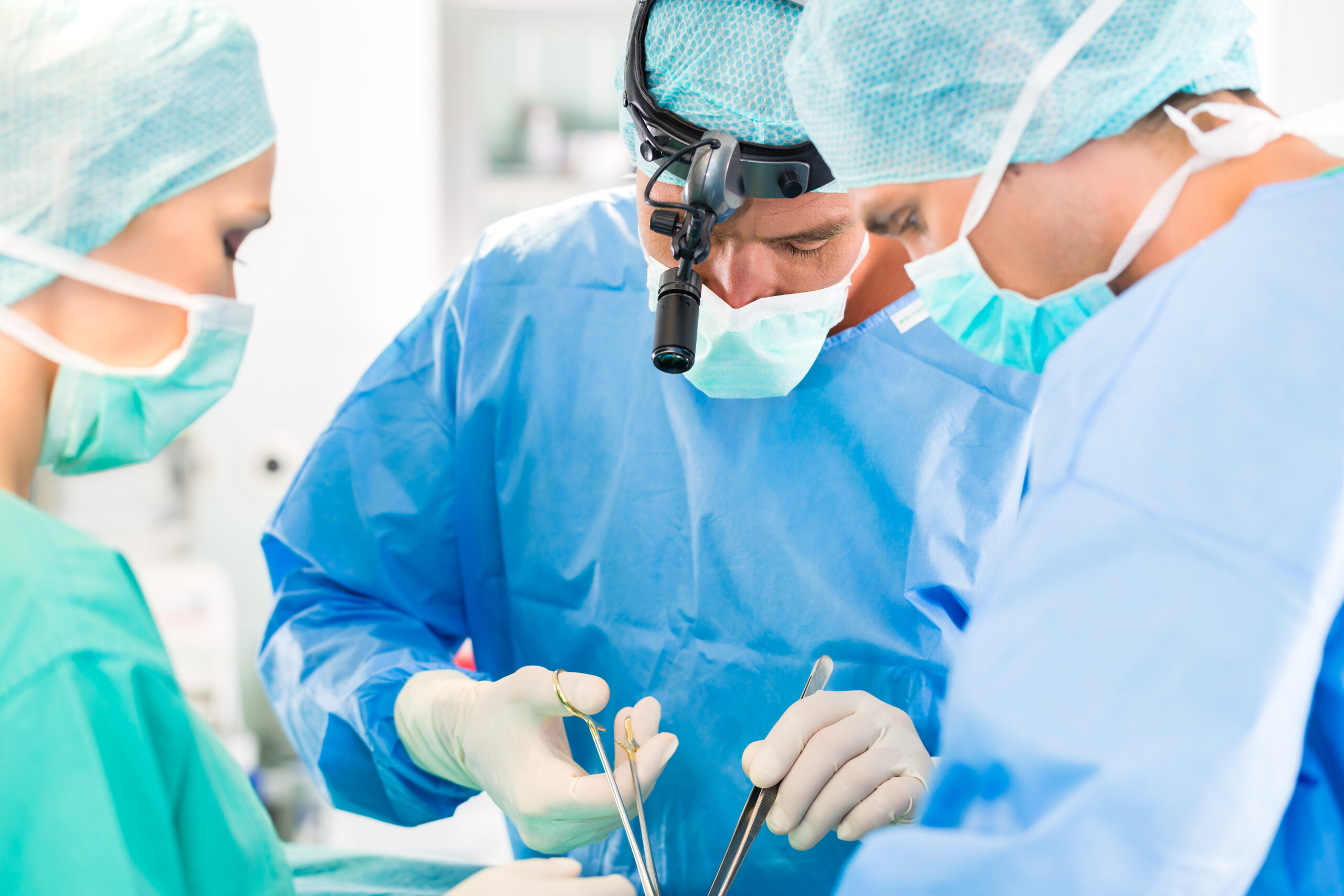
 Article at a Glance
 Nursing schools prefer their students to have some foundational knowledge when they begin training. They don’t expect you to know about nursing. But they do want you to have completed courses in the sciences. They scan your transcript for curriculum like anatomy and physiology, chemistry, nutrition, and microbiology. They also expect to see general education courses such as English, sociology, and psychology. Without them, your application is probably rejected by nursing schools.



 times less than usual when sitting at a computer display. Lack of blinking deprives your eyes of necessary moisture.
 7. Loss of Hearing



 What does value-based medicine mean for next-generation doctors?

 According to the